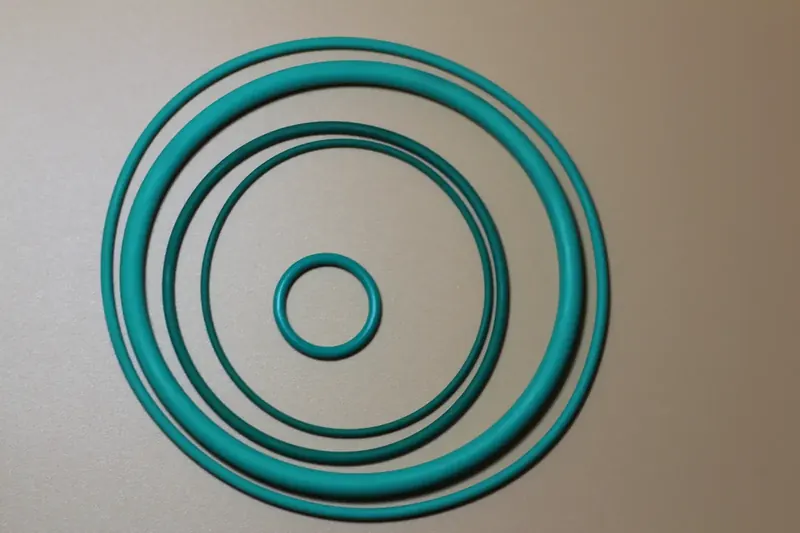
Rubber Clamp For Pipe Manufacturer | Engineering Guide

Engineering Guide: Rubber Clamp For Pipe

rubber clamp for pipe manufacturing

Engineering Insight: Material Selection in Pipe Clamp Performance

Material selection constitutes the non-negotiable foundation of reliable pipe clamp functionality. Off-the-shelf rubber clamps frequently fail in industrial applications due to generic material formulations that ignore site-specific operational stresses. These failures manifest as premature seal degradation, loss of clamping force, or catastrophic chemical incompatibility—costing end-users significant downtime and replacement expenses. The critical oversight lies in treating rubber as a homogeneous material rather than a precisely engineered compound.

Industrial environments subject pipe clamps to dynamic challenges: fluctuating temperatures, aggressive media exposure (oils, acids, ozone), cyclic mechanical stress, and long-term compression demands. Standard retail clamps typically utilize low-cost Nitrile (NBR) or unmodified EPDM with broad but shallow performance ranges. When deployed in scenarios involving hydraulic fluids, these compounds swell beyond 25%, compromising seal integrity. In high-temperature steam lines exceeding 135°C, generic EPDM hardens and cracks due to inadequate thermal stabilization. Conversely, in Arctic oilfield operations, unformulated NBR embrittles below -30°C, causing spontaneous fracture under vibration. Three primary failure mechanisms emerge from improper material choice: chemical swelling from incompatible media, compression set exceeding 30% under sustained load, and accelerated aging from unaddressed ozone or UV exposure.

The following table illustrates why application-specific compound engineering is essential. Generic solutions optimize for cost, not performance parameters:

Rubber Compound Key Industrial Limitations Typical Off-the-Shelf Failure Mode Critical ASTM D2000 Reference Properties
Standard NBR Poor ozone resistance; limited high-temp stability (>100°C) Cracking in outdoor hydraulic systems; swelling in biodiesel A2 (Ozone: BAD); B2 (Heat: BAD); EF11 (Fluid: BAD)
Basic EPDM Swells in petroleum derivatives; weak in steam >150°C Seal extrusion in fuel lines; hardening in steam tracers BC14 (Petroleum: BAD); BF14 (Steam: BAD)
Economy Silicone Low tensile strength; high compression set Flange leakage after 6 months in HVAC systems EF11 (Fluid: FAIR); EF70 (Compression Set: >35%)
Custom FKM High cost limits retail use Rarely fails in chemical transfer lines EF71 (Fuel: EXCELLENT); BF21 (Heat: 230°C)

Suzhou Baoshida Trading Co., Ltd. addresses these gaps through OEM-level compound customization. We formulate clamps using accelerated aging data from actual client fluid samples, not generic compatibility charts. For instance, a recent pharmaceutical client required clamps for peroxide-cleaning cycles; standard EPDM failed in 3 weeks, while our peroxide-resistant EPDM variant (with triazine curing) achieved 18-month service life. Similarly, in offshore hydraulic systems, our NBR compound with anti-swell additives maintained <10% volume change in HFDU fluids—where standard clamps exceeded 25% swell.

The false economy of off-the-shelf clamps becomes evident when calculating total cost of ownership. A $2 generic clamp causing $20,000 in unplanned downtime represents severe value erosion. Precision material science—tailoring polymer backbone, filler systems, and cure chemistry to the exact operational profile—eliminates these risks. At Baoshida, we mandate fluid immersion testing per ASTM D471 and compression set validation per ASTM D395 for every OEM specification. This rigor transforms pipe clamps from failure points into engineered reliability assets.


Material Specifications

rubber clamp for pipe manufacturing

Material Specifications for Rubber Clamps in Pipe Applications

In the industrial manufacturing of rubber clamps for pipe systems, material selection is critical to ensuring long-term performance, chemical compatibility, and mechanical reliability. At Suzhou Baoshida Trading Co., Ltd., we specialize in high-performance rubber solutions tailored for demanding environments. Our primary elastomers—Viton (FKM), Nitrile (NBR), and Silicone (VMQ)—each offer distinct advantages depending on operating conditions such as temperature, fluid exposure, and mechanical stress.

Viton is a fluorocarbon-based rubber known for its exceptional resistance to high temperatures, oils, fuels, and a broad range of aggressive chemicals. It maintains structural integrity in continuous service temperatures up to 230°C (446°F), making it ideal for aerospace, automotive, and chemical processing applications where exposure to hydrocarbons and extreme heat is common. Viton clamps provide superior sealing performance under harsh conditions, although they are typically more expensive than other elastomers.

Nitrile rubber, or acrylonitrile butadiene rubber (NBR), is widely used in hydraulic and fuel systems due to its excellent resistance to petroleum-based oils, greases, and water. With a continuous operating temperature range of -30°C to 100°C (-22°F to 212°F), NBR offers a balanced combination of durability, compression set resistance, and cost efficiency. It is particularly suitable for industrial machinery, automotive fuel lines, and general-purpose piping systems where moderate temperatures and oil exposure are expected.

Silicone rubber (VMQ) excels in extreme temperature environments, functioning reliably from -60°C to 200°C (-76°F to 392°F). It offers outstanding resistance to ozone, UV radiation, and weathering, making it ideal for outdoor applications and environments requiring consistent thermal cycling. While silicone has lower tensile strength and abrasion resistance compared to Viton or Nitrile, it is highly valued for its flexibility at low temperatures and biocompatibility, often used in food processing, pharmaceutical, and medical-grade piping systems.

The choice of elastomer directly impacts the clamp’s service life, sealing efficiency, and compatibility with system fluids. Proper material selection must consider not only temperature and chemical exposure but also mechanical load, compression deflection, and regulatory requirements.

Below is a comparative summary of key physical and chemical properties for each material:

Property Viton (FKM) Nitrile (NBR) Silicone (VMQ)
Temperature Range (°C) -20 to 230 -30 to 100 -60 to 200
Temperature Range (°F) -4 to 446 -22 to 212 -76 to 392
Tensile Strength (MPa) 15–20 10–25 5–8
Elongation at Break (%) 200–300 200–500 200–600
Hardness (Shore A) 60–90 50–90 30–80
Fluid Resistance (Oil/Fuel) Excellent Good to Excellent Poor
Fluid Resistance (Water) Good Good Excellent
Ozone/UV Resistance Excellent Fair Excellent
Compression Set Resistance Excellent Good Good
Typical Applications Aerospace, Chemical, Oil Automotive, Hydraulics Medical, Food, Outdoor

Each material is selected based on application-specific demands. Suzhou Baoshida Trading Co., Ltd. ensures rigorous quality control and material traceability to meet international industrial standards.


Manufacturing Capabilities

rubber clamp for pipe manufacturing

Engineering Capability: Precision-Driven Rubber Clamp Development

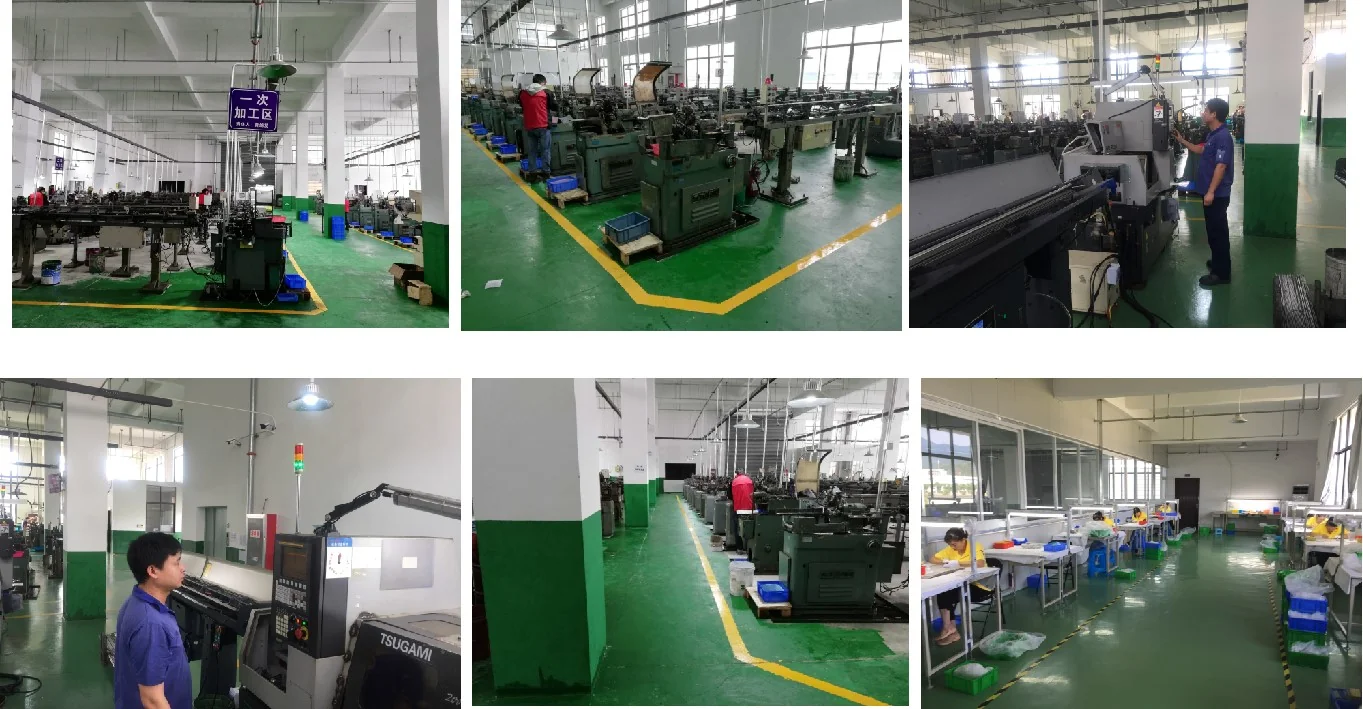
At Suzhou Baoshida Trading Co., Ltd., our Engineering Capability pillar integrates advanced material science with precision tooling to deliver mission-critical rubber pipe clamps for global industrial applications. With seven dedicated engineers—five specializing in mould design and two in polymer formulation—we eliminate cross-functional gaps between material performance and manufacturability. This synergy ensures every clamp meets stringent operational demands while optimizing lifecycle costs for OEM partners.

Our Formula Engineering team focuses on elastomer matrix optimization for dynamic sealing environments. Through iterative compound development, we tailor Shore A hardness, compression set resistance, and fluid compatibility to specific client requirements. For instance, NBR formulations achieve ≤15% compression set after 70 hours at 100°C, while EPDM variants withstand -50°C to +150°C thermal cycling without cracking. Each compound undergoes accelerated aging tests per ASTM D2240 and ISO 188, validating performance against ozone, hydraulic fluids, and industrial chemicals. This scientific approach prevents field failures caused by material degradation—a critical factor in pipeline integrity.

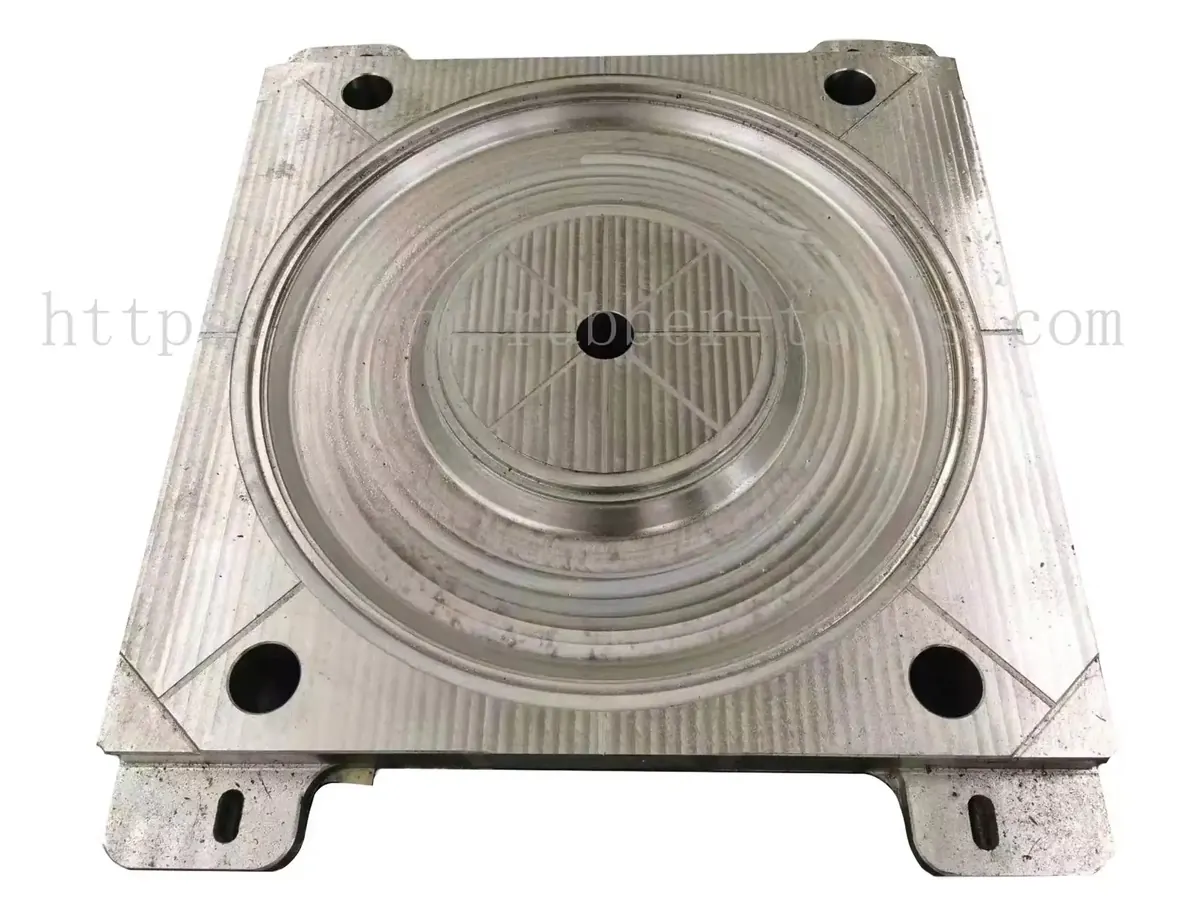
Mould Engineering leverages 3D simulation and DFM analysis to translate specifications into high-yield production. Our engineers design multi-cavity cold-runner systems with micron-level tolerancing (±0.05mm) for consistent part geometry, even in complex geometries like dual-lip sealing profiles. Finite element analysis predicts material flow during injection, minimizing weld lines and internal stresses that compromise seal integrity. This precision reduces scrap rates by 22% versus industry averages and accelerates time-to-market through virtual prototyping.

OEM collaboration is embedded in our workflow. We co-develop clamps from concept to量产, providing full documentation including material traceability certificates, PPAP submissions, and dimensional reports per ASME Y14.5. Clients retain exclusive IP rights to custom designs, with our team managing regulatory compliance for regional standards (e.g., FDA 21 CFR for food-grade lines, ISO 17497 for noise-sensitive applications).

Key performance metrics for our standard clamp series are validated under controlled conditions:

Specification EPDM Series NBR Series Customizable Range
Temperature Resistance -50°C to +150°C -30°C to +120°C -60°C to +200°C
Pressure Rating (Static) 25 bar 30 bar Up to 50 bar
Shore A Hardness 60 ± 5 70 ± 5 40–90
Compression Set (ASTM D395) ≤20% ≤15% ≤10% achievable
Fluid Resistance Water/Glycol Oil/Fuel Client-specified

This engineering rigor enables us to solve complex challenges—such as preventing extrusion in high-vibration pipelines or maintaining seal force after 10,000+ thermal cycles. By merging formula science with mould precision, Suzhou Baoshida delivers clamps that exceed ISO 1307 dimensional standards while reducing total cost of ownership. Our OEM framework ensures your specifications become production-ready realities without compromising on quality or scalability.


Customization Process

rubber clamp for pipe manufacturing

Customization Process for Rubber Clamps in Industrial Pipe Applications

At Suzhou Baoshida Trading Co., Ltd., our engineering-led approach to manufacturing rubber clamps for industrial piping systems ensures precision, durability, and seamless integration into demanding environments. Our customization process is structured to align material science with mechanical design, progressing systematically from initial drawing analysis through to mass production. This methodology guarantees that each rubber clamp meets the operational requirements of temperature, pressure, fluid compatibility, and mechanical load.

The process begins with Drawing Analysis, where our technical team evaluates customer-provided CAD models or engineering drawings. We assess critical dimensions, sealing surfaces, groove geometry, and installation clearance. Parting lines, draft angles, and tolerance zones are scrutinized to ensure manufacturability. This stage also includes a feasibility review for mold design, identifying potential challenges in demolding or flash control. Close collaboration with the client ensures alignment on functional intent and performance expectations.

Following drawing validation, our Rubber Formula Engineering team initiates Formulation Development. Based on the operating environment—such as exposure to oils, steam, ozone, or corrosive chemicals—we select the optimal elastomer compound. Common base polymers include NBR for oil resistance, EPDM for thermal and weather stability, and silicone for extreme temperature applications. Hardness is tailored between 50 and 80 Shore A, depending on compression set and sealing force requirements. Additives are precision-blended to enhance abrasion resistance, flame retardancy, or low-temperature flexibility. Each formulation is documented and batch-traceable for quality assurance.

Once the compound is finalized, we proceed to Prototyping. Using CNC-machined prototype molds or 3D-printed mandrels, we produce small batches for functional testing. These samples undergo dimensional inspection, compression deflection testing, and simulated service condition trials. Feedback from pressure cycling, vibration resistance, and thermal aging informs final adjustments to both material and geometry. Prototype approval is a formal milestone, requiring client sign-off before tooling advancement.

With approved prototypes, we transition to Mass Production using high-precision steel molds in hydraulic vulcanization presses. Each batch is subject to in-process quality checks, including weight sampling, visual inspection, and hardness testing. Final inspection reports and material certifications are provided with every shipment. Our production lines support annual volumes from 10,000 to over 1 million units, with consistent cycle time control and inventory management for JIT delivery.

The following table outlines typical technical specifications for custom rubber clamps:

Parameter Standard Range Customizable Options
Material NBR, EPDM, Silicone, CR, FKM Hybrid blends, FDA/UL compliance
Hardness (Shore A) 50–80 40–90 (upon request)
Temperature Range -30°C to +150°C (varies by material) Up to +250°C with FKM/silicone
Tolerance (ID/OD) ±0.2 mm to ±0.5 mm ±0.1 mm (precision grades)
Production Volume 1,000 – 1,000,000+ units/year Low-volume prototyping available
Certifications RoHS, REACH ISO 17025, ASTM D2000, customer-specific

Through this rigorous, science-driven workflow, Suzhou Baoshida delivers rubber clamps that exceed industrial performance benchmarks.


Contact Engineering Team

rubber clamp for pipe manufacturing

Contact Suzhou Baoshida for Precision Rubber Pipe Clamp Solutions

Suzhou Baoshida Trading Co., Ltd. stands at the forefront of industrial rubber engineering, delivering mission-critical sealing components for demanding fluid handling systems. Our rubber pipe clamps are not merely fasteners; they are precision-engineered interfaces ensuring leak-free integrity under extreme thermal cycling, pressure fluctuations, and aggressive chemical exposure. As your dedicated OEM partner, we transcend standard manufacturing by integrating material science expertise with rigorous quality control protocols. Every clamp undergoes ASTM D2000-compliant validation, guaranteeing dimensional stability and compound resilience specific to your operational parameters. This commitment to scientific rigor minimizes system downtime and extends service life across oil & gas, chemical processing, and marine applications.

The technical specifications below reflect our baseline engineering capabilities for standard NBR and EPDM formulations. However, true performance optimization occurs through direct collaboration—where your unique pressure differentials, media compatibility requirements, and environmental stressors inform our compound modification process.

Specification Parameter NBR Compound (Standard) EPDM Compound (Standard) Test Standard
Hardness Range (Shore A) 60 ± 5 to 90 ± 5 55 ± 5 to 85 ± 5 ASTM D2240
Temperature Resistance -30°C to +120°C -40°C to +150°C ASTM D573
Tensile Strength (MPa) ≥ 15.0 ≥ 12.0 ASTM D412
Elongation at Break (%) ≥ 300 ≥ 250 ASTM D412
Fluid Resistance (IRMOG 3) Volume Swell ≤ 25% Volume Swell ≤ 20% ISO 1817
Compression Set (70h/100°C) ≤ 25% ≤ 20% ASTM D395

These values represent starting points for discussion. Suzhou Baoshida’s value lies in our ability to recalibrate formulations—adjusting polymer blends, filler systems, and vulcanization profiles—to meet non-standard demands such as cryogenic sealing, biofuel compatibility, or aerospace fluid resistance. Our Suzhou-based technical team leverages 15+ years of OEM partnership data to preempt failure modes, ensuring clamps perform reliably where generic solutions compromise system safety.

Initiating dialogue with our engineering department transforms procurement from a transactional exercise into a risk-mitigation strategy. Mr. Boyce, our Technical OEM Manager, possesses direct oversight of material formulation and production validation. Contact him to:
Submit fluid compatibility matrices for compound screening
Review FEA stress analysis for high-vibration installations
Establish traceability protocols for critical infrastructure projects
Access our accelerated aging test database for lifecycle prediction

Do not rely on catalog specifications alone when system integrity is non-negotiable. Forward your application parameters—including media type, pressure cycles, and environmental conditions—to [email protected]. Specify “Pipe Clamp Technical Query” in the subject line to trigger immediate engineering review. Mr. Boyce will respond within 8 business hours with a compound recommendation, prototype timeline, and DFM analysis.

Suzhou Baoshida operates at the intersection of polymer chemistry and industrial reliability. Partner with us to convert sealing challenges into engineered advantages—where every clamp embodies validated performance, not speculative tolerance. Your fluid system’s integrity begins with a single technical consultation. Initiate it today.


⚖️ O-Ring Weight Calculator

Estimate rubber O-ring weight (Approx).


Rubber Clamp For Pipe Manufacturer | Engineering Guide

Contents of Table

Contact [email protected] Whatsapp 86 15951276160