Technical Contents
Engineering Guide: Ebdm Rubber

Engineering Insight: ebdm rubber
Material selection in industrial rubber applications is not a matter of convenience—it is a decisive engineering parameter that governs performance, longevity, and system reliability. The term ebdm rubber refers to a class of elastomeric compounds engineered for extreme conditions involving elevated temperatures, dynamic mechanical stress, chemical exposure, and abrasion. Off-the-shelf rubber solutions, while commercially accessible and often cost-attractive, are typically formulated for generalized applications and lack the tailored molecular architecture required to meet the precise demands of ebdm environments.
Standard rubber products are frequently based on commodity polymers such as natural rubber (NR), styrene-butadiene rubber (SBR), or generic nitrile (NBR). These materials exhibit acceptable baseline properties under mild operating conditions. However, when subjected to ebdm stressors—such as continuous operation above 120°C, exposure to aggressive hydrocarbons, or cyclic compression in high-load seals—their performance degrades rapidly. Common failure modes include thermal cracking, swelling, compression set, and loss of tensile integrity. These failures are not random; they are predictable consequences of material-property mismatch.
True ebdm rubber formulations are engineered through precise polymer selection, reinforcement strategies, and crosslink system optimization. For instance, hydrogenated nitrile (HNBR) offers superior thermal stability and oil resistance compared to standard NBR. Fluoroelastomers (FKM) provide exceptional resistance to aromatic hydrocarbons and high-temperature oxidation. For extreme abrasion resistance, specially compounded polyurethanes (PU) with controlled crosslink density demonstrate unparalleled wear life. Each of these base polymers must be further modified with functional fillers, stabilizers, and curatives to achieve target performance.
At Suzhou Baoshida Trading Co., Ltd., we emphasize application-specific formulation development. Our ebdm rubber solutions are not selected from catalogues—they are designed through collaborative engineering. We analyze operational parameters including temperature extremes, fluid compatibility, dynamic loading frequency, and environmental exposure to construct a material profile that aligns with the real-world duty cycle.
The following table outlines key performance characteristics of common ebdm-grade elastomers compared to standard alternatives:
| Property | Standard NBR | HNBR | FKM | PU (ebdm-grade) |
|---|---|---|---|---|
| Temperature Range (°C) | -30 to +100 | -40 to +150 | -20 to +200 | -40 to +100 |
| Tensile Strength (MPa) | 15–20 | 25–35 | 10–18 | 30–60 |
| Compression Set (24h, 100°C) | 25–35% | 15–20% | 10–15% | 20–30% |
| Abrasion Resistance | Moderate | Good | Fair | Excellent |
| Fluid Resistance (Oil/Fuel) | Good | Excellent | Excellent | Good |
The data clearly illustrate why generic materials underperform in ebdm contexts. Material selection must be driven by engineering analysis, not procurement convenience. At Baoshida, we engineer for failure avoidance—not just initial fit.
Material Specifications

Material Specifications: Critical Selection Criteria for Industrial Sealing Applications
As Rubber Formula Engineers at Suzhou Baoshida Trading Co., Ltd., we emphasize that precise material selection underpins reliability in demanding industrial environments. The term ‘ebdm rubber’ commonly refers to EPDM (Ethylene Propylene Diene Monomer), a critical elastomer for ozone and weather resistance. However, optimal performance requires matching material properties to operational stressors. This section details specifications for Viton (FKM), Nitrile (NBR), and Silicone (VMQ), three cornerstone materials in our OEM portfolio. Each compound undergoes rigorous validation per ASTM D2000 standards to ensure dimensional stability, chemical integrity, and service longevity under extreme conditions. Misalignment between material capabilities and application parameters—such as fluid exposure, thermal cycling, or mechanical load—directly correlates with premature failure. Our engineering team prioritizes data-driven selection to mitigate such risks for global manufacturing partners.
The comparative analysis below quantifies core performance metrics essential for B2B procurement decisions. Values reflect standard-grade compounds; custom formulations for specific OEM requirements may exhibit enhanced properties.
| Material | Temp Range (°C) | Key Chemical Resistances | Compression Set (70h, 100°C) | Tensile Strength (MPa) | Typical Applications |
|---|---|---|---|---|---|
| Viton (FKM) | -20 to 230 | Fuels, oils, acids, halogens | ≤25% | 15-20 | Aerospace seals, chemical processing gaskets, automotive fuel systems |
| Nitrile (NBR) | -40 to 120 | Aliphatic hydrocarbons, water, hydraulic fluids | ≤30% | 10-18 | Oilfield equipment, hydraulic O-rings, printing rollers |
| Silicone (VMQ) | -60 to 200 | Water, steam, oxygen, UV radiation | ≤20% | 6-10 | Medical device components, food-grade tubing, high-temp insulation |
Viton demonstrates superior resistance to aggressive chemicals and high temperatures, making it indispensable for aerospace and petrochemical applications where NBR would rapidly degrade. Its molecular stability in jet fuels and synthetic lubricants justifies premium adoption despite higher material costs. NBR remains the cost-effective solution for general-purpose oil and water exposure but exhibits critical limitations above 120°C and in aromatic hydrocarbon environments. Silicone’s unparalleled flexibility at cryogenic temperatures and biocompatibility drive its use in life sciences, though its low tensile strength necessitates design compensation for high-load scenarios.
Suzhou Baoshida’s OEM management protocol mandates cross-referencing this data with application-specific fluid compatibility charts and dynamic stress testing. For instance, while Silicone excels in steam service, its permeability to low-molecular-weight fluids requires evaluation against NBR in certain hydraulic contexts. Similarly, Viton’s resistance to brake fluids must be verified against specific additive packages in automotive formulations. Our technical team provides material certification dossiers and application engineering support to ensure seamless integration into your manufacturing workflow. Precision in elastomer selection is not merely a specification—it is the foundation of operational safety and lifecycle cost efficiency. Partner with our engineers to validate material performance against your exacting requirements.
Manufacturing Capabilities
Engineering Capability: Precision-Driven Rubber Solutions for Industrial Applications
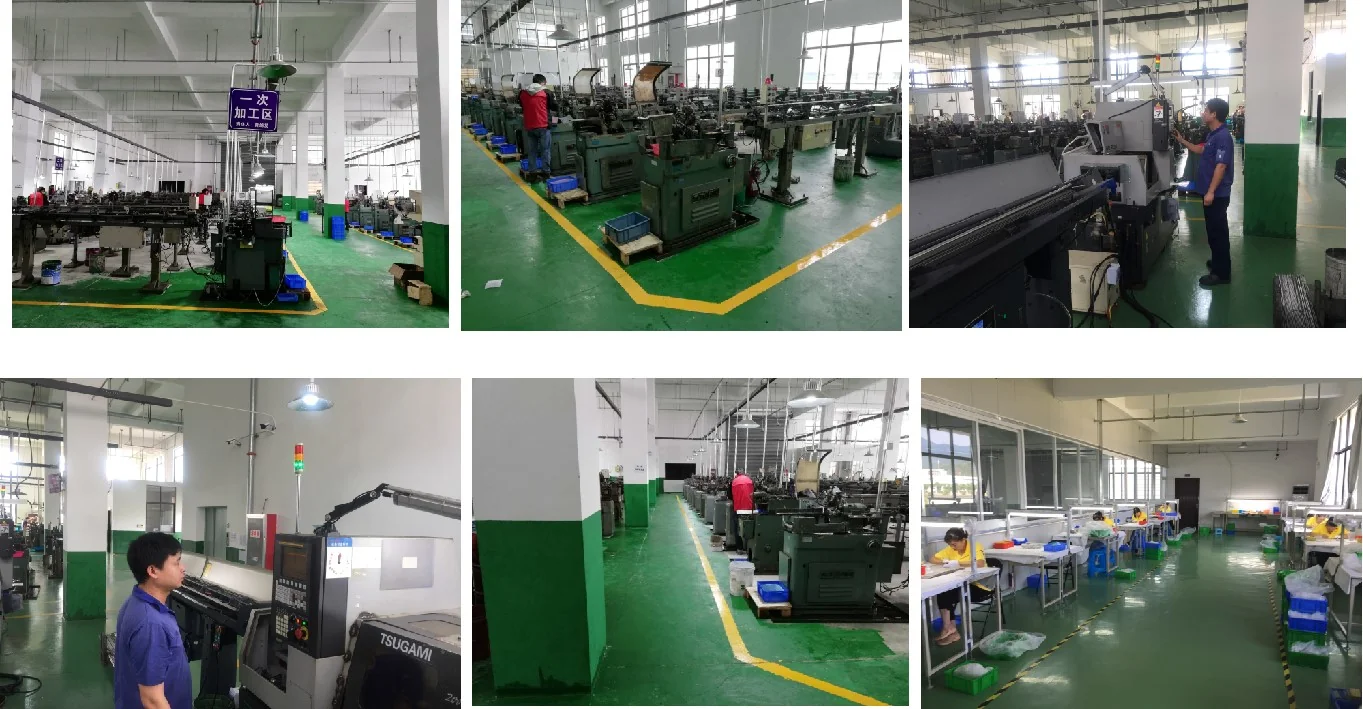
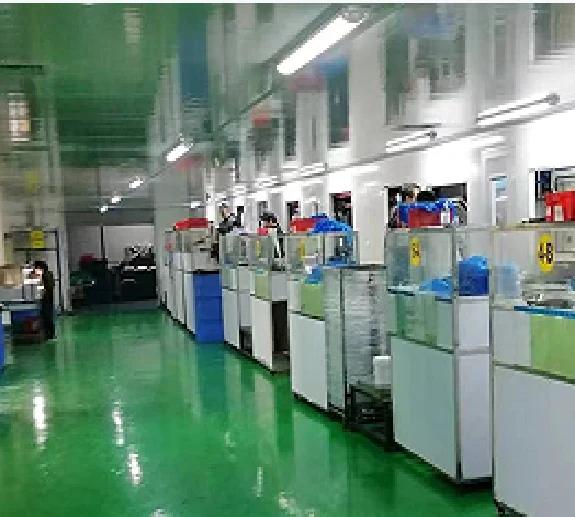
At Suzhou Baoshida Trading Co., Ltd., our engineering capability forms the backbone of our industrial rubber solutions, ensuring that every product meets exacting performance, durability, and application-specific requirements. With a dedicated team of five specialized mould engineers and two advanced formula engineers, we integrate material science with precision tooling to deliver high-performance ebdm rubber components tailored to demanding OEM environments.
Our formula engineers possess deep expertise in elastomer chemistry, focusing on the development and optimization of rubber compounds for targeted industrial conditions. They formulate ebdm rubber materials to achieve specific mechanical properties such as tensile strength, compression set resistance, thermal stability, and chemical resistance. By leveraging advanced testing protocols and real-time performance data, our team fine-tunes formulations for applications ranging from automotive sealing systems to heavy-duty industrial machinery. This scientific approach ensures consistency, longevity, and compliance with international standards including ASTM, ISO, and ROHS.
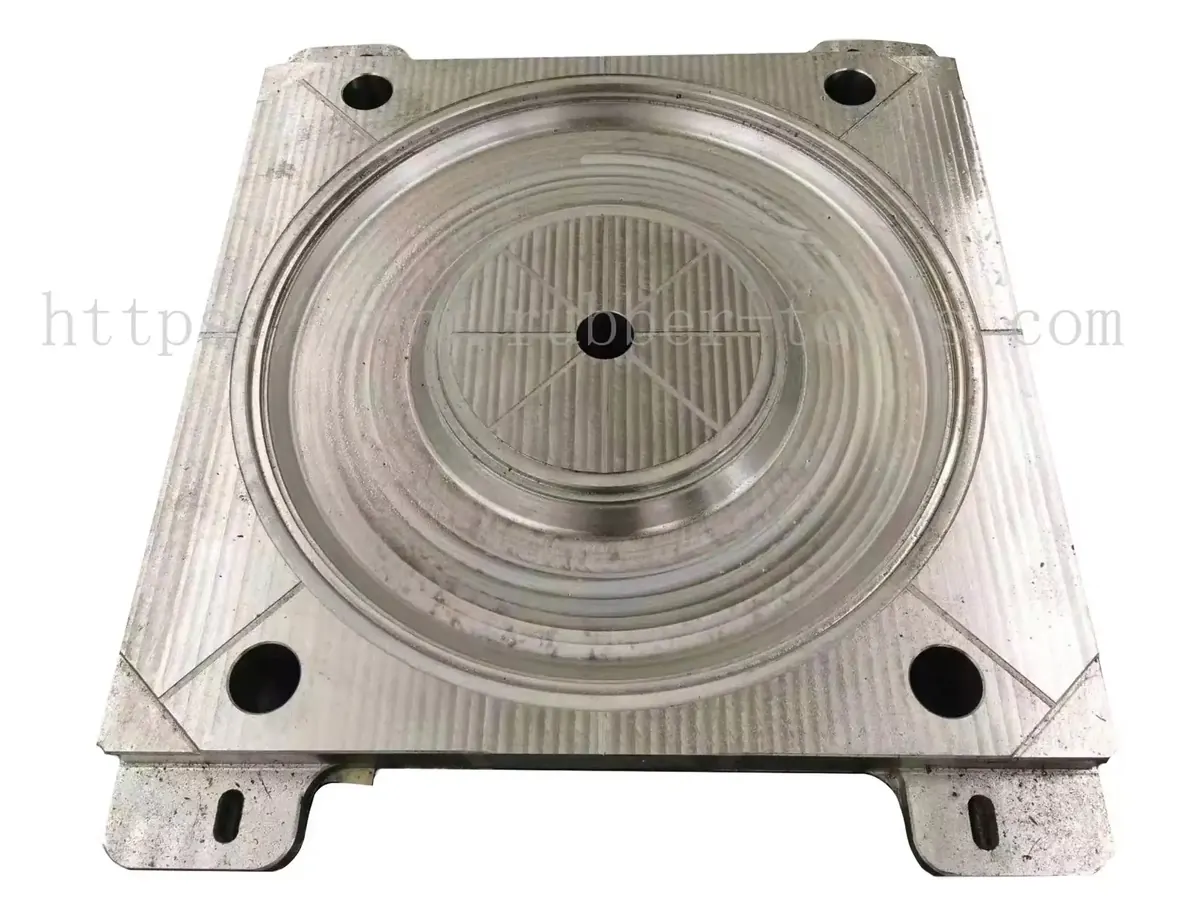
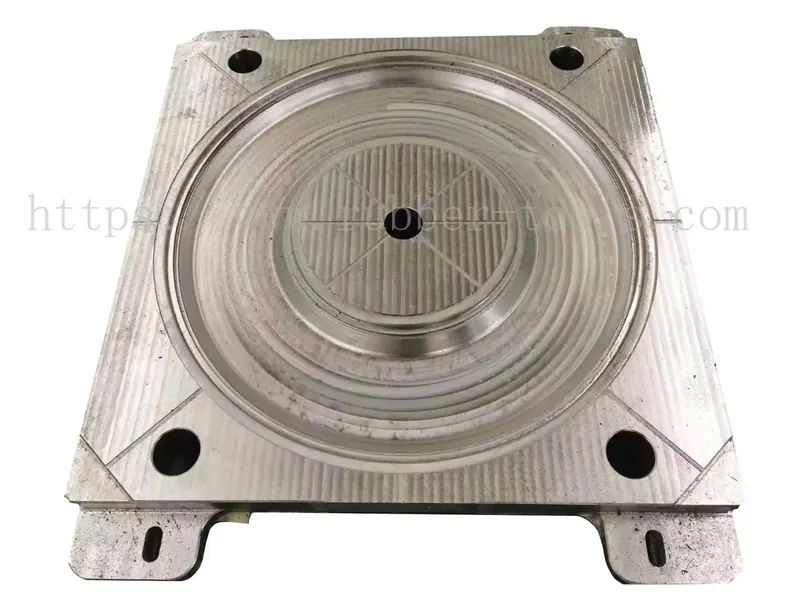
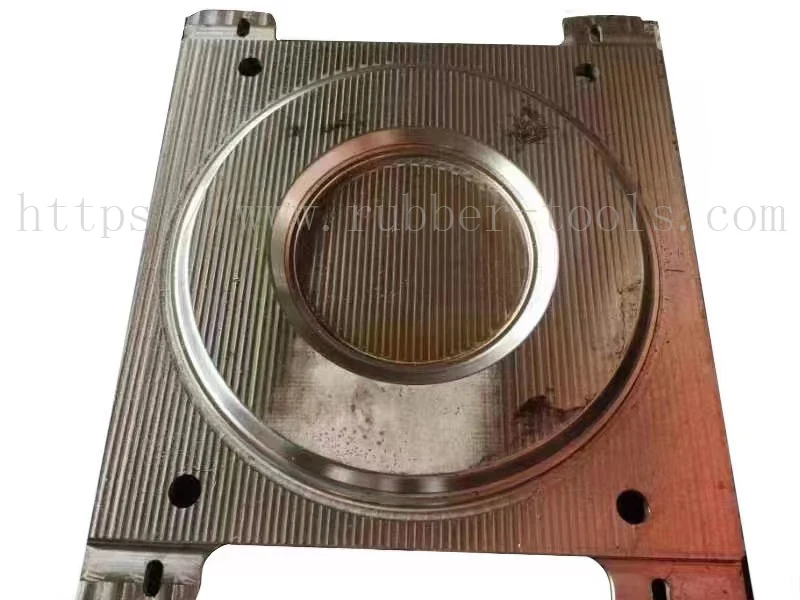
Complementing our material development is a skilled team of five mould engineers who specialize in precision tool design and manufacturing. These engineers utilize state-of-the-art CAD/CAM software and CNC machining technologies to develop high-tolerance moulds that support complex geometries and tight dimensional specifications. Our in-house tooling capability allows rapid prototyping, faster time-to-market, and full control over quality assurance throughout the production cycle. Whether producing simple gaskets or multi-cavity, intricate sealing profiles, our mould engineering team ensures repeatability, minimal flash, and optimal material flow during vulcanization.
Our integrated OEM service model enables seamless collaboration from concept to mass production. We work closely with clients to understand operational demands, environmental stressors, and lifecycle expectations, translating these into engineered rubber solutions that perform reliably under real-world conditions. From initial material selection and 3D modelling to DFM analysis and final validation, our end-to-end engineering process ensures that every component meets or exceeds functional requirements.
This synergy between formulation science and precision engineering positions Suzhou Baoshida as a trusted partner for OEMs requiring robust, scalable, and technically superior rubber components. Our commitment to innovation, quality, and technical excellence drives continuous improvement across all stages of development and production.
Key Engineering Specifications and Capabilities
| Parameter | Specification |
|---|---|
| Mould Engineers | 5 Senior Engineers with 8+ years average experience |
| Formula Engineers | 2 PhD-level specialists in polymer science and elastomer formulation |
| Mould Design Software | SolidWorks, AutoCAD, UG/NX, Moldflow analysis |
| Tooling Materials | H13, P20, 420 Stainless Steel, and S136 for corrosion-resistant applications |
| Tolerance Range | ±0.05 mm for critical dimensions |
| Compound Development Capacity | Custom formulations for oil resistance, high/low temperature, ozone stability |
| Production Support | DFM, FEA simulation, first article inspection (FAI), PPAP documentation |
| OEM Collaboration Model | Full turnkey development, co-engineering, IP protection, and scalability |
Customization Process
EBDM Rubber Customization Workflow: Precision Engineering from Concept to Production
Suzhou Baoshida Trading Co., Ltd. executes a rigorously defined customization process for EBDM rubber components, ensuring optimal performance alignment with demanding industrial applications. This structured methodology guarantees material integrity, dimensional accuracy, and seamless scalability from initial concept to high-volume output. Our OEM partnership model prioritizes technical collaboration and stringent quality control at every phase.
Drawing analysis constitutes the critical foundation. Our engineering team conducts a meticulous review of client-provided technical drawings and 3D models, focusing on geometric tolerances, functional requirements, and environmental exposure conditions. We assess draft angles, parting lines, and potential molding complexities inherent to the design. This stage involves collaborative dialogue to resolve ambiguities, optimize manufacturability without compromising function, and establish definitive acceptance criteria. Material selection parameters are derived directly from this analysis, forming the basis for the subsequent formulation phase.
Formulation development leverages our deep expertise in EBDM (Ethylene Butadiene Diene Monomer) rubber chemistry. Based on the validated requirements, we engineer a proprietary compound balancing key properties: tensile strength, elongation at break, compression set resistance, temperature range, fluid compatibility, and abrasion resistance. Precise control over polymer grade, filler systems (e.g., carbon black, silica), curatives (sulfur or peroxide), and specialty additives is maintained. Small-batch laboratory mixing validates the target physical and chemical characteristics against the application’s operational demands before prototyping.
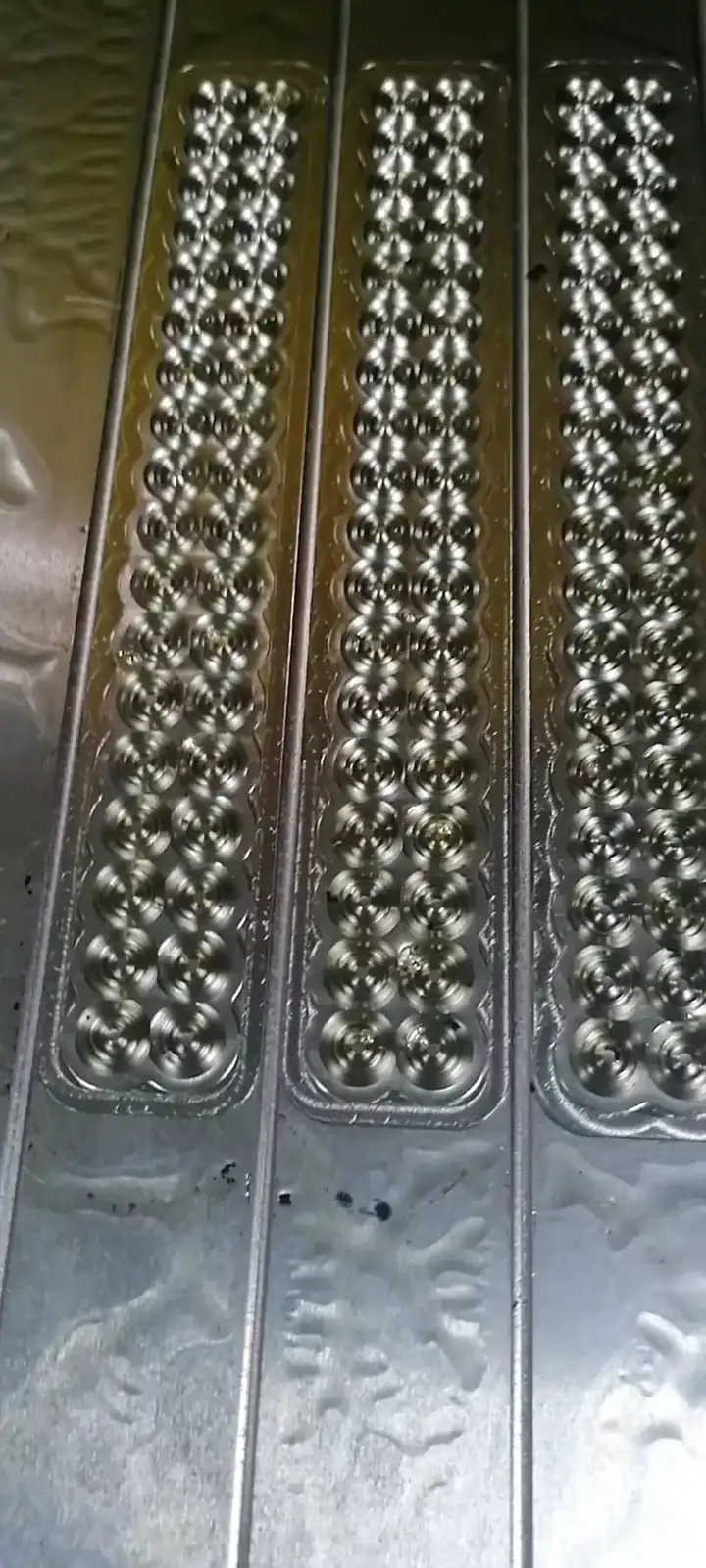
Prototyping utilizes precision tooling, often CNC-machined aluminum molds for rapid iteration. Components are molded under controlled conditions replicating production parameters. Rigorous physical testing against the agreed specifications occurs, including dimensional verification, hardness measurement, and critical performance tests like compression set per ASTM D395 or fluid immersion resistance. Client feedback on prototype functionality and fit is integrated, enabling final compound or design refinements. This phase confirms process capability and validates the Design for Manufacturing (DFM) adjustments.
Mass production commences only after formal client approval of prototypes and process documentation. We implement Statistical Process Control (SPC) on critical molding parameters (temperature, pressure, cure time) and conduct in-line dimensional checks. Full batch traceability, from raw material lot to finished part, is maintained. Final inspection adheres strictly to the approved drawing and material specification sheet, with comprehensive certification packages provided. Our integrated supply chain ensures consistent raw material quality and on-time delivery for sustained OEM production runs.
The following table summarizes key EBDM rubber properties achievable through our tailored formulation process, illustrating the performance envelope for industrial applications:
| Property | Typical Range (EBDM) | Test Standard | Industrial Relevance |
|---|---|---|---|
| Hardness (Shore A) | 40 – 90 | ASTM D2240 | Sealing force, wear resistance |
| Tensile Strength (MPa) | 10 – 25 | ASTM D412 | Structural integrity under load |
| Elongation at Break (%) | 200 – 600 | ASTM D412 | Flexibility, resistance to tearing |
| Compression Set (22h/70°C) | 10% – 35% | ASTM D395 Method B | Long-term sealing performance retention |
| Operating Temperature | -50°C to +150°C | Material Analysis | Suitability for extreme environments |
| Specific Gravity | 1.15 – 1.35 | ASTM D297 | Weight considerations, material cost |
This systematic approach, combining advanced material science with disciplined manufacturing execution, ensures Suzhou Baoshida delivers EBDM rubber solutions that meet the exacting reliability and performance standards required by global industrial OEMs.
Contact Engineering Team

Contact Suzhou Baoshida Trading Co., Ltd. for Advanced ebdm Rubber Solutions
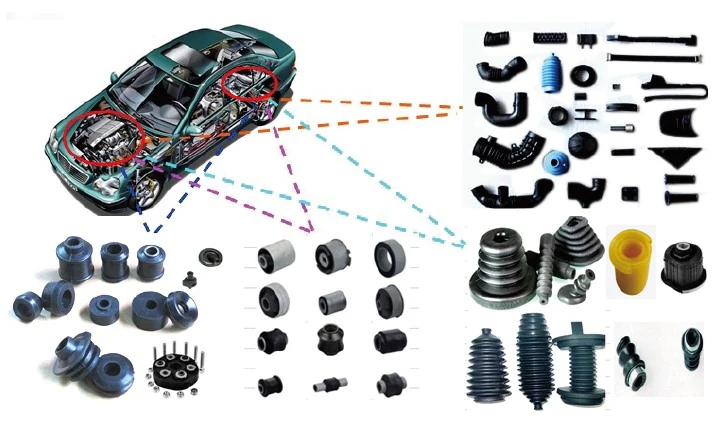
At Suzhou Baoshida Trading Co., Ltd., we specialize in high-performance industrial rubber materials, with a focused expertise in ebdm rubber formulations engineered for extreme environments. Our proprietary compounding techniques ensure superior resistance to heat, ozone, and chemical exposure, making our ebdm rubber ideal for automotive seals, industrial hoses, electrical insulation, and oilfield components. As a trusted OEM partner, we deliver consistent quality, scalable production capacity, and full technical traceability for mission-critical applications.
To integrate ebdm rubber into your next manufacturing project, direct engagement with our technical team is essential. Mr. Boyce, our Lead Rubber Formula Engineer and OEM Manager, oversees all client-specific material development and production coordination. With over 15 years of experience in elastomer science and industrial supply chain integration, Mr. Boyce ensures that every formulation meets exact ASTM, ISO, and customer-defined specifications. Whether you require custom durometer adjustments, low-temperature flexibility enhancements, or compliance with ROHS and REACH standards, our team provides end-to-end support from prototype to bulk delivery.
We invite engineering managers, procurement officers, and R&D directors to initiate a technical dialogue to evaluate how ebdm rubber can improve product longevity and operational efficiency in your application. Our facility in Suzhou is equipped with state-of-the-art mixing, curing, and testing equipment, enabling rapid turnaround for samples and production runs. All materials undergo rigorous QC protocols, including tensile strength analysis, compression set testing, and aging resistance validation.
Below are key technical parameters of our standard ebdm rubber compound. Custom modifications are available upon consultation.
| Property | Test Method | Typical Value |
|---|---|---|
| Hardness (Shore A) | ASTM D2240 | 60 – 80 |
| Tensile Strength | ASTM D412 | ≥18 MPa |
| Elongation at Break | ASTM D412 | ≥450% |
| Compression Set (22 hrs, 150°C) | ASTM D395 | ≤25% |
| Operating Temperature Range | — | -40°C to +180°C |
| Specific Gravity | ASTM D297 | 1.35 |
| Resistance Profile | — | Oil, heat, ozone, weathering |
For detailed material data sheets, sample requests, or engineering collaboration, contact Mr. Boyce directly at [email protected]. Include your project specifications, volume requirements, and performance criteria to receive a tailored formulation proposal within 48 hours. Our team supports English and Mandarin communications and can coordinate site audits, third-party certifications, and logistics planning for global distribution.
Partner with Suzhou Baoshida to leverage precision-engineered ebdm rubber that meets the highest standards of industrial reliability. Initiate your technical inquiry today and strengthen your supply chain with scientifically validated elastomer solutions.
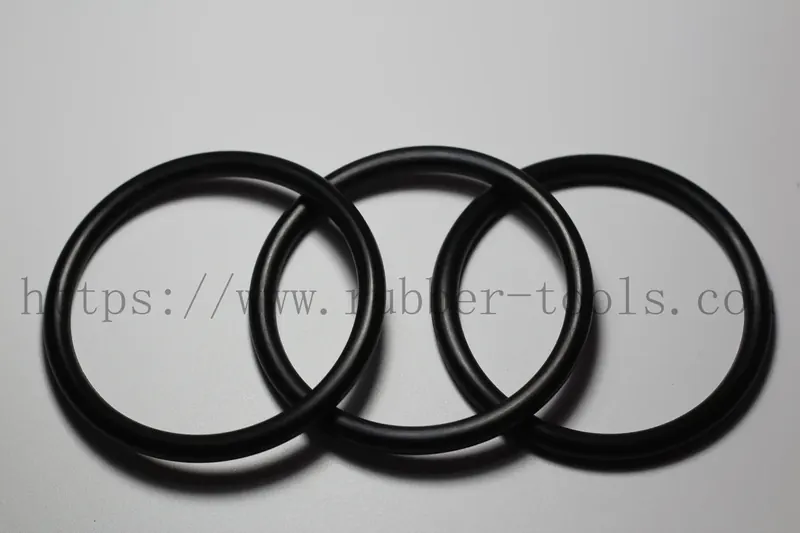
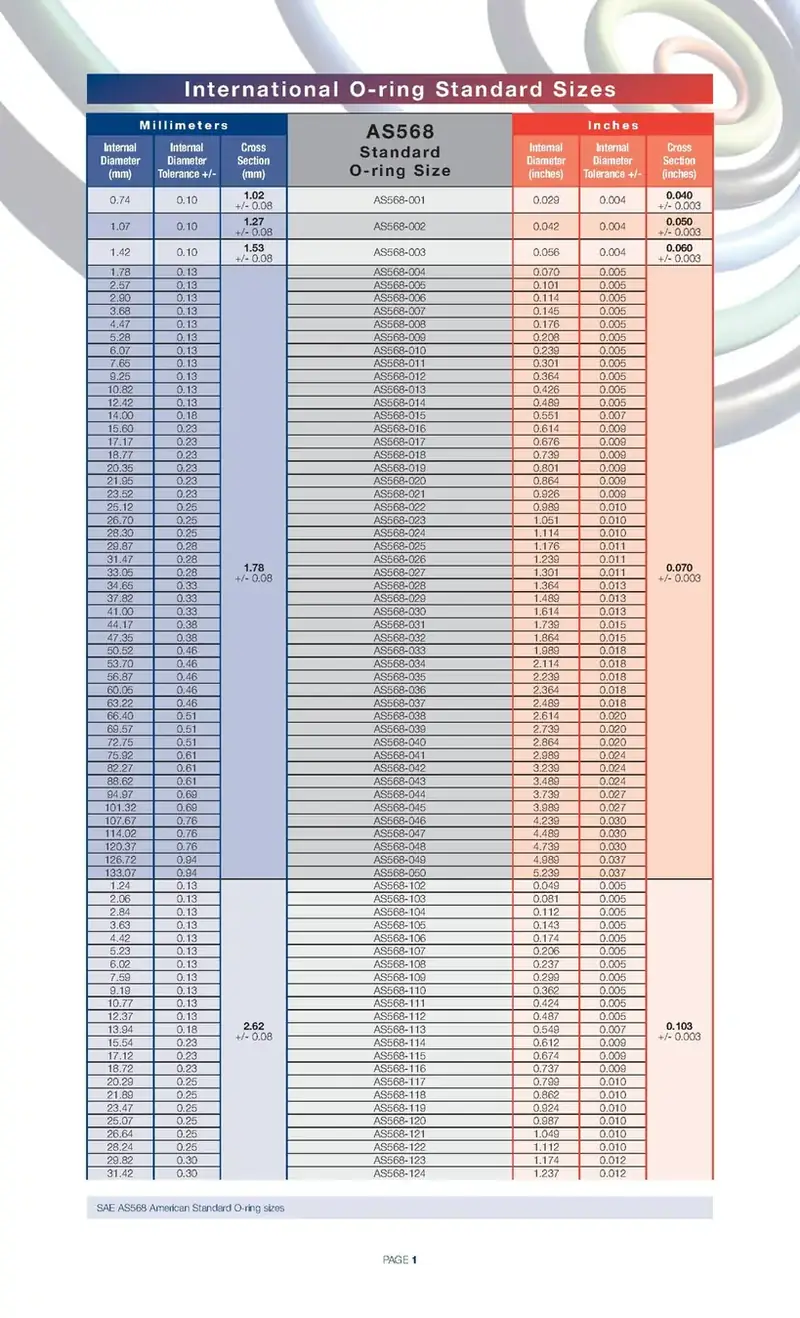
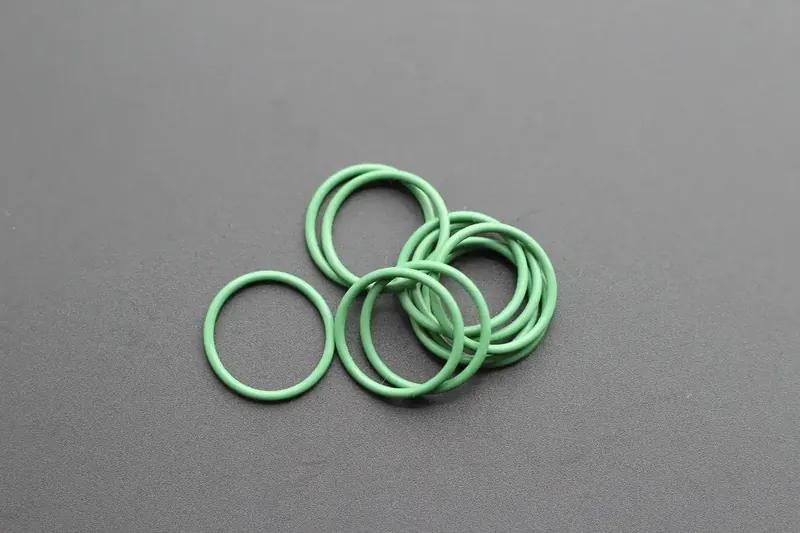
⚖️ O-Ring Weight Calculator
Estimate rubber O-ring weight (Approx).