Polyurethane Suspension Bushings Manufacturer | Engineering Guide

Engineering Guide: Polyurethane Suspension Bushings

polyurethane suspension bushings manufacturing

Engineering Insight: Material Selection in Polyurethane Suspension Bushings

The performance and longevity of polyurethane suspension bushings are fundamentally governed by material selection. While rubber has been the traditional material of choice in suspension systems, polyurethane offers distinct mechanical advantages—higher load capacity, superior abrasion resistance, and enhanced dimensional stability. However, these benefits are only fully realized when the polyurethane formulation is precisely engineered for the operational environment. Off-the-shelf bushings, often mass-produced with generic polyurethane compounds, frequently fail to meet the nuanced demands of industrial and high-performance applications.

One of the primary reasons for premature failure in generic polyurethane bushings is the mismatch between hardness (Shore A) and dynamic load requirements. A bushing that is too hard transmits excessive vibration and shock, accelerating wear in adjacent components. Conversely, a compound that is too soft deforms under load, leading to loss of alignment and reduced control. Moreover, many commercial formulations neglect environmental factors such as temperature extremes, exposure to oils or ozone, and long-term creep resistance. These oversights result in degradation modes including cracking, hardening, or permanent set.

At Suzhou Baoshida Trading Co., Ltd., we emphasize application-specific material engineering. Our polyurethane compounds are tailored to balance hardness, elongation at break, and resilience. For instance, in heavy-duty mining equipment, we utilize reinforced polyurethanes with optimized cross-link density to resist tearing under cyclic loading. In contrast, for precision agricultural machinery, we formulate with enhanced hydrolysis resistance to withstand prolonged outdoor exposure.

Another critical factor is the distinction between polyester- and polyether-based polyurethanes. While polyester types offer higher mechanical strength and load-bearing capacity, they are susceptible to hydrolysis in humid environments. Polyether-based systems, though slightly lower in strength, provide superior resistance to moisture and microbial attack—making them ideal for outdoor or marine applications.

The following table outlines key material properties and their engineering implications:

Property Polyester-Based PU Polyether-Based PU Engineering Implication
Tensile Strength 40–60 MPa 30–50 MPa Higher load capacity in dry, high-stress environments
Elongation at Break 400–600% 500–700% Greater flexibility and impact absorption
Hardness Range (Shore A) 70–95 65–90 Tunable damping and stiffness
Hydrolysis Resistance Low to Moderate High Critical for humid or outdoor applications
Temperature Range -30°C to +90°C -40°C to +100°C Suitability for extreme climates
Abrasion Resistance Excellent Good Longevity in high-wear zones

Material selection is not a one-size-fits-all proposition. Off-the-shelf bushings, designed for broad compatibility, inherently compromise on performance. True reliability emerges from a systems-level understanding of load profiles, environmental exposure, and lifecycle expectations. At Baoshida, we collaborate with OEMs to develop purpose-built polyurethane solutions—ensuring durability, precision, and total cost efficiency over the product lifecycle.


Material Specifications

polyurethane suspension bushings manufacturing

Material Specifications for Polyurethane Suspension Bushings

Material selection critically determines the operational lifespan and performance fidelity of polyurethane suspension bushings in automotive applications. Suzhou Baoshida Trading Co., Ltd. engineers rigorously evaluate elastomer compounds against dynamic mechanical loads, environmental exposure, and chemical resistance requirements. Viton fluoroelastomers, Nitrile butadiene rubber (NBR), and Silicone represent three strategic solutions for distinct operational envelopes. Viton excels in extreme-temperature environments where continuous exposure exceeds 200°C, such as high-performance engine mounts or turbocharger systems. Its molecular stability resists degradation from aggressive automotive fluids including synthetic lubricants, brake fluids, and biodiesel blends. Nitrile remains the industry benchmark for cost-effective resilience against petroleum-based oils and fuels within moderate temperature ranges. Its superior abrasion resistance and tensile strength suit standard suspension linkages subjected to frequent hydrocarbon exposure. Silicone provides unmatched flexibility retention across -60°C to 230°C cycles, making it ideal for cold-climate applications or components requiring extreme low-temperature elasticity. However, its lower mechanical strength necessitates design compensation in high-load zones.

All materials undergo stringent validation per ISO 37 tensile testing, ASTM D2240 hardness profiling, and dynamic compression set analysis at 100°C for 70 hours. Suzhou Baoshida mandates minimum Shore A 80-90 hardness for suspension bushings to balance deflection control and vibration damping. Critical fluid resistance metrics follow ASTM D471 immersion protocols in ATF, engine oil, and brake fluid at 150°C for 72 hours. Below is the comparative specification matrix for OEM reference.

Property Viton (FKM) Nitrile (NBR) Silicone (VMQ)
Hardness Range (Shore A) 70–90 60–95 40–80
Continuous Temp Range -25°C to +230°C -30°C to +120°C -60°C to +230°C
Tensile Strength (MPa) 12–18 15–25 5–10
Compression Set (70h/100°C) ≤25% ≤30% ≤20%
Fuel Resistance (ASTM D471) Excellent Good Poor
Oil Resistance Exceptional Excellent Poor
Ozone Resistance Exceptional Moderate Excellent
Cost Factor High Low Medium

Suzhou Baoshida prioritizes application-specific material mapping. Nitrile dominates cost-sensitive mainstream suspensions requiring robust oil resistance. Viton is specified for premium vehicles with extended service intervals or hybrid powertrains generating elevated under-hood temperatures. Silicone sees targeted use in auxiliary suspension components requiring extreme cold flexibility, such as rear axle bushings in arctic-spec vehicles. Each compound undergoes OEM-specific dynamic fatigue testing per SAE J1482 protocols, simulating 150,000 km road loads. Material certifications include ISO 1817 fluid resistance reports and REACH/ROHS compliance documentation. Consult our engineering team to align compound selection with your suspension architecture’s stress profiles and environmental duty cycles.


Manufacturing Capabilities

polyurethane suspension bushings manufacturing

Engineering Capability: Precision-Driven Development of Polyurethane Suspension Bushings

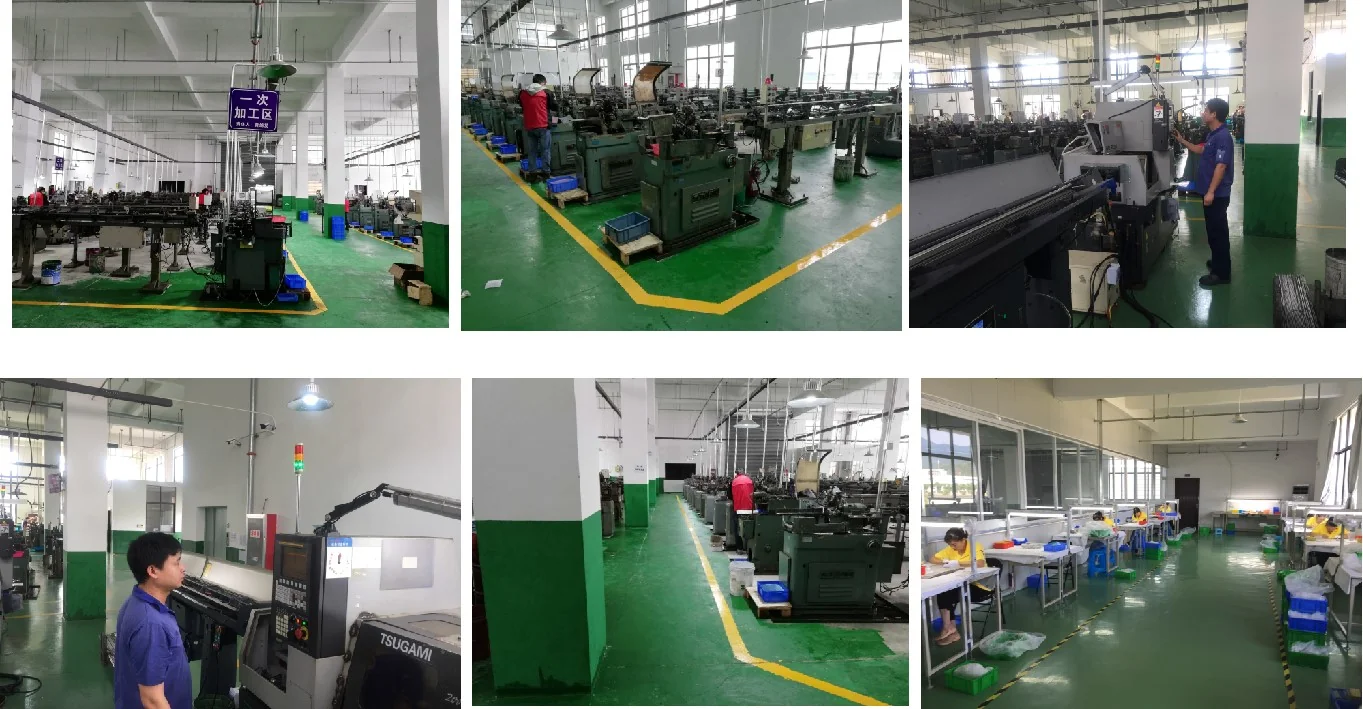
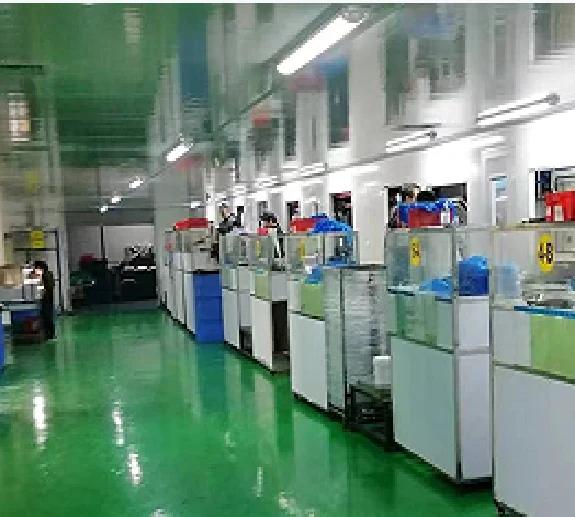
At Suzhou Baoshida Trading Co., Ltd., our engineering capability forms the backbone of our industrial rubber solutions, particularly in the design and production of high-performance polyurethane suspension bushings. With a dedicated team comprising five specialized mould engineers and two advanced formula engineers, we maintain full in-house control over material development, tooling design, and process optimization. This integrated technical structure enables us to deliver OEM-grade components tailored to exact client specifications, ensuring superior mechanical performance, durability, and consistency across production runs.

Our formula engineers focus on the molecular architecture of polyurethane systems, selecting isocyanates, polyols, and chain extenders to achieve targeted physical properties. By adjusting crosslink density, phase separation, and hard segment content, we engineer compounds that meet precise requirements for hardness, rebound resilience, compression set, and dynamic fatigue resistance. Each formulation is validated through accelerated aging tests, dynamic mechanical analysis (DMA), and real-world simulation to ensure long-term reliability under variable load, temperature, and environmental exposure.

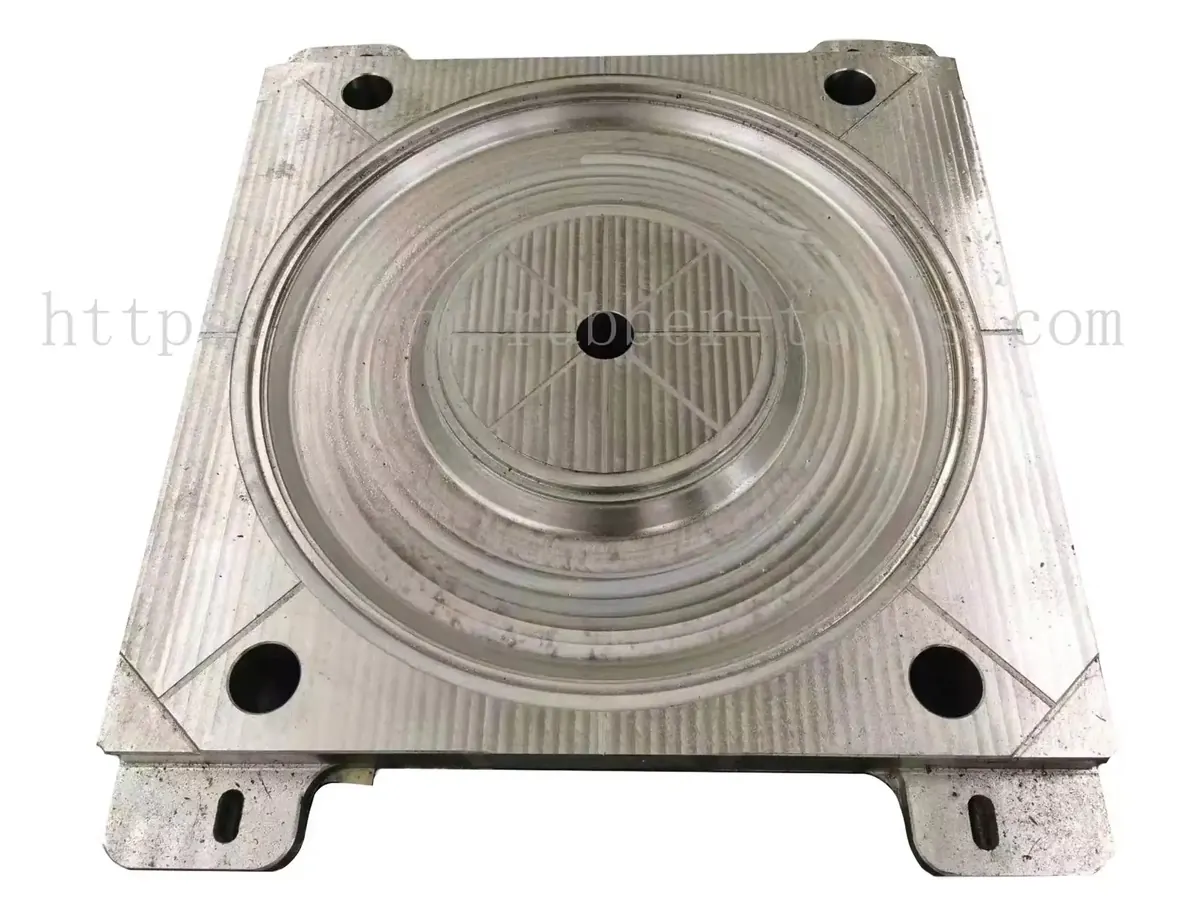
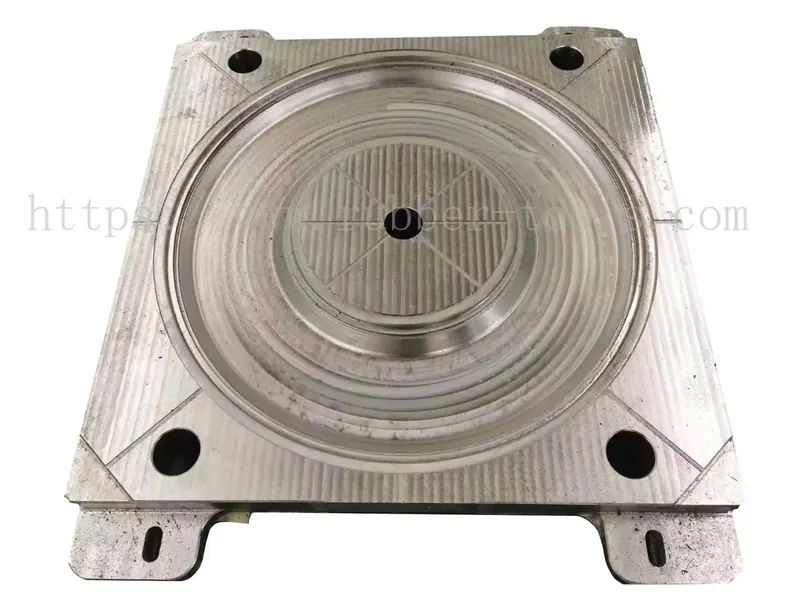
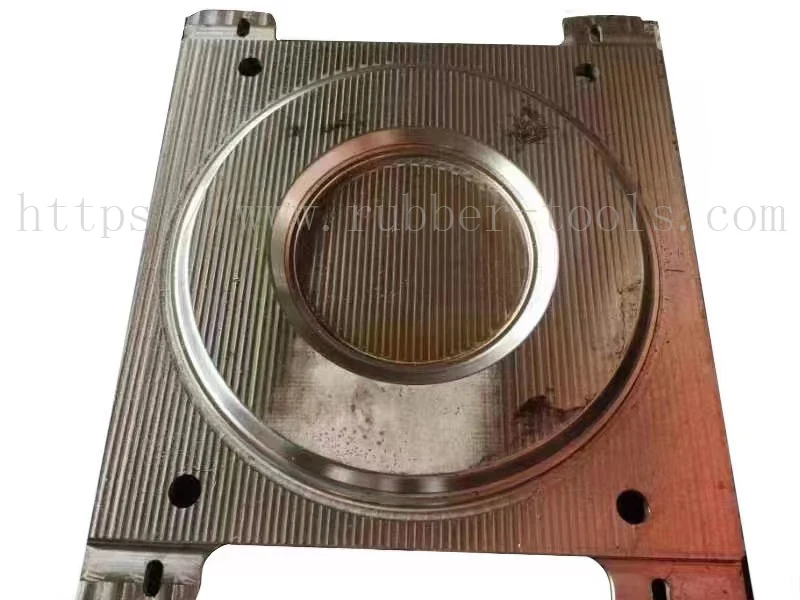
Complementing material science expertise, our five mould engineers apply advanced CAD/CAM techniques and finite element analysis (FEA) to optimize tool design for complex suspension bushing geometries. This includes managing shrinkage tolerances, flow dynamics during curing, and parting line integrity to minimize flash and ensure dimensional accuracy. Our steel selection, surface treatment, and venting strategies are calibrated to support high-cycle production with minimal maintenance downtime, making our tooling suitable for both prototyping and volume manufacturing.

We operate under strict OEM protocols, supporting co-engineering initiatives from concept to mass production. Our clients benefit from design for manufacturability (DFM) reviews, rapid prototype iteration, and full documentation traceability—including material data sheets, process capability studies (Cp/Cpk), and first article inspection reports (FAI). This OEM-ready framework ensures seamless integration into automotive, rail, and industrial equipment supply chains.

The following table outlines key engineering specifications and performance parameters achievable with our polyurethane suspension bushings:

Property Test Method Typical Range
Hardness (Shore A) ASTM D2240 70–95
Tensile Strength ASTM D412 25–45 MPa
Elongation at Break ASTM D412 350–550%
Tear Strength ASTM D624 50–90 kN/m
Compression Set (22 hrs, 70°C) ASTM D395 ≤ 15%
Dynamic Stiffness (10 Hz) ISO 1817 Custom-tuned
Operating Temperature -40°C to +100°C

All materials and designs are developed in compliance with ISO 9001 standards and can be adapted to meet OEM-specific testing regimes, including salt spray, ozone resistance, and multi-axis fatigue cycling. Suzhou Baoshida Trading Co., Ltd. leverages its dual-engineering synergy to deliver technically robust, application-optimized polyurethane suspension bushings for global industrial markets.


Customization Process

polyurethane suspension bushings manufacturing

Polyurethane Suspension Bushing Customization Process

Suzhou Baoshida Trading Co., Ltd. executes a rigorous, science-driven customization pathway for polyurethane suspension bushings, ensuring optimal performance integration within demanding automotive and industrial chassis systems. This structured process guarantees material properties precisely align with OEM dynamic load, NVH, and durability requirements, moving systematically from concept to volume output.

Drawing Analysis & Requirement Translation
Initial engagement centers on meticulous technical drawing review and OEM performance specification deconstruction. Our engineering team scrutinizes geometric tolerances, mounting interfaces, dynamic deflection angles, and operational temperature ranges. Critical parameters such as maximum radial/angular load, frequency spectrum, and environmental exposure (ozone, oils, road salts) are quantified. This phase identifies potential stress concentrations and defines the precise Shore A hardness range, dynamic modulus targets, and hysteresis limits essential for the application, forming the foundational material design brief.

Advanced Polyurethane Formulation Development
Leveraging proprietary polyol and isocyanate chemistry, our formula engineers develop bespoke polyurethane compounds within ISO 17025-certified laboratories. Formulation targets are derived directly from the drawing analysis phase, focusing on achieving the exact balance between resilience, damping characteristics, and long-term compression set resistance. Key variables include polyol molecular weight, chain extender selection, and specialized additive packages for enhanced hydrolysis or UV stability. Iterative lab-scale mixing and curing validate preliminary mechanical properties before prototyping.

Precision Prototyping & Validation Testing
Validated formulations undergo CNC machining or precision molding into prototype bushings meeting all dimensional tolerances. Rigorous physical testing follows per ASTM D2240, D412, and D395 standards, including dynamic fatigue cycling on servo-hydraulic test rigs simulating real-world road inputs. Prototype performance data—measuring load-deflection curves, energy dissipation, and permanent set after 1 million cycles—is compared against OEM targets. Collaborative review with the client ensures functional alignment prior to production release.

Controlled Mass Production & Quality Assurance
Upon prototype approval, production transitions to our automated molding lines under stringent ISO/TS 16949 controls. Batch traceability is maintained from raw material lot to finished part, with in-process checks on cure time, temperature, and pressure. Every production batch undergoes 100% visual inspection and statistical mechanical property verification. Final parts ship with full material certification and PPAP documentation, ensuring seamless integration into the client’s assembly process with zero defects.

Critical Polyurethane Material Specifications for Suspension Bushings

Property Standard PU Range Customizable Target Range (Baoshida) Test Standard
Shore A Hardness 60A – 95A 45A – 98A (±2A) ASTM D2240
Tensile Strength 20 – 50 MPa 15 – 65 MPa ASTM D412
Elongation at Break 300% – 600% 250% – 800% ASTM D412
Compression Set (22h) 10% – 25% < 8% (70°C) ASTM D395 Method B
Operating Temperature -40°C to +90°C -55°C to +120°C Internal Cycling
Dynamic Modulus (10Hz) 1.5 – 15 MPa Application-Specific Tuning ISO 1827

This disciplined engineering workflow, underpinned by advanced material science and metrology, ensures Suzhou Baoshida delivers polyurethane suspension bushings that exceed OEM lifecycle expectations while maintaining absolute consistency in high-volume manufacturing environments.


Contact Engineering Team

polyurethane suspension bushings manufacturing

For manufacturers and OEMs seeking precision-engineered polyurethane suspension bushings, Suzhou Baoshida Trading Co., Ltd. stands as a trusted partner in industrial rubber solutions. With years of specialized expertise in elastomer formulation and component manufacturing, we deliver high-performance bushings tailored to meet the exact demands of automotive, rail, heavy equipment, and industrial machinery applications. Our engineering team applies rigorous scientific methodology to material selection, compound development, and performance validation, ensuring every product exceeds industry standards for durability, load capacity, and dynamic response.

Polyurethane suspension bushings from Baoshida are formulated using advanced thermoset polyurethane systems, offering superior resistance to compression set, abrasion, and environmental degradation when compared to conventional rubber materials. Our proprietary formulations are optimized for specific operating conditions, including extreme temperature ranges (-40°C to +100°C), high dynamic loads, and prolonged cyclic stress. Each bushing is precision-molded to exact dimensional tolerances, ensuring seamless integration into suspension systems where alignment, damping efficiency, and longevity are critical.

We understand that performance specifications vary across applications. To support informed decision-making, the following table outlines the standard technical parameters of our most widely utilized polyurethane bushing compounds:

Property PU-75A PU-85A PU-95A
Hardness (Shore A) 75 ± 5 85 ± 5 95 ± 5
Tensile Strength (MPa) ≥35 ≥40 ≥45
Elongation at Break (%) ≥450 ≥400 ≥350
Tear Strength (kN/m) ≥90 ≥100 ≥110
Compression Set (22h at 70°C) ≤15% ≤18% ≤20%
Operating Temperature Range -40°C to +100°C -40°C to +100°C -40°C to +100°C
Abrasion Resistance (DIN 53516, mm³ loss) ≤60 ≤55 ≤50

These compounds are available in custom geometries, durometer grades, and reinforcement configurations, including steel-insert overmolding for enhanced structural integration. All products undergo 100% dimensional inspection and batch-based physical testing to ensure consistency and reliability across production runs.

For engineering collaboration, sample requests, or technical data sheet access, contact Mr. Boyce, OEM Manager and Rubber Formula Engineer at Suzhou Baoshida Trading Co., Ltd. Mr. Boyce leads material development and client technical integration, offering direct support in compound customization, failure mode analysis, and application-specific validation protocols. His expertise ensures that your suspension system requirements are met with scientifically grounded, production-ready solutions.

Reach out today to initiate a technical consultation. Email Mr. Boyce at [email protected] to discuss your project specifications, request material samples, or schedule a factory audit. At Suzhou Baoshida, we are committed to advancing industrial performance through engineered elastomer innovation—partner with us to elevate the reliability and efficiency of your suspension systems.


⚖️ O-Ring Weight Calculator

Estimate rubber O-ring weight (Approx).


Polyurethane Suspension Bushings Manufacturer | Engineering Guide

Contents of Table

Contact [email protected] Whatsapp 86 15951276160