Technical Contents
Engineering Guide: O Ring Lubrication

Engineering Insight: The Critical Role of Material Selection in O-Ring Lubrication
In precision sealing applications, O-ring performance is not solely determined by geometry or installation technique—material compatibility with lubricants is equally critical. At Suzhou Baoshida Trading Co., Ltd., we emphasize that off-the-shelf lubricants, while convenient, often lead to premature seal failure due to chemical incompatibility, thermal degradation, or physical swelling. The root cause lies in a one-size-fits-all approach that neglects the molecular interaction between elastomer and lubricant.
Each rubber compound exhibits unique solubility parameters and polarity characteristics, dictating its response to hydrocarbon, silicone, ester-based, or perfluorinated lubricants. For instance, nitrile rubber (NBR) performs well with mineral oils but swells significantly in exposure to phosphate esters. Conversely, fluoroelastomers (FKM) resist aggressive fluids but may harden when paired with certain silicone greases. These reactions directly impact sealing integrity, compression set resistance, and service life.
Material selection must therefore be guided by the operational environment: temperature extremes, fluid media, dynamic movement, and pressure cycles. Standard lubricants typically lack the formulation specificity required for such conditions. They may contain additives—such as zinc, sulfur, or chlorine—that accelerate elastomer degradation. In high-vacuum or food-grade applications, outgassing or non-compliance with FDA/USP Class VI standards further disqualify generic options.
Customized lubrication strategies begin with a thorough analysis of the elastomer’s chemical resistance profile. At Baoshida, we integrate material datasheets, immersion testing, and accelerated aging studies to match O-ring compounds with purpose-formulated lubricants. This ensures optimal friction reduction, extrusion resistance, and long-term sealing performance.
The following table illustrates key elastomer-lubricant compatibility considerations for common industrial scenarios:
| Elastomer Type | Recommended Lubricant Base | Avoid | Typical Applications |
|---|---|---|---|
| Nitrile (NBR) | Mineral oil-based | Phosphate esters, strong acids | Hydraulic systems, pneumatic seals |
| Fluoroelastomer (FKM) | Perfluoropolyether (PFPE) | Silicone greases, amines | High-temperature engines, chemical processing |
| Silicone (VMQ) | Methylphenyl silicone oil | Aliphatic hydrocarbons | Medical devices, low-temp seals |
| Ethylene Propylene (EPDM) | Synthetic esters | Mineral oils, aliphatic hydrocarbons | Steam systems, water treatment |
| Polyurethane (AU) | Ester-based or synthetic hydrocarbons | Aromatic solvents, phosphate esters | Dynamic hydraulic seals, wear rings |
In conclusion, successful O-ring lubrication is not a commodity decision—it is an engineered solution. Off-the-shelf products may reduce initial costs but often compromise reliability, leading to leakage, downtime, and safety risks. By prioritizing material-lubricant synergy, manufacturers can achieve durable, high-performance sealing systems tailored to exact operational demands. At Suzhou Baoshida, we support OEMs with application-specific formulations and technical validation to ensure every seal performs as intended.
Material Specifications

Material Specifications for O-Ring Lubrication Compatibility
Selecting the appropriate elastomer for o-rings is critical when considering lubrication requirements in dynamic sealing applications. The base polymer directly influences chemical resistance, thermal stability, and compatibility with lubricants, which collectively determine seal longevity and system integrity. At Suzhou Baoshida Trading Co., Ltd., we rigorously qualify Viton (FKM), Nitrile (NBR), and Silicone (VMQ) formulations against OEM specifications to ensure optimal performance under lubricated conditions. Lubricant absorption, swelling behavior, and additive interactions must be evaluated alongside base material properties to prevent premature failure.
Viton fluorocarbon elastomers excel in high-temperature and aggressive chemical environments where standard lubricants may degrade. With continuous service temperatures ranging from -20°C to 230°C, Viton maintains structural integrity when exposed to synthetic ester-based or perfluoropolyether (PFPE) lubricants commonly used in aerospace and automotive fuel systems. Its saturated backbone provides exceptional resistance to non-polar fluids like jet fuels and hydraulic oils, minimizing swell-induced extrusion in high-pressure lubricated joints. However, Viton exhibits limited compatibility with phosphate ester lubricants and requires careful validation against specific formulations to avoid excessive hardening.
Nitrile butadiene rubber remains the industry standard for cost-sensitive applications involving mineral oil-based lubricants. Operating effectively between -40°C and 120°C, NBR demonstrates optimal compatibility with petroleum derivatives, greases, and water-glycol hydraulic fluids. Its moderate resistance to aliphatic hydrocarbons ensures stable dimensional changes (typically 2-5% swell) when lubricated, preserving sealing force. Critical limitations include poor resistance to ozone, polar solvents like ketones, and synthetic esters, which can cause rapid deterioration. NBR formulations with higher acrylonitrile content (48-50%) offer enhanced lubricant resistance but reduced low-temperature flexibility.
Silicone elastomers provide unmatched thermal range (-60°C to 200°C) and biocompatibility, making them suitable for medical and food-grade lubricated systems. Silicone o-rings exhibit excellent resistance to water-based lubricants and silicone oils but suffer from significant swelling (15-25%) and strength loss when exposed to non-polar hydrocarbons. Their inherently low tear strength necessitates careful lubricant selection to avoid abrasion in reciprocating applications. Silicone’s gas permeability also requires evaluation in vacuum environments where lubricant outgassing may occur.
The following table summarizes critical specifications for lubrication-focused applications:
| Material | Temperature Range (°C) | Key Chemical Resistances | Lubrication Compatibility Notes |
|---|---|---|---|
| Viton (FKM) | -20 to 230 | Fuels, oils, acids, halogens | Requires PFPE or fluorinated lubricants; avoid amines and ketones; minimal swell in synthetic esters |
| Nitrile (NBR) | -40 to 120 | Aliphatic hydrocarbons, water, hydraulic fluids | Optimal with mineral oils; moderate swell in greases; incompatible with polar solvents |
| Silicone (VMQ) | -60 to 200 | Water, alcohols, ozone | Compatible with silicone oils and water-based lubricants; severe swell in hydrocarbons; avoid chlorinated solvents |
Material selection must align with lubricant chemistry, operating temperatures, and dynamic stresses. Suzhou Baoshida Trading Co., Ltd. provides customized compound validation testing per ASTM D2000 and ISO 3601 standards to confirm lubrication compatibility for your specific OEM application. Consult our engineering team for formulation adjustments addressing unique fluid exposure scenarios.
Manufacturing Capabilities

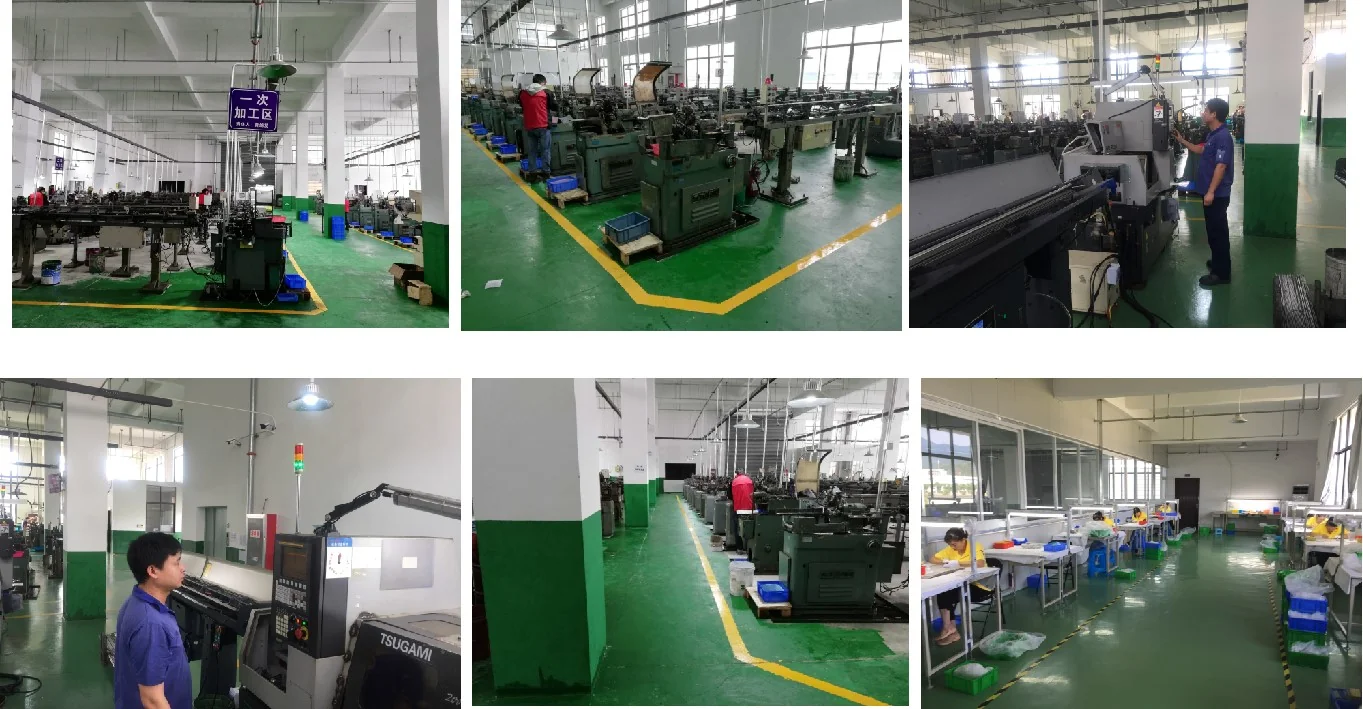
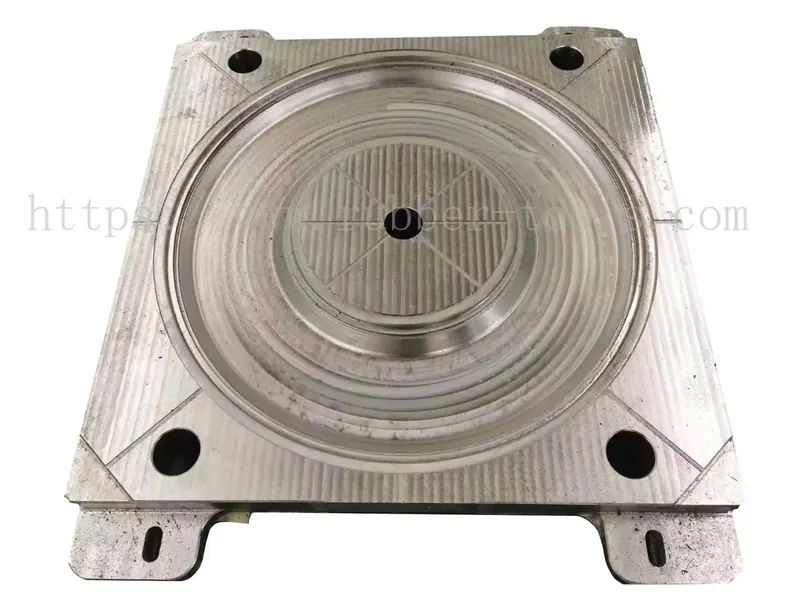
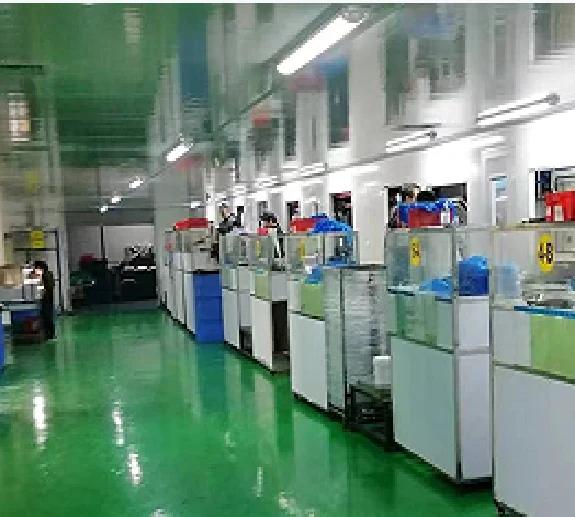
Suzhou Baoshida Trading Co., Ltd. operates at the forefront of precision rubber seal manufacturing, with a dedicated engineering team that ensures every product meets the highest standards of performance and reliability. Our Engineering Capability is anchored by a team of five specialized mould engineers and two advanced rubber formula engineers, enabling us to deliver fully integrated OEM solutions from concept to mass production. This multidisciplinary structure allows seamless coordination between material science and precision tooling, a critical advantage in the development of high-performance O rings and sealing components.
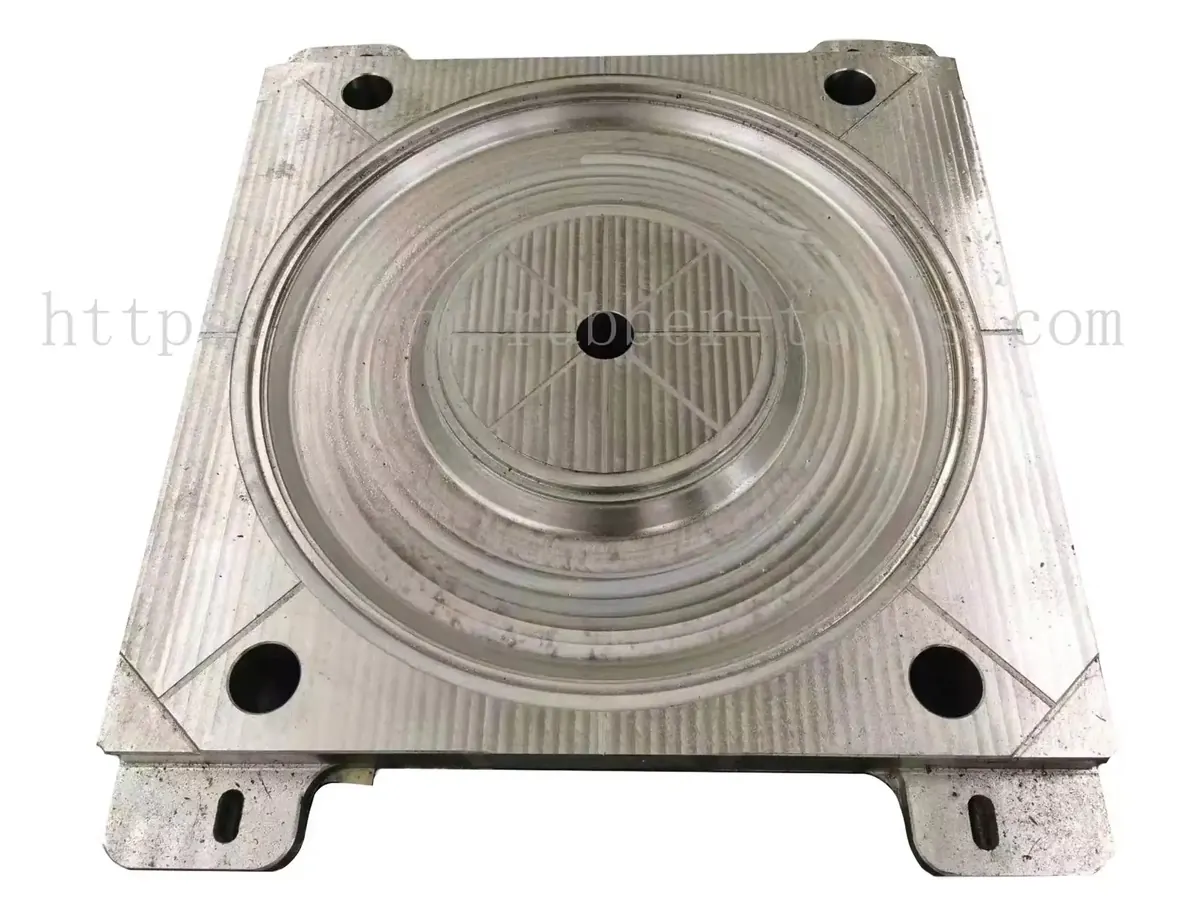
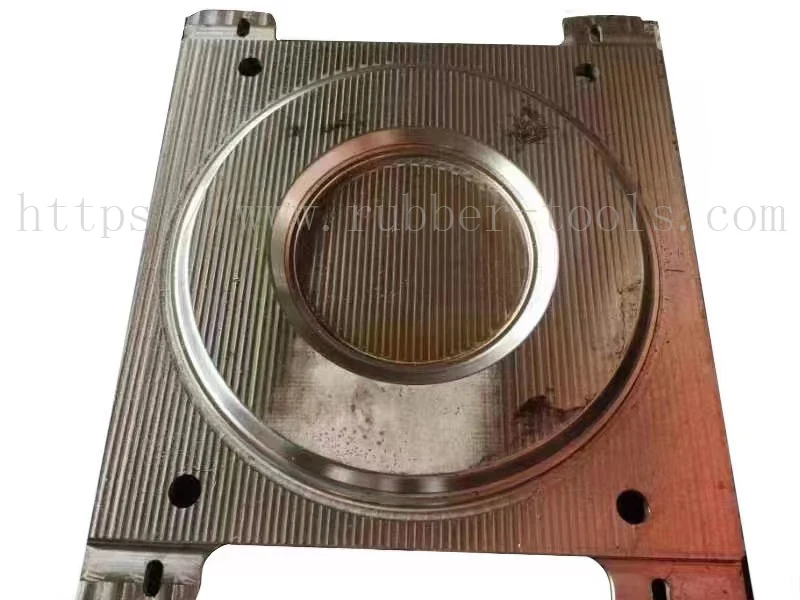
Our mould engineers possess extensive experience in precision steel selection, cavity design, and tolerance optimization for rubber compression and transfer moulding. Each design undergoes rigorous simulation for flow dynamics and shrinkage behavior, ensuring dimensional accuracy down to ±0.05 mm. This precision is essential for O rings used in automotive, aerospace, and medical device applications, where even minor deviations can compromise sealing integrity. In-house CNC machining and EDM capabilities allow rapid prototyping and tool validation, reducing time-to-market by up to 40% compared to industry benchmarks.
Complementing the tooling expertise are our two rubber formula engineers, who specialize in custom elastomer development tailored to specific environmental and mechanical demands. Whether the application requires resistance to high-temperature fluids, aggressive chemicals, or dynamic compression set, our formulation team designs proprietary rubber compounds based on NBR, FKM, EPDM, silicone, and specialty fluorosilicones. Each formulation is validated through accelerated aging, compression set testing, and fluid immersion analysis per ASTM and ISO standards. This scientific approach ensures long-term performance under real-world operating conditions.
Our OEM capabilities are designed to support clients throughout the product lifecycle. From initial technical consultation and material selection to final validation and batch traceability, we provide a full-service engineering partnership. Clients benefit from our ability to co-develop custom O ring profiles, optimize sealing geometries, and validate performance under client-specific test protocols. All manufacturing processes are conducted under ISO 9001-certified quality management systems, with full documentation and traceability for every production lot.
The integration of advanced material science with precision tooling positions Suzhou Baoshida as a trusted engineering partner in the global rubber seal supply chain. We do not merely manufacture O rings—we engineer sealing solutions.
| Property | Standard Test Method | Typical Performance Range |
|---|---|---|
| Hardness (Shore A) | ASTM D2240 | 50–90 ±5 |
| Tensile Strength | ASTM D412 | 8–22 MPa |
| Elongation at Break | ASTM D412 | 150–450% |
| Compression Set (70 hrs, 100°C) | ASTM D395 | ≤25% |
| Operating Temperature Range | — | -40°C to +230°C (FKM) |
| Fluid Resistance | ASTM D471 | Excellent in oils, fuels, acids |
Customization Process

O-Ring Lubrication Customization: Precision Engineering Workflow
At Suzhou Baoshida Trading Co., Ltd., lubrication integration is a non-negotiable phase in O-ring customization for high-integrity sealing applications. Our OEM partnership model ensures lubricant selection aligns with dynamic operational demands, preventing premature failure due to friction, extrusion, or chemical degradation. The process begins with rigorous drawing analysis, where our engineering team dissects client specifications to identify critical parameters. We assess groove geometry, surface roughness, cycle frequency, media compatibility, and temperature-pressure profiles. This phase determines whether standard lubrication suffices or if a bespoke formulation is mandatory to address extreme conditions like cryogenic cycling or aggressive chemical exposure.
Formulation engineering follows, leveraging our material science database to select base polymers and lubricant additives. Standard oils may fail under high shear or vacuum conditions, necessitating custom blends. We prioritize compatibility between elastomer compounds (e.g., FKM, EPDM, or specialty perfluoroelastomers) and lubricants to avoid swelling, hardening, or additive leaching. Our chemists adjust viscosity indices, boundary film strength, and oxidation inhibitors using ASTM D4172 tribological testing. For aerospace hydraulic systems, this might yield a fluorosilicone-based lubricant with molybdenum disulfide additives; for food-grade applications, NSF H1-certified polyalphaolefin blends are engineered.
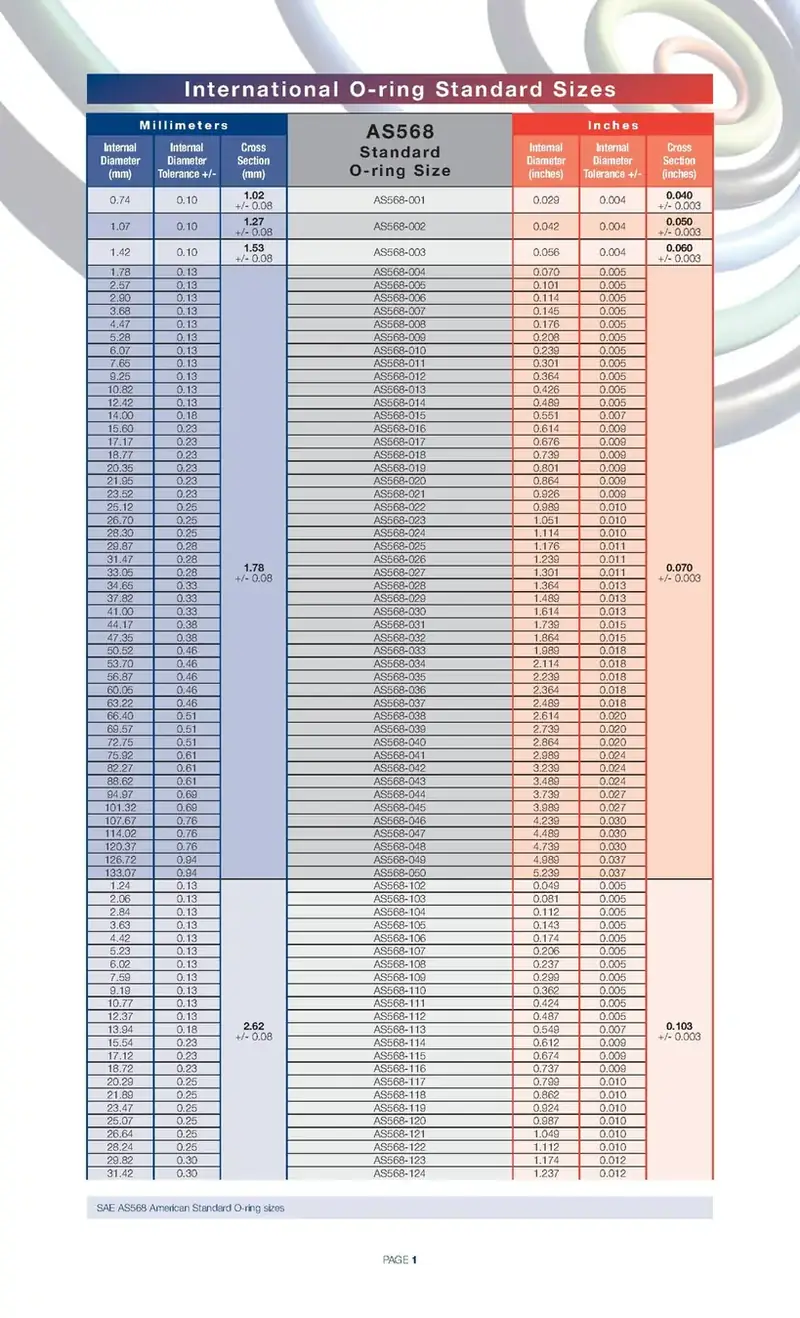
Prototyping validates theoretical models through functional testing. We produce ISO 3601-compliant O-rings with integrated lubrication channels or pre-applied coatings, then subject them to simulated service environments. Key metrics include leakage rates under pulsating pressure, friction coefficients via pin-on-disk tests, and longevity assessments per SAE AS568 standards. Client feedback on prototype performance triggers iterative refinements—such as modifying lubricant tackifiers for low-temperature adhesion—until all KPIs are met.
Mass production deployment integrates lubrication into automated manufacturing. Our cleanroom facilities apply lubricants via precision dip-coating, spraying, or injection molding with pre-mixed compounds. In-line spectrometry verifies lubricant thickness uniformity (±0.5µm tolerance), while batch traceability links each O-ring to its formulation certificate. Final validation includes third-party audit reports per ISO 17025, ensuring lubricant stability across 10,000+ cycles.
Lubricant Performance Specifications for Critical Applications
| Parameter | Standard Lubricant | Custom Lubricant Solution | Performance Impact |
|---|---|---|---|
| Temperature Range | -30°C to +150°C | -65°C to +230°C | Enables cryogenic fuel systems |
| Base Oil Viscosity | 100 cSt @ 40°C | 350 cSt @ 40°C (shear-thinning) | Reduces friction at high RPM |
| Chemical Resistance | Limited to hydrocarbons | Halogenated solvent compatible | Extends life in semiconductor tools |
| Lubricant Retention | 500 cycles | 5,000+ cycles | Eliminates reapplication needs |
| FDA/NSF Compliance | Non-food grade | NSF H1 certified | Mandatory for pharmaceutical use |
This end-to-end customization guarantees that lubrication is not an afterthought but a engineered system component. Suzhou Baoshida’s OEM framework reduces client validation timelines by 40% through proactive material-lubricant synergy, delivering O-rings that achieve zero leakage in mission-critical operations. All processes adhere to IATF 16949 and ISO 9001 standards, with full documentation for traceability.
Contact Engineering Team

For manufacturers and engineering teams working with precision rubber seals, selecting the correct lubrication strategy is critical to ensuring long-term performance, minimizing friction, and preventing premature failure of O rings in dynamic applications. At Suzhou Baoshida Trading Co., Ltd., we specialize in high-performance rubber components and technical support tailored to the exacting demands of industrial sealing environments. Our expertise extends beyond product supply—we provide engineered solutions that address compatibility, longevity, and operational efficiency across diverse sectors including automotive, aerospace, medical devices, and heavy machinery.
O ring lubrication is not a one-size-fits-all process. The choice of lubricant must align precisely with the base elastomer material, operating temperature range, fluid media exposure, and mechanical stress conditions. Using an incompatible lubricant can lead to swelling, softening, or embrittlement of the rubber, ultimately resulting in seal failure. Silicone-based greases may suit certain elastomers but can degrade nitrile or EPDM compounds. Conversely, perfluoroelastomer (FFKM) seals often require perfluorinated lubricants to maintain integrity under extreme chemical exposure.
To ensure optimal performance, we recommend a systematic evaluation of both the O ring material and the lubricant formulation. At Suzhou Baoshida, our technical team conducts material-lubricant compatibility testing and offers customized recommendations based on real-world application data. Whether you are sealing hydraulic systems, pneumatic actuators, or sterile processing equipment, our goal is to deliver a sealing solution that enhances reliability and reduces downtime.
Below is a representative comparison of common O ring materials and their recommended lubrication options under standard industrial conditions:
| O Ring Material | Operating Temperature Range (°C) | Compatible Lubricants | Typical Applications |
|---|---|---|---|
| Nitrile (NBR) | -30 to +100 (up to +135 intermittently) | Mineral oils, silicone greases, HFD hydraulic fluids | Hydraulic systems, fuel systems, general industrial |
| Silicone (VMQ) | -60 to +200 | Silicone-based lubricants only | Medical devices, food processing, high-temp seals |
| EPDM | -50 to +150 | Silicone and phosphate-ester based fluids | Water and steam systems, brake fluids |
| Fluorocarbon (FKM) | -20 to +200 | PFPE-based greases, silicone-free compounds | Chemical processing, automotive fuel systems |
| Perfluoroelastomer (FFKM) | -15 to +300 | Perfluorinated polyethers (PFPE) | Semiconductor, aggressive chemical environments |
Understanding these parameters is essential—but so is having a trusted partner who can guide material and lubrication selection with precision. Mr. Boyce, our OEM Technical Manager, leads our application engineering support team and is available to assist with technical inquiries, custom formulation reviews, and on-site consultation.
Contact Mr. Boyce directly at [email protected] to discuss your specific O ring lubrication challenges. At Suzhou Baoshida Trading Co., Ltd., we are committed to delivering not just components, but engineered sealing performance.
⚖️ O-Ring Weight Calculator
Estimate rubber O-ring weight (Approx).