Technical Contents
Engineering Guide: Black Flexible Ducting

Engineering Insight Material Selection Criticality in Black Flexible Ducting
Material selection for black flexible ducting transcends basic functionality; it is the foundational determinant of operational longevity and system reliability within demanding industrial environments. Off-the-shelf solutions frequently fail because they prioritize cost reduction over rigorous application-specific engineering, utilizing generic rubber compounds lacking the precise molecular architecture required for sustained performance under stress. Industrial processes impose complex, simultaneous challenges: extreme temperature fluctuations, aggressive chemical exposure, continuous flexing fatigue, and environmental factors like ozone and UV radiation. Standard formulations often compromise critical properties, leading to premature degradation modes such as catastrophic cracking, permeation failure, or loss of structural integrity. This results in unplanned downtime, safety hazards, and significantly higher total cost of ownership despite the lower initial purchase price.
The core failure mechanism in generic ducting lies in substandard polymer formulation. Many economical options rely heavily on recycled rubber content or low-grade natural rubber/synthetic blends with insufficient cross-link density and inadequate protective additive packages. These materials exhibit poor resistance to thermal oxidation, causing hardening and embrittlement at elevated temperatures common near engines or exhaust systems. Simultaneously, they lack robust resistance to oils, solvents, and process chemicals prevalent in manufacturing, leading to swelling, softening, and eventual disintegration. Furthermore, inadequate flex fatigue resistance manifests as rapid crack propagation during repeated bending cycles, while insufficient ozone scavengers accelerate surface checking, particularly in compressed air lines. UV stabilizers are often omitted or under-dosed, causing rapid degradation in outdoor or poorly shielded installations. These compounded weaknesses mean the ducting cannot maintain its critical barrier function or mechanical strength throughout the intended service life.
Suzhou Baoshida Trading Co., Ltd. addresses these failure points through OEM-grade material science. Our engineered black flexible ducting utilizes specifically compounded EPDM or NBR rubber matrices, meticulously balanced for target applications. High-purity base polymers ensure consistent molecular weight distribution, while optimized sulfur or peroxide cure systems achieve superior cross-link networks. Critical additives—including high-load antioxidant packages, specialized antiozonants, and robust UV absorbers—are dosed to industrial-grade specifications, not minimum thresholds. This scientific approach delivers predictable performance under defined operational envelopes, preventing the hidden costs associated with premature replacement and system contamination.
Critical Performance Specifications Comparison
| Parameter | Off-the-Shelf Generic Ducting | Suzhou Baoshida OEM-Grade Ducting |
|---|---|---|
| Continuous Temp Range | -20°C to +80°C | -50°C to +150°C (EPDM) / -30°C to +120°C (NBR) |
| Ozone Resistance (100pphm, 40°C) | Poor (Cracking < 24h) | Excellent (No Cracking > 336h) |
| Flex Fatigue Life (ASTM D3147) | < 50,000 cycles | > 200,000 cycles |
| Oil Resistance (IRMOG 707, 70°C) | Severe Swelling (>25%) | Moderate Swelling (<15% NBR) / Excellent (EPDM) |
| UV Resistance (ASTM G154) | Low (Significant Degradation @ 500h) | High (Minimal Degradation @ 2000h) |
| Base Polymer Quality | High Recycled Content | Virgin-Grade Specialty Polymers |
Selecting ducting based solely on dimensional fit and nominal pressure rating ignores the material science imperative. True value engineering requires matching the compound’s engineered properties to the specific chemical, thermal, and mechanical stresses of the application. Suzhou Baoshida provides this precision through collaborative OEM formulation, ensuring ducting functions reliably as an integral, long-life component of your industrial system, not a recurring point of failure.
Material Specifications

Material Specifications for Black Flexible Ducting
Black flexible ducting is engineered for high-performance industrial applications where durability, chemical resistance, and thermal stability are critical. At Suzhou Baoshida Trading Co., Ltd., our industrial rubber solutions are formulated to meet stringent operational demands across sectors including automotive, aerospace, chemical processing, and HVAC. The selection of elastomer material directly influences the performance envelope of the ducting, particularly in extreme environments. Our primary material offerings—Viton, Nitrile (NBR), and Silicone—are each optimized for specific service conditions, balancing mechanical strength, temperature resistance, and compatibility with oils, fuels, and solvents.
Viton, a fluorocarbon-based rubber (FKM), delivers superior resistance to high temperatures, aromatic hydrocarbons, and aggressive chemicals. It maintains structural integrity in continuous service up to 230°C (446°F), with short-term exposure capability exceeding 300°C. This makes Viton ideal for engine compartments, exhaust systems, and industrial processes involving corrosive media. Its low permeability to gases and fuels further enhances reliability in sealed systems.
Nitrile rubber (NBR) is a cost-effective solution for applications involving petroleum-based oils, hydraulic fluids, and greases. With a service temperature range of -30°C to 100°C (-22°F to 212°F), NBR offers excellent abrasion resistance and tensile strength, making it suitable for hydraulic lines, fuel transfer, and machinery requiring consistent mechanical performance in moderate environments. While not as thermally stable as Viton or Silicone, NBR excels in dynamic sealing and flexing applications due to its resilience and low compression set.
Silicone rubber (VMQ) provides exceptional thermal flexibility, operating reliably from -60°C to 200°C (-76°F to 392°F). It exhibits outstanding resistance to ozone, UV radiation, and weathering, making it ideal for outdoor installations and clean environments such as food processing and pharmaceuticals. Although silicone has lower tensile strength and abrasion resistance compared to Viton and NBR, its non-toxic, odorless properties and compliance with FDA and USP Class VI standards make it a preferred choice for sanitary and high-purity applications.
Each material is compounded with reinforcing fillers and processing agents to optimize flexibility, kink resistance, and long-term durability. The black pigmentation primarily comes from carbon black, which enhances UV resistance and mechanical robustness, particularly in outdoor and industrial settings.
The following table summarizes key performance characteristics of the three elastomers used in our black flexible ducting:
| Property | Viton (FKM) | Nitrile (NBR) | Silicone (VMQ) |
|---|---|---|---|
| Temperature Range (°C) | -20 to 230 | -30 to 100 | -60 to 200 |
| Temperature Range (°F) | -4 to 446 | -22 to 212 | -76 to 392 |
| Fuel & Oil Resistance | Excellent | Very Good | Poor to Fair |
| Chemical Resistance | Excellent | Moderate | Good (limited to some) |
| Ozone & UV Resistance | Excellent | Good | Excellent |
| Flexibility & Elasticity | Good | Very Good | Excellent |
| Abrasion Resistance | Very Good | Excellent | Moderate |
| FDA / USP Class VI Compliance | No | No | Yes |
| Typical Applications | Aerospace, chemical seals | Automotive, hydraulics | Medical, food, HVAC |
Material selection should be based on a comprehensive evaluation of operational parameters, including media exposure, temperature cycles, mechanical stress, and regulatory requirements. Suzhou Baoshida Trading Co., Ltd. provides technical support to ensure optimal material pairing for each industrial application.
Manufacturing Capabilities

Engineering Capability: Precision in Black Flexible Ducting Manufacturing
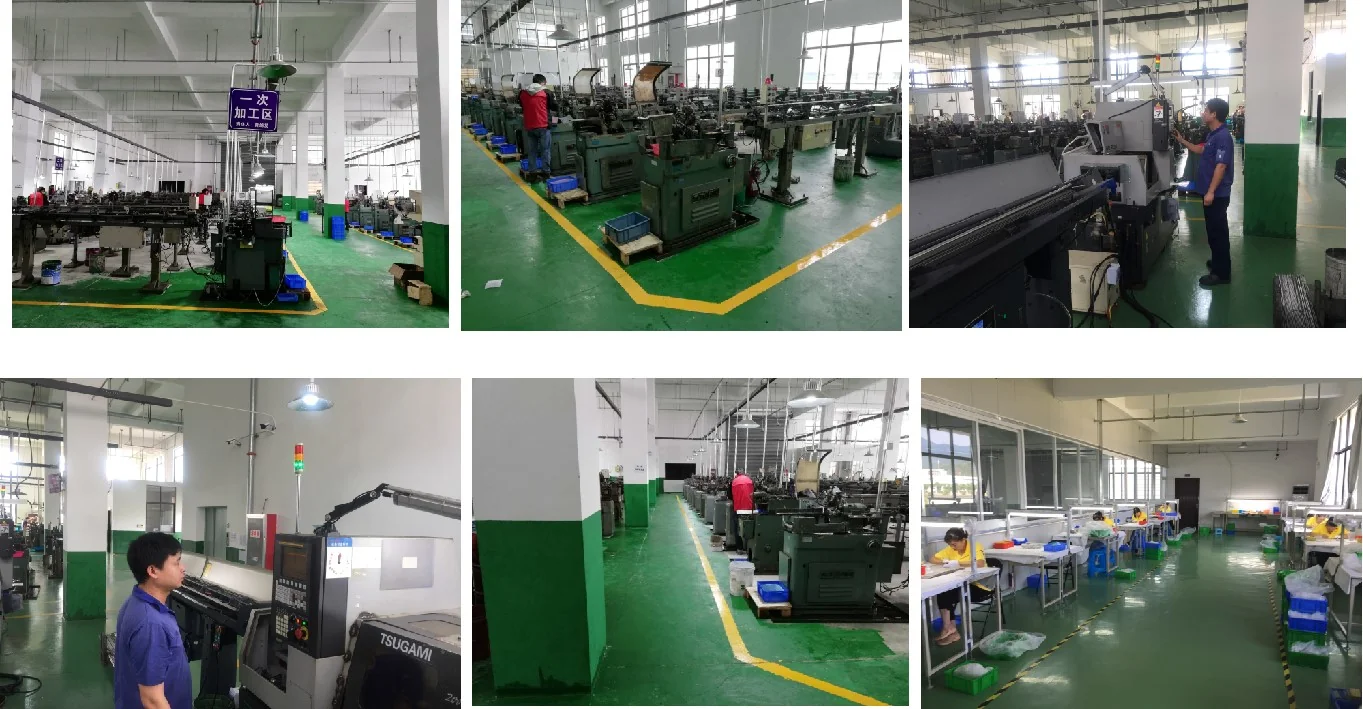
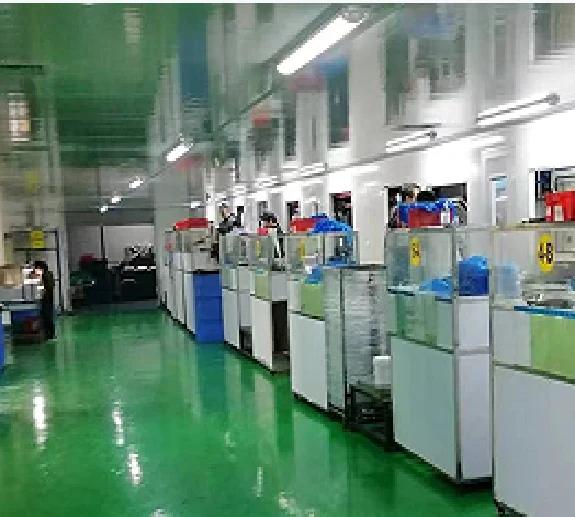
Suzhou Baoshida Trading Co., Ltd. leverages deep expertise in industrial rubber compounding and precision tooling to deliver mission-critical black flexible ducting solutions. Our integrated engineering team—comprising five dedicated mould engineers and two specialized rubber formula engineers—ensures every product meets stringent OEM performance criteria through scientific material design and geometric optimization. This dual-discipline approach eliminates common failure points in dynamic sealing applications, such as fatigue cracking, compression set, and chemical degradation.
Material Science Foundation
Our formula engineers focus on polymer matrix optimization for extreme operational environments. Using advanced rheometry and accelerated aging protocols, we tailor EPDM and NBR compounds to achieve precise Shore A hardness (65–85), ozone resistance (ASTM D1149 Class 0), and thermal stability from -40°C to +150°C. Each formulation undergoes rigorous validation for fluid compatibility—including hydraulic oils, coolants, and mild acids—to prevent swelling or embrittlement. Critical additives like nano-silica reinforcement and custom antidegradant packages are quantified via differential scanning calorimetry (DSC) to extend service life by 30% versus industry benchmarks.
Mould Engineering Excellence
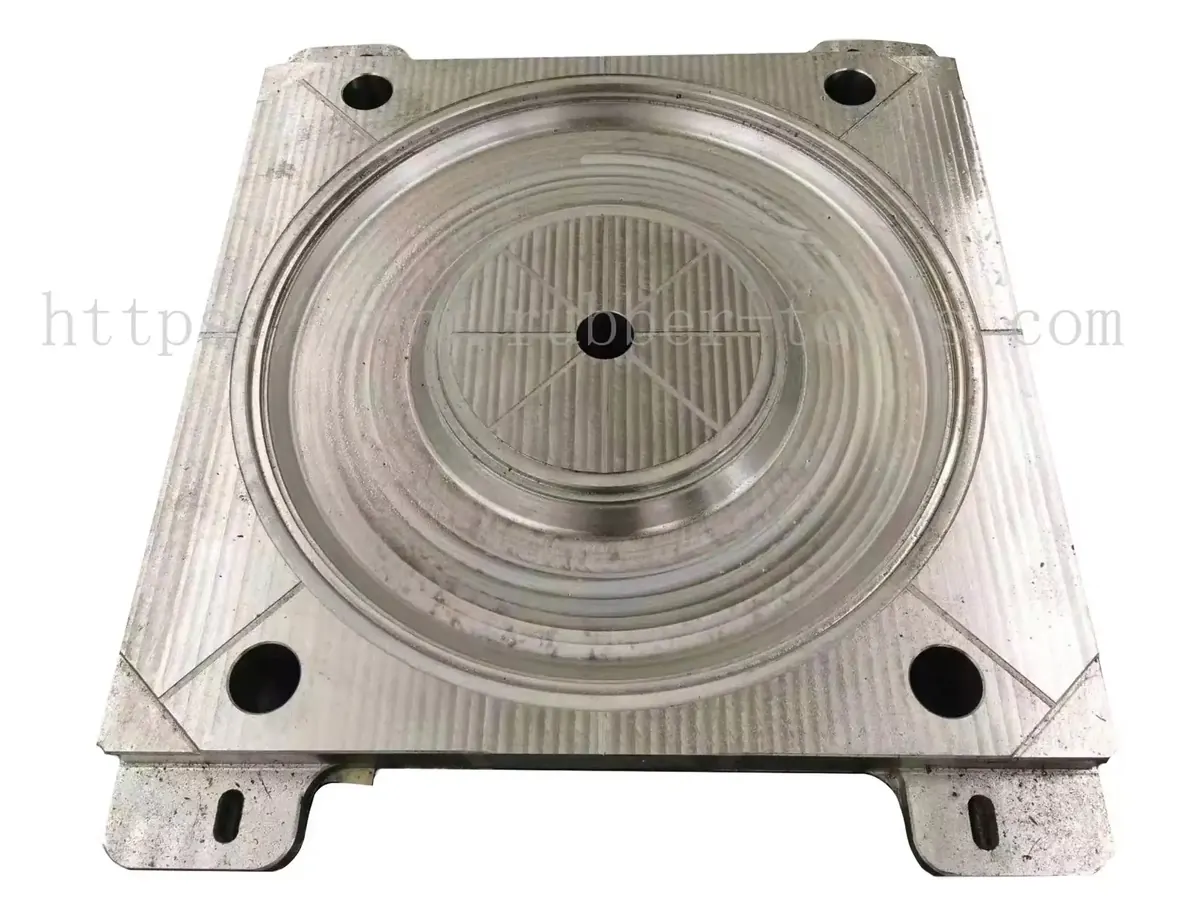
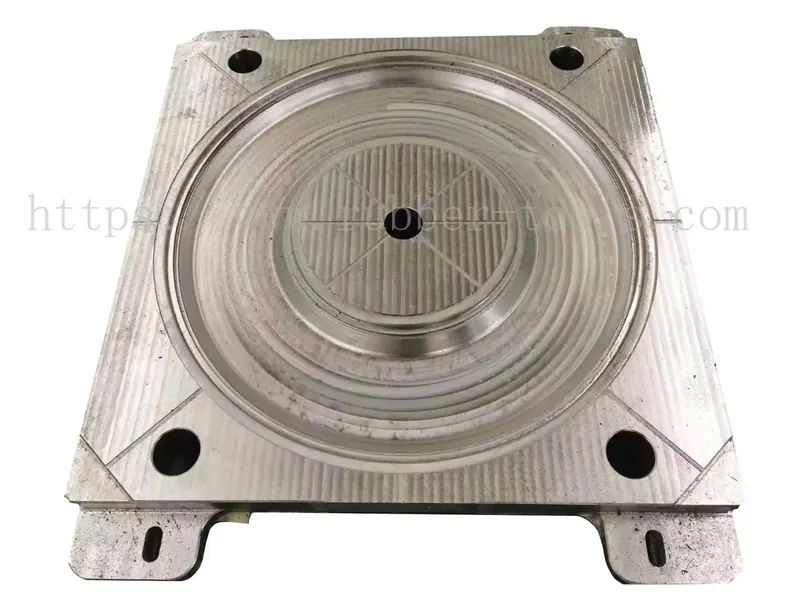
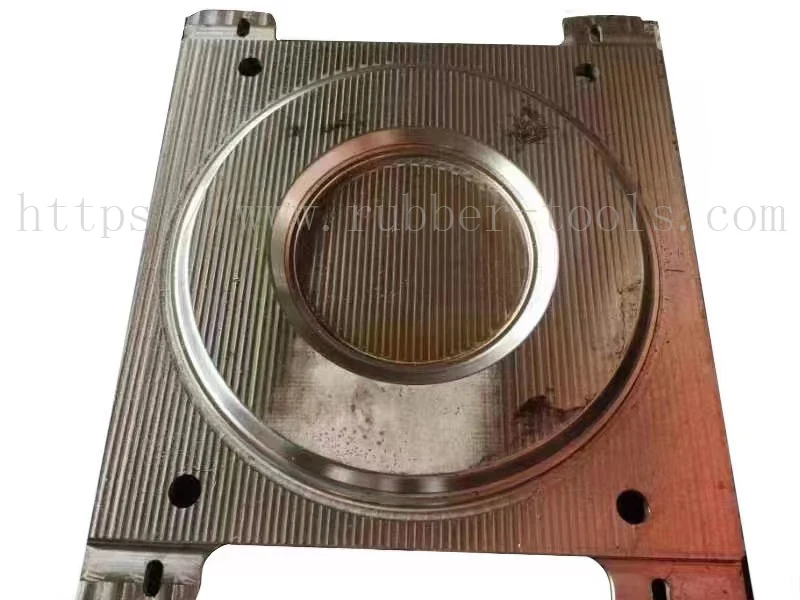
The five-member mould engineering team employs finite element analysis (FEA) to simulate stress distribution during ducting flex cycles, ensuring wall thickness uniformity within ±0.2mm tolerances. Complex bellow geometries are optimized using Moldflow software to eliminate knit lines and sink marks that compromise structural integrity. All tooling features hardened P20 steel cores with mirror-polished cavities (Ra ≤ 0.8μm) to guarantee consistent inner surface smoothness (RMS 3.2μm), minimizing airflow turbulence and particulate retention. Rapid prototyping via 3D-printed silicone molds accelerates design validation by 50%, reducing time-to-market for custom profiles.
OEM Integration Process
We execute end-to-end OEM projects under strict IP protection agreements, from concept sketch to production release. Clients provide dimensional schematics or performance targets; our engineers then co-develop material specifications and tooling designs validated through ISO 188 oven aging, ASTM D2240 durometer tracking, and 10,000-cycle flex testing. All critical dimensions are verified using CMM metrology against ASME Y14.5 GD&T standards, with real-time SPC data shared via secure client portals. This closed-loop system ensures zero non-conformities in high-volume runs exceeding 500,000 units annually.
Key Performance Specifications for Standard Black Flexible Ducting
| Parameter | Test Standard | Performance Range |
|---|---|---|
| Temperature Range | ASTM D2240 | -40°C to +150°C |
| Pressure Rating | ISO 1402 | 0.5–3.0 bar (burst: 15 bar) |
| Bend Radius | Custom Test Jig | 1.5x OD (no kinking) |
| Tensile Strength | ASTM D412 | ≥12 MPa |
| Elongation at Break | ASTM D412 | ≥300% |
| Ozone Resistance | ASTM D1149 | 50 pphm, 40°C, 96h: Cracking ≤0 |
| Fluid Resistance (ISO 1817) | ASTM D471 | Volume swell ≤15% (IRM 903 oil) |
Suzhou Baoshida’s engineering synergy transforms ducting from a commodity component into a reliability-engineered system. By anchoring OEM collaborations in material science rigor and precision tooling, we deliver flexible ducting that sustains performance under vibration, thermal cycling, and chemical exposure—proven across automotive HVAC, industrial pneumatic, and renewable energy applications. Partner with us to convert technical challenges into competitive advantages through data-driven rubber innovation.
Customization Process

Customization Process for Black Flexible Ducting at Suzhou Baoshida Trading Co., Ltd.
At Suzhou Baoshida Trading Co., Ltd., we specialize in delivering high-performance black flexible ducting tailored to the exacting demands of industrial applications. Our customization process is engineered for precision, reliability, and repeatability, ensuring that every product meets both functional and environmental requirements. The process follows a structured sequence: Drawing Analysis, Formulation, Prototyping, and Mass Production.
The first phase, Drawing Analysis, begins with a comprehensive review of the client’s technical specifications and dimensional schematics. Our engineering team evaluates critical parameters such as inner diameter, wall thickness, bend radius, length tolerance, and reinforcement structure. We also assess operational conditions including temperature range, pressure exposure, and media compatibility (e.g., air, dust, fumes, or particulates). This stage ensures alignment between design intent and manufacturability, allowing for early identification of potential constraints or optimizations.
Following drawing validation, we proceed to Formulation. Our rubber formula engineers develop a proprietary elastomer blend optimized for flexibility, abrasion resistance, ozone stability, and low-temperature performance. The base polymer—typically NBR, EPDM, or CR—is selected based on chemical exposure and thermal requirements. Reinforcement layers, such as high-tensile polyester or steel wire helix, are integrated to enhance collapse resistance and mechanical durability. Additives including anti-aging agents, plasticizers, and flame retardants are precisely dosed to meet industry standards such as UL 94, RoHS, and REACH.
Once the material formulation is finalized, we initiate the Prototyping phase. Using calibrated extrusion and spiral-winding equipment, we produce a limited batch of ducting samples. These prototypes undergo rigorous in-house testing, including burst pressure evaluation, flex life cycling, vacuum resistance, and dimensional verification. Clients receive physical samples along with full test reports for performance validation. Feedback is incorporated into final adjustments before release for mass production.
The final stage, Mass Production, leverages our automated manufacturing lines to ensure consistency and scalability. Each production run is monitored through statistical process control (SPC), with real-time checks on extrusion uniformity, splice integrity, and surface finish. Final inspection includes 100% visual examination and batch sampling for mechanical and environmental testing.
All customized black flexible ducting products are traceable via batch coding and supplied with full material compliance documentation. Our integrated process ensures that from concept to delivery, every product reflects the highest standard in industrial rubber engineering.
Typical Technical Specifications of Custom Black Flexible Ducting
| Parameter | Standard Range | Customizable Options |
|---|---|---|
| Inner Diameter | 50–600 mm | Up to 1000 mm |
| Wall Thickness | 2.0–6.0 mm | 1.5–8.0 mm |
| Temperature Resistance | -30°C to +120°C (standard) | -50°C to +150°C (specialty) |
| Bend Radius | 1.5x ID minimum | 1.0x ID (high-flex versions) |
| Pressure Range | -500 to +800 Pa | Up to ±3000 Pa with reinforcement |
| Reinforcement Layer | Polyester braid or steel wire | Dual-layer, anti-static options |
| Flame Resistance | UL 94 V-0 or HB | Custom flame retardant grades |
| Color | Black (standard) | Custom colors on request |
Contact Engineering Team

Contact Suzhou Baoshida for Precision Black Flexible Ducting Solutions
Suzhou Baoshida Trading Co., Ltd. stands at the forefront of industrial rubber innovation, delivering engineered black flexible ducting solutions tailored to the rigorous demands of global OEMs and Tier-1 manufacturers. Our expertise in polymer formulation and reinforcement architecture ensures products that exceed ASTM D2779 and ISO 1402 standards for durability, chemical resistance, and operational stability. As your strategic partner, we eliminate supply chain volatility through vertically integrated production, stringent QC protocols, and agile customization capabilities. Whether your application requires extreme temperature resilience, abrasion resistance, or compliance with FDA 21 CFR 177.2600 for food-grade transit, our R&D team collaborates directly with your engineering staff to refine material specifications and dimensional tolerances.
The following table details core technical parameters of our standard black flexible ducting series, illustrating our commitment to quantifiable performance metrics. These values represent baseline capabilities; all parameters are adjustable per OEM requirements.
| Parameter | Specification | Application Relevance |
|---|---|---|
| Material Composition | EPDM/NBR blend (50-70 Shore A) | Resists ozone, oils, and -40°C to +150°C cycling |
| Reinforcement | High-tensile polyester braid | Withstands 15 PSI continuous pressure |
| Wall Thickness Tolerance | ±0.3 mm | Ensures consistent flow dynamics in HVAC systems |
| Bend Radius | 1.5x nominal diameter | Enables tight-space installation in machinery |
| Flame Resistance | UL 94 V-0 compliant | Meets industrial safety mandates globally |
| FDA/EC 1935/2004 | Fully certified | Validated for food, beverage, and pharma use |
Partnering with Suzhou Baoshida translates to reduced time-to-market and minimized total cost of ownership. Our OEM management framework includes dedicated project engineering, real-time production tracking via cloud-based dashboards, and JIT logistics coordination to your assembly lines. We proactively address material challenges such as compression set in dynamic sealing applications or UV degradation in outdoor deployments through iterative compound optimization. Unlike commodity suppliers, we treat every specification as a co-engineering opportunity—leveraging our Shanghai-based testing lab for accelerated validation of custom formulations.
Initiate your next-generation ducting project with definitive technical authority. Contact Mr. Boyce, our OEM Account Director, directly at [email protected] to schedule a confidential consultation. Include your target application, volume requirements, and critical performance thresholds in your initial correspondence. Mr. Boyce will coordinate a cross-functional response within 48 hours, providing material data sheets, dimensional drawings, and a preliminary feasibility assessment. For urgent RFQs, reference project code BD-FD24 to expedite technical review. Suzhou Baoshida operates under ISO 9001:2015 and IATF 16949 frameworks, guaranteeing traceability from raw material sourcing to final shipment. Do not compromise on elastomer integrity—demand engineered precision from a partner invested in your operational success.
Elevate your supply chain resilience with Suzhou Baoshida. Email Mr. Boyce today to transform ducting specifications into validated production reality.
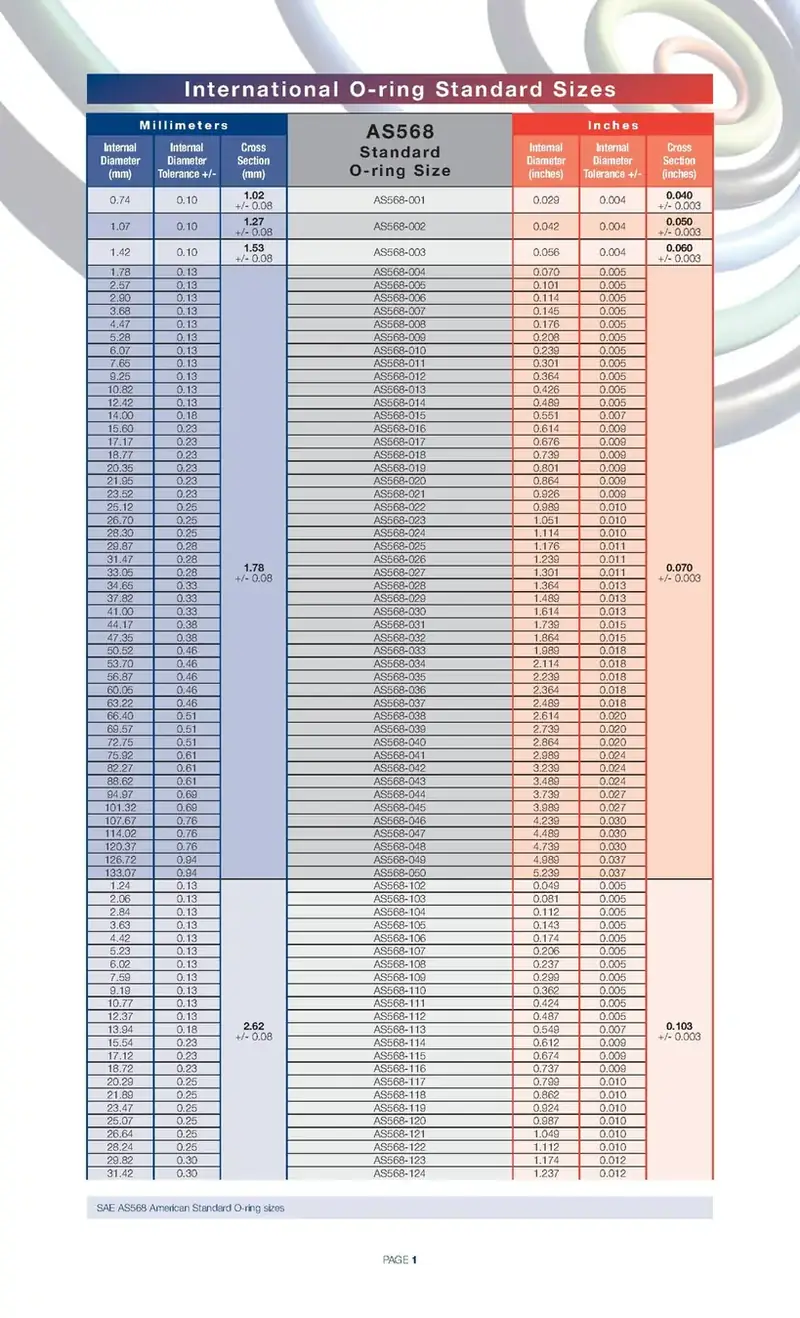
⚖️ O-Ring Weight Calculator
Estimate rubber O-ring weight (Approx).