Technical Contents
Engineering Guide: Pelican 1720 Foam
Engineering Insight: Material Selection in pelican 1720 Foam Applications
In the domain of industrial protective packaging and equipment enclosures, the Pelican 1720 foam series represents a benchmark in impact resistance, dimensional stability, and environmental resilience. However, the performance of this foam is not inherent solely to its geometry or density—it is fundamentally governed by precise material selection during manufacturing. Off-the-shelf foam solutions, while cost-attractive, frequently fail under real-world operational stress due to inadequate formulation for specific thermal, chemical, and mechanical conditions.
Pelican 1720 foam is engineered as a closed-cell polyethylene (PE) or ethylene-vinyl acetate (EVA) composite, designed to maintain structural integrity across extreme temperatures and repeated compression cycles. The critical distinction between generic foams and engineered variants lies in polymer branching, cross-linking density, and additive integration. Standard foams often utilize linear low-density polyethylene (LLDPE) with minimal cross-linking, resulting in cold flow, compression set, and reduced recovery after impact. In contrast, Pelican 1720-grade material employs radiation or chemical cross-linking to create a three-dimensional polymer network, significantly enhancing elastic recovery and long-term durability.
Material selection directly influences performance in dynamic environments. For instance, in aerospace instrumentation cases, exposure to hydraulic fluids and wide thermal swings (-40°C to +85°C) demands chemical resistance and dimensional stability. Off-the-shelf foams, lacking UV stabilizers or flame-retardant additives, degrade prematurely when exposed to sunlight or high-energy environments. Furthermore, inconsistent cell structure in non-engineered foams leads to point-load failure, where concentrated impacts compromise the entire protective system.
At Suzhou Baoshida Trading Co., Ltd., we emphasize application-specific formulation. Our rubber and foam engineering team conducts comprehensive environmental profiling before recommending a material matrix. This includes evaluating exposure to oils, solvents, humidity, and mechanical stress. By tailoring cross-link density, cell size distribution, and surface hardness, we ensure the foam performs reliably under the intended service conditions.
The following table outlines the key technical specifications differentiating engineered Pelican 1720 foam from standard commercial alternatives:
| Property | Engineered Pelican 1720 Foam | Standard Commercial Foam |
|---|---|---|
| Density (kg/m³) | 96–105 | 75–85 |
| Compression Set (22h @ 70°C) | ≤20% | 35–50% |
| Tensile Strength (MPa) | 0.8–1.2 | 0.4–0.6 |
| Elongation at Break (%) | 280–350 | 180–220 |
| Operating Temperature Range | -40°C to +85°C | -20°C to +60°C |
| Closed-Cell Content (%) | ≥95 | 80–88 |
| Flame Resistance (UL94) | HB Rated | Not Rated |
| Chemical Resistance | High (oils, alcohols, mild acids) | Moderate to Low |
Material selection is not a secondary consideration—it is the foundation of functional reliability. Deploying non-engineered foam in critical applications risks equipment damage, safety hazards, and increased lifecycle costs. At Baoshida, we deliver precision-formulated rubber and foam solutions engineered for performance, not just price.
Material Specifications

Material Specifications for Pelican 1720 Foam Industrial Sealing Applications
Suzhou Baoshida Trading Co., Ltd. provides precision-engineered Pelican 1720 foam solutions utilizing advanced elastomeric compounds tailored for demanding industrial environments. This critical sealing component requires exact material selection based on operational parameters. Our formulations primarily leverage Viton (FKM), Nitrile (NBR), and Silicone (VMQ) base polymers, each offering distinct performance profiles essential for reliability in OEM applications. Understanding the fundamental chemical and physical properties of these materials is paramount for optimal component function and longevity under specific thermal, chemical, and mechanical stresses.
Viton (Fluoroelastomer, FKM) represents the premium choice for extreme chemical and thermal resistance. Its fluorocarbon backbone provides exceptional stability against aggressive hydrocarbon derivatives, aromatic fuels, chlorinated solvents, and strong acids encountered in aerospace, semiconductor, and high-performance automotive systems. Viton formulations for Pelican 1720 foam typically maintain integrity from -20°C to +230°C continuous service, with short-term peaks near 300°C. While exhibiting superior resistance to swelling and degradation in harsh media, Viton demonstrates higher compression set compared to alternatives and carries a premium cost, making it ideal where chemical exposure is severe and cost is secondary to failure prevention.
Nitrile (Acrylonitrile Butadiene Rubber, NBR) delivers an optimal balance of performance and economy for general industrial sealing. Its resistance to petroleum-based oils, greases, water, and aliphatic hydrocarbons makes it the standard for hydraulic systems, fuel handling, and standard automotive applications. NBR-based Pelican 1720 foam operates effectively within -40°C to +120°C, with specialized high-acrylonitrile grades extending fluid resistance. Key limitations include poor performance against polar solvents (ketones, esters), ozone, and weathering, alongside moderate high-temperature capability. Its cost-effectiveness and robust mechanical properties ensure widespread utility where exposure is primarily to oils and fuels.
Silicone (Polysiloxane, VMQ) excels in extreme temperature flexibility and biocompatibility. VMQ formulations provide unparalleled low-temperature performance down to -60°C while maintaining utility up to +200°C continuous, with brief excursions higher. It offers excellent resistance to ozone, UV radiation, and weathering, coupled with very low toxicity and good electrical insulation. Silicone Pelican 1720 foam is critical for medical devices, food processing, and outdoor applications requiring wide thermal range. However, it exhibits poor resistance to petroleum oils and fuels, lower tensile strength, and higher gas permeability compared to Viton or NBR, necessitating careful application assessment.
The following comparative analysis details critical specifications for informed material selection:
| Material Type | Base Polymer | Temperature Range (°C) | Key Strengths | Critical Limitations | Primary Applications |
|---|---|---|---|---|---|
| Viton (FKM) | Fluoroelastomer | -20 to +230 | Extreme chemical resistance (fuels, oils, acids, solvents), High thermal stability, Low gas permeability | Higher cost, Moderate compression set, Poor steam resistance | Aerospace seals, Semiconductor manufacturing, Chemical processing, High-performance automotive |
| Nitrile (NBR) | Acrylonitrile Butadiene Rubber | -40 to +120 | Excellent oil/fuel resistance, Good abrasion resistance, Cost-effective, Robust mechanical properties | Poor ozone/weathering resistance, Limited high-temp capability, Weak against polar solvents | Hydraulic systems, Automotive fuel/oil seals, General industrial machinery, Standard gaskets |
| Silicone (VMQ) | Polysiloxane | -60 to +200 | Exceptional low/high temp range, Excellent ozone/UV resistance, Biocompatible, Low toxicity | Poor oil/fuel resistance, Low tensile strength, High gas permeability, Moderate compression set | Medical devices, Food & beverage processing, Outdoor electrical insulation, Extreme temp seals |
Selection of the appropriate Pelican 1720 foam compound requires rigorous evaluation of the specific service environment, including fluid exposure, temperature extremes, mechanical load, and regulatory requirements. Suzhou Baoshida Trading Co., Ltd. leverages extensive formulation expertise to ensure each OEM solution meets exacting performance criteria and international standards for industrial rubber applications. Consult our engineering team for application-specific validation testing protocols.
Manufacturing Capabilities

Engineering Capability
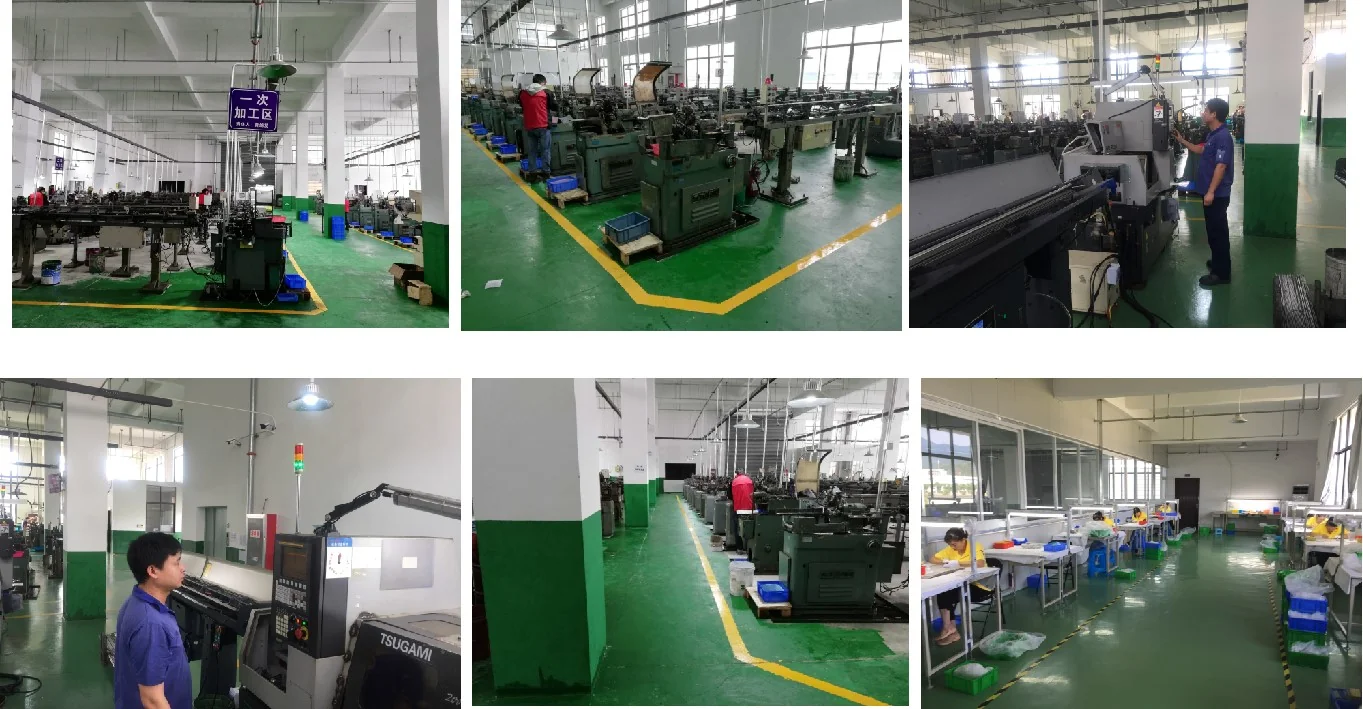
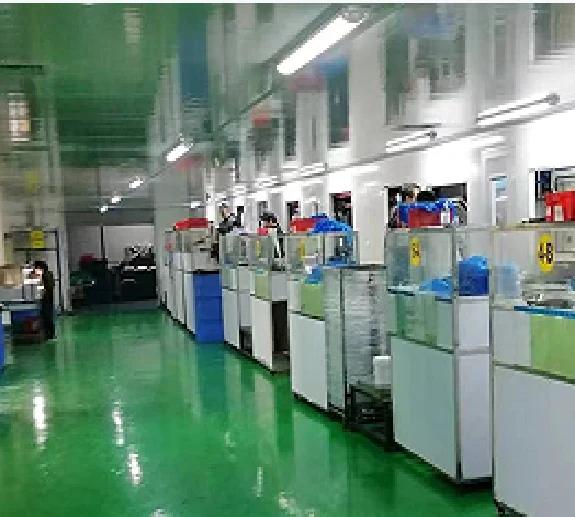
At Suzhou Baoshida Trading Co., Ltd., our engineering capability forms the backbone of our industrial rubber solutions, enabling us to deliver precision-engineered products tailored to the demanding requirements of global OEMs. With a dedicated team of five experienced mould engineers and two specialized rubber formula engineers, we maintain full in-house control over the product development lifecycle—from concept and material formulation to mould design and final validation.
Our mould engineers bring over 60 combined years of experience in precision tooling for closed-cell elastomeric foams, including applications in protective cases such as the Pelican 1720 series. Utilizing advanced CAD/CAM software, including SolidWorks and AutoCAD, our team designs multi-cavity, high-tolerance steel and aluminum moulds optimized for consistent foam replication, rapid cycle times, and long-term durability. Each mould undergoes rigorous simulation testing to predict material flow, shrinkage, and ejection performance, minimizing prototyping iterations and accelerating time-to-market.
Complementing our tooling expertise, our two rubber formula engineers specialize in the development and optimization of closed-cell polyethylene (PE) and ethylene-vinyl acetate (EVA) foam compounds. These formulations are engineered to meet specific performance criteria such as shock absorption, water resistance, temperature stability (-40°C to +80°C), and compressive strength. For Pelican 1720 foam inserts, we fine-tune density, hardness (ranging from 40 to 80 Shore C), and cell structure to ensure optimal protection for sensitive instruments, medical devices, and industrial tools. Our formulation lab is equipped with rheometers, tensile testers, and aging chambers to validate compound performance under real-world conditions.
Our OEM capabilities are structured to support high-volume, repeatable production with strict adherence to quality standards. We offer full design-for-manufacturability (DFM) reviews, first article inspection (FAI) reporting, and PPAP documentation upon request. With ISO 9001-certified processes and traceability down to batch and lot level, we ensure consistency across production runs, regardless of scale.
We collaborate directly with OEM partners to reverse-engineer legacy foam inserts or co-develop new configurations based on CAD models, physical samples, or functional requirements. This integrated approach—combining material science, precision tooling, and industrial manufacturing—enables us to deliver technically robust, cost-effective foam solutions tailored to exact application needs.
Material and Performance Specifications for Pelican 1720 Foam Inserts
| Property | Value / Range | Test Standard |
|---|---|---|
| Material Type | Cross-linked PE or EVA foam | ASTM D2856 |
| Density | 0.03–0.09 g/cm³ | ASTM D3574 |
| Hardness (Shore C) | 40–80 | ASTM D2240 |
| Tensile Strength | ≥3.0 MPa | ASTM D412 |
| Elongation at Break | ≥150% | ASTM D412 |
| Compression Set (50%, 22h) | ≤30% | ASTM D3574 |
| Operating Temperature Range | -40°C to +80°C | ISO 188 |
| Water Absorption (24h) | ≤0.5% | ASTM D3574 |
| Cell Structure | Closed-cell, uniform | Microscopic Analysis |
Customization Process

Customization Process for Pelican 1720 Foam Inserts
Suzhou Baoshida Trading Co., Ltd. executes a rigorous, four-phase customization protocol for Pelican 1720 foam inserts, ensuring dimensional precision and material performance meet stringent industrial demands. This OEM-managed workflow eliminates guesswork and accelerates time-to-market for client-specific protective solutions.
Drawing Analysis
We commence with exhaustive CAD file assessment, scrutinizing cavity geometries, critical tolerances, and client-specified load-bearing requirements. Our engineering team validates draft angles, undercuts, and ejection paths against moldability constraints, identifying potential stress points or material flow issues. This phase includes cross-referencing ISO 2768-mK standards for general tolerances and confirming alignment with Pelican’s 1720 case internal dimensions (55.9 x 35.6 x 22.9 cm). Any discrepancies trigger immediate client consultation to prevent downstream rework, ensuring the design is manufacturable before material formulation begins.
Formulation
Leveraging proprietary rubber compounding expertise, we develop a tailored elastomer blend optimized for shock absorption, chemical resistance, and thermal stability. For Pelican 1720 applications, closed-cell polyethylene or crosslinked polyolefin foams are typically selected, with additives adjusted for specific environmental exposures (e.g., UV stabilizers for outdoor use, flame retardants for aerospace). Key parameters like density, hardness, and compression set are precisely controlled through iterative lab-scale mixing and vulcanization testing. Material batches undergo traceability logging per ISO 9001, with certificates of conformance provided for every production run.
Prototyping
Validated formulations proceed to CNC prototyping using high-precision cutting equipment. Initial inserts undergo 72-hour aging per ASTM D395, followed by functional validation within actual Pelican 1720 cases. We measure critical attributes including cavity fit tolerance (±0.2 mm), rebound resilience (ASTM D3574), and compression deflection force. Client feedback on prototype performance informs final adjustments to cutting paths or material density before tooling sign-off. This stage typically resolves 95% of fitment issues, minimizing mass production risks.
Mass Production
Upon client approval, we transition to automated production with real-time statistical process control (SPC). Each batch is monitored for density consistency, cell structure uniformity, and edge integrity via inline vision systems. Finished inserts undergo 100% dimensional inspection against the approved CAD model and random destructive testing for compression set (ASTM D395 Method B). All units are vacuum-sealed with humidity indicators and shipped with full documentation, including material test reports and dimensional certification.
Critical Foam Specifications for Pelican 1720
| Parameter | Standard Range | Tolerance | Test Method |
|---|---|---|---|
| Density | 24–96 kg/m³ | ±2 kg/m³ | ASTM D3574 |
| Hardness (Shore A) | 10–80 | ±5 | ASTM D2240 |
| Compression Set | ≤20% (22h, 50% def) | ±3% | ASTM D395 Method B |
| Tensile Strength | 0.1–0.8 MPa | ±0.05 MPa | ASTM D412 |
| Cell Structure | Closed-cell | <5% open | Microscopy ISO 4590 |
This systematic approach guarantees Pelican 1720 foam inserts deliver repeatable protection for sensitive instrumentation, medical devices, or military hardware under operational stress. Suzhou Baoshida’s integrated engineering and manufacturing control ensures zero compromise between customization speed and industrial-grade reliability.
Contact Engineering Team

For precision-engineered rubber solutions tailored to industrial and protective case applications, Suzhou Baoshida Trading Co., Ltd. stands at the forefront of material innovation and manufacturing excellence. Our expertise extends to custom-formulated rubber and foam integration systems, including advanced solutions for high-performance enclosures such as the Pelican 1720 case series. As a trusted OEM partner, we specialize in die-cut EVA foam, closed-cell rubber composites, and impact-absorbing padding systems that meet stringent industrial, military, and transportation standards.
Our Pelican 1720 foam solutions are engineered for dimensional accuracy, chemical resistance, and long-term structural integrity under dynamic environmental stress. Whether your application demands static discharge protection, vibration damping, or ruggedized component isolation, our rubber-foam hybrid systems deliver consistent performance. We utilize precision CNC cutting, water-jet profiling, and multi-layer lamination techniques to produce custom interior layouts that match complex equipment geometries with tolerances within ±0.2 mm.
Suzhou Baoshida maintains strict quality control protocols aligned with ISO 9001 standards, ensuring every foam insert batch demonstrates uniform density, compression set resistance, and thermal stability across a range of -30°C to +85°C. Our materials are RoHS and REACH compliant, with options for flame-retardant (UL94 HF-1), anti-static (surface resistivity 10^6–10^9 Ω), and oil-resistant formulations based on NBR, EPDM, or CR rubber matrices.
Below are the technical specifications of our standard Pelican 1720 foam insert configuration:
| Parameter | Specification |
|---|---|
| Case Model Compatibility | Pelican 1720 (Custom fit) |
| Foam Type | Cross-linked polyethylene (XLPE) or EVA |
| Density Range | 33–150 kg/m³ |
| Thickness | 20–50 mm (customizable) |
| Compression Set (22h, 70°C) | ≤20% |
| Hardness (Shore A) | 40–80 |
| Operating Temperature | -30°C to +85°C |
| Flame Resistance | UL94 HF-1 (optional) |
| Electrical Properties | Anti-static surface available |
| Customization | CNC die-cut, multi-layer, logo embossing |
Partnering with Suzhou Baoshida ensures access to end-to-end technical support—from CAD-based design validation to rapid prototyping and scalable production runs. We collaborate directly with engineering teams to optimize foam performance in mission-critical environments, including defense logistics, medical device transport, and field instrumentation.
For immediate technical consultation or to request a sample kit of our Pelican 1720 foam inserts, contact Mr. Boyce at [email protected]. As the lead OEM Solutions Engineer, Mr. Boyce oversees material selection, cost-optimized manufacturing workflows, and international logistics coordination. He is available to discuss volume pricing, lead time reduction strategies, and compliance documentation for global supply chains.
Your next-generation protective case system demands more than off-the-shelf foam. It requires engineered resilience, repeatable accuracy, and a manufacturing partner committed to industrial excellence. Reach out today to integrate Suzhou Baoshida’s rubber-foam technology into your product line.
⚖️ O-Ring Weight Calculator
Estimate rubber O-ring weight (Approx).