Technical Contents
Engineering Guide: Rubber Play Area

Engineering Insight: Material Selection in Rubber Play Area Applications
In industrial and commercial environments, rubber play areas are increasingly specified not only for aesthetic and safety reasons but for their functional durability under dynamic mechanical and environmental stress. These applications, ranging from children’s playgrounds in public spaces to safety zones in recreational facilities, demand engineered rubber formulations that go far beyond commodity-grade materials. At Suzhou Baoshida Trading Co., Ltd., we emphasize that off-the-shelf rubber solutions often fail in such settings due to inadequate material science alignment with real-world conditions.
Standard rubber mats or tiles, typically sourced from generic suppliers, are frequently manufactured using recycled rubber content with minimal quality control over polymer composition, cross-link density, and additive integration. While these products may meet basic impact absorption requirements initially, they degrade rapidly under UV exposure, temperature cycling, and mechanical abrasion. Cracking, delamination, and color fading are common within 12 to 18 months, leading to increased maintenance costs and potential safety liabilities.
The root cause lies in improper material selection. High-performance rubber play areas require a balanced formulation of elastomers—typically EPDM (Ethylene Propylene Diene Monomer) for surface layers due to its superior UV resistance and color stability, combined with SBR (Styrene-Butadiene Rubber) or virgin natural rubber in base layers for structural resilience and shock absorption. The vulcanization process must be precisely controlled to ensure optimal cross-linking, enhancing tensile strength and compression set resistance.
Furthermore, filler type and concentration significantly influence long-term behavior. Calcium carbonate or clay fillers in excess reduce elasticity and accelerate fatigue. In contrast, engineered formulations use reinforcing fillers like silica or carbon black at optimized loadings to maintain flexibility without sacrificing durability. Antioxidants, antiozonants, and UV stabilizers must also be integrated at functional levels—not as afterthoughts.
At Suzhou Baoshida, we collaborate with OEMs and contractors to tailor rubber compounds based on site-specific variables: geographic climate, expected foot traffic, installation substrate, and regulatory compliance (e.g., ASTM F1292 for impact attenuation). This precision engineering ensures service life exceeding 10 years, even in high-exposure environments.
The table below outlines key material properties in engineered versus standard rubber play area products.
| Property | Engineered Rubber (Baoshida Standard) | Off-the-Shelf Commodity Rubber |
|---|---|---|
| Base Polymer | EPDM + Virgin SBR | Recycled SBR/Tire Crumb |
| UV Resistance (ASTM G154) | >5,000 hours, no cracking | <1,500 hours, severe fading |
| Tensile Strength (ASTM D412) | ≥12 MPa | ≤6 MPa |
| Elongation at Break | ≥300% | ≤150% |
| Compression Set (ASTM D395) | ≤15% (70°C, 22h) | ≥35% (70°C, 22h) |
| Impact Attenuation (ASTM F1292) | Compliant up to 3m critical fall height | Marginal compliance at 1.5m |
| Service Life (Field Data) | 10–15 years | 2–4 years |
In summary, material selection is not a cost-driven compromise but a technical imperative. Off-the-shelf solutions fail because they lack the formulation intelligence required for sustained performance. Suzhou Baoshida Trading Co., Ltd. delivers industrial-grade rubber play area systems where engineering precision meets real-world resilience.
Material Specifications

Material Specifications for Industrial Rubber Play Area Surfaces
Selecting appropriate elastomeric materials for rubber play area surfaces requires rigorous evaluation of mechanical properties, environmental resistance, and safety compliance. At Suzhou Baoshida Trading Co., Ltd., we prioritize formulations that meet ASTM F1292 for impact attenuation while ensuring longevity under dynamic stress. Viton (FKM), Nitrile (NBR), and Silicone (VMQ) each offer distinct performance profiles for playground applications, though NBR and Silicone dominate due to cost-efficiency and balanced properties. Viton’s exceptional chemical and thermal resistance suits niche industrial play zones exposed to fuels or extreme temperatures, but its high cost limits broad adoption. Nitrile delivers optimal oil/fuel resistance and abrasion durability for high-traffic maintenance-access areas, with Shore A hardness precisely tunable to 65–85 for critical fall height compliance. Silicone excels in UV stability, color retention, and low-temperature flexibility, making it ideal for aesthetic-focused installations requiring consistent appearance across -60°C to 230°C ranges. All materials must undergo compression set testing per ASTM D395 to ensure permanent deformation remains below 25% after 22 hours at 70°C, directly impacting surface resilience over time.
Material Comparison for Play Area Applications
| Material | Hardness Range (Shore A) | Tensile Strength (MPa) | Elongation at Break (%) | Temperature Range (°C) | Key Properties | Primary Applications |
|---|---|---|---|---|---|---|
| Viton (FKM) | 60–90 | 10–18 | 150–300 | -20 to 250 | Extreme chemical/oil resistance; low gas permeability | Fuel-handling zones; chemical exposure areas |
| Nitrile (NBR) | 40–90 | 15–25 | 200–500 | -30 to 120 | Superior abrasion resistance; cost-effective oil/fuel tolerance | Standard impact-absorbing surfaces; high-traffic pathways |
| Silicone (VMQ) | 30–80 | 6–12 | 300–700 | -60 to 230 | Outstanding UV/ozone resistance; biocompatible; color stability | Aesthetic installations; extreme climate regions; splash pads |
Critical selection criteria extend beyond baseline specs. NBR formulations require zinc-oxide-free accelerators to prevent staining on light-colored surfaces, while Silicone mandates platinum-cure systems for food-contact safety in toddler zones. Viton’s perfluorinated structure necessitates specialized processing but provides unmatched stability in hydrocarbon-rich environments. For playgrounds, Shore A 70–80 is optimal to balance shock absorption (meeting ASTM F1292 critical fall height requirements) and structural integrity. All materials must achieve ≤ 25% compression set at 100°C to prevent permanent compaction under sustained load.
Suzhou Baoshida emphasizes third-party validation of material batches against ISO 188 aging tests and EN 1177 impact attenuation standards. Our OEM partnerships ensure custom compounding adjusts filler ratios (e.g., silica for Silicone, carbon black for NBR) to target regional climate demands without sacrificing safety margins. Remember that substrate preparation and installation thickness govern overall performance—material specs alone cannot compensate for inadequate sub-base engineering. Partner with our technical team to align elastomer selection with your project’s environmental stressors and lifecycle cost targets.
Manufacturing Capabilities

Engineering Capability
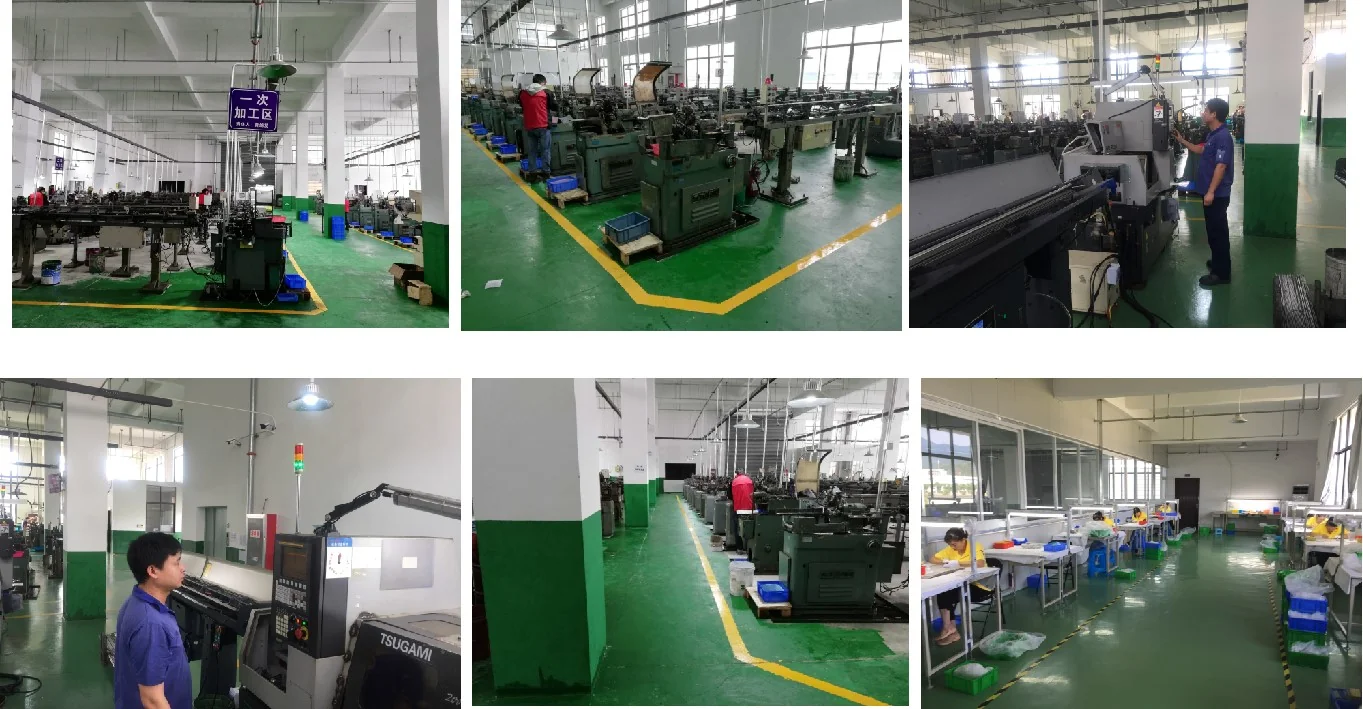
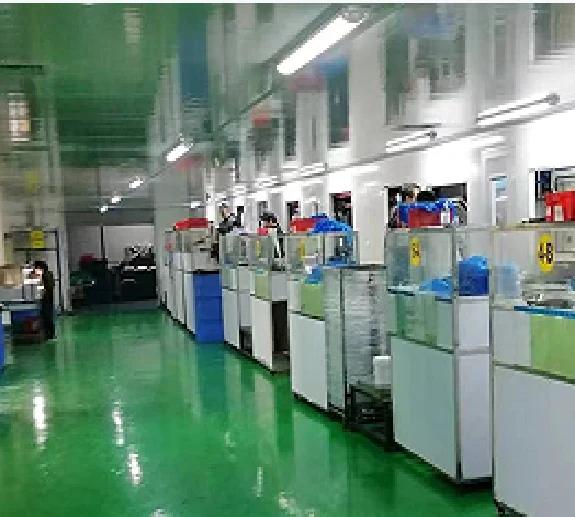
At Suzhou Baoshida Trading Co., Ltd., our engineering capability forms the backbone of our industrial rubber solutions, particularly in specialized applications such as rubber play areas. With a dedicated team of five mould engineers and two formulation scientists, we maintain full control over both the physical design and material science aspects of product development. This dual expertise enables us to deliver high-performance, durable, and safe rubber products tailored to the rigorous demands of commercial and public play environments.
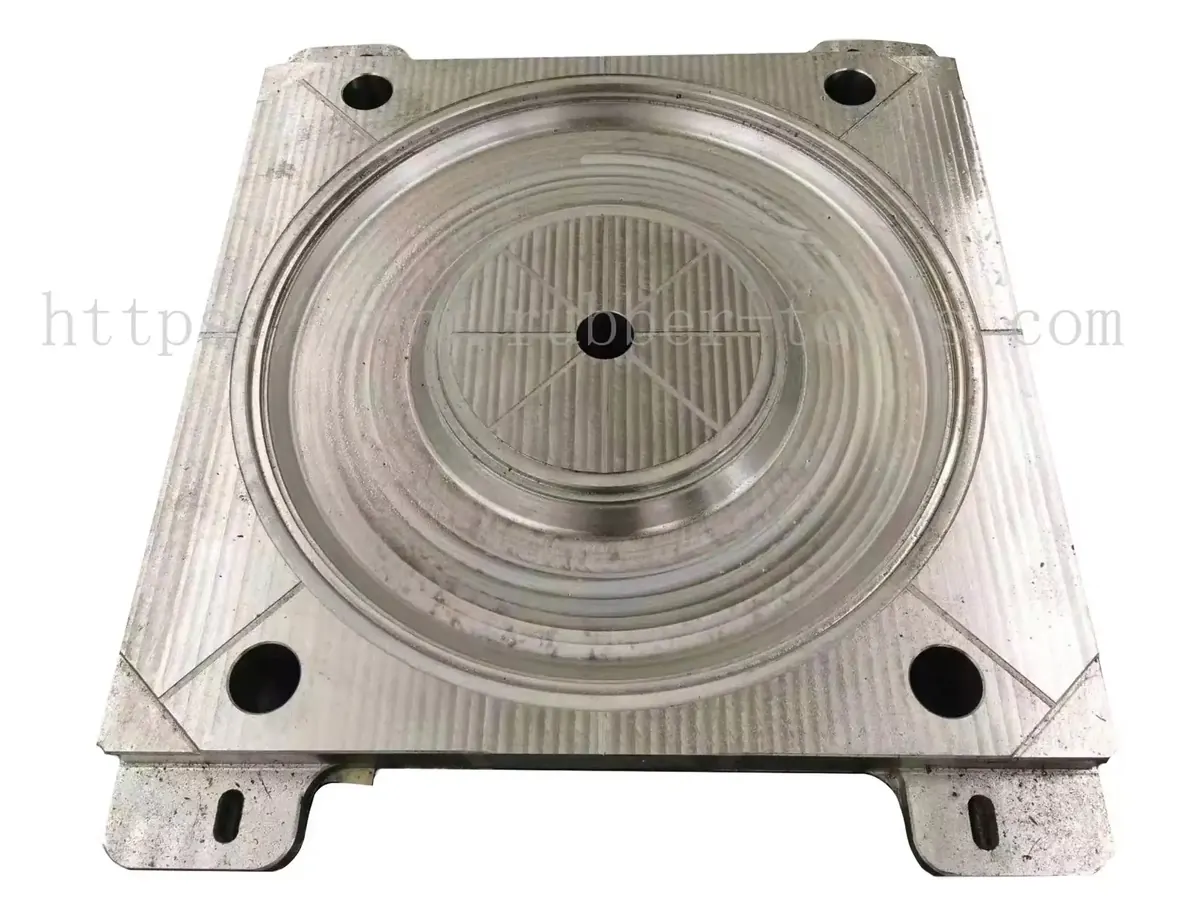
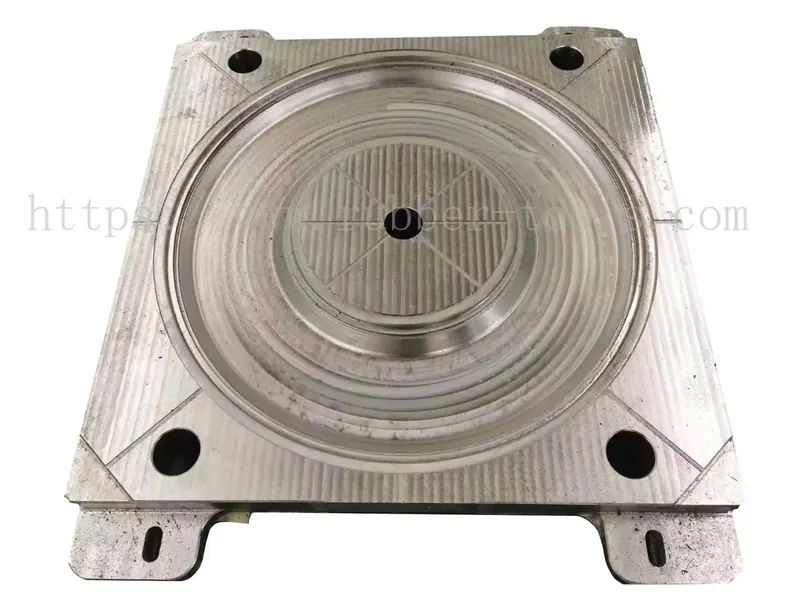
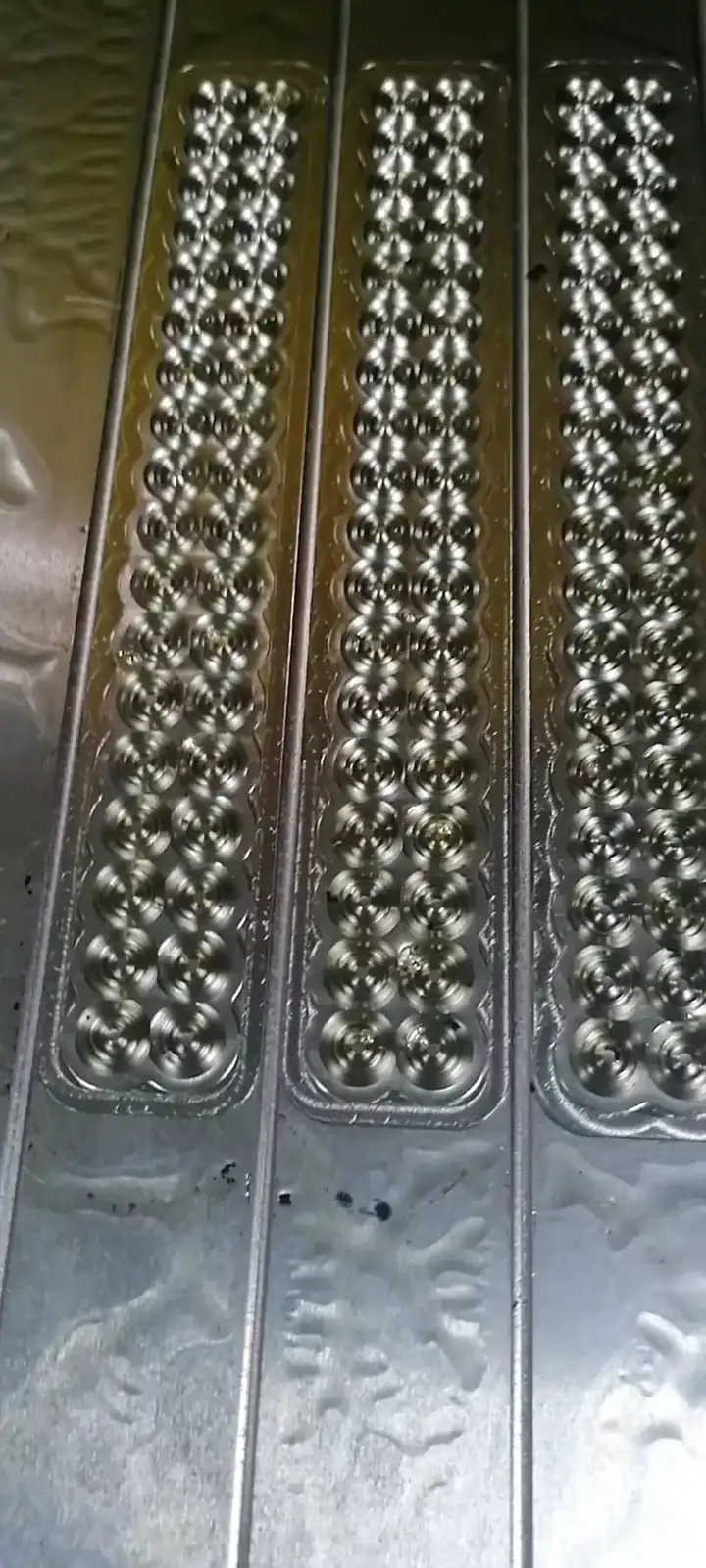
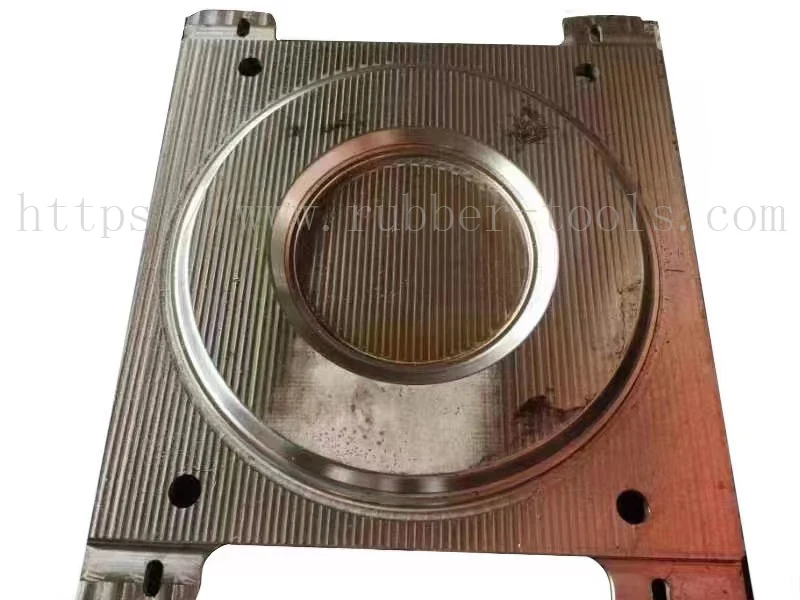
Our mould engineers possess extensive experience in precision tooling design, utilizing advanced CAD/CAM software and CNC machining techniques to produce complex, high-tolerance moulds. These capabilities ensure consistent replication of intricate surface textures, safety profiles, and interlocking geometries essential in play area components. Whether developing custom modular tiles, border edging, or three-dimensional play elements, our team optimizes mould flow, cooling cycles, and ejection systems to maximize production efficiency and part integrity.
Complementing our mould design strength is our in-house rubber formulation expertise. Our two certified rubber formula engineers specialize in compounding elastomers for optimal balance of mechanical properties, weather resistance, and long-term durability. For rubber play areas, this means formulating compounds that resist UV degradation, ozone exposure, temperature extremes, and microbial growth—critical factors in outdoor installations. We work primarily with EPDM, SBR, and recycled rubber compounds, adjusting crosslink density, filler loading, and additive packages to meet ASTM F1292 (impact attenuation) and EN 1177 safety standards.
Our integrated approach allows seamless transition from concept to production. The co-location of formulation and mould engineering teams facilitates rapid prototyping, iterative testing, and validation under real-world conditions. This synergy reduces time-to-market and ensures that both material and geometry are optimized in tandem.
As an OEM partner, Suzhou Baoshida offers end-to-end manufacturing support. We accept custom specifications for color, thickness, texture, and performance criteria, producing solutions that align with branding, safety, and functional requirements. Our facility supports low-volume prototyping and high-volume production runs with consistent quality control through every batch.
The following table outlines key engineering specifications we support for rubber play area products:
| Parameter | Capability Range | Standards Compliant |
|---|---|---|
| Thickness | 20 mm – 100 mm | ASTM F1292, EN 1177 |
| Shore A Hardness | 40 – 85 | ISO 7619-1 |
| Tensile Strength | ≥ 7 MPa (EPDM compound) | ISO 37 |
| Elongation at Break | ≥ 200% | ISO 37 |
| UV & Ozone Resistance | 1500+ hours (QUV accelerated testing) | ISO 105-B02, ISO 1431 |
| Color Customization | Full RAL/ Pantone matching, multi-layer | Lightfastness Grade 6–8 |
| Mould Complexity | Multi-cavity, multi-component, undercuts | CAD/CAM Designed |
| Production Lead Time | 15–25 days (from approved sample) | JIT delivery available |
With robust engineering infrastructure and deep technical expertise, Suzhou Baoshida delivers reliable, high-performance rubber play solutions under OEM agreements worldwide.
Customization Process

Customization Process for Industrial Rubber Play Area Solutions
At Suzhou Baoshida Trading Co., Ltd., our customization process for rubber play area components integrates material science rigor with industrial manufacturing precision. This four-phase methodology ensures compliance with global safety standards while optimizing performance for high-traffic recreational environments. Each stage undergoes stringent validation to eliminate design-to-production discrepancies.
Drawing Analysis
We initiate with comprehensive CAD and technical drawing evaluation, focusing on geometric tolerances, wall thickness uniformity, and stress concentration points. Our engineering team cross-references client specifications against ISO 9001 protocols, identifying potential molding defects such as air traps or insufficient draft angles. Critical dimensions are validated for compatibility with injection or compression molding tooling, ensuring seamless transition to prototyping. Material thickness deviations exceeding ±0.5mm trigger immediate redesign collaboration with the client.
Formulation Development
Based on environmental exposure requirements (UV, temperature range, chemical resistance), our rubber chemists formulate proprietary SBR/EPDM blends. Key parameters include hardness modulation via silica-filler ratios, tear strength enhancement through controlled polymer crosslinking, and anti-oxidant package calibration for 10+ year outdoor durability. Every compound undergoes dynamic mechanical analysis (DMA) to confirm viscoelastic behavior within -40°C to +80°C operational ranges. Formulations strictly adhere to EN 1177 impact attenuation standards for critical fall heights.
Prototyping & Validation
Low-volume prototypes are produced using production-intent tooling. Each unit undergoes accelerated aging (ASTM D573), Shore A hardness stability testing, and tear resistance verification per ASTM D624. Full-scale impact testing replicates EN 1177 drop scenarios using articulated headforms. Iterative refinements address micro-defects like surface porosity or dimensional drift before sign-off. Client approval requires zero non-conformities across 20+ test parameters.
Mass Production Execution
Approved designs transition to our ISO 14001-certified production line with real-time SPC monitoring. Each batch includes in-process checks for cure state (using rheometer MDR 2000), density consistency (±0.02 g/cm³), and color fastness (ISO 105-B02). Final inspection employs automated vision systems detecting surface flaws >0.3mm. We maintain 99.5% first-pass yield rates through closed-loop feedback between formulation and molding teams.
Material performance specifications for standard play area applications are summarized below:
| Property | Target Value | Test Standard |
|---|---|---|
| Shore A Hardness | 60–70 | ASTM D2240 |
| Tensile Strength | ≥12 MPa | ASTM D412 |
| Tear Strength | ≥45 kN/m | ASTM D624 B |
| Abrasion Loss | ≤120 mm³ | ASTM D5963 |
| UV Resistance (1000h) | ΔE < 3.0 | ISO 4892-2 |
| Impact Attenuation (h) | ≤1.5m critical fall | EN 1177 |
This systematic approach minimizes time-to-market while guaranteeing end-product resilience against abrasion, weathering, and impact forces inherent in public play infrastructure. Suzhou Baoshida delivers OEM-ready solutions where material integrity directly translates to user safety and lifecycle cost efficiency.
Contact Engineering Team

For industrial manufacturers and project developers seeking high-performance rubber solutions for play area applications, Suzhou Baoshida Trading Co., Ltd. stands as a trusted partner in engineered elastomeric systems. Our expertise lies in the formulation, production, and supply of industrial-grade rubber materials specifically designed to meet the rigorous demands of outdoor and commercial play environments. With a focus on durability, safety compliance, and long-term performance, we deliver customized rubber compounds that exceed industry standards.
Our rubber play area solutions are engineered using advanced vulcanization techniques and premium-grade raw materials, ensuring optimal resistance to UV degradation, weathering, abrasion, and microbial growth. Whether you require rubber tiles, safety surfacing, modular play components, or custom-molded elements, our formulations are tailored to your mechanical, thermal, and aesthetic specifications. We work closely with OEMs, construction firms, and municipal suppliers to provide scalable, cost-effective production runs backed by rigorous quality control protocols.
All materials produced by Suzhou Baoshida comply with international safety standards, including EN 1177, ASTM F1292, and ISO 9001-certified manufacturing practices. Our technical team conducts comprehensive testing for shock absorption, tensile strength, elongation at break, and slip resistance to ensure every product delivers maximum safety and longevity in dynamic play environments.
To support seamless integration into your manufacturing or installation workflow, we provide full technical documentation, material data sheets (MDS), and engineering support. Our rubber compounds are available in a range of hardness levels, colors, and densities, allowing for both functional performance and aesthetic customization.
Below are key technical specifications for our standard rubber play area compound:
| Property | Test Method | Value |
|---|---|---|
| Hardness (Shore A) | ASTM D2240 | 65 ± 5 |
| Tensile Strength | ASTM D412 | ≥ 7.0 MPa |
| Elongation at Break | ASTM D412 | ≥ 250% |
| Tear Resistance | ASTM D624 | ≥ 20 kN/m |
| Compression Set (22 hrs, 70°C) | ASTM D395 | ≤ 20% |
| Flame Spread Index | ASTM E84 | < 25 |
| UV Resistance | ASTM G154 | Pass (3000 hrs) |
| Operating Temperature Range | — | -40°C to +80°C |
Partnering with Suzhou Baoshida means gaining access to precision-engineered rubber solutions backed by decades of industrial formulation experience. We specialize in B2B supply chains, offering container-load shipments, JIT delivery models, and private labeling for global distributors.
For technical consultations, sample requests, or project-specific proposals, contact Mr. Boyce, OEM Project Manager, directly at [email protected]. Our team is equipped to support your development cycle from concept to mass production, ensuring your play area products meet the highest benchmarks in safety, performance, and reliability. Reach out today to discuss your rubber material requirements and discover how Suzhou Baoshida can elevate your next industrial play solution.
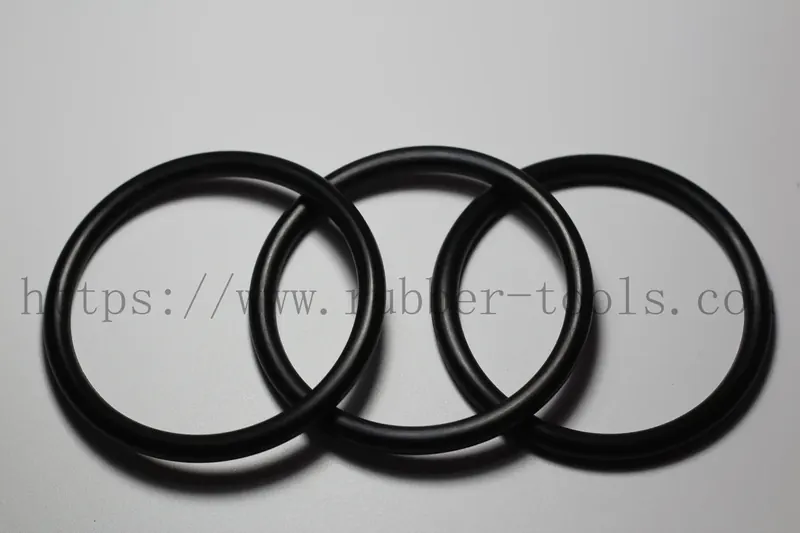
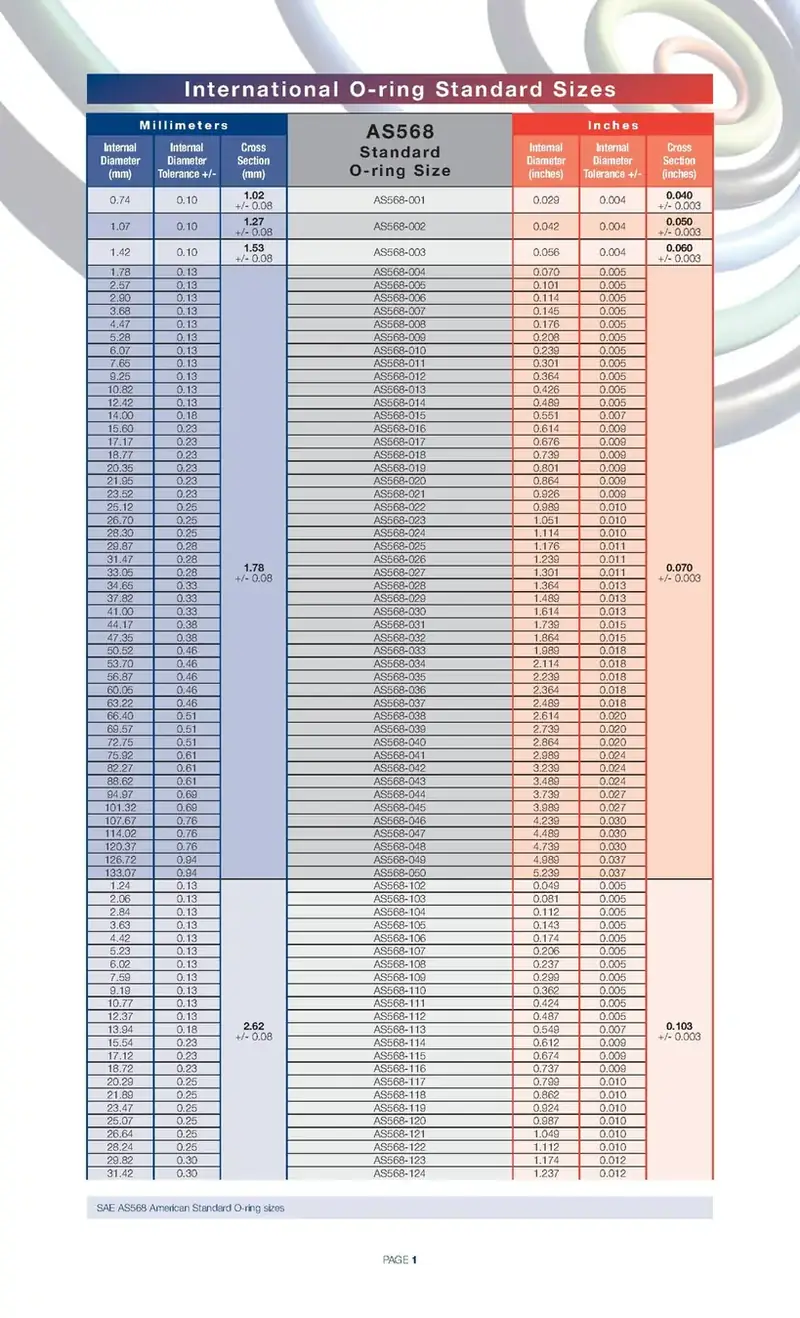
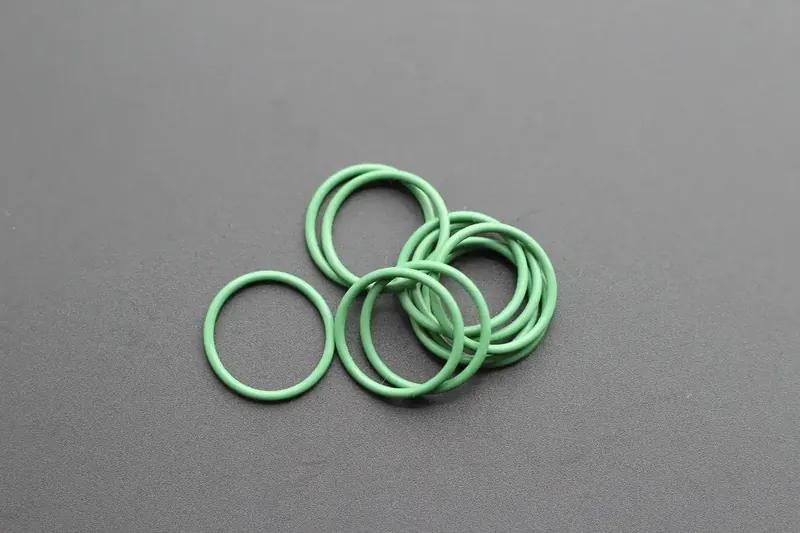
⚖️ O-Ring Weight Calculator
Estimate rubber O-ring weight (Approx).