
9 Products
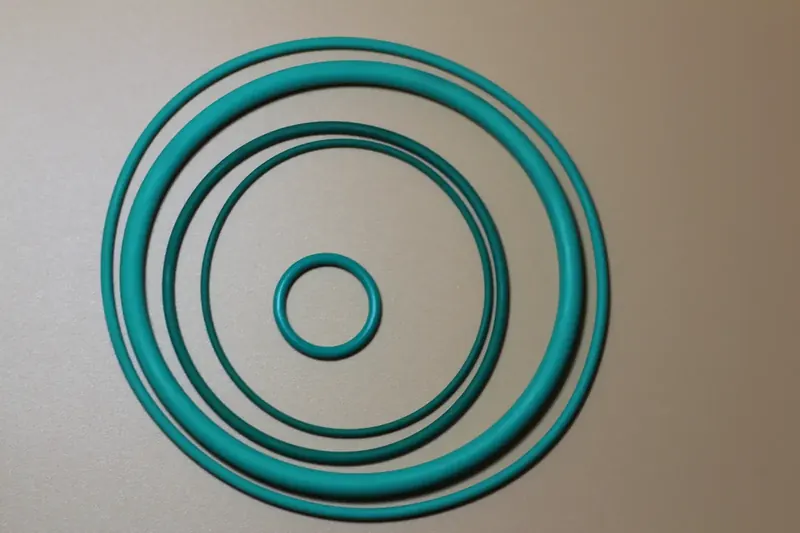
Rubber Seals
O-rings, Y seals and moulded sealing parts in twelve elastomer compounds, tooled to your size rather than substituted from stock.
Browse category →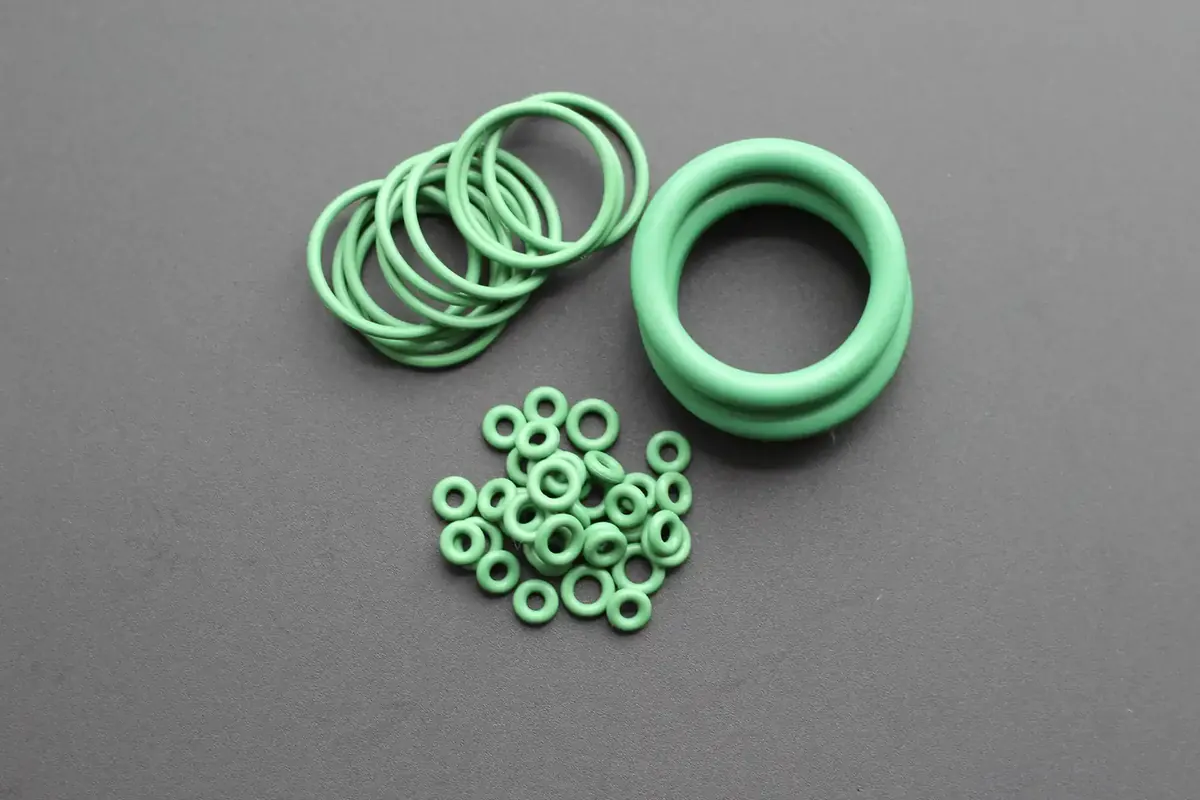
Twelve seal compounds, our own mould workshop and the complete AS568 mould set, so your size is tooled rather than substituted.
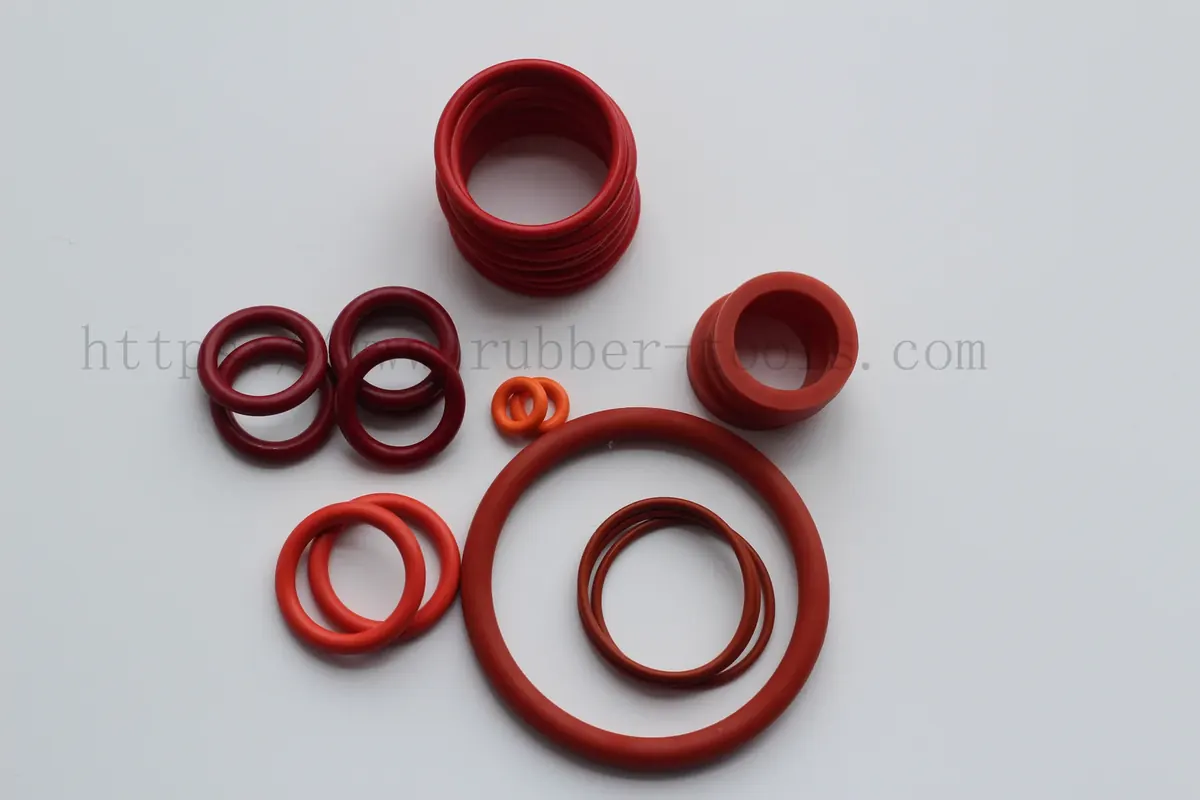
Formula engineers in house means the compound is chosen for your medium and temperature, not for whatever the factory already runs.
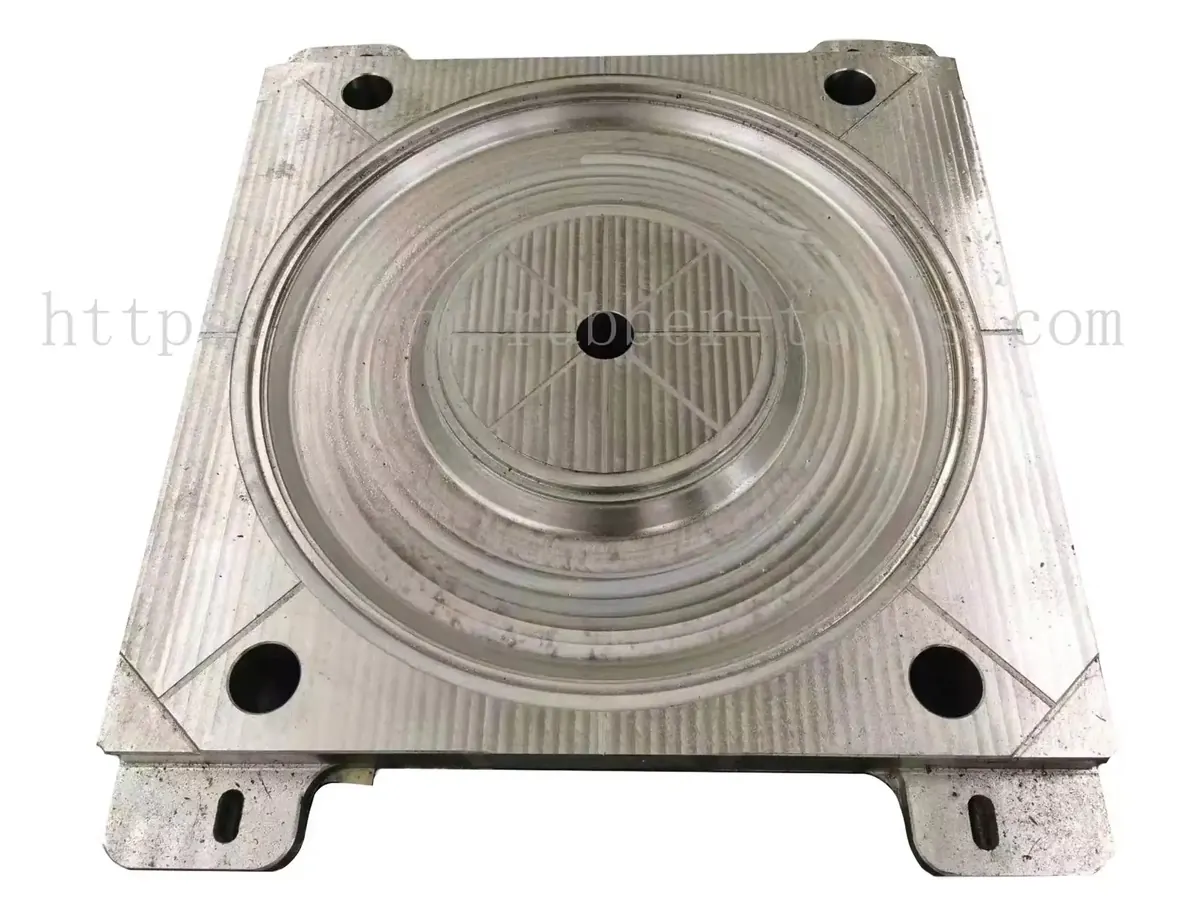
Five mould structural engineers design the tool, our own workshop cuts it, and the same team runs the moulding trial, so tooling problems get fixed instead of quoted again.
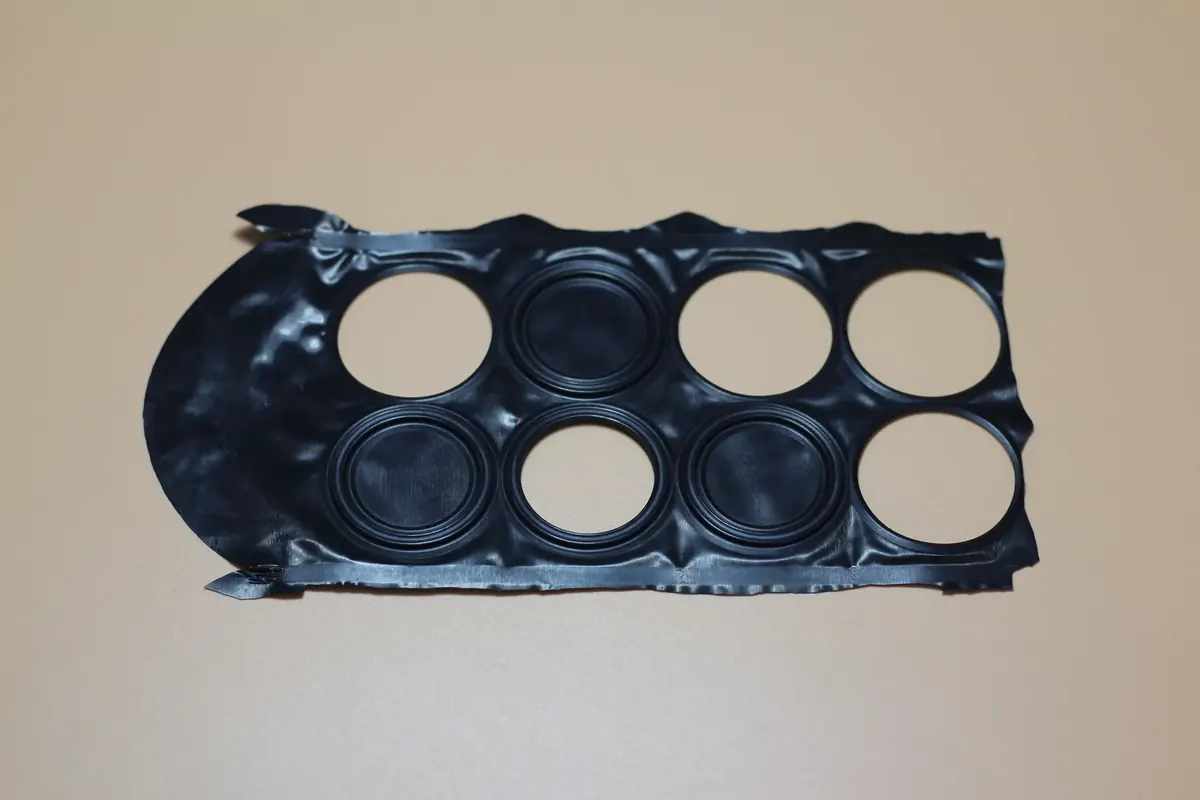
Seals, moulded rubber, injection moulded plastic and rubber bonded to machined metal, quoted and shipped together instead of chased across four vendors.
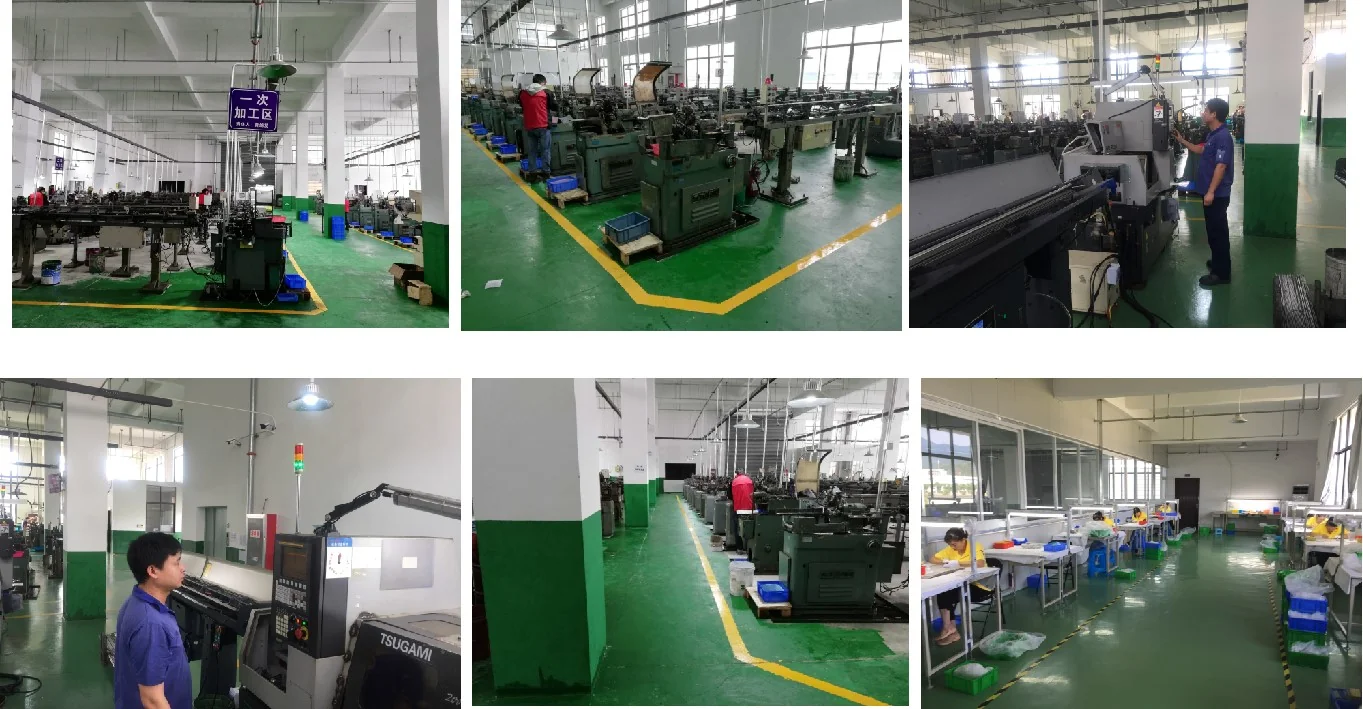
CNC floors, assembly lines and moulding cells at partner factories, with our own staff on quality and delivery rather than self reported progress.
O-rings and moulded rubber seals in twelve compounds, custom moulded rubber parts, rubber bonded to metal, injection moulded plastic parts, the rubber moulds that produce them, and OEM power tools.
Buyers and design engineers at automotive and vehicle part makers, semiconductor and electronics plants, chemical and petroleum processors, printing and paper converting shops, appliance manufacturers, and the trading houses that supply them.
Most seal problems reaching a purchasing desk are not price problems. They are a non standard size nobody will tool, a compound that swells in the actual medium, a mould that will not hold the parting line, or four separate suppliers for one sub assembly. We take those off the desk.
Fourteen engineers across mould structure, rubber formulation, rubber process and power tool design sit in house. More than ten partner factories give capacity without giving up control. The complete AS568 mould set means standard sizes ship without new tooling.
O-rings, Y seals and moulded sealing parts in twelve elastomer compounds, tooled to your size rather than substituted from stock.
Browse category →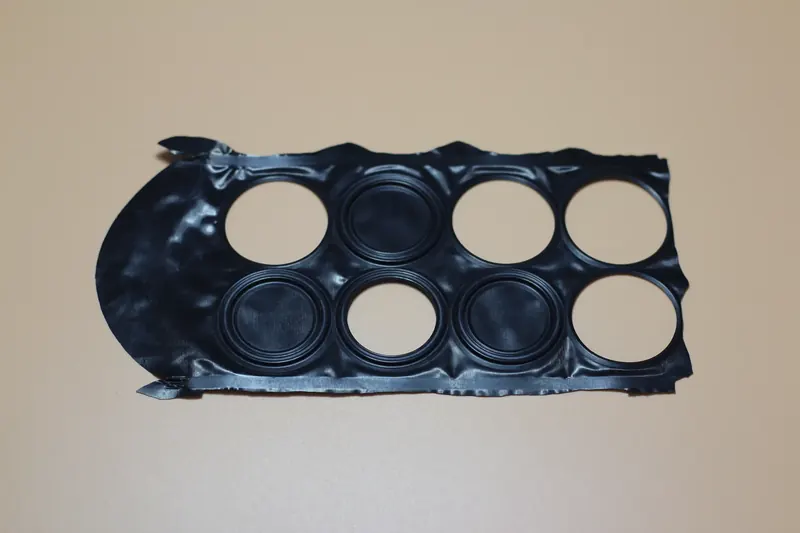
Custom moulded rubber, rubber bonded to machined metal, industrial rollers, plastic parts and the moulds that produce them.
Browse category →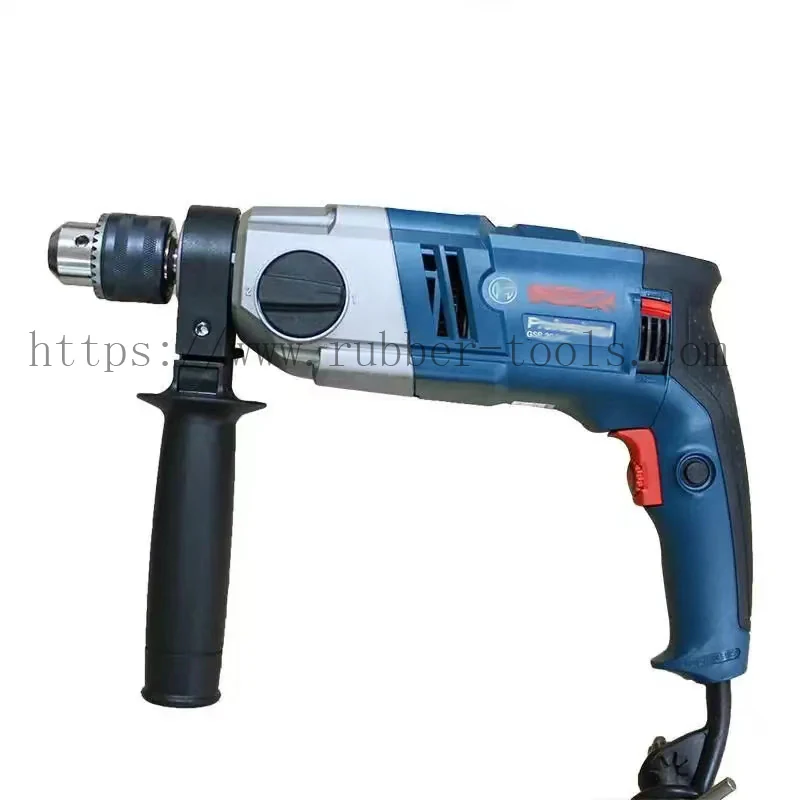
OEM and custom designed power tools from a team whose designers have more than fifteen years in the tool industry.
Browse category →Twenty products across seals, moulded rubber, moulds, plastics and power tools. Nothing here is a placeholder or a stock photo.
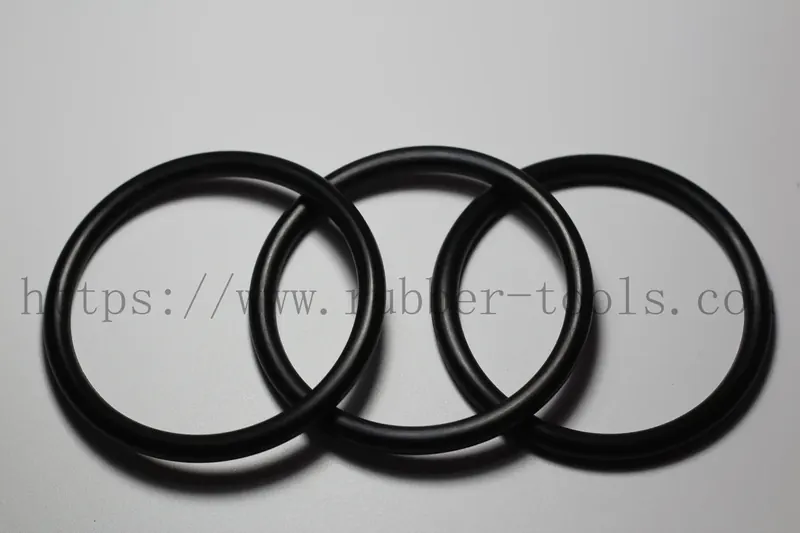
An O-ring is the cheapest part in most assemblies and the most common cause of a warranty return.
View product →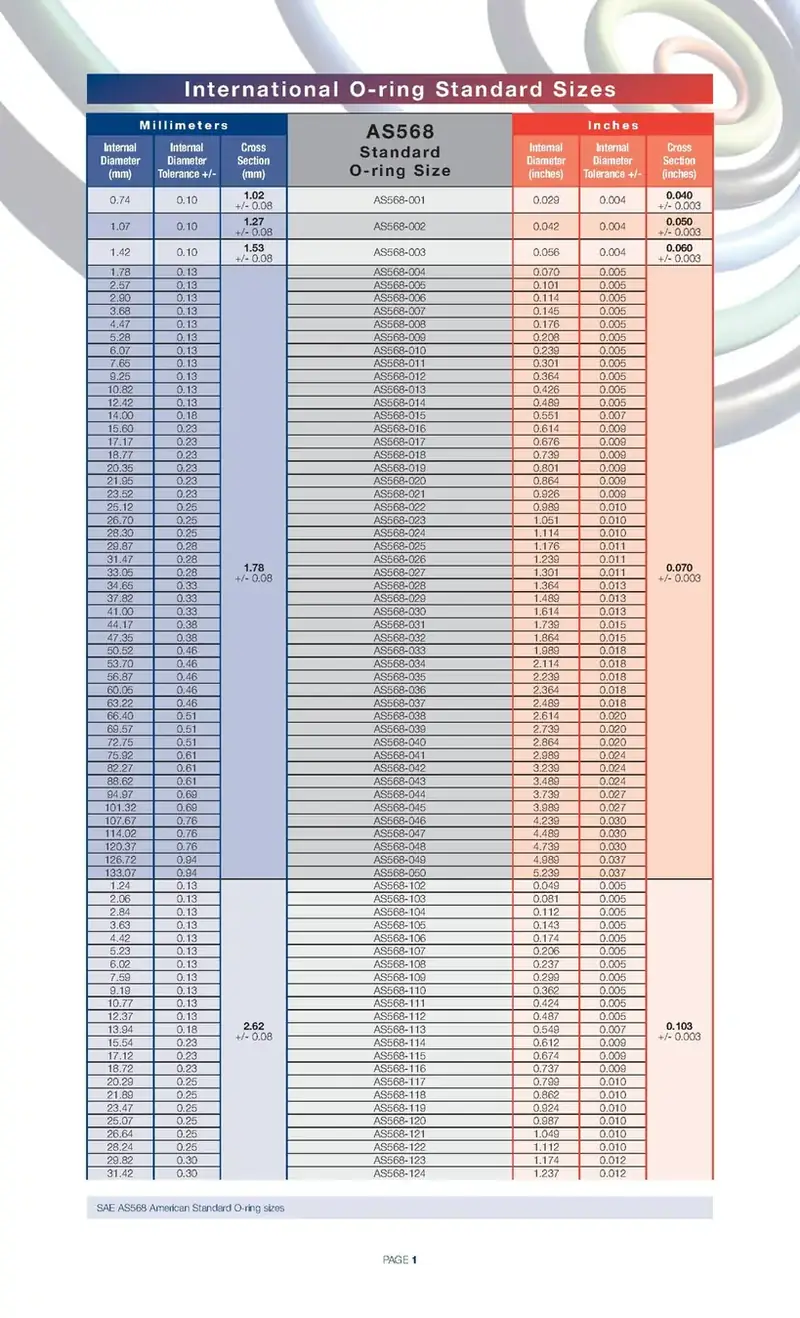
We possess all the moulds for the AS568 O-ring size range, which lets us supply standard parts of the series promptly and without a tooling step.
View product →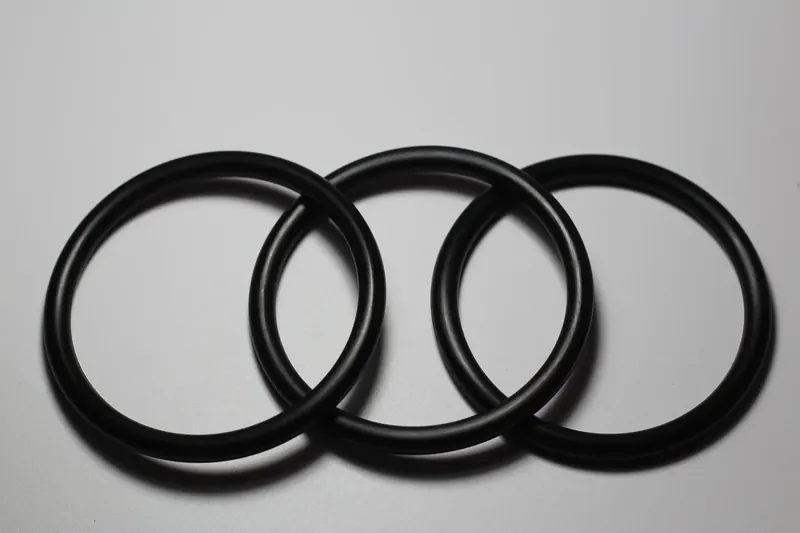
NBR is the working compound for anything that meets oil or fuel at moderate temperature.
View product →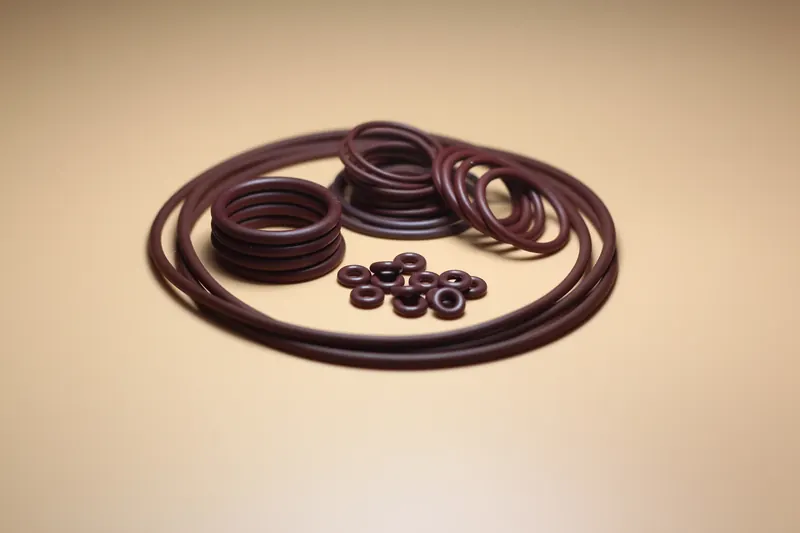
EPDM has good weather resistance and unusual versatility, which is why it appears across automotive, electrical and electronic products, daily necessities, sports equipment and mechanised industrial equipment, as well as in wires, cables and high voltage and ultra high voltage insulation materials.
View product →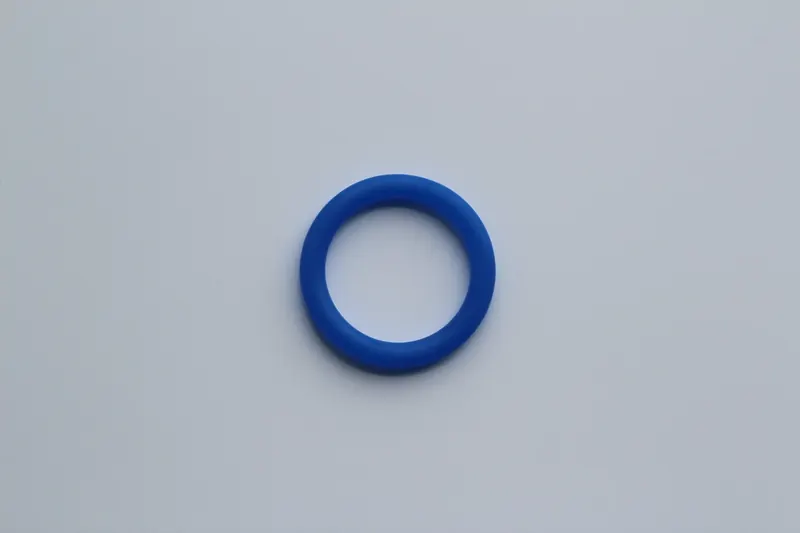
HNBR is the compound we reach for when a nitrile seal has to stay reliable in cold medium service.
View product →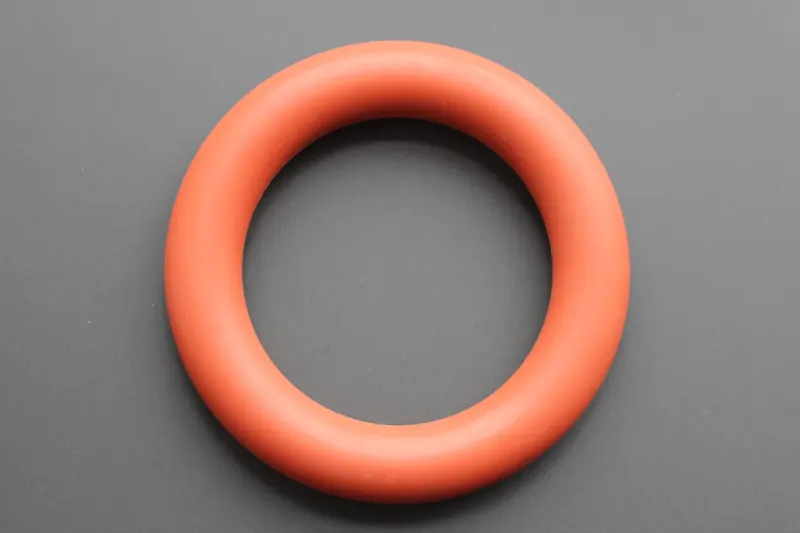
FKM and FFKM sit at the top of the seal material range and are frequently confused with each other.
View product →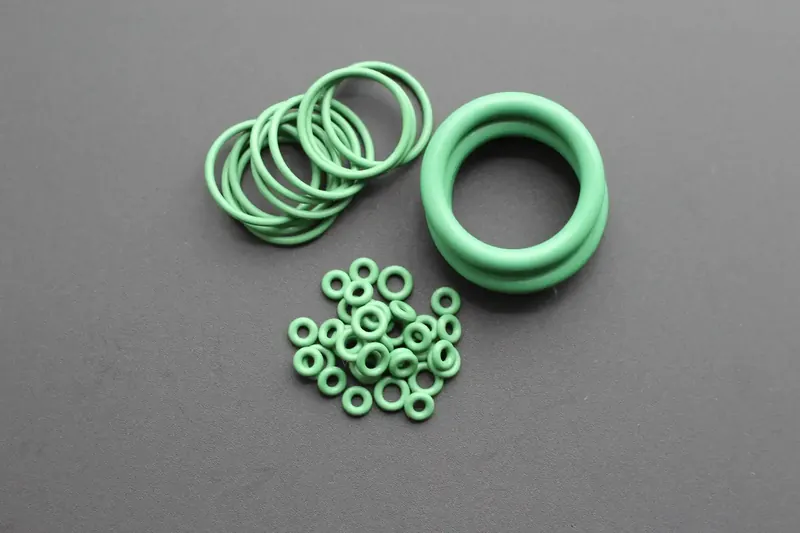
FFKM O-rings exist for the applications where every other elastomer has already been ruled out.
View product →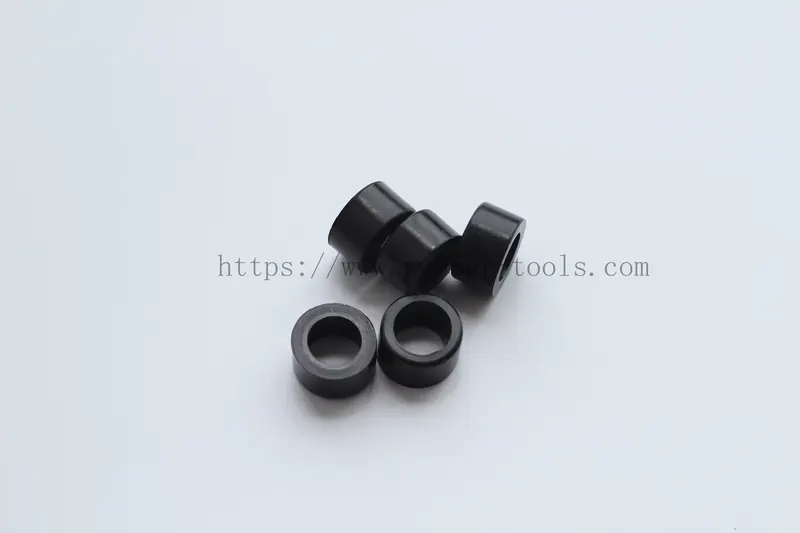
Not every FFKM application is an O-ring.
View product →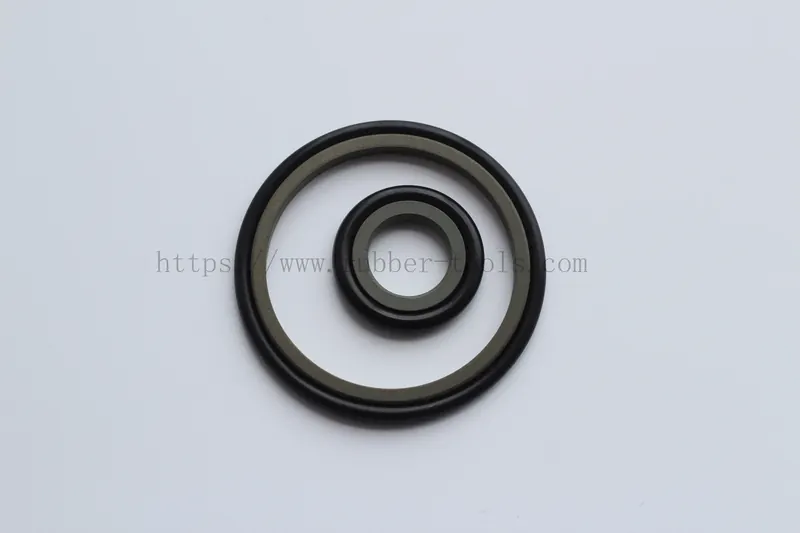
A plain O-ring is not the right answer for every dynamic duty, which is why the Y profile exists.
View product →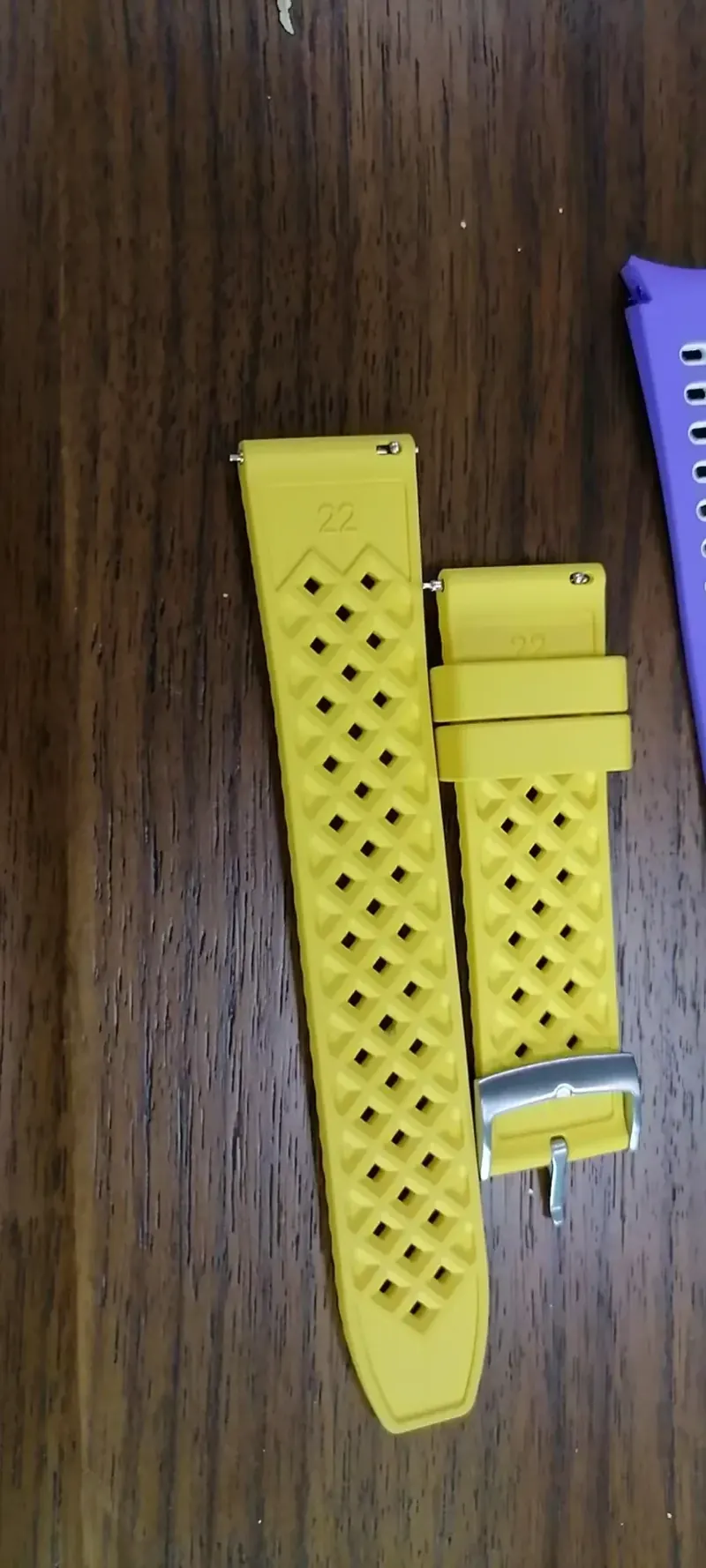
This is FKM outside the sealing catalogue: custom moulded fluoroelastomer parts made to a customer drawing.
View product →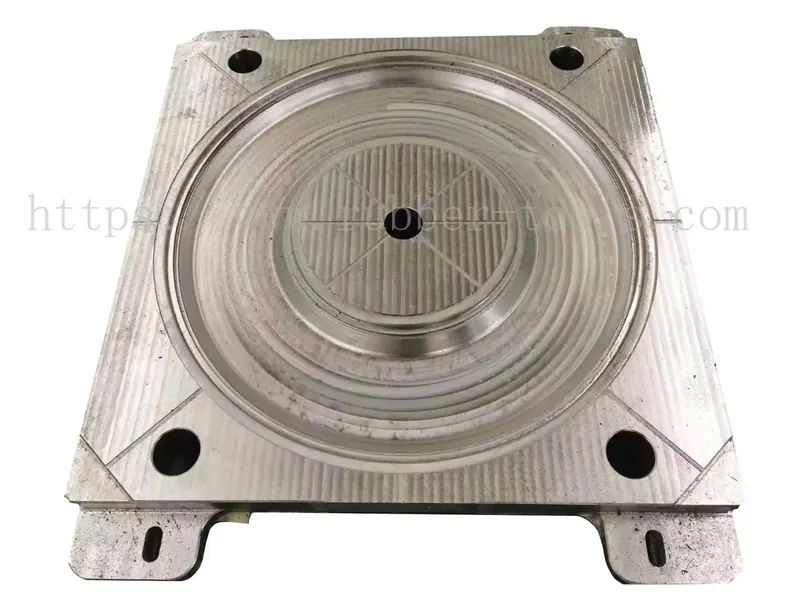
We have our own mould manufacturing workshop and experienced structural design engineers, so we can independently design and develop rubber moulds rather than pass the work on.
View product →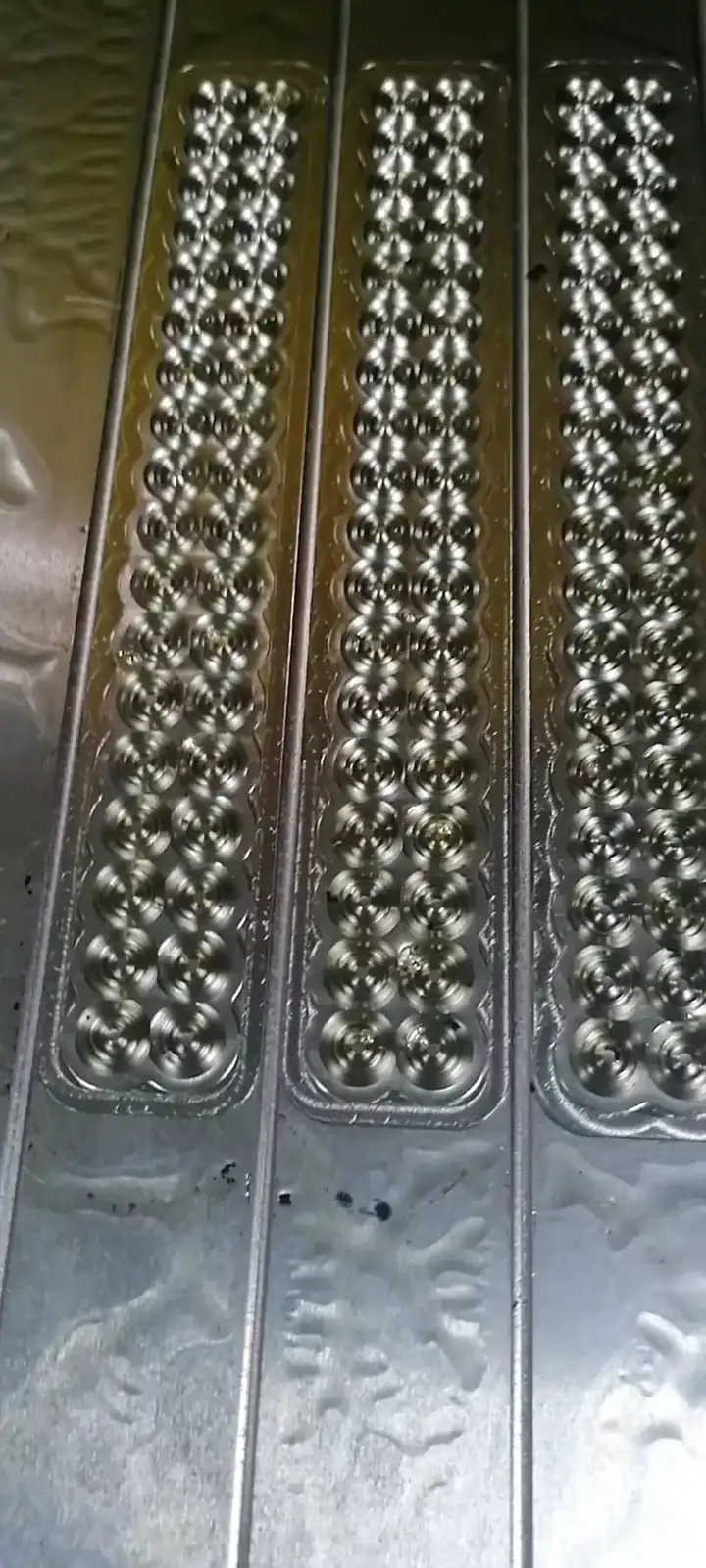
An O-ring mould decides whether every ring coming off it is the same.
View product →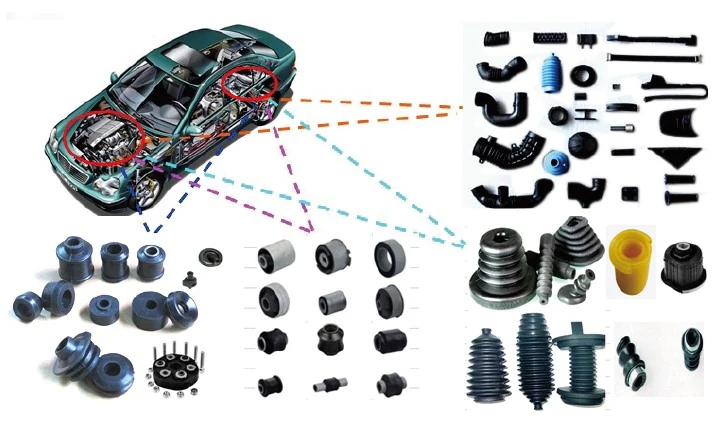
Bonded rubber to metal parts fail at the interface far more often than in the rubber, and split sourcing is why.
View product →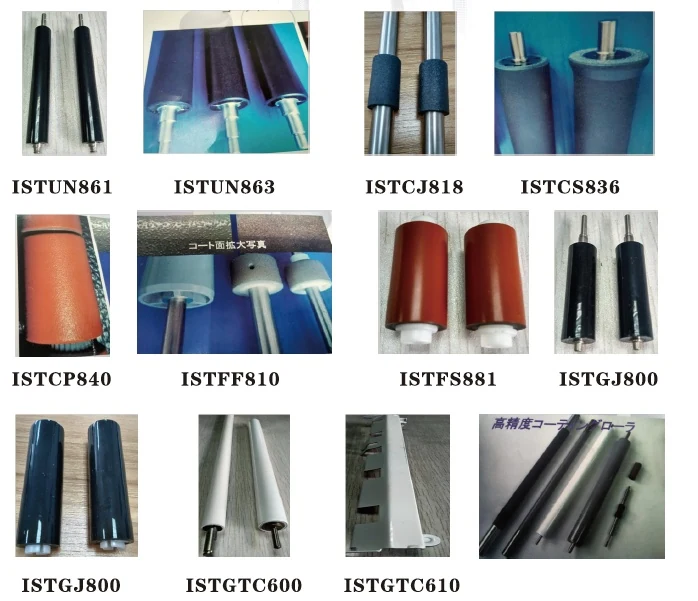
In printing and converting the roller covering is a process variable rather than a spare part.
View product →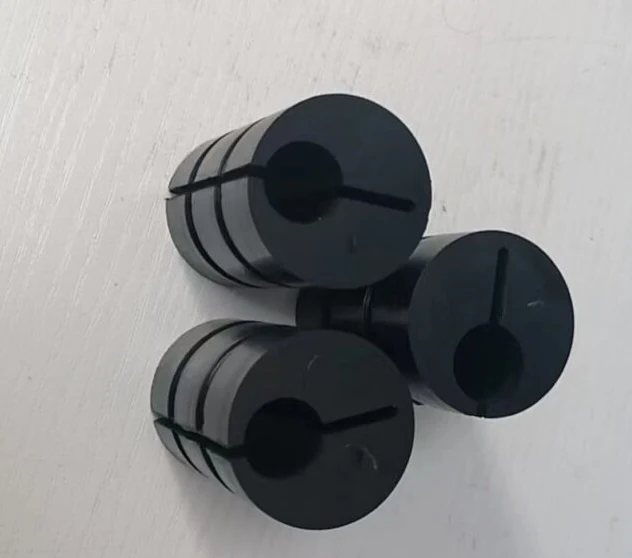
SBR is the compound to reach for when abrasion resistance and cost matter more than chemical range.
View product →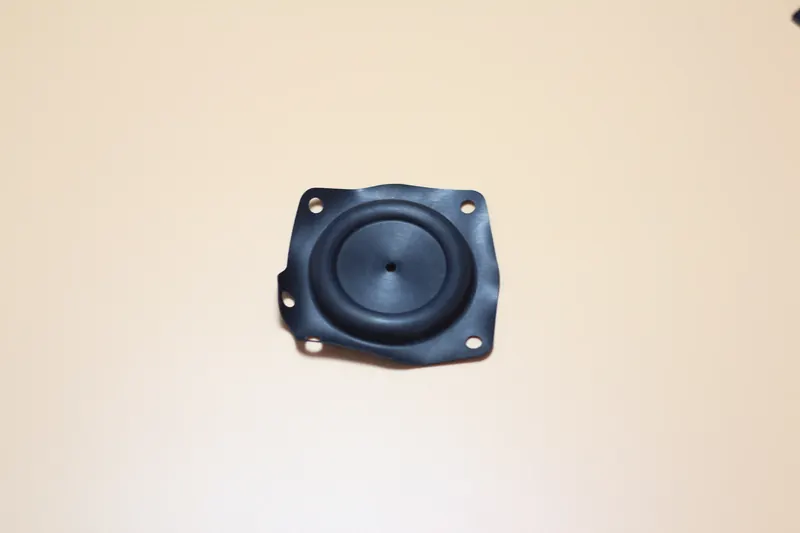
We have three plastic production suppliers, and we handle the inquiry, the quality control and the delivery supervision ourselves.
View product →Oil and fuel contact that hardens or swells a seal chosen without regard to the medium
See how we help →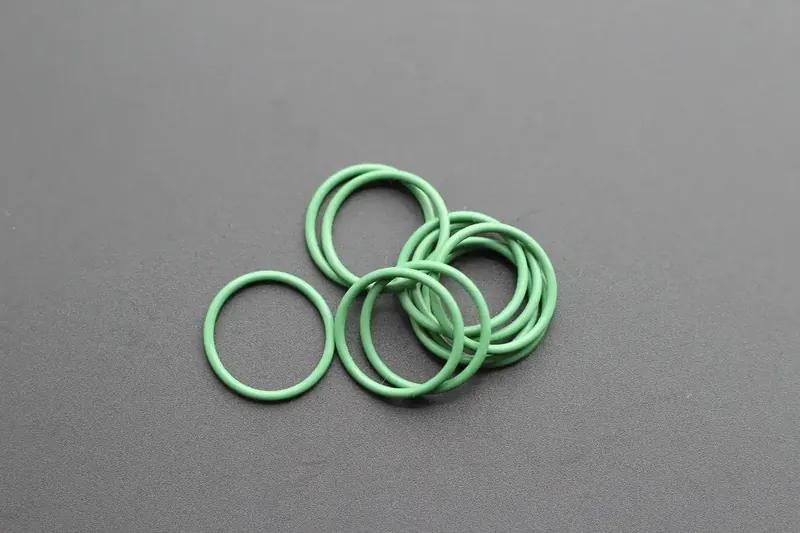
Aggressive chemistries and solvents that attack ordinary fluoroelastomer
See how we help →Acids, solvents and hydrocarbons that degrade a general purpose elastomer quickly
See how we help →Feed rollers that glaze or harden and start misfeeding sheets
See how we help →
Rubber, plastic and packaging parts of one product sourced from three countries
See how we help →Most seal problems reaching a purchasing desk are not price problems. They are a non standard size nobody will tool, a compound that swells in the actual medium, a mould that will not hold the parting line, or four separate suppliers for one sub assembly. We take those off the desk.
A drawing outside AS568 gets answered with the nearest stock item. We cut the tool in our own mould workshop instead.
Seals swell, harden or take a set because the material was picked from stock. Two formula engineers select against your medium and temperature.
A tool cut by a shop that never runs it produces flash and parting line problems nobody owns. We design, build and run our tools.
Rubber, plastic and machined metal bought separately arrive on three lead times. We quote and ship the assembly together.
Fourteen engineers across mould structure, rubber formulation, rubber process and power tool design sit in house. More than ten partner factories give capacity without giving up control. The complete AS568 mould set means standard sizes ship without new tooling.
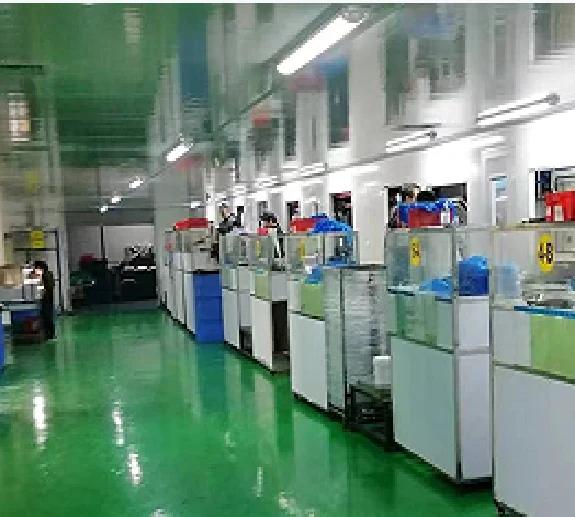
Two of our senior engineers have at least fifteen years of work experience.
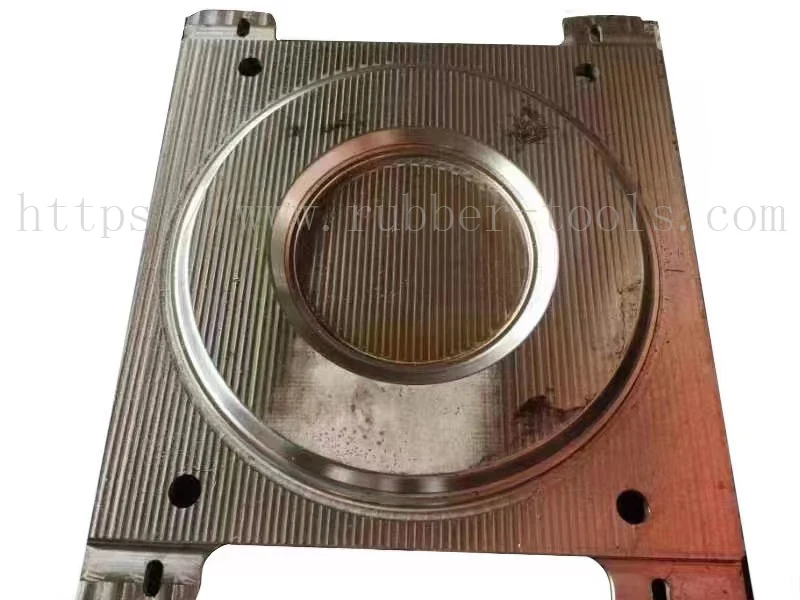
A custom rubber part fails in one of a few predictable places: the structure was never designed for moulding, the tool was cut by someone who will never run it, the compound was chosen from stock, or the first article was approved on a photograph.
See the process →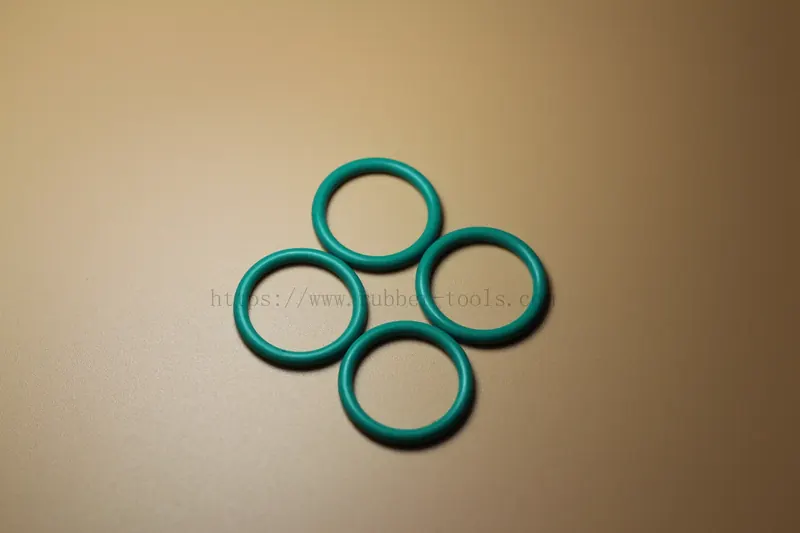
Most seal failures that reach a purchasing desk are material decisions made earlier by somebody without the data.
See the process →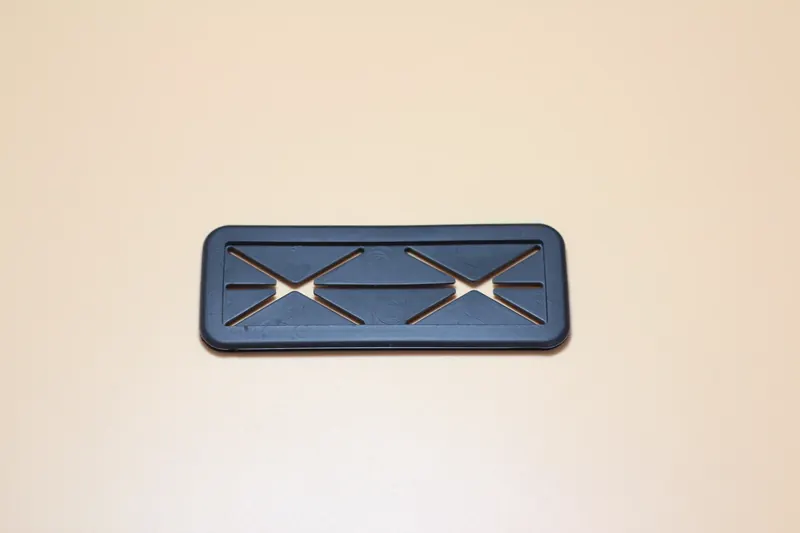
One sub assembly often contains a moulded seal, a plastic housing and a machined metal insert.
See the process →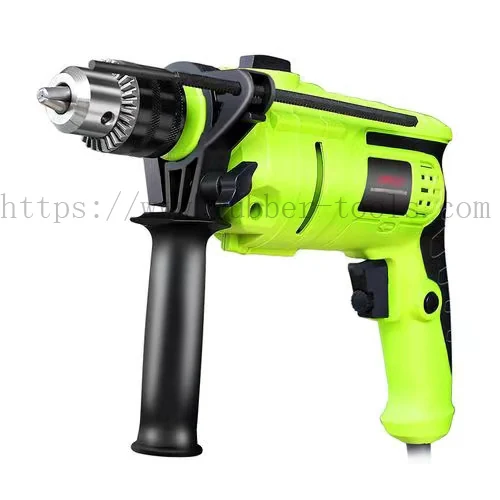
Relabelling a catalogue tool is easy and gives a brand nothing to defend.
See the process →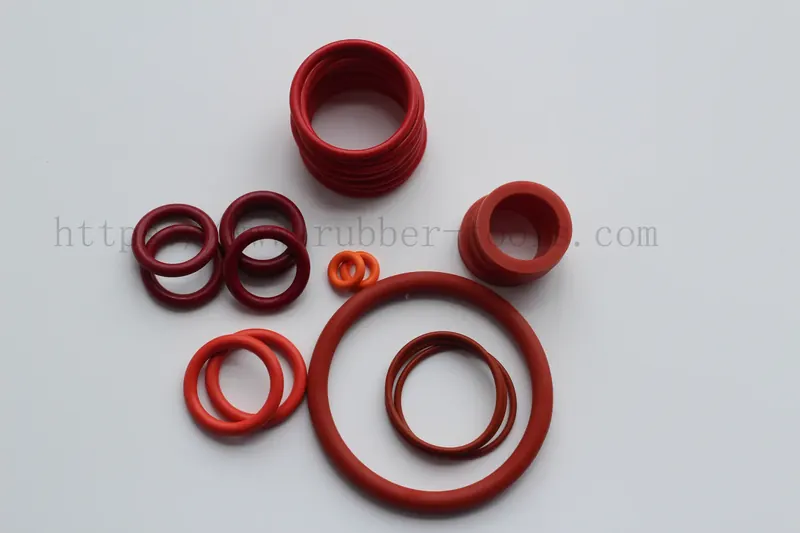
Six questions decide almost every seal material choice. Answer them before you ask for a price, and the quotation you get back will be worth comparing.
Read the guide →AS568 is the reason some O-ring quotations come back with no tooling charge and a short lead time, and others do not.
Read the guide →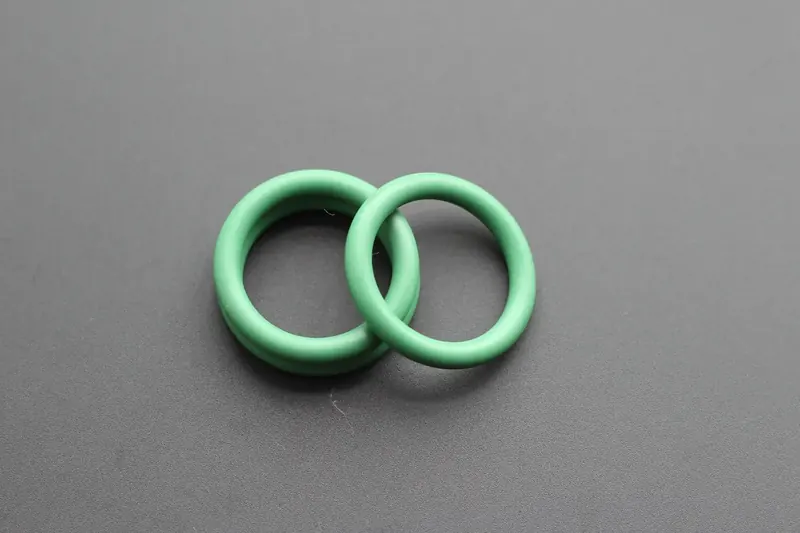
FFKM is not simply a better FKM. It is a different commercial decision, and specifying it by reflex wastes money as reliably as under specifying wastes uptime.
Read the guide →These two compounds cover an enormous share of industrial sealing between them, and they fail in each other's territory. Getting the boundary right removes most avoidable seal problems.
Read the guide →Both, and we prefer to say so. We run our own mould workshop, machining workshop and coating workshop with fourteen engineers in house, and we work with more than ten partner factories in China for development and order capacity.
FKM, FFKM, SIR, EPDM, NBR, SBR, FVMQ, AEM/ACM, HNBR, CR, NR and CSM. Twelve compounds from one supplier.
No. We possess all the moulds for the AS568 O-ring size range, so standard sizes go straight into production.
Yes. Our structural design team can design the product structure from a physical sample and manufacture the mould independently.
Within one working day. Send the drawing, size list or photo by WhatsApp or email.
Yes. We work with three plastic production suppliers under our own inquiry, quality control and delivery supervision, alongside our own rubber production.
Yes, as a separate line with its own engineering team. Our power tool designers have more than fifteen years of experience in the industry.
Tell us the size, the medium and the quantity. You get a considered answer within one working day, not a form response.