Technical Contents
Engineering Guide: Plastic See Through Sheets

Engineering Insight: Material Selection for Industrial Plastic See-Through Sheets
The term “plastic see-through sheet” implies optical clarity alone, yet industrial applications demand far more. Off-the-shelf solutions frequently fail because generic suppliers prioritize cost and basic transparency over engineered performance under operational stress. Material selection is not a commodity decision; it is a foundational engineering requirement dictating longevity, safety, and total cost of ownership. Industrial environments expose sheets to chemical exposure, thermal cycling, mechanical load, UV radiation, and abrasion—factors standard consumer-grade plastics cannot withstand. A sheet that merely transmits light may catastrophically degrade within weeks when subjected to hydraulic fluid splashes, outdoor weathering, or repeated impact, leading to unplanned downtime and safety hazards.
Critical failure modes stem from mismatched polymer chemistry. Polyvinyl chloride (PVC) sheets, common in retail, contain plasticizers that leach under heat or solvent exposure, causing irreversible clouding and embrittlement. Acrylic (PMMA) offers superior clarity but fractures under low-impact stress and suffers rapid UV degradation without costly stabilizers. Polycarbonate (PC) provides impact resistance but yellows prematurely if not co-extruded with UV-blocking layers, while its high thermal expansion coefficient induces warping in temperature-variable settings. These are not theoretical concerns; they manifest as cracked machine guards, opaque inspection windows, or distorted vision panels requiring urgent replacement.
Material failure often originates from unaddressed secondary properties. Hygroscopic polymers like standard polycarbonate absorb moisture, causing dimensional instability in precision jigs. Incompatible chemical resistance leads to solvent-induced crazing—observed when acetone exposure creates micro-cracks in otherwise clear PVC sheets. Even optical clarity degrades non-uniformly: low-grade acrylic develops internal stress whitening under constant load, obscuring critical visual inspections. These flaws emerge post-installation, transforming a low-cost purchase into a high-cost liability through production halts and rework.
Suzhou Baoshida Trading Co., Ltd. addresses these challenges through application-specific polymer engineering. We reject one-size-fits-all approaches, instead analyzing your operational parameters to formulate solutions. Our OEM process integrates accelerated aging tests, chemical compatibility mapping, and finite element analysis to predict real-world behavior. The table below highlights why standard materials fail and how engineered alternatives mitigate risks:
| Property | Standard PVC | Standard Acrylic | Engineered Solution (Baoshida OEM) | Failure Risk Avoided |
|---|---|---|---|---|
| UV Stability (1000h QUV) | Severe yellowing | Moderate yellowing | <5% ΔYI change | Maintained optical clarity outdoors |
| Chemical Resistance | Fails with oils | Fails with alcohols | Custom barrier layer | No crazing in chemical handling |
| Thermal Expansion (10⁻⁶/K) | 180 | 70 | 55 (stabilized) | Zero warping in temperature swings |
| Impact Strength (kJ/m²) | 3.5 | 12 | 850 (polycarbonate blend) | No brittle fracture from debris |
Generic sheets sacrifice hidden performance metrics to hit price points. True cost efficiency emerges from materials engineered for your specific duty cycle—not just transparency, but dimensional integrity, chemical inertness, and environmental resilience. Suzhou Baoshida delivers this precision through rubber-polymer hybrid formulations and OEM validation protocols, ensuring your see-through components perform as reliably as the machinery they protect. Demand sheets designed for industry, not retail shelves.
Material Specifications

Suzhou Baoshida Trading Co., Ltd. provides high-performance industrial rubber solutions tailored to demanding applications across automotive, aerospace, chemical processing, and precision manufacturing sectors. While the term “plastic see through sheets” may suggest polycarbonate or acrylic materials, our expertise in elastomeric systems allows us to deliver transparent or translucent rubber-based components where flexibility, chemical resistance, and thermal stability are critical. In such specialized applications, materials like Viton, Nitrile (NBR), and Silicone are engineered to meet rigorous performance standards, even when optical clarity is not the primary attribute. These elastomers are often formulated to offer partial translucency for inspection or signaling purposes, particularly in seals, gaskets, and diaphragms.
Viton, a fluorocarbon rubber (FKM), is renowned for its exceptional resistance to high temperatures, aggressive chemicals, and hydrocarbon fuels. It maintains structural integrity in continuous service up to 200°C (392°F) and exhibits low swelling in oils and solvents. This makes Viton ideal for use in harsh industrial environments where reliability under extreme conditions is non-negotiable. Although not fully transparent, certain grades can be produced with translucency for functional visibility in fluid systems.
Nitrile rubber (NBR) is a cost-effective solution with strong resistance to oils, greases, and aliphatic hydrocarbons. With a service temperature range of -30°C to 108°C (-22°F to 226°F), it is widely used in hydraulic and fuel system seals. Nitrile formulations can be adjusted to achieve semi-transparent properties, enabling visual monitoring in low-stress dynamic applications. Its mechanical strength and abrasion resistance further enhance its utility in industrial settings.
Silicone rubber (VMQ) offers the widest operational temperature range, from -60°C to 230°C (-76°F to 446°F), and excellent resistance to ozone and UV radiation. It is inherently more translucent than other elastomers and can be manufactured to near-clarity for applications requiring visual inspection or aesthetic transparency. Silicone is also biocompatible and often used in pharmaceutical and food-grade equipment where purity and cleanability are paramount.
The following table summarizes key physical and chemical properties of these materials for engineering reference:
| Property | Viton (FKM) | Nitrile (NBR) | Silicone (VMQ) |
|---|---|---|---|
| Temperature Range (°C) | -20 to 200 | -30 to 108 | -60 to 230 |
| Tensile Strength (MPa) | 15–20 | 10–25 | 5–10 |
| Elongation at Break (%) | 200–300 | 200–500 | 300–700 |
| Hardness (Shore A) | 60–90 | 50–90 | 30–80 |
| Resistance to Oils/Fuels | Excellent | Good to Excellent | Poor |
| Resistance to Ozone/UV | Excellent | Good | Excellent |
| Water Resistance | Excellent | Good | Excellent |
| Translucency Potential | Low to Moderate | Low | High |
At Suzhou Baoshida Trading Co., Ltd., we support OEMs and industrial partners with precision-engineered rubber components that meet exacting material and performance criteria. Our technical team ensures optimal material selection based on environmental exposure, mechanical loads, and functional requirements.
Manufacturing Capabilities

Engineering Capability: Precision Transparent Rubber Solutions
Suzhou Baoshida Trading Co., Ltd. specializes in advanced transparent rubber compounds for industrial applications where optical clarity and elastomeric performance are non-negotiable. Unlike commodity plastics, our engineered rubber sheets withstand extreme thermal cycling, chemical exposure, and mechanical stress while maintaining visibility—critical for sight glasses, fluid monitoring systems, and safety-critical seals. Standard acrylic or polycarbonate sheets fail under dynamic compression or ozone exposure; our formulations solve this through molecular-level polymer design.
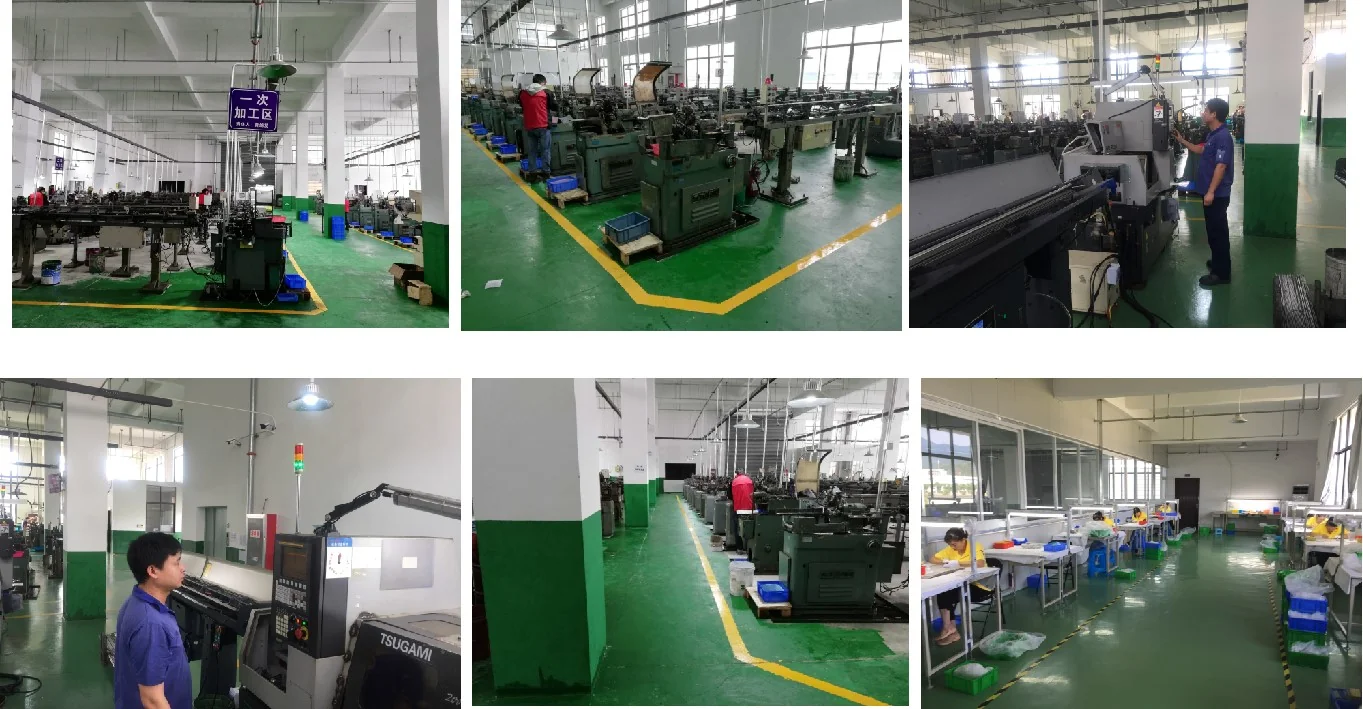
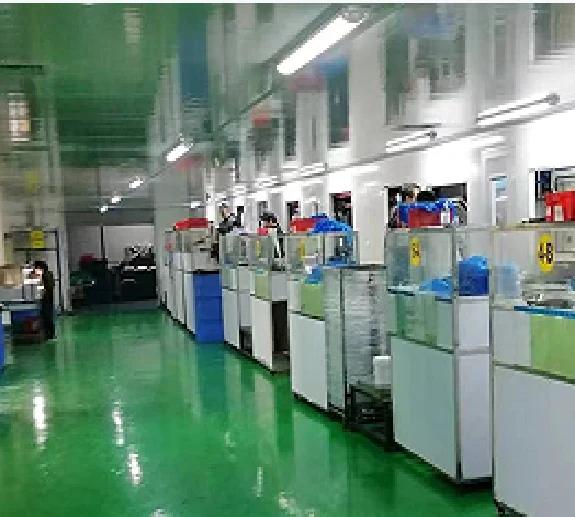
Our core strength lies in the synergy between 5 dedicated Mold Engineers and 2 Rubber Formula Engineers, each averaging 15+ years in elastomer science. Formula engineers manipulate polymer chain architecture, crosslink density, and additive dispersion to achieve sub-15% haze values without sacrificing tear strength. Simultaneously, mold engineers optimize cavity geometry, venting, and cure kinetics to prevent flow lines or internal stresses that distort clarity. This dual-expertise approach ensures zero optical defects in high-volume production—where competitors face 8–12% scrap rates on transparent parts.
For OEM partners, we deliver full lifecycle engineering support:
Material selection is validated through accelerated aging tests per ASTM D573 and ISO 188, simulating 5+ years of service in 72 hours. Prototyping leverages 3D-printed molds for rapid iteration, cutting development time by 40%. Volume production utilizes 200+ ton hydraulic presses with ±0.5°C temperature control, ensuring batch-to-batch repeatability. Crucially, we co-develop proprietary compounds tailored to your fluid compatibility and UV resistance requirements—never reselling generic stock.
Transparent Rubber Sheet Technical Specifications
| Material Type | Clarity (Haze %) | Hardness (Shore A) | Temp Range (°C) | Key Applications |
|---|---|---|---|---|
| Optical-Grade EPDM | 12–14 | 50–70 | -50 to +150 | Chemical sight glasses, pump diaphragms |
| Platinum Silicone | 8–10 | 30–60 | -60 to +200 | Biopharma tubing, LED lens seals |
| Hydrogenated NBR | 15–18 | 60–80 | -40 to +135 | Fuel system viewports, hydraulic seals |
All compounds exceed ISO 9001 traceability standards, with raw material lot tracking and in-process spectrophotometer validation at every production stage. Our OEM framework includes IP protection via joint development agreements and JIT delivery to Tier-1 assembly lines—reducing your inventory costs by 30%.
When transparency cannot compromise durability, Suzhou Baoshida’s engineering integration turns material science into your competitive advantage. We transform visibility requirements into mission-ready components, backed by 24/7 technical escalation for production-critical issues. Partner with us to eliminate field failures in demanding optical-rubber applications.
Customization Process

Customization Process for Transparent Plastic Sheets in Industrial Rubber Applications
At Suzhou Baoshida Trading Co., Ltd., our approach to manufacturing custom transparent plastic sheets is rooted in precision engineering and material science. These sheets, often used in industrial enclosures, protective barriers, and inspection windows, require a balance of optical clarity, mechanical strength, and environmental resistance. Our four-phase customization process—Drawing Analysis, Formulation, Prototyping, and Mass Production—ensures that every product meets exact OEM specifications and performs reliably under operational conditions.
The process begins with Drawing Analysis, where our engineering team evaluates technical blueprints and 3D models provided by the client. We assess dimensional tolerances, geometric complexity, mounting features, and surface finish requirements. Special attention is given to stress concentration points and environmental exposure factors such as UV radiation, temperature cycling, and chemical contact. This phase ensures that design intent is fully understood and manufacturable within material limitations.
Next, Formulation leverages our expertise in polymer chemistry to select and modify the base resin system. While standard transparent sheets may use acrylic (PMMA) or polycarbonate (PC), our industrial applications often demand enhanced formulations. We incorporate UV stabilizers, anti-static additives, flame-retardant modifiers, and impact modifiers to meet specific performance criteria. For rubber-integrated applications, interfacial adhesion between the transparent sheet and elastomeric components is optimized through co-polymer selection and surface energy matching. All formulations are documented and batch-traceable for quality assurance.
Prototyping follows formulation finalization. Using precision CNC machining or injection molding, depending on complexity and volume, we produce functional samples for client evaluation. These prototypes undergo rigorous testing, including light transmission measurement, tensile strength analysis, thermal stability checks, and environmental aging. Optical clarity is quantified using haze and luminous transmittance metrics. Clients receive detailed test reports alongside physical samples, enabling data-driven feedback and iterative refinement.
Upon approval, we transition to Mass Production, utilizing automated injection molding lines with in-process quality monitoring. Each production batch is subjected to statistical process control (SPC) to maintain dimensional consistency and optical performance. Final inspection includes 100% visual checks for defects such as bubbles, streaks, or inclusions, ensuring only defect-free sheets are shipped. Our lean manufacturing setup supports scalable output, from mid-volume OEM runs to long-term supply contracts.
The table below outlines key technical specifications commonly achieved with our custom transparent sheets:
| Property | Test Method | Typical Value (PC) | Typical Value (PMMA) |
|---|---|---|---|
| Light Transmittance | ASTM D1003 | ≥88% | ≥92% |
| Haze | ASTM D1003 | ≤2.0% | ≤1.5% |
| Tensile Strength | ASTM D638 | 60–65 MPa | 70–75 MPa |
| Heat Deflection Temperature (1.82 MPa) | ASTM D648 | 135–140°C | 95–105°C |
| Notched Izod Impact | ASTM D256 | 600–800 J/m | 200–250 J/m |
| UL 94 Flammability Rating | UL 94 | V-0 (available) | HB |
All materials are RoHS and REACH compliant. With full in-house control from formulation to final inspection, Suzhou Baoshida ensures that every transparent plastic sheet meets the highest standards of industrial performance and reliability.
Contact Engineering Team

Contact Suzhou Baoshida for Precision Transparent Thermoplastic Solutions
Suzhou Baoshida Trading Co., Ltd. specializes in engineered thermoplastic polyurethane (TPU) films and sheets that deliver optical clarity, mechanical resilience, and chemical stability for industrial applications. While commonly referenced as “plastic see-through sheets,” our solutions transcend standard PVC or acrylic alternatives through advanced rubber-compounding expertise. We produce TPU formulations with exceptional transparency (90%+ light transmission), abrasion resistance, and low-temperature flexibility down to -40°C—critical for automotive glazing, medical device windows, and protective industrial barriers. Our materials maintain structural integrity under UV exposure and resist hydrolysis, ozone, and oils, ensuring longevity in demanding operational environments. Unlike generic suppliers, we control the entire compounding process, enabling precise customization of hardness (Shore A 60–95), thickness tolerance, and adhesion properties to meet exact OEM specifications.
The following table details core technical parameters for our standard TPU transparent sheet portfolio. All values are validated per ISO 2781, ISO 527, and ASTM D1003 testing protocols. Custom formulations exceeding these benchmarks are developed through our R&D partnership framework.
| Property | Test Standard | Typical Value Range | Tolerance |
|---|---|---|---|
| Light Transmission | ASTM D1003 | 90–92% | ±1.5% |
| Thickness | ISO 2586 | 0.1–3.0 mm | ±0.05 mm |
| Tensile Strength | ISO 527 | 45–65 MPa | ±3 MPa |
| Elongation at Break | ISO 527 | 400–650% | ±50% |
| Shore A Hardness | ISO 868 | 60–95 | ±3 points |
| Low-Temperature Flexibility | ISO 812 | -40°C (no cracking) | Pass/Fail |
| Hydrolysis Resistance | ISO 188 | 14 days @ 70°C/95% RH | ΔTensile <15% |
Partnering with Suzhou Baoshida means accessing end-to-end industrial rubber solutions backed by 15 years of OEM collaboration. Our technical team conducts rigorous material validation against your functional requirements—from dynamic stress cycles to regulatory compliance (REACH, RoHS, FDA 21 CFR 177). We support roll-to-roll processing, precision die-cutting, and multi-layer lamination for complex assemblies. For urgent prototyping or volume production, our Suzhou facility maintains ISO 9001-certified inventory of 20+ TPU grades, with lead times as low as 15 days for qualified projects.
Initiate your project with a technical consultation. Submit your material requirements dossier—including dimensional specs, environmental exposure conditions, and performance benchmarks—to Mr. Boyce, our dedicated OEM Account Manager. He will coordinate cross-functional engineering resources to deliver a validated material solution within 72 hours of inquiry. Contact Mr. Boyce directly at [email protected] to schedule a specification review. Include your company name, target application, and annual volume estimate to expedite technical assessment. Suzhou Baoshida commits to engineering-grade transparency—not just in our materials, but in collaborative problem-solving for your manufacturing success.
⚖️ O-Ring Weight Calculator
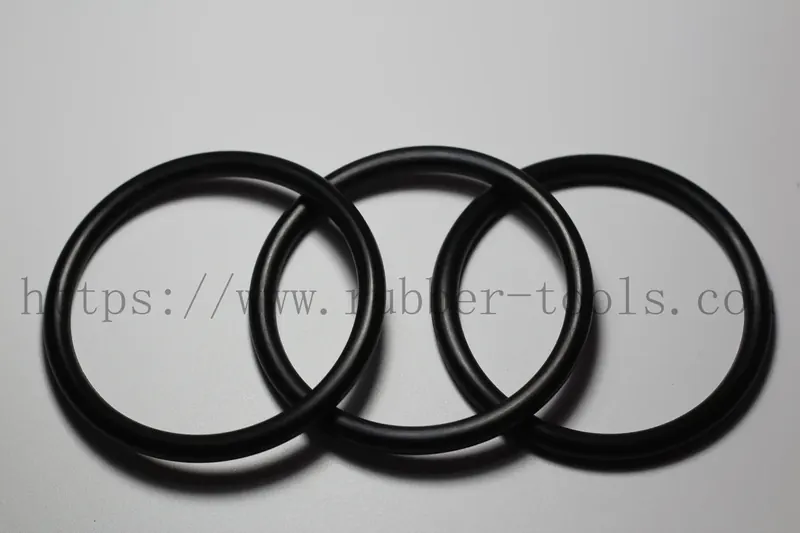
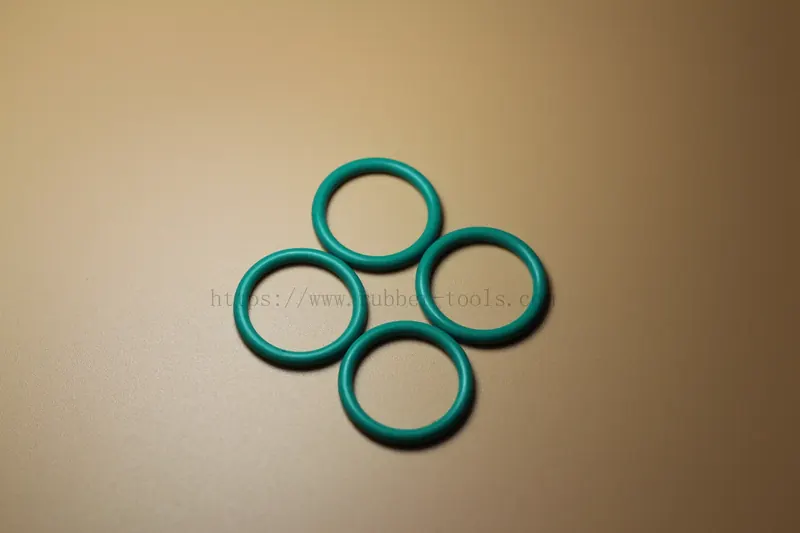
Estimate rubber O-ring weight (Approx).