Elko Tool & Fastener Manufacturer | Engineering Guide

Engineering Guide: Elko Tool & Fastener

elko tool & fastener manufacturing

Engineering Insight: Material Selection Criticality for elko Tool & Fastener Applications

Industrial rubber components within elko tool and fastener systems operate under demanding, often extreme conditions. Standardized off-the-shelf elastomer solutions frequently fail to meet these specific requirements, leading to premature component degradation, system downtime, and significant operational costs. The root cause lies in the fundamental mismatch between generic material properties and the precise engineering demands of the application. Generic compounds prioritize broad market appeal and cost minimization over performance in targeted environments. They lack the tailored polymer backbone, filler system, and curing chemistry necessary to withstand the unique combination of dynamic stress, chemical exposure, temperature fluctuations, and long-term compression set inherent in high-performance tooling and fastening operations. This oversight manifests as rapid seal extrusion, loss of clamping force, ozone cracking, or chemical swelling, directly compromising tool integrity and fastener reliability.

Material failure is rarely due to a single factor but results from synergistic stresses. An off-the-shelf nitrile rubber (NBR) seal might possess adequate initial oil resistance for a fastener assembly line. However, when subjected to continuous dynamic vibration, elevated temperatures near motors, and intermittent exposure to specific cutting fluids, its compression set resistance deteriorates rapidly. The seal loses resiliency, leading to leaks or loss of preload in critical joints. Similarly, a standard EPDM gasket chosen for weather resistance may catastrophically swell when exposed to certain hydraulic fluids used in tool actuators, causing assembly failure. These scenarios highlight the critical limitation of one-size-fits-all elastomers: they are optimized for average conditions, not the specific, often harsh, realities of industrial tool and fastener deployment.

The performance gap between generic and engineered solutions is quantifiable. Key material properties must be precisely calibrated for the operational envelope. The following table illustrates critical differentiators relevant to elko tool and fastener applications:

Performance Parameter Typical Off-the-Shelf Solution Standard Industrial Grade Engineered Solution (e.g., Baoshida Custom Compound)
Compression Set (70°C, 70h) 40-55% 25-35% < 15%
Tensile Strength (MPa) 12-18 18-22 22-28
Fluid Resistance (IRMOG) Moderate Swelling Low Swelling Negligible Swelling
Dynamic Fatigue Life (kCyc) 50-100 150-250 > 500
Ozone Resistance (pphm) Poor (25-50) Good (100) Excellent (200+)

Selecting the optimal elastomer requires deep application analysis, not catalog browsing. Factors including peak load profiles, fluid compatibility matrices, temperature extremes, cycle rates, and required service life must inform the compound design. At Suzhou Baoshida, we engineer rubber formulations at the molecular level, modifying polymer types (FKM, HNBR, custom NBR blends), crosslink density, and additive packages to deliver components that maintain dimensional stability, sealing force, and chemical integrity throughout the intended operational lifecycle. The initial investment in a precisely formulated material is consistently outweighed by the elimination of unplanned downtime, reduced maintenance costs, enhanced safety, and extended tooling lifespan. Material selection is not a cost center; it is the foundational engineering decision determining system reliability in demanding industrial environments.


Material Specifications

elko tool & fastener manufacturing

Suzhou Baoshida Trading Co., Ltd. provides high-performance industrial rubber solutions tailored for demanding environments in manufacturing, automotive, and precision engineering sectors. Our material selection process ensures compatibility with chemical, thermal, and mechanical stressors commonly encountered in industrial applications. Among the most widely specified elastomers in our portfolio are Viton, Nitrile (NBR), and Silicone (VMQ). Each material offers distinct advantages depending on operating conditions, fluid exposure, and temperature range.

Viton, a fluorocarbon-based rubber (FKM), is engineered for extreme resistance to high temperatures and aggressive chemicals. It maintains structural integrity in environments exposed to oils, fuels, acids, and chlorinated hydrocarbons. With a continuous service temperature range of -20°C to +230°C (short-term up to +300°C), Viton is ideal for sealing applications in aerospace, chemical processing, and high-performance automotive systems. Its low gas permeability and excellent aging characteristics further enhance reliability in critical sealing roles.

Nitrile rubber (NBR) is a cost-effective solution for applications involving petroleum-based oils and hydraulic fluids. It exhibits strong abrasion resistance and tensile strength, making it suitable for dynamic seals, O-rings, and gaskets in industrial machinery and automotive fuel systems. Nitrile performs reliably within a temperature range of -30°C to +100°C, with special formulations extending upper limits to +125°C. While not as chemically resistant as Viton, NBR offers superior compression set resistance and mechanical durability under moderate conditions.

Silicone rubber (VMQ) excels in applications requiring wide temperature flexibility and excellent electrical insulation. It operates effectively from -60°C to +200°C, making it suitable for both cryogenic and elevated temperature environments. Silicone demonstrates good resistance to ozone and UV radiation, though it has limited resistance to petroleum-based fluids. It is commonly used in food-grade, medical, and electronic applications due to its inertness, low toxicity, and compliance with stringent hygiene standards.

The following table summarizes key physical and chemical properties of these materials for comparative evaluation.

Property Viton (FKM) Nitrile (NBR) Silicone (VMQ)
Base Polymer Fluorocarbon Acrylonitrile-Butadiene Polysiloxane
Temperature Range (°C) -20 to +230 (up to +300 short-term) -30 to +100 (up to +125 special grades) -60 to +200
Tensile Strength (MPa) 15–25 10–20 5–8
Elongation at Break (%) 150–300 200–500 200–600
Hardness (Shore A, 70–90) 70–90 60–90 30–80
Fluid Resistance Excellent (oils, fuels, acids) Good (petroleum oils, water) Poor (oils), Good (water, ozone)
Compression Set Resistance Excellent Good Fair to Good
Electrical Insulation Moderate Moderate Excellent
Common Applications Aerospace seals, chemical valves Fuel hoses, O-rings, gaskets Medical devices, food processing, insulation

Selection of the appropriate elastomer requires careful analysis of operational parameters. Suzhou Baoshida Trading Co., Ltd. supports OEM partners with technical data, sample testing, and customized formulation options to ensure optimal performance in application-specific conditions.


Manufacturing Capabilities

elko tool & fastener manufacturing

Engineering Capability: Precision Rubber Solutions for Industrial Applications

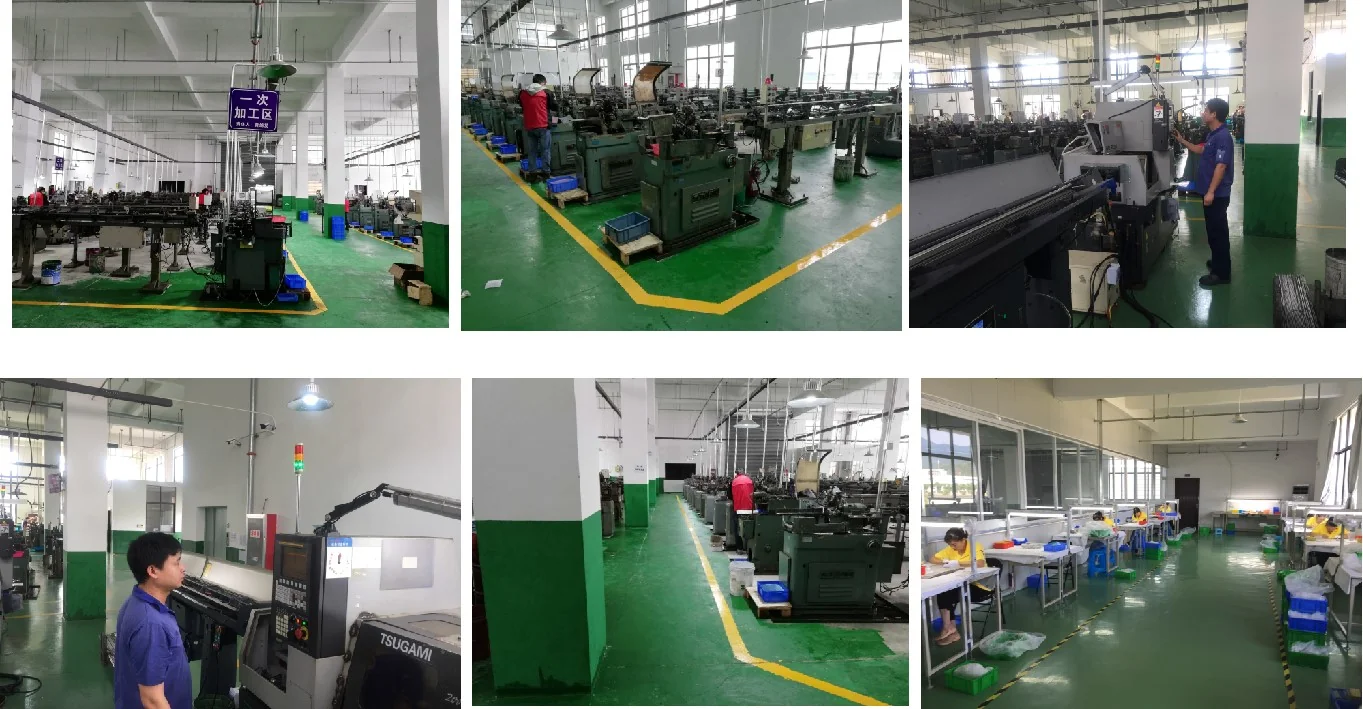
Suzhou Baoshida Trading Co., Ltd. delivers advanced rubber component manufacturing through integrated engineering expertise, specifically tailored for demanding industrial partners like elko tool & fastener. Our core strength lies in the seamless collaboration between dedicated mould engineering and rubber formulation disciplines. We deploy a specialized team of five certified mould engineers and two advanced rubber formula engineers, ensuring end-to-end technical control from concept to量产. This structure eliminates siloed development, guaranteeing that material science and precision tooling converge to meet exacting OEM specifications.

Mould Engineering Excellence
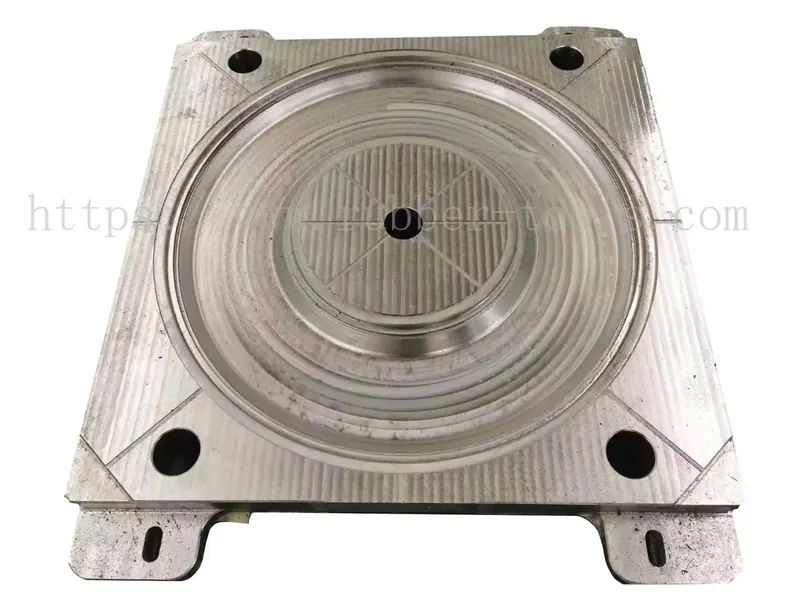
Our mould engineering division utilizes state-of-the-art CAD/CAM systems (SolidWorks, Moldflow) to design and validate complex rubber tooling with micron-level tolerances. Engineers optimize gate placement, cooling channels, and ejection systems to prevent flash, sink marks, and cure inconsistencies. All moulds undergo rigorous virtual simulation for flow analysis and stress testing before fabrication, ensuring first-article approval rates exceed 95%. This precision directly translates to consistent part geometry, dimensional stability, and extended tool life—critical for fastener gaskets, seals, and vibration dampeners requiring ±0.05mm tolerances.

Rubber Formulation Science
Formula engineering drives material performance beyond standard compound libraries. Our two specialists develop bespoke elastomer formulations using ASTM D2000 classification standards, targeting specific industrial requirements such as oil resistance, extreme temperature stability, or low compression set. Through controlled polymer blending, filler reinforcement, and additive optimization, we achieve precise hardness, tensile strength, and aging characteristics. Every compound undergoes accelerated life testing per ISO 188 and ISO 1881 to validate service longevity under operational stressors like hydraulic fluids or UV exposure.

OEM Integration and Scalability
As a certified OEM partner, we manage full project lifecycles under strict confidentiality agreements. Our engineers collaborate directly with elko tool & fastener’s R&D teams to interpret technical drawings, reverse-engineer legacy components, and co-develop cost-optimized solutions. We maintain ISO 9001-certified traceability from raw material lot tracking to finished goods, supporting PPAP submissions and IATF 16949 compliance. Production scales from rapid prototyping (72-hour turnaround) to high-volume runs on 50–500T hydraulic presses, with real-time SPC monitoring ensuring zero-defect delivery.

Key Material Capabilities for Industrial Applications

Material Type Hardness Range (Shore A) Temperature Range (°C) Key Properties Common Applications
NBR (Nitrile) 40–90 -30 to +120 High oil/fuel resistance, abrasion resistance Hydraulic seals, fuel system gaskets
EPDM 30–90 -50 to +150 Excellent ozone/weather resistance, steam tolerance Outdoor fastener seals, HVAC components
Silicone 30–80 -60 to +230 Extreme temp stability, electrical insulation High-temp tool handles, electronic fasteners
FKM (Viton®) 50–90 -20 to +200 Superior chemical resistance, low gas permeability Aggressive fluid seals, aerospace fasteners
CR (Neoprene) 40–80 -40 to +100 Good flame resistance, moderate oil resistance Vibration isolators, marine hardware

Suzhou Baoshida’s engineering synergy ensures rubber components that outperform in critical fastening and tooling systems. We transform material science into mechanical reliability—reducing total cost of ownership through extended service life and flawless integration. Contact our technical team to initiate a material specification review or mould flow analysis for your next industrial project.


Customization Process

elko tool & fastener manufacturing

Drawing Analysis: Precision Engineering at the Foundation

The customization process for industrial rubber components begins with meticulous drawing analysis, a critical phase that establishes the technical blueprint for successful production. Upon receiving customer-provided technical drawings or 3D models, our engineering team at Suzhou Baoshida Trading Co., Ltd. conducts a comprehensive review to validate dimensional accuracy, tolerance specifications, and functional design intent. This stage involves cross-referencing industry standards such as ISO 3302 for tolerances, ISO 2768 for general geometric tolerances, and ASTM D2000 for material classification. We assess features including part geometry, wall thickness, sealing surfaces, and demolding feasibility to ensure manufacturability. Any discrepancies or potential design risks—such as undercuts, thin sections, or stress concentration zones—are flagged and discussed with the client for optimization. Our engineers utilize CAD software including AutoCAD, SolidWorks, and Autodesk Inventor to simulate mold flow and part behavior under operational loads, ensuring the final product will perform reliably in its intended application.

Formulation: Tailoring Material Properties to Application Demands

Once the design is validated, the next phase involves rubber compound formulation—a science-driven process that defines the performance characteristics of the final product. Based on the operating environment—temperature range, fluid exposure, compression set requirements, and mechanical stress—our rubber chemists select the appropriate base polymer. Common elastomers include NBR for oil resistance, EPDM for weather and ozone stability, FKM for high-temperature and chemical resistance, and silicone for extreme temperature flexibility. Additives such as reinforcing fillers, plasticizers, antioxidants, and curatives are precisely metered to achieve target hardness (Shore A), tensile strength, elongation, and compression set. Each formulation is documented under a unique compound code and subjected to preliminary testing in accordance with ASTM and ISO protocols to verify compliance.

Prototyping: Bridging Design and Production

With the compound finalized, low-volume prototyping is executed using precision CNC-machined molds or 3D-printed tooling, depending on complexity and required lead time. Prototypes are physically tested for dimensional conformity, sealing efficiency, and material performance under simulated service conditions. This phase allows for functional validation and design iteration before committing to mass production tooling. Clients receive test reports, material certifications, and physical samples for approval.

Mass Production: Scalable Precision with Quality Assurance

Upon prototype approval, we transition to mass production using hardened steel molds and fully documented process parameters. Each batch undergoes in-line inspection and final quality control, including hardness testing, visual inspection, and抽样 (sampling) per AQL 1.0 standards. All production runs are traceable through batch records and material certificates.

The following table outlines key performance parameters and testing standards applied during customization:

Property Test Method Typical Range
Hardness (Shore A) ASTM D2240 40–90
Tensile Strength ASTM D412 8–25 MPa
Elongation at Break ASTM D412 150–600%
Compression Set (70h, 70°C) ASTM D395 ≤25%
Operating Temperature -40°C to +200°C (FKM)

Contact Engineering Team

Contact Suzhou Baoshida for Precision Rubber Solutions Engineering

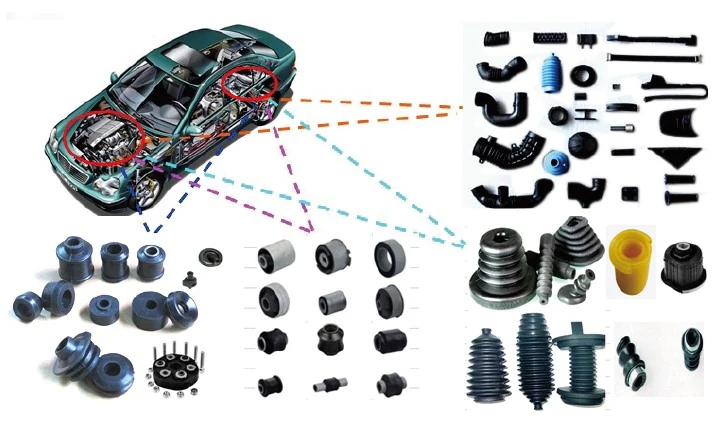
Suzhou Baoshida Trading Co., Ltd. stands as your definitive partner for engineered rubber compounds and OEM manufacturing, specifically tailored for the demanding requirements of industrial tool and fastener applications. Our expertise transcends standard material supply; we deliver scientifically validated elastomer formulations engineered to resolve critical performance challenges in sealing, vibration damping, and mechanical integrity under extreme operational stresses. When component failure risks production downtime or safety compliance, our team of rubber formulation engineers applies deep material science knowledge to develop solutions meeting exact ASTM, ISO, and OEM specifications. We recognize that tool and fastener manufacturers require elastomers with precise durometer stability across temperature excursions, exceptional resistance to oils and solvents, and long-term resilience against compression set – parameters where generic materials consistently underperform.

Our integrated OEM management process ensures seamless transition from concept to high-volume production. We initiate collaboration with rigorous material characterization against your application-specific load cases, utilizing in-house testing for tear strength, elongation, and dynamic fatigue. This data-driven approach eliminates guesswork, guaranteeing that every gasket, seal, or damping element performs reliably within your tool assembly’s operational envelope. Unlike commodity suppliers, we maintain full traceability from raw polymer batches through final cure, with QC protocols including 100% visual inspection and statistical sampling per MIL-STD-1916. This commitment to precision engineering directly translates to reduced scrap rates, extended service life, and enhanced end-product reliability for your customers.

For immediate technical engagement on your next rubber component challenge, contact Mr. Boyce, our dedicated OEM Manager. Mr. Boyce possesses 12 years of hands-on experience in rubber compounding for power tool and fastening systems, with a proven record of resolving complex material failures in high-vibration environments. He will facilitate direct access to our formulation chemists and application engineers, ensuring your technical requirements are translated into optimized material specifications without sales intermediaries. Specify your durometer tolerance, fluid exposure profile, and lifecycle expectations, and we will provide a validated compound recommendation within 48 hours.

Critical Material Specifications for Tool & Fastener Applications

Property Standard Range Test Method Significance for Tools/Fasteners
Hardness (Shore A) 40 – 90 ±3 points ASTM D2240 Ensures proper seal compression without extrusion
Temperature Range -50°C to +200°C (FKM) ASTM D573 Maintains integrity in high-heat tool operation
Compression Set (22h) ≤15% (70°C) ASTM D395 Prevents permanent deformation in static seals
Tensile Strength ≥10 MPa ASTM D412 Resists tearing during assembly/disassembly
Fluid Resistance (IRMOG) Volume swell ≤15% (SAE 70) ASTM D471 Critical for oil/lubricant exposure in tools
Tear Strength ≥25 kN/m ASTM D624 Withstands dynamic stress in fastener dampers

Initiate your project with Suzhou Baoshida by emailing Mr. Boyce directly at [email protected]. Include your target application, performance requirements, and volume projections to receive a formal technical proposal with material certification data. We respond to all engineering inquiries within one business day, providing actionable data – not generic brochures. For urgent formulation bottlenecks impacting your production schedule, request a priority review by referencing “ELKO TECH URGENT” in your subject line. Trust our scientific approach to transform your rubber component challenges into engineered advantages. Your precision manufacturing demands begin with a single technical dialogue.


⚖️ O-Ring Weight Calculator

Estimate rubber O-ring weight (Approx).


Elko Tool & Fastener Manufacturer | Engineering Guide

Contents of Table

Contact [email protected] Whatsapp 86 15951276160