Technical Contents
Engineering Guide: Swing Check Valve Pvc

Engineering Insight: Material Selection Criticality in Swing Check Valve PVC Applications
The operational integrity of swing check valves in demanding industrial environments hinges on precise polymer formulation. Standard PVC compounds frequently fail under real-world conditions due to inadequate consideration of application-specific stressors. Off-the-shelf solutions prioritize cost reduction over performance validation, leading to premature valve degradation through three primary failure mechanisms: hydrolysis-induced embrittlement, thermal cycling fatigue, and chemical incompatibility. Generic PVC formulations lack tailored stabilizer packages to resist chlorine-based oxidizers common in water treatment systems, causing chain scission at concentrations as low as 2 ppm residual chlorine. Simultaneously, unmodified PVC exhibits a high coefficient of thermal expansion (80 × 10⁻⁶/°C), generating internal stresses during temperature fluctuations that exceed the material’s flexural strength. This results in microcracking at hinge points and seat interfaces, compromising sealing integrity. Crucially, many suppliers neglect to validate material performance against the fluid’s pH range, leading to accelerated hydrolysis in acidic or alkaline media where standard PVC degrades rapidly below pH 4 or above pH 10.
Suzhou Baoshida Trading Co., Ltd. addresses these failures through engineered compound development. Our OEM-grade PVC formulations integrate proprietary tin-based stabilizers and impact modifiers to elevate chlorine resistance to 5 ppm while maintaining structural resilience across -20°C to 60°C operational ranges. Rigorous fluid compatibility testing against 37 industrial介质—including sulfuric acid, sodium hypochlorite, and hydrocarbon blends—ensures dimensional stability under continuous exposure. The table below quantifies critical performance differentiators between standard and engineered PVC compounds:
| Parameter | Standard PVC Compound | Baoshida Engineered PVC | Test Standard |
|---|---|---|---|
| Residual Chlorine Resistance | ≤ 2 ppm | ≥ 5 ppm | ASTM D1239 |
| Coefficient of Thermal Expansion | 80 × 10⁻⁶/°C | 55 × 10⁻⁶/°C | ASTM E831 |
| Impact Strength (-20°C) | 2.1 kJ/m² | 5.8 kJ/m² | ISO 179-1 |
| Flexural Modulus | 2,800 MPa | 3,400 MPa | ISO 178 |
| pH Stability Range | 5–9 | 2–12 | NACE TM0174 |
Material selection must transcend basic pressure-temperature ratings. Valve failure in critical processes—such as wastewater recirculation or chemical dosing lines—triggers cascading downtime costs averaging $18,000/hour in pulp/paper manufacturing. Our OEM partnership model integrates application diagnostics with compound customization, including dynamic hinge fatigue testing to 500,000 cycles and finite element analysis of stress concentration points. This precision engineering approach eliminates the guesswork of generic solutions, delivering swing check valves that maintain leak-tight performance under the exact fluid dynamics and environmental conditions specified by the end-user. For industrial systems where valve reliability directly impacts operational continuity, material science is not a cost center—it is the foundation of system resilience.
Material Specifications

Material selection for swing check valve seals in PVC systems is a critical engineering decision that directly affects performance, longevity, and chemical compatibility. At Suzhou Baoshida Trading Co., Ltd., we specialize in industrial rubber solutions tailored for demanding fluid control environments. The elastomer chosen for the sealing element must withstand operational variables such as temperature fluctuations, pressure cycles, and exposure to aggressive media. Among the most widely used materials are Viton (FKM), Nitrile (NBR), and Silicone (VMQ), each offering distinct advantages depending on application parameters.
Viton is a fluorocarbon-based elastomer renowned for its exceptional resistance to high temperatures, oils, fuels, and a broad range of chemicals. With a continuous service temperature range of -20°C to 200°C, Viton is ideal for industrial applications involving hydrocarbons, aromatic solvents, and chlorinated compounds. Its low gas permeability and excellent aging characteristics make it a preferred choice in aggressive chemical processing and petrochemical environments. However, Viton exhibits limited flexibility at low temperatures and higher material cost, which may not be justified in non-critical or benign media applications.
Nitrile rubber, or Buna-N, is a cost-effective solution for applications involving petroleum-based oils, hydraulic fluids, and aliphatic hydrocarbons. It performs reliably within a temperature range of -30°C to 100°C, with some grades extending to 120°C for short durations. Nitrile offers strong abrasion resistance and good tensile strength, making it suitable for dynamic sealing applications. While it is susceptible to degradation when exposed to ozone, weathering, and polar solvents such as ketones and esters, its performance in oil and fuel environments remains unmatched among general-purpose elastomers.
Silicone rubber provides superior flexibility and thermal stability across extreme temperatures, operating effectively from -60°C to 200°C. It is highly resistant to UV radiation, ozone, and weathering, making it ideal for outdoor or high-purity applications such as food processing, pharmaceuticals, and medical equipment. Silicone exhibits excellent electrical insulation properties and low toxicity, but it has relatively poor resistance to petroleum-based fluids and lower mechanical strength compared to Viton and Nitrile.
The following table summarizes key physical and chemical properties of these materials for informed selection in swing check valve applications:
| Property | Viton (FKM) | Nitrile (NBR) | Silicone (VMQ) |
|---|---|---|---|
| Temperature Range (°C) | -20 to 200 | -30 to 100 (120 peak) | -60 to 200 |
| Tensile Strength (MPa) | 15–25 | 10–20 | 6–10 |
| Elongation at Break (%) | 200–300 | 250–400 | 300–700 |
| Hardness (Shore A) | 60–90 | 50–90 | 30–80 |
| Fluid Resistance (Oils/Fuels) | Excellent | Excellent | Poor |
| Chemical Resistance | Excellent | Moderate | Moderate to Poor |
| Ozone/UV Resistance | Excellent | Poor | Excellent |
| Compression Set Resistance | Excellent | Good | Good |
| Common Applications | Chemical, fuel systems | Hydraulics, oil seals | Food, medical, outdoor |
Selection must be guided by system-specific conditions, including media composition, temperature profile, and expected service life. Suzhou Baoshida Trading Co., Ltd. provides technical support to ensure optimal material pairing for swing check valve performance in PVC systems.
Manufacturing Capabilities

Engineering Capability: Precision Formulation and OEM Excellence for PVC Swing Check Valves
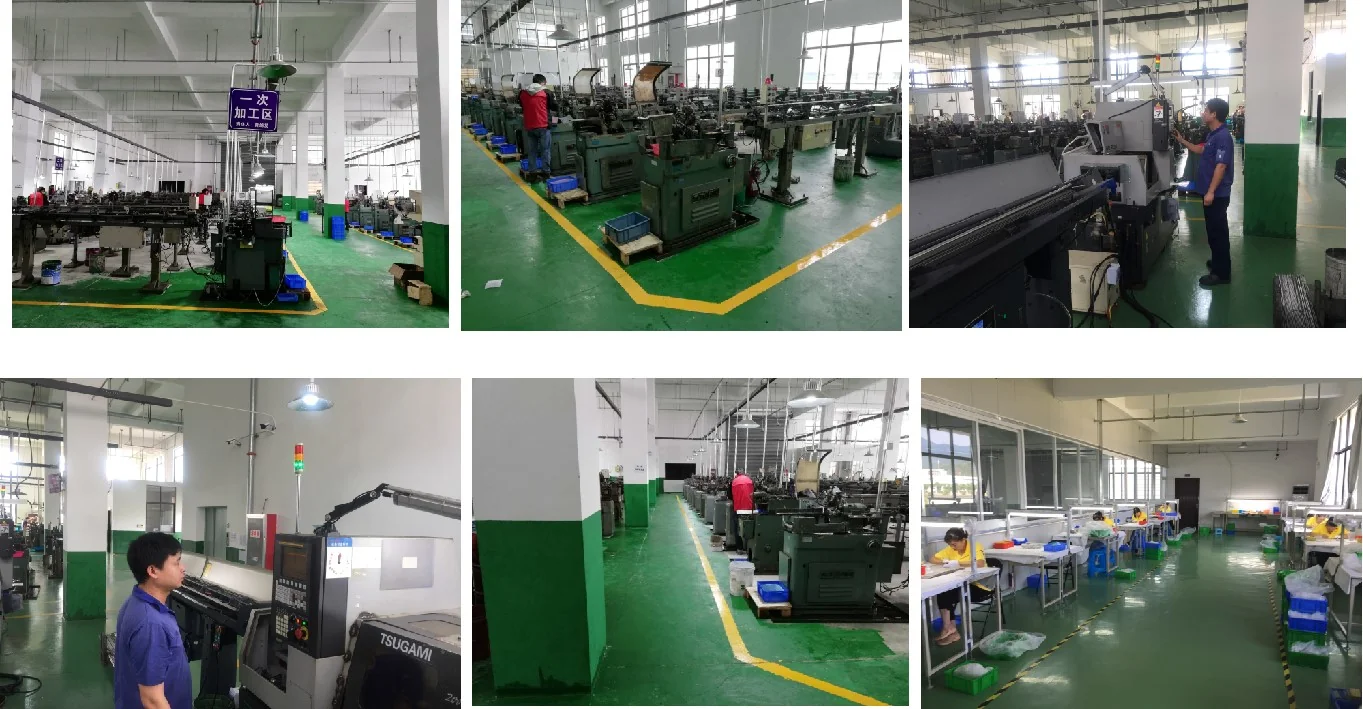
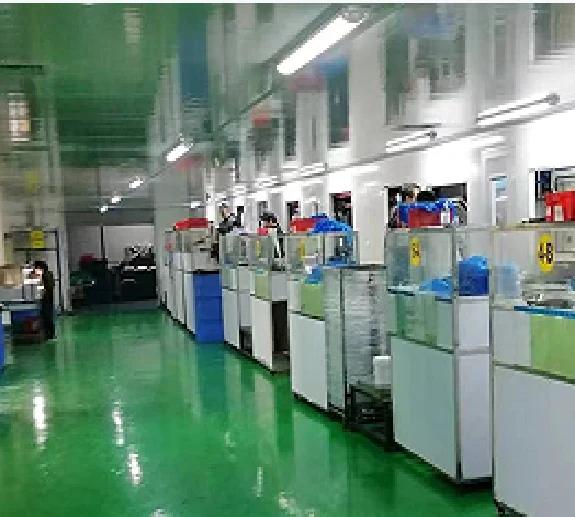
Suzhou Baoshida Trading Co., Ltd. leverages specialized engineering resources to deliver rigorously validated PVC swing check valves for critical industrial fluid control systems. Our core strength lies in the integrated expertise of five dedicated Mold Engineers and two advanced Rubber Formula Engineers, operating within a unified technical framework. This structure ensures seamless alignment between material science and precision manufacturing from concept to production. Our Formula Engineers focus exclusively on optimizing elastomer compounds for PVC valve applications, addressing challenges such as thermal expansion differentials, chemical resistance to aggressive media, and long-term dynamic sealing integrity under cyclic stress. Through polymer chain stabilization and filler dispersion control, we eliminate common failure modes like elastomer hardening or compression set in PVC valve seats.
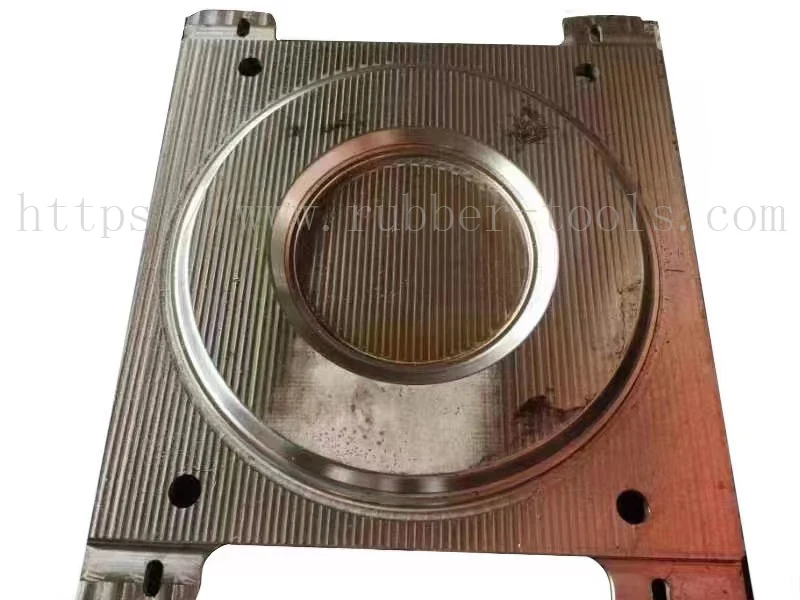
OEM partnerships benefit from our end-to-end engineering control. We initiate projects with comprehensive material compatibility analysis against client-specified media (acids, solvents, wastewater) and operational parameters. Utilizing 3D mold flow simulation, our Mold Engineering team validates cavity design for zero flash and uniform elastomer distribution around the PVC body, critical for maintaining valve disc alignment and seat sealing. Prototyping occurs within 15 working days using client-supplied PVC substrates, followed by accelerated life testing per ASTM F880 standards. All formulations undergo rigorous validation for hardness stability (±2 Shore A), tensile retention (>85% after 72h media exposure), and low-temperature flexibility down to -20°C. This integrated approach minimizes client risk by resolving interface failures at the material level before tooling commitment.
Key performance specifications for our standard PVC swing check valve elastomer compounds are detailed below, reflecting baseline capabilities for immediate deployment. All parameters are fully customizable to meet OEM technical requirements.
| Parameter | Standard Range | Customization Capability | Testing Method | Compliance Standard |
|---|---|---|---|---|
| Hardness (Shore A) | 55–70 | 40–80 | ASTM D2240 | ISO 37 |
| Tensile Strength (MPa) | ≥10.0 | ≥15.0 achievable | ASTM D412 | ISO 37 |
| Elongation at Break (%) | ≥250 | ≥350 achievable | ASTM D412 | ISO 37 |
| Compression Set (70°C/22h) | ≤25% | ≤15% achievable | ASTM D395 | ISO 815 |
| Fluid Resistance (Water) | Volume Swell ≤10% | ≤5% achievable | ASTM D471 | ISO 1817 |
| Operating Temperature | -20°C to +80°C | -40°C to +100°C possible | ISO 188 | ASTM D573 |
Quality assurance is embedded at every phase through our IATF 16949-certified protocols. Each batch undergoes spectrometric raw material verification, in-process durometer mapping, and final assembly pressure testing at 1.5x rated working pressure. For OEM clients, we provide full material traceability via digital batch records and collaborative failure mode analysis using FTIR and DSC for root-cause resolution. Our engineering team works directly with client R&D to co-develop proprietary elastomer matrices that extend service life in demanding applications such as chemical processing or seawater intake systems. This commitment to scientific precision ensures Suzhou Baoshida delivers not just components, but engineered solutions that enhance system reliability and reduce total cost of ownership.
Customization Process
Drawing Analysis
The customization process for swing check valve PVC components begins with rigorous drawing analysis. At Suzhou Baoshida Trading Co., Ltd., engineering teams evaluate OEM-provided technical drawings to extract critical dimensional tolerances, flow dynamics, flange interface specifications, and installation parameters. This phase ensures full compliance with ASTM D1784, ISO 161-1, and other applicable standards for PVC piping systems. Special attention is given to the valve seat sealing surface, hinge pin clearance, and disc travel arc, which directly influence backflow prevention efficiency. Our CAD-based review includes interference checks and thermal expansion modeling under operational temperature ranges from 0°C to 60°C. Any discrepancies or optimization opportunities are communicated to the client via formal engineering change proposals before progression.
Formulation Development
Following drawing validation, our rubber formulation engineers develop a compound tailored to the sealing and mechanical demands of the swing check valve. While the valve body is PVC, the sealing element—typically an EPDM or NBR-based elastomer—is critical for leak-tight performance under variable pressure and media exposure. Using our proprietary compounding database and accelerated aging models, we select polymer matrices, reinforcing fillers, plasticizers, and cure systems to achieve optimal compression set resistance, tensile strength, and chemical compatibility. The formulation is optimized for adhesion to PVC substrates when overmolding is required. Each recipe is documented per ISO 9001 traceability standards and subjected to preliminary lab-scale rheometry and durometer testing (Shore A 60–75 range typical).
Prototyping and Validation
Prototype tooling is manufactured using CNC-machined aluminum molds for rapid iteration. The first article samples undergo dimensional inspection via CMM (Coordinate Measuring Machine) and functional testing in simulated pipeline conditions up to 16 bar differential pressure. Leak rate is measured per API 598, with acceptance threshold set at ≤0.1 mL/min. We conduct cyclic durability tests (minimum 10,000 open/close cycles) and exposure to common media such as potable water, wastewater, and dilute acids. Data from these trials inform final design adjustments. Clients receive a full test report, material certifications, and sample units for independent verification.
Mass Production
Upon client approval, production transitions to high-precision steel molds and automated injection molding lines. Each batch is subject to in-process quality control, including real-time cure monitoring and 100% visual inspection. Final packaging complies with export standards, including moisture-resistant wrapping for PVC components.
| Parameter | Specification |
|---|---|
| Material (Seal) | EPDM or NBR, custom hardness |
| Operating Temperature | -10°C to +60°C |
| Max Differential Pressure | 16 bar |
| Media Compatibility | Water, wastewater, mild chemicals |
| Test Standard (Leakage) | API 598 |
| Cycle Life | ≥10,000 cycles |
| Valve Body Material | PVC-U (ASTM D1784, Cell Class 12454) |
Contact Engineering Team

Technical Collaboration: Precision PVC Swing Check Valve Solutions
Suzhou Baoshida Trading Co., Ltd. operates at the intersection of advanced rubber science and industrial fluid control engineering. Our specialization in elastomer formulation directly addresses the critical performance limitations observed in standard PVC swing check valves, particularly concerning sealing integrity, cyclic fatigue resistance, and chemical compatibility under dynamic flow conditions. While PVC provides structural framework and corrosion resistance, the operational lifespan and reliability of these valves are predominantly governed by the precision-engineered rubber components—seats, seals, and hinge mechanisms. Generic elastomers often fail prematurely due to swelling, compression set, or hydrolysis when exposed to complex media like chlorinated water, wastewater effluents, or mildly acidic/alkaline streams common in municipal and light industrial applications. Our proprietary rubber compounds, developed through rigorous polymer chemistry and accelerated aging protocols, mitigate these failure modes by optimizing crosslink density, filler dispersion, and antioxidant systems specific to PVC valve architecture.
As your OEM partner, we integrate material science with manufacturing pragmatism. Our engineering team collaborates directly with valve designers to formulate custom EPDM, NBR, or specialty fluorocarbon compounds that achieve target Shore A hardness (50–80 durometer), compression set resistance (<25% per ASTM D395), and fluid compatibility per ISO 1817. This ensures consistent sealing force across 50,000+ cycles even at elevated temperatures up to 120°C for select formulations. We validate all compounds against ISO 15877 and ASTM F493 standards, providing comprehensive material test reports (MTRs) for traceability. Below are representative specifications for our valve-sealing compounds:
| Compound Type | Hardness (Shore A) | Temp Range (°C) | Tensile Strength (MPa) | Elongation at Break (%) | Key Media Resistance |
|---|---|---|---|---|---|
| Standard EPDM 70 | 70 ± 5 | -40 to +130 | ≥14 | ≥350 | Chlorinated water, alkalis, steam |
| High-Performance EPDM 60 | 60 ± 5 | -50 to +150 | ≥12 | ≥400 | Ozone, polar solvents, wastewater |
| Custom NBR Blend | 75 ± 5 | -30 to +100 | ≥16 | ≥300 | Hydrocarbons, hydraulic fluids |
Our value extends beyond material supply. We offer co-engineering support for valve redesign to optimize rubber-to-PVC interface geometry, reducing stress concentrations that accelerate seal extrusion. Prototype validation includes flow testing per API 598 and cyclic endurance trials on actual valve bodies under simulated field conditions. For high-volume OEM contracts, we implement in-line process control with real-time rheometry and automated durometer monitoring, ensuring batch-to-batch consistency critical for ASME B16.34 compliance.
Initiate a technical dialogue to resolve your specific valve performance challenges. Contact Mr. Boyce, our dedicated OEM Engineering Manager, to discuss compound selection, validation protocols, or custom formulation development. Provide your valve specifications, operating parameters (media, temperature, pressure cycles), and failure analysis data for a targeted material solution assessment. Mr. Boyce will coordinate our polymer chemists and application engineers to deliver a technical proposal within 72 business hours, including preliminary compound recommendations and testing methodology. Do not settle for off-the-shelf elastomers that compromise valve longevity. Elevate your PVC swing check valve performance through scientifically validated rubber solutions engineered for industrial reliability.
Contact:
Mr. Boyce
OEM Engineering Manager
Suzhou Baoshida Trading Co., Ltd.
Email: [email protected]
Specify “PVC Swing Check Valve Technical Inquiry” in subject line for expedited routing
⚖️ O-Ring Weight Calculator
Estimate rubber O-ring weight (Approx).