Technical Contents
Engineering Guide: Boat Floor Material

Engineering Insight: Material Selection for Boat Floor Applications
In marine environments, floor systems are subjected to extreme mechanical, thermal, and chemical stresses. The selection of appropriate boat floor material is not merely a matter of durability—it is a precision engineering decision that directly impacts safety, longevity, and operational efficiency. Off-the-shelf rubber flooring solutions often fail in marine applications due to fundamental mismatches between generic material properties and the dynamic conditions encountered on vessels.
Standard commercial rubber mats are typically formulated for indoor or light industrial use. They lack resistance to prolonged UV exposure, saltwater immersion, and hydrocarbon-based contaminants such as fuel and lubricants. When deployed on boat decks, these materials degrade rapidly—exhibiting surface cracking, delamination, and loss of traction. More critically, they often fail to meet the mechanical requirements for slip resistance under wet or oily conditions, increasing the risk of personnel injury.
At Suzhou Baoshida Trading Co., Ltd., we emphasize engineered rubber solutions designed specifically for marine-grade performance. Our formulations integrate high-density EPDM and chloroprene (CR) compounds, selected for their superior weatherability, ozone resistance, and tensile strength. These materials retain elasticity across a broad temperature range (–40°C to +120°C), ensuring consistent performance in tropical and arctic maritime zones alike.
One of the most overlooked factors in boat floor material selection is dynamic load distribution. Vessel decks experience constant vibration and flexing due to wave action and engine operation. Generic rubber sheets lack the internal reinforcement needed to resist fatigue cracking. Our proprietary solutions incorporate multi-layer architectures with embedded scrim fabrics or fiberglass mesh, significantly enhancing structural resilience without compromising flexibility.
Another critical consideration is adhesion and installation methodology. Many failures stem not from material inadequacy but from improper bonding. Standard contact adhesives degrade under continuous moisture exposure, leading to edge curling and detachment. We recommend two-part polyurethane adhesives with moisture-curing properties, ensuring long-term bond integrity even in submerged conditions.
The following table outlines key performance specifications of our marine-grade rubber flooring compared to conventional off-the-shelf alternatives:
| Property | Baoshida Marine-Grade Rubber | Standard Commercial Rubber |
|---|---|---|
| Tensile Strength | ≥15 MPa | 7–9 MPa |
| Elongation at Break | ≥350% | 200–250% |
| Shore A Hardness | 65 ± 5 | 55–60 |
| Water Absorption (24h) | ≤1.2% | ≤3.5% |
| Oil Resistance (IRMOG) | Class 1 | Class 3–4 |
| UV and Ozone Resistance | Excellent | Poor to Moderate |
| Slip Resistance (wet) | ≥0.8 COF | ≤0.5 COF |
| Operating Temperature Range | –40°C to +120°C | –20°C to +80°C |
In conclusion, effective boat floor material selection requires a systems-level approach that accounts for environmental exposure, mechanical stress, and installation protocols. Off-the-shelf products, while cost-attractive in the short term, invariably lead to premature failure and higher lifecycle costs. By investing in purpose-engineered rubber solutions, OEMs and marine fabricators ensure compliance, safety, and long-term value.
Material Specifications

Material Specifications for Marine Decking Applications
Suzhou Baoshida Trading Co., Ltd. provides engineered rubber solutions optimized for demanding marine environments. Boat flooring requires materials that withstand continuous saltwater exposure, UV degradation, fuel/oil contact, thermal cycling, and mechanical stress while maintaining slip resistance and structural integrity. Our formulations for Viton, Nitrile, and Silicone rubbers are rigorously tested to ASTM D2000 and ISO 188 standards, ensuring compliance with OEM marine certification protocols. Each compound balances performance, longevity, and cost-effectiveness for specific vessel operational profiles.
Viton (FKM) fluorocarbon rubber excels in extreme chemical resistance, particularly against marine fuels, hydraulic fluids, and oxidizing agents. Its molecular stability delivers exceptional performance in temperatures ranging from -20°C to 230°C, with minimal compression set (≤15% per ASTM D395) after 70 hours at 150°C. Shore A hardness is maintained between 60–80, providing durable non-slip surfaces even under prolonged deck exposure. However, Viton’s premium cost necessitates strategic application in high-value commercial vessels or military craft where chemical exposure is unavoidable.
Nitrile (NBR) butadiene-acrylonitrile rubber offers optimal cost-performance for recreational and commercial fishing vessels. With acrylonitrile content tailored to 34–45%, it achieves superior resistance to aliphatic hydrocarbons and saltwater immersion, demonstrating <15% volume swell in ASTM D471 testing with IRM 903 oil. Operating effectively from -30°C to 120°C, NBR formulations achieve Shore A 55–75 hardness and tensile strength of 15–25 MPa. Its moderate ozone resistance requires UV stabilizers for extended deck service life, but it remains the industry standard for cost-sensitive marine decking.
Silicone (VMQ) rubber is specified for temperature-critical applications, functioning reliably from -60°C to 200°C. Its inert composition provides excellent resistance to saltwater and UV but limited hydrocarbon tolerance. Silicone’s low compression set (<20% at 200°C) ensures long-term sealing integrity in hatch covers or accessory mounts, though Shore A hardness (40–60) may require reinforcement for high-traffic deck zones. Ideal for luxury yachts requiring non-marking, aesthetically consistent surfaces.
The comparative analysis below details critical performance metrics for informed material selection. All data reflects standard production batches validated per ISO 9001 protocols.
| Property | Viton (FKM) | Nitrile (NBR) | Silicone (VMQ) |
|---|---|---|---|
| Temperature Range (°C) | -20 to 230 | -30 to 120 | -60 to 200 |
| Shore A Hardness | 60–80 | 55–75 | 40–60 |
| Tensile Strength (MPa) | 12–18 | 15–25 | 6–10 |
| Fuel Resistance (ASTM D471) | Excellent (≤5% swell) | Good (10–15% swell) | Poor (>50% swell) |
| Saltwater Immersion (1000h) | No degradation | Moderate swelling | Minimal swelling |
| Typical Deck Use Case | Military/commercial fuel decks | Fishing/recreational boats | Luxury yacht accents |
Material selection must align with vessel duty cycles, regulatory requirements, and lifecycle cost analysis. Suzhou Baoshida’s technical team collaborates with OEMs to customize durometer, color stability, and flame-retardant additives per IMO FTP Code. Request our full test dossiers for ISO 17492 marine certification support.
Manufacturing Capabilities

Engineering Capability: Precision-Driven Development for Marine Decking Applications
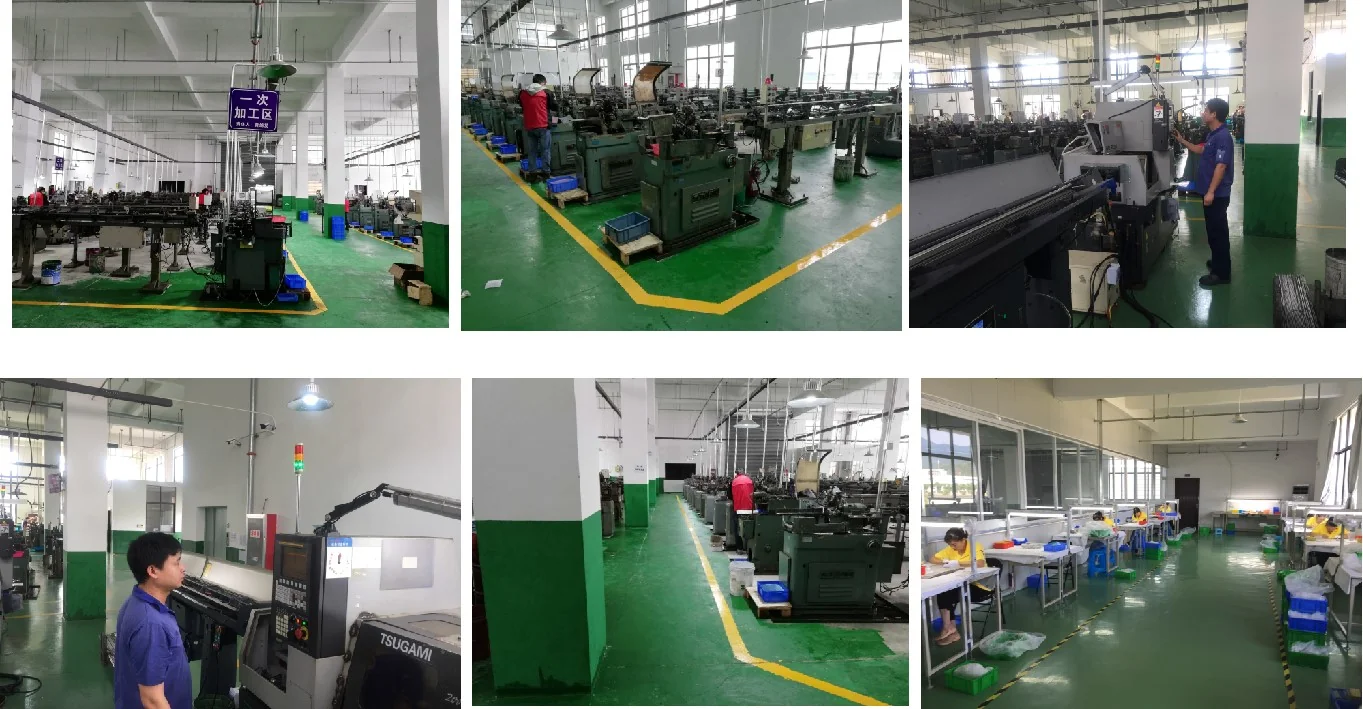
At Suzhou Baoshida Trading Co., Ltd., our engineering framework is built around advanced material science and precision manufacturing, specifically tailored to meet the demanding requirements of marine-grade rubber applications. Central to our technical strength is a dedicated team of 5 certified mould engineers and 2 specialized rubber formulation engineers who work in parallel to deliver fully integrated OEM solutions for boat floor materials. This dual-expertise model enables us to control both the physical design and chemical performance of every product, ensuring optimal functionality under harsh marine environments.
Our formulation engineers focus on developing proprietary rubber compounds that balance critical performance metrics: slip resistance, UV stability, saltwater corrosion resistance, and long-term resilience under dynamic mechanical loads. Using a data-driven approach, they optimize elastomer blends—primarily based on EPDM, SBR, and specialized nitrile variants—to achieve Shore A hardness values between 55 and 70, ideal for non-slip marine decking. Additives such as anti-oxidants, anti-fungal agents, and nano-reinforced fillers are precisely dosed to extend service life and maintain color integrity under prolonged sun exposure.
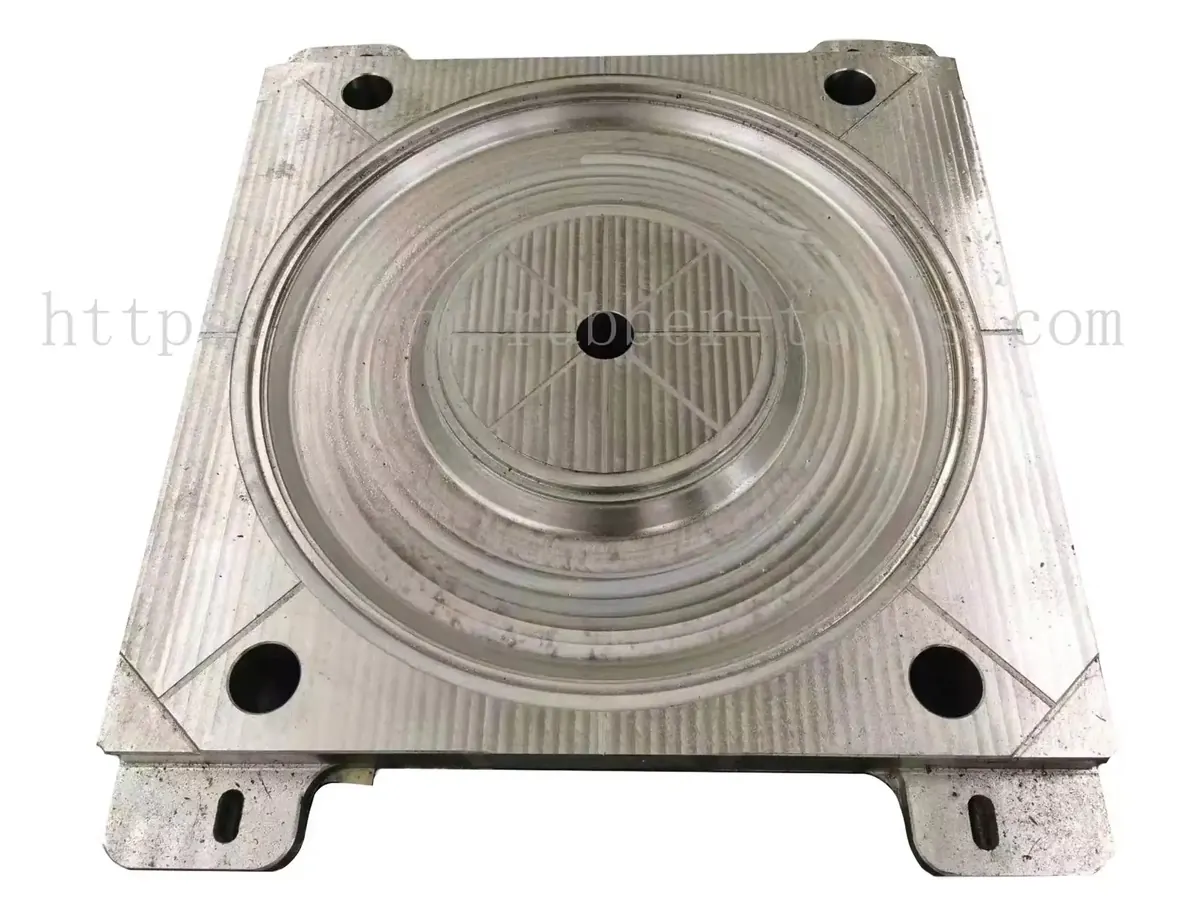
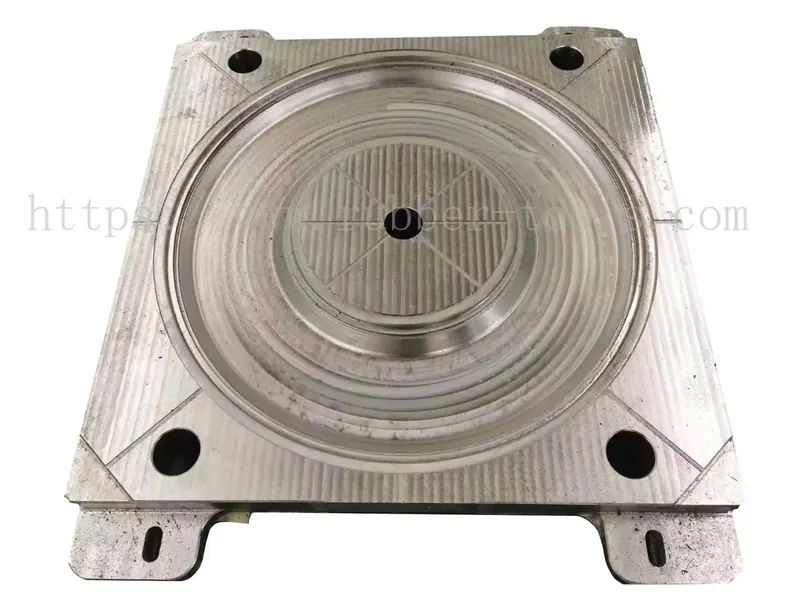
Simultaneously, our mould engineering team leverages 3D CAD/CAM systems and finite element analysis (FEA) to design high-tolerance moulds that support complex surface textures and interlocking panel configurations. These engineers ensure dimensional accuracy within ±0.3 mm, critical for seamless on-vessel installation. With in-house CNC machining and rapid prototyping capabilities, we reduce development cycles and support iterative design validation directly with OEM partners.
Our integrated workflow allows for concurrent development of compound and mould, significantly accelerating time-to-market. From initial concept to production validation, we maintain full control over material consistency, tooling precision, and performance testing. This vertical integration is essential for meeting OEM specifications, particularly for customized deck patterns, branding integration, and compliance with marine safety standards.
All formulations and designs undergo rigorous environmental simulation testing, including accelerated aging, immersion in saltwater (3.5% NaCl), and slip coefficient measurement under wet conditions. We document all test results under ISO 9001-compliant quality management protocols, providing full traceability for every production batch.
The table below outlines key technical specifications achievable through our engineering pipeline:
| Property | Standard Range | Test Method |
|---|---|---|
| Hardness (Shore A) | 55–70 | ASTM D2240 |
| Tensile Strength | ≥12 MPa | ASTM D412 |
| Elongation at Break | ≥250% | ASTM D412 |
| Specific Gravity | 1.25–1.35 | ASTM D297 |
| Slip Resistance (wet) | CoF ≥0.7 | ASTM F2913 |
| Operating Temperature | -40°C to +100°C | Internal Cycling |
| Water Absorption (7 days) | ≤1.5% | ASTM D471 |
Suzhou Baoshida Trading Co., Ltd. stands as a technically advanced partner for OEMs seeking high-performance rubber boat flooring solutions. Our engineering team ensures each product is not only functionally robust but also aligned with the exact aesthetic and dimensional requirements of modern marine platforms.
Customization Process

Customization Process for Marine Decking Solutions
At Suzhou Baoshida Trading Co., Ltd., our boat floor material customization follows a rigorously defined sequence to ensure optimal performance in demanding marine environments. This process begins with Drawing Analysis, where engineering schematics are dissected to identify critical functional requirements. We assess load distribution points, contour specifications, drainage patterns, and integration with marine hardware such as cleats or hatches. Tolerances for thickness variation (±0.3 mm) and surface texture depth are verified against ISO 12230 marine standards. Material stress zones are mapped using finite element analysis to preempt flexural fatigue.
Subsequent Formulation leverages our proprietary rubber compounding expertise. Base polymers are selected based on the vessel’s operational profile—EPDM for UV/ozone resistance in tropical deployments or SBR for cost-sensitive inland watercraft. Key additives include nano-silica for wet-slip mitigation (achieving DIN 51130 R11 ratings), halogen-free flame retardants meeting IMO FTP Code 2010, and zinc oxide for accelerated seawater corrosion resistance. Shore A hardness is calibrated between 65–75 to balance deck stability with shock absorption underfoot. All formulations undergo computational simulation for crosslink density optimization prior to lab-scale mixing.
Prototyping transitions virtual specifications into physical validation. Three 300×300 mm test panels are fabricated via precision compression molding, replicating the intended production process. Panels undergo sequential qualification:
ASTM D2240 Shore hardness verification at 23°C and 60°C
ISO 17991 slip resistance testing under simulated seawater spray
500-hour QUV accelerated aging (ASTM G154) tracking tensile retention
Salt fog exposure (ASTM B117) evaluating zinc oxide efficacy
Client approval requires ≤5% property deviation from target specs. Iterations address micro-defects like edge delamination or pigment migration.
Upon sign-off, Mass Production commences under ISO 9001:2015 protocols. Raw material traceability is enforced via blockchain-linked batch codes. In-line rheometry monitors Mooney viscosity (ML 1+4 @ 100°C) within ±3 MU tolerance. Final inspection includes 100% visual screening for surface defects and statistical sampling for physical properties. Shipments include full material test reports compliant with SOLAS Chapter II-1 regulations.
Critical Performance Specifications for Marine Decking
| Parameter | Test Standard | Baoshida Target Range | Marine Requirement |
|---|---|---|---|
| Shore A Hardness | ASTM D2240 | 68–72 | 65–75 |
| Tensile Strength | ISO 37 | ≥18.0 MPa | ≥15.0 MPa |
| Tear Resistance | ASTM D624 | ≥90 kN/m | ≥80 kN/m |
| Wet Slip Coefficient (μ) | DIN 51130 | ≥0.65 | ≥0.60 |
| Seawater Immersion (7d) | ISO 1817 | Tensile retention ≥85% | ≥80% |
This end-to-end workflow ensures boat floor materials exceed maritime safety benchmarks while accommodating OEM-specific design constraints. Suzhou Baoshida’s integration of computational modeling and empirical validation delivers decks with 15-year service life expectancy in Class A seawater exposure conditions.
Contact Engineering Team

For manufacturers and OEMs seeking high-performance industrial rubber solutions tailored specifically for marine applications, Suzhou Baoshida Trading Co., Ltd. stands as a trusted partner in advanced material engineering. Our expertise in developing durable, water-resistant, and impact-absorbing rubber compounds makes us a leading supplier of boat floor materials for commercial, recreational, and industrial marine vessels. Engineered to withstand prolonged exposure to saltwater, UV radiation, extreme temperatures, and mechanical stress, our rubber flooring systems deliver long-term reliability, safety, and comfort in demanding maritime environments.
Our boat floor materials are formulated using precision-compounded synthetic rubber, reinforced with anti-slip, anti-fatigue, and anti-abrasion properties. Each product is developed under strict quality control protocols, ensuring consistent physical performance and compliance with international marine safety standards. Whether you require non-skid deck matting, molded cockpit flooring, or custom extruded profiles, our team provides scalable manufacturing solutions that align with your design specifications and production timelines.
To support seamless integration into your manufacturing workflow, we offer comprehensive technical documentation, material certifications, and performance testing data. Our engineering team collaborates directly with clients to optimize material selection based on load requirements, environmental exposure, and aesthetic preferences. From Shore A hardness adjustments to custom color matching and surface texturing, we deliver fully customizable rubber solutions that enhance both functionality and user experience in marine platforms.
For immediate technical consultation or to request a sample batch for evaluation, contact Mr. Boyce, OEM Manager and Rubber Formula Engineer at Suzhou Baoshida Trading Co., Ltd. Mr. Boyce leads our industrial rubber division with over 12 years of experience in polymer formulation and marine-grade material development. He is available to discuss your project requirements, provide formulation recommendations, and support your procurement process with detailed cost analysis and lead time planning.
Reach out via email at [email protected] to initiate a technical dialogue. Include your material specifications, intended application, and production volume to receive a tailored proposal. Our team responds to all inquiries within 24 business hours and supports communication in English, Mandarin, and technical engineering terminology.
Below are key specifications representative of our standard marine-grade boat floor rubber material. Custom formulations can be developed upon request to meet unique performance thresholds.
| Property | Test Method | Typical Value |
|---|---|---|
| Hardness (Shore A) | ASTM D2240 | 65 ± 5 |
| Tensile Strength | ASTM D412 | ≥ 10 MPa |
| Elongation at Break | ASTM D412 | ≥ 250% |
| Tear Resistance | ASTM D624 | ≥ 25 kN/m |
| Specific Gravity | ASTM D297 | 1.35 – 1.45 |
| Water Absorption (24h) | ISO 175 | < 1.5% |
| Operating Temperature Range | — | -40°C to +80°C |
| Slip Resistance (Dry/Wet) | DIN 51130 | R10 minimum |
Partner with Suzhou Baoshida for engineered rubber solutions that meet the rigorous demands of the marine industry. Contact Mr. Boyce today at [email protected] to advance your boat floor material performance.
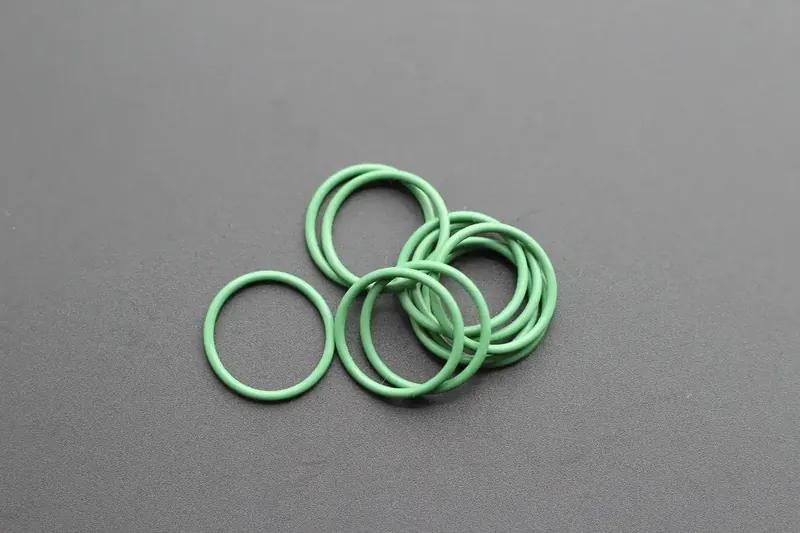
⚖️ O-Ring Weight Calculator
Estimate rubber O-ring weight (Approx).