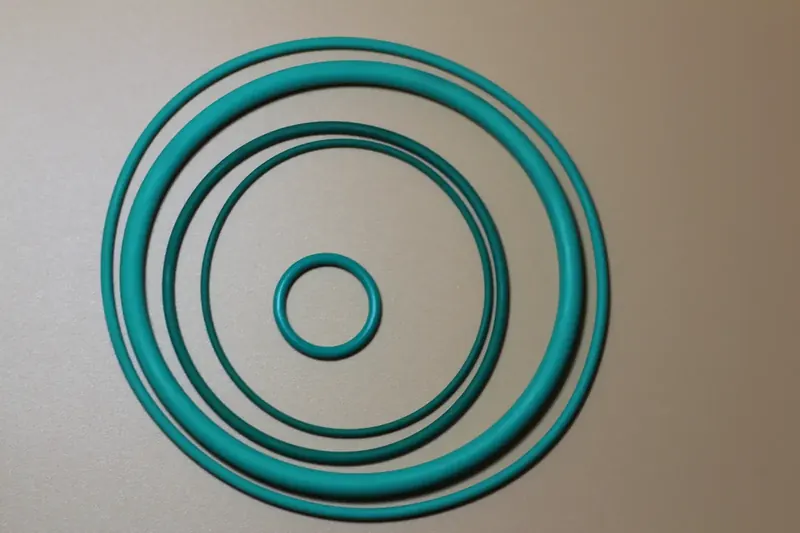
Technical Contents
Engineering Guide: Self Draining Boat Plug

Engineering Insight: Material Selection in Self-Draining Boat Plugs
In the marine industry, the self-draining boat plug represents a critical interface between vessel integrity and operational safety. While often perceived as a simple component, its performance hinges on precise engineering, particularly in material selection. Off-the-shelf solutions frequently fail due to an inadequate understanding of the dynamic stresses and environmental exposure inherent in marine environments. These failures manifest as premature cracking, loss of elasticity, chemical degradation, or dimensional instability—each posing risks to vessel performance and safety.
Standard rubber plugs commonly employ generic elastomers such as natural rubber or low-grade EPDM, which may offer initial flexibility and water resistance. However, prolonged exposure to saltwater, UV radiation, ozone, and temperature fluctuations rapidly degrades these materials. Natural rubber, for instance, is highly susceptible to ozone cracking, while inferior EPDM formulations lack the cross-link density required for long-term resilience. Additionally, many commercial-grade rubbers absorb moisture over time, leading to swelling, reduced sealing force, and eventual leakage.
At Suzhou Baoshida Trading Co., Ltd., we approach the self-draining boat plug as a precision-engineered component, not a commodity. Our formulations are based on high-purity, fully synthetic elastomers engineered for sustained performance under extreme conditions. The core of our solution lies in advanced hydrogenated nitrile butadiene rubber (HNBR) and peroxide-cured EPDM compounds, selected for their superior resistance to hydrolysis, oxidative aging, and mechanical fatigue. These materials maintain elastic recovery over thousands of compression cycles and exhibit minimal compression set—critical for maintaining seal integrity in a plug that is frequently inserted and removed.
Furthermore, our compounds are reinforced with engineered fillers and stabilized with proprietary antioxidant packages, ensuring UV and thermal stability across a service temperature range of -40°C to +150°C. This level of formulation control prevents the micro-cracking and surface chalking observed in lower-grade alternatives.
The following table outlines key performance specifications of our engineered rubber compounds compared to standard commercial alternatives:
| Property | Baoshida HNBR Compound | Standard NBR | Low-Grade EPDM |
|---|---|---|---|
| Tensile Strength (MPa) | 28 | 18 | 12 |
| Elongation at Break (%) | 420 | 300 | 250 |
| Hardness (Shore A) | 75 ± 3 | 65 ± 5 | 60 ± 5 |
| Compression Set (70h at 100°C) | 18% | 35% | 45% |
| Water Absorption (24h, 23°C) | 0.8% | 2.1% | 3.0% |
| Ozone Resistance | Excellent | Poor | Moderate |
| Service Temperature Range | -40°C to +150°C | -30°C to +100°C | -20°C to +110°C |
Material selection is not a cost-driven compromise—it is a performance determinant. Off-the-shelf plugs fail because they prioritize short-term economics over long-term reliability. In contrast, our engineered rubber solutions ensure dimensional stability, consistent sealing force, and resistance to environmental aging, delivering a service life that exceeds industry benchmarks. For OEMs and marine system integrators, this translates into reduced warranty claims, enhanced brand reputation, and superior end-user satisfaction.
Material Specifications

Material Selection Criteria for Marine Self-Draining Plugs
The operational integrity of self-draining boat plugs hinges on precise elastomer selection, directly impacting seal longevity, fluid resistance, and dimensional stability under dynamic marine conditions. Suzhou Baoshida Trading Co., Ltd. mandates rigorous evaluation of chemical exposure, temperature extremes, compression set, and mechanical stress. Marine environments subject plugs to continuous immersion in saltwater, intermittent fuel/oil contact, UV degradation, and thermal cycling from -20°C to 80°C ambient. Optimal materials must maintain Shore A hardness consistency, exhibit minimal fluid absorption, and resist permanent deformation after repeated compression cycles. Compromises in material specification risk catastrophic leakage, accelerated wear, or seal extrusion under hull pressure differentials.
Viton Fluoroelastomer (FKM)
Viton delivers unparalleled resistance to hydrocarbons, marine fuels, and oxidizing agents, making it ideal for engine bay or fuel system proximity applications. Its molecular structure ensures stability in aggressive chemical environments where hydrocarbon-based elastomers fail. Operating effectively from -20°C to 230°C, Viton maintains seal integrity during thermal spikes but exhibits higher compression set than alternatives above 150°C. Shore A hardness typically ranges 60–90, with tensile strength exceeding 15 MPa. While cost-intensive, its 0.5–1.5% fluid absorption in ASTM No. 3 oil validates suitability for critical fuel-exposed zones. Processing requires specialized molding parameters due to high compound viscosity.
Nitrile Butadiene Rubber (NBR)
NBR provides the optimal balance of cost efficiency and performance for general marine drainage applications. With exceptional resistance to aliphatic hydrocarbons and saltwater immersion, it withstands prolonged exposure to diesel and lubricants. Standard grades operate reliably between -40°C and 120°C, though low-temperature variants extend to -50°C. Shore A hardness spans 50–90, with tensile strength of 10–25 MPa and elongation at break of 200–500%. Its 1.5–3.0% fluid absorption in ASTM No. 3 oil necessitates careful thickness calibration to prevent swelling-induced seal failure. NBR’s low raw material cost and ease of processing support high-volume OEM production with tight tolerances.
Silicone Rubber (VMQ)
Silicone excels in extreme temperature resilience (-60°C to 200°C) and UV/ozone resistance, critical for deck-mounted plugs exposed to direct sunlight. Its inert composition ensures biocompatibility and resistance to saltwater degradation. However, silicone exhibits poor resistance to hydrocarbons and fuels, with fluid absorption exceeding 5% in ASTM No. 3 oil, making it unsuitable for fuel-contact zones. Shore A hardness ranges 30–80, with moderate tensile strength (6–10 MPa) but high elongation (400–800%). Low tear strength requires reinforced geometries to prevent damage during insertion. Primarily recommended for freshwater or non-fuel marine applications where thermal stability is paramount.
Comparative Analysis of Elastomer Specifications
| Property | Viton (FKM) | Nitrile (NBR) | Silicone (VMQ) |
|---|---|---|---|
| Temperature Range (°C) | -20 to 230 | -40 to 120 | -60 to 200 |
| Tensile Strength (MPa) | 15–25 | 10–25 | 6–10 |
| Elongation at Break (%) | 150–300 | 200–500 | 400–800 |
| Shore A Hardness Range | 60–90 | 50–90 | 30–80 |
| Fluid Absorption (ASTM No. 3 Oil) | 0.5–1.5% | 1.5–3.0% | >5.0% |
| Compression Set (22h/150°C) | 15–25% | 20–40% | 20–35% |
| Primary Marine Use Case | Fuel/oil exposure | General drainage | Non-fuel exposure |
OEM Implementation Guidance
Suzhou Baoshida recommends Viton for fuel-handling vessels, NBR for cost-optimized recreational craft, and Silicone exclusively for non-hydrocarbon applications. All compounds must meet ASTM D2000 M2BA 710 A14 B14 F11 for marine-grade certification. Shore hardness selection within each material’s range must correlate with plug geometry to prevent extrusion under 0.5 bar differential pressure. Final validation requires 1,000-cycle compression testing per ISO 3384 and 500-hour salt spray exposure per ASTM B117.
Manufacturing Capabilities
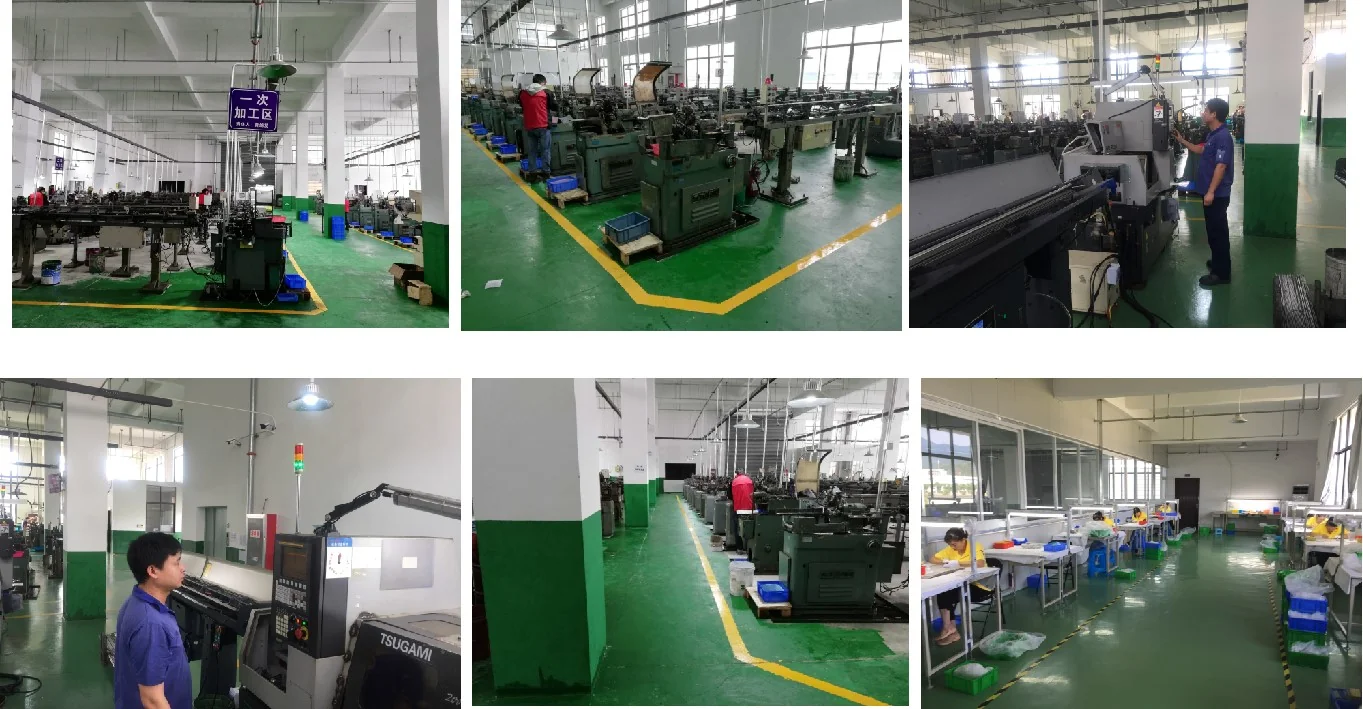
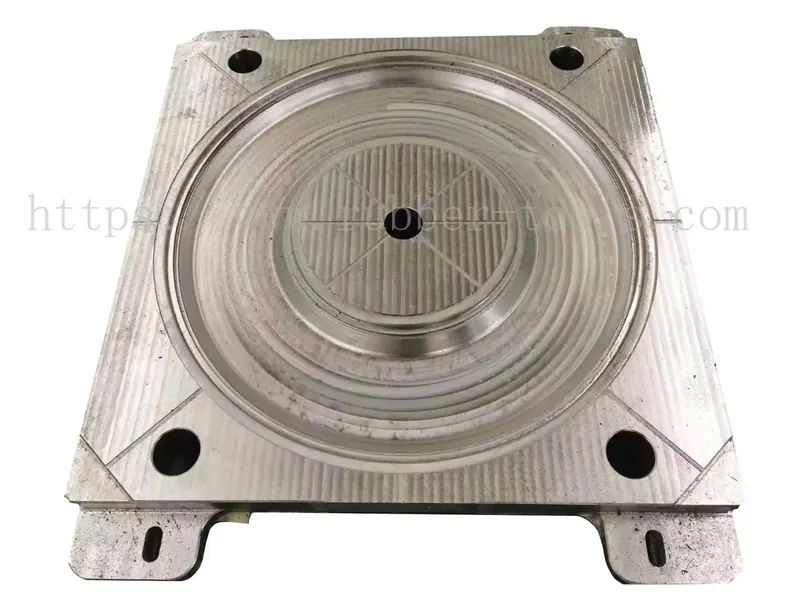
Suzhou Baoshida Trading Co., Ltd. operates at the forefront of industrial rubber engineering, delivering high-performance elastomeric components tailored to demanding marine and industrial applications. Our Engineering Capability division is built on a foundation of material science expertise and precision mold design, enabling us to develop mission-critical parts such as the self-draining boat plug with consistent reliability and performance. With a dedicated team of five mold engineers and two specialized rubber formula engineers, we maintain full in-house control over both the physical tooling and chemical composition of every product we manufacture.
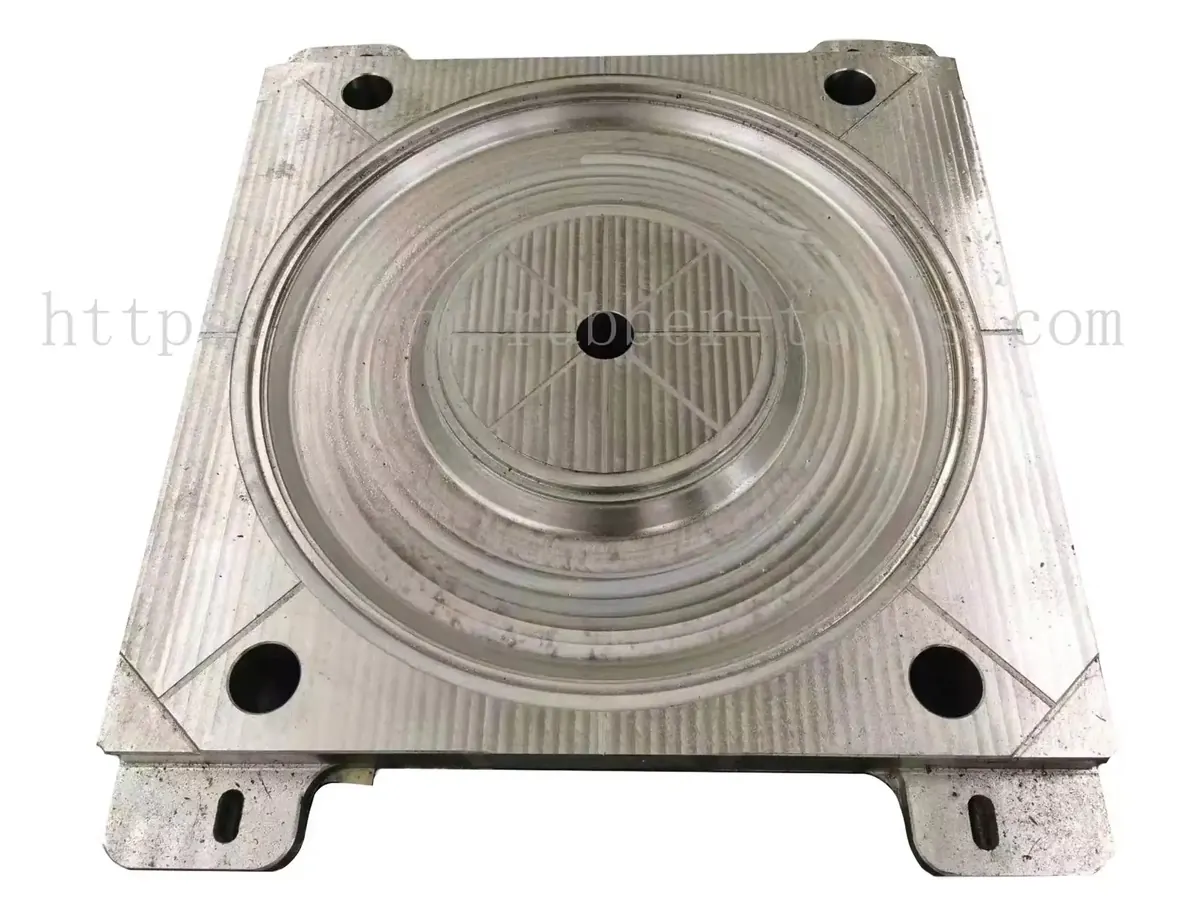
Our mold engineering team leverages advanced CAD/CAM software and finite element analysis (FEA) to optimize flow dynamics, part symmetry, and demolding efficiency. This ensures that each self-draining boat plug is not only dimensionally accurate but also capable of withstanding repeated thermal cycling, mechanical stress, and prolonged exposure to saltwater environments. The integration of mold design with material formulation allows us to address complex performance requirements at the molecular level. Our formula engineers specialize in custom synthetic rubber blends, focusing on EPDM, NBR, and silicone systems that deliver superior resistance to UV degradation, ozone, and hydrolysis—key factors in marine durability.
One of the core advantages of our engineering approach is the seamless synergy between formulation development and mold functionality. For example, the self-draining boat plug requires a balance between compression set resistance and flexibility at low temperatures. Our formula engineers adjust polymer chain architecture and crosslink density to achieve optimal sealing force without compromising long-term resilience. Simultaneously, our mold engineers design multi-cavity tools with precise venting and gating to prevent defects such as flash or incomplete filling, particularly critical when producing high-volume OEM runs.
We support full OEM manufacturing services, from initial concept and prototyping to mass production and quality validation. Clients benefit from our ability to co-develop materials and tooling, ensuring that every component meets exact performance specifications. Our facility is equipped with rubber compounding lines, CNC mold manufacturing, and environmental testing chambers, allowing us to simulate real-world conditions during development.
The table below outlines key technical specifications achieved in our self-draining boat plug formulation and molding process.
| Property | Test Method | Value |
|---|---|---|
| Hardness (Shore A) | ASTM D2240 | 60 ± 5 |
| Tensile Strength | ASTM D412 | ≥ 10 MPa |
| Elongation at Break | ASTM D412 | ≥ 300% |
| Compression Set (22 hrs, 70°C) | ASTM D395 | ≤ 20% |
| Operating Temperature Range | — | -40°C to +120°C |
| Water Absorption (24 hrs) | ASTM D471 | < 2% |
| Specific Gravity | ASTM D297 | 1.15 ± 0.03 |
This integrated engineering model—combining deep material science insight with precision tooling expertise—positions Suzhou Baoshida as a trusted partner for OEMs requiring high-integrity rubber components in challenging environments.
Customization Process

Precision Customization Process for Self-Draining Boat Plug Manufacturing
At Suzhou Baoshida Trading Co., Ltd., our OEM customization process for self-draining boat plugs begins with rigorous Drawing Analysis. We meticulously dissect client-provided CAD models and technical drawings, focusing on critical dimensional tolerances, sealing surface geometries, draft angles, and wall thickness uniformity essential for marine sealing performance. This phase involves verifying compliance with ISO 2768 medium tolerance classes and identifying potential molding challenges such as undercuts or thin sections prone to flash. Our engineering team collaborates directly with client design personnel to resolve ambiguities and optimize the geometry for both functional performance in dynamic marine environments and efficient rubber injection molding production.
The subsequent Formulation phase leverages our extensive compound library and proprietary rubber science expertise. Based on the operational requirements identified during drawing review—specifically continuous saltwater immersion, UV exposure, and repeated compression cycles—we select and tailor a high-performance elastomer compound. Primary candidates include hydrogenated nitrile rubber (HNBR) for superior oil and ozone resistance or specialized EPDM grades for exceptional weathering stability. Key properties are precisely engineered; Shore A hardness is targeted between 55-75 to balance sealing force and ease of insertion, while tensile strength and elongation at break are optimized to withstand mechanical stress during plug removal. Fluid resistance against seawater, fuels, and common marine lubricants is rigorously validated through accelerated testing protocols per ASTM D2000.
Prototyping transitions the validated design and compound into physical form using precision steel molds. Initial samples undergo comprehensive dimensional inspection via CMM against the approved drawing, followed by critical functional testing. This includes compression set measurement per ISO 815-1 at 70°C for 22 hours to ensure long-term sealing resilience, tensile testing per ISO 37, and real-world drainage functionality validation under simulated boat hull conditions. Client feedback on prototype performance is integrated rapidly, with compound adjustments or minor geometry refinements implemented within controlled iterations before final sign-off.
Mass Production commences only after formal client approval of the qualified prototype. We deploy dedicated, climate-controlled production lines with stringent in-process quality controls. Every batch undergoes real-time monitoring of key parameters: Mooney viscosity (ASTM D1646), cure characteristics via Moving Die Rheometer (MDR per ASTM D5289), and continuous hardness verification. Final inspection includes 100% visual checks for surface defects and random sampling for dimensional conformance and compression set. Traceability is maintained through unique batch coding, ensuring full material and process history for every plug shipped, meeting the highest OEM standards for marine safety components.
Critical Material Specifications for Self-Draining Boat Plugs
| Property | Test Standard | Target Value Range | Significance for Marine Application |
|---|---|---|---|
| Shore A Hardness | ASTM D2240 | 55 – 75 | Optimal balance: sealing integrity vs. ease of insertion/removal |
| Tensile Strength | ISO 37 | ≥ 15 MPa | Resists tearing during handling and use |
| Elongation at Break | ISO 37 | ≥ 300% | Accommodates hull flexure without failure |
| Compression Set (70°C/22h) | ISO 815-1 | ≤ 25% | Critical for maintaining seal after prolonged compression |
| Fluid Resistance (Seawater) | ASTM D2000 | A0 B0 EF1 | Ensures dimensional stability and property retention |
Contact Engineering Team

For manufacturers and OEMs seeking high-performance industrial rubber components, Suzhou Baoshida Trading Co., Ltd. stands as a trusted partner in precision rubber engineering. Specializing in custom elastomeric solutions, we serve global clients in marine, automotive, construction, and industrial equipment sectors. Our expertise is particularly evident in the development of mission-critical components such as the self-draining boat plug—a product engineered for durability, leak resistance, and optimal functionality in dynamic marine environments.
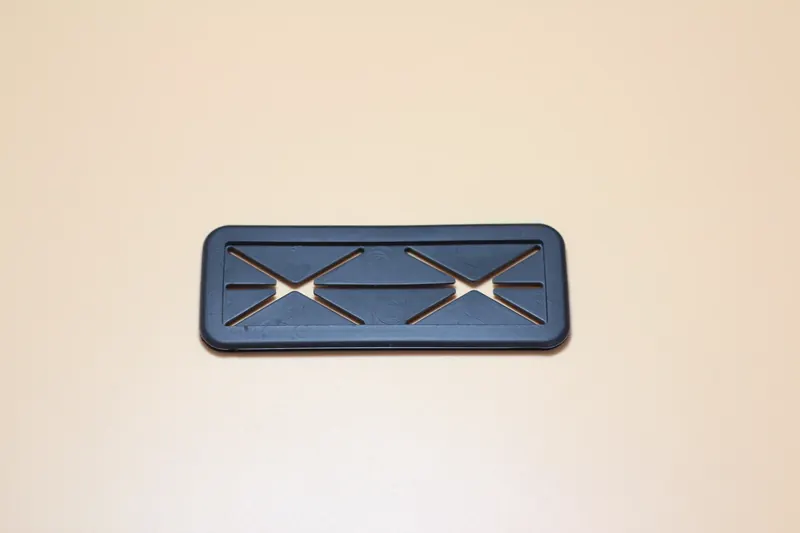
The self-draining boat plug is designed to allow water egress from boat hulls while preventing ingress during operation or storage. Constructed from advanced synthetic rubber compounds, our plugs offer superior resistance to UV exposure, saltwater corrosion, ozone degradation, and mechanical fatigue. Each unit is precision-molded to ensure dimensional accuracy and consistent sealing performance across thousands of cycles. Whether integrated into recreational vessels, commercial watercraft, or marine accessories, our solution delivers long-term reliability under fluctuating thermal and hydraulic conditions.
Suzhou Baoshida combines material science rigor with agile manufacturing to support clients from concept to volume production. Our in-house R&D team collaborates closely with OEMs to tailor compound formulations—adjusting hardness, compression set, tensile strength, and fluid resistance—according to specific operational demands. This engineering-first approach ensures that every rubber component meets exact performance criteria while complying with international quality standards.
We invite technical buyers, product designers, and procurement managers to contact Mr. Boyce, OEM Account Manager at Suzhou Baoshida, to discuss custom development, sample requests, or volume supply agreements. With a responsive communication protocol and streamlined logistics network, we support fast turnaround times and consistent on-time delivery across North America, Europe, and Asia.
Below are the standard technical specifications for our baseline self-draining boat plug. All parameters are adjustable based on client requirements.
| Property | Specification | Test Method |
|---|---|---|
| Material | EPDM Rubber (Custom Compounds Available) | ASTM D1418 |
| Hardness (Shore A) | 55 ± 5 | ASTM D2240 |
| Tensile Strength | ≥12 MPa | ASTM D412 |
| Elongation at Break | ≥250% | ASTM D412 |
| Compression Set (22 hrs, 70°C) | ≤25% | ASTM D395 |
| Operating Temperature Range | -40°C to +120°C | Internal |
| Fluid Resistance | Excellent (Salt Water, UV, Ozone) | ASTM D471 |
| Color | Black (Custom Colors Available) | — |
| Density | 1.25 ± 0.05 g/cm³ | ASTM D297 |
To initiate a technical consultation or request a sample kit, please reach out directly to Mr. Boyce via email at [email protected]. Include your product requirements, target volumes, and any applicable drawings or performance criteria. Our team responds to all inquiries within 12 business hours and provides detailed engineering feedback, material certifications, and prototyping timelines upon engagement.
Partner with Suzhou Baoshida for industrial rubber solutions built on scientific precision, manufacturing excellence, and long-term reliability.
⚖️ O-Ring Weight Calculator
Estimate rubber O-ring weight (Approx).