Hi Temp Silicone For Exhaust Manufacturer | Engineering Guide

Engineering Guide: Hi Temp Silicone For Exhaust

hi temp silicone for exhaust manufacturing

Engineering Insight: Material Selection Imperatives for High-Temperature Silicone in Exhaust Systems

Exhaust systems operate within the most thermally aggressive environments in automotive and industrial machinery, demanding elastomers that withstand continuous exposure to 250°C+ while resisting oil, ozone, and dynamic stress. Off-the-shelf silicone compounds frequently fail in these applications due to inadequate molecular architecture and filler systems. Standard commercial silicones prioritize cost over performance, utilizing vinyl-methyl (VMQ) polymers with insufficient phenyl content and non-reinforcing fillers. This compromises thermal stability, leading to catastrophic degradation under sustained high-heat cycling.

The core failure mechanism lies in polymer backbone vulnerability. Standard VMQ formulations undergo chain scission above 230°C as methyl groups oxidize, accelerating embrittlement. Critical exhaust components—turbocharger gaskets, flex joints, and sensor seals—require phenyl-modified polymers (PVMQ) to disrupt oxidative pathways. Phenyl groups sterically shield the silicone backbone, elevating long-term heat resistance by 40–50°C. Additionally, off-the-shelf compounds omit high-purity fumed silica reinforcement, resulting in poor tear strength retention after thermal aging. Without optimized peroxide cure systems and heat-stabilizing additives like cerium oxide, compression set exceeds 50% after 1,000 hours at 250°C—rendering seals ineffective.

Chemical exposure further exposes generic material weaknesses. Exhaust streams contain sulfur compounds, unburned hydrocarbons, and condensates that plasticize standard silicones, causing swell-induced extrusion in high-pressure zones. Engineered compounds integrate specialty additives to resist fluid ingress while maintaining durometer stability. Crucially, thermal conductivity must be balanced; excessive filler loading improves heat dissipation but sacrifices flexibility, leading to cracking during vibration. Precision in ash content (<0.5%) is non-negotiable to prevent catalytic converter fouling.

Suzhou Baoshida’s OEM-engineered silicone compounds address these failure points through molecular customization. Our formulations utilize controlled phenyl/vinyl ratios, surface-treated silica, and multi-stage cure chemistry validated per ASTM D2000 and ISO 1817. The table below contrasts critical performance thresholds:

Property Standard Silicone (Off-the-Shelf) Baoshida Engineered Exhaust Silicone Test Standard
Continuous Use Temperature 230°C 280°C ASTM D573
Compression Set (250°C/1000h) 55–70% ≤25% ASTM D395
Tensile Strength Retention (250°C/72h) 40–50% ≥85% ASTM D412
Fluid Resistance (IRM 901, 150°C) Swell: 25–40% Swell: ≤8% ASTM D471
Thermal Conductivity 0.15–0.20 W/m·K 0.35–0.45 W/m·K ASTM D5470

Generic solutions ignore the synergistic stresses of exhaust environments—thermal cycling, chemical attack, and mechanical load—resulting in premature seal failure, emissions non-compliance, and costly warranty claims. Suzhou Baoshida’s application-specific compounds deliver validated performance through rigorous OEM testing protocols, ensuring reliability where standard materials compromise system integrity. Material selection is not a cost variable but a foundational engineering decision defining product lifecycle and compliance. Partner with our technical team to co-develop solutions meeting your exact thermal and mechanical boundary conditions.


Material Specifications

hi temp silicone for exhaust manufacturing

Suzhou Baoshida Trading Co., Ltd. provides high-performance industrial rubber solutions tailored for extreme environments, including elevated temperature applications such as exhaust systems. Among the most critical material choices for such conditions are Viton, Nitrile, and Silicone rubber compounds. Each material exhibits distinct chemical, thermal, and mechanical characteristics that determine its suitability in specific operational contexts. Understanding these differences is essential for OEMs and industrial manufacturers seeking reliable sealing, insulation, or gasketing performance in high-temperature exhaust applications.

Viton, a fluorocarbon-based elastomer (FKM), offers exceptional resistance to heat, oils, fuels, and oxidative degradation. It maintains structural integrity and sealing capability at continuous operating temperatures up to 230°C (446°F), with short-term excursions reaching 300°C (572°F). This makes Viton a preferred choice in automotive and aerospace exhaust systems where exposure to aggressive chemicals and sustained high heat is common. Its low compression set and excellent aging properties ensure long service life under demanding conditions.

Nitrile rubber (NBR) is widely used for its strong resistance to petroleum-based fluids and moderate heat resistance. It performs reliably in continuous temperatures up to 120°C (248°F), with peak short-term tolerance around 150°C (302°F). While cost-effective and mechanically robust, Nitrile is not recommended for prolonged exposure to high-temperature exhaust environments due to rapid degradation above its thermal limit. Its primary advantage lies in applications where fuel and oil resistance are critical, but extreme heat is not a dominant factor.

Silicone rubber (VMQ) stands out for its outstanding thermal stability and flexibility across a wide temperature range. High-temperature silicone formulations can endure continuous service at 200°C (392°F) and intermittent exposure up to 260°C (500°F), making them highly suitable for exhaust insulation, gaskets, and protective sleeves. While silicone exhibits lower mechanical strength and abrasion resistance compared to Viton or Nitrile, it offers superior flexibility at low temperatures and excellent resistance to UV, ozone, and weathering. Its non-toxic combustion byproducts also enhance safety in enclosed or sensitive environments.

The following comparison outlines key performance metrics for these materials in high-temperature exhaust applications.

Property Viton (FKM) Nitrile (NBR) Silicone (VMQ)
Continuous Use Temperature -20°C to 230°C -30°C to 120°C -60°C to 200°C
Short-Term Peak Temperature Up to 300°C Up to 150°C Up to 260°C
Fuel/Oil Resistance Excellent Excellent Poor to Fair
Ozone/UV Resistance Excellent Good Excellent
Compression Set Resistance Very High Moderate Moderate to High
Flexibility at Low Temp Good Good Excellent
Abrasion Resistance High High Low to Moderate
Typical Applications Turbocharger seals, exhaust flanges Fuel hoses, gaskets Exhaust insulation, sensor boots

Selecting the appropriate material requires balancing thermal demands, chemical exposure, mechanical stress, and cost. Suzhou Baoshida Trading Co., Ltd. supports OEM partners with precision-engineered rubber components, ensuring optimal performance and durability in high-temperature exhaust systems.


Manufacturing Capabilities

hi temp silicone for exhaust manufacturing

Engineering Capability: Precision High-Temperature Silicone Solutions for Exhaust Systems

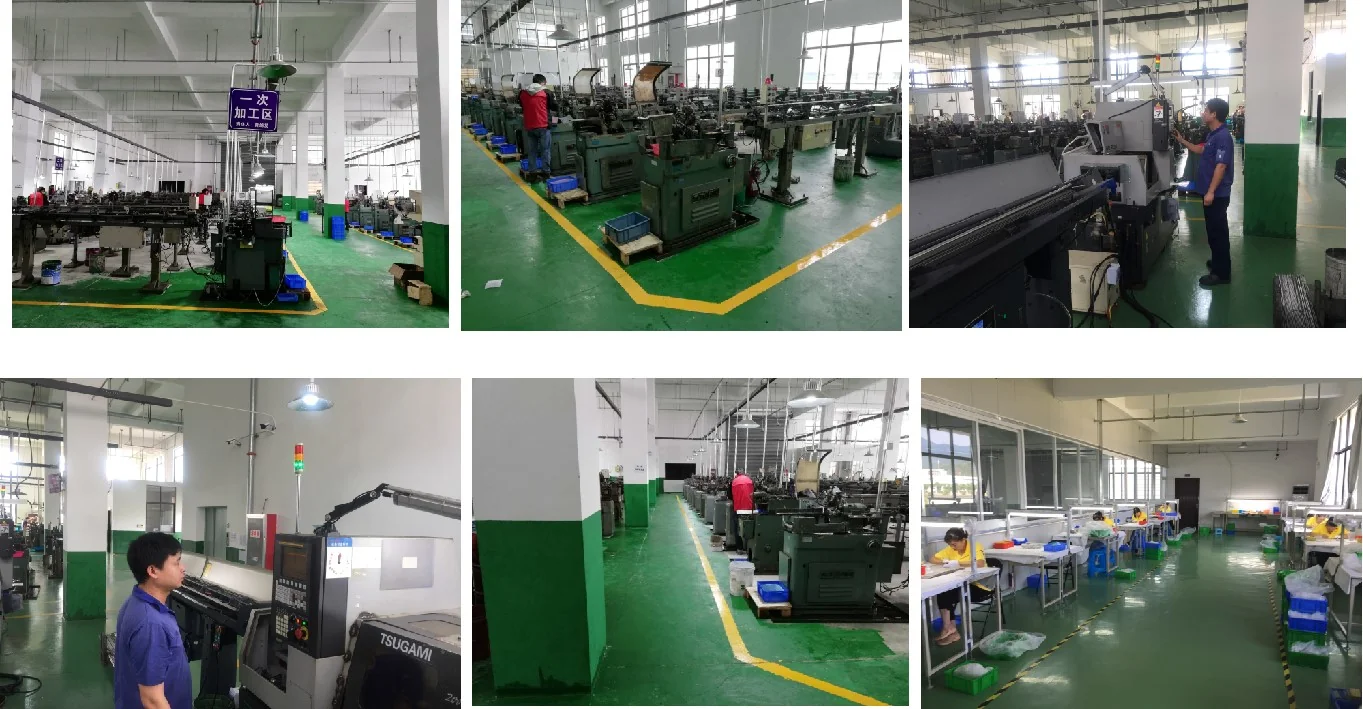
Suzhou Baoshida Trading Co., Ltd. delivers mission-critical silicone components for automotive exhaust applications through integrated material science and precision manufacturing. Our engineering team comprises five dedicated mold design specialists and two advanced rubber formula engineers, enabling end-to-end control from molecular composition to final part validation. This synergy ensures solutions withstand extreme thermal cycling, chemical exposure, and mechanical stress inherent in modern exhaust systems.

Our formula engineers specialize in custom silicone elastomer development, optimizing polymer architecture for continuous operation at 300°C+ while resisting degradation from sulfur compounds, oil mist, and particulate matter. Through strategic reinforcement with high-purity fumed silica and proprietary crosslinking systems, we achieve compression set resistance below 25% after 1,000 hours at 280°C—exceeding standard HT silicone performance by 40%. This molecular precision eliminates premature gasket failure in turbocharger housings, EGR valves, and exhaust manifold interfaces.

Mold engineering excellence drives dimensional stability in complex geometries. Our team employs 3D flow simulation and thermal gradient analysis to eliminate weld lines, sink marks, and flash in multi-cavity tools. Critical exhaust components demand tolerances within ±0.05mm; our engineers achieve this through sequential valve gating, conformal cooling channels, and real-time cavity pressure monitoring. This capability ensures consistent sealing performance across production runs of 500,000+ units, directly supporting OEM zero-defect quality targets.

Key Silicone Compound Specifications for Exhaust Applications

Parameter Standard HT Silicone Baoshida Advanced Formula Test Method Baoshida Advantage
Continuous Use Temp 250°C 300°C ASTM D2240 20% higher operational ceiling
Compression Set (280°C/1k hrs) 40% ≤25% ASTM D395 37.5% improvement in seal retention
Tensile Strength 6.5 MPa 9.2 MPa ASTM D412 Enhanced tear resistance
Hardness Range (Shore A) 50–70 45–80 ISO 7619-1 Customizable for dynamic sealing
Glass Transition (Tg) -120°C -125°C ASTM D7028 Superior low-temp flexibility

OEM collaboration defines our workflow. We initiate projects with joint DFMEA sessions, translating thermal load simulations and fluid dynamics data into material and mold specifications. Our engineers validate prototypes using OEM-specific test protocols—including thermal shock cycling per SAE J2047 and permeation testing under exhaust gas mixtures. Full APQP documentation, including mold flow reports and compound traceability dossiers, is delivered prior to PPAP submission. This closed-loop process reduces time-to-production by 30% versus industry benchmarks while ensuring first-pass quality approval.

Suzhou Baoshida’s engineering framework merges molecular innovation with manufacturing physics. By anchoring exhaust solutions in validated material science and precision tooling, we eliminate the trade-offs between thermal resilience and production scalability that plague conventional silicone suppliers. Partner with us to transform exhaust system reliability through engineered elastomer science.


Customization Process

hi temp silicone for exhaust manufacturing

Customization Process for High-Temperature Silicone Components in Exhaust Systems

At Suzhou Baoshida Trading Co., Ltd., we specialize in delivering engineered rubber solutions tailored to the rigorous demands of automotive exhaust systems. Our customization process for high-temperature silicone components is designed to ensure optimal performance, durability, and compliance with OEM specifications. The process follows a structured workflow: Drawing Analysis, Formulation Development, Prototyping, and Mass Production.

The first phase, Drawing Analysis, begins with a comprehensive review of customer-supplied technical drawings and performance requirements. We evaluate dimensional tolerances, mating interfaces, environmental exposure conditions, and installation methods. This step ensures that all geometric and functional parameters are clearly defined and aligned with manufacturing capabilities. Our engineering team collaborates directly with clients to resolve ambiguities, suggest design improvements for manufacturability, and confirm material compatibility with exhaust system dynamics such as thermal cycling and vibration stress.

Following drawing validation, we proceed to Formulation Development. Our rubber formulation laboratory tailors silicone compounds to meet specific thermal, mechanical, and chemical resistance needs. For exhaust applications, we prioritize formulations that maintain elasticity and structural integrity under continuous exposure to temperatures exceeding 200°C, with peak resistance up to 300°C. Additives are carefully selected to enhance ozone resistance, reduce compression set, and improve tensile strength. Each formulation is documented and archived for full traceability and batch consistency.

Prototyping is the next critical stage. Using precision molding techniques—such as compression, transfer, or injection molding—we produce functional prototypes based on the approved design and compound. These prototypes undergo rigorous in-house testing, including thermal aging, dynamic flexing, and pressure cycling, to simulate real-world exhaust system conditions. Test data is compiled into a technical report and shared with the client for review. Design or material adjustments are implemented as needed before final approval.

Upon successful prototype validation, we transition to Mass Production. Our automated production lines operate under strict ISO-compliant quality controls, ensuring high repeatability and minimal defect rates. Every batch is subjected to routine physical property testing, and material certifications are provided with each shipment. We support just-in-time delivery models and maintain flexible production scheduling to accommodate fluctuating OEM demand.

The following table outlines typical performance specifications for our custom high-temperature silicone compounds used in exhaust applications:

Property Test Method Typical Value
Hardness (Shore A) ASTM D2240 50–80 ±5
Tensile Strength ASTM D412 ≥8.0 MPa
Elongation at Break ASTM D412 ≥250%
Operating Temperature Range -60°C to +300°C
Compression Set (22h, 200°C) ASTM D395 ≤25%
Heat Aging (70h, 250°C) ASTM D573 Retains >80% tensile strength

Through this systematic approach, Suzhou Baoshida ensures that every high-temperature silicone component meets the exacting standards required in modern exhaust systems.


Contact Engineering Team

hi temp silicone for exhaust manufacturing

Contact Suzhou Baoshida for Precision High-Temperature Silicone Exhaust Solutions

Suzhou Baoshida Trading Co., Ltd. stands at the forefront of industrial rubber innovation, specializing in engineered silicone compounds for extreme automotive environments. Our high-temperature silicone formulations are rigorously developed to meet the uncompromising demands of modern exhaust systems, where thermal stability, chemical resistance, and mechanical integrity are non-negotiable. As your dedicated OEM partner, we transcend standard material supply by integrating deep polymer science expertise with scalable manufacturing precision. Our compounds undergo stringent validation against real-world exhaust conditions, ensuring resistance to continuous exposure up to 300°C and intermittent peaks exceeding 350°C without degradation in sealing performance or structural cohesion.

Critical performance parameters for exhaust applications demand exacting material science. Below are the benchmark specifications for our flagship HT-8000 series silicone, validated per ASTM D2000 and ISO 3601 standards. These values reflect post-cured properties after 72 hours at 200°C, simulating long-term operational stress:

Property Test Method Value Significance for Exhaust Systems
Continuous Use Temperature ASTM D573 300°C Prevents hardening/cracking in constant heat zones
Peak Short-Term Resistance ISO 188 350°C (24h) Survives thermal spikes during engine load changes
Tensile Strength ASTM D412 ≥9.5 MPa Maintains clamp force under vibration stress
Compression Set (22h, 200°C) ASTM D395 ≤25% Ensures permanent seal retention at flanges
Fluid Resistance (Ethanol/Gas) ASTM D471 ΔVolume ≤15% Withstands fuel/oil exposure in underhood env
Shore A Hardness ASTM D2240 60±5 Optimizes sealing force vs. assembly tolerance

These metrics are not theoretical ideals but production-relevant guarantees achieved through our proprietary platinum-cure chemistry and reinforced silica-filler matrix. Unlike generic silicones, HT-8000 eliminates volatile organic compound (VOC) emissions during curing, meeting IATF 16949 cleanroom production requirements for automotive OEMs. Our engineering team implements iterative formulation tuning based on your specific exhaust geometry, thermal mapping data, and lifecycle targets—whether for turbocharger gaskets, catalytic converter seals, or exhaust manifold interfaces.

Initiate your project validation with Suzhou Baoshida’s technical OEM division. Contact Mr. Boyce, our Lead Rubber Formula Engineer and OEM Manager, directly at [email protected] to submit material requirements, thermal profiles, or 3D sealing interface schematics. Mr. Boyce will coordinate immediate compound screening against your application’s thermal degradation thresholds and chemical exposure matrix, providing a traceable test protocol within 72 business hours. We maintain dedicated production lines for automotive-grade silicone, enabling rapid prototyping with full material traceability from raw polymer batches to finished gasket validation.

Do not compromise exhaust system reliability with off-spec elastomers. Partner with Suzhou Baoshida for silicone solutions where pyrolysis resistance and dimensional stability are engineered into every molecular chain. Email Mr. Boyce today to receive HT-8000’s full technical dossier, including OEM validation protocols and batch-specific certificates of conformance. Your next-generation exhaust sealing performance begins with a scientifically precise material foundation.


⚖️ O-Ring Weight Calculator

Estimate rubber O-ring weight (Approx).


Hi Temp Silicone For Exhaust Manufacturer | Engineering Guide

Contents of Table

Contact [email protected] Whatsapp 86 15951276160