Teflon Sheet Roll Manufacturer | Engineering Guide

Engineering Guide: Teflon Sheet Roll

teflon sheet roll manufacturing

Engineering Insight: Material Selection in Teflon Sheet Roll Applications

In industrial environments where precision, durability, and chemical resistance are paramount, the selection of appropriate materials for sealing, insulation, and lining applications cannot be overstated. Among the most widely used materials in such contexts is polytetrafluoroethylene (PTFE), commonly known as Teflon. While off-the-shelf Teflon sheet rolls are readily available and often marketed as universal solutions, they frequently fail to meet the rigorous demands of specialized manufacturing processes. This discrepancy arises not from the inherent properties of PTFE, but from the mismatch between standardized material formulations and the unique operational conditions of specific applications.

PTFE is celebrated for its non-reactivity, thermal stability (typically from -200°C to +260°C), low coefficient of friction, and excellent dielectric properties. However, these characteristics can vary significantly depending on the resin grade, filler composition, and manufacturing process used. Commercial-grade Teflon sheet rolls often utilize reprocessed or blended resins to reduce costs, resulting in inconsistent density, reduced mechanical strength, and compromised purity. In high-purity industries such as semiconductor manufacturing or pharmaceutical processing, even trace contaminants from recycled content can lead to product contamination or process failure.

Moreover, many standard Teflon sheets lack reinforcement or fillers tailored to specific mechanical or thermal loads. For instance, unfilled PTFE exhibits high creep under continuous pressure, making it unsuitable for long-term gasketing applications without modification. In contrast, engineered formulations incorporating glass fiber, graphite, or bronze enhance compressive strength and dimensional stability, directly addressing the limitations of generic products.

At Suzhou Baoshida Trading Co., Ltd., we emphasize application-specific material engineering. Our Teflon sheet rolls are manufactured using virgin PTFE resins and precision-controlled sintering processes to ensure uniform microstructure and performance consistency. We offer customized compounding options to meet exact thermal, tribological, and chemical resistance requirements, ensuring optimal service life and reliability.

The following table outlines key specifications of our engineered Teflon sheet rolls compared to typical off-the-shelf alternatives:

Property Engineered Teflon Sheet (Baoshida) Standard Off-the-Shelf Teflon Sheet
Resin Type Virgin PTFE Recycled or blended PTFE
Density 2.15–2.20 g/cm³ 2.00–2.15 g/cm³
Tensile Strength ≥25 MPa 15–20 MPa
Elongation at Break ≥300% 200–250%
Maximum Continuous Use Temperature 260°C 240–250°C
Creep Resistance High (with filler options) Moderate to low
Purity Level Ultra-high (ppb-level contaminants) Variable, often higher contamination

In conclusion, while generic Teflon sheet rolls may appear cost-effective initially, their performance deficiencies often result in premature failure, increased downtime, and higher total cost of ownership. Precision engineering and material integrity are not optional—they are foundational to reliable industrial operation.


Material Specifications

teflon sheet roll manufacturing

Material Specifications: PTFE Sheet Roll Fundamentals

Suzhou Baoshida Trading Co., Ltd. emphasizes critical clarification: true Teflon™ sheet rolls utilize polytetrafluoroethylene (PTFE), a fluoropolymer distinct from elastomeric materials like Viton, Nitrile, or Silicone. While PTFE delivers unparalleled chemical inertness and thermal stability up to 260°C, industrial applications often require complementary elastomer solutions for sealing, gasketing, or vibration damping where flexibility and resilience are paramount. This section details specifications for Viton (FKM), Nitrile (NBR), and Silicone (VMQ) rubber sheet rolls, engineered to meet rigorous OEM demands in chemical processing, automotive, and semiconductor manufacturing. These elastomers serve as strategic alternatives or supplements to PTFE where dynamic mechanical properties are essential, though they exhibit fundamentally different performance boundaries.

Viton fluorocarbon rubber sheet rolls provide exceptional resistance to aggressive chemicals, including fuels, oils, and acids, with continuous service temperatures spanning -20°C to 230°C. Our ASTM D2000-compliant Viton formulations achieve 70-90 Shore A hardness, tensile strength of 15-20 MPa, and elongation at break exceeding 300%. Critical for aerospace and refinery applications, Viton maintains integrity under high-pressure steam and ozone exposure but exhibits higher compression set (20-35%) compared to alternatives. Nitrile butadiene rubber sheet rolls offer optimal cost-performance balance for petroleum-based fluid sealing, operating effectively from -30°C to 120°C. Standard NBR grades feature 50-90 Shore A hardness, tensile strength of 10-18 MPa, and elongation of 250-450%. While excellent for hydraulic systems and fuel hoses, NBR degrades rapidly in ozone, ketones, and chlorinated solvents. Silicone rubber sheet rolls deliver extreme temperature resilience (-60°C to 230°C) and outstanding electrical insulation, with hardness ranges of 30-80 Shore A. Tensile strength (5-10 MPa) and elongation (400-700%) support flexible diaphragm and medical device applications, though silicone shows lower abrasion resistance and susceptibility to tear propagation versus hydrocarbon rubbers.

The following comparative analysis highlights key material properties for informed selection:

Material Temperature Range (°C) Tensile Strength (MPa) Hardness (Shore A) Key Chemical Resistance Critical Limitations
Viton (FKM) -20 to 230 15-20 70-90 Fuels, acids, oils, steam Poor ketone resistance; high cost
Nitrile (NBR) -30 to 120 10-18 50-90 Petroleum oils, water, alcohols Low ozone/heat resistance; swells in esters
Silicone (VMQ) -60 to 230 5-10 30-80 Water, oxygen, UV, mild chemicals Low tear strength; permeable to gases

Precision manufacturing requires matching material properties to operational stressors. Viton excels in high-temperature chemical exposure but requires careful compression set management. NBR remains the standard for cost-sensitive fuel and oil applications below 120°C. Silicone is indispensable for wide-temperature flexibility despite mechanical trade-offs. Crucially, none replicate PTFE’s non-stick surface or near-universal chemical resistance; they address distinct engineering challenges within integrated system design. Suzhou Baoshida Trading Co., Ltd. provides certified material test reports (MTRs) for all sheet rolls, ensuring traceability to ISO 9001 protocols and OEM-specific formulations. Consult our engineering team for compound customization addressing fluid compatibility, compression force deflection, or FDA/USP Class VI requirements. Selecting the optimal elastomer prevents premature failure in mission-critical industrial environments.


Manufacturing Capabilities

teflon sheet roll manufacturing

Engineering Capability: Precision-Driven Development for Teflon Sheet Roll Manufacturing

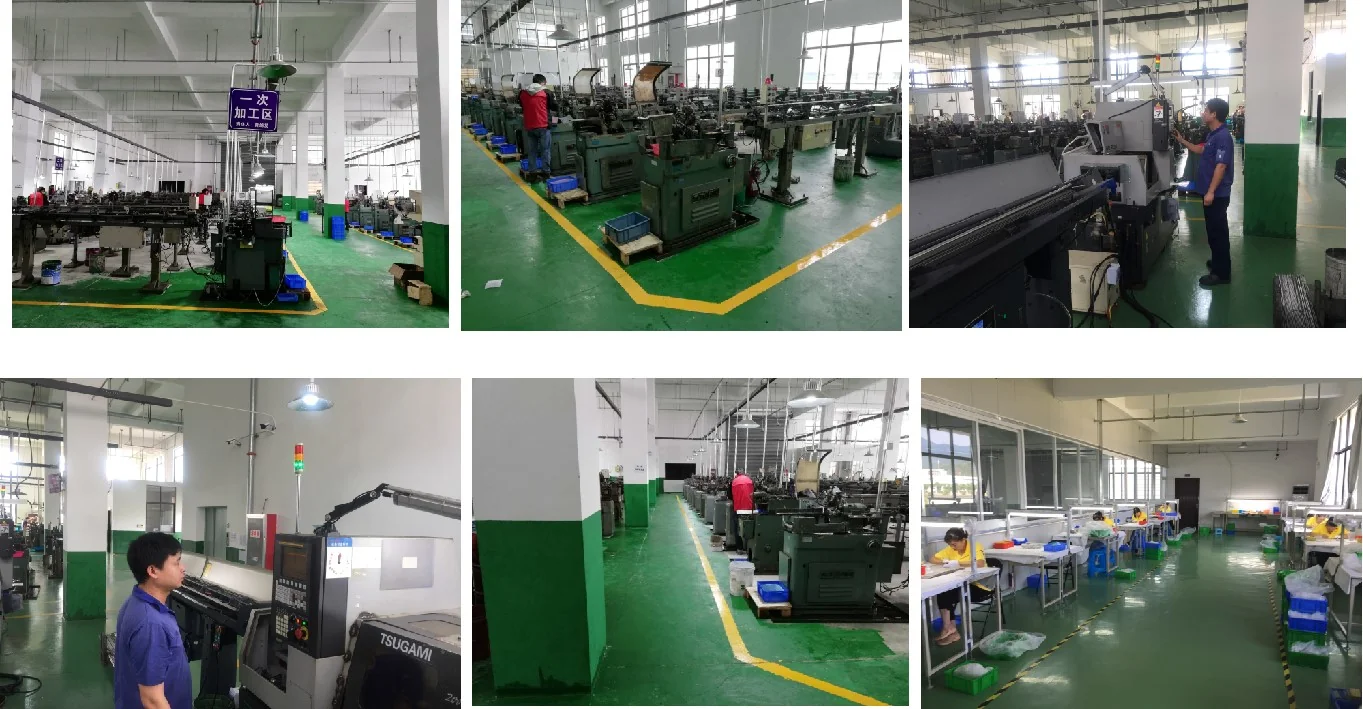
At Suzhou Baoshida Trading Co., Ltd., our engineering capability forms the backbone of our industrial rubber solutions, particularly in the development and production of high-performance Teflon sheet rolls. With a dedicated team comprising five experienced mould engineers and two specialized rubber formula engineers, we integrate material science with precision manufacturing to deliver custom-engineered products that meet exacting OEM specifications.

Our formula engineers focus on polymer chemistry and material performance optimization, ensuring that each Teflon (PTFE) sheet roll exhibits superior thermal stability, chemical resistance, low friction, and mechanical integrity across diverse operating environments. By tailoring compound formulations—adjusting fillers such as glass fiber, graphite, or bronze—we enhance specific properties to suit applications in semiconductor manufacturing, food processing, chemical sealing, and high-temperature insulation.

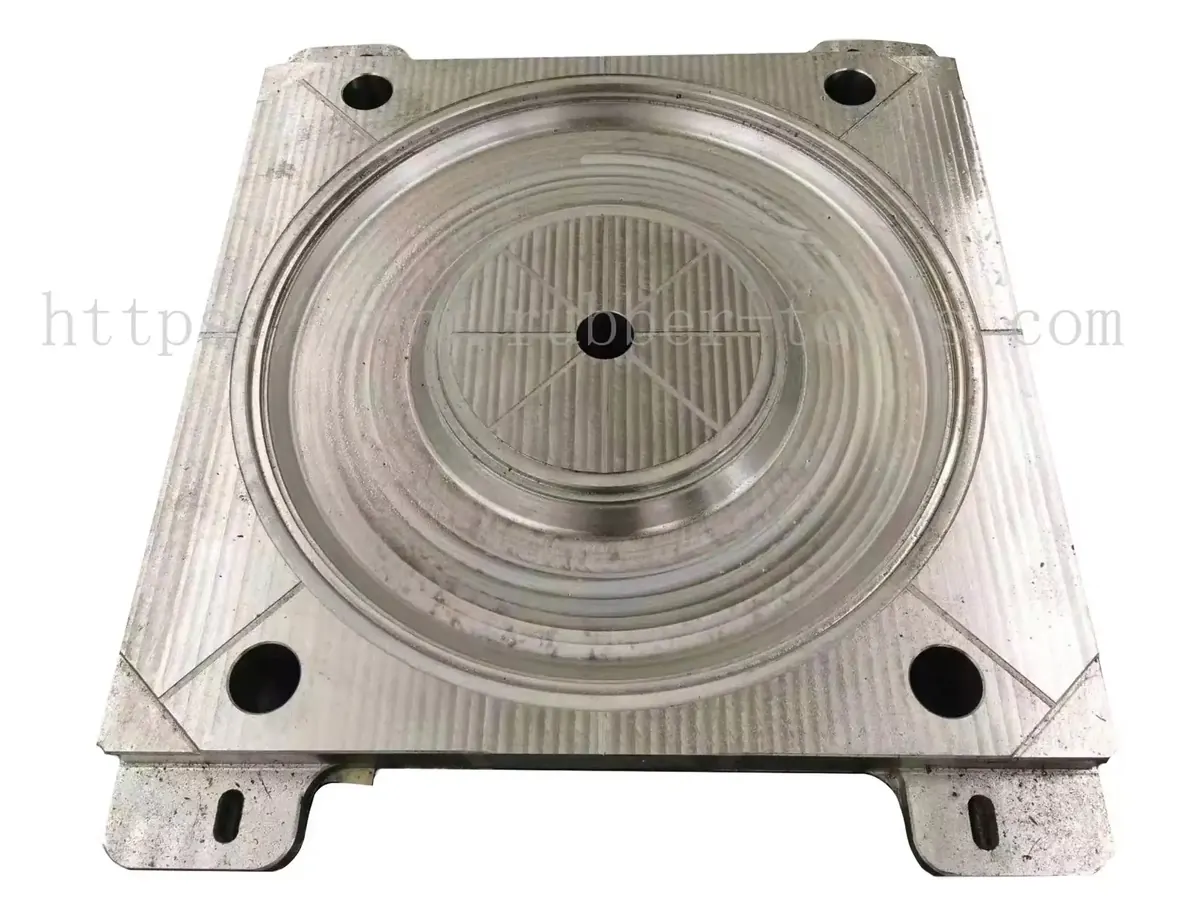
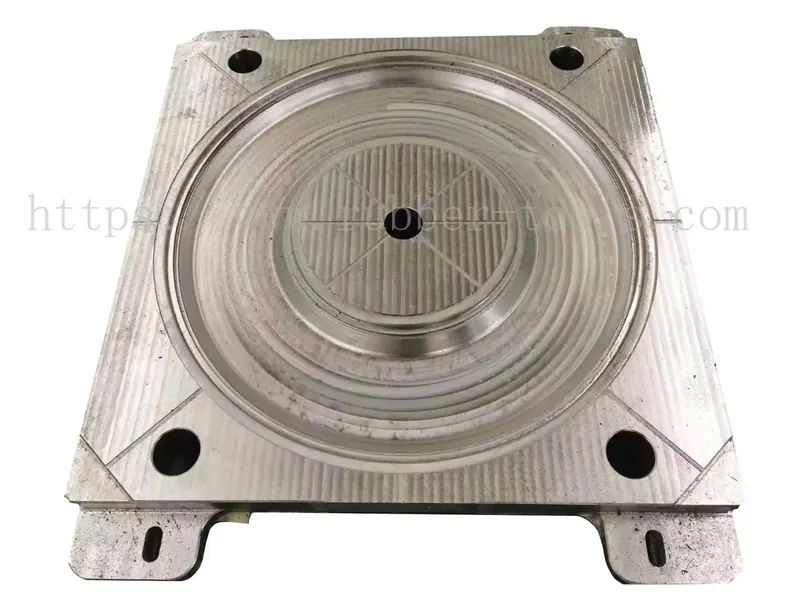
The synergy between our formula development and mould engineering teams enables seamless transition from concept to production. Our five mould engineers specialize in precision tooling design for continuous extrusion and calendaring processes, critical for maintaining uniform thickness, surface finish, and dimensional accuracy in Teflon sheet rolls. Utilizing advanced CAD/CAM software and CNC machining, we produce tooling systems that ensure batch-to-batch consistency and tight tolerances down to ±0.05 mm.

As an OEM manufacturing partner, Suzhou Baoshida offers end-to-end development support, from material selection and prototype testing to full-scale roll-to-roll production. We maintain strict process controls under ISO 9001 standards, enabling compliance with international quality requirements. Our facility supports custom widths up to 1,500 mm and thicknesses ranging from 0.08 mm to 3.0 mm, with options for non-stick coatings, anti-static treatments, and reinforced laminates.

We conduct rigorous in-house testing—including tensile strength, elongation at break, dielectric strength, and thermal cycling—to validate performance under real-world conditions. This data-driven approach ensures that every Teflon sheet roll meets or exceeds customer expectations for durability and functional reliability.

Our engineering team collaborates directly with clients to analyze application demands, recommend optimal material configurations, and implement design improvements that reduce total cost of ownership. Whether scaling an existing product or co-developing a novel solution, we provide technical agility and manufacturing precision that position us as a trusted OEM partner in the global industrial supply chain.

Property Standard PTFE Sheet Filled PTFE (e.g., 25% Glass) Test Method
Tensile Strength ≥25 MPa ≥35 MPa ASTM D1708
Elongation at Break ≥300% ≥150% ASTM D1708
Operating Temperature -200°C to +260°C -200°C to +300°C ASTM D618
Dielectric Strength ≥60 kV/mm ≥50 kV/mm ASTM D149
Coefficient of Friction ≤0.15 ≤0.12 ASTM D3702
Thickness Tolerance ±0.05 mm to ±0.1 mm ±0.05 mm to ±0.1 mm ISO 9001 QC Protocol

This technical foundation, combined with scalable production capacity and responsive engineering support, enables Suzhou Baoshida to deliver Teflon sheet rolls that consistently perform in the most demanding industrial environments.


Customization Process

teflon sheet roll manufacturing

Customization Process for PTFE Sheet Rolls

At Suzhou Baoshida Trading Co., Ltd., our PTFE sheet roll customization adheres to rigorous industrial standards, ensuring optimal performance for demanding applications. While categorized under Industrial Rubber Solutions, PTFE (polytetrafluoroethylene) is a distinct fluoropolymer requiring specialized handling. Our four-phase process guarantees precision from concept to volume production, eliminating material inconsistencies and functional failures.

Drawing Analysis
We initiate with comprehensive technical drawing review, validating dimensional tolerances, surface finish requirements, and application-specific constraints. Critical parameters such as thickness uniformity, edge integrity, and roll diameter are cross-referenced against ASTM D1457 and ISO 3302-1 standards. Our engineering team identifies potential manufacturability risks, including warpage susceptibility in thin-gauge rolls (<0.1 mm) or thermal expansion mismatches in multi-layer assemblies. Client-supplied CAD files undergo GD&T verification to prevent downstream assembly issues.

Formulation
Material formulation is tailored to operational demands. Virgin PTFE resin is compounded with fillers like glass fiber (15–25% wt.) for enhanced creep resistance or graphite for thermal conductivity, avoiding elastomeric additives incompatible with PTFE’s sintering process. We optimize particle size distribution (500–600 μm) and lubricant content (20–30 phr) to balance green strength and final porosity. Spectroscopic validation (FTIR, DSC) confirms resin purity, while melt viscosity testing ensures consistent flow during paste extrusion.

Prototyping
Prototypes undergo iterative validation under simulated service conditions. Rolls are sintered in controlled ovens (360–380°C) with precise cooling ramp rates to minimize internal stresses. We conduct in-house testing for tensile strength (ASTM D4894), dielectric strength (IEC 60243), and chemical resistance per client-specified media. Dimensional stability is verified via CMM scanning, with rejection thresholds set at ±0.02 mm for critical tolerances. Client feedback triggers formulation or process refinements before tooling sign-off.

Mass Production
Full-scale production leverages automated calendaring and sintering lines with real-time thermal monitoring. Each roll batch is traceable to raw material lot numbers, with continuous thickness gauging (±0.01 mm accuracy) via laser sensors. Final inspection includes 100% visual screening for voids or inclusions and statistical sampling for mechanical properties. All documentation aligns with ISO 9001 traceability requirements, ensuring seamless audit readiness for aerospace or semiconductor clients.

Critical Dimensional & Performance Parameters

Parameter Standard Range Tolerance Test Method
Thickness 0.05–3.0 mm ±0.02 mm ASTM D374
Tensile Strength ≥15 MPa ±1.5 MPa ASTM D4894
Operating Temperature -200°C to +260°C N/A ISO 2162
Dielectric Strength ≥60 kV/mm ±5 kV/mm IEC 60243
Surface Roughness (Ra) 0.2–1.6 μm ±0.1 μm ISO 4287

This structured approach minimizes time-to-market while guaranteeing PTFE rolls meet exacting industrial specifications. Suzhou Baoshida’s integration of material science and precision manufacturing delivers solutions where thermal stability, chemical inertness, and dimensional reliability are non-negotiable.


Contact Engineering Team

teflon sheet roll manufacturing

Contact Suzhou Baoshida for Premium Teflon Sheet Roll Solutions

At Suzhou Baoshida Trading Co., Ltd., we specialize in delivering high-performance industrial rubber and polymer solutions tailored to the rigorous demands of modern manufacturing. As a trusted partner in the field of advanced material supply, we provide precision-engineered PTFE (Polytetrafluoroethylene) sheet rolls designed for exceptional thermal stability, chemical resistance, and low friction properties. Our teflon sheet rolls are manufactured to meet international quality standards, ensuring consistent performance across critical applications in aerospace, automotive, electronics, food processing, and chemical engineering sectors.

When sourcing teflon sheet rolls for industrial use, technical specifications, material purity, and dimensional accuracy are paramount. We understand that each client’s requirements are unique—whether you need custom thicknesses, specific roll widths, or enhanced mechanical properties such as anti-static or reinforced composite structures. Our engineering team works closely with clients to deliver tailored solutions that align precisely with operational demands. From standard grades to modified PTFE formulations, Suzhou Baoshida ensures every product meets the highest benchmarks for reliability and performance.

To support our clients effectively, we maintain a comprehensive inventory and agile production capabilities that allow for both small-batch prototyping and large-scale industrial supply. Our logistics network ensures timely delivery across global markets, backed by rigorous quality control protocols including material certification and batch traceability.

Below are the standard technical specifications for our most commonly supplied teflon sheet rolls:

Property Specification
Material Virgin PTFE (PTFE Type IV)
Density 2.15–2.20 g/cm³
Tensile Strength ≥25 MPa
Elongation at Break ≥300%
Operating Temperature Range -200°C to +260°C
Dielectric Strength ≥15 kV/mm
Thickness Range 0.08 mm – 3.0 mm
Standard Roll Width 1.0 m, 1.2 m, 1.5 m
Customization Available (thickness, width, fillers)
Color Natural (white), black (carbon-filled), or custom

For technical inquiries, custom formulation requests, or volume pricing discussions, we invite you to contact Mr. Boyce, our dedicated OEM and Engineering Manager. With extensive experience in polymer applications and industrial supply chain coordination, Mr. Boyce provides expert guidance on material selection, performance optimization, and integration support.

Reach out via email at [email protected] to initiate a technical consultation or request a detailed product datasheet. We respond to all inquiries within 24 business hours and offer sample shipments for qualification purposes. At Suzhou Baoshida Trading Co., Ltd., we are committed to advancing industrial performance through precision materials—partner with us to ensure your next project meets the highest standards in durability, efficiency, and innovation.


⚖️ O-Ring Weight Calculator

Estimate rubber O-ring weight (Approx).


Teflon Sheet Roll Manufacturer | Engineering Guide

Contents of Table

Contact [email protected] Whatsapp 86 15951276160