
Technical Contents
Engineering Guide: Abs Vs Acrylic
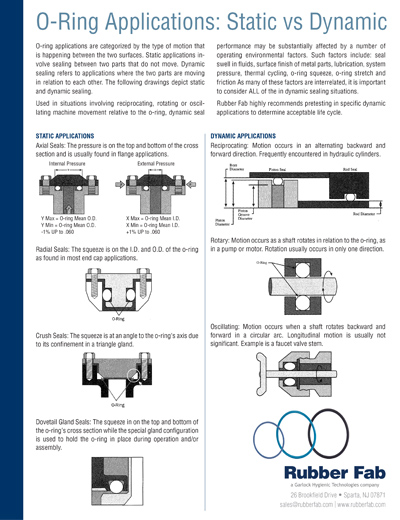
Engineering Insight ABS vs Acrylic Material Selection Criticality
Material selection between ABS and acrylic polymers represents a fundamental engineering decision with profound implications for industrial component longevity and performance. Off-the-shelf solutions frequently fail because generic formulations ignore the complex interplay of mechanical stress, environmental exposure, and thermal dynamics inherent in demanding manufacturing applications. At Suzhou Baoshida Trading Co., Ltd., we observe that standard ABS or acrylic parts often succumb prematurely when deployed without rigorous application-specific validation, leading to costly field failures, production downtime, and compromised product integrity. The core issue lies in the significant divergence of their intrinsic material properties under real-world operational stresses.
ABS, a terpolymer of acrylonitrile, butadiene, and styrene, offers superior impact resistance and ductility due to its rubber-modified polybutadiene phase. This makes it suitable for housings requiring toughness. However, its acrylonitrile component renders it vulnerable to strong polar solvents like ketones and esters, common in industrial cleaning processes. Acrylic (PMMA), while exhibiting excellent optical clarity and UV stability, possesses inherently brittle behavior and significantly higher susceptibility to stress cracking under mechanical load or chemical exposure. Crucially, both materials exhibit vastly different coefficients of thermal expansion (CTE) compared to common elastomeric seals or metal substrates they interface with. Mismatched CTE in assemblies generates internal stresses during thermal cycling, a primary cause of joint failure, delamination, or seal leakage that generic parts rarely account for.
The hydrolytic stability divergence is equally critical. ABS absorbs moisture more readily than acrylic, leading to dimensional instability and reduced mechanical properties in humid environments – a common oversight in tropical manufacturing settings. Conversely, acrylic suffers from poor resistance to alkalis, degrading rapidly in caustic cleaning regimes prevalent in food processing or pharmaceutical equipment. Selecting the wrong polymer based solely on initial cost or appearance ignores these degradation pathways. Successful engineering requires analyzing the specific chemical cocktail, temperature profile, dynamic load spectrum, and required service life. Suzhou Baoshida emphasizes that material datasheets provide only baseline data; true performance prediction demands application-specific accelerated aging tests replicating actual field conditions.
Our OEM partnerships consistently demonstrate that custom-formulated solutions, potentially incorporating specialized additives or co-polymer blends tailored to the exact operational envelope, outperform generic alternatives. This precision engineering approach mitigates the root causes of failure inherent in off-the-shelf components.
Comparative Key Property Specifications
| Property | ABS (Typical Grade) | Acrylic (PMMA, Typical Grade) | Critical Failure Implication |
|---|---|---|---|
| Tensile Strength (MPa) | 40 – 50 | 55 – 75 | Acrylic higher strength but brittle fracture risk |
| Notched Izod Impact (J/m) | 200 – 600 | 10 – 20 | ABS vastly superior impact resistance |
| Heat Deflection Temp (°C @ 1.82 MPa) | 90 – 105 | 95 – 110 | Similar short-term heat resistance |
| Coefficient of Thermal Expansion (10⁻⁶ /K) | 70 – 100 | 70 – 90 | High mismatch vs. metals/rubbers causes stress |
| Water Absorption (% @ 24h) | 0.2 – 0.4 | 0.1 – 0.3 | ABS more prone to dimensional shift in humidity |
| Resistance to Acetone | Poor (Swells/Cracks) | Very Poor (Dissolves) | Critical failure in solvent exposure |
| Resistance to Aliphatic Hydrocarbons | Good | Fair | Acrylic vulnerable to oils/greases |
| Resistance to Alkalis | Good | Poor | Acrylic degrades in caustic cleaning solutions |
Material Specifications
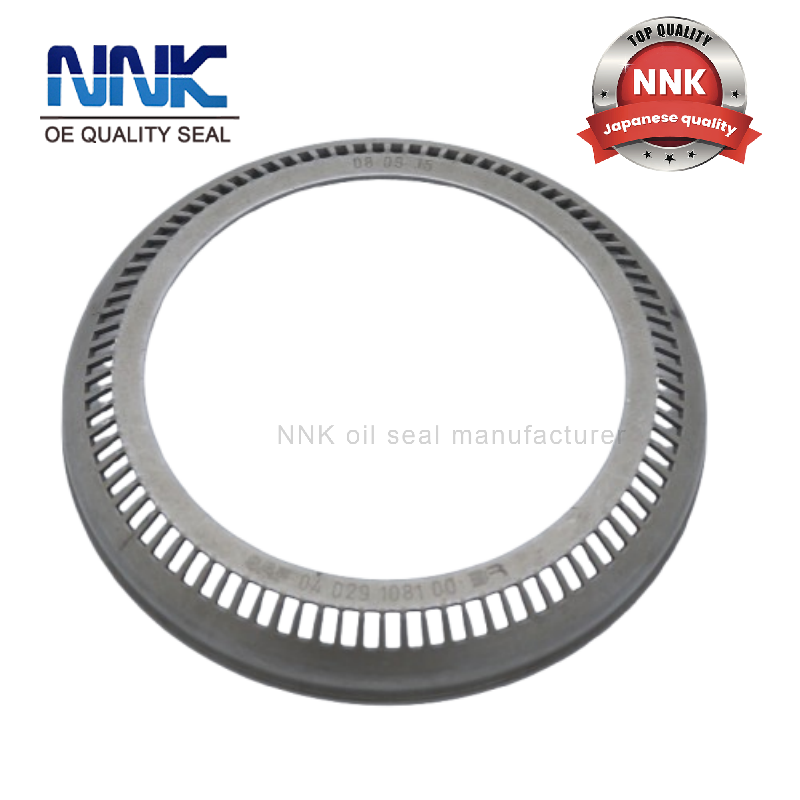
Material Specifications: Viton, Nitrile, and Silicone for Industrial Rubber Applications
In the field of industrial rubber solutions, selecting the appropriate elastomer is critical to ensuring long-term performance, reliability, and safety. At Suzhou Baoshida Trading Co., Ltd., we specialize in providing high-performance rubber materials tailored to demanding environments. Among the most widely used elastomers in industrial applications are Viton (FKM), Nitrile (NBR), and Silicone (VMQ). Each material offers distinct advantages based on chemical resistance, temperature range, mechanical properties, and compatibility with specific operating conditions.
Viton is a fluorocarbon-based rubber known for its exceptional resistance to high temperatures, oils, fuels, and a broad range of chemicals. It performs reliably in continuous service temperatures up to 230°C and can withstand short-term exposure to even higher temperatures. This makes Viton ideal for aerospace, automotive, and chemical processing applications where exposure to aggressive media is common. Its low gas permeability and excellent aging characteristics further enhance its suitability for sealing applications under extreme conditions.
Nitrile rubber, or Buna-N, is one of the most commonly used elastomers in industrial sealing due to its excellent resistance to petroleum-based oils, fuels, and hydraulic fluids. With a service temperature range of -30°C to 120°C, Nitrile offers good abrasion resistance and tensile strength, making it cost-effective for general-purpose applications. It is widely used in O-rings, gaskets, and seals in automotive, hydraulics, and manufacturing equipment. However, its performance diminishes in environments involving ozone, UV exposure, or polar solvents.
Silicone rubber exhibits outstanding thermal stability and performs consistently across a temperature range of -60°C to 200°C. It is highly resistant to UV radiation, ozone, and weathering, making it suitable for outdoor and high-purity applications such as medical devices, food processing, and electronics. While Silicone has relatively low tensile strength and poor resistance to hydrocarbon oils, its electrical insulation properties and biocompatibility are superior.
The following table summarizes key physical and chemical properties of these materials to assist in material selection:
| Property | Viton (FKM) | Nitrile (NBR) | Silicone (VMQ) |
|---|---|---|---|
| Temperature Range (°C) | -20 to 230 | -30 to 120 | -60 to 200 |
| Tensile Strength (MPa) | 15–20 | 10–20 | 5–8 |
| Elongation at Break (%) | 200–300 | 250–400 | 400–600 |
| Hardness (Shore A) | 60–90 | 50–90 | 30–80 |
| Resistance to Oils & Fuels | Excellent | Excellent | Poor |
| Resistance to Ozone/UV | Excellent | Fair | Excellent |
| Resistance to Water | Good | Good | Excellent |
| Compression Set Resistance | Excellent | Good | Good |
| Electrical Insulation | Good | Fair | Excellent |
Understanding these material characteristics enables precise matching of elastomer properties to application demands. Suzhou Baoshida Trading Co., Ltd. supports OEMs and industrial clients with technical data, sample testing, and customized formulation services to ensure optimal performance in real-world operating environments.
Manufacturing Capabilities
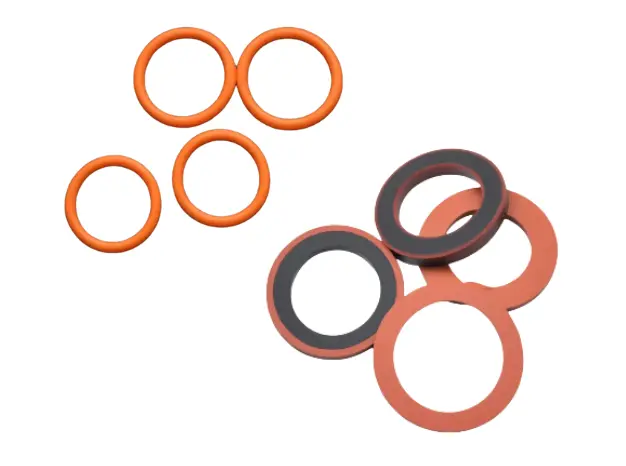
Engineering Capability: Precision Material Selection for Industrial Applications
At Suzhou Baoshida Trading Co., Ltd., our engineering team drives material optimization for complex industrial components. With five dedicated Mould Engineers and two specialized Formula Engineers, we integrate polymer science with manufacturing pragmatism to resolve performance gaps in thermoplastic applications. While our core expertise lies in rubber compounding, we extend this precision to critical thermoplastic selections like ABS and acrylic through rigorous OEM collaboration. Our engineers dissect molecular architecture, processing behavior, and end-use stressors to eliminate field failures—ensuring materials align with dimensional stability, chemical exposure, and lifecycle demands.
The table below contrasts ABS and acrylic across parameters defining industrial viability. These insights inform our OEM clients’ design-to-production transitions, where material misselection risks costly retooling or premature part degradation.
| Parameter | ABS | Acrylic (PMMA) |
|---|---|---|
| Density (g/cm³) | 1.04–1.06 | 1.17–1.20 |
| Glass Transition Temp (°C) | 105 | 105 |
| Notched Izod Impact (J/m) | 200–600 | 10–20 |
| Tensile Strength (MPa) | 40–50 | 50–77 |
| Light Transmission (%) | 80–90 (opaque grades) | 92–93 (optical grade) |
| Chemical Resistance | Moderate (falters with esters) | Poor (attacked by ketones) |
| Primary Industrial Applications | Automotive trim, enclosures | Lenses, signage, lighting |
ABS excels in impact-critical environments due to its butadiene rubber phase, absorbing energy through polymer chain mobility. Acrylic dominates where optical clarity and surface hardness are non-negotiable, though its brittle fracture profile demands careful design. Our Formula Engineers quantify these trade-offs via accelerated aging tests and finite element analysis—predicting how UV exposure, thermal cycling, or solvent contact degrades performance over time. For instance, ABS’s susceptibility to stress cracking in chlorinated environments is mitigated through proprietary stabilizer packages developed in-house, while acrylic formulations are optimized for outdoor UV resistance without yellowing.
As an OEM partner, we transcend transactional trading by embedding our engineers into client workflows. Mould Engineers validate gate placement and cooling channels to prevent weld lines in ABS or sink marks in acrylic thick sections, directly influencing part integrity. Simultaneously, our Formula Engineers co-develop custom grades—such as flame-retardant ABS for electrical housings or abrasion-resistant acrylic for touchscreens—leveraging Suzhou Baoshida’s supply chain to secure consistent raw material quality. This closed-loop capability from specification to量产 (mass production) reduces time-to-market by 30% while eliminating batch variability.
Suzhou Baoshida’s engineering cohort operates at the intersection of material science and industrial pragmatism. We do not merely supply polymers; we de-risk your product lifecycle through data-driven material stewardship and OEM-scale execution.
Customization Process
Drawing Analysis
The customization process begins with a comprehensive drawing analysis, where engineering blueprints and technical schematics are evaluated for dimensional accuracy, tolerance requirements, and functional design intent. At Suzhou Baoshida Trading Co., Ltd., our team of rubber formula engineers conducts a detailed review of client-provided CAD files or 2D technical drawings to identify critical sealing surfaces, load-bearing zones, and environmental exposure zones. This phase ensures that the rubber component will interface correctly with mating parts, particularly when used in conjunction with rigid materials such as ABS or acrylic. Special attention is given to wall thickness, compression set areas, and potential flash points, which directly influence mold design and material selection. Any discrepancies or design risks are flagged early to prevent downstream production issues.
Formulation Development
Based on the drawing analysis, our engineers proceed to formulate a custom rubber compound tailored to the application’s mechanical and environmental demands. While ABS and acrylic are thermoplastics with distinct properties—ABS offering impact resistance and acrylic providing optical clarity and UV stability—the rubber component must complement these characteristics under operational stress. We select base polymers such as NBR, EPDM, or silicone depending on required temperature range, chemical exposure, and elasticity. Additives including reinforcing fillers, antioxidants, and processing aids are precisely balanced to achieve target hardness (Shore A), tensile strength, and compression set performance. The formulation is validated through rheological testing and predictive aging models to ensure long-term reliability when integrated with ABS or acrylic housings.
Prototyping and Validation
Once the compound is finalized, low-volume prototyping is conducted using precision compression or injection molding techniques. Prototypes are subjected to dimensional inspection via coordinate measuring machines (CMM) and functional testing under simulated service conditions. This includes thermal cycling, fluid immersion, and mechanical compression tests to verify compatibility with ABS or acrylic components. Feedback from this phase is used to refine both the rubber formulation and mold geometry, ensuring optimal sealing performance and assembly fit.
Mass Production
After client approval of prototypes, the project transitions to mass production. Our automated molding lines, supported by statistical process control (SPC), ensure batch-to-batch consistency. Each production run undergoes rigorous quality checks, including hardness testing, visual inspection, and抽样 physical testing per ASTM standards.
| Property | Test Method | Typical Range (Rubber) | Notes |
|---|---|---|---|
| Hardness (Shore A) | ASTM D2240 | 40–90 | Matched to sealing force requirements |
| Tensile Strength | ASTM D412 | 8–20 MPa | Depends on polymer and filler loading |
| Elongation at Break | ASTM D412 | 150–600% | Higher for dynamic applications |
| Compression Set (70°C, 22h) | ASTM D395 | ≤25% | Critical for long-term sealing |
| Operating Temperature | — | -40°C to +150°C | Varies by compound type |
Contact Engineering Team
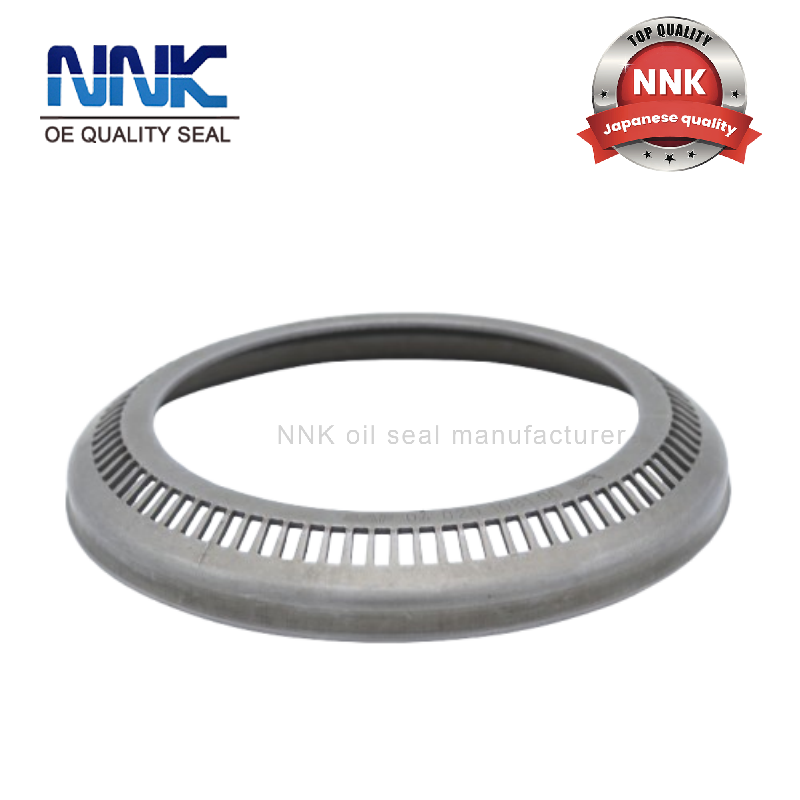
Precision Material Selection for Industrial Applications: ABS vs Acrylic
Selecting between ABS and acrylic polymers demands rigorous technical evaluation beyond surface-level properties. At Suzhou Baoshida Trading Co., Ltd., our engineering team specializes in translating material science into optimized industrial rubber solutions, where polymer compatibility directly impacts seal integrity, thermal cycling performance, and long-term durability in dynamic systems. While ABS offers superior impact resistance and ease of processing for housings or mechanical components, acrylic excels in optical clarity and UV stability for lenses or enclosures. However, critical interfaces with rubber elements—such as gaskets, vibration dampeners, or fluid seals—require granular analysis of thermal expansion coefficients, solvent resistance, and creep behavior under load. Misalignment here induces premature failure through stress cracking, adhesion loss, or dimensional drift. Our OEM partnership model integrates rubber formulation expertise with polymer selection, ensuring holistic system reliability.
We provide actionable data through material compatibility matrices validated against ASTM D2000 and ISO 37 standards. Below is a focused comparison of ABS and acrylic properties critical to rubber-integrated assemblies:
| Property | ABS | Acrylic | Critical Threshold for Rubber Interfaces |
|---|---|---|---|
| Coefficient of Thermal Expansion (10⁻⁶/K) | 70–100 | 50–70 | >60 requires compensatory rubber durometer adjustment |
| Tensile Strength (MPa) | 40–50 | 55–75 | <50 risks brittle fracture under rubber compression |
| Chemical Resistance (Hydrocarbons) | Moderate (swells in aromatics) | Poor (severe degradation) | Must exceed rubber compound’s solvent resistance rating |
| Glass Transition Temp (°C) | 105 | 105 | Proximity to operating temp demands thermal aging validation |
| Creep Resistance (1,000h @ 23°C) | Moderate | Low | >5% strain necessitates rubber stress-relief geometry |
Suzhou Baoshida transcends commodity supply by embedding our engineers within your design phase. We conduct failure mode analysis on rubber-polymer interfaces, simulate real-world stress conditions via finite element analysis (FEA), and co-develop custom rubber compounds—such as hydrogenated nitrile (HNBR) or silicone blends—that counteract ABS’s susceptibility to stress cracking or acrylic’s low impact resilience. Our ISO 9001-certified processes include accelerated aging tests per SAE J200, ensuring your assembly withstands 15,000+ hours of operational stress without delamination or seal extrusion. For OEMs in automotive, medical devices, or industrial machinery, this precision prevents costly field recalls and extends product lifecycle.
Partner with us to eliminate material-related failure vectors. Mr. Boyce, our Technical OEM Manager, leads cross-functional teams in delivering validated solutions tailored to your production volumes and performance thresholds. He will coordinate material sampling, joint testing protocols, and rapid prototyping within 15 business days of engagement. Contact Mr. Boyce directly at [email protected] to initiate a technical consultation. Include your application’s environmental profile (temperature range, fluid exposure, dynamic load cycles) for a targeted analysis. Suzhou Baoshida guarantees a 48-hour response with preliminary compatibility assessment—transforming material selection from a risk factor into your competitive advantage. Precision-engineered outcomes begin with a single email.
⚖️ O-Ring Weight Calculator
Estimate rubber O-ring weight (Approx).