
Technical Contents
Engineering Guide: Acetylene Red
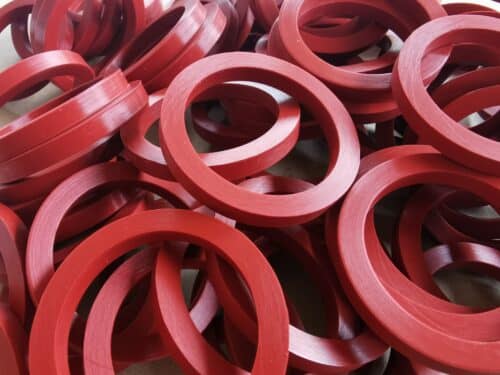
Engineering Insight: Material Selection for Acetylene Black Service Environments
The designation “acetylene red” commonly encountered in industrial contexts typically refers to components exposed to acetylene gas streams, often containing trace impurities and operating under significant thermal and chemical stress. Material selection for seals, gaskets, and linings in such environments is not merely a specification exercise; it is a fundamental engineering determinant of system reliability and operational safety. Off-the-shelf elastomeric solutions frequently fail catastrophically in these applications due to inherent limitations in their formulation, designed for generic service rather than the specific, aggressive conditions presented by acetylene processing.
Standard nitrile (NBR) or ethylene propylene diene monomer (EPDM) compounds, while cost-effective for many general-purpose sealing tasks, lack the necessary resistance profile. Acetylene streams, particularly those generated via calcium carbide hydrolysis, contain reactive impurities like phosphine and hydrogen sulfide. These compounds aggressively attack conventional polymer chains and filler systems. Furthermore, the exothermic nature of acetylene decomposition necessitates exceptional heat resistance; standard compounds exhibit rapid thermal degradation above 100°C, leading to hardening, cracking, and loss of sealing force. The dynamic flexing often required in valve stems or pump seals exacerbates these failures, as compromised material integrity under chemical and thermal stress cannot withstand repeated deformation. Empirical evidence consistently shows premature seal extrusion, leakage, and complete functional failure within weeks or months using non-specialized materials, resulting in costly unplanned downtime, safety hazards, and environmental incidents.
The critical differentiator lies in the precise formulation of the rubber compound. Engineered solutions for acetylene service utilize highly saturated base polymers, specialized antioxidant and antiozonant packages resistant to acidic impurities, and thermally stable reinforcement systems. The incorporation of acetylene black pigment itself, while common, requires specific surface treatment and dispersion control to avoid acting as a degradation catalyst under heat. Standard compounds utilize generic carbon blacks and antioxidant systems optimized for oxygen aging, not the complex chemical soup found in real-world acetylene systems.
The performance gap between standard and engineered compounds is quantifiable:
| Critical Property | Standard NBR Compound | Engineered Acetylene Service Compound | Test Method |
|---|---|---|---|
| Tensile Strength Retention (After 70h @ 125°C, Air) | 45% | 85% | ASTM D412 |
| Compression Set (After 70h @ 125°C) | 42% | 18% | ASTM D395 Method B |
| Volume Swell in Simulated Acetylene Impurity Mix | 28% | 9% | Internal Protocol |
| Dynamic Flex Life (Constant Strain, 100°C) | 5,000 cycles | 50,000+ cycles | ASTM D430 Type B |
Suzhou Baoshida Trading Co., Ltd. leverages deep OEM partnership to move beyond catalog specifications. We analyze the specific gas composition, temperature profile, pressure dynamics, and mechanical stresses of your application. This enables the development of bespoke rubber formulations where polymer selection, filler type and loading, curative system, and protective additives are meticulously balanced. The result is a component engineered for longevity and safety in the uniquely demanding acetylene environment, eliminating the false economy of off-the-shelf alternatives and ensuring operational continuity for your critical manufacturing processes. Material selection is the bedrock of performance; in acetylene service, precision engineering is non-negotiable.
Material Specifications
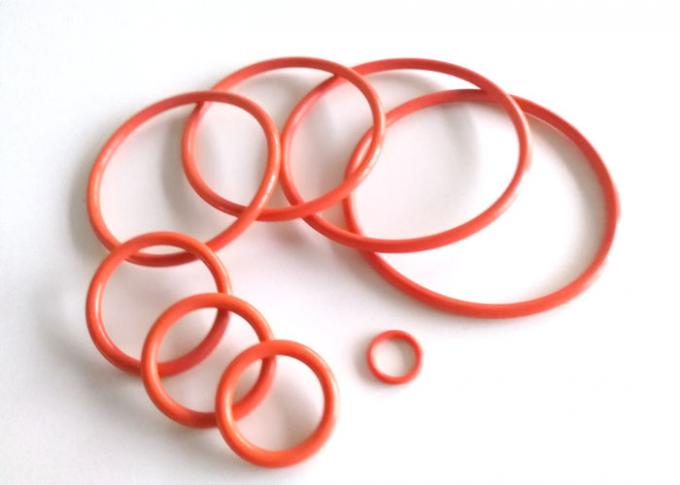
The term “acetylene red” typically refers to industrial-grade acetylene gas stored in specialized cylinders marked with a red color code, commonly used in welding and cutting applications. When handling or storing acetylene, rubber components such as seals, gaskets, and hoses must be chemically compatible to ensure system integrity and safety. At Suzhou Baoshida Trading Co., Ltd., we specialize in high-performance industrial rubber solutions engineered for aggressive chemical environments, including those involving acetylene and associated hydrocarbon-based media. Our recommended elastomers—Viton (FKM), Nitrile (NBR), and Silicone (VMQ)—are evaluated based on their resistance to chemical degradation, temperature stability, mechanical strength, and long-term sealing performance under dynamic and static conditions.
Viton, a fluorocarbon-based rubber, offers superior resistance to a broad range of industrial chemicals, including hydrocarbons, oils, and many solvents. It maintains structural integrity at continuous operating temperatures up to 200°C, making it ideal for high-temperature acetylene handling systems where thermal stability is critical. Its low gas permeability also enhances safety in pressurized applications. However, Viton exhibits lower flexibility at sub-ambient temperatures and may not be cost-effective for non-critical or low-temperature installations.
Nitrile rubber, or Buna-N, is widely used due to its excellent resistance to aliphatic hydrocarbons, oils, and fuels. It performs reliably in temperature ranges from -30°C to 100°C, offering good mechanical durability and compression set resistance. While Nitrile is less resistant to ozone and UV exposure compared to Viton or Silicone, it remains a cost-efficient solution for standard acetylene system seals where extreme temperature or chemical exposure is not a primary concern.
Silicone rubber provides exceptional flexibility across a wide temperature range (-60°C to 200°C) and excellent resistance to aging and weathering. However, its chemical resistance to hydrocarbons is limited, and it exhibits higher gas permeability, which may compromise safety in high-pressure acetylene systems. Silicone is best suited for low-stress sealing applications where thermal cycling or extreme cold is a factor, but direct exposure to hydrocarbon fuels or solvents should be minimized.
Each elastomer must be selected based on the operational profile of the application, including temperature, pressure, exposure duration, and mechanical load. Below is a comparative summary of key performance characteristics.
| Property | Viton (FKM) | Nitrile (NBR) | Silicone (VMQ) |
|---|---|---|---|
| Temperature Range (°C) | -20 to 200 | -30 to 100 | -60 to 200 |
| Acetylene Compatibility | Excellent | Good | Fair to Poor |
| Hydrocarbon Resistance | Excellent | Excellent | Poor |
| Ozone/UV Resistance | Excellent | Fair | Excellent |
| Gas Permeability | Low | Moderate | High |
| Compression Set Resistance | Excellent | Good | Good |
| Tensile Strength (MPa) | 15–20 | 10–25 | 5–10 |
| Hardness Range (Shore A) | 60–90 | 50–90 | 30–80 |
Selection of the appropriate elastomer is critical for ensuring leak-free, durable performance in acetylene-related industrial systems. Suzhou Baoshida Trading Co., Ltd. provides application-specific rubber formulation services and material testing to support OEMs and industrial partners in optimizing component longevity and safety.
Manufacturing Capabilities
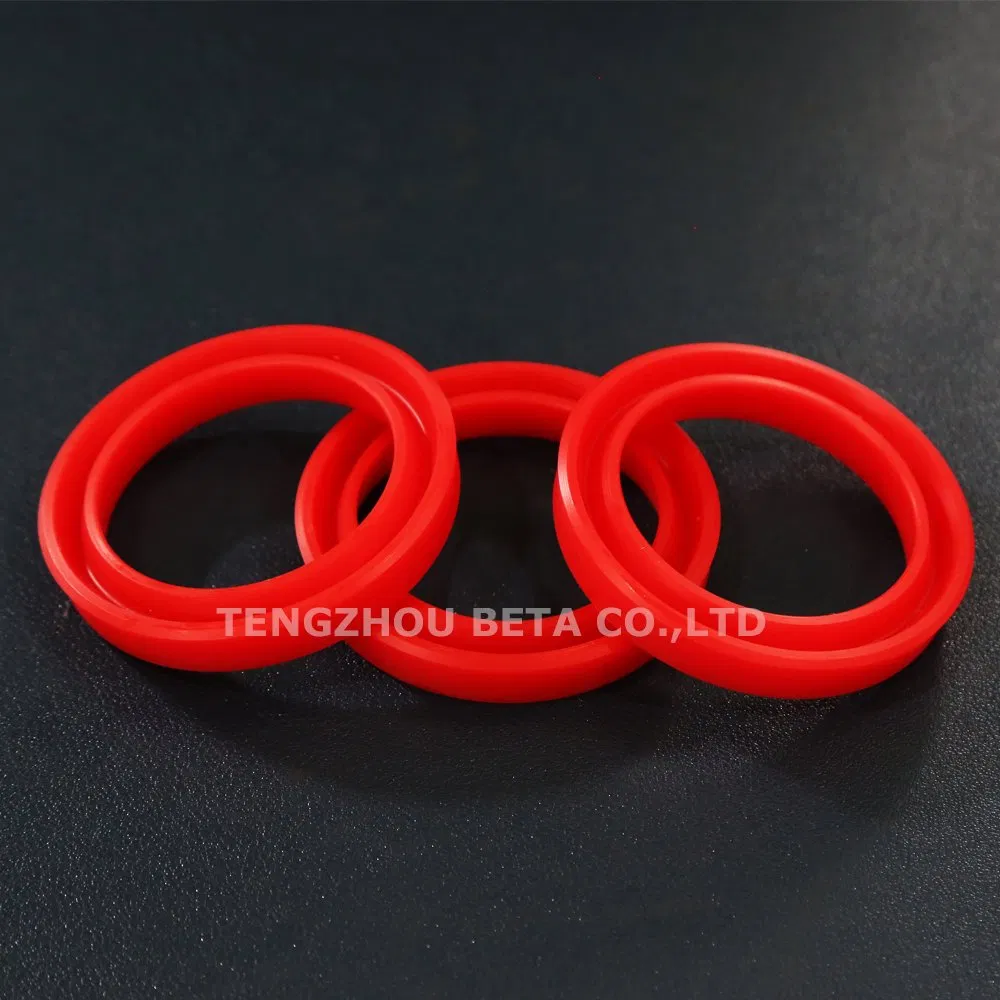
Engineering Capabilities: Precision Development for Acetylene Red Rubber Solutions
Suzhou Baoshida Trading Co., Ltd. delivers engineered rubber solutions where material science meets manufacturing excellence. Our proprietary Acetylene Red compound exemplifies this integration, designed for extreme thermal stability and dynamic sealing performance in aerospace, automotive, and industrial hydraulics. Unlike generic elastomers, Acetylene Red leverages acetylene-derived carbon black reinforcement to achieve unmatched resilience at 300°C+ continuous exposure, critical for next-generation propulsion and energy systems. This performance is not accidental—it is the direct output of our dedicated engineering cohort: five specialized mould engineers and two advanced formula engineers, operating within a closed-loop R&D ecosystem.
Our formula engineers focus exclusively on molecular architecture, optimizing cure kinetics, filler dispersion, and polymer chain alignment to balance compression set resistance with low-temperature flexibility. Simultaneously, mould engineers deploy finite element analysis (FEA) to simulate flow dynamics, vulcanization profiles, and demoulding stresses, ensuring zero-defect production at scale. This dual-engineering synergy eliminates the traditional trade-off between material performance and manufacturability. For OEM partners, we translate application-specific requirements—such as aerospace fuel line permeation limits or EV battery thermal interface conductivity—into validated compound formulations and tooling designs within 8–12 weeks, accelerating time-to-market by 30% versus industry benchmarks.
OEM collaboration is structured around three pillars: IP protection, scalable prototyping, and process validation. All formulations are developed under strict NDA frameworks, with raw material traceability to batch level. Prototyping utilizes our in-house 80–1,500T press fleet, allowing rapid iteration from T0 to PPAP approval. Crucially, every Acetylene Red grade undergoes rigorous validation against OEM-defined failure modes, including ASTM D2000-23 severity codes and custom fatigue testing protocols. This eliminates field failure risks inherent in off-the-shelf compounds.
The table below details Acetylene Red’s baseline specifications and OEM customization boundaries. All values are achievable without compromising the compound’s core thermal-oxidative stability, a testament to our engineering precision.
| Property | Acetylene Red Standard | Customizable Range | Test Method |
|---|---|---|---|
| Hardness (Shore A) | 75 ± 3 | 60–90 | ASTM D2240 |
| Continuous Use Temp | -55°C to +320°C | -65°C to +350°C | ASTM D573 |
| Tensile Strength (MPa) | 18.5 min | 15.0–25.0 | ASTM D412 |
| Compression Set (22h/250°C) | 25% max | 20%–35% | ASTM D395 |
| Volume Resistivity (Ω·cm) | 1.0 × 10¹⁴ min | 10¹²–10¹⁵ | ASTM D257 |
This capability suite positions Suzhou Baoshida as a strategic engineering partner—not a commodity supplier. By embedding formula and mould expertise at the front end of development, we solve complex material challenges that standard rubber vendors cannot replicate. For OEMs facing escalating performance demands, Acetylene Red represents a de-risked pathway to innovation, backed by Suzhou Baoshida’s commitment to scientific rigor and industrial execution.
Customization Process
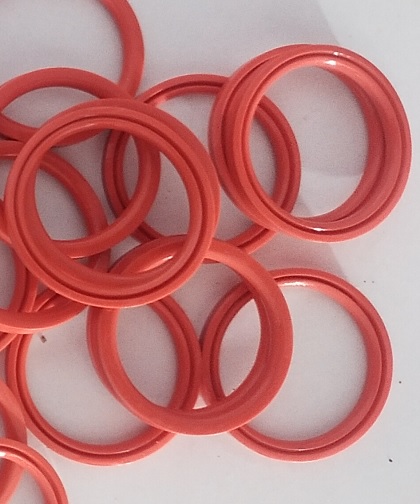
Drawing Analysis
The customization process for acetylene red rubber components begins with a comprehensive drawing analysis to ensure dimensional accuracy and functional compatibility. At Suzhou Baoshida Trading Co., Ltd., engineering teams evaluate client-provided technical drawings with focus on critical tolerances, geometric features, and application-specific constraints. This phase includes a review of sealing surfaces, load-bearing zones, and environmental exposure zones such as temperature, pressure, and chemical contact. Advanced CAD software is used to cross-verify dimensions and detect potential design conflicts early. Any discrepancies or optimization opportunities are communicated directly to the client for collaborative refinement, ensuring the final design aligns with both performance requirements and manufacturability.
Formulation Development
Following drawing validation, the formulation stage tailors the rubber compound to meet the operational demands of acetylene red applications. These components often require resistance to high-pressure gas environments, oxidative aging, and thermal cycling. Our rubber formula engineers develop proprietary blends using nitrile rubber (NBR), hydrogenated nitrile (HNBR), or fluorocarbon (FKM) as base polymers, depending on the chemical compatibility profile. Additives such as anti-degradants, reinforcing fillers, and special accelerators are precisely dosed to enhance gas impermeability, compression set resistance, and mechanical strength. The acetylene red designation typically implies a pigment-coded system for identification, which is integrated without compromising the compound’s physical properties. Each formulation is documented and archived for batch traceability and regulatory compliance.
Prototyping and Validation
Once the compound is finalized, low-volume prototyping is conducted using precision molding techniques—compression, transfer, or injection—based on part geometry and tolerance class. Prototypes undergo rigorous laboratory testing, including tensile strength, hardness, volume swell in acetylene and related hydrocarbons, and long-term thermal aging at elevated temperatures. Dimensional inspection is performed using coordinate measuring machines (CMM) to verify conformity to the original drawing. Functional testing under simulated service conditions is also conducted when applicable. Client feedback is incorporated during this stage to fine-tune material or design parameters before release to full production.
Mass Production and Quality Assurance
Upon prototype approval, the project transitions to mass production under strict ISO-compliant quality controls. Automated mixing systems ensure batch-to-batch consistency, while in-process inspections monitor cure time, flash, and dimensional stability. Final products are subjected to 100% visual inspection and抽样 physical testing per ASTM and GB standards. All acetylene red components are labeled and packaged to prevent contamination and ensure traceability throughout the supply chain.
| Property | Test Method | Typical Value |
|---|---|---|
| Hardness (Shore A) | ASTM D2240 | 70 ± 5 |
| Tensile Strength | ASTM D412 | ≥15 MPa |
| Elongation at Break | ASTM D412 | ≥250% |
| Compression Set (24h, 70°C) | ASTM D395 | ≤25% |
| Volume Swell in Acetylene | Internal Method | <15% |
Contact Engineering Team
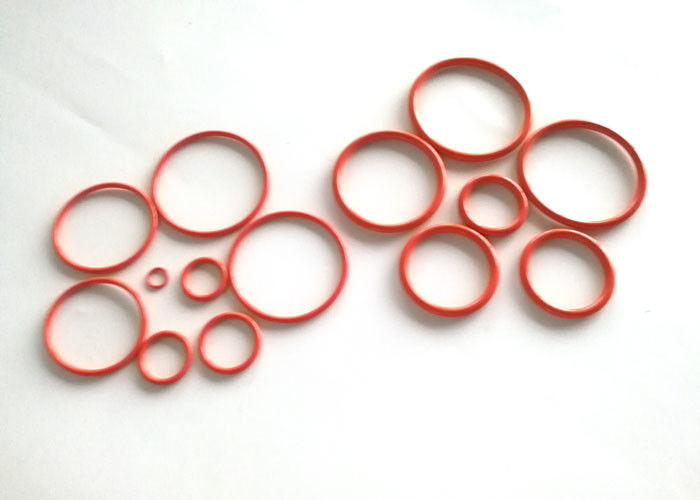
Contact Suzhou Baoshida for Precision Acetylene Red Rubber Solutions
Acetylene red rubber compounds represent a critical material class for high-temperature industrial sealing applications where thermal stability and chemical resistance are non-negotiable. At Suzhou Baoshida Trading Co., Ltd., we engineer formulations that meet exacting OEM specifications, ensuring performance integrity in demanding environments such as automotive exhaust systems, aerospace fluid handling, and petrochemical processing equipment. Our proprietary acetylene red compounds undergo rigorous batch validation to eliminate variability in compression set, tensile strength, and thermal aging resistance—key failure points in substandard materials. Generic off-the-shelf solutions often compromise longevity under continuous exposure to 150°C+ temperatures or aggressive hydrocarbons; our formulations are designed to exceed industry durability benchmarks through precise sulfur crosslinking and reinforced filler matrices.
The table below summarizes core technical specifications for our standard acetylene red compound (Grade AR-750), validated per international testing protocols. These values reflect baseline performance; we tailor formulations to address client-specific fluid compatibility, hardness tolerances, or regulatory requirements (e.g., ISO 2230 for fuel resistance or AMS 7254 for aerospace).
| Property | Standard Value | Test Method | Application Relevance |
|---|---|---|---|
| Hardness (Shore A) | 75 ± 3 | ASTM D2240 | Optimized for dynamic seal compression |
| Tensile Strength | 19.5 MPa min | ASTM D412 | Resists extrusion in high-pressure systems |
| Elongation at Break | 280% min | ASTM D412 | Accommodates thermal expansion cycles |
| Compression Set (22h) | ≤ 25% @ 150°C | ASTM D395 | Ensures long-term sealing force retention |
| Heat Aging (70h) | Δ Hardness ≤ +8 | ASTM D573 | Critical for engine compartment longevity |
| Fluid Resistance (IRMOG) | Volume Swell ≤ 15% | ASTM D471 | Withstands diesel, biodiesel, and lubricants |
As your OEM rubber solutions partner, Suzhou Baoshida integrates materials science with scalable manufacturing oversight. We manage the entire supply chain—from raw material sourcing (including certified acetylene-derived carbon black) to final QA—ensuring traceability and compliance with REACH, RoHS, and customer-specific IMDS reporting. Unlike commodity suppliers, our engineering team collaborates directly with your R&D to resolve formulation challenges, such as mitigating thermal degradation in turbocharger gaskets or optimizing cure kinetics for high-volume molding. Our Suzhou-based technical center conducts accelerated life testing using client-simulated conditions, providing data-driven validation before production ramp-up.
Initiate a technical dialogue with Mr. Boyce, our dedicated OEM Manager, to address your acetylene red compound requirements. With 14 years of specialized experience in high-performance elastomers, Mr. Boyce will facilitate a precision-focused consultation—reviewing your application’s thermal profiles, fluid exposures, and lifecycle expectations to propose a validated solution. Contact him directly via email at [email protected] to submit material specifications, request formulation data sheets, or schedule a factory audit. Suzhou Baoshida operates under ISO 9001:2015 and IATF 16949 frameworks, guaranteeing that every compound shipment meets the dimensional stability and performance consistency demanded by Tier-1 automotive and industrial equipment manufacturers. Do not settle for generic elastomer solutions; engage our engineering team to secure a rubber compound engineered for your operational reality.
⚖️ O-Ring Weight Calculator
Estimate rubber O-ring weight (Approx).