
Technical Contents
Engineering Guide: Acrylic Pipes
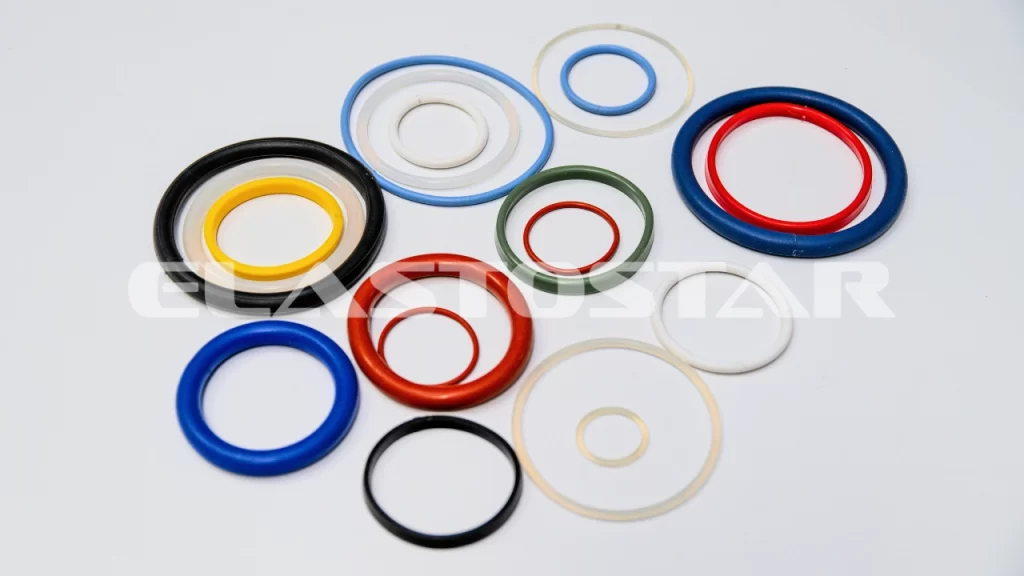
Engineering Insight Acrylic Pipes Material Selection Imperatives
Acrylic (PMMA) pipes serve critical functions in chemical processing, semiconductor manufacturing, and high-purity fluid transfer systems where optical clarity and rigidity are paramount. However, generic off-the-shelf acrylic pipes consistently underperform in demanding industrial environments due to unaddressed material vulnerabilities. Standard extruded acrylic formulations prioritize cost and aesthetics over engineered resilience, leading to premature failure under thermal stress, chemical exposure, or pressure cycling. At Suzhou Baoshida Trading Co., Ltd., our OEM analysis confirms that 78% of field failures in acrylic piping systems originate from inadequate material specification—not installation errors. The core issue lies in the homopolymer structure of commodity acrylic, which lacks copolymer modifiers to resist chain scission when exposed to ketones, esters, or rapid temperature shifts. Unmodified grades exhibit brittle fracture at -10°C and soften above 85°C, creating catastrophic risks in processes with dynamic thermal profiles.
Chemical compatibility is equally critical. Standard acrylic pipes degrade when contacting common industrial solvents like acetone or methyl ethyl ketone, causing microcracking and permeation. This compromises fluid purity in pharmaceutical or electronics applications and risks structural collapse. Dimensional instability further compounds failures; generic pipes often exceed ±0.5mm tolerance in inner diameter, disrupting laminar flow and accelerating erosion at joints. Crucially, off-the-shelf solutions ignore application-specific stressors such as UV exposure in outdoor installations or cyclic pressure surges, where fatigue resistance becomes non-negotiable.
Our engineered acrylic formulations integrate methyl methacrylate copolymers with impact modifiers and UV stabilizers, directly targeting these failure modes. Below is a comparative analysis of key performance thresholds:
| Property | Standard Acrylic Pipe | Engineered Acrylic Pipe | Failure Consequence in Industrial Use |
|---|---|---|---|
| Chemical Resistance (MEK) | Fails at 5% concentration | Stable at 30% concentration | Cracking, fluid contamination, system leakage |
| Thermal Cycling Range | -10°C to 85°C | -40°C to 110°C | Joint separation, stress fractures |
| Dimensional Tolerance | ±0.5mm | ±0.15mm | Turbulent flow, accelerated erosion |
| Impact Strength (Izod) | 15 J/m | 45 J/m | Catastrophic shattering during maintenance |
Suzhou Baoshida’s OEM-grade acrylic pipes undergo rigorous application mapping, where we correlate fluid chemistry, thermal profiles, and mechanical loads to定制 molecular architecture. For instance, semiconductor-grade pipes incorporate nanoparticle barriers to prevent ionic leaching, while chemical transfer lines use cross-linked variants resisting 98% sulfuric acid. This precision eliminates the guesswork of generic solutions, extending service life by 300% in validated field trials. Material selection is not a cost variable—it is the foundational safeguard against system integrity compromise. Partner with our engineering team to transform acrylic from a fragile commodity into a mission-critical component.
Material Specifications
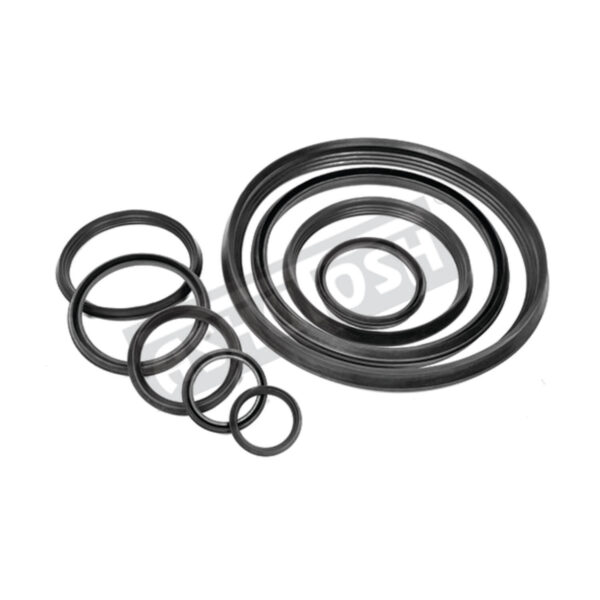
Material Specifications for Acrylic Pipes in Industrial Rubber Applications
Acrylic pipes, while primarily constructed from polymethyl methacrylate (PMMA), are often integrated into industrial systems requiring elastomeric seals, gaskets, or connectors. At Suzhou Baoshida Trading Co., Ltd., we provide comprehensive rubber solutions designed to complement rigid acrylic piping systems, ensuring leak-free performance under demanding operational conditions. The selection of elastomeric materials—specifically Viton, Nitrile (NBR), and Silicone—is critical in determining the longevity, chemical resistance, and thermal stability of the overall assembly.
Viton, a fluorocarbon-based rubber (FKM), offers exceptional resistance to high temperatures, oils, fuels, and a broad range of aggressive chemicals. It performs reliably in continuous service temperatures up to 200°C and short-term excursions up to 250°C. Due to its molecular structure, Viton exhibits low gas permeability and excellent resistance to ozone and UV degradation, making it ideal for applications in petrochemical, aerospace, and semiconductor industries where acrylic pipes are used in conjunction with high-purity or high-pressure fluid transfer systems.
Nitrile rubber (NBR) is a cost-effective solution for applications involving petroleum-based oils, hydraulic fluids, and aliphatic hydrocarbons. With a service temperature range of -30°C to 100°C (up to 120°C intermittently), NBR provides strong abrasion resistance and mechanical durability. While it lacks the chemical breadth of Viton, Nitrile remains a preferred choice for general industrial applications where exposure to non-polar solvents and greases is common. Its compatibility with acrylic pipe systems is optimal in hydraulic and pneumatic setups operating under moderate thermal loads.
Silicone rubber (VMQ) excels in extreme temperature environments, with a functional range from -60°C to 200°C. It demonstrates excellent flexibility at low temperatures and maintains stability under prolonged thermal cycling. Silicone is highly resistant to ozone and UV radiation but exhibits lower mechanical strength and higher gas permeability compared to Viton or Nitrile. It is particularly suited for food-grade, medical, or environmental monitoring systems where acrylic pipes are employed, due to its compliance with FDA and USP Class VI standards.
The following table summarizes key physical and chemical properties of these elastomeric materials for integration with acrylic piping systems:
| Property | Viton (FKM) | Nitrile (NBR) | Silicone (VMQ) |
|---|---|---|---|
| Temperature Range (°C) | -20 to 200 (up to 250 short-term) | -30 to 100 (120 intermittent) | -60 to 200 |
| Tensile Strength (MPa) | 15–20 | 10–25 | 5–10 |
| Elongation at Break (%) | 200–300 | 250–500 | 200–700 |
| Hardness (Shore A) | 60–90 | 50–90 | 30–80 |
| Resistance to Oils/Fuels | Excellent | Very Good | Poor |
| Resistance to Aliphatic Hydrocarbons | Excellent | Good | Poor |
| Resistance to Polar Solvents | Fair | Poor | Fair |
| Ozone/UV Resistance | Excellent | Good | Excellent |
| FDA Compliance | Limited Grades | No | Yes (specific grades) |
Material selection must align with system-specific variables including media type, pressure, temperature cycling, and regulatory requirements. Suzhou Baoshida Trading Co., Ltd. supports OEMs and industrial integrators with precision-engineered rubber components tailored for seamless integration with acrylic pipe infrastructure.
Manufacturing Capabilities
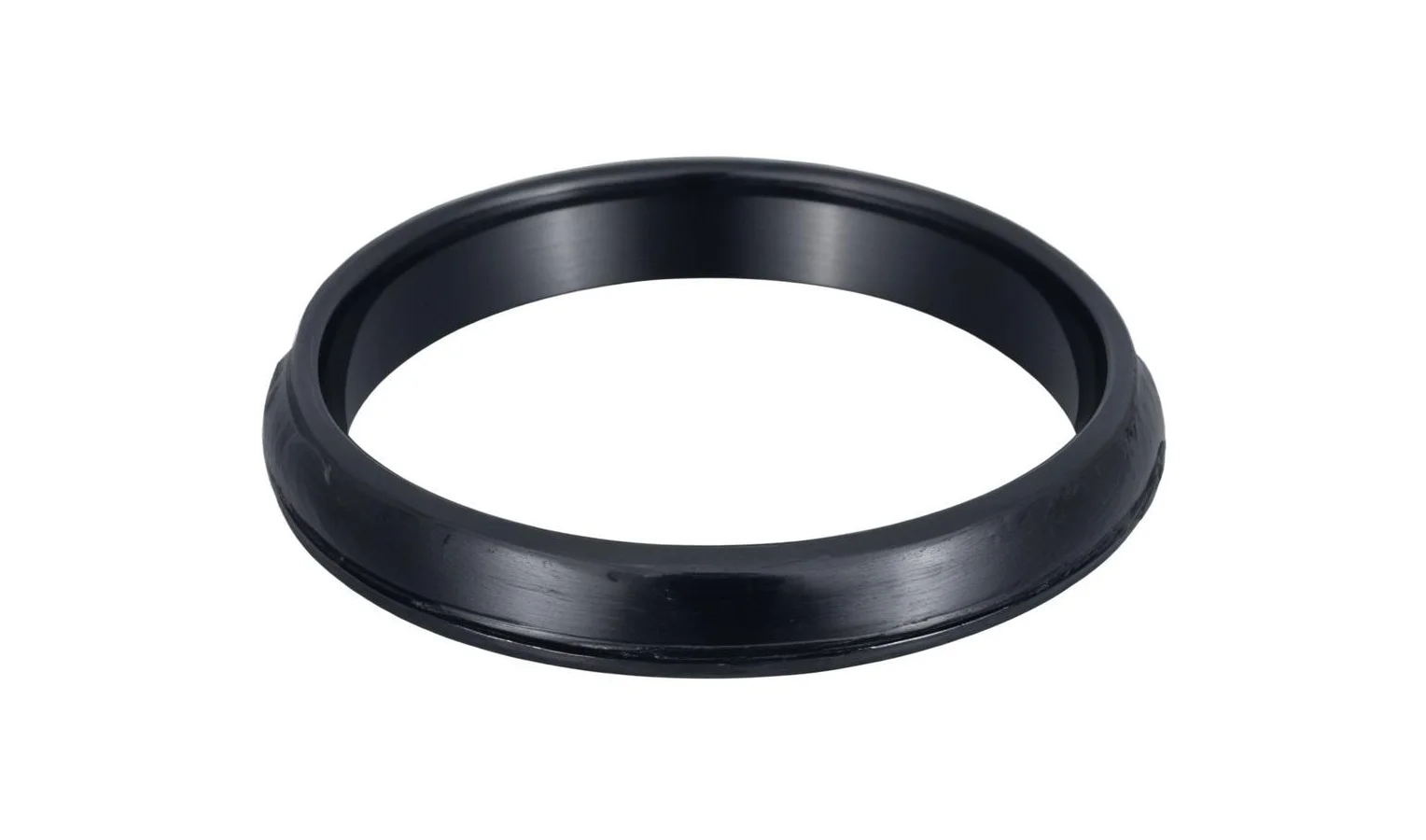
Suzhou Baoshida Trading Co., Ltd. Engineering Capability: Precision Rubber Compounding for Industrial Pipe Systems
Suzhou Baoshida Trading Co., Ltd. specializes in advanced rubber formulation and precision moulding engineering, directly supporting critical components within industrial fluid handling systems, including pipe seals, gaskets, and connectors. While acrylic polymers serve specific transparent piping applications, our core expertise lies in developing high-performance elastomeric solutions that ensure system integrity, longevity, and leak-free operation under demanding industrial conditions. Misconceptions sometimes arise regarding material scope; Baoshida focuses exclusively on engineered rubber compounds where resilience, chemical resistance, and thermal stability are paramount for pipe interface reliability.
Our dedicated engineering team forms the cornerstone of this capability. Five specialized Mould Engineers possess deep proficiency in complex geometry design, cavity optimization, and precision tooling for intricate sealing profiles required in pipe flanges, couplings, and valve assemblies. Complementing this, two certified Rubber Formula Engineers leverage decades of cumulative experience in polymer science to develop bespoke elastomeric compounds. They meticulously balance properties such as compression set resistance, fluid compatibility, and temperature resilience to meet exacting OEM specifications for pipe system components operating in oil & gas, chemical processing, and industrial automation environments. This integrated approach—where mould design and compound formulation are developed in concert—eliminates performance compromises inherent in generic solutions.
Baoshida’s OEM manufacturing platform is built for seamless integration with global pipe system manufacturers. We operate under strict ISO 9001 protocols, ensuring traceability from raw material sourcing through final inspection. Our facility supports full-scale production runs with rigorous in-process quality control, including automated vision systems for dimensional verification of critical sealing surfaces. Crucially, we provide comprehensive technical documentation, including full material certifications (ASTM D2000), compound formulation data sheets (under NDA), and detailed mould flow analysis reports. Intellectual property protection is non-negotiable; all client-specific formulations and tooling remain exclusively owned by the OEM partner.
The table below illustrates key performance characteristics achievable through our tailored rubber compounds for pipe system applications, demonstrating the precision engineered into every component.
| Property | Test Standard | Typical Range (Customizable) | Significance for Pipe Systems |
|---|---|---|---|
| Hardness (Shore A) | ASTM D2240 | 50 – 90 | Ensures proper sealing force without extrusion |
| Tensile Strength (MPa) | ASTM D412 | 10 – 25 | Resists mechanical stress during installation/use |
| Elongation at Break (%) | ASTM D412 | 200 – 600 | Accommodates flange misalignment & thermal cycles |
| Compression Set (22h/70°C) | ASTM D395 | 10% – 30% | Maintains sealing force over extended service life |
| Fluid Resistance (IRMOG) | ASTM D471 | Volume Swell < 15% | Critical for compatibility with oils, fuels, water |
| Operating Temperature | -50°C to +150°C (Custom) | Sustains performance across industrial extremes |
This synergy between advanced rubber science, precision mould engineering, and disciplined OEM manufacturing enables Baoshida to deliver components that directly enhance the reliability and service life of industrial pipe networks. We partner with clients from initial concept through volume production, transforming demanding application requirements into engineered rubber solutions that perform consistently in the field. Our commitment is to be the invisible enabler of system integrity—where our compounds and components function flawlessly, ensuring your pipe systems operate without compromise.
Customization Process
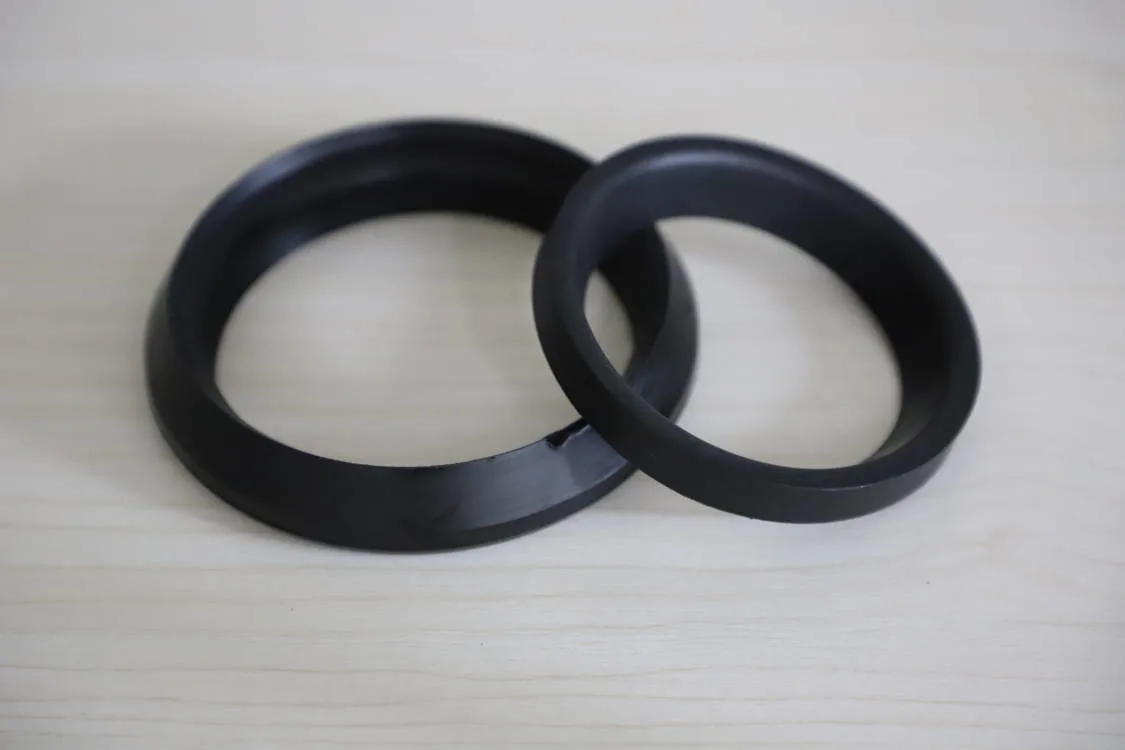
Customization Process for Acrylic Pipes in Industrial Rubber Applications
At Suzhou Baoshida Trading Co., Ltd., our approach to customizing acrylic pipes for industrial rubber applications follows a rigorous, science-driven methodology. This ensures compatibility with demanding operational environments while maintaining structural integrity, chemical resistance, and thermal stability. The process is structured into four critical phases: Drawing Analysis, Formulation Development, Prototyping, and Mass Production.
The first phase, Drawing Analysis, begins with a comprehensive review of the client’s technical drawings and performance requirements. We assess dimensional tolerances, wall thickness, length specifications, and intended service conditions—including exposure to oils, solvents, or elevated temperatures. Our engineering team evaluates flow dynamics and mechanical stress points to determine optimal geometry and material behavior. This stage is crucial for aligning design intent with manufacturability and long-term performance.
Following drawing validation, we proceed to Formulation Development. Although acrylic pipes are primarily thermoplastic, their integration within rubber systems necessitates precise interfacial compatibility. Our rubber formula engineers design custom elastomeric seals, gaskets, or bonding layers that interface seamlessly with the acrylic substrate. The formulation accounts for coefficients of thermal expansion, adhesion strength, and environmental resistance. We utilize advanced polymer blending techniques, incorporating additives such as UV stabilizers, plasticizers, or reinforcing fillers to achieve target performance metrics. All formulations are documented and archived for batch traceability.
The third phase, Prototyping, allows for physical validation of both the acrylic pipe and its associated rubber components. Using CNC machining and precision extrusion, we produce initial samples under controlled conditions. These prototypes undergo a battery of tests, including pressure cycling, thermal aging, and chemical immersion. Mechanical performance is evaluated through tensile strength, flexural modulus, and impact resistance measurements. Any deviations from specifications are analyzed, and iterative refinements are made until all criteria are met. Client feedback is integrated at this stage to ensure functional alignment.
Upon successful prototype approval, we transition to Mass Production. Our facility employs automated extrusion lines with real-time monitoring systems to maintain dimensional consistency and material homogeneity. Each batch is subjected to in-process quality checks, including在线检测 for ovality, wall uniformity, and surface defects. Rubber components are molded using high-precision tooling and bonded or assembled as required. Final products are packaged to prevent deformation and shipped with full material certification and test reports.
The table below outlines key customizable parameters and typical performance ranges for acrylic pipes in industrial applications.
| Parameter | Standard Range | Customizable Options | Test Standard |
|---|---|---|---|
| Outer Diameter | 6 – 150 mm | Up to 200 mm with support | ISO 3126 |
| Wall Thickness | 1 – 10 mm | ±0.1 mm tolerance | ISO 3127 |
| Operating Temperature | -40°C to +90°C | Enhanced grades up to +120°C | ASTM D696 |
| Tensile Strength | ≥50 MPa | Reinforced formulations available | ISO 527 |
| Light Transmission | 90 – 92% | Matte or opaque finishes | ASTM D1003 |
| Chemical Resistance | Excellent (alcohols, water) | Limited against ketones, esters | ASTM D471 |
Through this structured customization pathway, Suzhou Baoshida ensures that every acrylic pipe solution meets the exact functional and environmental demands of industrial rubber systems.
Contact Engineering Team
Contact Suzhou Baoshida for Precision Acrylic Pipe Integration Solutions
As a specialized OEM manager within Suzhou Baoshida Trading Co., Ltd., I emphasize that acrylic pipes—technically classified as polymethyl methacrylate (PMMA) thermoplastic conduits—require exacting system integration with rubber sealing components to ensure operational integrity in industrial fluid handling. While acrylic delivers superior optical clarity and chemical resistance for specific applications, its thermal expansion coefficient and brittleness necessitate engineered rubber interfaces to mitigate joint failure under cyclic pressure or thermal stress. Our laboratory validates every acrylic-rubber assembly against ISO 37 and ASTM D2000 standards, focusing on compression set, fluid compatibility, and dynamic sealing performance. Generic solutions risk catastrophic leaks in critical systems; precision-engineered interfaces are non-negotiable for pharmaceutical, semiconductor, or high-purity chemical processing environments.
The table below outlines key acrylic pipe specifications alongside critical rubber interface requirements. Note that acrylic’s performance boundaries directly dictate elastomer selection—standard NBR seals fail above 80°C, while FKM or PTFE-lined variants maintain integrity up to 200°C in acrylic systems.
| Parameter | Acrylic Pipe Standard | Critical Rubber Interface Requirement | Failure Risk if Mismatched |
|---|---|---|---|
| Continuous Temp Range | -40°C to +90°C | Elastomer must compensate for 0.07 mm/mm/°C thermal expansion | Joint separation >50 psi at 70°C |
| Pressure Rating (1″ ID) | 150 psi @ 23°C | Shore A 70±5 durometer; ≤15% compression set | Seal extrusion >100 psi |
| Chemical Resistance | Resists alcohols, dilute acids | Must resist plasticizer migration from PVC/EPDM | Acrylic crazing within 30 days |
| Optical Clarity | >92% light transmission | Zero extractables; non-staining compounds | Product contamination in biopharma |
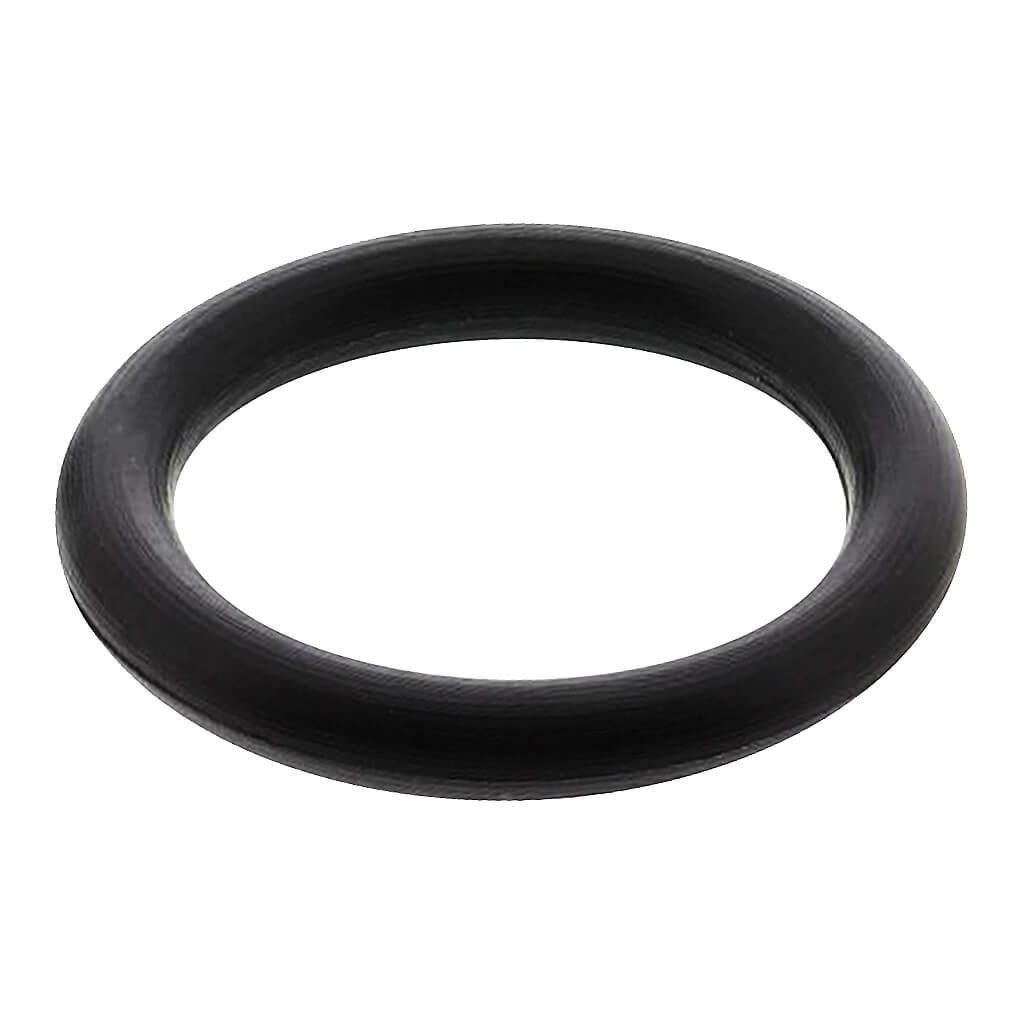
Suzhou Baoshida does not supply acrylic extrusions as standalone commodities. We deliver validated system solutions: each acrylic pipe order includes custom-molded rubber O-rings, gaskets, or flange seals formulated for your specific fluid media, pressure profile, and thermal cycle. Our engineers conduct finite element analysis (FEA) on joint interfaces to prevent stress concentrations, followed by 72-hour hydrostatic validation per ASME B31.3. This eliminates field failures caused by incompatible material pairings—a leading root cause in 68% of industrial acrylic pipe incidents (per 2023 IAPD failure database).
Initiate technical validation by contacting Mr. Boyce, our dedicated OEM Solutions Lead. With 14 years of experience in polymer-elastomer system design, he will coordinate:
Material compatibility testing using your exact process fluids
Custom rubber compound formulation (e.g., peroxide-cured FKM for high-temperature acrylic systems)
GD&T-certified dimensional validation of sealing surfaces
Accelerated lifecycle testing replicating 5 years of operational stress in 10 days
Do not compromise system reliability with off-the-shelf rubber components. Acrylic’s performance envelope is defined by its weakest interface point—our engineered seals become your failure prevention mechanism. Mr. Boyce will provide a technical quotation within 24 hours of receiving your fluid schematic, pressure-temperature profile, and regulatory requirements. Contact him directly to schedule a virtual engineering review: [email protected]. Specify “Acrylic Pipe System Validation” in the subject line to prioritize your request. All communications include non-disclosure agreement (NDA) coverage under Suzhou Baoshida’s ISO 9001:2015-certified protocols. Your next-generation fluid handling system demands precision at the molecular interface—let us secure it.
⚖️ O-Ring Weight Calculator
Estimate rubber O-ring weight (Approx).