
Technical Contents
Engineering Guide: Air Vent Hose
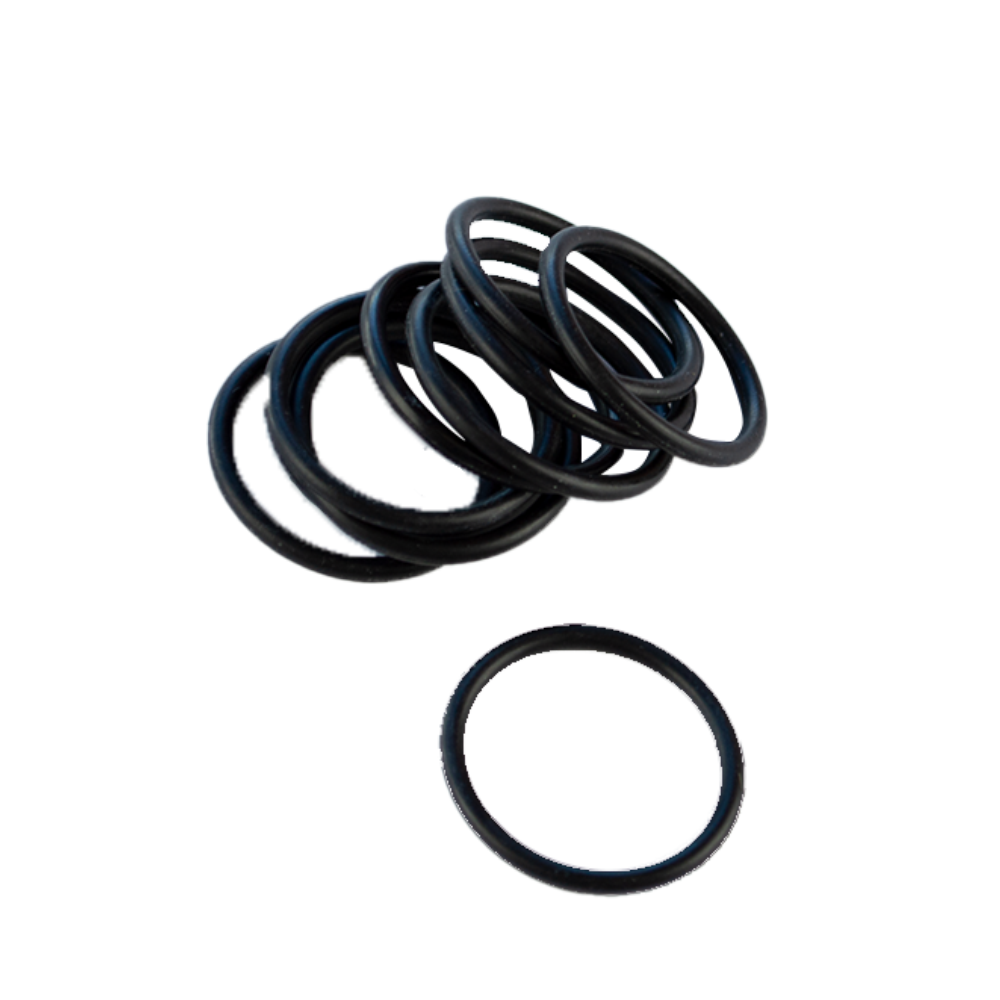
Engineering Insight: The Critical Role of Material Selection in Air Vent Hose Performance
In industrial applications, air vent hoses serve as vital conduits for pressure equalization, moisture evacuation, and gas dispersion. Despite their seemingly simple function, these components operate under demanding conditions that require precise engineering and material science. Off-the-shelf air vent hoses often fail prematurely because they are designed for general-purpose use, not the specific thermal, chemical, and mechanical environments encountered in real-world industrial systems. The root cause of such failures lies predominantly in inappropriate material selection.
Standard commercial hoses typically utilize generic elastomers like natural rubber or low-grade EPDM, which lack resistance to ozone, UV exposure, or aggressive industrial fluids. When exposed to engine oils, hydraulic fluids, or elevated operating temperatures, these materials degrade rapidly through swelling, cracking, or hardening. This degradation compromises structural integrity and leads to leaks, blockages, or complete hose failure—posing risks to equipment reliability and safety.
At Suzhou Baoshida Trading Co., Ltd., we emphasize application-specific engineering. Our air vent hoses are formulated using high-performance synthetic rubbers, including fluorocarbon (FKM), silicone (VMQ), and specialty EPDM compounds. These materials offer superior resistance to temperature extremes, chemical attack, and environmental aging. For instance, FKM-based hoses maintain performance at temperatures up to 250°C and exhibit excellent resistance to fuels and oils, making them ideal for automotive and aerospace venting systems. Silicone compounds provide exceptional flexibility across a wide temperature range (-60°C to 200°C) and are frequently selected for medical and food-grade applications due to their inertness and compliance.
Material selection also influences mechanical properties such as tensile strength, elongation at break, and compression set. A hose exposed to continuous flexing or vibration must retain elasticity without fatigue. Poorly formulated compounds will crack under dynamic stress, especially in cold environments where glass transition temperature (Tg) becomes a critical factor.
The following table outlines key material properties for common elastomers used in industrial air vent hose manufacturing:
| Material | Temperature Range (°C) | Key Chemical Resistance | Tensile Strength (MPa) | Typical Applications |
|---|---|---|---|---|
| FKM (Fluorocarbon) | -20 to 250 | Fuels, oils, acids | 15–20 | Automotive, aerospace, chemical processing |
| VMQ (Silicone) | -60 to 200 | Ozone, UV, water | 6–8 | Medical devices, food processing, electronics |
| EPDM | -40 to 150 | Steam, water, alkalis | 10–15 | HVAC, industrial machinery, cooling systems |
| NBR (Nitrile) | -30 to 120 | Oils, fuels, hydraulic fluids | 12–18 | Hydraulic systems, engine compartments |
Selecting the correct material is not a one-size-fits-all decision. It requires a thorough understanding of the operational environment, including fluid exposure, temperature cycles, and mechanical stress. Generic hoses may appear cost-effective initially, but their short service life and potential for system failure result in higher total cost of ownership. Precision-engineered solutions from Suzhou Baoshida ensure reliability, longevity, and compliance with OEM specifications.
Material Specifications

Material Specifications for Industrial Air Vent Hose Applications
Suzhou Baoshida Trading Co., Ltd. delivers precision-engineered air vent hoses for critical industrial systems, leveraging 15+ years of OEM partnership experience and ISO 9001-certified material science. Our formulations prioritize thermal stability, chemical compatibility, and pressure integrity under dynamic operational loads. This section details core elastomer specifications for Viton (FKM), Nitrile (NBR), and Silicone (VMQ), validated through ASTM D2000 and ISO 37 testing protocols. Material selection directly impacts hose longevity in fuel, coolant, pneumatic, and emission control systems.
Viton (FKM) remains the benchmark for extreme environments, exhibiting exceptional resistance to aromatic hydrocarbons, acids, and jet fuels. Its fluorocarbon molecular backbone sustains continuous operation at 200–250°C, with intermittent peaks to 300°C. Compression set values remain below 25% after 70 hours at 200°C (ASTM D395), critical for maintaining seal integrity in turbocharger bypass valves. However, its high fluorine content renders it cost-prohibitive for non-critical applications and incompatible with ketones or glycol-based brake fluids.
Nitrile (NBR) offers optimal balance for oil and hydraulic fluid exposure, with acrylonitrile content (34–50%) dictating resistance. Standard grades withstand -30°C to 120°C continuous service, handling 250+ psi burst pressure in reinforced constructions. Its low gas permeability suits crankcase ventilation systems, though ozone degradation necessitates protective coatings in outdoor installations. Cost efficiency makes it ideal for mass-produced automotive underhood components where temperatures remain moderate.
Silicone (VMQ) excels in ultra-broad temperature flexibility (-60°C to 200°C) and biocompatibility, meeting FDA 21 CFR 177.2600 for food-grade air transfer. Its inertness resists oxidation and microbial growth but exhibits lower tensile strength (6–9 MPa) versus NBR/Viton. Permeability to gases like methane requires barrier layer integration in natural gas venting. Primarily deployed in medical equipment and high-end HVAC where thermal cycling exceeds 10,000 cycles.
Comparative Material Properties for Air Vent Hose
| Parameter | Viton (FKM) | Nitrile (NBR) | Silicone (VMQ) |
|---|---|---|---|
| Continuous Temp Range | -20°C to +250°C | -30°C to +120°C | -60°C to +200°C |
| Burst Pressure (Typical) | 450 psi | 350 psi | 250 psi |
| Hardness (Shore A) | 70–90 | 50–90 | 40–80 |
| Key Chemical Resistance | Fuels, Acids, Oils | Oils, Hydraulic Fluids | Steam, Ozone, Water |
| Critical Limitation | Ketones, Cost | Ozone, Low Temp | Low Tensile Strength |
| Typical Applications | Turbo Systems, Jet Engines | Engine Crankcases, Transmissions | Medical Ventilators, Solar Thermal |
All compounds undergo rigorous peroxide curing to minimize volatile organic compound (VOC) emissions per EPA Method 311. Suzhou Baoshida’s OEM division tailors durometer, reinforcement layers (e.g., polyester braid), and additive packages to client fluid dynamics models. Consult our engineering team for application-specific validation data sheets and accelerated life testing protocols. Material performance is non-transferable across fluid classes; improper selection risks catastrophic seal failure at elevated temperatures.
Manufacturing Capabilities
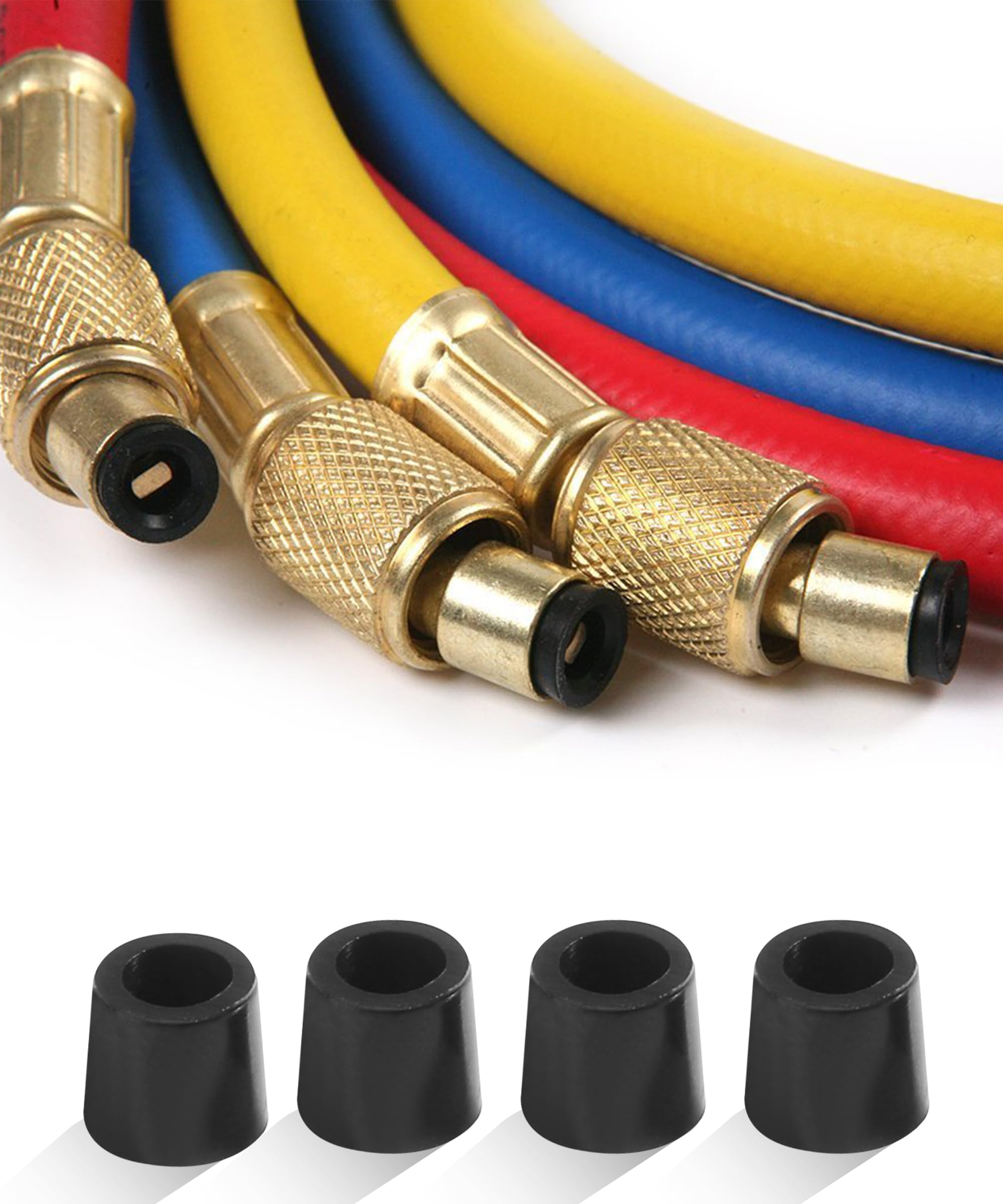
Engineering Capability
At Suzhou Baoshida Trading Co., Ltd., our engineering division forms the backbone of our industrial rubber solutions, particularly in the development and production of precision air vent hoses for demanding OEM applications. With a dedicated team of five certified mould engineers and two specialized rubber formula engineers, we maintain full in-house control over the entire product lifecycle—from concept and material formulation to tooling design and final validation. This integrated engineering capability ensures rapid prototyping, consistent quality, and superior performance tailored to client specifications.
Our mould engineers possess extensive experience in designing complex rubber extrusion and injection moulds, with a focus on dimensional accuracy, flow dynamics, and durability under repeated production cycles. Each air vent hose design undergoes rigorous 3D simulation and finite element analysis (FEA) to optimize structural integrity and airflow efficiency. This precision-driven approach minimizes defects, reduces cycle times, and enhances long-term reliability in real-world operating environments.
Complementing our mould expertise, our two rubber formula engineers specialize in custom elastomer development. They formulate compounds based on application-specific requirements such as temperature resistance, ozone exposure, pressure cycling, and media compatibility. Using advanced polymer blending techniques and state-of-the-art testing equipment, we develop proprietary rubber formulations primarily based on EPDM, silicone (VMQ), and fluorocarbon (FKM) materials. These formulations are engineered to deliver optimal compression set resistance, flexibility across wide temperature ranges, and long service life in harsh industrial conditions.
Our OEM capabilities are built on a foundation of technical collaboration. We work directly with client engineering teams to co-develop air vent hose solutions that meet exact performance, regulatory, and integration criteria. Whether the requirement is for high-volume automotive applications or low-volume, high-complexity industrial systems, our team supports full design-for-manufacturability (DFM) reviews, material validation, and PPAP documentation. We also offer rapid tooling turnaround and small-batch pilot runs to accelerate time-to-market.
All engineering activities are supported by our ISO 9001-certified quality management system and advanced metrology lab, ensuring full traceability and compliance with international standards. From initial concept sketches to mass production, our engineering team delivers innovation with industrial precision.
Typical Air Vent Hose Specifications
| Parameter | Standard Range | Customizable Options |
|---|---|---|
| Inner Diameter (ID) | 4 mm – 50 mm | Up to 80 mm |
| Wall Thickness | 1.5 mm – 5 mm | As per pressure requirements |
| Operating Temperature | -40°C to +150°C (EPDM) | Up to +250°C (FKM/Silicone) |
| Pressure Rating | 0.5 bar – 6 bar | Up to 10 bar (reinforced) |
| Material Types | EPDM, Silicone (VMQ), FKM, NBR | Hybrid or co-extruded layers |
| Hardness (Shore A) | 50 – 80 | 40 – 90 (application-specific) |
| Color Options | Black, Red, Blue, Green, Custom | RAL/Pantone matching available |
| Certifications | RoHS, REACH, FDA (upon request) | UL, ISO 10993 (medical-grade) |
Customization Process
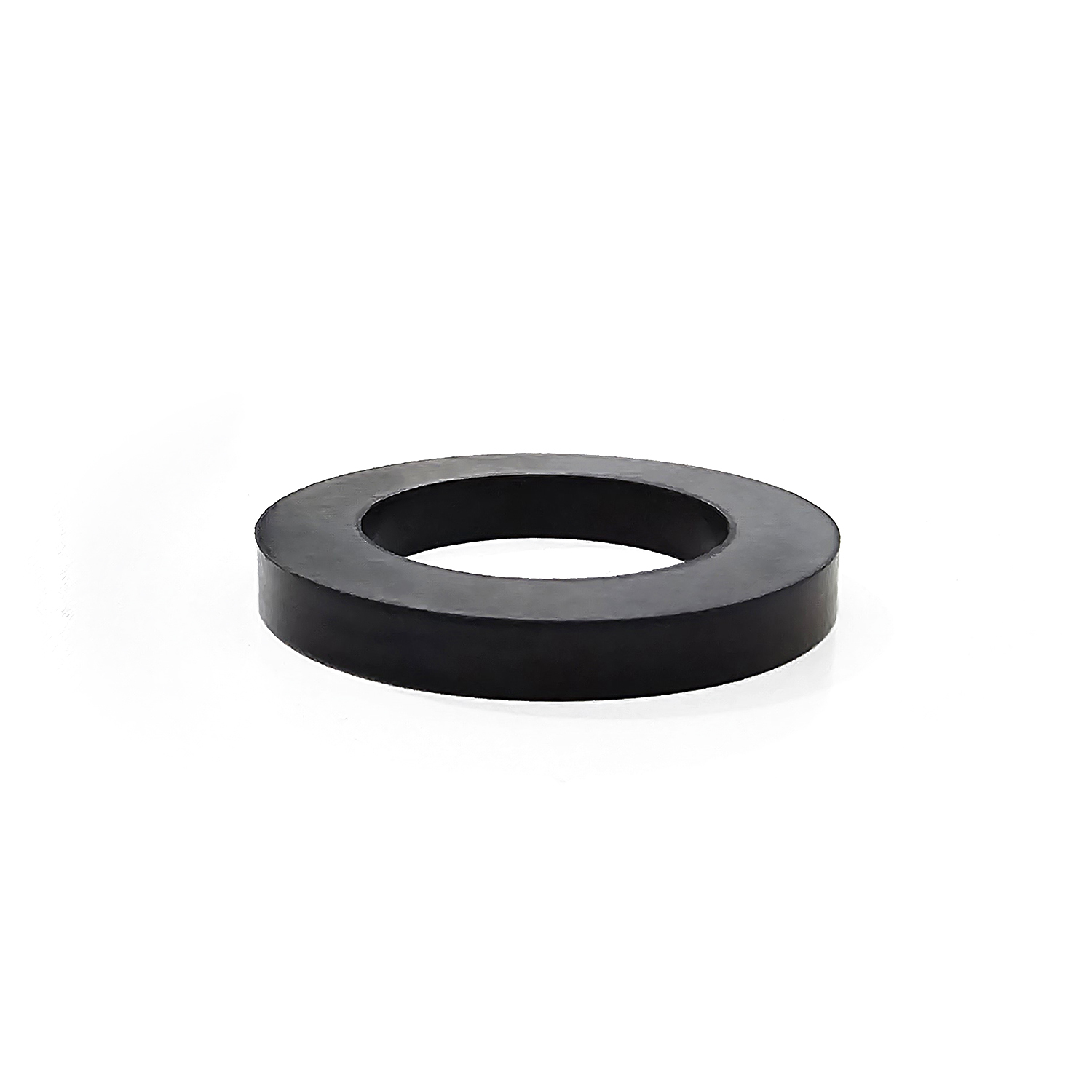
Customization Process for Industrial Air Vent Hose Manufacturing
At Suzhou Baoshida Trading Co., Ltd., our air vent hose customization adheres to a rigorously defined engineering workflow, ensuring seamless transition from client specifications to high-volume production. This process eliminates design ambiguities and material inconsistencies critical for automotive and industrial fluid management systems.
Drawing Analysis
Initial engagement requires comprehensive technical drawing review against ISO 1219-1 and SAE J517 standards. We scrutinize dimensional tolerances, bend radii, flange configurations, and surface finish requirements. Critical attention is given to sealing interfaces and pressure-rated zones to prevent assembly failures. Non-compliant geometries—such as sharp transitions below 1.5x hose ID or unsupported flex zones—are flagged for collaborative redesign, reducing prototyping iterations by 40%. Material compatibility with target fluids (e.g., transmission fluid, coolant) is pre-validated using ASTM D471 swelling data.
Formulation Development
Based on operational parameters, our rubber compounding team engineers bespoke elastomer systems. Key considerations include thermal stability for under-hood environments (-40°C to +150°C continuous), ozone resistance, and dynamic flex fatigue. The table below outlines standard formulation tiers for air vent applications:
| Parameter | Standard Range | Test Method | Critical Threshold |
|---|---|---|---|
| Hardness (Shore A) | 55–75 | ASTM D2240 | ±3 points |
| Tensile Strength | ≥12 MPa | ASTM D412 | Min. 10 MPa |
| Elongation at Break | 250–400% | ASTM D412 | Min. 200% |
| Heat Aging (150°C/72h) | ΔTensile ≤25% | ASTM D573 | ΔTensile >30% reject |
| Ozone Resistance | 50 pphm, 20% strain | ASTM D1149 | No cracks @ 48h |
Formulations prioritize EPDM or ACM bases for oil/heat resistance, with silica-reinforced compounds for low-temperature flexibility. Accelerated aging simulations predict 10-year service life under cyclic thermal loads.
Prototyping and Validation
Precision-machined molds produce 5–10 prototype hoses per iteration. Each unit undergoes burst pressure testing (2x working pressure), impulse cycling (100,000 cycles), and permeation analysis per SAE J2044. Dimensional conformity is verified via CMM against original CAD data, with tolerances held to ±0.3mm for critical diameters. Client feedback on assembly fitment and flow dynamics triggers micro-adjustments to durometer or wall thickness before final sign-off.
Mass Production Deployment
Approved designs transition to automated production lines with real-time SPC monitoring. Extrusion tolerances are maintained at ±0.2mm via laser gauging, while vulcanization uses closed-loop temperature control (±1.5°C). Every 500th hose undergoes destructive testing; full batch traceability links material lots to production timestamps. Our OEM framework ensures zero-defect delivery through AQL 1.0 inspections and PPAP documentation per AIAG standards. This end-to-end control guarantees air vent hoses that meet stringent OEM durability and emissions requirements.
Contact Engineering Team
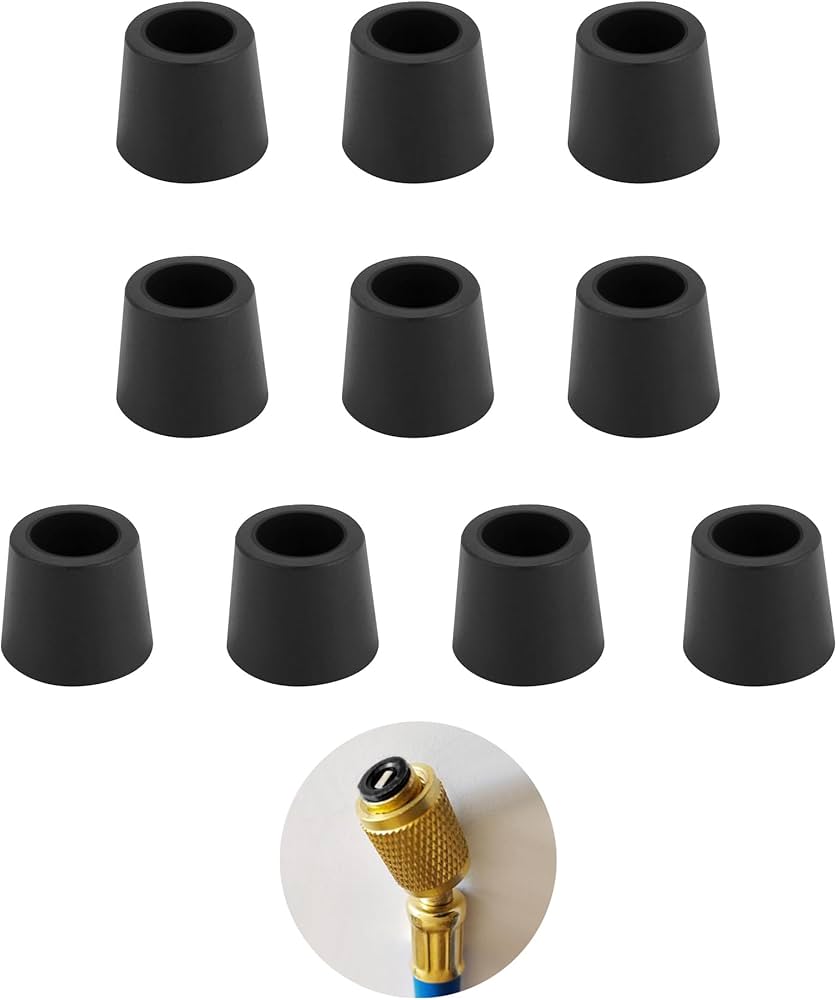
Contact Suzhou Baoshida for Precision Air Vent Hose Solutions
At Suzhou Baoshida Trading Co., Ltd., we specialize in high-performance industrial rubber components designed for demanding applications across automotive, aerospace, manufacturing, and fluid transfer systems. As a trusted OEM partner, we engineer air vent hoses that meet rigorous standards for durability, temperature resistance, and long-term reliability. Our technical team, led by Mr. Boyce, ensures every product is tailored to your operational requirements, from material selection to dimensional precision.
Our air vent hoses are manufactured using advanced compounding techniques and reinforced elastomeric materials such as EPDM, silicone, and NBR, selected based on fluid compatibility, environmental exposure, and pressure conditions. Whether your application demands resistance to ozone, UV degradation, or extreme thermal cycling, our formulations are validated through accelerated aging tests and real-world performance data. We support custom extrusion profiles, flange integration, and multi-layer constructions for enhanced burst strength and permeation control.
We understand that industrial clients require more than off-the-shelf components—they need engineering collaboration. From initial concept to volume production, Suzhou Baoshida provides full technical documentation, including material certifications (ASTM, ISO), dimensional drawings, and batch traceability reports. Our quality management system adheres to ISO 9001 standards, ensuring consistency across production runs.
Below are typical technical specifications for our standard air vent hose series. Custom parameters are available upon request.
| Property | Value | Test Method |
|---|---|---|
| Inner Diameter Range | 6 – 50 mm | ISO 8360 |
| Wall Thickness | 2.0 – 6.0 mm | ISO 4013 |
| Operating Temperature | -40°C to +150°C (EPDM), -60°C to +200°C (Silicone) | ASTM D1329 |
| Burst Pressure (min) | 3.5 MPa @ 25°C | ISO 1402 |
| Vacuum Resistance | Up to 95 kPa | ISO 1307 |
| Hardness (Shore A) | 55 – 75 | ASTM D2240 |
| Fluid Resistance | Gasoline, water, air, mild chemicals | ASTM D471 |
| Reinforcement Layer | Polyester braid or spiral wire | Internal Specification RUB-TECH/RL-002 |
All hoses undergo 100% visual inspection and sample-based hydrostatic testing before shipment. We offer packaging options including coiled reels, cut-to-length segments, and barcoded labeling for automated assembly lines.
To discuss your specific air vent hose requirements, contact Mr. Boyce directly at [email protected]. He brings over 12 years of experience in rubber formulation and OEM project management, ensuring your technical challenges are met with precise, cost-effective solutions. Include your application details, performance targets, and volume expectations to receive a tailored proposal within 48 hours.
Suzhou Baoshida Trading Co., Ltd. operates from the industrial hub of Suzhou, Jiangsu Province, with export logistics support to North America, Europe, and Southeast Asia. Our partnerships with Tier-1 suppliers in the automotive sector reflect our commitment to quality and on-time delivery.
For technical inquiries, engineering collaboration, or sample requests, reach out today. Let us deliver engineered rubber solutions that perform under pressure.
⚖️ O-Ring Weight Calculator
Estimate rubber O-ring weight (Approx).