
Technical Contents
Engineering Guide: Aircraft Molding
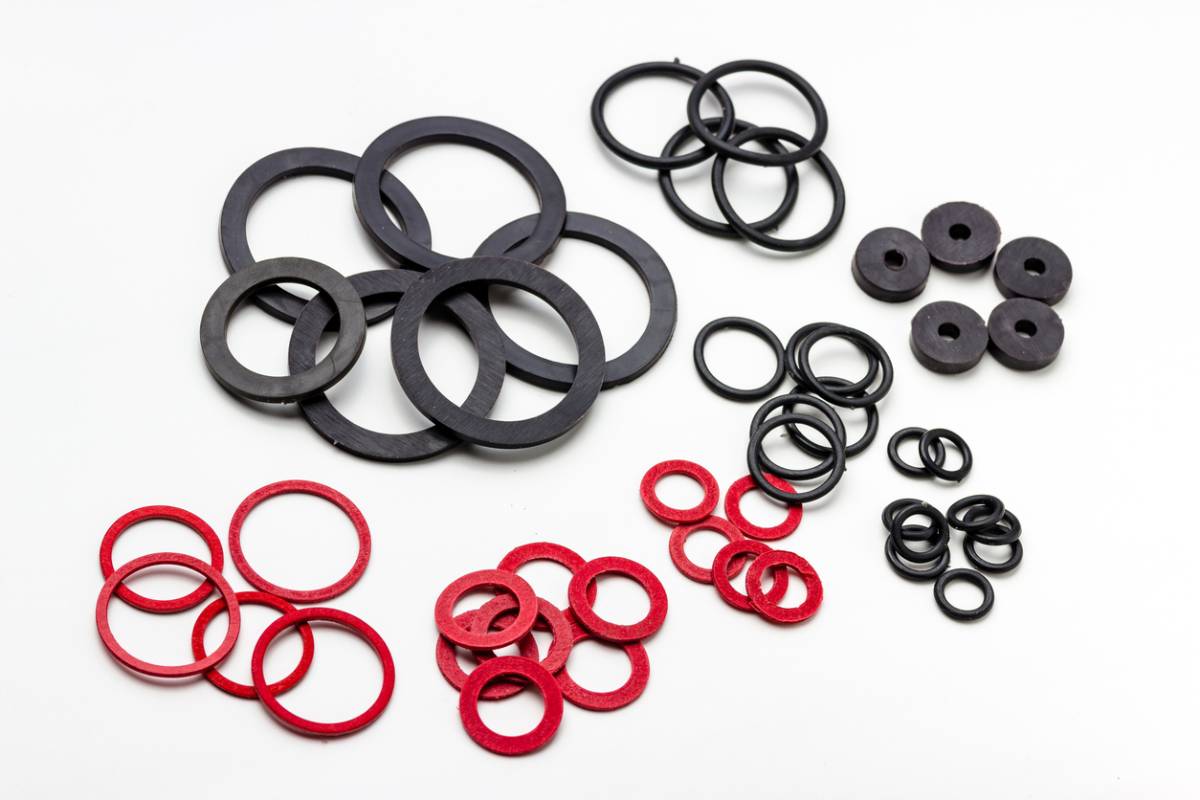
Engineering Insight: Material Selection Imperatives in Aircraft Molding
Aircraft molding demands material science precision unattainable with off-the-shelf rubber compounds. Standard industrial elastomers fail catastrophically under aerospace operational extremes, risking system integrity and airworthiness. Generic solutions ignore the non-negotiable triad of extreme thermal cycling, aggressive fluid exposure, and stringent outgassing requirements inherent to aviation. A single O-ring failure in a hydraulic actuator at 40,000 feet due to inadequate low-temperature flexibility or fuel-induced swell can trigger cascading system failures. Off-the-shelf materials lack the tailored polymer architecture and additive packages necessary to maintain sealing force, compression set resistance, and chemical stability across the -55°C to +200°C operational envelope mandated by FAA AC 20-107B. Their formulations prioritize cost and general durability, not the molecular-level resilience required when lives depend on micron-level dimensional stability under 100,000+ flight cycles.
The core failure mechanism lies in unaddressed polymer degradation pathways. Standard nitrile (NBR) compounds, acceptable for automotive use, exhibit rapid compression set above 125°C and unacceptable swelling in Skydrol hydraulic fluids. Similarly, generic silicone grades outgas volatile siloxanes under vacuum, contaminating sensitive avionics and optical systems—violating NASA ASTM E595 outgassing thresholds (Total Mass Loss <1.0%, Collected Volatile Condensable Materials <0.10%). Off-the-shelf EPDM seals degrade when exposed to jet fuel aromatics, losing tensile strength by 40% within 72 hours per ASTM D471 immersion testing. These materials lack the perfluorinated structures of specialty FKM or定制的过氧化物硫化硅胶体系 engineered to resist simultaneous thermal oxidation, fluid immersion, and dynamic stress without permanent set.
Material performance differentiators for critical aircraft applications are quantifiable and non-negotiable. The table below contrasts essential properties against standard industrial benchmarks:
| Property | Aerospace Requirement (Typical) | Standard Industrial Benchmark | Test Standard | Consequence of Non-Compliance |
|---|---|---|---|---|
| Continuous Use Temperature | -55°C to +200°C | -40°C to +125°C | ASTM D2000 | Seal extrusion, loss of sealing force |
| Fuel Immersion Swell (Jet A) | ≤15% volume change | ≤35% volume change | ASTM D471 | Seal extrusion, leakage paths |
| Compression Set (22h/175°C) | ≤20% | ≤40% | ASTM D395 | Permanent loss of sealing force |
| Outgassing (TML/CVCM) | <1.0% / <0.10% | Not controlled | NASA ASTM E595 | Avionics contamination, sensor fogging |
Suzhou Baoshida Trading Co., Ltd. addresses these challenges through precision compounding. We engineer custom formulations—such as peroxide-cured FVMQ for extreme temperature stability or specialty FFKM for fuel system integrity—using aviation-grade raw materials traceable to AMS and AS standards. Each compound undergoes rigorous protocol testing replicating 10-year service exposure in accelerated aging chambers, not merely meeting but exceeding OEM material specifications. This scientific approach to material selection transforms rubber from a commodity component into a certified, mission-critical system enabler where failure is never an option. Off-the-shelf solutions represent unacceptable risk; engineered elastomers deliver flight safety.
Material Specifications
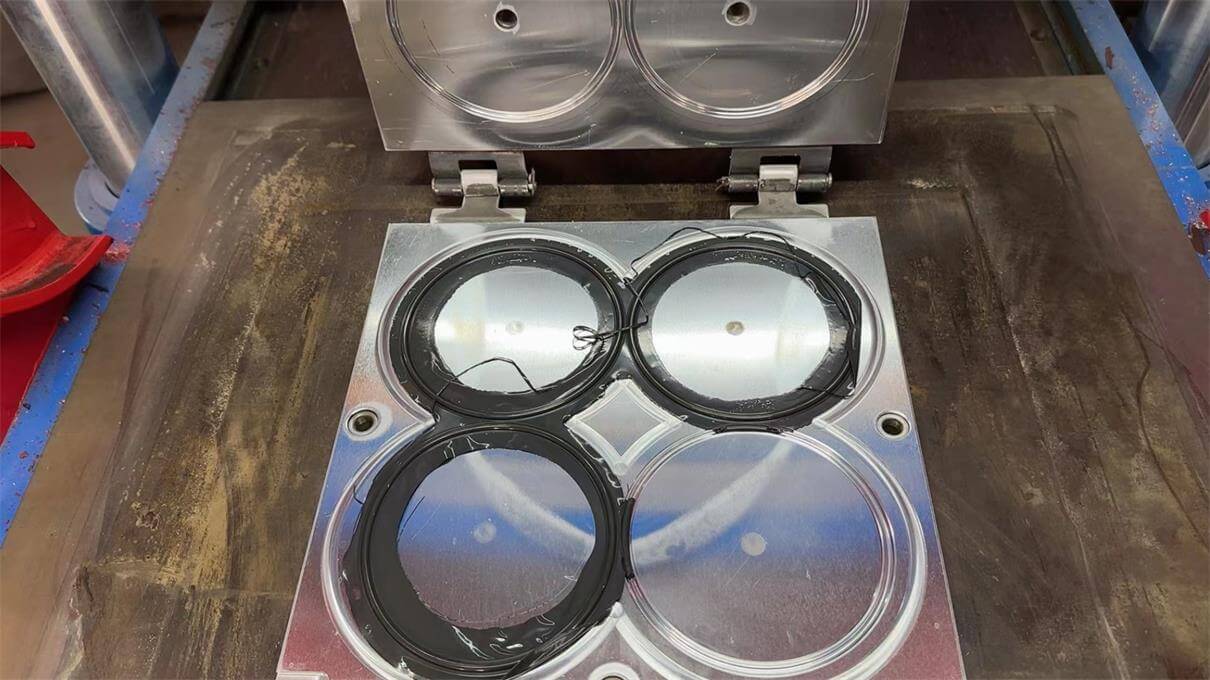
Material selection is a critical determinant in the performance, reliability, and service life of custom molded rubber components used in aircraft applications. At Suzhou Baoshida Trading Co., Ltd., we specialize in precision-engineered rubber parts tailored to meet stringent aerospace standards. Our expertise includes the formulation and molding of high-performance elastomers such as Viton, Nitrile (NBR), and Silicone, each offering distinct advantages depending on operational environment and functional requirements.
Viton, a fluorocarbon-based rubber (FKM), is widely specified in aircraft systems due to its exceptional resistance to high temperatures, jet fuels, lubricants, and hydraulic fluids. With a continuous service temperature range of -20°C to +200°C (with intermittent exposure up to +250°C), Viton excels in engine compartments, fuel systems, and auxiliary power units where thermal and chemical stability are paramount. Its low outgassing properties also make it suitable for vacuum and high-altitude conditions, aligning with aerospace cleanliness and safety protocols.
Nitrile rubber, or acrylonitrile butadiene rubber (NBR), is a cost-effective solution for applications involving petroleum-based oils and fuels. It provides excellent abrasion resistance and tensile strength, with a typical operating range from -30°C to +100°C, extendable to +125°C for limited durations. While not as thermally stable as Viton, Nitrile remains a preferred choice for static seals, O-rings, and gaskets in hydraulic and fuel-handling components where moderate temperatures and aggressive fluids are present.
Silicone rubber (VMQ) offers unmatched flexibility and stability across extreme temperature variations, performing reliably from -60°C to +200°C. Its inert nature, UV resistance, and low compression set make it ideal for non-fuel-related seals, electrical insulation, and cabin interior components. However, silicone exhibits lower mechanical strength and poor resistance to hydrocarbon fuels, limiting its use in high-stress or fuel-exposed environments. It is frequently selected for environmental sealing, avionics housings, and ventilation systems.
The following table provides a comparative overview of key physical and chemical properties for these materials based on ASTM standard testing methods:
| Property | Viton (FKM) | Nitrile (NBR) | Silicone (VMQ) |
|---|---|---|---|
| Base Polymer | Fluorocarbon | Acrylonitrile-Butadiene | Polydimethylsiloxane |
| Hardness Range (Shore A) | 50–90 | 40–90 | 30–80 |
| Tensile Strength (MPa) | 10–20 | 10–25 | 5–10 |
| Elongation at Break (%) | 150–300 | 200–500 | 200–600 |
| Continuous Temp Range (°C) | -20 to +200 | -30 to +100 | -60 to +200 |
| Max Short-Term Temp (°C) | +250 | +125 | +230 |
| Fuel Resistance | Excellent | Good | Poor |
| Oil & Lubricant Resistance | Excellent | Excellent | Poor |
| Ozone & Weather Resistance | Excellent | Good | Excellent |
| Compression Set Resistance | Very Good | Good | Very Good |
| Electrical Insulation Properties | Good | Fair | Excellent |
Selection of the appropriate elastomer requires a comprehensive understanding of the application’s thermal profile, fluid exposure, mechanical stress, and regulatory compliance. Suzhou Baoshida Trading Co., Ltd. supports OEMs and Tier-1 suppliers with material certification, batch traceability, and full compatibility testing to ensure every molded component meets the exacting demands of modern aircraft systems.
Manufacturing Capabilities
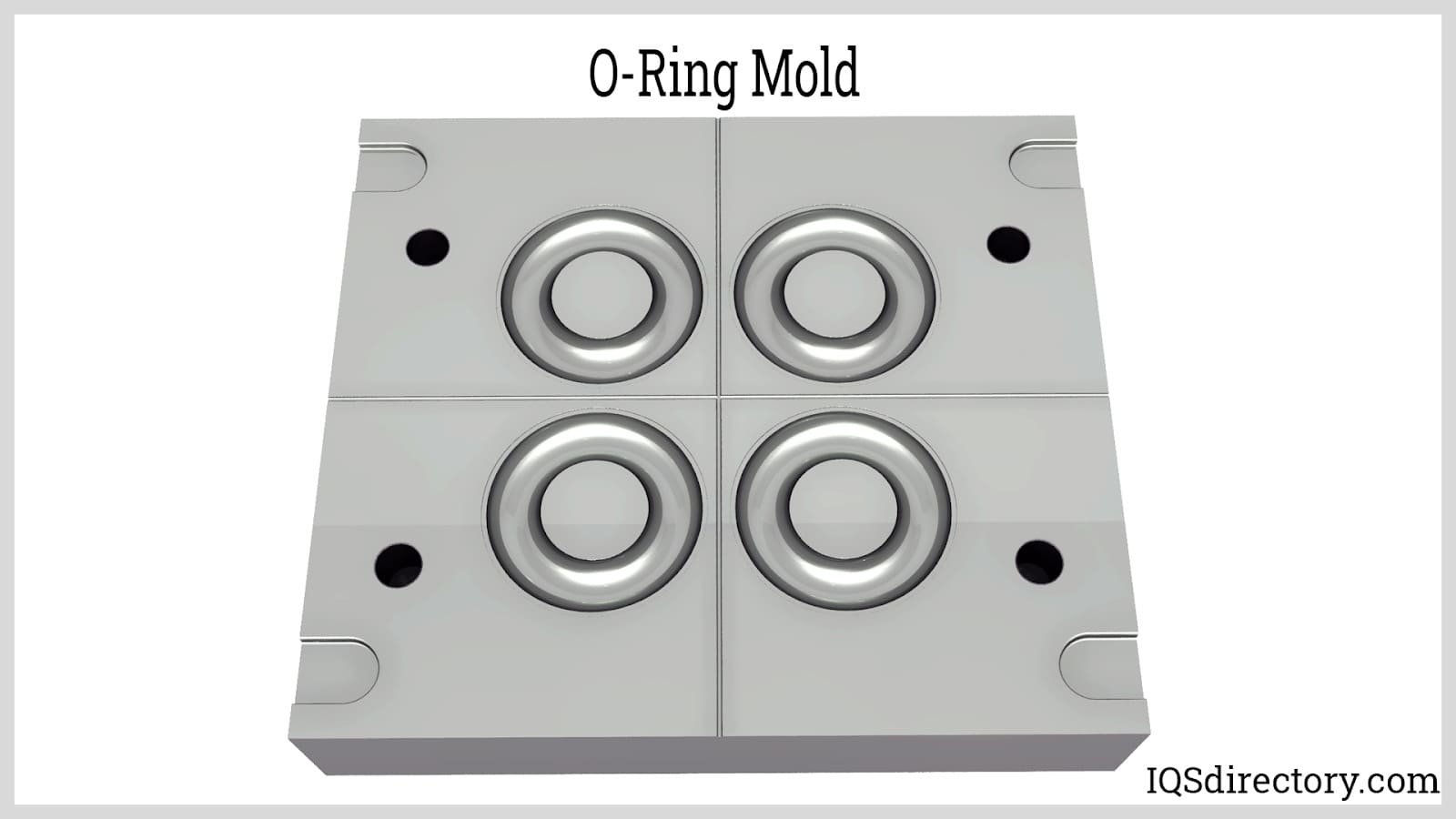
Engineering Capability: Precision Rubber Molding for Aerospace Applications
Suzhou Baoshida Trading Co., Ltd. delivers mission-critical rubber components for aircraft systems through integrated engineering expertise. Our dedicated team comprises five specialized mold engineers and two advanced rubber formula engineers, ensuring end-to-end control from material science to finished part validation. This structure eliminates external dependencies, enabling rapid iteration for complex geometries and stringent aerospace performance requirements. Our engineers collaborate directly with OEM design teams to optimize part manufacturability, thermal stability, and fluid resistance—addressing challenges like fuel exposure, extreme temperature cycling, and pressure differentials inherent in aviation environments.
Material innovation forms the core of our aircraft molding capability. Our formula engineers develop proprietary elastomer compounds meeting AMS, AS, and ISO aerospace standards, including fluorosilicone (FVMQ), ethylene propylene diene monomer (EPDM), and perfluoroelastomer (FFKM) formulations. Each compound undergoes rigorous characterization for compression set (<15% at 200°C), tensile strength (≥10 MPa), and low-temperature flexibility (down to -54°C). We validate material behavior under simulated flight conditions, including vacuum exposure and ozone resistance testing, to prevent in-service degradation. This scientific approach ensures consistent performance across 10,000+ hour service lifespans.
As an OEM partner, we provide full turnkey solutions from prototyping to serial production. Our mold engineering team utilizes 3D flow simulation (Moldflow) and cavity pressure monitoring to eliminate defects like flash, voids, or incomplete cures in critical sealing surfaces. We maintain ISO 9001 and IATF 16949-certified processes, with full traceability from raw material batch to finished component. This includes automated dimensional inspection (±0.05 mm tolerance) and real-time process data logging for every production run.
The following table details our technical differentiation in aircraft-grade rubber molding versus standard industrial practices:
| Parameter | Standard Industrial | Aircraft Grade Requirement | Suzhou Baoshida Process Control |
|---|---|---|---|
| Material Certification | ASTM D2000 | AMS 7256 / AS5553 | Full AMS-compliant validation + OEM-specific approvals |
| Dimensional Tolerance | ±0.25 mm | ±0.05 mm | Laser scanning + SPC-controlled molding |
| Compression Set (200°C) | ≤30% | ≤15% | Proprietary FKM formulations + post-cure optimization |
| Traceability | Batch-level | Part-level serialization | RFID-tagged components + digital twin documentation |
| Failure Analysis | Basic root cause | FAA-compliant FMEA | In-house SEM/EDS + accelerated life testing |
We enforce zero-defect protocols through Design for Manufacturing (DFM) reviews and Failure Mode Effects Analysis (FMEA) at every project phase. Our facility houses 150–2000T hydraulic presses with micro-injection capabilities for thin-wall gaskets and multi-cavity tools for high-volume production. Suzhou Baoshida’s engineering depth ensures rubber components not only meet but exceed aerospace durability benchmarks, reducing OEM maintenance cycles and enhancing flight safety. Partner with us for technically validated solutions where material integrity is non-negotiable.
Customization Process
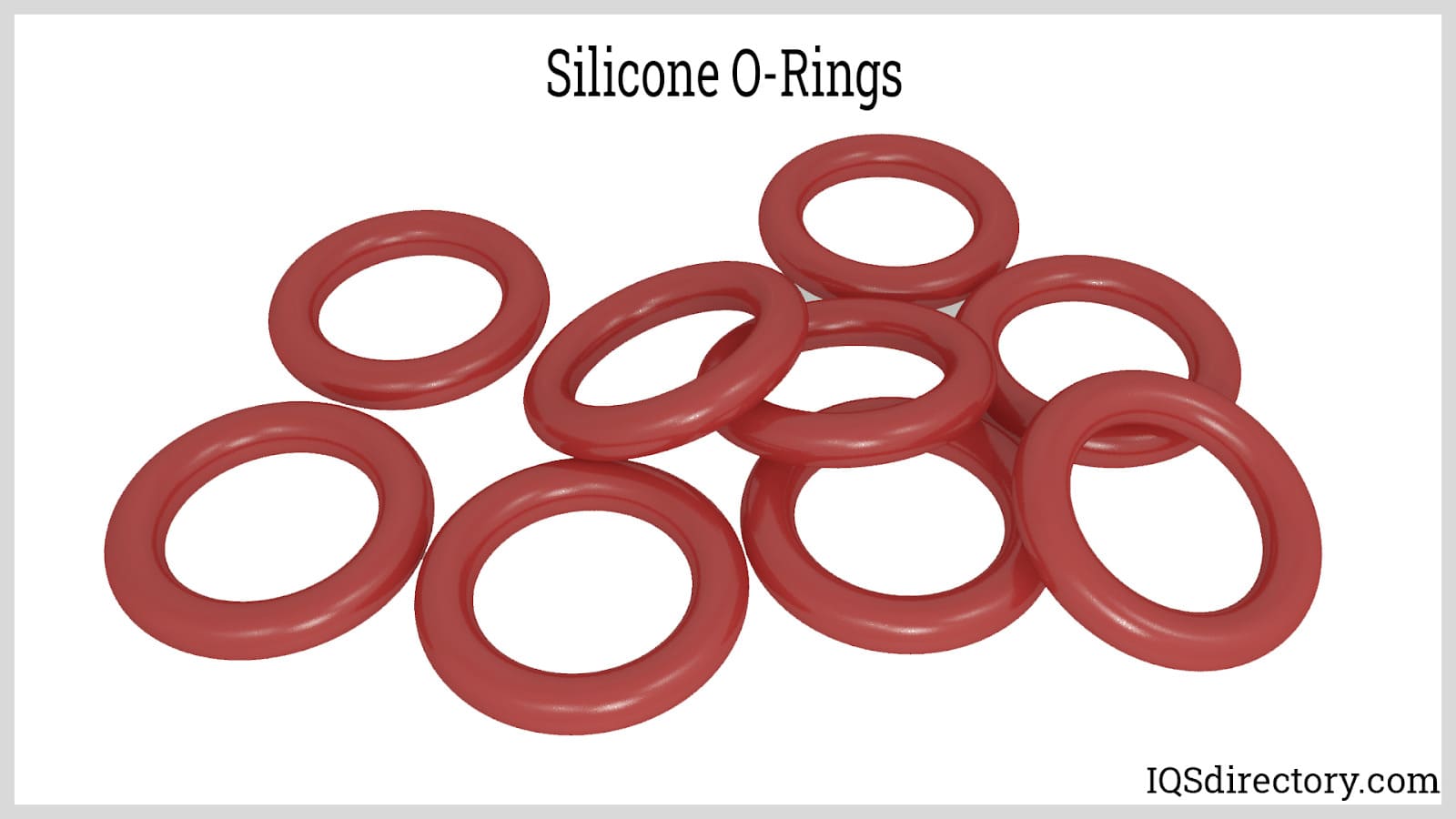
Drawing Analysis
The foundation of any successful custom rubber molding project begins with precise drawing analysis. At Suzhou Baoshida Trading Co., Ltd., our engineering team conducts a comprehensive review of customer-provided technical drawings, focusing on dimensional accuracy, tolerance specifications, part geometry, and functional requirements. This phase ensures compatibility with molding processes such as compression, transfer, or injection molding. We validate critical features including parting lines, draft angles, wall thickness, and potential undercuts that may affect mold design and demolding efficiency. Any discrepancies or design risks are flagged early, and we collaborate directly with the client to suggest engineering improvements without compromising performance. This meticulous evaluation minimizes production delays and ensures the final component meets exact aerospace standards, including compliance with AS9100 and ISO 9001:2015.
Formulation Development
Following design validation, our rubber formulation engineers develop a compound tailored to the operational demands of aircraft environments. Aerospace applications require materials resistant to extreme temperatures, aviation fuels, hydraulic fluids, ozone, and prolonged compression. We select base polymers such as FKM (fluorocarbon), EPDM, silicone (VMQ), or perfluoroelastomers (FFKM), depending on chemical exposure and thermal range. Additives including reinforcing fillers, curing agents, and stabilizers are precisely dosed to achieve target hardness (Shore A), tensile strength, elongation, and compression set resistance. Each formulation is documented and batch-traceable, adhering to stringent traceability and safety protocols. Material data sheets (MDS) and certificates of conformance (CoC) are generated for full regulatory transparency.
Prototyping and Validation
Once the compound is finalized, we proceed to prototype tooling—typically using aluminum or soft steel molds for rapid iteration. Prototypes are produced under simulated production conditions and subjected to rigorous testing, including dimensional inspection, hardness measurement, and environmental exposure (e.g., thermal cycling, fluid immersion). First Article Inspection (FAI) reports are compiled per AS9102 standards. Customer feedback is incorporated at this stage to refine geometry or material performance before committing to full-scale tooling. This iterative process ensures design fidelity and functional reliability under real-world aerospace conditions.
Mass Production
Upon prototype approval, we transition to high-precision mass production using hardened steel molds and automated molding systems. Each batch undergoes in-process quality checks, including 100% visual inspection and statistical sampling for dimensional and physical properties. Our production lines are optimized for consistency, cycle efficiency, and minimal waste, supporting both medium and high-volume orders. Final parts are packaged per customer logistics requirements, with full documentation for traceability.
Typical Material Specifications for Aircraft Molding Applications
| Property | FKM (75 Shore A) | Silicone (60 Shore A) | EPDM (70 Shore A) |
|---|---|---|---|
| Temperature Range | -20°C to +250°C | -55°C to +200°C | -40°C to +150°C |
| Tensile Strength (MPa) | ≥15 | ≥7 | ≥10 |
| Elongation at Break (%) | ≥200 | ≥300 | ≥250 |
| Compression Set (70h at 150°C) | ≤25% | ≤20% | ≤30% |
| Fluid Resistance | Excellent (fuel, oil) | Good (water, steam) | Excellent (glycol, brake fluid) |
Contact Engineering Team
Contact Suzhou Baoshida for Precision Aircraft Rubber Molding Solutions
Suzhou Baoshida Trading Co., Ltd. stands as your definitive partner for mission-critical custom rubber components in aerospace applications. Our engineering team possesses deep expertise in polymer science and precision molding processes specifically engineered for the extreme demands of aircraft systems. We understand that failure is not an option in aviation; therefore, every seal, gasket, vibration isolator, and fluid handling component we produce adheres to the most stringent AS9100-certified quality management protocols. Our facility integrates advanced material formulation with zero-defect molding practices, ensuring consistent performance under conditions of extreme temperature cycling, hydraulic pressure, fuel exposure, and prolonged service life. We do not merely manufacture parts—we deliver engineered solutions that directly contribute to aircraft safety, efficiency, and regulatory compliance.
Our technical capabilities are anchored in rigorous material science and process control. Below are key specifications defining our aerospace-grade molded rubber parts:
| Material Type | Durometer Range (Shore A) | Temperature Resistance (°C) | Compression Set (ASTM D395, 70h @ 150°C) | Key Aerospace Applications |
|---|---|---|---|---|
| FKM (Viton®) | 50 – 90 | -20 to +230 | ≤ 25% | Fuel/oil seals, engine compartment |
| High-Purity EPDM | 40 – 80 | -50 to +150 | ≤ 30% | Cabin seals, water drainage |
| Silicone (VMQ) | 30 – 80 | -60 to +200 | ≤ 20% | Avionics insulation, lighting |
| Fluorosilicone (FVMQ) | 50 – 80 | -55 to +175 | ≤ 28% | Fuel system components |
These specifications represent our baseline aerospace performance standards. We routinely develop proprietary compound modifications to meet unique OEM material specifications, including low outgassing (ASTM E595), flame resistance (FAR 25.853), and electrostatic dissipation requirements. Our molding processes achieve dimensional tolerances held to ±0.05mm on critical features, supported by in-house metrology using CMM and optical comparators. Every batch undergoes full traceability from raw material lot to finished part, with comprehensive test reports including tensile strength, elongation, and fluid immersion results.
Initiate your aircraft component project with Suzhou Baoshida by contacting Mr. Boyce, our dedicated OEM Manager and Rubber Formula Engineering Lead. Mr. Boyce possesses 18 years of specialized experience in aerospace elastomer applications and serves as the direct technical liaison between your engineering team and our production floor. He will facilitate rapid material selection, feasibility analysis, and DFM optimization for your specific design challenges. Submit your prints, material callouts, and performance requirements directly to him for same-day technical review. Do not navigate generic sales channels when your project demands engineering precision.
Mr. Boyce operates at the critical intersection of polymer chemistry and manufacturing execution. His team will ensure your rubber components meet not only dimensional and material specs but also the rigorous certification documentation required for aircraft integration. Contact him immediately to discuss how our AS9100-certified processes, in-house compound development lab, and zero-defect molding culture can accelerate your production timeline while eliminating supply chain risk. Every aircraft component we deliver carries the weight of flight safety—entrust your next project to engineers who understand this imperative at the molecular level.
Contact Mr. Boyce directly for technical collaboration: [email protected]
Specify “Aircraft Molding Inquiry” in your subject line for immediate priority routing. Response time for engineering queries: under 4 business hours.
⚖️ O-Ring Weight Calculator
Estimate rubber O-ring weight (Approx).