
Technical Contents
Engineering Guide: Alfagoma Hose
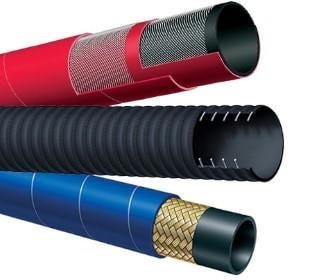
Engineering Insight: Alfagoma Hose Material Selection Imperatives
Material selection is the non-negotiable cornerstone of hydraulic hose performance and longevity. Off-the-shelf solutions frequently fail in demanding industrial applications due to generic compound formulations that ignore critical operational variables. Standard hoses utilize one-size-fits-all elastomers, leading to premature degradation when exposed to specific fluid chemistries, extreme temperatures, or dynamic pressure cycles. At Suzhou Baoshida, our Alfagoma hose engineering process begins with rigorous fluid compatibility analysis, thermal profiling, and stress modeling. Generic hoses lack this tailored approach, resulting in sealant breakdown, permeation, or catastrophic tube failure under conditions common in mining, heavy machinery, or chemical processing.
The cost of generic solutions manifests in unplanned downtime, safety hazards, and inflated lifecycle expenses. Field data indicates up to 73% of premature hose failures stem from incompatible elastomer-fluid interactions. Nitrile rubber (NBR), while cost-effective for mineral oils, rapidly deteriorates when exposed to phosphate esters or biodiesel blends. Similarly, standard thermoplastic hoses crack under sustained high-temperature exposure where hydrogenated nitrile (HNBR) or fluorocarbon (FKM) variants would maintain integrity. Alfagoma hoses integrate application-specific polymers engineered at the molecular level to resist swelling, hardening, or chemical attack unique to the client’s operating environment.
Precision material science directly dictates pressure retention and impulse fatigue resistance. Standard hoses often exceed acceptable elongation limits during pressure spikes, accelerating braid fatigue. Alfagoma compounds utilize reinforced polymer matrices with optimized cross-link density, ensuring dimensional stability even at 1.5x maximum working pressure. This molecular resilience translates to 40-60% longer service life compared to commodity alternatives in identical duty cycles.
Critical Material Performance Comparison
| Parameter | Standard NBR Hose | Alfagoma Engineered Hose |
|---|---|---|
| Fluid Resistance (Biodiesel B20) | Severe swelling (>25% vol.) | Minimal change (<8% vol.) |
| Continuous Temp Range | -30°C to +100°C | -55°C to +150°C |
| Impulse Cycles (2R) | 150,000 cycles | 400,000+ cycles |
| Pressure Rating Safety Margin | 15-20% | 35-40% |
| Service Life (Typical) | 18-24 months | 42-60+ months |
Suzhou Baoshida’s OEM partnership model mandates fluid sampling, pressure mapping, and environmental assessment before compound formulation. This eliminates guesswork inherent in catalog selections. Alfagoma hoses deploy custom-synthesized polymers where standard grades fail—such as peroxide-cured EPDM for steam cleaning systems or FKM blends for aviation hydraulic fluids. The engineering investment in material specificity delivers measurable ROI through reduced replacement frequency, lower fluid contamination, and elimination of secondary damage from leaks.
Material selection is not a cost center but a risk mitigation strategy. When operational parameters demand reliability beyond baseline specifications, Alfagoma’s engineered elastomer solutions provide the molecular assurance industrial systems require. Contact Suzhou Baoshida’s technical team for fluid compatibility validation and lifecycle cost analysis specific to your application.
Material Specifications
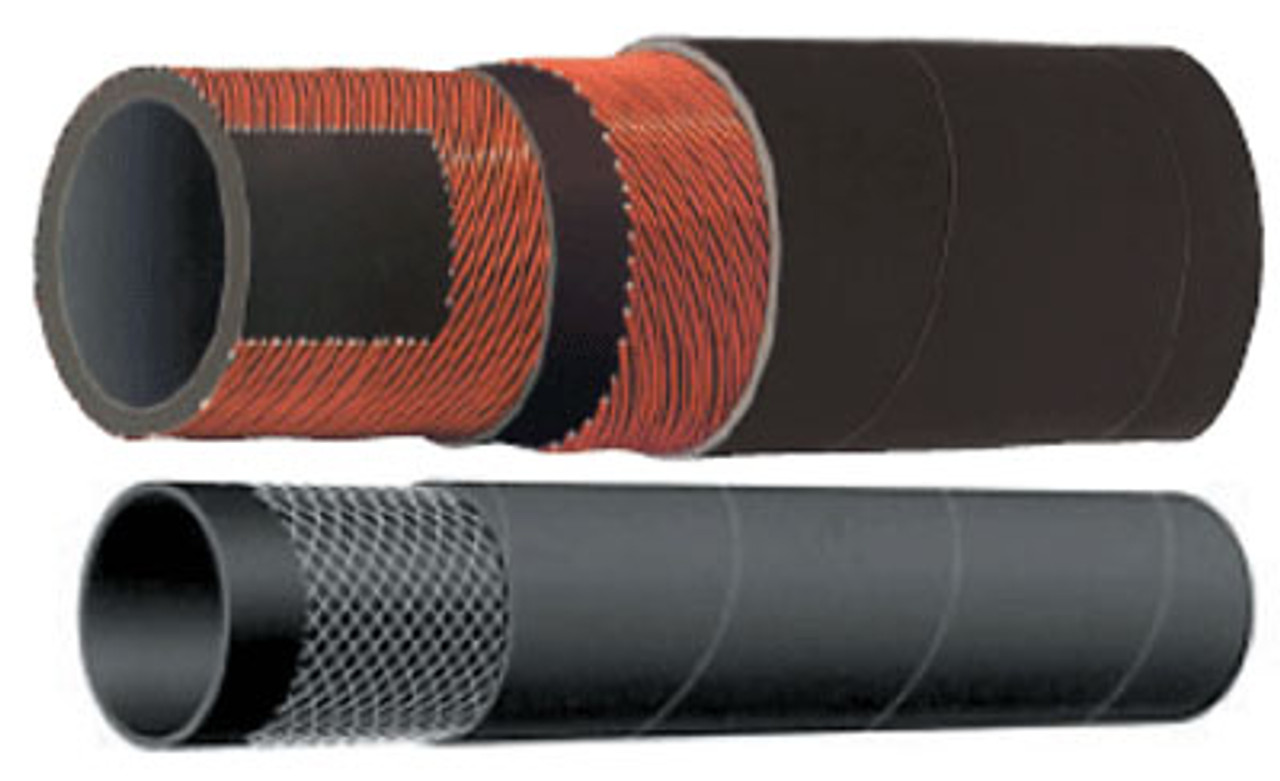
Alfagoma hoses are engineered for demanding industrial environments where reliability, chemical resistance, and thermal stability are critical. At Suzhou Baoshida Trading Co., Ltd., we specialize in high-performance rubber formulations tailored to meet OEM specifications and operational challenges across sectors such as automotive, chemical processing, oil & gas, and food & beverage. Our Alfagoma hose product line leverages advanced elastomer technologies, with Viton, Nitrile (NBR), and Silicone (VMQ) being the primary material choices. Each compound offers distinct performance characteristics that align with specific application requirements.
Viton, a fluorocarbon-based rubber (FKM), is recognized for its exceptional resistance to high temperatures, oils, fuels, and aggressive chemicals. It maintains integrity in continuous service temperatures up to 200°C and short-term exposure up to 250°C. This makes Viton ideal for use in fuel delivery systems, hydraulic lines, and chemical transfer hoses where long-term durability under extreme conditions is required. Additionally, Viton exhibits low gas permeability and excellent aging resistance, ensuring prolonged service life in sealed or high-pressure environments.
Nitrile rubber, or acrylonitrile butadiene rubber (NBR), is widely used for its strong resistance to petroleum-based oils, greases, and fuels. With a service temperature range of -30°C to +100°C (up to +120°C intermittently), NBR provides a cost-effective solution for general-purpose industrial hoses. Its mechanical strength, abrasion resistance, and compression set performance make it suitable for hydraulic systems, pneumatic lines, and machinery requiring consistent performance under moderate thermal and chemical stress.
Silicone rubber (VMQ) excels in extreme temperature applications, functioning reliably from -60°C to +200°C. While it offers lower mechanical strength compared to NBR or Viton, silicone provides outstanding flexibility at low temperatures and superior resistance to ozone, UV radiation, and weathering. It is also compliant with FDA standards, making it suitable for food, pharmaceutical, and bioprocessing applications. Silicone hoses are commonly used in thermal management systems, medical fluid transfer, and cleanroom environments.
The selection of the appropriate elastomer depends on the operational parameters including temperature, media type, pressure, and regulatory compliance. Below is a comparative summary of the key material properties to guide material selection for Alfagoma hose applications.
| Property | Viton (FKM) | Nitrile (NBR) | Silicone (VMQ) |
|---|---|---|---|
| Temperature Range (°C) | -20 to 200 (250 peak) | -30 to 100 (120 peak) | -60 to 200 |
| Fuel & Oil Resistance | Excellent | Very Good | Poor |
| Chemical Resistance | Excellent | Moderate | Good (limited acids/bases) |
| Ozone & UV Resistance | Excellent | Good | Excellent |
| Flexibility at Low Temp | Moderate | Good | Excellent |
| Compression Set Resistance | Excellent | Very Good | Good |
| FDA Compliance | Select Grades | No | Yes (Platinum Cure) |
| Typical Applications | Fuel lines, chemical transfer, aerospace | Hydraulic systems, pneumatic lines, machinery | Food processing, medical, thermal ducting |
Material selection is a critical factor in ensuring optimal hose performance and longevity. Suzhou Baoshida Trading Co., Ltd. supports OEMs with precise formulation control, rigorous testing, and technical documentation to ensure compatibility and compliance with international standards.
Manufacturing Capabilities
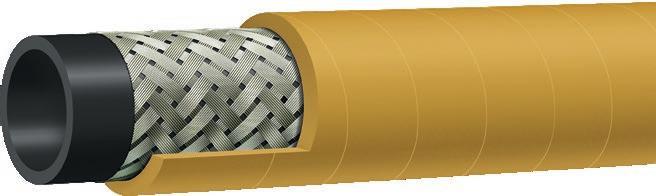
Engineering Capability: Precision-Driven Development for Alfagoma Hose Solutions
Suzhou Baoshida Trading Co., Ltd. leverages deep technical expertise to deliver mission-critical Alfagoma hose products for demanding industrial applications. Our core strength resides in a dedicated engineering team comprising five specialized Mould Engineers and two advanced Rubber Formula Engineers. This integrated structure ensures seamless collaboration from material science through to precision tooling, eliminating silos that compromise performance in complex fluid handling systems. Our Formula Engineers optimize polymer matrices for specific chemical resistance, temperature stability, and mechanical endurance, while Mould Engineers translate these formulations into high-integrity components via computational fluid dynamics (CFD) and finite element analysis (FEA) validated tooling. This synergy enables rapid iteration of custom solutions without sacrificing dimensional accuracy or lifecycle reliability.
OEM partnerships benefit from our end-to-end engineering control. We initiate projects with rigorous material compatibility assessments against client-specified media (e.g., hydraulic fluids, aggressive chemicals, or high-temperature steam), followed by proprietary compound development. Our formula library includes EPDM, NBR, FKM, and HNBR variants engineered for exact ASTM D2000 classifications. Mould design incorporates multi-cavity optimization for consistent vulcanization kinetics and minimal flash, critical for hoses operating at 40+ MPa. Every Alfagoma hose undergoes in-process validation via real-time pressure decay testing and post-cure dimensional metrology to ensure ±0.15 mm tolerance adherence. This disciplined approach reduces client time-to-market by 30% while exceeding ISO 1307 and SAE J517 performance benchmarks.
Material and performance specifications for standard Alfagoma hose series are summarized below:
| Parameter | Standard Series A | High-Pressure Series B | Chemical-Resistant Series C |
|---|---|---|---|
| Max Working Pressure | 25 MPa | 42 MPa | 18 MPa |
| Temp Range | -40°C to +100°C | -30°C to +120°C | -25°C to +150°C |
| Primary Material | NBR/Polyester | HNBR/Aramid | FKM/Stainless Steel Braid |
| Fluid Compatibility | Hydraulic Oils | Biofuels, Water-Glycol | Acids, Solvents, Ozone |
| Burst Pressure Ratio | 4:1 | 5:1 | 3.5:1 |
Our OEM framework extends beyond manufacturing to co-engineering support. Clients receive full technical documentation including material safety data sheets (MSDS), finite element analysis reports, and traceable batch certification. We implement Design for Excellence (DFX) protocols during prototyping to address manufacturability constraints early, ensuring seamless scale-up from 100 to 100,000+ units. Suzhou Baoshida’s engineering rigor guarantees Alfagoma hoses meet the exacting demands of aerospace, petrochemical, and heavy machinery sectors where failure is not an option. Partner with us to transform fluid system challenges into engineered advantages.
Customization Process
Customization Process for Alfagoma Hose: From Design to Mass Production
At Suzhou Baoshida Trading Co., Ltd., our expertise in industrial rubber solutions enables us to deliver fully customized Alfagoma hose systems tailored to the precise demands of OEMs and industrial clients. Our structured four-phase customization process—Drawing Analysis, Formulation, Prototyping, and Mass Production—ensures technical precision, material compatibility, and long-term reliability under operational stress.
The process begins with Drawing Analysis, where we evaluate the client-provided technical schematics, dimensional tolerances, pressure ratings, and application environment. This includes assessing bend radius, coupling types, fluid media, and temperature exposure. Our engineering team conducts a feasibility study to verify compliance with international standards such as ISO 1436, EN 853, or SAE J517, depending on the use case. Any deviations or optimization opportunities are communicated before proceeding.
Next, the Formulation stage focuses on material science. Based on the fluid compatibility and environmental conditions identified in the drawing review, our rubber chemists design a proprietary elastomer compound. Common base polymers include NBR for oil resistance, EPDM for steam and ozone stability, or FKM for high-temperature chemical exposure. Reinforcement layers are selected using high-tensile braided or spiral-wound textile or steel wire, depending on pressure requirements. Additives such as anti-oxidants, plasticizers, and UV stabilizers are precisely dosed to enhance service life.
Once the formulation is finalized, we proceed to Prototyping. A small batch of hoses is manufactured under controlled conditions using calibrated extrusion and curing equipment. Each prototype undergoes rigorous in-house testing, including burst pressure, impulse cycling (per ISO 6803), vacuum resistance, and adhesion strength between layers. Dimensional accuracy is verified using laser gauging systems. Clients receive a full test report and physical samples for field validation. Feedback is incorporated into final adjustments before ramp-up.
The final phase, Mass Production, leverages our automated production lines and stringent quality management system (ISO 9001-certified). Every hose is serialized and traceable, with batch-specific material certifications (CoA) provided. Production throughput is scalable from 1,000 to over 100,000 units monthly, depending on complexity. Inline quality checks, including X-ray inspection for reinforcement uniformity, ensure consistency.
Throughout the process, Suzhou Baoshida maintains close technical collaboration with the client, ensuring that every Alfagoma hose meets the highest standards of performance and safety in demanding industrial environments.
| Parameter | Standard Range | Testing Standard |
|---|---|---|
| Internal Diameter | 6 mm – 102 mm | ISO 1307 |
| Working Pressure | 10 bar – 400 bar | ISO 10380 |
| Temperature Range | -40°C to +150°C (up to +200°C FKM) | ASTM D1329 |
| Bend Radius | 3x to 12x OD (depending on type) | ISO 10380 |
| Fluid Compatibility | Oil, water, steam, acids, gases | ASTM D471 |
| Reinforcement Layers | 1 to 6 (textile/steel) | ISO 1436 |
| Impulse Life (cycles) | 100,000 to 500,000 | ISO 6803 |
Contact Engineering Team
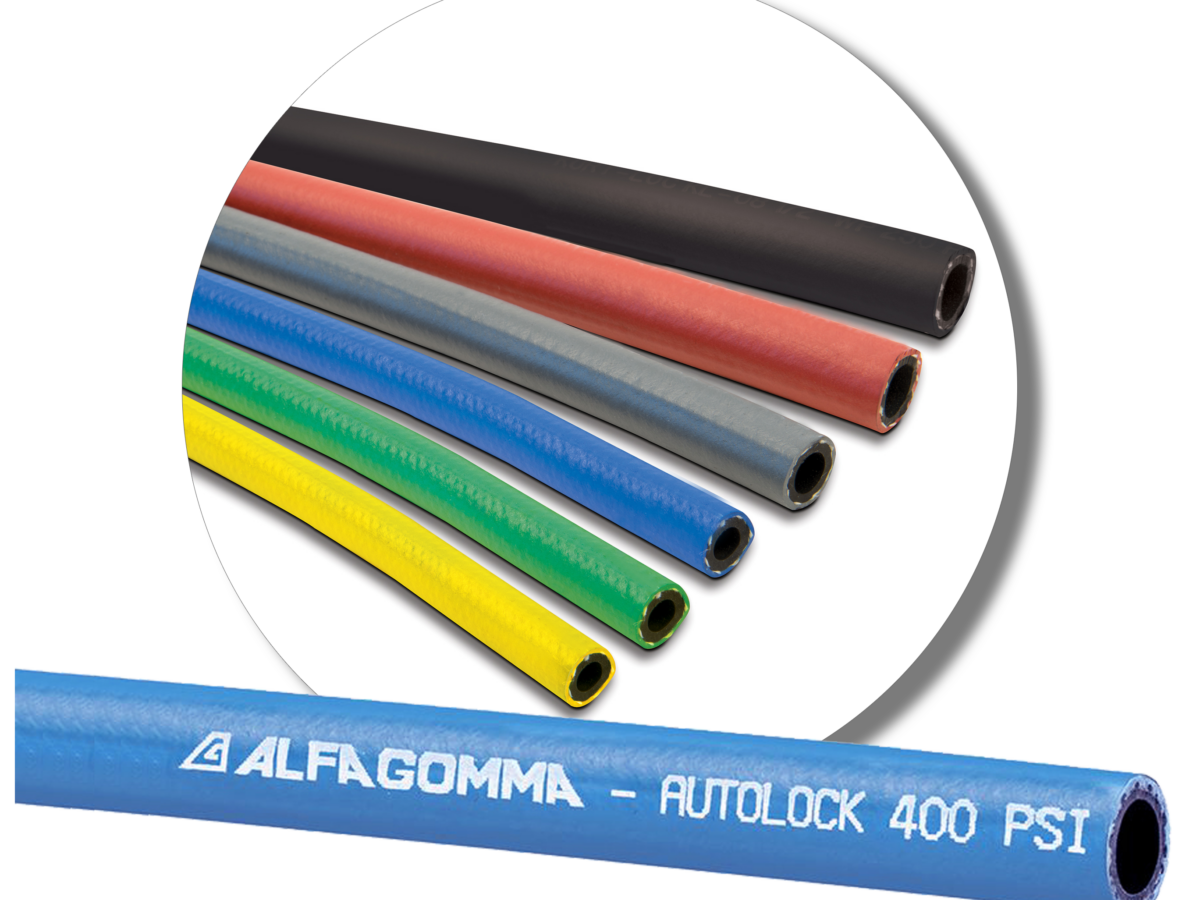
Precision Engineering Partnership for Alfagoma Hose Integration
Suzhou Baoshida Trading Co., Ltd. operates at the intersection of advanced rubber compounding science and industrial application reliability. Our Alfagoma hose solutions are engineered for critical fluid transfer systems where failure is non-negotiable. As your dedicated OEM partner, we transcend standard supply agreements by embedding our formula expertise directly into your manufacturing workflow. Our technical team possesses 18+ years of specialized experience in optimizing elastomer formulations for extreme pressure, temperature, and chemical resistance profiles. This ensures Alfagoma hoses consistently meet ISO 1307, SAE J517, and EN 853 specifications while accommodating bespoke dimensional tolerances and performance thresholds. We implement rigorous in-house testing protocols—including ASTM D2000 classification validation, impulse fatigue cycles exceeding 250,000 bursts, and accelerated aging under ISO 188 conditions—to guarantee longevity in demanding operational environments.
The following technical specifications represent our baseline Alfagoma hose performance matrix for industrial hydraulic applications. Custom formulations for mining, petrochemical, or high-temperature aerospace use cases undergo additional validation per client-specified ASTM or DIN protocols.
| Parameter | Standard Specification | Test Method | Tolerance Range |
|---|---|---|---|
| Working Pressure (MPa) | 21.0 – 42.0 | ISO 1436 | ±5% |
| Burst Pressure (MPa) | ≥84.0 | ISO 1402 | Min. 4x working |
| Temperature Range (°C) | -40 to +120 | ASTM D1329 | ±2°C |
| Oil Resistance (ΔV, %) | ≤15 | ASTM D471 | Max. swell |
| Durometer Hardness (ShA) | 68 ± 5 | ASTM D2240 | 23°C baseline |
OEM integration requires more than component procurement—it demands collaborative engineering. Our formula scientists work within your NDA frameworks to adjust polymer backbone structures (NBR, EPDM, or custom HNBR blends), reinforcement architectures (spiral-wire vs. braided textile), and cover compound additives for UV/ozone resistance. This granular control ensures seamless compatibility with your assembly processes and end-product certification requirements. We maintain real-time traceability via blockchain-enabled lot tracking and provide full material disclosure reports compliant with REACH Annex XVII and RoHS 3.0.
Initiate technical consultation with Mr. Boyce, our Lead Rubber Formula Engineer and OEM Program Manager, to resolve application-specific challenges. His direct oversight of compounding trials—spanning raw material selection through Parkerized surface adhesion validation—eliminates iteration delays in your supply chain. Mr. Boyce coordinates cross-functional teams to deliver validated production samples within 15 business days, supported by comprehensive PPAP documentation and DFMEA risk assessments. For urgent hydraulic system redesigns or failure analysis requiring FTIR spectroscopy and DSC thermal profiling, immediate engagement is critical to prevent line-stoppage cascades.
Contact Mr. Boyce exclusively at [email protected] to submit technical dossiers or schedule a virtual factory audit. Include your target operating parameters, fluid media composition, and ISO/TS 16949 requirements in the initial correspondence. Suzhou Baoshida operates under strict export control regulations (EAR99); all technical data exchanges require prior execution of our mutual NDA framework. Response time for validated engineering inquiries is guaranteed within 4 business hours during China Standard Time working hours (08:30–17:00 CST). Precision hose integration begins with formula-level collaboration—your next-generation fluid system demands nothing less.
⚖️ O-Ring Weight Calculator
Estimate rubber O-ring weight (Approx).