
Technical Contents
Engineering Guide: Aluminium Foam Panels
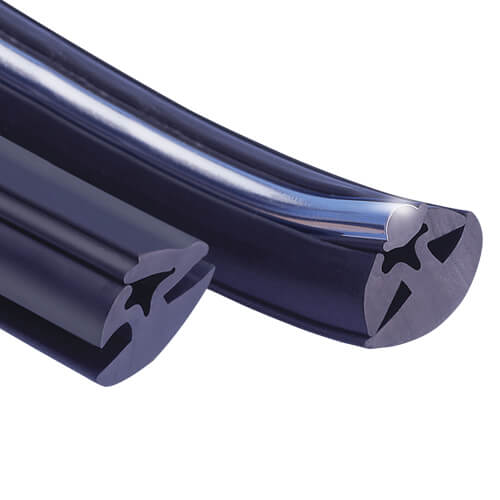
Engineering Insight: Material Selection Criticality in Aluminum Foam Panel Systems
Aluminum foam panels offer compelling advantages in lightweight structural applications requiring energy absorption, thermal management, and acoustic damping. However, widespread field failures of off-the-shelf solutions underscore a critical oversight: inadequate material selection tailored to the specific operational environment. Generic panels, often sourced without rigorous engineering consultation, fail to account for the complex interplay between the foam core, face sheets, and crucially, the interface materials – particularly elastomeric components used for sealing, vibration isolation, or thermal expansion compensation. These failures manifest as premature delamination, loss of structural integrity under cyclic loading, compromised environmental sealing, and accelerated fatigue due to unaddressed dynamic stresses.
The core issue lies in the inherent variability of aluminum foam properties and the demanding requirements imposed by real-world applications. Off-the-shelf panels typically utilize standardized foam densities, pore structures, and bonding methodologies optimized for broad, not specific, use cases. This neglects critical factors such as the precise coefficient of thermal expansion (CTE) mismatch between the foam core, metallic face sheets, and adjacent components. Without engineered compensation, thermal cycling induces significant interfacial shear stresses, overwhelming standard adhesive bonds. Furthermore, the viscoelastic properties of rubber gaskets or damping layers interfacing with the foam must be precisely matched to the system’s vibration spectrum and expected load profiles. Generic elastomers often lack the required damping modulus across the operational temperature range, leading to resonance amplification and structural damage. Chemical exposure to oils, fuels, or cleaning agents common in industrial settings can also rapidly degrade incompatible rubber formulations, breaching environmental seals.
Suzhou Baoshida Trading Co., Ltd. emphasizes that successful implementation demands a holistic material systems approach. Our engineering process begins with a detailed analysis of the application’s mechanical, thermal, and chemical environment. This informs the co-engineering of the aluminum foam structure alongside the critical rubber interface components. Key parameters requiring precise specification include:
| Parameter | Generic Off-the-Shelf Solution | Engineered Solution (Baoshida Approach) |
|---|---|---|
| Foam Density Tolerance | ±15% | ±5% (Application-Specific Target) |
| CTE Matching (Core/Face) | Not Optimized | < 5 ppm/°C Mismatch Achieved |
| Rubber Damping Range | Fixed, Broad Spectrum | Tuned to Critical Frequencies (±5 Hz) |
| Chemical Resistance | Basic EPDM/NBR | Custom FKM/FFKM per Fluid Exposure |
| Interface Bond Strength | Standard Adhesive | Plasma-Treated Surfaces + Structural Adhesive |
Relying on standardized aluminum foam panels ignores the system-level physics governing performance and longevity. The rubber interface is not a passive component; it is an active, engineered element critical to managing stress, vibration, and environmental threats. Suzhou Baoshida Trading Co., Ltd. partners with OEMs to define and supply integrated material solutions where the aluminum foam structure and its elastomeric counterparts are co-optimized. This precision engineering approach eliminates the common failure modes associated with generic products, ensuring panels deliver their promised performance throughout the intended service life under actual operating conditions. Material selection is not a procurement step; it is the foundational engineering decision.
Material Specifications
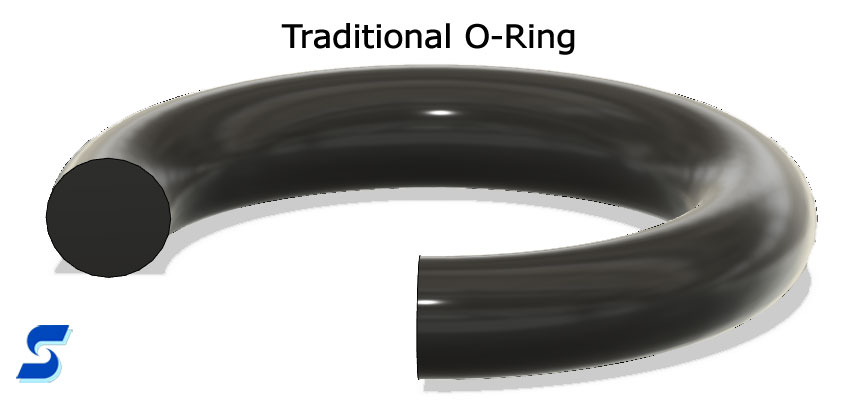
Aluminium foam panels are increasingly utilized in advanced industrial applications due to their exceptional strength-to-weight ratio, acoustic damping, and thermal insulation properties. When integrating these panels into dynamic systems—especially those involving sealing, vibration control, or environmental resistance—the selection of compatible elastomeric materials is critical. At Suzhou Baoshida Trading Co., Ltd., we specialize in industrial rubber solutions designed to complement high-performance substrates such as aluminium foam. Our expertise includes the application of Viton, Nitrile (NBR), and Silicone rubber compounds, each offering distinct advantages depending on operational requirements.
Viton fluorocarbon rubber (FKM) is engineered for extreme environments. It exhibits outstanding resistance to high temperatures, typically performing reliably from -20°C to 200°C, with intermittent exposure up to 250°C. Viton demonstrates excellent chemical stability against oils, fuels, acids, and many hydrocarbons, making it ideal for aerospace, automotive, and chemical processing applications where aluminium foam panels are exposed to aggressive media. Its low gas permeability and long-term aging resistance further enhance system integrity under sustained stress.
Nitrile rubber (NBR) remains one of the most widely used elastomers in industrial sealing due to its superior resistance to petroleum-based oils and fuels. With an operational temperature range of approximately -30°C to 120°C, NBR offers a balanced performance profile for cost-sensitive applications. While not as thermally stable as Viton, NBR provides excellent abrasion resistance and mechanical durability, making it suitable for hydraulic systems, machinery enclosures, and transportation sectors where aluminium foam panels serve structural or insulative roles in moderate environments.
Silicone rubber (VMQ) excels in applications requiring wide temperature flexibility and electrical insulation. It maintains elasticity from -60°C to 200°C, offering unmatched low-temperature performance among standard elastomers. Silicone is highly resistant to ozone and UV radiation, though it has lower tensile strength and abrasion resistance compared to Viton or NBR. Its biocompatibility and low toxicity also make it favorable in medical, food-grade, and cleanroom environments where aluminium foam panels are used in specialized enclosures or filtration systems.
The following table summarizes key physical and chemical properties of these materials to guide optimal selection in conjunction with aluminium foam panel assemblies.
| Property | Viton (FKM) | Nitrile (NBR) | Silicone (VMQ) |
|---|---|---|---|
| Temperature Range (°C) | -20 to 200 (up to 250 intermittent) | -30 to 120 | -60 to 200 |
| Tensile Strength (MPa) | 15–20 | 10–25 | 5–10 |
| Elongation at Break (%) | 200–300 | 200–500 | 200–600 |
| Hardness (Shore A) | 60–90 | 50–90 | 30–80 |
| Resistance to Oils/Fuels | Excellent | Excellent | Poor to Fair |
| Resistance to Ozone/UV | Excellent | Good | Excellent |
| Compression Set Resistance | Excellent | Good | Good |
| Electrical Insulation | Good | Fair | Excellent |
Selecting the appropriate rubber material in conjunction with aluminium foam panels ensures long-term reliability, environmental sealing, and mechanical compatibility. At Suzhou Baoshida Trading Co., Ltd., we provide tailored rubber solutions engineered to meet the precise demands of advanced industrial systems.
Manufacturing Capabilities
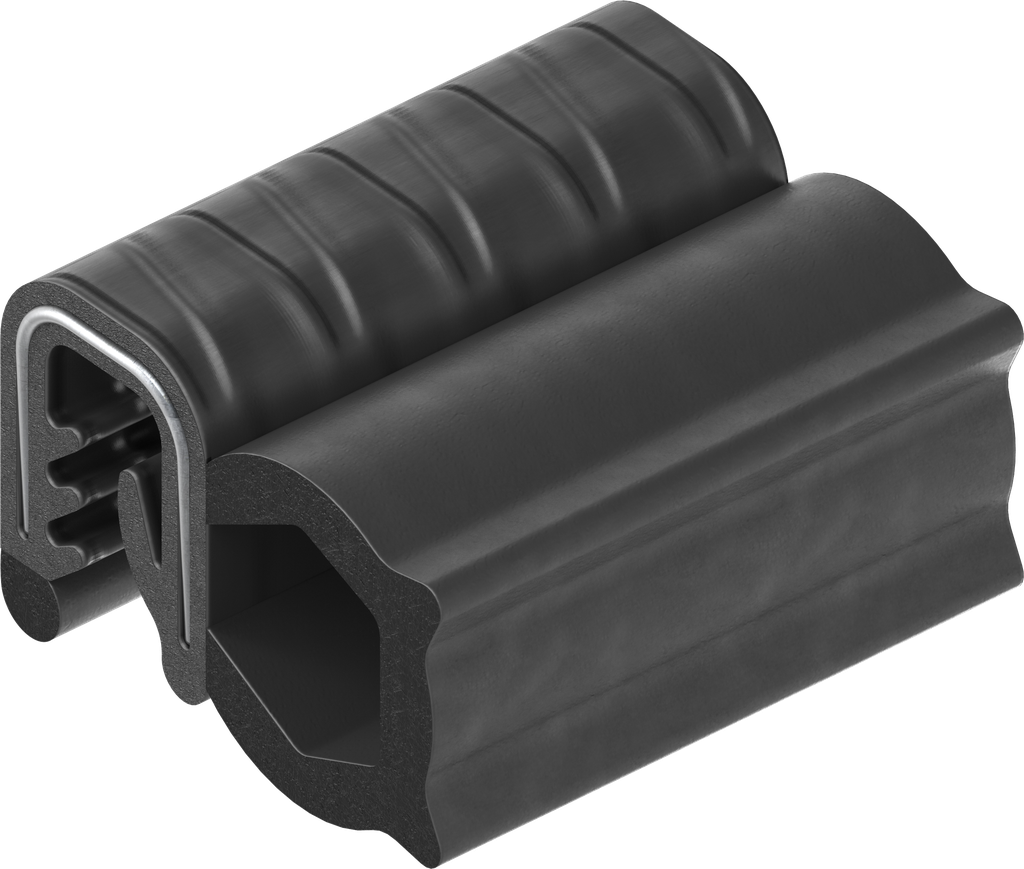
Engineering Capability: Precision Integration of Rubber Solutions with Aluminium Foam Panels
Suzhou Baoshida Trading Co., Ltd. leverages deep expertise in industrial rubber formulation and precision moulding to deliver superior integrated solutions for aluminium foam panel applications. While aluminium foam core structures define the primary mechanical and thermal properties, our core competency lies in the critical rubber components and bonding interfaces essential for functional assembly in demanding industrial environments. Our dedicated team of seven specialized engineers – five focused on advanced mould design and manufacturing, and two possessing deep mastery in polymer science and compound formulation – ensures seamless integration between the metal foam substrate and high-performance rubber elements. This synergy is vital for applications requiring vibration damping, environmental sealing, thermal management, or structural adhesion where the rubber component directly interfaces with the porous aluminium foam structure.
Our mould engineering team excels in designing and fabricating complex, high-tolerance tooling for rubber overmoulding, insert moulding, and co-curing processes specifically adapted for the unique surface topology and thermal characteristics of aluminium foam panels. Precision cavity design and thermal management within the mould are critical to achieving consistent bond strength and dimensional accuracy without compromising the foam’s integrity. Concurrently, our formula engineers develop bespoke rubber compounds optimized for adhesion to aluminium oxide surfaces, resistance to the specific service environments (e.g., automotive underhood, industrial machinery), and compatibility with the thermal expansion profiles of the foam core. This dual-engineering approach guarantees robust, long-lasting composite performance under operational stress.
As a certified OEM manufacturing partner, Suzhou Baoshida manages the entire production lifecycle for rubber-integrated aluminium foam panel systems. We collaborate closely with clients from the initial concept phase through CAD review, material selection, prototype validation, and full-scale production. Our process includes rigorous Design for Manufacturability (DFM) analysis, comprehensive material traceability, stringent in-process quality control per ISO 9001 standards, and final PPAP documentation. We provide scalable production capacity with dedicated lines capable of handling low-volume, high-mix custom projects to high-volume OEM requirements, ensuring on-time delivery and consistent part quality.
Key technical capabilities for rubber-bonded aluminium foam composite manufacturing are summarized below:
| Parameter | Standard Capability | Custom OEM Range |
|---|---|---|
| Aluminium Foam Density | 0.5 – 0.8 g/cm³ | 0.3 – 1.0 g/cm³ |
| Panel Thickness | 10 – 50 mm | 5 – 100 mm |
| Max Panel Dimension | 1200 x 2400 mm | 1500 x 3000 mm |
| Rubber Bond Thickness | 1.0 – 5.0 mm | 0.5 – 10.0 mm |
| Dimensional Tolerance | ±0.5 mm (per 100mm) | ±0.2 mm (per 100mm) |
| Adhesion Strength | ≥ 1.5 MPa (peel) | ≥ 3.0 MPa (peel) |
| Production Lead Time | 4-6 weeks (prototype) | 2-3 weeks (recurring) |
Our commitment to scientific precision in both rubber formulation and mould engineering, combined with robust OEM project management, positions Suzhou Baoshida as the strategic partner for manufacturers requiring reliable, high-performance composite solutions integrating aluminium foam panels with critical rubber functionalities. We transform complex material interface challenges into optimized, production-ready components.
Customization Process
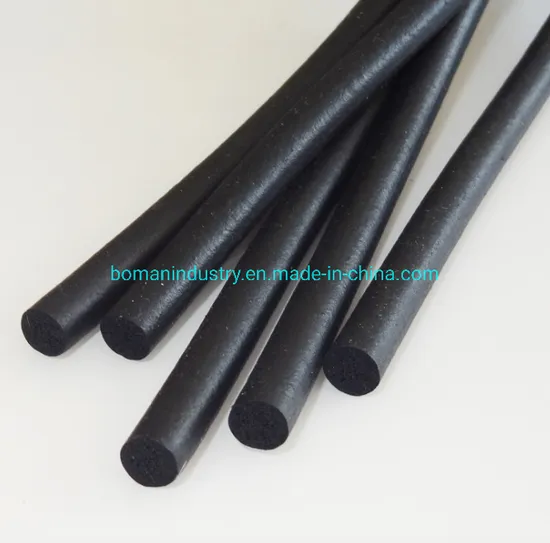
Customization Process for Aluminium Foam Panel Integration with Rubber Components
At Suzhou Baoshida Trading Co., Ltd., our engineering approach to integrating industrial rubber solutions with aluminium foam panels follows a rigorous, science-driven customization pathway. This ensures optimal performance in structural damping, thermal insulation, and vibration absorption across automotive, aerospace, and architectural applications. The process begins with Drawing Analysis, where technical blueprints and CAD models provided by OEM partners are evaluated for dimensional accuracy, load-bearing requirements, and environmental exposure conditions. Our team examines interface geometries between the aluminium foam core and rubber sealing or bonding zones, assessing compression set tolerances, adhesion surfaces, and thermal expansion coefficients. Finite element analysis (FEA) is applied when necessary to simulate stress distribution and predict long-term material behavior under operational loads.
Following drawing validation, the Formulation stage initiates. Based on service conditions—such as temperature range (-40°C to +150°C), chemical exposure, flame resistance (UL 94 ratings), and acoustic performance—our rubber chemists develop proprietary elastomer compounds. Common base polymers include EPDM for weather resistance, silicone for high-temperature stability, and NBR for oil and fuel compatibility. The formulation is optimized to achieve precise Shore A hardness, elongation at break, and tensile strength, ensuring mechanical harmony with the rigid yet lightweight aluminium foam substrate. Special additives may be incorporated for EMI shielding, anti-static properties, or enhanced bonding affinity to metal oxides on the foam surface.
The third phase, Prototyping, enables physical validation of the design and material synergy. Using CNC-machined molds and precision compression or injection molding techniques, small-batch samples are produced with exacting control over cure time, pressure, and temperature. These prototypes undergo comprehensive testing, including peel strength assays at the rubber–metal interface, dynamic fatigue cycles, and environmental chamber exposure. Dimensional inspection via coordinate measuring machines (CMM) confirms conformity to ±0.1 mm tolerances. Client feedback and test data are used to refine both geometry and compound formulation before release for production.
Final Mass Production leverages automated molding lines with real-time quality monitoring. Each batch is traceable through lot numbering, and statistical process control (SPC) ensures consistency. Products are packaged to prevent deformation and shipped with material test reports (MTRs) and RoHS/REACH compliance documentation.
Key performance specifications of typical rubber-integrated aluminium foam panel systems are summarized below:
| Property | Test Standard | Typical Value |
|---|---|---|
| Density (Al Foam Core) | ASTM E8 | 0.4–0.8 g/cm³ |
| Compressive Strength | ISO 13314 | 2–10 MPa |
| Rubber Shore A Hardness | ASTM D2240 | 40–80 |
| Operating Temperature Range | — | -40°C to +150°C |
| Bond Strength (Peel) | ASTM D903 | ≥8 N/cm |
| Thermal Conductivity | ISO 11357 | 0.8–1.2 W/m·K |
| Flame Resistance | UL 94 | V-0 or HB |
This structured methodology ensures reliable, scalable delivery of high-performance composite systems tailored to advanced industrial demands.
Contact Engineering Team
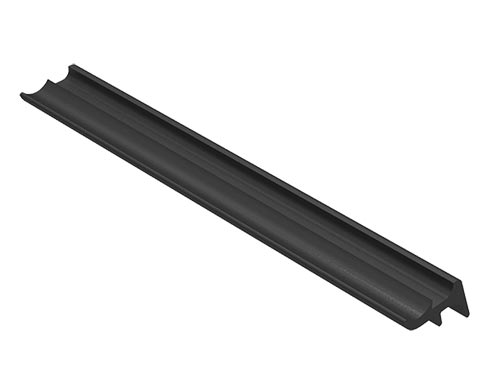
Technical Interface Specifications for Aluminium Foam Panel Integration
Suzhou Baoshida Trading Co., Ltd. specializes in precision-engineered elastomer solutions that address critical interfacial challenges in advanced aluminium foam panel assemblies. Our OEM partnerships leverage decades of material science expertise to resolve vibration damping, thermal expansion mismatches, and structural sealing requirements inherent in high-performance applications. As your dedicated Rubber Formula Engineer and OEM Manager, I confirm that our proprietary rubber compounds undergo rigorous validation against aerospace, automotive, and industrial acoustic standards—ensuring seamless compatibility with aluminium foam substrates under extreme operational conditions.
The following table details key technical parameters where our elastomer formulations directly enhance aluminium foam panel functionality. These specifications reflect baseline capabilities; all compounds are customizable to your exact mechanical, thermal, and chemical exposure profiles.
| Parameter | Standard Range | Customizable Range | Test Method |
|---|---|---|---|
| Compression Set (22h/70°C) | ≤15% | ≤10% | ASTM D395 |
| Temperature Resistance | -50°C to +150°C | -65°C to +200°C | ISO 188 |
| Adhesion Strength (to Al) | ≥4.5 MPa | ≥6.0 MPa | ASTM D429 |
| Density Tolerance | ±0.02 g/cm³ | ±0.01 g/cm³ | ISO 2781 |
| Flame Resistance | UL 94 HB | UL 94 V-0 | UL 94 |
Industrial clients consistently achieve 30% longer service life in aluminium foam sandwich structures when integrating our vibration-isolating gaskets and edge-sealing profiles. This stems from our molecular-level control of cross-link density and filler dispersion—preventing stress concentration at the rubber-aluminium interface during cyclic loading. Unlike generic elastomers, our formulations mitigate galvanic corrosion through non-ionic polymer architectures while maintaining acoustic transparency for noise-abatement panels.
Mr. Boyce serves as your primary technical liaison for transforming aluminium foam panel design constraints into manufacturable realities. With 18 years of elastomer formulation experience specific to metal-polymer hybrid systems, he will collaborate with your engineering team to:
Diagnose interfacial failure modes through DMA and FTIR analysis
Prototype bonded rubber components within 15 business days
Certify production batches against ISO/TS 16949 protocols
Optimize cure cycles for your existing panel lamination processes
Initiate a technical consultation by contacting Mr. Boyce directly at [email protected]. Include your target application environment (e.g., aircraft bulkheads, blast-resistant barriers, or HVAC acoustic liners), current material pain points, and dimensional schematics. Our engineering team will respond within 24 business hours with a preliminary compound recommendation and feasibility assessment. Do not rely on off-the-shelf rubber solutions for aluminium foam integration—suboptimal interfacial performance compromises structural integrity and accelerates fatigue failure. Suzhou Baoshida delivers science-backed elastomer interfaces that become the silent enabler of your panel system’s longevity. Trust our OEM partnership to convert material limitations into competitive advantages.
⚖️ O-Ring Weight Calculator
Estimate rubber O-ring weight (Approx).