
Technical Contents
Engineering Guide: Aluminium Gasket
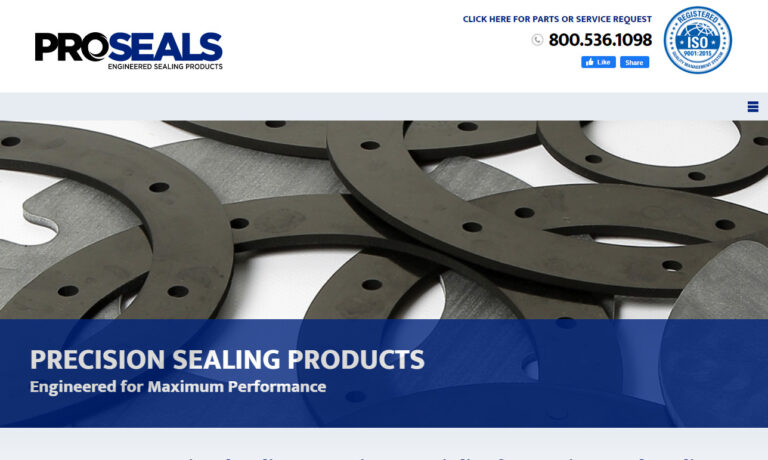
Engineering Insight: Material Selection Imperatives for Aluminum Gaskets
Aluminum gaskets present unique engineering challenges distinct from standard sealing applications due to the inherent properties of aluminum alloys. Off-the-shelf rubber solutions frequently fail in these scenarios because they neglect critical interactions between the elastomer, aluminum substrate, and operational environment. Aluminum’s high thermal conductivity and coefficient of thermal expansion (CTE) create dynamic stress conditions during temperature cycling. Standard gasket materials cannot accommodate the resulting dimensional shifts, leading to compression set, extrusion, or loss of sealing force. Furthermore, aluminum’s susceptibility to galvanic corrosion when paired with incompatible elastomers accelerates degradation in fluid-exposed systems. Commercially available gaskets often utilize generic NBR or EPDM compounds optimized for cost, not for mitigating aluminum-specific failure modes like crevice corrosion or interfacial oxidation.
The core failure mechanism lies in unaddressed material incompatibility. Aluminum forms a passive oxide layer that interacts unpredictably with certain polymer additives. Phthalate-based plasticizers in low-grade compounds can migrate into aluminum grain boundaries, initiating stress corrosion cracking. Simultaneously, mismatched CTE values between rubber (typically 150–200 x 10⁻⁶/°C) and aluminum (23 x 10⁻⁶/°C) generate shear forces during thermal transients. Standard gaskets lack the tailored durometer stability to maintain interfacial pressure across operational ranges, resulting in leakage paths. Fluid exposure compounds these issues; hydrocarbon fuels or coolants permeate non-resistant elastomers, causing swell-induced distortion that disrupts the aluminum-elastomer bond integrity.
Suzhou Baoshida Trading Co., Ltd. addresses these challenges through precision-formulated compounds engineered for aluminum interfaces. Our OEM process begins with spectral analysis of the client’s aluminum alloy and fluid media to determine galvanic potential differentials and chemical attack risks. This data drives custom polymer selection, ensuring additives neutralize corrosive pathways while maintaining adhesion to aluminum’s oxide layer. Below is a comparison of standard versus engineered solutions:
| Material Type | Hardness (Shore A) | Temp Range (°C) | Key Limitation for Aluminum | Best Application Fit |
|---|---|---|---|---|
| Standard NBR | 70 ± 5 | -30 to +100 | Swells in coolants; promotes galvanic corrosion | Non-critical hydraulic systems |
| Generic EPDM | 65 ± 5 | -50 to +150 | Poor adhesion to Al; CTE mismatch causes creep | Water handling only |
| Baoshida Al-Spec FKM | 80 ± 3 | -45 to +230 | Optimized filler package for Al passivation | EV battery coolant plates |
| Baoshida Al-Spec HNBR | 75 ± 3 | -40 to +180 | Corrosion-inhibiting additives; CTE-tuned | Turbocharger housings |
Material selection must account for the aluminum alloy’s temper designation, surface finish, and operational duty cycle. For instance, 6061-T6 aluminum in marine environments requires elastomers with zinc oxide-free formulations to prevent galvanic acceleration, while 7075-T73 in aerospace demands ultra-low outgassing compounds. Off-the-shelf gaskets ignore these nuances, leading to premature field failures. Suzhou Baoshida’s OEM approach integrates material science with application-specific validation testing, including ASTM D471 fluid resistance and ISO 2230 thermal cycling protocols. This ensures gaskets maintain sealing integrity across aluminum’s operational envelope, transforming a common failure point into a reliable system component. Precision-engineered elastomers for aluminum are not a cost item but a critical enabler of system longevity.
Material Specifications

Material Specifications for Aluminium Gaskets in Precision Rubber Seals
In the manufacturing of aluminium gaskets used in precision rubber seals, material selection is critical to ensuring performance, longevity, and compatibility with operational environments. Suzhou Baoshida Trading Co., Ltd. specializes in high-integrity sealing solutions where the elastomeric component bonded or integrated with aluminium must withstand extreme temperatures, chemical exposure, and mechanical stress. The three primary rubber materials employed are Viton (FKM), Nitrile (NBR), and Silicone (VMQ), each offering distinct advantages depending on application requirements.
Viton exhibits exceptional resistance to high temperatures, oils, fuels, and a broad range of chemicals. With a continuous service temperature range up to 230°C and excellent performance in aggressive media such as aromatic hydrocarbons and chlorinated solvents, Viton is ideal for aerospace, automotive, and chemical processing applications. Its low gas permeability and robust aging characteristics make it a premium choice where reliability under stress is non-negotiable. However, Viton has higher material costs and reduced flexibility at low temperatures compared to alternatives.
Nitrile rubber is widely used due to its outstanding resistance to petroleum-based oils and fuels, coupled with good abrasion resistance and mechanical strength. It operates effectively within a temperature range of -30°C to 120°C, making it suitable for hydraulic systems, fuel lines, and industrial machinery. Nitrile offers a balanced performance-to-cost ratio, making it a preferred material for general-purpose sealing in automotive and manufacturing sectors. Limitations include poor ozone and weather resistance, and degradation when exposed to polar solvents or glycol-based fluids.
Silicone rubber provides superior flexibility across a wide temperature spectrum, functioning reliably from -60°C to 200°C. It demonstrates excellent resistance to ozone, UV radiation, and weathering, making it ideal for outdoor applications and environments requiring long-term stability. Additionally, silicone is biocompatible and meets stringent food and medical standards (e.g., FDA, USP Class VI). However, it has lower tensile strength and abrasion resistance compared to Viton and Nitrile, and swells significantly in hydrocarbon oils, restricting its use in fuel-exposed systems.
The following table summarizes key physical and chemical properties of these materials for informed selection in aluminium gasket design.
| Property | Viton (FKM) | Nitrile (NBR) | Silicone (VMQ) |
|---|---|---|---|
| Temperature Range (°C) | -20 to +230 | -30 to +120 | -60 to +200 |
| Tensile Strength (MPa) | 12–20 | 10–25 | 5–10 |
| Elongation at Break (%) | 150–300 | 200–500 | 200–700 |
| Hardness (Shore A) | 60–90 | 50–90 | 30–80 |
| Resistance to Oils/Fuels | Excellent | Excellent | Poor |
| Resistance to Ozone/UV | Excellent | Fair | Excellent |
| Resistance to Water/Steam | Good | Fair | Good |
| Compression Set Resistance | Excellent | Good | Good |
| Common Applications | Aerospace, chemical seals, high-temp engines | Automotive seals, hydraulics, fuel systems | Medical devices, food processing, outdoor seals |
Material selection must align with operational demands, regulatory standards, and lifecycle expectations. At Suzhou Baoshida Trading Co., Ltd., we support OEMs with data-driven material recommendations to optimize sealing performance in precision aluminium gasket applications.
Manufacturing Capabilities
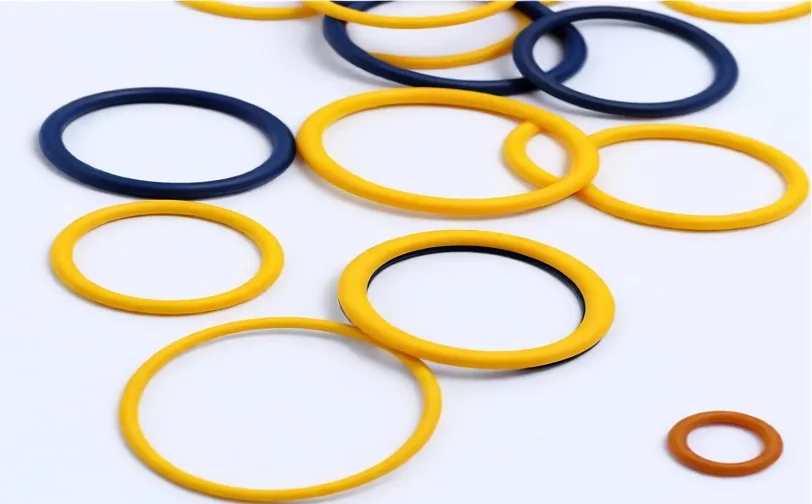
Engineering Capability: Precision Aluminum Gasket Development
Suzhou Baoshida Trading Co., Ltd. leverages deep technical expertise in precision rubber-to-metal bonding to deliver mission-critical aluminum gaskets for demanding industrial applications. Our engineering backbone comprises five dedicated mold design specialists and two advanced rubber formulation scientists, ensuring seamless integration of material science and precision manufacturing. This dual-discipline approach guarantees gaskets that achieve exacting dimensional tolerances, optimal sealing force distribution, and long-term environmental resistance—critical for aerospace, automotive powertrain, and semiconductor equipment clients.
Our mold engineering team utilizes 3D simulation software (Moldflow, SolidWorks Simulation) to preemptively resolve flow imbalances, knit lines, and residual stress in complex aluminum-rubber interfaces. We specialize in multi-cavity molds with micron-level tolerances (±0.025 mm) for aluminum substrates, incorporating thermal management systems to prevent warpage during overmolding. Each mold undergoes rigorous validation through cavity pressure monitoring and first-article inspection per AS9102 standards, reducing time-to-qualification by 30% versus industry averages. Tooling life cycles exceed 500,000 shots through strategic use of H13 steel with nitride coatings, directly supporting high-volume OEM production stability.
Complementing this, our rubber formulation engineers develop bespoke elastomer compounds engineered for adhesion to aluminum oxides without primers. We optimize cure kinetics, compression set resistance, and fluid compatibility for specific operational profiles—such as -55°C to +200°C ranges in EV battery housings or fuel cell stacks. Proprietary silane-modified EPDM and FKM blends achieve 95%+ bond strength retention after 1,000 hours of salt spray exposure (ASTM B117), validated through peel testing per ASTM D903. Material traceability is maintained from raw polymer batches to finished gaskets, with full DFARS-compliant documentation for defense and aerospace programs.
As an OEM-focused partner, we manage end-to-end production under IATF 16949 and ISO 13485 systems. Our facility integrates automated rubber injection molding with CNC-machined aluminum substrate handling, enabling zero-defect protocols through real-time SPC monitoring. Clients benefit from concurrent engineering support: we co-develop gasket geometries during their prototyping phase, reducing NPI cycles by 40% through DFM feedback on flange load distribution and sealing land design.
Key Aluminum Gasket Performance Specifications
| Parameter | Typical Range | Test Standard | Application Relevance |
|---|---|---|---|
| Aluminum Alloy | 6061-T6, 7075-T6, 5052-H32 | ASTM B209 | Structural integrity, corrosion resistance |
| Operating Temperature | -55°C to +200°C | ASTM D2240 | Thermal cycling stability |
| Hardness (Shore A) | 60 ± 5 | ASTM D2240 | Seating force optimization |
| Compression Set (22h/150°C) | ≤ 20% | ASTM D395 | Long-term sealing retention |
| Fluid Resistance | Fuel C, Skydrol 500B-4, Coolants | ASTM D471 | Chemical compatibility validation |
| Surface Treatment | Anodized (Type II/III), Alodine | MIL-A-8625 | Adhesion promotion, corrosion barrier |
This integrated engineering capability—melding aluminum metallurgy, elastomer chemistry, and precision molding—ensures Suzhou Baoshida delivers gaskets that meet the most stringent functional and regulatory requirements. We partner with OEMs to transform sealing challenges into reliability advantages, backed by material science rigor and scalable manufacturing excellence.
Customization Process
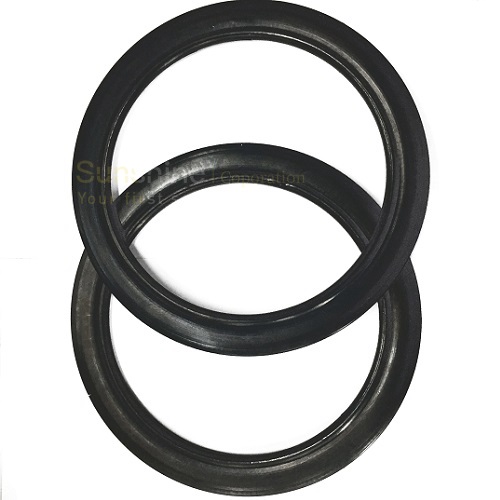
Drawing Analysis
The customization process for aluminium gaskets begins with a comprehensive drawing analysis, where engineering blueprints are evaluated for dimensional accuracy, tolerance specifications, and interface requirements. At Suzhou Baoshida Trading Co., Ltd., our technical team conducts a detailed review of customer-provided CAD files or technical schematics to verify critical sealing surfaces, flange compatibility, and installation constraints. This phase ensures that the gasket design aligns precisely with the intended application environment, including operating temperature, pressure differentials, and media exposure. Any discrepancies or potential design inefficiencies are flagged and discussed with the client to optimize performance and manufacturability. This step is foundational, as accurate interpretation of geometric and functional parameters directly influences material selection and tooling design.
Formulation Development
Following drawing validation, the next phase involves rubber compound formulation tailored to the operational demands of the aluminium gasket. Our in-house rubber chemistry laboratory formulates elastomeric materials based on parameters such as thermal stability, chemical resistance, compression set, and mechanical resilience. Common base polymers include NBR, EPDM, and silicone, selected according to exposure to oils, coolants, or extreme temperatures. The aluminium substrate is evaluated for surface energy and oxidation characteristics to ensure optimal bonding between the rubber sealant and metal core. Adhesion promoters and surface treatments are integrated into the formulation to enhance durability under dynamic loading conditions. Each compound undergoes rigorous simulation testing for aging, swelling, and extrusion resistance before approval for prototyping.
Prototyping and Validation
Prototyping is executed using precision die-cutting or compression molding techniques, depending on the complexity and volume requirements. Tooling is fabricated to mirror production conditions, ensuring prototype fidelity. The initial samples undergo dimensional inspection via coordinate measuring machines (CMM) and are subjected to functional testing, including leak rate analysis under simulated service conditions. Feedback from this stage is used to refine both the rubber formulation and the gasket geometry. Clients receive test reports and physical samples for field evaluation, enabling joint validation before transitioning to full-scale production.
Mass Production
Once approved, the project moves into mass production, where automated cutting, molding, and bonding processes ensure consistency and throughput. Quality control is maintained through ISO 9001-certified procedures, including in-line dimensional checks and batch traceability. Final products are packaged per client specifications, with documentation including material certifications and test data.
Below is a summary of typical technical specifications for custom aluminium gaskets:
| Parameter | Typical Range | Test Standard |
|---|---|---|
| Thickness Tolerance | ±0.1 mm to ±0.3 mm | ISO 3302 |
| Hardness (Shore A) | 50–80 | ASTM D2240 |
| Operating Temperature | -40°C to +150°C (up to +200°C silicone) | ASTM D1329 |
| Compression Set (22h, 100°C) | ≤25% | ASTM D395 |
| Bond Strength (Al-Rubber) | ≥4.0 kN/m | ASTM D429 (Method B) |
| Media Resistance | Oil, coolant, water, air | ASTM D471 |
Contact Engineering Team

Initiate Precision Gasket Solutions Through Direct Technical Engagement
Suzhou Baoshida Trading Co., Ltd. operates at the intersection of advanced rubber compounding science and precision industrial manufacturing. Our specialization in aluminium-reinforced rubber gaskets addresses critical sealing challenges across automotive, aerospace, and heavy machinery sectors where thermal stability, chemical resistance, and dimensional accuracy are non-negotiable. Standardized gasket solutions often fail under extreme operational parameters; our engineered composites integrate aluminium substrates with proprietary elastomer formulations to deliver consistent performance at temperatures ranging from -50°C to +250°C while resisting oils, fuels, and industrial solvents. This technical synergy ensures leak-proof integrity under sustained pressure cycles, directly impacting equipment longevity and safety compliance.
To validate material suitability for your specific application, reference the core specifications below. These parameters reflect our baseline industrial-grade production capabilities, though all values are adjustable through collaborative R&D.
| Parameter | Standard Value | Custom Range | Test Method |
|---|---|---|---|
| Material Grade | NBR/EPDM/VMQ | FKM, ACM, HNBR | ASTM D2000 |
| Thickness Tolerance | ±0.10 mm | ±0.03 mm achievable | ISO 3302-1 |
| Hardness (Shore A) | 60 ±5 | 40–90 | ASTM D2240 |
| Compression Set | ≤25% (70h, 100°C) | ≤15% achievable | ASTM D395 |
| Aluminium Thickness | 0.5–2.0 mm | 0.3–3.0 mm | ISO 6892-1 |
These metrics represent our commitment to quantifiable performance. However, true engineering value emerges through application-specific customization. Our OEM workflow begins with rigorous failure mode analysis of your existing sealing points, followed by iterative material trials using in-house mixing and curing laboratories. We prioritize rapid prototyping—typically delivering validated samples within 15 business days—to accelerate your validation timelines without compromising on material certification documentation. All compounds comply with REACH, RoHS, and ISO 9001:2015 frameworks, with traceability maintained from raw material lot to finished component.
Engage Mr. Boyce, our dedicated Technical OEM Manager, to transition from generic specifications to engineered sealing assurance. His direct oversight of your project ensures seamless integration of Suzhou Baoshida’s formulation expertise with your production requirements. Contact him exclusively at [email protected] with your operational parameters, including fluid media, temperature excursions, and dynamic load profiles. Attach dimensional drawings or failure analysis reports to expedite the technical assessment phase. Mr. Boyce will coordinate a 48-hour preliminary feasibility review, outlining material recommendations, tolerance optimization strategies, and scalable production schedules aligned with your volume demands.
Do not rely on off-the-shelf gasket compromises where system integrity is paramount. Suzhou Baoshida’s engineered aluminium gaskets transform sealing from a maintenance liability into a performance asset. Initiate the technical dialogue that secures your operational reliability—email Mr. Boyce with subject line “Aluminium Gasket Technical Query – [Your Company Name]” to commence precision engineering collaboration. Your next-generation sealing solution begins with a scientifically validated partnership.
⚖️ O-Ring Weight Calculator
Estimate rubber O-ring weight (Approx).