
Technical Contents
Engineering Guide: Aluminum Foil Vapour Barrier
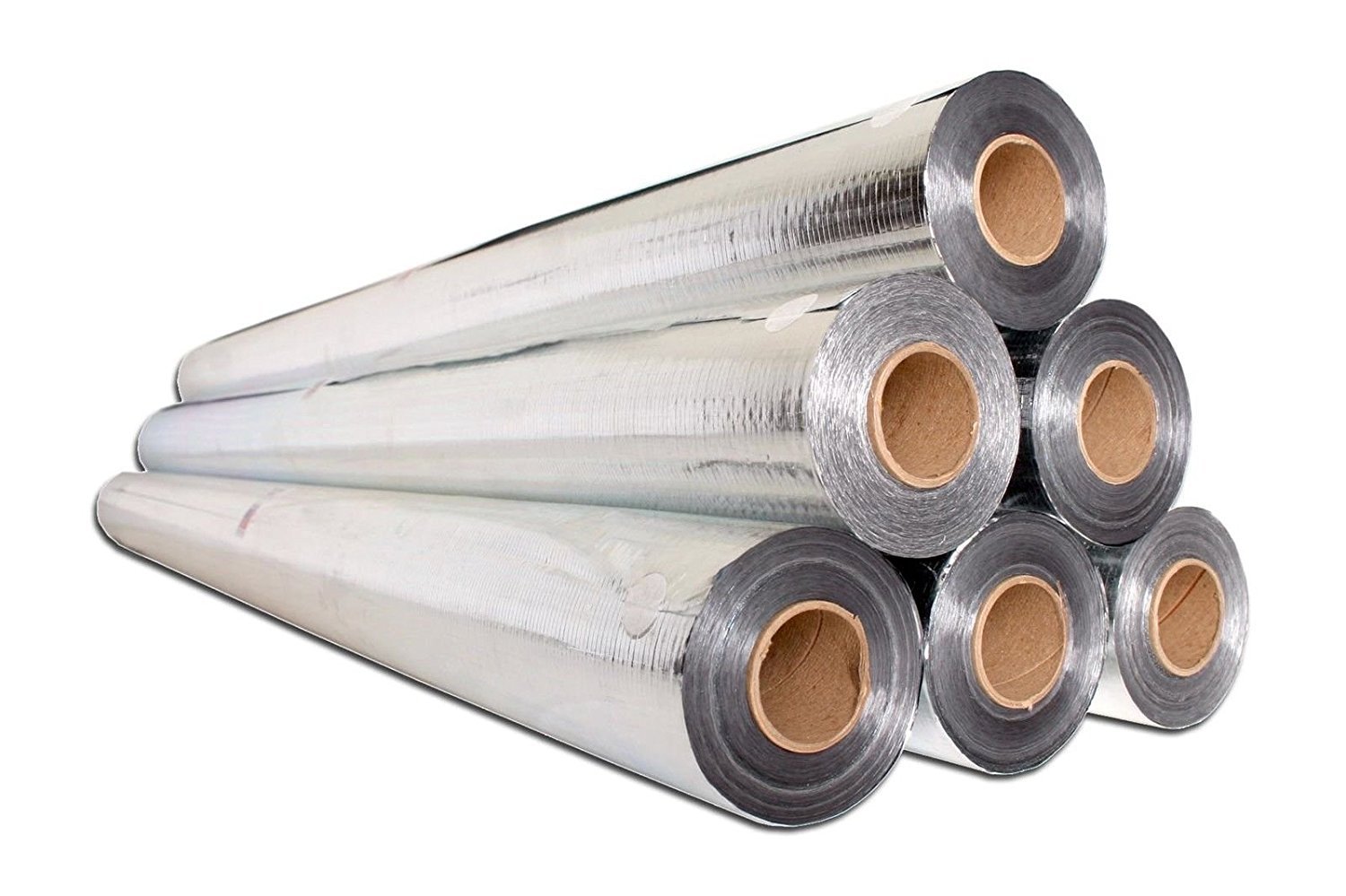
Engineering Insight: Material Selection in Aluminum Foil Vapour Barriers
In industrial sealing and insulation systems, the aluminum foil vapour barrier serves a critical function—preventing moisture ingress, maintaining thermal efficiency, and protecting structural integrity in demanding environments. However, the performance of these barriers is not uniform. Off-the-shelf solutions, while cost-attractive, frequently fail to meet the rigorous demands of industrial applications due to inadequate material engineering and insufficient customization.
The core issue lies in the assumption that all aluminum foil barriers are functionally equivalent. In reality, performance is dictated by the synergy between the aluminum layer, polymer films, adhesive systems, and protective coatings. Standard commercial-grade barriers often use thin aluminum layers (typically 6–9 µm) laminated with low-density polyethylene (LDPE) or ethylene-vinyl acetate (EVA). These materials may suffice in residential or short-term applications but degrade rapidly under industrial stress—such as thermal cycling, mechanical abrasion, or exposure to hydrocarbons and ozone.
At Suzhou Baoshida Trading Co., Ltd., our engineered solutions prioritize long-term reliability. We utilize multi-layer co-extruded polymer films paired with high-purity aluminum foil (≥12 µm) to ensure superior moisture resistance and mechanical robustness. The adhesive system is tailored to substrate compatibility, whether bonding to EPDM, NBR, or silicone rubber profiles, ensuring adhesion remains intact under fluctuating temperatures and humidity levels.
One common failure mode of generic barriers is delamination under thermal stress. Standard laminates often use low-tack adhesives or improper curing protocols, leading to separation at the foil-polymer interface. Our manufacturing process employs controlled hot-melt lamination with cross-linked adhesive systems, significantly enhancing interfacial stability. Additionally, we incorporate UV-resistant outer layers and anti-corrosion primers where needed—features absent in most off-the-shelf products.
Another overlooked factor is electrical conductivity. In certain OEM applications, such as automotive underhood components or HVAC systems, static dissipation is critical. Our custom barriers can be formulated with conductive additives or hybrid metallization to meet specific surface resistivity requirements, preventing electrostatic buildup without compromising barrier performance.
The following table outlines key specifications differentiating standard commercial barriers from our engineered solutions:
| Parameter | Standard Commercial Barrier | Baoshida Engineered Barrier |
|---|---|---|
| Aluminum Thickness | 6–9 µm | 12–18 µm |
| Polymer Layer | LDPE or EVA | Co-extruded PP/PE with tie layers |
| Adhesive System | PSA (Pressure Sensitive) | Cross-linked hot-melt adhesive |
| Moisture Vapor Transmission Rate (MVTR) | 0.5–1.2 g/m²·24h | ≤0.15 g/m²·24h |
| Operating Temperature Range | -20°C to +80°C | -40°C to +120°C |
| Peel Adhesion (Steel) | 0.8–1.2 N/mm | ≥1.8 N/mm |
| UV Resistance | Limited | Enhanced with stabilizers |
| Custom Conductivity Options | Not available | Available (10⁴–10¹¹ Ω/sq) |
Material selection is not a commodity decision—it is a precision engineering requirement. At Baoshida, we align material architecture with application dynamics, ensuring vapor barriers perform reliably over their intended lifecycle. For OEMs, the cost of failure far exceeds the premium for engineered materials.
Material Specifications
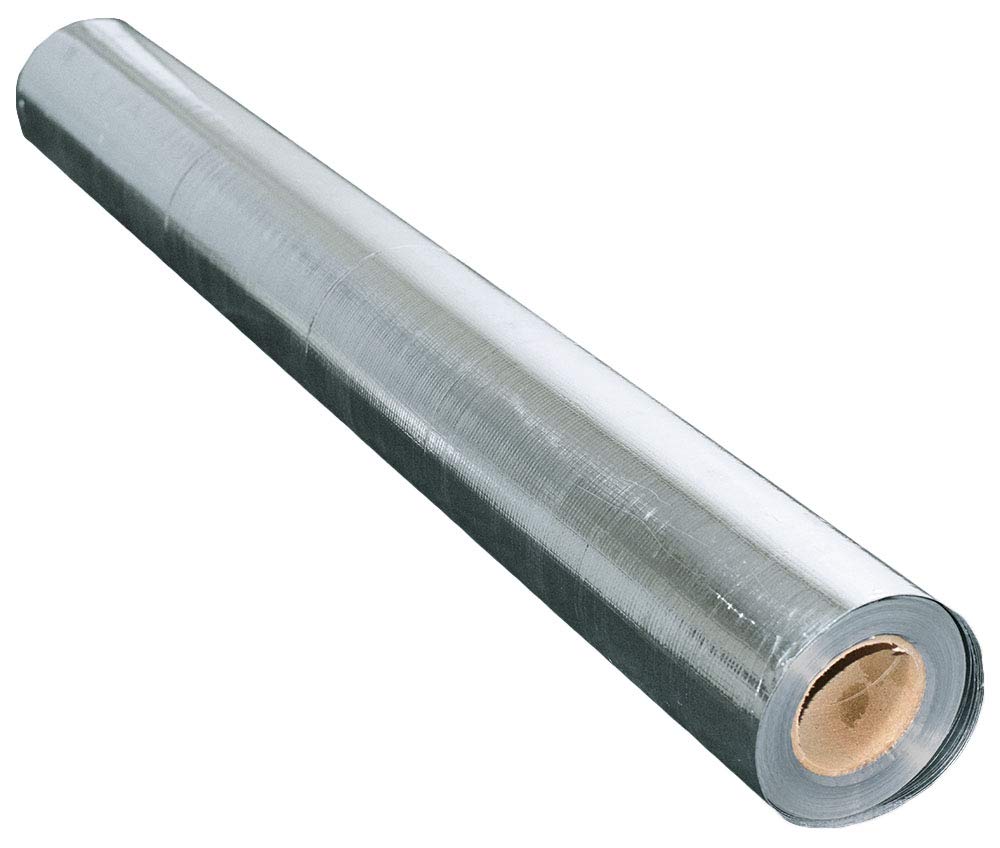
Material Specifications for Aluminum Foil Vapor Barrier Systems
Suzhou Baoshida Trading Co., Ltd. specifies critical elastomer properties for aluminum foil vapor barrier applications where impermeability, thermal stability, and chemical resistance are non-negotiable. The rubber layer must bond flawlessly to the foil substrate while resisting permeation of gases, moisture, and aggressive media across operational extremes. Viton, Nitrile, and Silicone represent our core engineered solutions, each optimized for distinct environmental profiles. Viton (fluorocarbon rubber) delivers unparalleled resistance to high-temperature hydrocarbons, acids, and ozone, maintaining integrity up to 230°C. Its low gas permeability ensures vapor barrier efficacy in aerospace and chemical processing where failure is unacceptable. Nitrile (nitrile butadiene rubber) provides cost-effective resilience against oils, fuels, and aliphatic hydrocarbons at moderate temperatures, ideal for automotive and industrial fluid-handling systems. Silicone excels in extreme low-temperature flexibility down to -60°C and high-purity applications, though its higher gas permeability necessitates careful evaluation for long-term vapor retention. All formulations undergo rigorous ASTM D1418 classification and ISO 2230 adhesion testing to guarantee foil lamination durability under peel stress.
Key selection criteria include glass transition temperature (Tg), tensile strength, fluid compatibility, and maximum service temperature. Viton’s fluoropolymer backbone minimizes swelling in aggressive solvents, while Nitrile’s acrylonitrile content is tuned for oil resistance without excessive hardness. Silicone’s siloxane chains prevent hardening in cryogenic conditions but require reinforcement for high-pressure sealing. Crucially, adhesion promoters must align with the foil’s surface treatment—chromate-free primers for Viton/Nitrile versus platinum-catalyzed systems for Silicone—to prevent delamination during thermal cycling. Permeation rates are validated per ASTM E96, with Viton achieving ≤0.5 perm units for water vapor at 38°C, outperforming alternatives in humid, high-heat environments.
The following table details comparative specifications for OEM integration:
| Material | Glass Transition Temp (°C) | Tensile Strength (MPa) | Key Fluid Resistance | Max Continuous Temp (°C) | Foil Adhesion Method |
|---|---|---|---|---|---|
| Viton | -20 to -10 | 10–15 | Oils, acids, jet fuel, ozone | 230 | Epoxy-amine primer |
| Nitrile | -40 to -30 | 15–20 | Aliphatic hydrocarbons, water-based fluids | 120 | Chlorinated polyolefin |
| Silicone | -120 to -100 | 6–9 | Water, steam, mild chemicals | 200 | Platinum-catalyzed |
OEMs must prioritize fluid compatibility charts and thermal aging data per ASTM D573. Viton is mandatory for >150°C hydrocarbon exposure, Nitrile dominates cost-sensitive fuel systems below 120°C, and Silicone serves medical/pharma vapor barriers requiring biocompatibility. Suzhou Baoshida validates all compounds through 1,000-hour thermal aging and peel strength tests at 90°N to ensure foil-rubber interface integrity. Contact our engineering team for application-specific formulation adjustments and ISO 17025-certified test reports.
Manufacturing Capabilities

Engineering Capability
At Suzhou Baoshida Trading Co., Ltd., our engineering capability is anchored in a highly specialized team comprising five dedicated mould engineers and two advanced rubber formula engineers. This technical backbone enables us to deliver precision-engineered aluminum foil vapour barrier solutions tailored to the stringent demands of industrial applications. Our integrated approach combines material science, tooling innovation, and process optimization to ensure consistent performance, durability, and compatibility across diverse operating environments.
Our two rubber formula engineers bring over 15 years of combined experience in polymer chemistry and elastomer formulation. They are responsible for developing proprietary rubber compounds that provide optimal adhesion between the aluminum foil layer and the elastomeric substrate, while maintaining flexibility, thermal stability, and resistance to oxidation and moisture ingress. These formulations are rigorously tested under simulated service conditions to ensure long-term integrity of the vapour barrier under temperature cycling, compression, and exposure to industrial atmospheres. Custom formulations can be engineered to meet specific OEM requirements, including flame retardancy, low outgassing, or compliance with environmental regulations such as RoHS and REACH.
Complementing this material expertise, our team of five mould engineers specializes in the design and refinement of precision tooling for consistent, high-volume production. Utilizing advanced CAD/CAM software and finite element analysis (FEA), they optimize mould geometry to ensure uniform material flow, minimal flash, and exact dimensional conformity. This enables tight-tolerance manufacturing of complex profiles required in HVAC, refrigeration, and industrial insulation systems. Our in-house tooling capability significantly reduces lead times and allows rapid prototyping, design iteration, and seamless scale-up from pilot runs to mass production.
We operate as a full-service OEM partner, offering end-to-end development support from concept validation to serial supply. Our engineering team collaborates directly with clients to interpret technical specifications, conduct design for manufacturability (DFM) reviews, and implement corrective actions through APQP and PPAP frameworks. This collaborative model ensures that every aluminum foil vapour barrier component not only meets but exceeds functional and regulatory expectations.
The following table outlines key technical specifications achievable through our engineering and manufacturing platform:
| Parameter | Standard Performance | Custom Capability | Test Method |
|---|---|---|---|
| Thickness Tolerance | ±0.05 mm | ±0.02 mm | ASTM D374 |
| Adhesion Strength (foil-rubber) | ≥1.5 kN/m | Up to 2.8 kN/m | ASTM D903 |
| Temperature Range | -40°C to +120°C | -60°C to +150°C | ISO 188 / ASTM D573 |
| Water Vapour Transmission Rate | ≤0.1 g/m²·24h | ≤0.05 g/m²·24h | ASTM E96 |
| Tensile Strength (rubber) | ≥8 MPa | ≥12 MPa | ASTM D412 |
| Elongation at Break | ≥250% | ≥350% | ASTM D412 |
This combination of formulation science, precision tooling, and OEM agility positions Suzhou Baoshida as a trusted engineering partner for high-performance aluminum foil vapour barrier systems in demanding industrial sectors.
Customization Process

Customization Process for Aluminum Foil Vapor Barrier Manufacturing
Suzhou Baoshida Trading Co., Ltd. executes a rigorous four-phase customization protocol for aluminum foil vapor barriers, ensuring alignment with industrial rubber application demands. This systematic approach guarantees barrier integrity, adhesion reliability, and compliance with sector-specific environmental resistance requirements.
Drawing Analysis
Initial engagement commences with comprehensive CAD drawing evaluation. Our engineering team scrutinizes dimensional tolerances, substrate interface specifications, and geometric complexities. Critical parameters include foil thickness uniformity, edge-sealing geometry, and compatibility with underlying rubber matrices. We validate compliance against ASTM E1745 or ISO 2556 standards, identifying potential stress points that could compromise vapor transmission resistance. Cross-functional review with client design teams resolves ambiguities, ensuring manufacturability without sacrificing functional performance.
Formulation
Material science drives the compound development phase. Based on operational environment analysis—such as temperature extremes (-40°C to +120°C), UV exposure, or chemical contact—we engineer proprietary rubber adhesives and protective coatings. Key considerations include optimizing ethylene propylene diene monomer (EPDM) or butyl rubber formulations for peel strength and low water vapor transmission rates. The table below defines critical formulation targets:
| Parameter | Standard Value | Test Method | Acceptance Criteria |
|---|---|---|---|
| Thickness | 0.20 ± 0.02 mm | ASTM D374 | ±5% tolerance |
| Peel Strength | ≥6.0 N/mm | ASTM D903 | No delamination |
| Temp Range | -40°C to +120°C | ISO 188 | No cracking/softening |
| WVTR | ≤0.10 g/m²/day | ASTM E96 | 23°C, 50% RH |
Prototyping
Precision tooling produces 3–5 prototype batches for empirical validation. Each unit undergoes accelerated aging tests, dynamic flexing cycles, and adhesion verification under simulated service conditions. We measure water vapor permeance via gravimetric analysis and conduct Fourier-transform infrared spectroscopy (FTIR) to confirm chemical stability. Client feedback integrates into iterative refinements, with dimensional accuracy verified through coordinate measuring machine (CMM) scans. This phase typically requires 10–14 days, culminating in a signed-off sample meeting all contractual performance metrics.
Mass Production
Upon prototype approval, we transition to high-volume manufacturing under ISO 9001-certified protocols. Extrusion and lamination lines operate with real-time thickness monitoring via beta-gauge sensors, while inline spectrophotometers ensure consistent foil reflectivity. Every production lot undergoes 100% visual inspection and batch-level testing for WVTR and peel strength. Statistical process control (SPC) charts track critical variables, with non-conforming units quarantined per AQL 1.0 standards. Final packaging includes humidity-controlled wrapping and traceability coding for seamless logistics integration.
This end-to-end workflow—anchored in material science rigor and process control—enables Suzhou Baoshida to deliver vapor barriers that prevent moisture ingress in critical infrastructure, from HVAC systems to industrial piping. Our OEM framework ensures scalability without compromising the precision demanded by global engineering specifications.
Contact Engineering Team
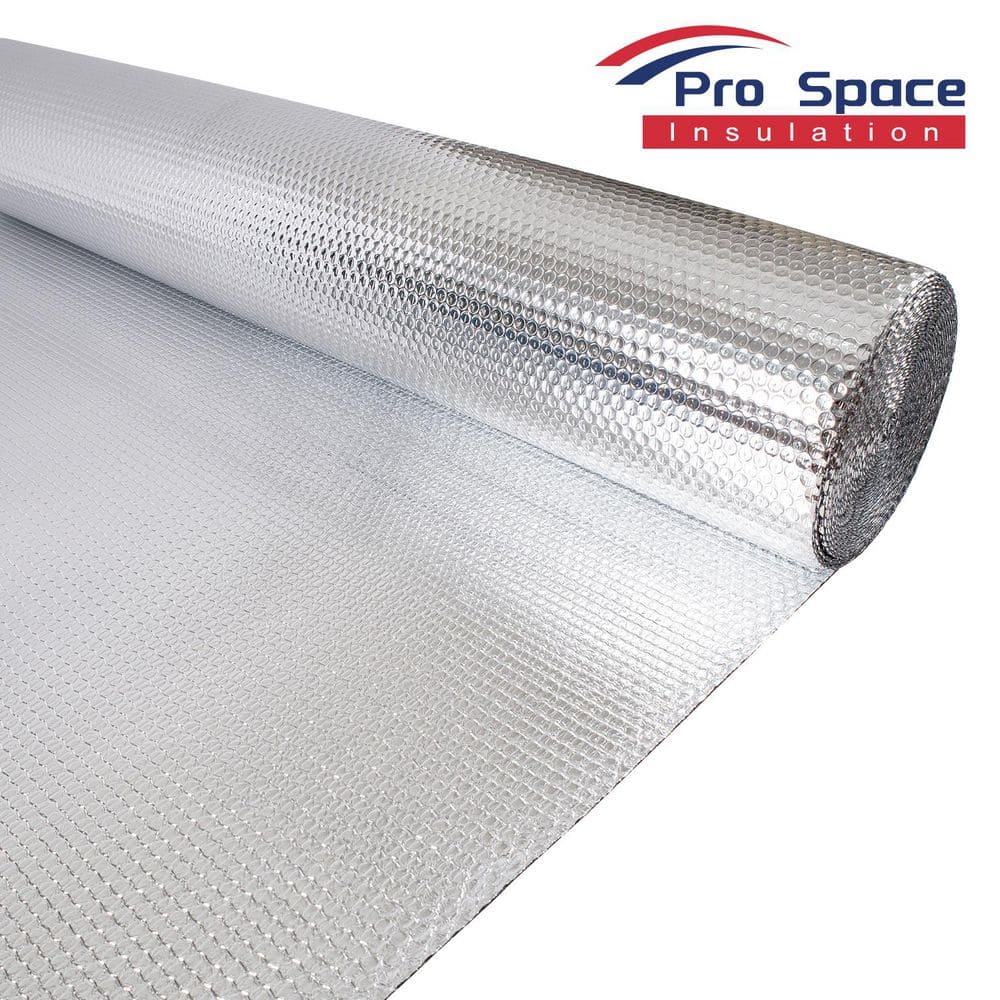
For industrial manufacturers seeking high-performance aluminum foil vapour barrier solutions, Suzhou Baoshida Trading Co., Ltd. stands as a trusted partner in the development and supply of advanced material systems tailored for demanding environments. As a specialized OEM manager and rubber formula engineer, we understand that vapour barrier integrity is critical in applications ranging from HVAC insulation and building envelope systems to industrial piping and cryogenic containment. Our engineered aluminum foil barriers are designed not only to block moisture transmission but also to maintain structural resilience under thermal cycling, mechanical stress, and long-term environmental exposure.
Our aluminum foil vapour barriers are constructed with precision-laminated multi-layer composites, combining high-purity aluminum foil with polymer reinforcement layers such as polyethylene terephthalate (PET) or cross-linked polyethylene (XLPE). This hybrid architecture ensures exceptional water vapour transmission rates (WVTR), dimensional stability, and puncture resistance. Each product is formulated and tested to meet international standards including ASTM E96, ISO 15106, and EN 13984, guaranteeing compliance with global building and industrial codes.
We offer customization in thickness, adhesive type (acrylic, rubber-based, or hot-melt), carrier materials, and roll dimensions to align precisely with your manufacturing requirements. Whether you are integrating the vapour barrier into composite insulation panels, refrigeration systems, or underfloor heating assemblies, our technical team works closely with OEMs to optimize adhesion, thermal performance, and processing compatibility.
The following table outlines the standard technical specifications of our flagship aluminum foil vapour barrier series:
| Property | Test Method | Typical Value |
|---|---|---|
| Aluminum Foil Thickness | Micrometers (μm) | 30–50 |
| Total Composite Thickness | μm | 80–200 |
| Water Vapour Transmission Rate (WVTR) | ASTM E96, 38°C/90% RH | ≤0.10 g/m²·24h |
| Tensile Strength (MD) | ASTM D882 | ≥60 N/15mm |
| Elongation at Break | ASTM D882 | ≥15% |
| Peel Adhesion to Steel | ASTM D3330 | ≥0.8 N/mm |
| Operating Temperature Range | — | -40°C to +120°C |
| Reflectivity (Solar) | ASTM E408 | ≥95% |
All materials undergo rigorous in-house quality control, including peel strength verification, pinhole detection via electrical resistance testing, and accelerated aging for durability prediction. Our production lines support large-volume output with consistent batch-to-batch repeatability, ensuring seamless integration into your supply chain.
To discuss your specific application requirements or request sample rolls for evaluation, contact Mr. Boyce, Rubber Formula Engineer and OEM Manager at Suzhou Baoshida Trading Co., Ltd. We provide technical documentation, compliance certificates, and formulation support to ensure your project meets both performance and regulatory targets. Partner with us to elevate your vapour barrier performance with scientifically engineered solutions.
Contact Mr. Boyce directly at [email protected] for immediate assistance.
⚖️ O-Ring Weight Calculator
Estimate rubber O-ring weight (Approx).