
Technical Contents
Engineering Guide: American Materials
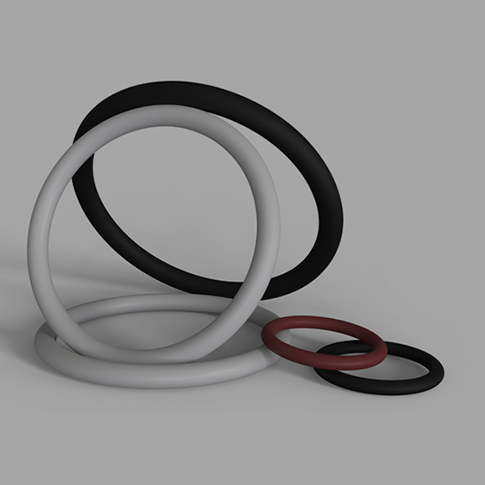
Engineering Insight: American Materials in Industrial Rubber Applications
Material selection is the cornerstone of performance, longevity, and reliability in industrial rubber components. While off-the-shelf rubber solutions are often marketed as universal or cost-effective, they frequently fail under demanding operational conditions—particularly when deployed in systems designed around American engineering standards and material specifications. At Suzhou Baoshida Trading Co., Ltd., we emphasize engineered compatibility over generic substitution, ensuring that every rubber formulation meets the mechanical, thermal, and chemical requirements of its intended application.
American industrial design frequently calls for materials that comply with ASTM, SAE, or MIL specifications. These standards define not only physical dimensions but also critical performance metrics such as tensile strength, compression set, fluid resistance, and thermal stability. Off-the-shelf rubber products, typically mass-produced using generic EPDM or NBR compounds, lack the tailored formulation necessary to meet these rigorous benchmarks. As a result, premature seal failure, accelerated wear, and system contamination become common, leading to unplanned downtime and increased maintenance costs.
The root cause lies in the chemistry of elastomer compounding. For example, a standard nitrile rubber (NBR) may perform adequately in low-pressure hydraulic systems but will degrade rapidly when exposed to high-temperature Skydrol aviation fluid—a common requirement in American aerospace applications. Similarly, general-purpose silicone may resist heat but lacks the tensile durability required for dynamic shaft seals in heavy equipment manufactured to U.S. OEM specifications.
To bridge this gap, Suzhou Baoshida Trading Co., Ltd. employs a formulation-first approach, reverse-engineering material performance to match or exceed American standards. By adjusting polymer base ratios, reinforcing filler content, and curative systems, we produce custom compounds that deliver precise durometer, elongation, and fluid resistance characteristics. This methodology ensures compatibility with aggressive media such as phosphate esters, chlorinated hydrocarbons, and high-pressure steam—environments where generic seals consistently underperform.
The following table illustrates key performance differences between a standard off-the-shelf NBR compound and a high-performance American-specification NBR formulation engineered by Baoshida:
| Property | Standard Off-the-Shelf NBR | Baoshida Engineered NBR (ASTM D2000 Grade NBR70) |
|---|---|---|
| Durometer (Shore A) | 70 ± 5 | 70 ± 2 |
| Tensile Strength (MPa) | ≥15 | ≥20 |
| Elongation at Break (%) | ≥250 | ≥300 |
| Compression Set (70 hrs at 100°C) | ≤35% | ≤20% |
| Volume Swell in IRM 903 (70 hrs at 100°C) | ≤35% | ≤18% |
| Operating Temperature Range | -30°C to +100°C | -40°C to +125°C |
| Fluid Resistance | Moderate (oil, water) | High (synthetic lubricants, aviation fuels, hydraulic fluids) |
This level of precision ensures that our rubber components integrate seamlessly into American-designed machinery, from mining equipment to petrochemical processing units. Material selection is not a cost line item—it is a strategic decision that defines system integrity. At Baoshida, we engineer for performance, not convenience, delivering rubber solutions that meet the exacting demands of North American industry.
Material Specifications
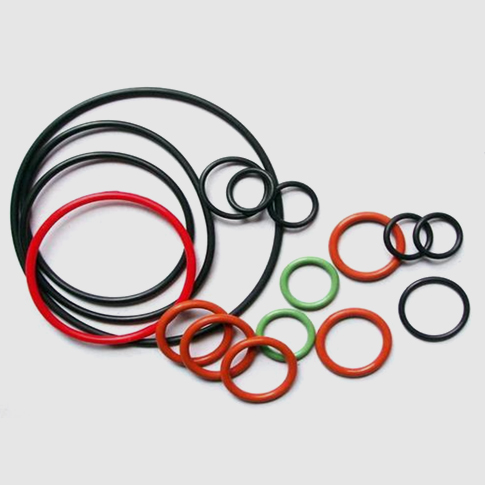
Industrial Rubber Material Specifications: Precision Engineering for Demanding Applications
Suzhou Baoshida Trading Co., Ltd. provides OEM partners with rigorously validated industrial rubber compounds engineered for critical performance in American manufacturing ecosystems. Our technical team prioritizes empirical data and ASTM/ISO compliance to ensure seamless integration into client production lines. Below we detail core specifications for three essential elastomers—Viton® (FKM), Nitrile (NBR), and Silicone (VMQ)—highlighting their roles in automotive, aerospace, and fluid-handling systems where failure is not an option.
Viton® fluorocarbon rubber excels in extreme chemical and thermal environments. Formulated with 66% fluorine content, it withstands continuous exposure to aggressive media including jet fuels, hydraulic fluids, and aromatic hydrocarbons at temperatures from -40°C to 230°C. Its low compression set (<20% at 200°C/70h per ASTM D395) ensures reliable sealing integrity in high-pressure aerospace actuators and semiconductor processing equipment. Viton®’s inherent flame resistance (UL 94 V-0) meets stringent safety mandates but requires specialized compounding for optimal low-temperature flexibility.
Nitrile rubber remains the industry standard for oil and fuel resistance in cost-sensitive applications. Our precision-engineered NBR variants leverage controlled acrylonitrile (ACN) content (18%–50%) to balance petroleum resistance with flexibility. Standard grades operate effectively from -40°C to 120°C, exhibiting <15% volume swell in ASTM No. 3 oil. High-ACN formulations achieve exceptional resistance to aliphatic hydrocarbons but sacrifice low-temperature performance. NBR’s abrasion resistance and tensile strength (15–25 MPa) make it indispensable for automotive O-rings, fuel hoses, and industrial hydraulic seals where dynamic mechanical stress predominates.
Silicone rubber delivers unmatched thermal stability across -100°C to 300°C ranges, critical for aerospace thermal management and medical device sterilization cycles. Its inorganic siloxane backbone provides inherent ozone and UV resistance, though organic solvent compatibility is limited. Baoshida’s platinum-cured VMQ compounds achieve biocompatibility (USP Class VI) and maintain elasticity after 1,000+ hours at 200°C. Key limitations include low tear strength and susceptibility to compression set in prolonged high-heat service, necessitating careful design validation for static sealing applications.
Material performance must align precisely with operational parameters. The comparative analysis below enables data-driven selection:
| Material | Temperature Range (°C) | Key Properties | Chemical Resistance | Primary Applications |
|---|---|---|---|---|
| Viton® (FKM) | -40 to 230 | Low gas permeability, High tensile strength (12–20 MPa), Excellent compression set resistance | Outstanding: Fuels, oils, acids, solvents | Aerospace seals, Chemical pump diaphragms, Semiconductor components |
| Nitrile (NBR) | -40 to 120 | High abrasion resistance, Good tensile strength (15–25 MPa), Cost-effective | Excellent: Aliphatic hydrocarbons, Water, Hydraulic fluids | Automotive fuel systems, Industrial hydraulic seals, Printing rolls |
| Silicone (VMQ) | -100 to 300 | High biocompatibility, Superior electrical insulation, Low toxicity | Good: Water, alcohols, ozone; Poor: Fuels, oils, solvents | Medical tubing, Aerospace thermal seals, Food processing gaskets |
Suzhou Baoshida’s OEM management protocol mandates application-specific validation testing under actual service conditions. We collaborate with clients to analyze fluid compatibility, thermal cycling, and dynamic stress profiles—transforming material specifications into engineered reliability. Contact our technical team for compound customization and accelerated aging data to de-risk your next production cycle.
Manufacturing Capabilities
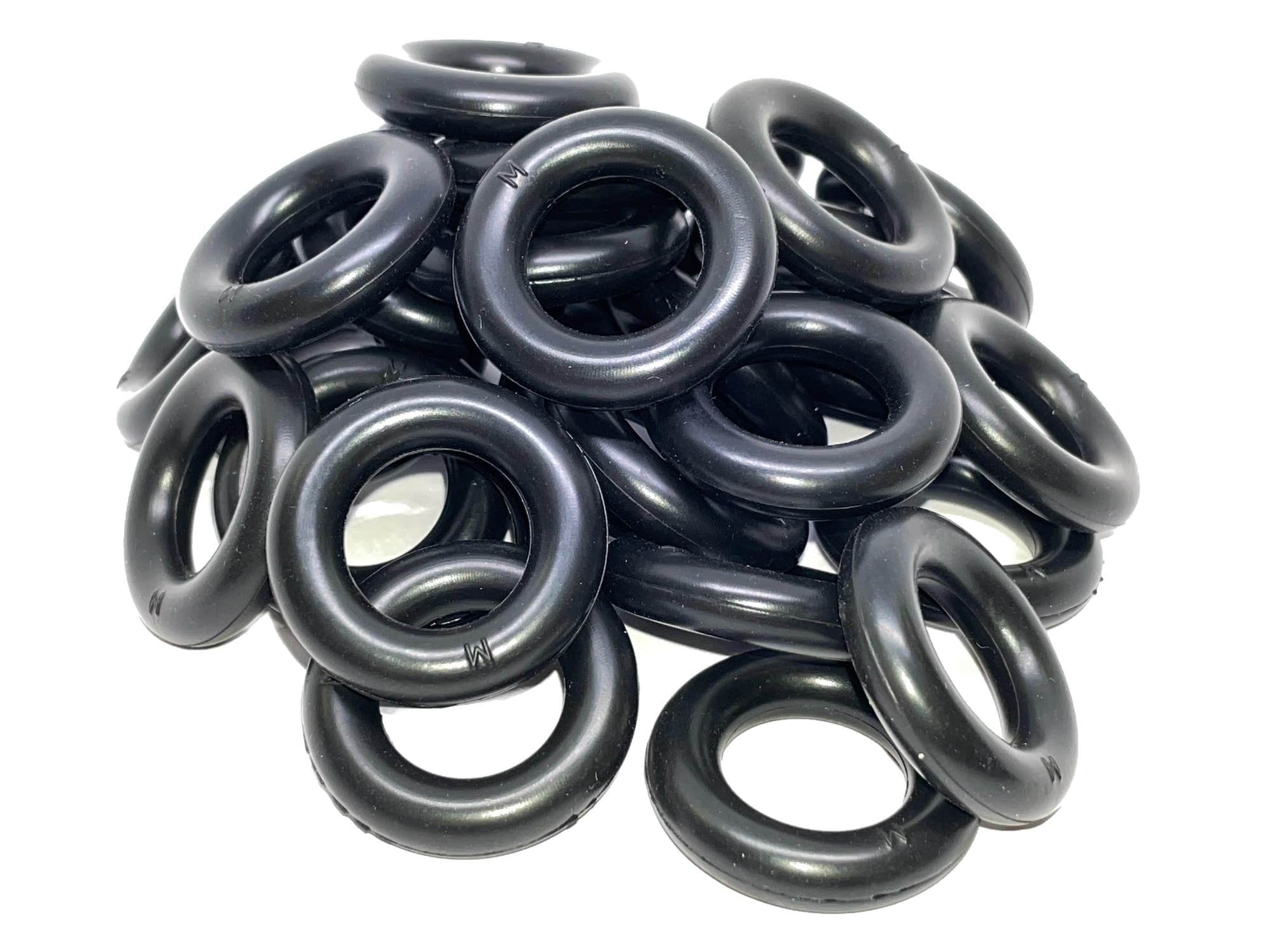
Engineering Capability: Precision-Driven Rubber Formulation and Mold Design
At Suzhou Baoshida Trading Co., Ltd., our engineering capability is anchored in a robust team of technical specialists dedicated to delivering high-performance industrial rubber solutions tailored to the rigorous demands of American manufacturing sectors. Our core strength lies in the integration of advanced material science with precision mold engineering, enabling seamless OEM (Original Equipment Manufacturer) support from concept to production.
We employ five dedicated mold engineers with extensive experience in designing complex, high-tolerance rubber molds for automotive, aerospace, construction, and industrial machinery applications. These engineers utilize industry-standard CAD/CAM software, including SolidWorks, AutoCAD, and UG NX, to develop optimized mold structures that ensure consistent part quality, extended tool life, and efficient production cycles. Their expertise spans multi-cavity layouts, hot-runner systems, and precision venting configurations, all calibrated to meet ASTM and SAE standards commonly required by North American clients.
Complementing our mold design team are two specialized rubber formulation engineers with advanced backgrounds in polymer chemistry and elastomer compounding. These experts focus on developing custom rubber compounds that meet exact performance criteria such as temperature resistance, compression set, oil/fuel resistance, and abrasion durability. By leveraging a deep understanding of raw material behavior—particularly with NR, SBR, NBR, EPDM, FKM, and silicone—our formulation team ensures that each compound is engineered for the specific operating environment of the end-use application.
Our OEM capabilities are built on a collaborative engineering model. From initial technical consultation through prototyping, validation, and mass production, we work closely with clients to align material selection, mold design, and processing parameters. This integrated approach reduces development time, minimizes trial iterations, and ensures first-pass success in production. We maintain full traceability of formulations and mold design revisions, supporting compliance with ISO 9001 standards and customer-specific quality requirements.
All rubber compounds are tested in-house using state-of-the-art equipment, including rheometers, tensile testers, and aging ovens, to validate performance against critical benchmarks. Mold trials are conducted on-site using production-intent tooling, allowing for real-time adjustments and rapid feedback loops.
The following table outlines key technical parameters supported by our engineering team:
| Parameter | Capability | Standard Compliance |
|---|---|---|
| Hardness Range (Shore A) | 30–90 | ASTM D2240 |
| Temperature Resistance | -60°C to +300°C (depending on compound) | ASTM D1329, ASTM D2137 |
| Tensile Strength | Up to 30 MPa | ASTM D412 |
| Elongation at Break | Up to 600% | ASTM D412 |
| Compression Set (70 hrs, 100°C) | ≤25% (EPDM/FKM) | ASTM D395 |
| Fluid Resistance | Gasoline, oils, water, brake fluid, hydraulic fluids | ASTM D471 |
| Mold Tolerances | ±0.05 mm (critical dimensions) | ISO 2768-m |
Through the synergy of expert formulation and precision mold engineering, Suzhou Baoshida delivers technically superior rubber components that meet the exacting standards of American industry. Our OEM partnerships are built on engineering transparency, technical agility, and a commitment to performance integrity.
Customization Process
Customization Process for Industrial Rubber Components: Precision Engineering for American Markets
Rubber component failure in critical applications often originates from inadequate material specification or process misalignment. At Suzhou Baoshida Trading Co., Ltd., our OEM customization process for industrial rubber solutions serving American manufacturers rigorously bridges design intent with material science and production capability. We adhere strictly to ASTM, SAE, and customer-specific standards, ensuring traceability and performance consistency demanded by U.S. aerospace, automotive, and industrial sectors. Our four-phase methodology eliminates guesswork and accelerates time-to-market.
Drawing Analysis initiates the engagement. Our engineering team conducts a comprehensive review of customer CAD files and technical drawings, focusing on dimensional tolerances per ASME Y14.5, functional requirements, and environmental exposure conditions. Critical parameters such as compression set resistance for seals, fluid compatibility per ASTM D471, and dynamic fatigue life are identified. We validate geometric feasibility against rubber flow characteristics during molding and assess potential flash or knit line issues. This phase culminates in a formal Design for Manufacturability (DFM) report, resolving ambiguities and confirming material class requirements before formulation begins.
Formulation leverages our material science expertise to translate functional requirements into a precise polymer compound. We select the optimal base polymer backbone—such as EPDM for ozone resistance, FKM for high-temperature fuel systems, or custom HNBR blends—based on the operational profile. Critical additives including reinforcing fillers, plasticizers, antioxidants, and cure systems are meticulously quantified. Our laboratory utilizes advanced rheometry and DSC analysis to model cure kinetics and optimize scorch safety. All formulations target specific ASTM D2000 material grades, with full documentation of raw material lot traceability to meet ITAR or AS9100 requirements where applicable. Key physical properties are engineered to exceed minimum customer specifications with robust safety margins.
Prototyping validates the formulation and process design. Utilizing customer-approved tooling or rapid prototype molds, we produce functional samples under controlled production-equivalent conditions. Each prototype batch undergoes rigorous first-article inspection per AS9102 standards, including dimensional verification, hardness testing, and critical performance validation such as tensile strength, elongation, and fluid immersion testing. We conduct Design of Experiments (DOE) to fine-tune cure parameters and ejection sequences, ensuring repeatability. Customer feedback on prototype performance directly informs final process qualification before ramp-up.
Mass Production commences only after full customer sign-off on prototypes and process documentation. Our ISO 9001-certified facility implements Statistical Process Control (SPC) on all critical parameters, including compound viscosity (Mooney ML 1+4 @ 100°C), cure state (MH-ML via MDR), and final part dimensions. Every production lot includes certified material test reports (CMTRs) with full traceability to raw material certificates of conformance (CoC). We maintain ±0.5 ShA hardness tolerance and dimensional accuracy to ISO 2768-mK standards, supported by real-time monitoring of injection pressure, temperature profiles, and cure time.
The following table illustrates critical ASTM D2000 classification parameters we engineer for common American industrial applications:
| Property | Test Method | Typical Target Range (FKM Example) | Critical Tolerance |
|---|---|---|---|
| Hardness (Shore A) | ASTM D2240 | 70 ± 5 | ±2 ShA |
| Tensile Strength (MPa) | ASTM D412 | ≥ 10.3 | +15% Min |
| Elongation at Break (%) | ASTM D412 | ≥ 150 | +20% Min |
| Compression Set (70h/70°C) | ASTM D395 B | ≤ 25% | Max 20% |
| Heat Resistance (70h/150°C) | ASTM D573 | Δ Hardness ≤ +15 ShA | Δ ≤ +10 ShA |
| Fluid Resistance (IRMOG) | ASTM D471 | Volume Swell ≤ 25% | Max 20% |
This systematic approach ensures Suzhou Baoshida delivers rubber components that meet the exacting performance, regulatory, and quality expectations of American industrial OEMs, minimizing risk and maximizing operational lifespan in demanding applications.
Contact Engineering Team
Contact Suzhou Baoshida for Advanced Industrial Rubber Solutions
Suzhou Baoshida Trading Co., Ltd. stands at the forefront of industrial rubber manufacturing, delivering high-performance elastomeric components tailored to the rigorous demands of American materials and North American industrial applications. With over 15 years of engineering expertise, we specialize in custom rubber formulations, precision molding, and OEM support for sectors including automotive, aerospace, oil & gas, and heavy machinery. Our commitment to material science excellence ensures that every product meets exacting standards for durability, temperature resistance, compression set, and chemical stability.
For technical collaboration or procurement inquiries, direct engagement with our OEM Manager, Mr. Boyce, ensures rapid response and expert consultation. Mr. Boyce leads client integration, from initial material selection to full-scale production, ensuring seamless alignment with your engineering and supply chain requirements. Whether you require ASTM D2000-compliant compounds, FDA-grade silicone, or custom nitrile blends for extreme environments, our team provides data-driven formulation support and accelerated prototyping.
We understand that material performance is not just about specifications—it is about system reliability. That is why Suzhou Baoshida integrates ISO 9001-certified quality control with real-time batch traceability and third-party testing documentation. Our manufacturing facilities in Jiangsu Province are equipped with advanced compression, transfer, and injection molding systems, enabling tight-tolerance production down to ±0.05 mm. Every compound is engineered for functional longevity, with accelerated aging tests, Shore A hardness validation, and dynamic mechanical analysis (DMA) available upon request.
To support American clients, we maintain strategic inventory in Long Beach, CA, enabling 72-hour delivery for critical replacements and low minimum order quantities (MOQs) for developmental projects. Our logistics network ensures compliance with ITAR, REACH, and RoHS standards, with full documentation packages provided for import clearance.
For immediate technical assistance or to initiate a material evaluation, contact Mr. Boyce directly at [email protected]. Include your application parameters, performance requirements, and preferred communication method to expedite the consultation process. We respond to all inquiries within 4 business hours and offer virtual engineering meetings for complex design challenges.
Below are key technical capabilities and material performance ranges available through Suzhou Baoshida:
| Property | Range / Specification |
|---|---|
| Hardness (Shore A) | 30–90 ±2 units |
| Temperature Resistance | -60°C to +250°C (compound-dependent) |
| Tensile Strength | Up to 28 MPa (per ASTM D412) |
| Elongation at Break | 200%–700% |
| Compression Set (70 hrs @ 100°C) | ≤25% (ASTM D395) |
| Fluid Resistance | Custom formulations for oils, fuels, water, acids, and hydraulic fluids |
| Certifications | ISO 9001:2015, FDA 21 CFR 177.2600, RoHS, REACH |
| Lead Time (Standard) | 15–25 days after sample approval |
Partner with Suzhou Baoshida to transform material challenges into engineered solutions. Contact Mr. Boyce today to receive sample kits, technical datasheets, or a customized formulation proposal.
⚖️ O-Ring Weight Calculator
Estimate rubber O-ring weight (Approx).