
Technical Contents
Engineering Guide: Anchor Pins Floral
Engineering Insight: Material Selection in Anchor Pins Floral Applications
In the domain of industrial rubber solutions, anchor pins floral components serve as critical interface elements in sealing, vibration damping, and mechanical retention systems. These parts, often embedded within rubber matrices, are subjected to dynamic stress, environmental exposure, and long-term compression set demands. Despite their seemingly simple geometry, the performance of anchor pins floral is profoundly influenced by the synergy between the metallic pin and the surrounding elastomer. A common failure mode observed across industries—particularly in automotive, aerospace, and heavy machinery—stems from improper material pairing, underscoring why off-the-shelf solutions frequently underperform in mission-critical applications.
Generic anchor pins floral assemblies are typically manufactured using standardized rubber compounds such as natural rubber (NR) or general-purpose nitrile (NBR), paired with uncoated carbon steel pins. While cost-effective, these combinations lack the resilience required in environments with elevated temperatures, chemical exposure, or prolonged mechanical loading. For instance, NBR degrades rapidly when exposed to ozone or phosphate ester-based hydraulic fluids, leading to cracking and loss of sealing integrity. Similarly, uncoated steel pins are prone to galvanic corrosion when in contact with polar elastomers under humid conditions, accelerating interfacial delamination.
At Suzhou Baoshida Trading Co., Ltd., we emphasize engineered material selection based on operational parameters. The elastomer must be chosen not only for its durometer and elongation properties but also for its compatibility with media, thermal stability, and adhesion characteristics. Fluorocarbon rubber (FKM) offers superior resistance to high temperatures (up to 250°C) and aggressive chemicals, making it ideal for under-hood automotive applications. For dynamic sealing in marine environments, ethylene propylene diene monomer (EPDM) provides excellent ozone and UV resistance. The metallic component, typically fabricated from stainless steel (SS304 or SS316), is often passivated or coated with zinc-nickel to prevent electrochemical degradation and enhance rubber-to-metal bonding.
Equally critical is the adhesive system used to bond the pin to the rubber. Two-coat systems comprising a primer and a top-coat adhesive (e.g., Chemlok 205/252) ensure durable interfacial strength, particularly under thermal cycling. Off-the-shelf products often utilize single-layer bonding processes, which compromise long-term reliability.
The following table summarizes recommended material pairings for anchor pins floral based on application conditions:
| Application Environment | Elastomer | Durometer (Shore A) | Pin Material | Adhesive System | Max Continuous Temp |
|---|---|---|---|---|---|
| Automotive Engine Bay | FKM | 70–80 | SS316 | Chemlok 205/252 | 250°C |
| Hydraulic Systems | NBR (peroxide-cured) | 80–90 | SS304 | Chemlok 220/420 | 120°C |
| Outdoor Industrial | EPDM | 60–70 | Zinc-Ni coated steel | Chemlok 205/250 | 150°C |
| General Purpose | SBR | 65–75 | Carbon steel (phosphate) | Chemlok 219 | 100°C |
Material selection is not a secondary consideration—it is foundational to the functional lifespan of anchor pins floral. At Suzhou Baoshida, we engineer each component as a system, ensuring compatibility, durability, and performance under real-world conditions. Off-the-shelf solutions may offer short-term savings, but they invariably compromise reliability. Precision demands partnership, and performance begins with chemistry.
Material Specifications
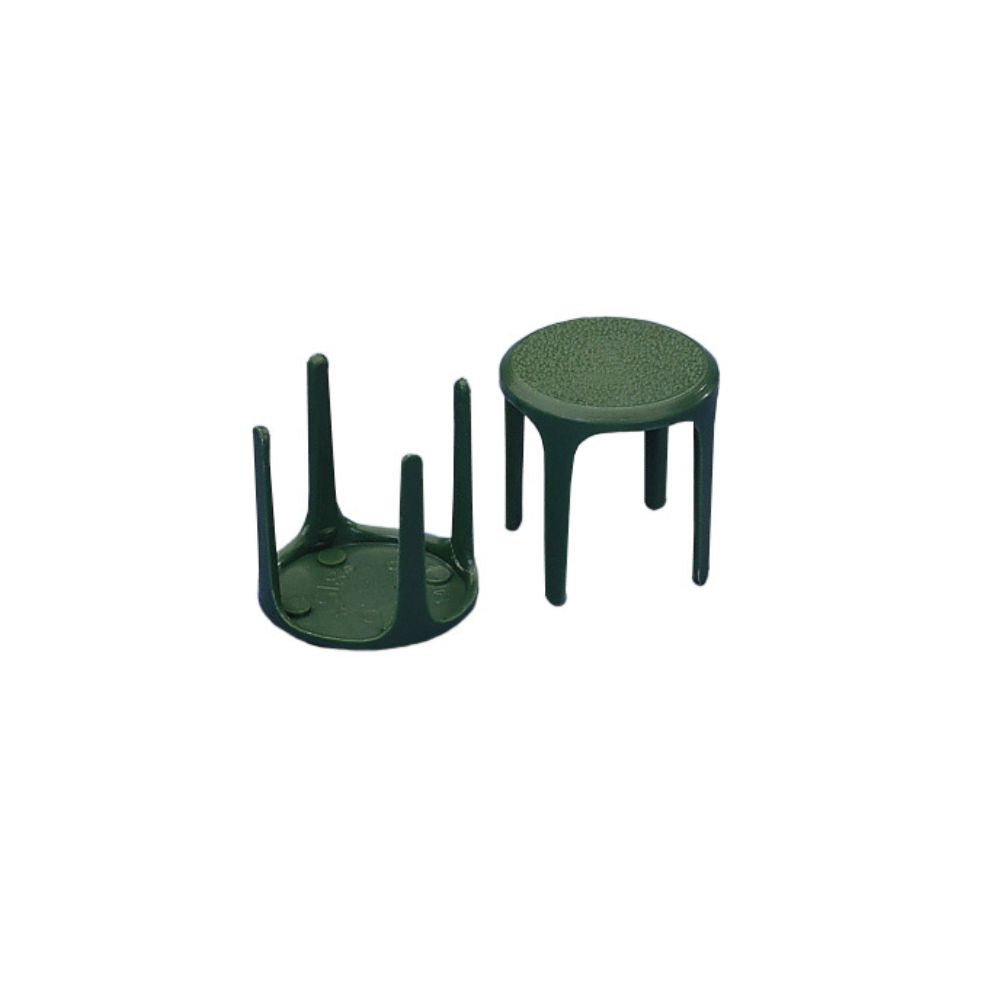
Material Specifications for Industrial Anchor Pin Seals
Suzhou Baoshida Trading Co., Ltd. provides precision-engineered rubber anchor pin seals for critical flange applications in demanding industrial environments. Material selection directly impacts seal longevity, chemical compatibility, and operational safety. This section details the three primary elastomers utilized in our anchor pin solutions: Viton (FKM), Nitrile (NBR), and Silicone (VMQ). Each material undergoes rigorous formulation to meet OEM performance thresholds under extreme thermal, chemical, and mechanical stress.
Viton (FKM) is specified for ultra-high-temperature and aggressive chemical exposure scenarios. Our standard FKM compound achieves continuous service temperatures from -20°C to 230°C, with intermittent peaks up to 250°C. It exhibits exceptional resistance to fuels, oils, acids, and chlorinated hydrocarbons, making it ideal for aerospace, chemical processing, and semiconductor manufacturing anchor pins. Tensile strength ranges from 12 to 18 MPa, with a compression set below 25% after 70 hours at 200°C. Critical limitations include poor resistance to ketones, esters, and cost sensitivity for non-critical applications.
Nitrile (NBR) remains the industry standard for cost-effective hydrocarbon resistance in moderate-temperature ranges. Our high-acrylonitrile (45-50%) NBR formulation operates reliably between -30°C and 120°C, extending to 150°C for short durations. It delivers outstanding resistance to petroleum-based oils, hydraulic fluids, and aliphatic hydrocarbons, with tensile strength of 15-22 MPa. Compression set values stay below 30% after 70 hours at 100°C. NBR is the preferred choice for automotive, hydraulics, and general industrial anchor pins where cost efficiency and fuel/oil resistance are paramount. Avoid exposure to ozone, polar solvents, and phosphate esters.
Silicone (VMQ) excels in extreme temperature flexibility and biocompatibility but requires careful application engineering. Our reinforced VMQ compounds function from -60°C to 200°C, with specialty grades reaching 230°C intermittently. They offer excellent resistance to ozone, UV, and steam, alongside low toxicity for food/pharma anchor pins. Tensile strength is moderate (6-10 MPa), and tear resistance is notably lower than NBR or FKM. Compression set is controlled to <20% after 70 hours at 150°C. Silicone is unsuitable for dynamic seals under high pressure or exposure to concentrated acids/bases and hydrocarbon fuels.
The following table summarizes critical performance parameters for OEM reference:
| Property | Viton (FKM) | Nitrile (NBR) | Silicone (VMQ) |
|---|---|---|---|
| Temperature Range (°C) | -20 to 230 | -30 to 120 | -60 to 200 |
| Tensile Strength (MPa) | 12–18 | 15–22 | 6–10 |
| Compression Set* (%) | <25 | <30 | <20 |
| Key Chemical Resistance | Fuels, Acids, Oils | Petroleum Oils, Hydraulic Fluids | Ozone, Steam, Water |
| Primary Limitations | Ketones, Esters | Ozone, Polar Solvents | Hydrocarbons, Acids |
*Tested at 70°C for 22 hours per ASTM D395 Method B
Material selection must align with the specific service environment’s thermal profile, media exposure, and mechanical load requirements. Suzhou Baoshida’s engineering team validates all formulations against ISO 3601 flange standards and client-specific OEM protocols. We recommend Viton for extreme chemical/thermal duty, NBR for cost-optimized hydrocarbon sealing, and Silicone for wide-temperature biocompatible applications. Contact our technical division for compound customization and accelerated lifecycle testing data.
Manufacturing Capabilities
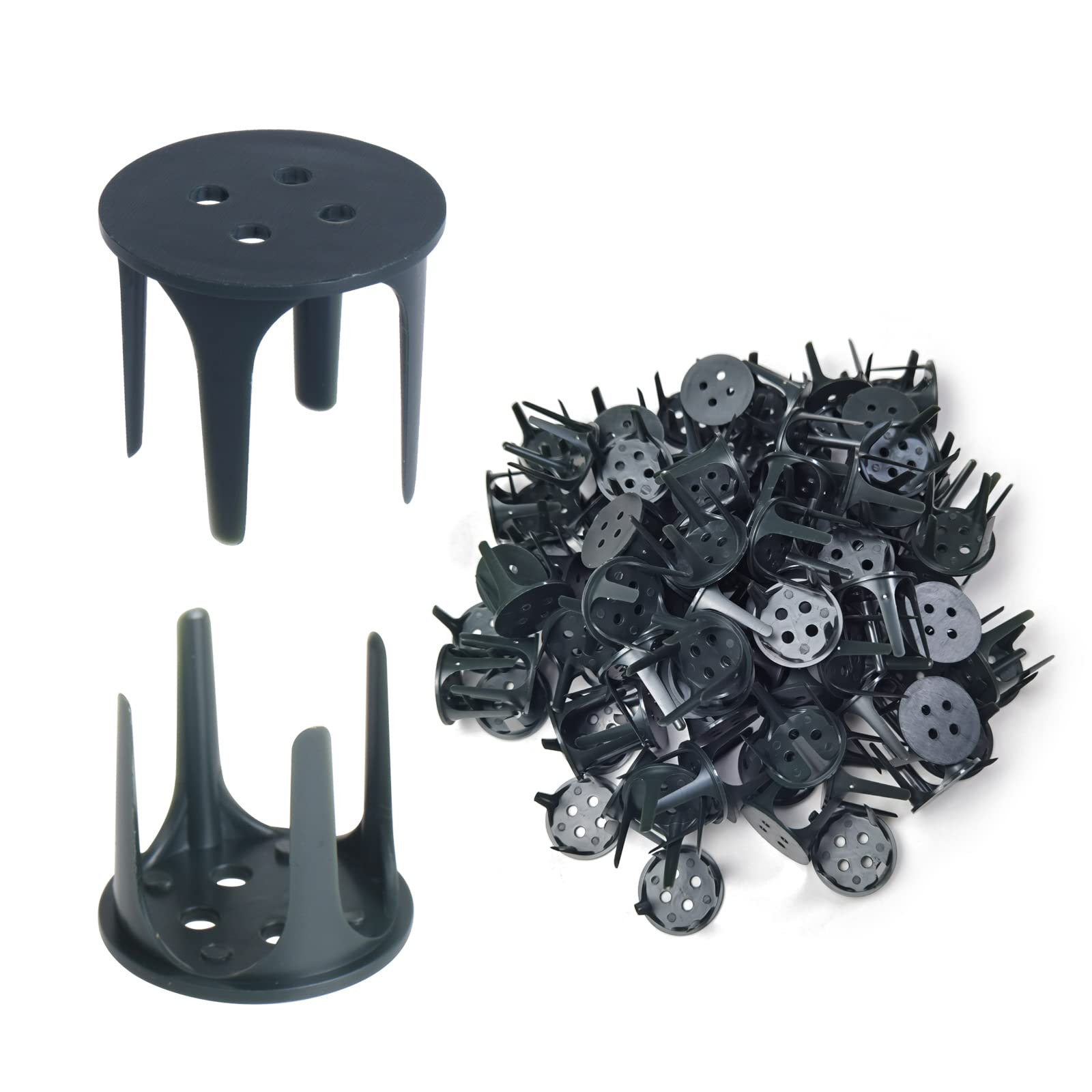
Engineering Capability
At Suzhou Baoshida Trading Co., Ltd., our engineering framework is built on deep technical expertise and precision-driven development, specifically tailored to meet the rigorous demands of industrial rubber manufacturing. Central to our capabilities are five dedicated mould engineers and two specialized rubber formula engineers, forming a cross-functional team that ensures every product, including niche components such as anchor pins for floral applications, is engineered for performance, durability, and consistency.
Our mould engineers possess extensive experience in the design, simulation, and optimization of precision rubber moulds. Utilizing advanced CAD/CAM software and finite element analysis (FEA), they develop moulds that ensure dimensional accuracy, optimal material flow, and minimal cycle times. This precision is critical when producing small, high-tolerance components like anchor pins, where consistency across high-volume batches directly impacts end-use reliability. Each design undergoes rigorous validation through prototype testing and iterative refinement, ensuring seamless scalability from concept to mass production.
Complementing this is our in-house rubber formulation expertise. Our two formula engineers specialize in custom elastomer development, focusing on material properties such as tensile strength, compression set, and environmental resistance. For anchor pins used in floral applications—often exposed to moisture, UV light, and mechanical stress—we formulate rubber compounds that balance flexibility with structural integrity. By controlling every stage of the formulation process, from raw material selection to vulcanization parameters, we ensure batch-to-batch repeatability and compliance with industry-specific performance standards.
Our integrated approach enables full OEM (Original Equipment Manufacturer) service capability. Clients benefit from end-to-end development support, from initial concept and material selection to tooling design, prototyping, and serial production. This vertical integration reduces lead times, enhances quality control, and allows for rapid customization based on application requirements. Whether modifying hardness (Shore A), adjusting colour for aesthetic integration, or enhancing adhesion between rubber and metal substrates, our team delivers tailored solutions that align with functional and design specifications.
We maintain strict adherence to ISO 9001 quality management standards throughout the engineering and production lifecycle. All formulations and mould designs are documented and archived, ensuring traceability and facilitating reorders with identical performance characteristics.
The following table outlines key engineering specifications and capabilities relevant to anchor pins and similar precision rubber components:
| Parameter | Specification Range |
|---|---|
| Mould Design Software | AutoCAD, SolidWorks, UG NX |
| Rubber Hardness (Shore A) | 30–90 |
| Tensile Strength | Up to 25 MPa (dependent on compound) |
| Elongation at Break | 200–700% |
| Operating Temperature Range | -40°C to +120°C (extended with special compounds) |
| Tolerance (Dimensions) | ±0.05 mm to ±0.2 mm (based on size) |
| Adhesion Strength (Rubber-Metal) | Up to 8 kN/m (peel test, ISO 813) |
| Production Volume Flexibility | Prototypes to 1M+ units annually |
This combination of advanced engineering resources, material science proficiency, and OEM agility positions Suzhou Baoshida as a trusted partner in industrial rubber solutions.
Customization Process
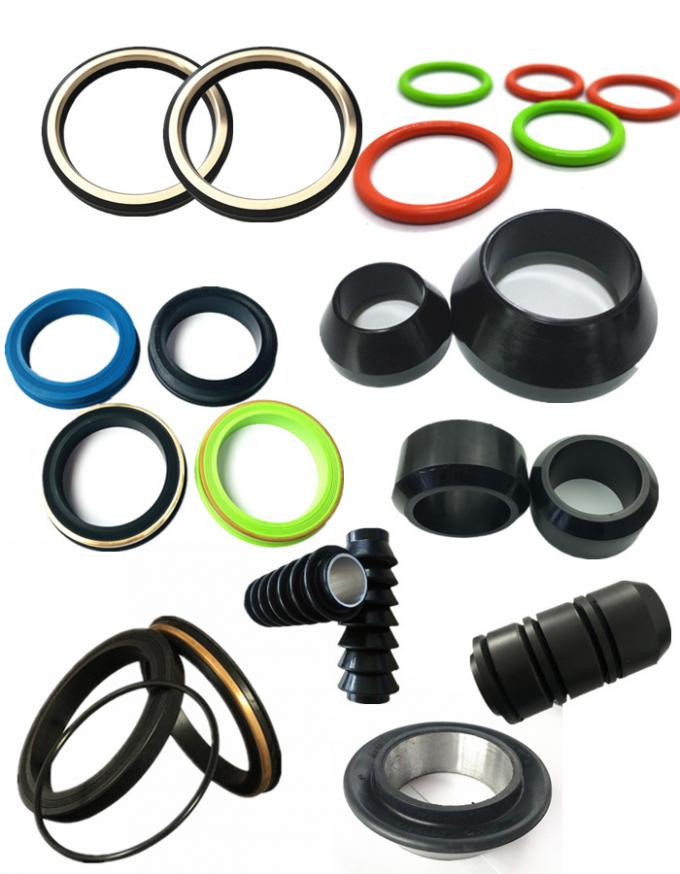
Customization Process for Industrial Rubber Anchor Pins in Floral Machinery Applications
At Suzhou Baoshida Trading Co., Ltd., our customization process for precision rubber anchor pins—critical components in high-speed floral wire insertion machinery—follows a rigorously controlled sequence to ensure dimensional stability, chemical resistance, and longevity under cyclic stress. This methodology eliminates design-to-production gaps while adhering to OEM performance specifications.
The process initiates with Drawing Analysis, where our engineering team conducts a granular review of client CAD files against ISO 2768-mK geometric tolerancing standards. We validate critical features including pin shank concentricity (±0.05 mm), head radius curvature, and undercuts for mold release feasibility. Finite element analysis (FEA) simulates operational shear forces exceeding 12 MPa during floral stem insertion cycles, identifying potential stress concentration zones. Non-conformities trigger immediate cross-functional dialogue with the client to refine tolerances without compromising functional intent.
Subsequent Formulation leverages Suzhou Baoshida’s proprietary compound database, selecting base polymers based on fluid exposure profiles. For anchor pins operating in hydraulic floral assembly lines, we prioritize hydrogenated nitrile rubber (HNBR) with 70±3 Shore A hardness to resist phosphate ester-based hydraulic fluids. The compound incorporates nano-silica reinforcement for 25% enhanced tear strength (ASTM D624) and custom-synthesized antioxidant packages to withstand 150°C intermittent thermal spikes. All formulations undergo Mooney viscosity screening (ML 1+4 @ 100°C: 45±5) to ensure optimal flow in multi-cavity molds.
Prototyping employs aluminum rapid tooling for 50-part batches, validated through accelerated life testing. Each prototype anchor pin undergoes 500,000-cycle fatigue trials on servo-hydraulic testers replicating floral wire insertion dynamics. Critical metrics include compression set after 72h immersion in ISO 1817-specified reference fluids (max 15% @ 100°C) and adhesion integrity to metal inserts via pull-tests (min 4.5 kN). Dimensional certification uses coordinate measuring machines (CMM) with 2.5 μm repeatability, with deviations >0.1 mm triggering mold cavity adjustments.
Mass Production transitions to hardened P20 steel molds with conformal cooling channels, monitored via IoT-enabled presses tracking cavity pressure and cure kinetics in real time. Every production lot undergoes 100% visual inspection for flash or voids, with statistical process control (SPC) on hardness (±2 Shore A) and tensile strength (ASTM D412). Final validation includes batch traceability via laser-etched QR codes linked to material certificates and third-party ISO 17025 test reports.
Key performance specifications for floral machinery anchor pins are maintained across all production tiers:
| Parameter | Target Value | Test Standard | Acceptance Criteria |
|---|---|---|---|
| Hardness | 70 ± 3 Shore A | ASTM D2240 | Per lot certificate |
| Tensile Strength | ≥ 22 MPa | ASTM D412 | Min 20 MPa |
| Compression Set | ≤ 15% | ASTM D395 | After 72h @ 100°C |
| Fluid Resistance | ΔHardness ≤ 5 pts | ISO 1817 | In ISO N fluid |
| Adhesion to Metal | ≥ 4.5 kN | ASTM D429 B | Min 4.0 kN |
| Cycle Life | 500,000 cycles | Internal | Zero fracture |
This integrated workflow—grounded in material science and process control—ensures Suzhou Baoshida delivers anchor pins that sustain 99.8% uptime in demanding floral manufacturing environments, directly supporting our OEM partners’ operational efficiency targets.
Contact Engineering Team
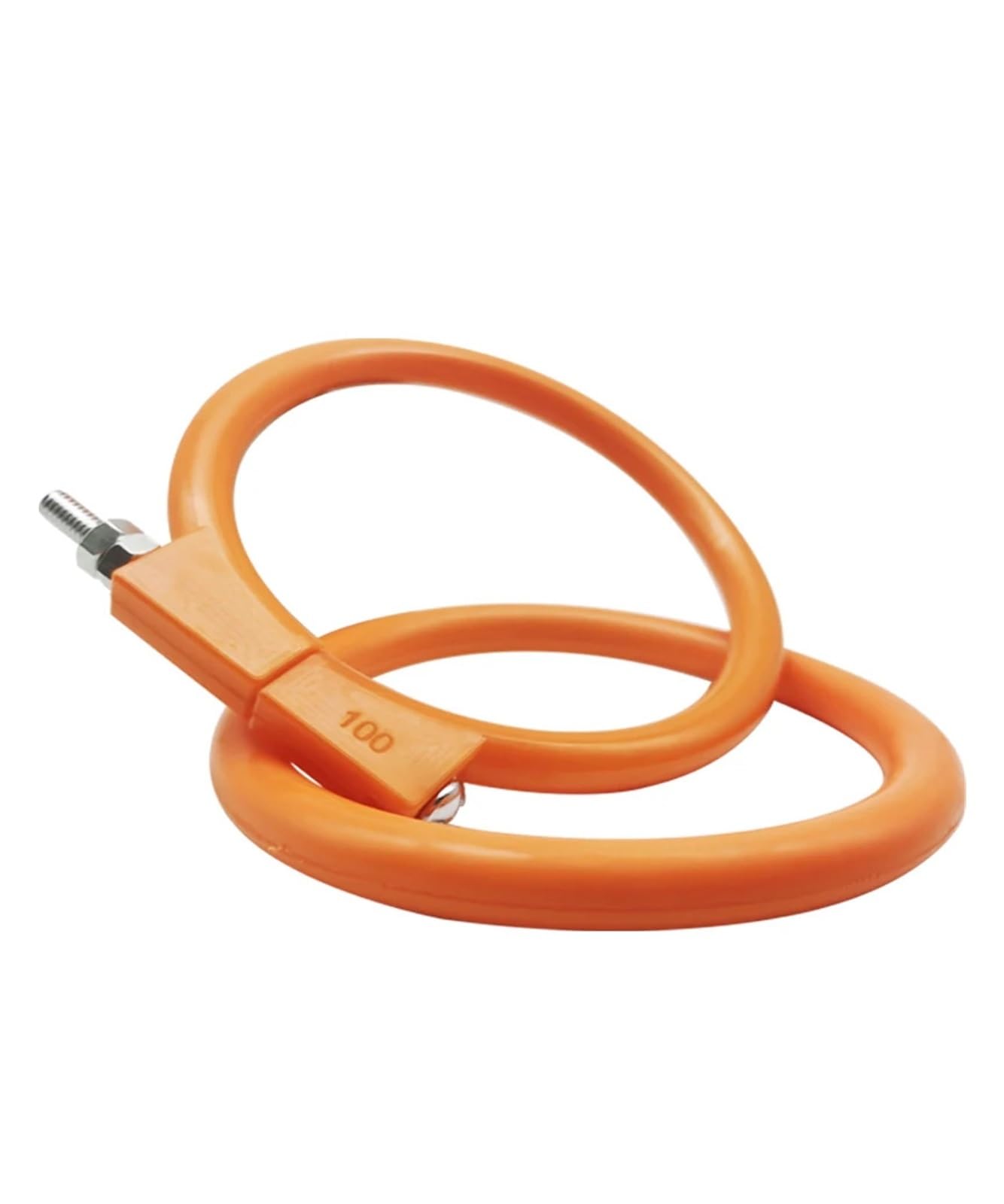
For industrial manufacturers seeking precision-engineered rubber components, Suzhou Baoshida Trading Co., Ltd. stands as a trusted partner in delivering high-performance solutions tailored to exacting OEM standards. Specializing in industrial rubber formulations and custom molding technologies, our team ensures every product, including specialized components such as anchor pins for floral wire integration, meets rigorous demands for durability, consistency, and functional reliability. Our expertise extends beyond standard production—we engineer materials at the compound level to match the mechanical, thermal, and chemical requirements of your specific application.
Anchor pins used in floral applications require a unique balance of flexibility, tensile strength, and resistance to environmental degradation. At Suzhou Baoshida, we formulate proprietary rubber blends that enhance grip, minimize deformation under load, and resist aging from UV exposure and moisture—critical factors in both commercial floristry and automated packaging systems. Our in-house R&D laboratory allows us to fine-tune Shore hardness, elongation at break, and compression set performance, ensuring optimal functionality across diverse operational conditions.
We support global OEMs with end-to-end manufacturing services, from prototype development and material testing to high-volume production and logistics. Our ISO-certified supply chain guarantees traceability, batch consistency, and compliance with international quality standards. Whether you are integrating rubber anchor pins into automated assembly lines or require custom packaging configurations for distribution, our engineering team collaborates closely with clients to deliver scalable, cost-effective solutions.
To ensure seamless integration into your production ecosystem, we provide full technical documentation, including material data sheets, molding parameters, and performance validation reports. Our commitment to precision extends to tight tolerance control—typically within ±0.05 mm—achieved through advanced injection and transfer molding techniques. With decades of experience serving industries ranging from automotive to consumer goods, we bring deep domain knowledge to every project.
Below are representative technical specifications for our standard rubber anchor pin formulation. Custom modifications are available upon request.
| Property | Test Method | Value |
|---|---|---|
| Material Type | — | Nitrile Rubber (NBR) / EPDM (customizable) |
| Shore A Hardness | ASTM D2240 | 60 ± 5 |
| Tensile Strength | ASTM D412 | ≥12 MPa |
| Elongation at Break | ASTM D412 | ≥250% |
| Compression Set (22 hrs, 70°C) | ASTM D395 | ≤20% |
| Operating Temperature Range | — | -30°C to +100°C (up to +150°C intermittent) |
| Color | — | Black, Green, or Custom |
| Tolerance | ISO 2768-m | ±0.05 mm |
For technical collaboration or to initiate a sample evaluation, contact Mr. Boyce, OEM Account Manager at Suzhou Baoshida Trading Co., Ltd. Direct inquiries to [email protected]. Include detailed application requirements, volume forecasts, and any material or regulatory constraints to facilitate rapid response and engineering alignment. We respond to all qualified requests within 24 business hours. Partner with us to transform material performance through precision rubber engineering.
⚖️ O-Ring Weight Calculator
Estimate rubber O-ring weight (Approx).