
Technical Contents
Engineering Guide: Anti Slip Boat Decking
Engineering Insight: Material Selection as the Critical Failure Point in Anti-Slip Boat Decking
Material selection is the paramount determinant of longevity and safety in marine anti-slip decking systems. Off-the-shelf rubber solutions frequently fail in demanding marine environments due to fundamental mismatches between generic polymer formulations and the unique stresses encountered on watercraft. Standard industrial rubber compounds, often designed for terrestrial applications like warehouse flooring or automotive mats, lack the tailored resistance required for prolonged saltwater immersion, intense UV radiation, and dynamic mechanical loads inherent to boat decks. These environments trigger rapid polymer chain degradation, plasticizer migration, and surface hardening, directly compromising slip resistance and structural integrity. Generic formulations typically prioritize initial cost over lifecycle performance, utilizing lower-grade polymers with insufficient cross-link density and inadequate stabilizer packages. Consequently, surface textures erode prematurely, adhesion systems delaminate under thermal cycling, and the material becomes brittle, creating hazardous conditions where traction is most critical. This failure mode is not merely inconvenient; it represents a significant safety liability and drives repeated replacement cycles that far exceed the initial investment in a purpose-engineered solution.
The core issue lies in the inability of mass-market compounds to simultaneously balance essential properties. Marine decking requires exceptional resistance to hydrolysis from saltwater, high-energy UV absorption without surface chalking, and maintained flexibility across extreme temperature ranges (-30°C to +80°C operational envelope). Off-the-shelf products often sacrifice elongation at break or fatigue resistance to achieve initial hardness, leading to cracking under deck flexure. Furthermore, standard adhesion promoters fail under continuous osmotic pressure, causing edge lifting and water ingress that accelerates substrate corrosion. True marine-grade rubber must integrate specialized additives: hindered amine light stabilizers (HALS) for UV resilience, non-migrating plasticizers for thermal stability, and proprietary tackifiers for substrate bonding that withstand saltwater immersion. At Suzhou Baoshida, our OEM formulations undergo accelerated aging per ASTM D471 and ISO 188 protocols, simulating 5+ years of marine exposure in controlled laboratory conditions before release. This rigorous validation ensures the compound maintains critical safety parameters throughout its service life, not just at installation.
The following comparison highlights key performance differentiators between generic solutions and engineered marine compounds:
| Property | Standard Off-the-Shelf Rubber | Baoshida Marine-Grade EPDM | Test Standard |
|---|---|---|---|
| Shore A Hardness (Aged) | 85 → 95 (Severe Hardening) | 65 → 70 (Stable) | ASTM D2240 |
| Tensile Strength (MPa) | 8.5 → 5.2 (Degraded) | 15.0 → 13.8 (Retained) | ASTM D412 |
| Elongation at Break (%) | 250 → 120 (Brittle Failure) | 400 → 350 (Flexible) | ASTM D412 |
| Abrasion Loss (mm³) | 250 | 100 | ASTM D5963 |
| Saltwater Immersion (1000h) | Delamination, Swelling | No Delamination, <3% Swell | ISO 1817 |
Custom compounding is not a premium option but an operational necessity. The marine environment demands a holistic material science approach where polymer backbone selection, filler reinforcement, and additive synergy are calibrated to specific vessel types and operational profiles. Generic solutions represent a false economy; engineered marine rubber delivers predictable safety, reduced lifecycle costs, and compliance with stringent maritime safety standards through scientifically validated formulation.
Material Specifications
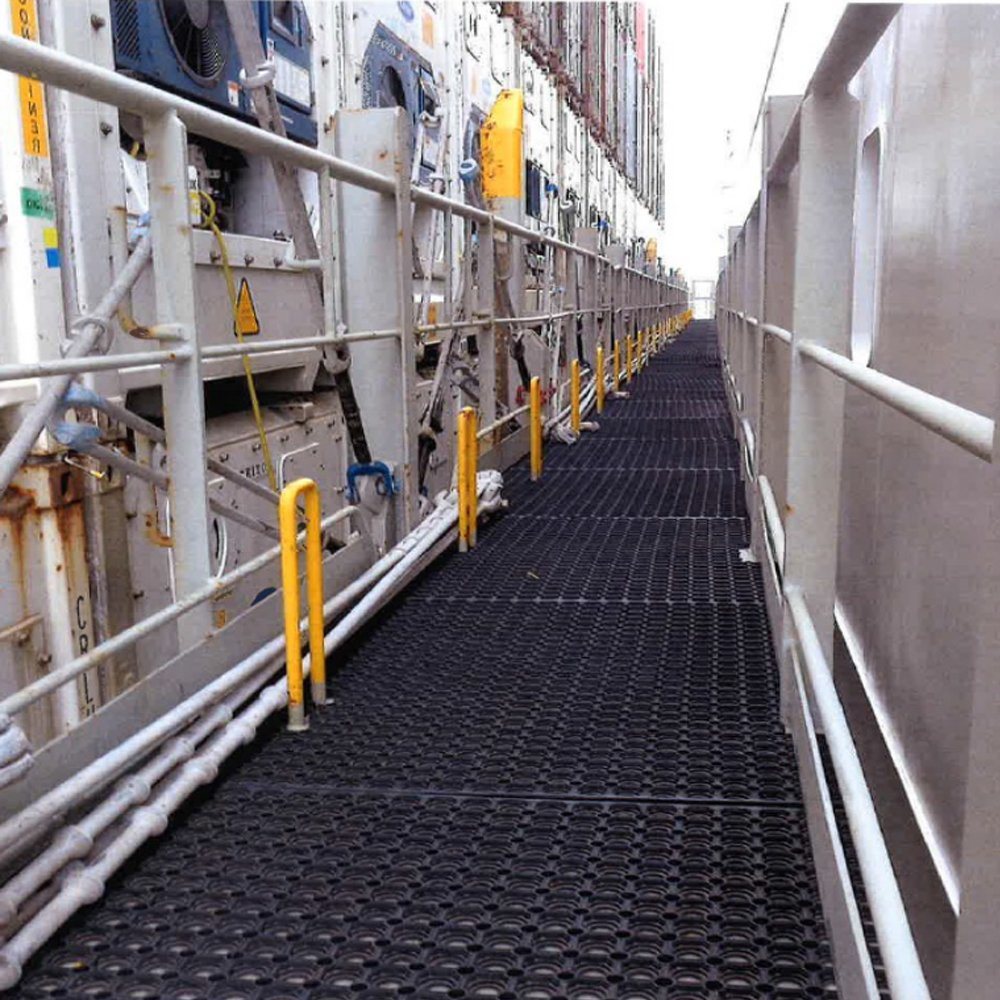
Material Specifications for Anti-Slip Boat Decking
Suzhou Baoshida Trading Co., Ltd. provides high-performance industrial rubber solutions tailored for marine environments, where durability, chemical resistance, and slip resistance are critical. In the development of anti-slip boat decking, selecting the appropriate elastomer is fundamental to ensuring long-term performance under harsh conditions such as saltwater exposure, UV radiation, temperature extremes, and mechanical wear. The three primary rubber materials utilized in this application are Viton (FKM), Nitrile (NBR), and Silicone (VMQ). Each offers a distinct set of physical and chemical properties that determine its suitability for specific marine use cases.
Viton is a fluorocarbon-based rubber renowned for its exceptional resistance to oils, fuels, and a broad range of chemicals. It maintains structural integrity at elevated temperatures, with continuous service capabilities up to 230°C. This makes Viton ideal for marine decking in engine compartments or fuel handling areas where hydrocarbon exposure is frequent. Additionally, Viton exhibits strong resistance to ozone and UV degradation, ensuring long-term surface stability even under prolonged sunlight exposure. However, its high cost and lower flexibility at low temperatures may limit use in general deck areas.
Nitrile rubber is a cost-effective solution with excellent resistance to petroleum-based fluids and moderate mechanical strength. It performs reliably in temperature ranges from -30°C to 100°C, making it suitable for standard marine environments. Nitrile’s high abrasion resistance contributes to sustained anti-slip texture over time, a critical factor for deck safety. While it lacks the high-temperature stability and ozone resistance of Viton, Nitrile remains a preferred choice for non-extreme marine applications due to its balance of performance and affordability.
Silicone rubber excels in thermal stability, operating effectively from -60°C to 200°C, and demonstrates superior resistance to UV radiation and weathering. It is inherently non-reactive and maintains flexibility across a wide temperature spectrum. Silicone is particularly effective in exposed deck areas subject to direct sunlight and fluctuating climates. However, its relatively low tensile strength and poor resistance to oils and solvents require careful consideration in fuel-rich environments. Surface texturing can enhance its anti-slip properties, though wear resistance is generally lower than that of Nitrile or Viton.
The following table summarizes key material properties for informed selection in anti-slip boat decking applications.
| Property | Viton (FKM) | Nitrile (NBR) | Silicone (VMQ) |
|---|---|---|---|
| Temperature Range (°C) | -20 to 230 | -30 to 100 | -60 to 200 |
| Tensile Strength (MPa) | 15–20 | 10–25 | 5–10 |
| Elongation at Break (%) | 200–300 | 250–500 | 200–600 |
| Hardness (Shore A) | 70–90 | 60–80 | 40–80 |
| Resistance to Oils/Fuels | Excellent | Good to Excellent | Poor |
| UV/Ozone Resistance | Excellent | Fair | Excellent |
| Abrasion Resistance | Good | Excellent | Moderate |
| Water Resistance | Excellent | Good | Excellent |
| Typical Applications | Engine bays, fuel zones | General deck areas | Sun-exposed, high-UV zones |
Selection of the appropriate rubber compound must align with operational demands, environmental exposure, and lifecycle cost expectations. Suzhou Baoshida Trading Co., Ltd. supports OEMs with material testing, customization, and performance validation to ensure optimal decking performance in marine environments.
Manufacturing Capabilities
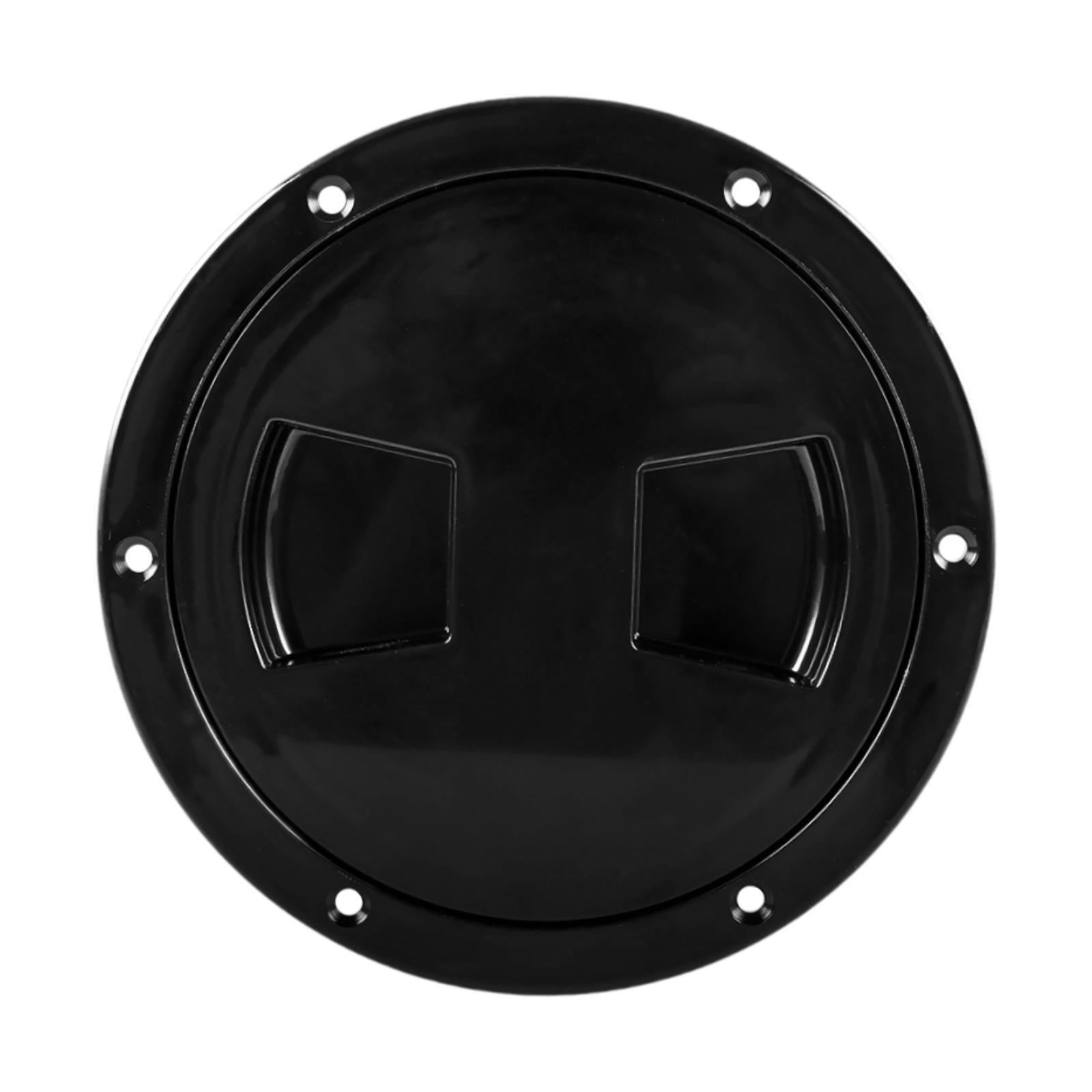
Engineering Capabilities: Precision Rubber Solutions for Anti-Slip Boat Decking
Suzhou Baoshida Trading Co., Ltd. leverages deep technical expertise in industrial rubber formulation and precision molding to deliver mission-critical anti-slip boat decking solutions. Our dedicated engineering team, comprising five specialized mold engineers and two advanced formula engineers, forms the core of our value proposition. This integrated structure ensures seamless translation from material science to high-performance, manufacturable products meeting stringent maritime safety and durability demands. We operate at the intersection of polymer chemistry and precision manufacturing, focusing exclusively on optimizing rubber compounds for the unique challenges of marine environments where wet grip, UV resistance, and long-term structural integrity are non-negotiable.
Our formula engineering team possesses extensive knowledge in polymer matrix optimization for marine applications. We meticulously develop proprietary rubber blends, primarily utilizing high-grade EPDM and specialized nitrile formulations, engineered to achieve exceptional wet Coefficient of Friction (COF) values exceeding 0.8 under ISO 13287 protocols while maintaining optimal Shore A hardness (typically 65-75) for deck resilience and comfort. Critical to longevity in saltwater exposure, our compounds incorporate advanced UV stabilizers and ozone resistance packages validated through rigorous accelerated aging protocols per ASTM D1148 and ISO 4665. Continuous refinement of filler systems, plasticizers, and vulcanization chemistry ensures consistent performance across temperature extremes from -40°C to +100°C, preventing hardening or tackiness that compromises safety.
Precision mold engineering is equally vital to our output quality. Our five mold engineers utilize advanced CAD/CAM systems (SolidWorks, UG NX) to design complex, multi-cavity molds capable of producing intricate anti-slip patterns with micron-level dimensional accuracy and superior surface replication. We prioritize thermal management within mold designs to ensure uniform curing, critical for achieving consistent friction profiles across large deck panels. This expertise directly enables the production of complex geometries required for non-skid patterns, drainage channels, and edge profiles essential for marine deck functionality, while minimizing flash and internal stresses that lead to premature failure.
The synergy between formula and mold engineering underpins our robust OEM capabilities. We collaborate closely with boat builders and decking system integrators from the initial concept phase, offering full material selection guidance, rapid prototyping (typically 10-15 days), and seamless scale-up to high-volume production. Our facility supports custom color matching (Pantone standards), tailored hardness adjustments, and specific density requirements without sacrificing anti-slip performance or environmental resistance. We manage the entire process, ensuring strict adherence to client specifications and international marine standards.
Key performance characteristics of our standard and premium anti-slip compounds are detailed below:
| Property | Standard Compound | Premium Compound | Test Method |
|---|---|---|---|
| Shore A Hardness | 70 ± 5 | 68 ± 3 | ASTM D2240 |
| Wet CoF (Ceramic Tile) | ≥ 0.80 | ≥ 0.85 | ISO 13287 |
| Tensile Strength (MPa) | ≥ 12.0 | ≥ 15.0 | ASTM D412 |
| Elongation at Break (%) | ≥ 300 | ≥ 350 | ASTM D412 |
| UV Resistance (5000h QUV) | Pass | Excellent Pass | ASTM G154 |
| Ozone Resistance (50pphm) | Pass | Excellent Pass | ASTM D1149 |
| Operating Temp Range (°C) | -40 to +90 | -45 to +100 | Internal Protocol |
Suzhou Baoshida provides not just a product, but engineered assurance for maritime safety. Our integrated engineering approach, combining deep formula science with precision mold design, delivers anti-slip decking solutions that consistently exceed OEM performance expectations and withstand the relentless marine environment. Partner with us for technically superior, reliable, and fully customizable rubber decking systems.
Customization Process
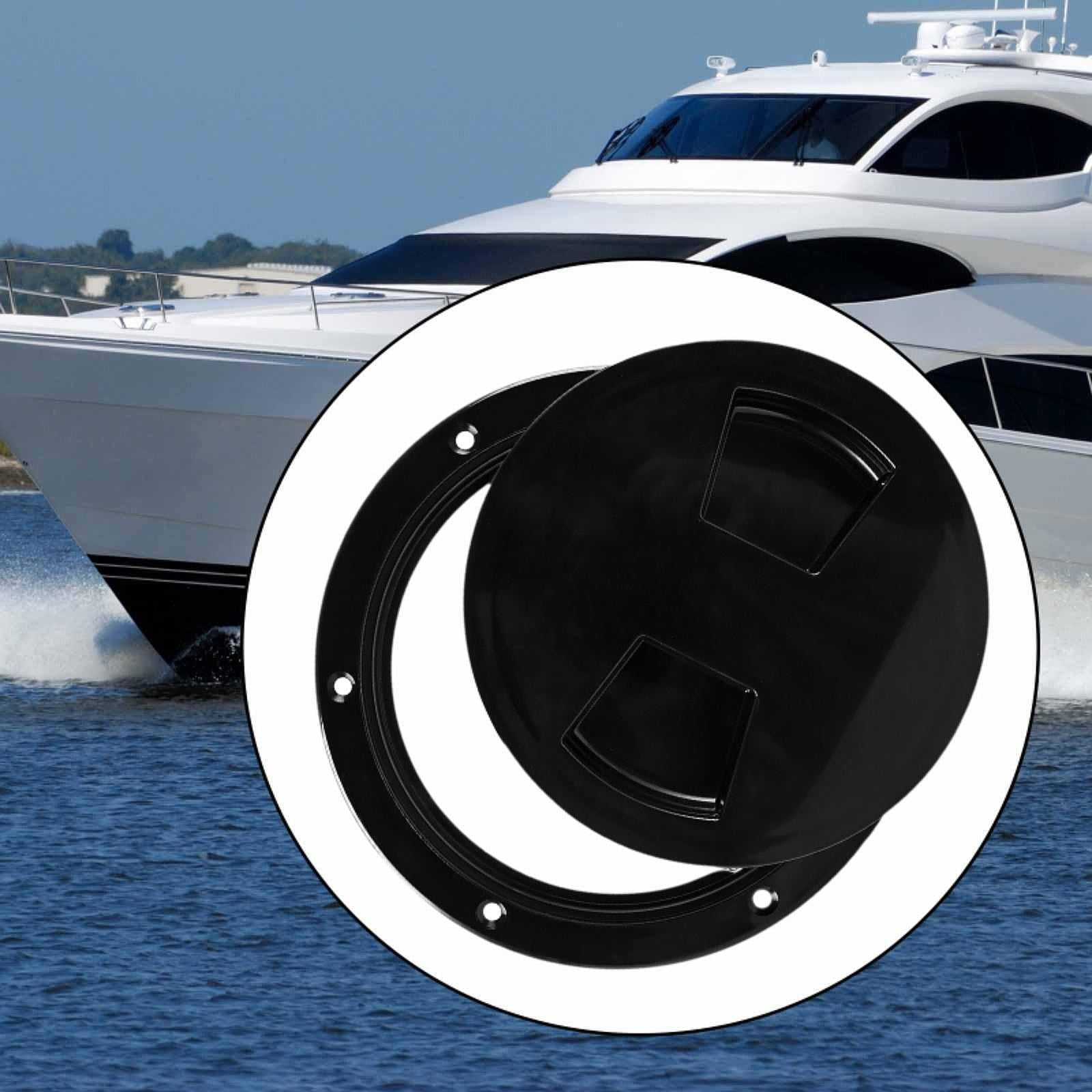
Customization Process for Anti-Slip Boat Decking: From Design to Mass Production
At Suzhou Baoshida Trading Co., Ltd., we specialize in industrial rubber solutions tailored to the rigorous demands of marine environments. Our anti-slip boat decking systems are engineered not only for superior traction but also for long-term resistance to UV exposure, saltwater corrosion, and mechanical wear. The customization process is structured into four precise stages: Drawing Analysis, Formulation Development, Prototyping, and Mass Production. This ensures that every product meets both technical specifications and operational requirements.
The process begins with Drawing Analysis, where our engineering team reviews client-provided CAD files, technical schematics, or on-site measurements. We assess critical parameters such as surface geometry, load-bearing zones, drainage integration, and edge profiles. This stage allows us to determine material thickness, bonding methods, and installation compatibility. Our focus is on identifying potential stress points and environmental exposure levels to inform the next phase.
Following drawing validation, we proceed to Formulation Development. Based on the operational environment—whether recreational, commercial, or offshore—we customize the rubber compound using EPDM, SBR, or specialized TPE blends. Key performance attributes such as Shore A hardness, coefficient of friction (COF), and resistance to hydrolysis are optimized. Additives for UV stabilization, anti-microbial protection, and color fastness are incorporated to ensure durability under continuous marine exposure. Each formulation is documented for repeatability and compliance tracking.
Once the rubber compound is finalized, we move to Prototyping. A small-batch sample is manufactured using calibrated calendaring or compression molding techniques, depending on the design complexity. The prototype is subjected to a battery of tests including slip resistance (ASTM F2913), tensile strength (ASTM D412), and accelerated weathering (QUV testing per ASTM G154). Clients receive a physical sample along with full test reports for evaluation. Feedback is integrated into final adjustments before approval.
Upon prototype sign-off, we initiate Mass Production. Our facility operates under ISO 9001 standards with real-time quality monitoring at every stage. Production runs are scheduled with lean manufacturing principles to ensure on-time delivery without compromising consistency. Each batch undergoes final inspection for dimensional accuracy, surface texture uniformity, and adhesion performance. Products are packaged with protective film and moisture barrier wrapping to prevent damage during global shipment.
The following table outlines key technical specifications achievable through our customization process:
| Property | Test Standard | Typical Value |
|---|---|---|
| Shore A Hardness | ASTM D2240 | 60–80 |
| Coefficient of Friction (Dry) | ASTM F2913 | ≥ 0.85 |
| Tensile Strength | ASTM D412 | 10–18 MPa |
| Elongation at Break | ASTM D412 | 250–400% |
| Accelerated Weathering | ASTM G154 | 1,500 hrs (no cracking) |
| Water Absorption (7 days) | ISO 175 | < 2% |
Through this systematic approach, Suzhou Baoshida delivers high-performance, custom anti-slip boat decking solutions that enhance safety and longevity across marine platforms.
Contact Engineering Team
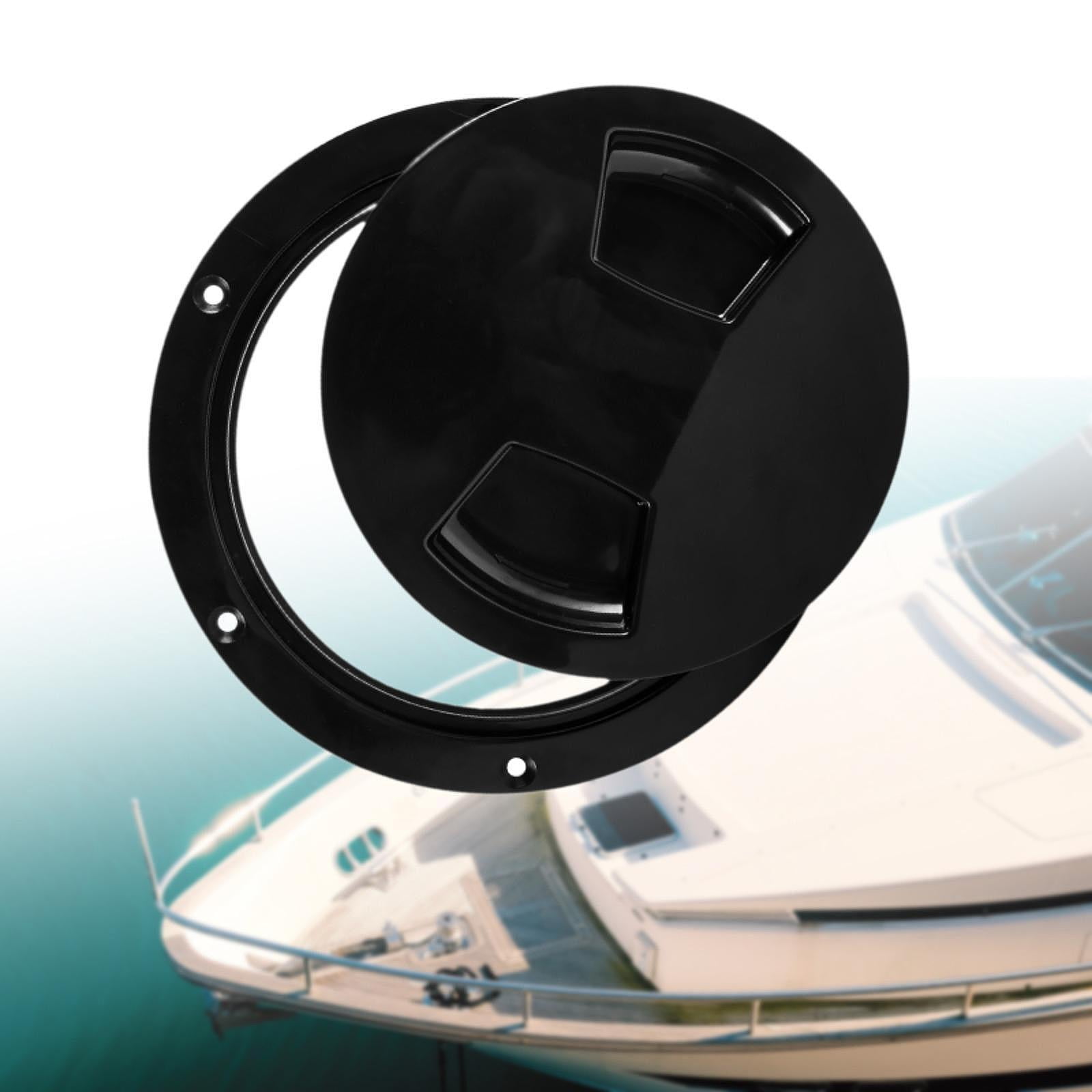
Contact Suzhou Baoshida for Precision Anti-Slip Boat Decking Solutions
Suzhou Baoshida Trading Co., Ltd. operates at the intersection of advanced polymer science and marine engineering rigor. Our anti-slip boat decking formulations are not generic commodity products but engineered composites developed through iterative laboratory testing and real-world validation under extreme marine conditions. We specialize in customizing Shore A hardness, coefficient of friction (CoF), and hydrophobic polymer matrices to meet exact OEM specifications for vessel type, operational environment, and regulatory compliance. Our proprietary rubber blends integrate high-purity silica and vulcanized nitrile-butadiene (NBR) compounds to deliver consistent traction across wet, oily, or salt-encrusted surfaces while resisting UV degradation and ozone cracking. This precision approach ensures your decking maintains structural integrity and safety performance throughout its operational lifecycle, directly impacting vessel uptime and crew safety metrics.
Critical performance parameters for marine anti-slip surfaces demand quantifiable validation. Below is a representative comparison of our standard marine-grade compound against industry baseline requirements:
| Performance Parameter | Suzhou Baoshida Specification | Industry Baseline | Test Standard | Operational Impact |
|---|---|---|---|---|
| Dynamic Coefficient of Friction (Wet) | ≥ 0.85 | ≥ 0.60 | ASTM F2508 | Prevents slips during deck washdowns |
| DIN Abrasion Loss (mm³) | ≤ 95 | ≤ 150 | ISO 4649 | Extends service life by 40%+ |
| Shore A Hardness (23°C) | 68 ± 3 | 60–75 | ASTM D2240 | Optimizes comfort and durability |
| Tensile Strength (MPa) | ≥ 18.0 | ≥ 12.0 | ISO 37 | Resists tearing from cleat impacts |
| Saltwater Immersion (30d) | < 5% weight gain | < 10% weight gain | ASTM D471 | Prevents delamination in marine env. |
These metrics reflect our commitment to exceeding ISO 10218-1 and ASTM F1637 standards through controlled vulcanization processes and stringent raw material traceability. Unlike off-the-shelf alternatives, our compounds undergo accelerated aging protocols simulating 10+ years of tropical or Arctic exposure, ensuring predictable performance decay curves for your maintenance planning. We integrate seamlessly into your production workflow via roll-good supply (1.2m–2.4m widths) or precision-cut kits with laser-guided adhesive application templates, minimizing waste and assembly time.
As your OEM partner, Suzhou Baoshida provides full technical stewardship from material selection to post-installation analysis. Our engineering team collaborates directly with your design staff to optimize deck topology, adhesive compatibility, and thermal expansion tolerances—addressing challenges like galvanic corrosion at metal-rubber interfaces or flex fatigue in high-motion zones. We maintain ISO 9001-certified production facilities with real-time rheometer monitoring and batch-specific certificate of conformance (CoC) documentation, ensuring auditable quality for naval architecture approvals.
Initiate a technical consultation with Mr. Boyce, our OEM Partnership Director, to develop a decking solution calibrated to your vessel’s operational profile. Provide your target CoF requirements, deck substrate material, and environmental exposure parameters for a rapid feasibility assessment. Mr. Boyce will coordinate material samples, third-party test data, and a preliminary cost model within 72 hours of engagement. Contact him directly at [email protected] to schedule a confidential engineering review. Specify your vessel class and annual volume requirements in the subject line to expedite technical resource allocation. Suzhou Baoshida transforms material science into measurable marine safety outcomes—partner with us to eliminate slip hazards without compromising deck longevity or aesthetics.
⚖️ O-Ring Weight Calculator
Estimate rubber O-ring weight (Approx).