
Technical Contents
Engineering Guide: Anti Slip For Outdoor Steps
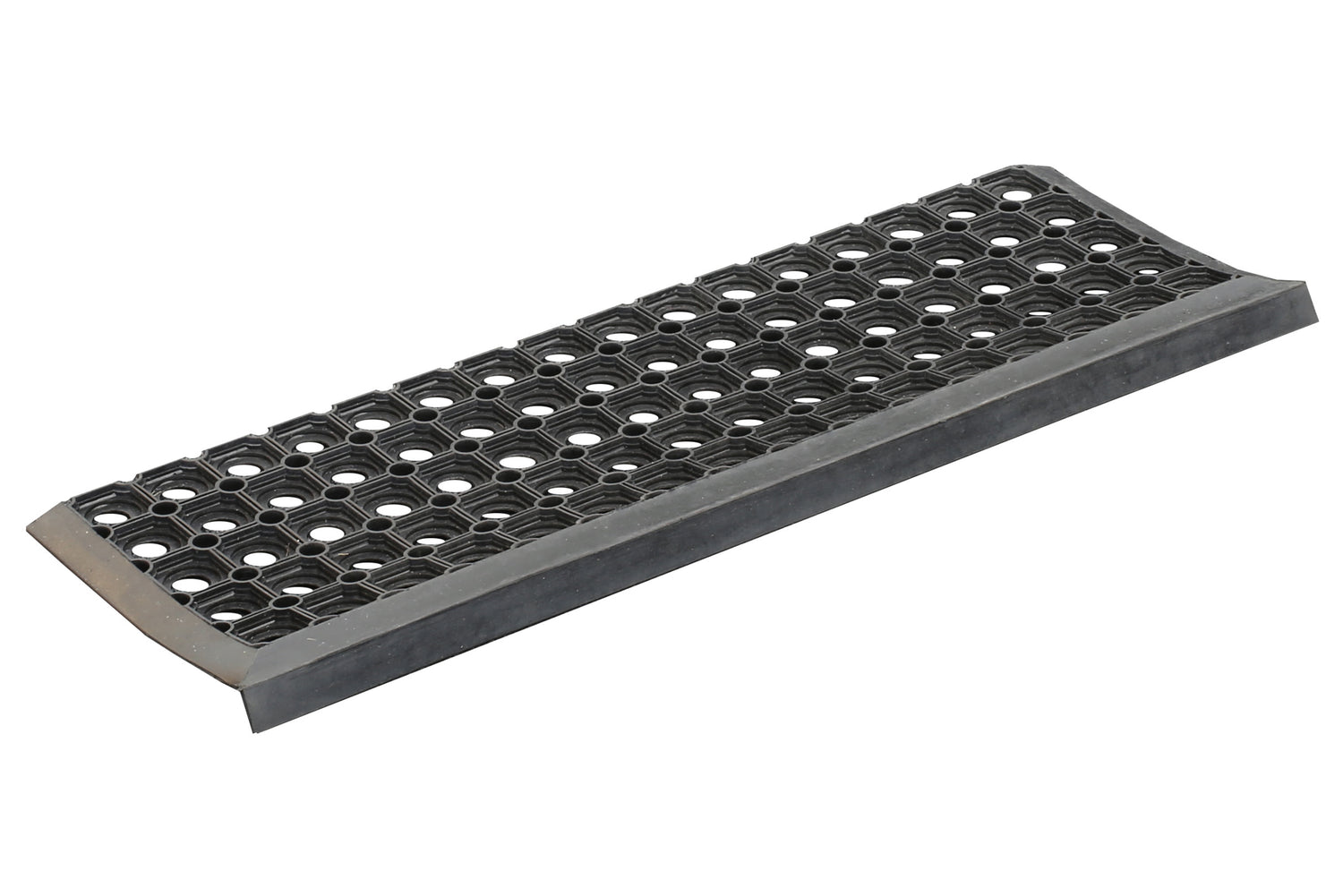
Engineering Insight: Material Science Imperatives for Outdoor Step Anti-Slip Performance
Outdoor step applications present a uniquely severe service environment demanding rigorous material science. Standard anti-slip solutions frequently fail prematurely due to inadequate consideration of the synergistic degradation mechanisms inherent to exterior exposure. Generic rubber compounds, often formulated for indoor or mild environments, lack the tailored polymer architecture and stabilization systems necessary to withstand the relentless combination of ultraviolet radiation, thermal cycling, moisture ingress, freeze-thaw stress, and abrasive wear from foot traffic and environmental debris. This fundamental mismatch between material capability and operational demand leads to accelerated surface deterioration, loss of critical texture, and ultimately, hazardous slip conditions.
The core failure mode of off-the-shelf products lies in their homogeneous polymer composition. Many utilize standard SBR (Styrene-Butadiene Rubber) or low-grade EPDM (Ethylene Propylene Diene Monomer) without sufficient UV absorbers, antioxidant packages, or hydrophobic modifiers. Under sustained solar exposure, the polymer backbone undergoes chain scission, causing surface chalking and embrittlement. Concurrently, repeated moisture absorption followed by freezing generates internal stresses that exceed the weakened material’s tensile strength, resulting in micro-cracking and pitting. This surface degradation directly erodes the engineered tread pattern or grit profile essential for slip resistance, particularly on wet or icy surfaces. Furthermore, inadequate filler dispersion and suboptimal crosslink density in generic compounds accelerate wear rates under pedestrian traffic, rapidly smoothing the surface intended to provide traction.
True performance requires engineered elastomer systems designed holistically for exterior step duty cycles. High-purity, saturated backbone polymers like specialty EPDM or hydrogenated nitrile butadiene rubber (HNBR) provide the essential foundation for UV and ozone resistance. Precise incorporation of hindered amine light stabilizers (HALS) and synergistic antioxidant systems significantly retards photo-oxidative degradation. Critical to maintaining wet traction is the integration of hydrophobic silica or modified carbon black fillers that resist water film formation while enhancing abrasion resistance. Optimized vulcanization ensures a balanced crosslink network – sufficiently dense to resist deformation under load and thermal expansion, yet flexible enough to accommodate substrate movement and freeze-thaw cycles without fracture.
The performance delta between generic and engineered compounds is quantifiable across key parameters:
| Property | Generic Compound | Engineered Compound | Critical Failure Mode |
|---|---|---|---|
| UV Resistance (ASTM G154) | Rapid surface cracking (500 hrs) | Minimal degradation (3000+ hrs) | Loss of texture, reduced wet coefficient of friction |
| Thermal Stability (°C) | -20 to +70 | -40 to +120 | Dimensional instability, bond failure |
| Abrasion Loss (DIN 53516) | >180 mm³ | <90 mm³ | Premature smoothing of anti-slip profile |
| Wet COF (ASTM F2913) | <0.40 after 6 months | >0.65 sustained | Increased slip risk on damp surfaces |
| Hydrolysis Resistance | Poor (swelling >8%) | Excellent (swelling <3%) | Delamination, loss of adhesion |
Suzhou Baoshida Trading Co., Ltd. leverages proprietary rubber formulations specifically architected for this demanding application. Our OEM solutions integrate advanced polymer science with rigorous accelerated weathering validation, ensuring the anti-slip profile remains functionally intact throughout the product lifecycle. Material selection is not a cost variable but the primary engineering control for long-term safety and durability in outdoor step environments. Compromising on compound specification inevitably compromises end-user safety and incurs higher lifecycle costs through premature replacement.
Material Specifications
For outdoor step applications requiring high-performance anti-slip properties, material selection is critical to ensure durability, safety, and resistance to environmental stressors. At Suzhou Baoshida Trading Co., Ltd., we specialize in industrial rubber solutions engineered for demanding conditions. Our anti-slip products for outdoor steps are formulated using three premium elastomers: Viton (FKM), Nitrile (NBR), and Silicone (VMQ). Each material offers distinct performance characteristics suited to specific operational environments, including exposure to UV radiation, temperature extremes, oils, and mechanical abrasion.
Viton rubber is a fluorocarbon-based elastomer renowned for its exceptional resistance to high temperatures, ozone, and a broad range of chemicals, including hydrocarbons and solvents. This makes Viton an ideal choice for anti-slip components in industrial or coastal environments where chemical exposure and prolonged UV exposure are concerns. With a continuous service temperature range of -20°C to 250°C, Viton maintains structural integrity and grip performance under extreme thermal cycling. However, due to its higher material cost, Viton is typically selected for mission-critical applications where long-term reliability outweighs initial investment.
Nitrile rubber, or NBR, is a synthetic copolymer of acrylonitrile and butadiene, offering excellent resistance to oils, greases, and aliphatic hydrocarbons. It is widely used in outdoor step applications where exposure to automotive fluids or industrial lubricants is expected. Nitrile provides good abrasion resistance and mechanical strength, ensuring long-lasting traction performance. Its operational temperature range of -30°C to 120°C makes it suitable for moderate climates. While NBR exhibits limited UV and ozone resistance compared to Viton or Silicone, it can be compounded with stabilizers to enhance outdoor durability.
Silicone rubber (VMQ) delivers outstanding thermal stability and weather resistance, with a service range from -60°C to 200°C. It maintains flexibility in sub-zero conditions and resists degradation from prolonged sunlight exposure, making it highly effective for anti-slip applications in variable climates. Silicone also offers good electrical insulation properties and low toxicity, which can be advantageous in public infrastructure. While it has lower tensile strength and abrasion resistance than Nitrile or Viton, advanced formulations can improve mechanical performance for step treads.
The following table compares key physical and chemical properties of these materials for informed selection in outdoor anti-slip step systems:
| Property | Viton (FKM) | Nitrile (NBR) | Silicone (VMQ) |
|---|---|---|---|
| Temperature Range (°C) | -20 to 250 | -30 to 120 | -60 to 200 |
| Tensile Strength (MPa) | 15–20 | 10–25 | 5–10 |
| Elongation at Break (%) | 200–300 | 250–500 | 200–600 |
| Hardness (Shore A) | 70–90 | 50–90 | 30–80 |
| UV/Ozone Resistance | Excellent | Poor to Fair | Excellent |
| Oil/Fuel Resistance | Excellent | Excellent | Poor |
| Abrasion Resistance | Good | Very Good | Fair |
| Compression Set Resistance | Excellent | Good | Good |
Material selection must balance performance requirements, environmental exposure, and cost efficiency. Suzhou Baoshida Trading Co., Ltd. provides customized compounding and manufacturing services to meet OEM specifications for anti-slip outdoor step systems using these advanced rubber materials.
Manufacturing Capabilities
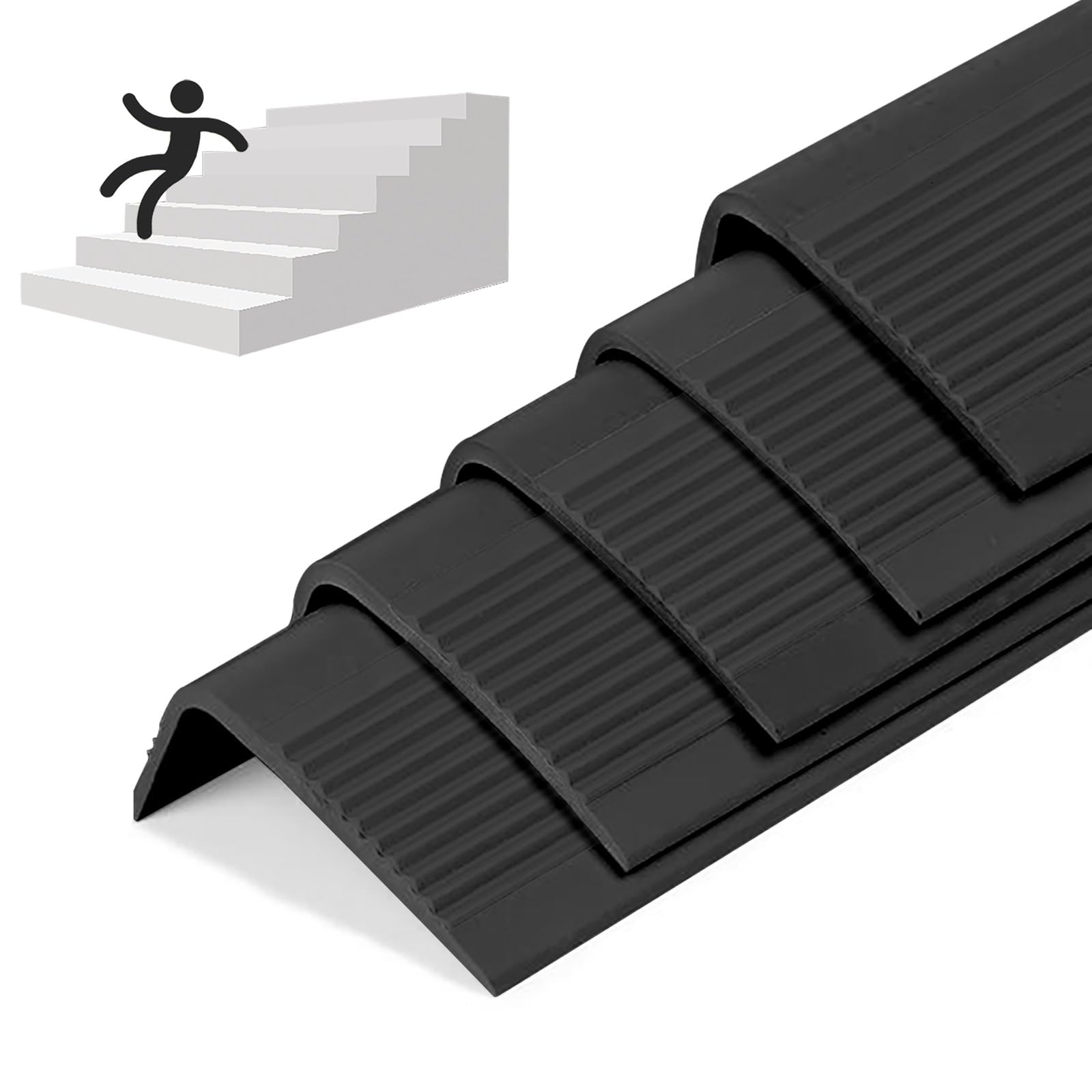
Engineering Capability: Precision Rubber Solutions for Outdoor Step Safety
Suzhou Baoshida Trading Co., Ltd. leverages deep engineering expertise specifically tailored to demanding outdoor anti-slip applications. Our core strength resides in an integrated team of five dedicated mould engineers and two specialized rubber formula engineers, working cohesively to deliver optimal performance and manufacturability. This structure ensures that material science and precision tooling are developed in parallel, eliminating common disconnects between compound design and production feasibility. For outdoor step applications, where environmental exposure and mechanical stress are critical, this integrated approach is non-negotiable for long-term safety and durability.
Our rubber formula engineers focus exclusively on developing compounds that meet the rigorous demands of exterior environments. Key performance parameters include exceptional resistance to ultraviolet (UV) degradation, ozone attack, and wide temperature fluctuations, preventing premature hardening, cracking, or loss of traction. We formulate for optimal Shore A hardness (typically 55-75) to balance grip underfoot with resilience against impact and abrasion from foot traffic and debris. Critical to outdoor safety is maintaining consistent coefficient of friction (CoF) across wet, dry, and contaminated surfaces, even after accelerated aging tests simulating years of exposure. Our proprietary blends incorporate high-performance fillers and modifiers to ensure permanent anti-slip properties without relying on surface treatments that wear off.
The mould engineering team translates these advanced compounds into precise, high-integrity components. They design and validate moulds considering complex geometries required for aggressive tread patterns, optimal material flow to prevent weld lines in critical stress zones, and thermal management for consistent curing. This ensures dimensional stability of the anti-slip profile across production runs and throughout the product’s lifecycle, directly impacting slip resistance reliability. Our engineers utilize advanced simulation software for flow analysis and structural validation before tooling fabrication, minimizing development cycles and ensuring first-article success.
As a certified OEM partner, Suzhou Baoshida provides a seamless engineering continuum from concept to量产. We collaborate closely with clients during the design phase, offering material selection guidance, DFM/DFA analysis, and rapid prototyping using client-specified compounds or our optimized formulations. Our facility supports full-scale production with stringent in-process quality controls, including real-time compound monitoring and automated dimensional inspection. Intellectual property is rigorously protected throughout the process.
Performance specifications for our standard outdoor anti-slip step tread compounds are rigorously validated:
| Property | Standard Value | Test Method | Significance for Outdoor Steps |
|---|---|---|---|
| Shore A Hardness | 65 ± 5 | ASTM D2240 | Optimal balance of grip and impact resistance |
| Tensile Strength | ≥ 12 MPa | ASTM D412 | Resists tearing from foot traffic and debris |
| Elongation at Break | ≥ 300% | ASTM D412 | Accommodates substrate movement without fracture |
| Temperature Range | -40°C to +120°C | ISO 188 | Performance stability in extreme climates |
| CoF (Wet Ceramic Tile) | ≥ 0.6 (Static) | ASTM F2913 | Meets critical safety threshold for wet conditions |
| UV Resistance (1000h QUV) | Δ Hardness ≤ +10 | ASTM G154 | Prevents surface degradation and traction loss |
Our quality assurance protocols extend beyond standard testing, incorporating accelerated outdoor aging trials and real-world performance validation. This engineering rigor, combined with scalable OEM manufacturing, guarantees anti-slip step solutions that deliver measurable safety outcomes and extended service life in the harshest environments. We partner with clients to transform safety requirements into engineered reality.
Customization Process
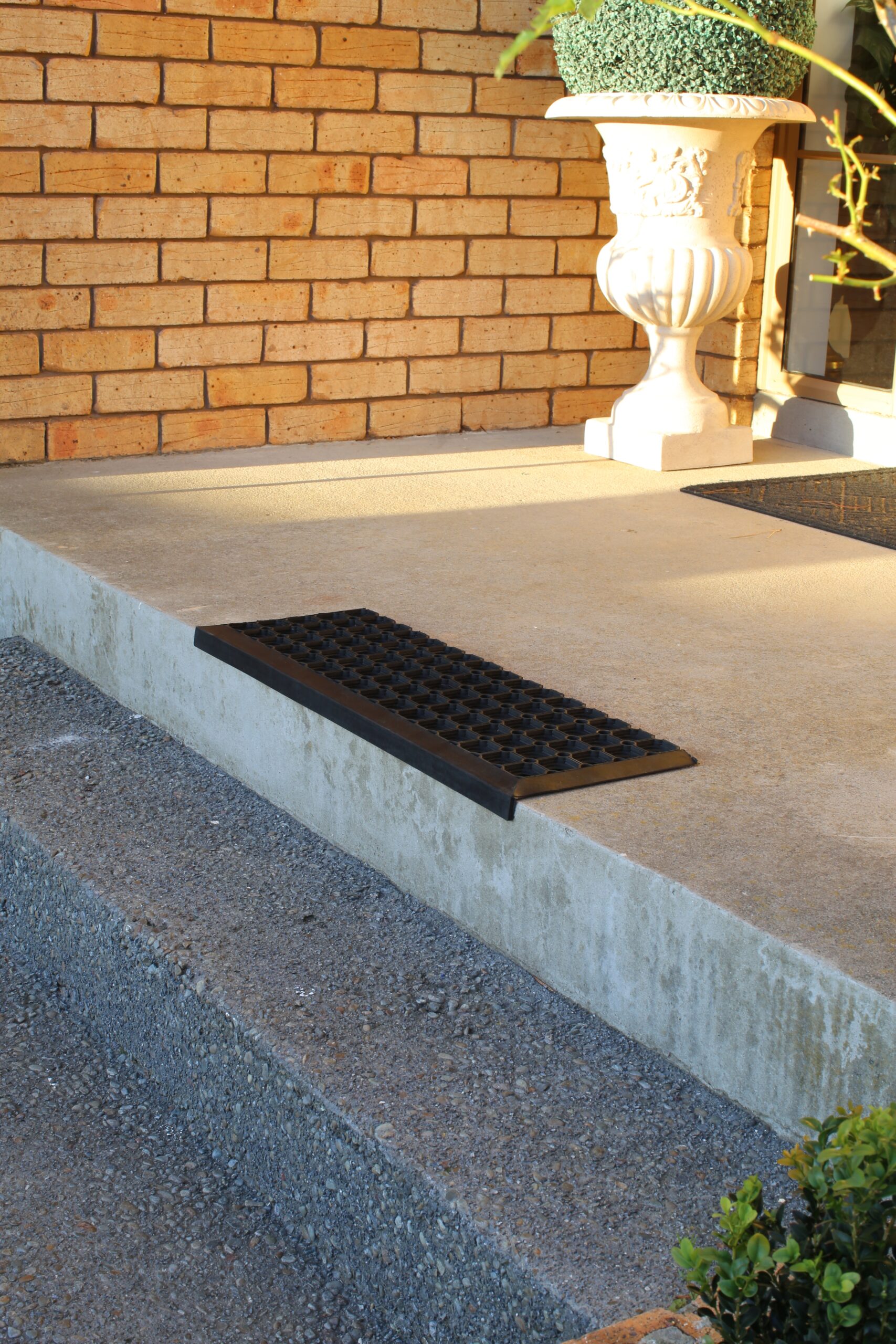
Drawing Analysis: Precision as the Foundation
The customization process for anti-slip solutions for outdoor steps begins with rigorous drawing analysis. At Suzhou Baoshida Trading Co., Ltd., we treat engineering drawings as the blueprint for performance and compliance. Upon receiving client-provided CAD files or technical schematics, our team conducts a dimensional audit, verifying step profile geometry, surface contact area, edge tolerances, and installation interface specifications. We assess load-bearing zones, expected foot traffic patterns, and environmental exposure zones—critical for outdoor applications subject to rain, UV degradation, and temperature fluctuations. This phase includes material thickness optimization to balance flexibility and structural integrity. Any discrepancies or design risks—such as insufficient drainage channels or inadequate grip surface area—are flagged and discussed with the client for revision. Only after alignment on the technical drawing do we proceed, ensuring that every prototype and production unit will meet exact functional and safety requirements.
Formulation: Engineering the Optimal Rubber Compound
With validated geometry, we transition to rubber formulation—a core competency in our industrial solutions portfolio. The anti-slip performance of outdoor steps demands a compound engineered for high coefficient of friction (COF), abrasion resistance, and weather stability. Our chemists tailor formulations using EPDM, SBR, or NR base polymers depending on climate zone and mechanical stress. Additives include silica and carbon black for enhanced traction, UV stabilizers for prolonged sun exposure, and anti-aging agents to extend service life. Hardness is calibrated between 55–70 Shore A to ensure durability without compromising slip resistance. For environments with frequent ice or snow, we incorporate micro-textured fillers to increase surface roughness without affecting pedestrian comfort. Each formulation is documented and batch-traceable, ensuring repeatability and compliance with international safety standards such as DIN 51130 for slip resistance and ISO 48-4 for hardness testing.
Prototyping: Validating Performance Before Scale
Prototyping serves as the critical validation bridge between design and mass production. Using precision molds cut from the approved drawings, we produce small-batch samples using the finalized rubber compound. These prototypes undergo a series of controlled tests: incline ramp trials to measure static and dynamic COF, accelerated weathering in UV and humidity chambers, and abrasion resistance via Taber testing. We also conduct real-world simulations, including wet-condition traction assessments and thermal cycling from -30°C to +70°C. Client feedback is integrated at this stage, allowing for adjustments in texture profile, edge radius, or mounting mechanism. Only after passing internal QA protocols and client approval do we lock the design and material specs.
Mass Production: Consistency at Scale
With finalized prototypes, we initiate serial production using automated vulcanization lines and CNC mold control systems. Every batch undergoes in-line inspection for dimensional accuracy, surface finish, and adhesion quality. Our facility maintains ISO 9001-certified processes, ensuring uniformity across thousands of units. Packaging and labeling are customized per OEM requirements, with traceability tags for batch tracking.
| Specification | Standard Value | Test Method |
|---|---|---|
| Hardness (Shore A) | 55–70 | ISO 48-4 |
| Coefficient of Friction (wet) | ≥ 0.65 | DIN 51130 |
| Tensile Strength | ≥ 10 MPa | ISO 37 |
| Elongation at Break | ≥ 250% | ISO 37 |
| Operating Temperature | -30°C to +70°C | ASTM D1329 |
| UV Resistance | 1,500 hrs (no cracking) | ISO 4892-2 |
Contact Engineering Team
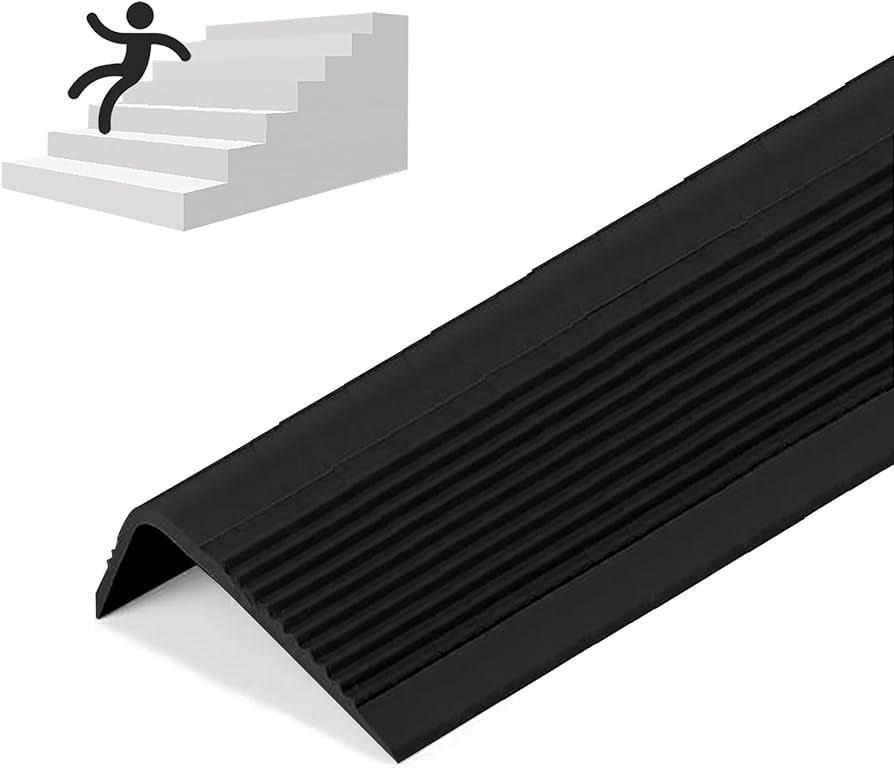
Technical Partnership for Outdoor Step Safety: Engineering Precision Meets Industrial Durability
Suzhou Baoshida Trading Co., Ltd. specializes in engineered rubber solutions that redefine safety standards for outdoor step applications. Our anti-slip compounds are formulated for extreme environmental resilience, combining molecular stability with aggressive surface traction. Unlike generic alternatives, our proprietary blends undergo rigorous ASTM D2047 and ISO 13287 validation, ensuring consistent performance under ice, rain, UV exposure, and thermal cycling from -40°C to +120°C. Industrial clients across Europe and North America specify our materials for municipal infrastructure, marine decks, and heavy-equipment access points due to zero degradation in coefficient of friction after 5,000+ hours of accelerated weathering.
Material integrity begins with our precision polymer architecture. We integrate ceramic microspheres and vulcanized silica networks into EPDM and NBR matrices, achieving Shore A hardness values that balance pedestrian comfort with abrasion resistance. This molecular design prevents hydroplaning on wet surfaces while maintaining flexibility during thermal contraction—a critical failure point in conventional rubber treads. Below is a comparative specification profile of our flagship BD-SlipGuard™ Series against industry benchmarks:
| Property | BD-SlipGuard™ Series | Standard PVC Treads | Generic Rubber Mats |
|---|---|---|---|
| Shore A Hardness | 65 ± 3 | 85 ± 5 | 50 ± 8 |
| Wet COF (ASTM D2047) | 0.82 | 0.45 | 0.60 |
| Abrasion Loss (mm³) | 85 | 220 | 185 |
| UV Resistance (1,000h) | <5% discoloration | Severe cracking | 15% surface decay |
| Temperature Range (°C) | -40 to +120 | -10 to +60 | -20 to +80 |
These metrics translate to 7+ year service life in high-traffic zones, eliminating costly reinstallation cycles. Our OEM manufacturing process includes in-line spectrometry for real-time compound consistency and laser-etched tread patterns that resist debris accumulation. Every batch carries ISO 9001 traceability and REACH compliance documentation, addressing global regulatory requirements without compromising grip efficiency.
For project-specific implementation, direct collaboration with our technical team is essential. Surface geometry, load dynamics, and regional climate variables necessitate tailored formulations—standard catalogs cannot address the physics of inclined step interfaces under dynamic foot pressure. Mr. Boyce, our Lead OEM Manager with 14 years in industrial elastomer systems, spearheads client engineering partnerships. He will conduct a free material suitability analysis using your CAD step profiles and environmental data, delivering a certified solution within 72 hours.
Initiate your safety upgrade with zero obligation. Email Mr. Boyce at [email protected] with subject line “BD-SlipGuard™ Step Analysis: [Your Project ID]”. Include step dimensions, expected footfall volume, and geographic coordinates for climate-specific testing validation. We respond within 4 business hours with a preliminary compound recommendation and accelerated wear-test protocol. Do not compromise on pedestrian safety with off-the-shelf compromises—engineer certainty with Suzhou Baoshida’s science-driven rubber technology. Your steps demand physics, not promises.
⚖️ O-Ring Weight Calculator
Estimate rubber O-ring weight (Approx).