
Technical Contents
Engineering Guide: Anti Slip Paint For Wooden Stairs
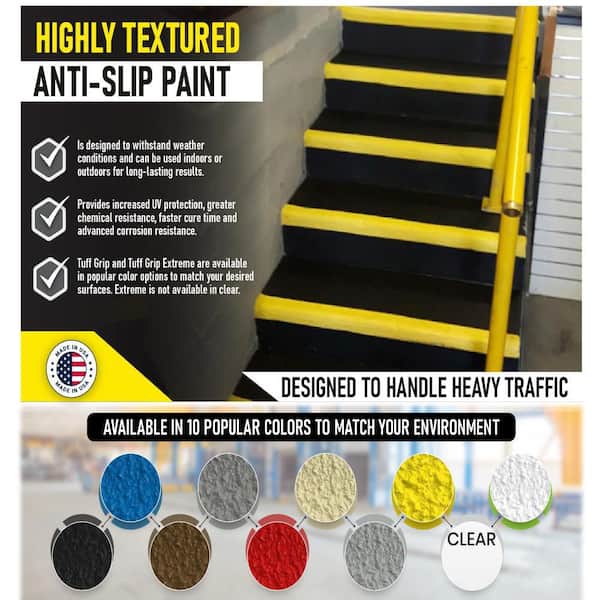
Engineering Insight: The Critical Role of Material Selection in Anti Slip Paint for Wooden Stairs
In industrial and commercial environments, wooden stairs present a unique challenge: balancing structural integrity, long-term durability, and personnel safety under variable environmental conditions. Off-the-shelf anti slip paint solutions are frequently marketed as universal fixes, yet they often fail to meet performance expectations in real-world applications. This failure stems primarily from inadequate material selection, where chemical composition, adhesion mechanics, and substrate compatibility are not engineered for the specific demands of wood as a dynamic substrate.
Wood is a hygroscopic material, meaning it absorbs and releases moisture in response to ambient humidity. This behavior leads to dimensional changes—swelling and contraction—that induce mechanical stress at the paint-wood interface. Conventional anti slip coatings, typically formulated for inert substrates like metal or concrete, lack the elasticity and adhesion resilience required to accommodate these movements. As a result, premature delamination, cracking, and loss of abrasive aggregate occur, significantly reducing slip resistance over time.
Furthermore, many commercial anti slip paints rely on silica or aluminum oxide as the primary anti slip media. While these minerals provide initial traction, their bond to the paint matrix is often weak, especially when exposed to foot traffic and moisture. In high-traffic industrial staircases, this leads to rapid attrition of the anti slip profile, rendering the coating ineffective within months. Additionally, the resin systems used—often alkyd or basic epoxy formulations—do not penetrate deeply into the wood grain, limiting mechanical interlock and increasing susceptibility to peeling.
At Suzhou Baoshida Trading Co., Ltd., our approach integrates material science with substrate-specific engineering. We formulate anti slip coatings using flexible polyurethane or hybrid epoxy-polyurethane resins that offer superior elongation, allowing the coating to move with the wood without fracturing. These resins are combined with chemically bonded corundum (aluminum oxide) or silicon carbide particles, which exhibit higher wear resistance and stronger matrix adhesion than conventional abrasives. The inclusion of penetrating primers enhances interfacial stability by anchoring the system within the wood’s cellular structure.
Another overlooked factor is UV stability. Many wooden staircases, particularly in outdoor or semi-enclosed facilities, are exposed to sunlight. Standard anti slip paints degrade under UV radiation, leading to chalking and gloss loss, which compromises both aesthetics and functionality. Our formulations incorporate UV stabilizers and aliphatic resins to maintain performance and appearance in sun-exposed environments.
Material selection is not a secondary consideration—it is the foundation of long-term performance. A properly engineered anti slip system must account for substrate dynamics, environmental exposure, and mechanical stress. Generic solutions fail because they treat all surfaces as identical. In contrast, precision-engineered coatings, tailored to the physical and chemical behavior of wood, deliver sustained safety and durability.
| Property | Standard Off-the-Shelf Paint | Engineered Solution (Baoshida) |
|---|---|---|
| Resin System | Alkyd / Basic Epoxy | Hybrid Epoxy-Polyurethane |
| Elongation at Break | <50% | 150–250% |
| Abrasive Type | Loose Silica | Bonded Corundum or Silicon Carbide |
| Adhesion to Wood (ASTM D4541) | 0.8–1.2 MPa | 2.5–3.0 MPa |
| UV Resistance | Poor (aromatic resins) | High (aliphatic polyurethane) |
| Service Life (Industrial Use) | 6–18 months | 5–7 years |
Material Specifications
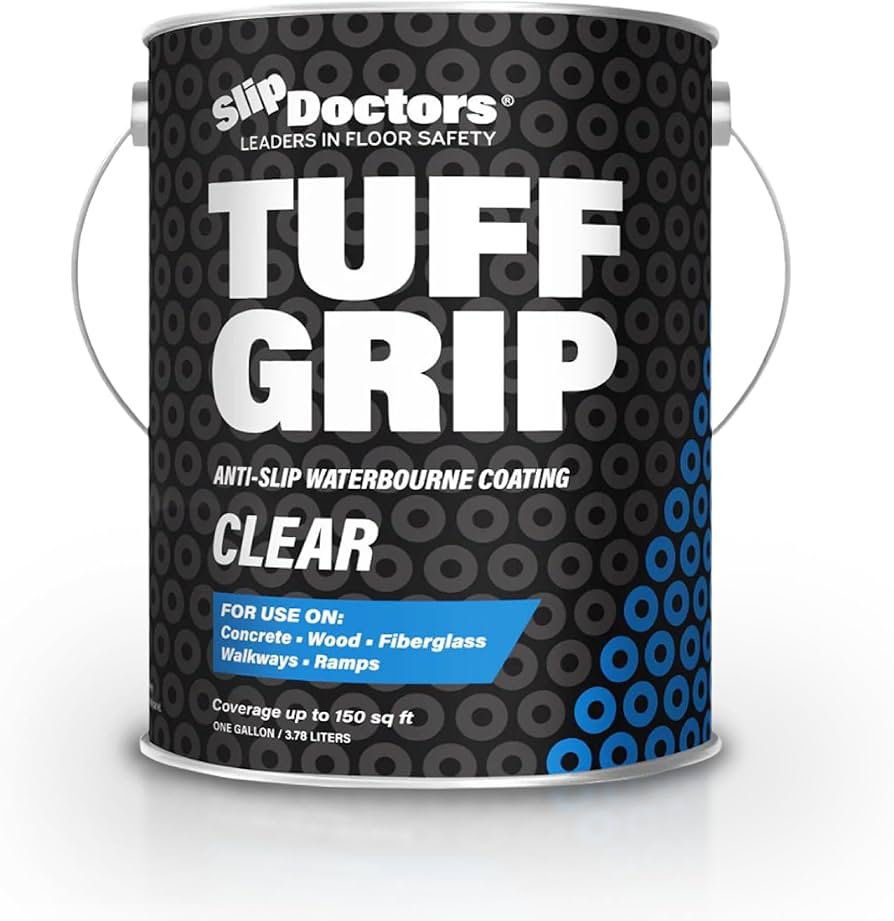
Material Specifications for Anti-Slip Coatings on Wooden Stairs
Selecting the appropriate elastomeric binder within anti-slip paint formulations is critical for ensuring long-term adhesion, durability, and safety performance on wooden stair substrates. Wood exhibits dimensional instability due to humidity fluctuations and thermal expansion, demanding binders with exceptional flexibility and substrate compatibility. At Suzhou Baoshida Trading Co., Ltd., our industrial rubber solutions leverage Viton (FKM), Nitrile (NBR), and Silicone (VMQ) polymers as primary binders, each engineered to address specific environmental stressors while maintaining aggressive anti-slip topography. These materials form the continuous phase that anchors abrasive aggregates (e.g., aluminum oxide or silicon carbide) to the wood surface, directly influencing coefficient of friction retention under dynamic loading. Key considerations include resistance to pedestrian wear, cleaning solvents, UV degradation, and thermal cycling between -20°C to 80°C—common in interior/exterior stair applications.
The following table details essential performance parameters for each elastomer in our anti-slip coating systems, validated per ASTM D412 (tensile), ASTM D2240 (hardness), and ISO 4624 (adhesion) protocols. All values reflect cured film properties at 1.0 mm dry film thickness on sanded, primed pine substrates.
| Property | Viton (FKM) | Nitrile (NBR) | Silicone (VMQ) |
|---|---|---|---|
| Continuous Service Temperature | -20°C to 230°C | -30°C to 120°C | -60°C to 200°C |
| Tensile Strength (MPa) | 15.2 ± 1.5 | 22.8 ± 2.0 | 8.5 ± 1.2 |
| Elongation at Break (%) | 220 ± 30 | 350 ± 40 | 450 ± 50 |
| Shore A Hardness | 75 ± 5 | 65 ± 5 | 50 ± 5 |
| Adhesion to Wood (ASTM D3359) | 5B (No peel) | 4B (Slight peel) | 3B (Moderate peel) |
| Resistance to Aliphatic Oils | Excellent | Excellent | Poor |
| Resistance to Aromatic Solvents | Excellent | Poor | Fair |
| UV Stability (QUV, 1000h) | Minimal degradation | Moderate cracking | Excellent |
Viton-based formulations deliver unmatched chemical resistance for stairs exposed to industrial solvents or hydraulic fluids, though higher material costs necessitate targeted application. Nitrile provides optimal cost-performance balance in residential or light-commercial settings, with superior adhesion to primed wood and resilience against foot traffic abrasion. Silicone excels in extreme-temperature environments (e.g., unheated stairwells) and offers the highest flexibility to accommodate wood movement, but requires proprietary adhesion promoters to prevent delamination on porous substrates. Crucially, all systems incorporate nano-silica reinforcement to enhance aggregate retention without compromising the rubber matrix’s elastic recovery.
Suzhou Baoshida’s OEM formulations prioritize substrate-specific adhesion modifiers that penetrate wood grain, creating mechanical interlocks resistant to moisture-induced blistering. For wooden stairs, NBR-based coatings typically achieve the best lifecycle cost due to balanced properties, while Viton is reserved for high-risk industrial zones. Each material undergoes rigorous slip testing per DIN 51130 (R-value) to ensure consistent performance above R11 thresholds under wet/dry conditions. Final selection must align with the stair’s operational profile—never default to generic solutions.
Manufacturing Capabilities
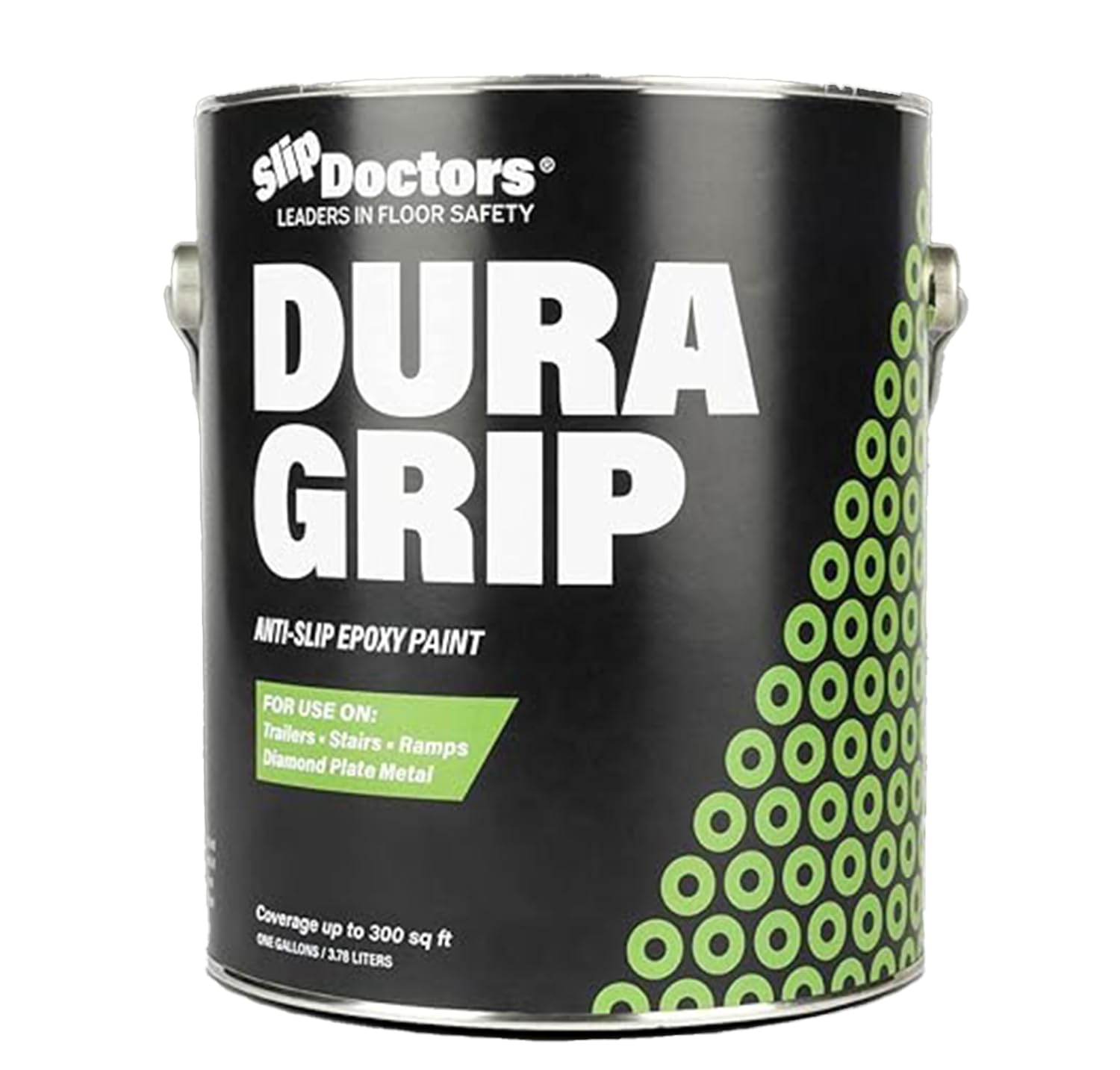
Engineering Capability: Precision-Driven Development for Anti-Slip Paint on Wooden Stairs
At Suzhou Baoshida Trading Co., Ltd., our engineering capability forms the backbone of our industrial rubber solutions, particularly in the development and customization of high-performance anti-slip coatings for wooden stairs. With a dedicated team of five mould engineers and two specialized formula engineers, we integrate material science with precision manufacturing to deliver OEM solutions that meet exacting performance and safety standards.
Our formula engineers focus on the molecular architecture of rubber-based coatings, ensuring optimal adhesion, wear resistance, and slip resistance under variable environmental conditions. By tailoring polymer blends and incorporating advanced fillers such as silicon carbide and aluminum oxide, we achieve a coefficient of friction (COF) that exceeds industry benchmarks. These formulations are specifically engineered to bond effectively with wood substrates without compromising the aesthetic or structural integrity of the staircase.
Simultaneously, our five mould engineers ensure that application methods—whether spray, roller, or stencil-based—are optimized for uniform texture and coverage. They design custom application tooling and surface texturing solutions that enhance grip while maintaining compliance with architectural and ergonomic requirements. This synergy between formulation and application engineering allows us to deliver consistent, scalable, and repeatable results across diverse production environments.
We specialize in OEM development, supporting clients from concept to commercialization. Our engineering team conducts substrate adhesion testing, accelerated wear analysis, and environmental exposure trials to validate performance under real-world conditions. Clients benefit from rapid prototyping, formulation adjustments, and full technical documentation packages, including MSDS and compliance reports.
Our facility supports low-volume pilot runs and high-volume production, with strict QC protocols at every stage. We adhere to ISO 9001 standards and maintain full traceability of raw materials and process parameters. This enables us to deliver not only superior anti-slip performance but also long-term reliability and regulatory compliance.
The following table outlines the technical specifications achievable with our engineered anti-slip paint solutions for wooden stairs:
| Property | Standard Value | Test Method |
|---|---|---|
| Coefficient of Friction (dry) | ≥ 0.85 | ASTM C1028 |
| Coefficient of Friction (wet) | ≥ 0.65 | ASTM C1028 |
| Adhesion Strength (wood) | ≥ 2.5 MPa | ASTM D4541 |
| Abrasion Resistance (Taber, 1000 cycles) | Weight loss ≤ 45 mg | ASTM D4060 |
| VOC Content | < 50 g/L | EPA Method 24 |
| Drying Time (surface) | 30–45 minutes | ISO 9117-3 |
| Service Temperature Range | -20°C to +80°C | Internal Protocol |
| Slip Resistance (R10–R13) | R11 typical | DIN 51130 |
Through this integrated engineering approach, Suzhou Baoshida delivers technically advanced, application-specific anti-slip solutions that enhance safety and durability in residential, commercial, and public infrastructure environments.
Customization Process
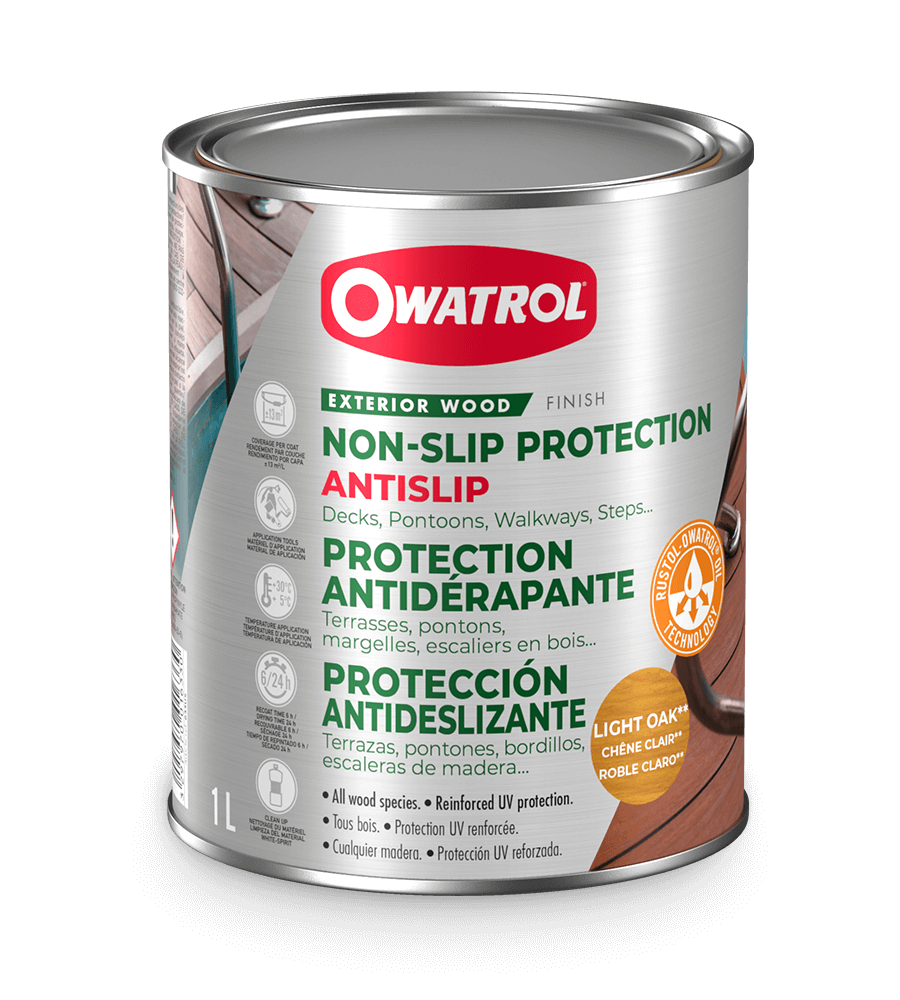
Customization Process for Anti-Slip Paint Systems: Wooden Stairs Application
Suzhou Baoshida Trading Co., Ltd. implements a rigorous, science-driven customization protocol for anti-slip paint formulations targeting wooden stair substrates. This structured OEM process ensures optimal performance, safety compliance, and seamless integration with client manufacturing workflows. The methodology progresses sequentially through four critical engineering phases, each validated against stringent industrial benchmarks.
Initial engagement commences with comprehensive Drawing Analysis. Our engineering team meticulously reviews client-provided architectural drawings, CAD files, and substrate specifications. Key parameters scrutinized include stair tread dimensions, wood species (e.g., oak, pine, engineered composites), surface roughness (Ra value), existing finishes, and environmental exposure conditions (indoor/outdoor, humidity, foot traffic load). This phase identifies critical tolerances for coating thickness, non-slip aggregate distribution, and adhesion requirements to prevent delamination on porous or varnished wood surfaces. Deviations from standard substrate conditions trigger immediate formulation recalibration.
Subsequent Formulation leverages our proprietary rubber-modified epoxy and polyurethane resin systems. Based on drawing analysis data, chemists adjust core variables: polymer backbone flexibility for wood expansion/contraction cycles, catalyst concentration for optimal cure at ambient temperatures, and precise incorporation of ceramic or polymer-based anti-slip aggregates (typically 200-400 micron particle size). Critical adjustments target VOC content (<50 g/L), pot life extension for manual application, and enhanced UV resistance for outdoor applications. All modifications adhere to ASTM D4256 and EN 13036-4 standards, with adhesion promoters specifically selected for lignin-rich wood substrates.
Prototyping validates formulation efficacy under simulated real-world conditions. We produce 3-5 pilot batches applied to client-specified wood samples. Testing encompasses:
Dynamic Coefficient of Friction (DCOF) measurement per ASTM D2047 using BOT-3000E tribometer
Cross-hatch adhesion testing (ASTM D3359)
Accelerated weathering (QUV, 500 hours)
Abrasion resistance (Taber CS-10 wheels, 1000 cycles)
Impact resistance (ASTM D2794)
Client feedback on texture, drying time, and visual appearance triggers iterative refinements until all KPIs are met. Full test reports with raw data are provided for client sign-off.
Upon prototype approval, Mass Production initiates under ISO 9001-certified protocols. Raw material traceability is enforced via batch coding. In-line viscosity checks (ASTM D2196) and particle size distribution (laser diffraction) occur hourly. Every 500kg batch undergoes final DCOF verification before release. Production scales from 100kg pilot runs to 20MT monthly capacity, with JIT delivery options. Suzhou Baoshida maintains dedicated production lines to prevent cross-contamination, ensuring consistent anti-slip performance across all client orders.
Key Performance Specifications for Final Product
| Parameter | Target Value | Testing Standard | Notes |
|---|---|---|---|
| Dynamic COF (Wet) | ≥ 0.60 | ASTM D2047 | Meets ADA/OSHA slip resistance thresholds |
| VOC Content | ≤ 50 g/L | EPA Method 24 | Compliant with EU Solvents Directive |
| Dry-to-Touch Time | 30-45 minutes | ASTM D1640 | At 25°C, 50% RH |
| Taber Abrasion Loss | ≤ 40 mg/1000 cycles | ASTM D4060 | CS-10 wheels, 1kg load |
| Cross-Cut Adhesion | 5B (0% removal) | ASTM D3359 | Tested after 7-day cure |
Contact Engineering Team
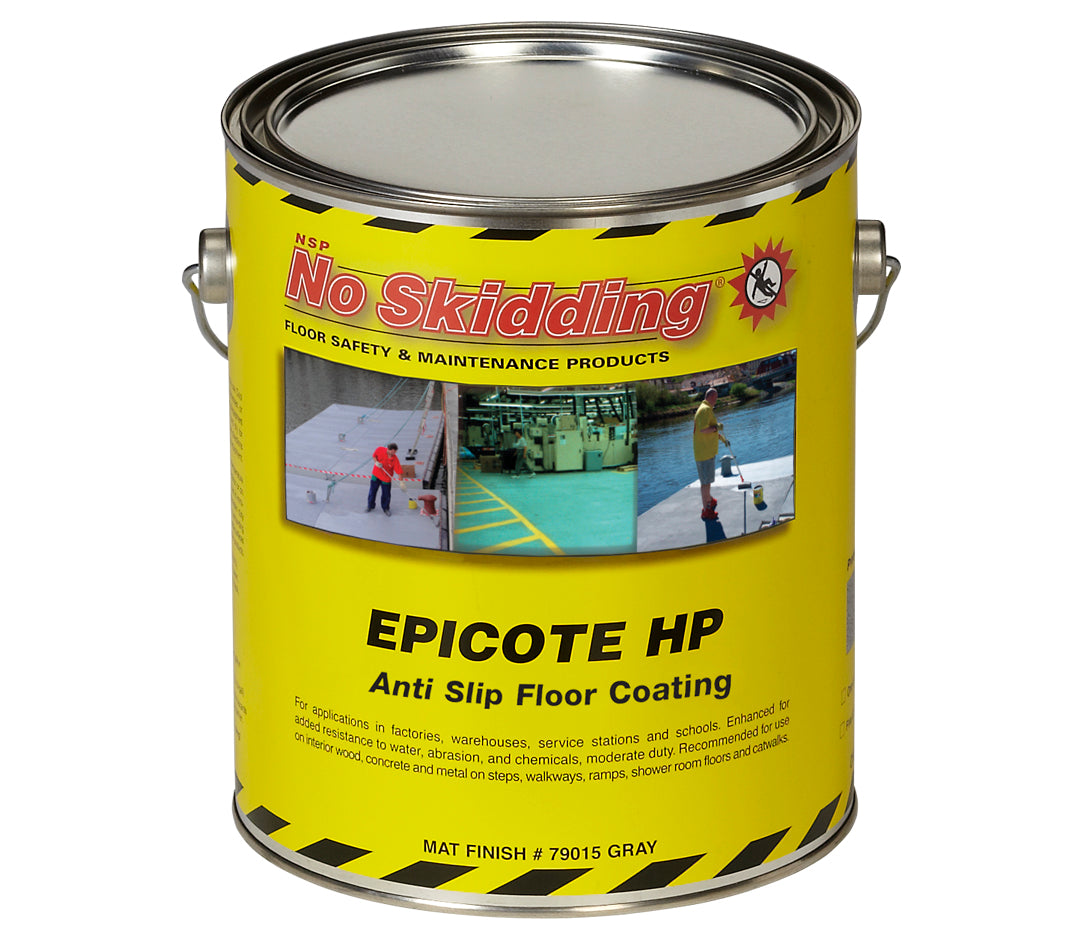
For industrial-grade anti-slip solutions tailored specifically for wooden stairs, Suzhou Baoshida Trading Co., Ltd. stands as a trusted leader in the development and supply of high-performance rubber-based surface treatments. Our engineered anti-slip paint formulations are designed to meet the rigorous demands of commercial, residential, and public infrastructure applications where safety, durability, and compliance are non-negotiable. As specialists in Industrial Rubber Solutions, we combine advanced polymer chemistry with real-world application expertise to deliver coatings that provide exceptional traction, long-term adhesion, and resistance to wear, moisture, and environmental degradation.
Our anti-slip paint for wooden stairs is formulated using a hybrid rubber-resin matrix that ensures optimal grip under both dry and wet conditions. Unlike conventional coatings that rely solely on abrasive granules, our solution integrates micronized rubber particles that enhance elasticity and shock absorption, significantly reducing the risk of slips and falls. This formulation also offers superior UV resistance and color retention, making it ideal for both interior and exterior installations. Whether applied to residential staircases, public walkways, or industrial platforms, our product delivers consistent performance across a wide range of temperatures and humidity levels.
We understand that every client has unique requirements—from viscosity and drying time to slip coefficient and aesthetic finish. That is why Suzhou Baoshida offers fully customizable formulations, technical support during application, and batch traceability for quality assurance. Our team works directly with architects, contractors, and facility managers to ensure compatibility with substrate types, environmental conditions, and safety regulations such as DIN 51130 (R-value testing) and ADA compliance standards.
To facilitate informed decision-making, below are the key technical specifications of our standard anti-slip paint formulation for wooden substrates:
| Property | Specification |
|---|---|
| Base Chemistry | Rubber-modified acrylic resin |
| Rubber Content | 18–22% by weight |
| Solids Content | 60–65% |
| Drying Time (Surface Dry) | 30–45 minutes at 25°C |
| Full Cure Time | 24 hours |
| Slip Resistance (R11 Rating) | ≥65 BPN (British Pendulum Number) |
| Adhesion Strength | 2.8 MPa (ASTM D4541) |
| Temperature Range | -30°C to +80°C |
| VOC Content | <150 g/L (compliant with EU Directive 2004/42/EC) |
Partnering with Suzhou Baoshida means gaining access to precision-engineered materials backed by rigorous quality control and responsive technical service. For detailed product data sheets, sample requests, or project-specific consultations, we invite you to contact Mr. Boyce, OEM Manager and Rubber Formula Engineer, directly via email at [email protected]. Mr. Boyce leads our formulation development and client integration efforts, ensuring that every solution is scientifically validated and industry-optimized. We respond to all inquiries within 24 business hours and support global shipping with documentation for customs and compliance. Elevate safety and performance—reach out today to integrate our anti-slip technology into your next project.
⚖️ O-Ring Weight Calculator
Estimate rubber O-ring weight (Approx).