
Technical Contents
Engineering Guide: Anti Slip Stair Treads Indoor
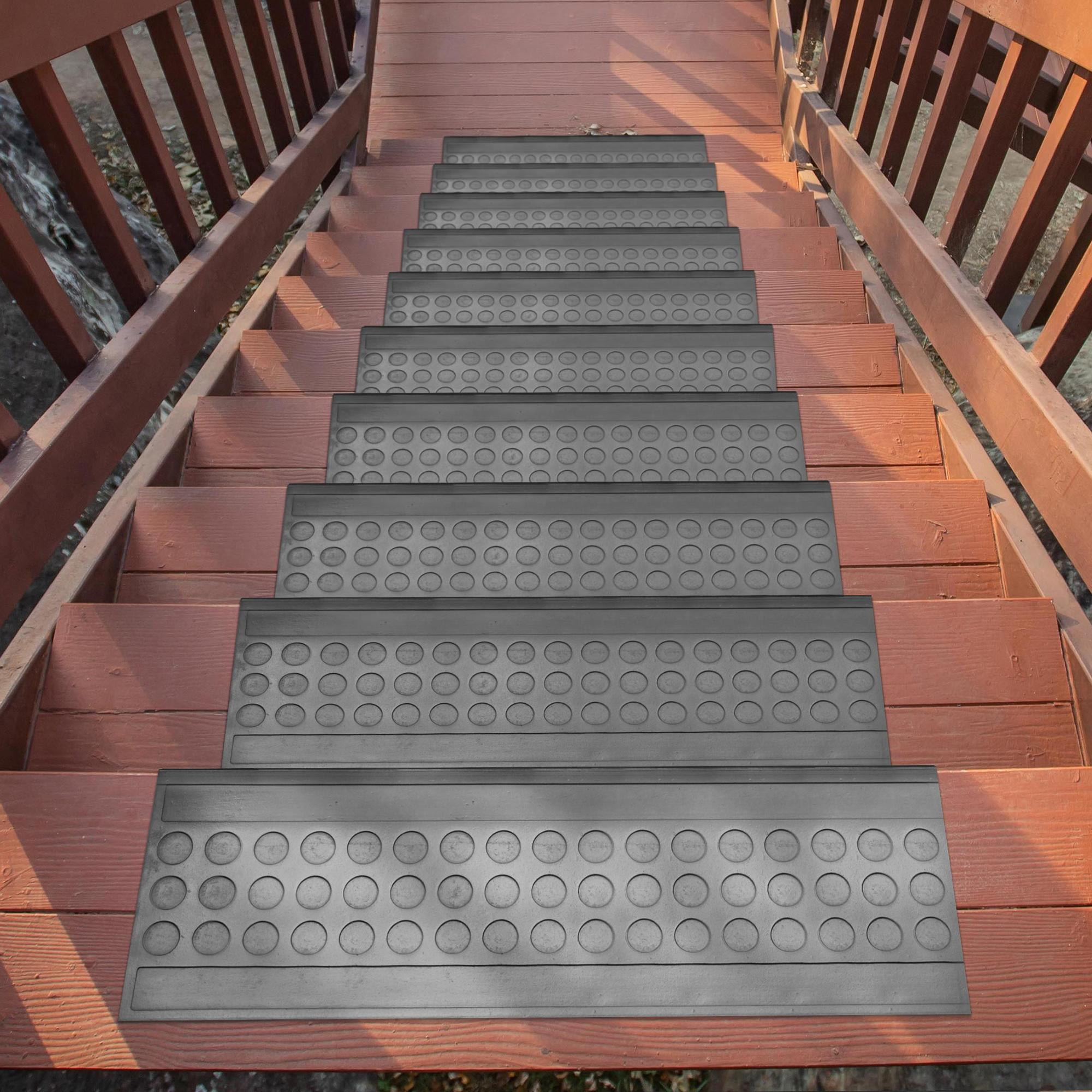
Engineering Insight Material Selection Criticality for Indoor Anti-Slip Stair Treads
Indoor anti-slip stair treads represent a deceptively complex engineering challenge where material selection directly dictates functional lifespan and safety compliance. Generic off-the-shelf solutions frequently fail under pedestrian dynamics due to fundamental mismatches between compound formulation and the specific indoor environment. These failures manifest as catastrophic delamination, surface glazing, or premature wear cycles, creating hazardous conditions despite initial COF (Coefficient of Friction) compliance. The core issue lies in the misapplication of outdoor or industrial-grade rubber compounds designed for UV resistance or chemical exposure to controlled interior settings where flexibility, consistent dry/wet traction, and resistance to pedestrian abrasion are paramount.
Standard recycled rubber or rigid EPDM compounds dominate the low-cost market but lack the tailored polymer architecture required for indoor stair use. High hardness values (typically Shore A 80+) prevent necessary micro-conformity to shoe soles, drastically reducing effective traction when surfaces are dry—a critical oversight since most indoor slips occur under dry conditions. Simultaneously, these materials often utilize low-cost plasticizers that migrate to the surface under foot traffic, causing tackiness followed by rapid glazing. This process negates initial abrasive grit effectiveness within months, leaving a smooth, high-risk surface. Furthermore, inadequate flexural fatigue resistance leads to edge curling and substrate separation at tread joints, accelerating delamination from repeated heel impact forces unique to stair geometry.
Precision-engineered thermoplastic elastomers (TPE) or specialized SBR formulations address these failure modes through deliberate molecular design. Optimized Shore A hardness (60-70) balances sufficient rigidity for grit retention with flexibility to absorb impact energy and maintain consistent sole contact. Phthalate-free plasticizers ensure long-term surface integrity without migration, while controlled carbon black dispersion and proprietary anti-slip additives maintain a stable COF >0.8 under both dry and wet conditions per ASTM D2047. Crucially, these compounds incorporate enhanced tear strength to withstand the concentrated stress at tread edges during normal use.
The performance divergence between generic and engineered solutions is quantifiable:
| Material Type | Shore A Hardness | COF Dry (ASTM D2047) | COF Wet (ASTM D2047) | Abrasion Loss (ISO 4649 mm³) | Primary Failure Mode |
|---|---|---|---|---|---|
| Generic Recycled Rubber | 82-88 | 0.65-0.72 | 0.50-0.58 | 180-220 | Surface glazing, edge curling |
| Standard EPDM | 75-80 | 0.70-0.75 | 0.60-0.65 | 140-170 | Delamination, grit loss |
| Engineered Indoor TPE | 63-68 | 0.85-0.92 | 0.82-0.88 | 90-110 | None (within design life) |
Material selection cannot be an afterthought in indoor stair safety. Off-the-shelf products prioritize cost over the nuanced physics of pedestrian traffic on inclined surfaces, inevitably compromising long-term performance. Suzhou Baoshida Trading Co., Ltd. leverages proprietary rubber science to formulate compounds where hardness, plasticizer stability, and surface energy are calibrated specifically for indoor stair dynamics. This precision engineering eliminates the premature degradation cycles inherent in generic alternatives, delivering measurable safety assurance through scientifically validated material properties. The true cost of stair tread failure extends far beyond replacement—it risks human safety and institutional liability.
Material Specifications
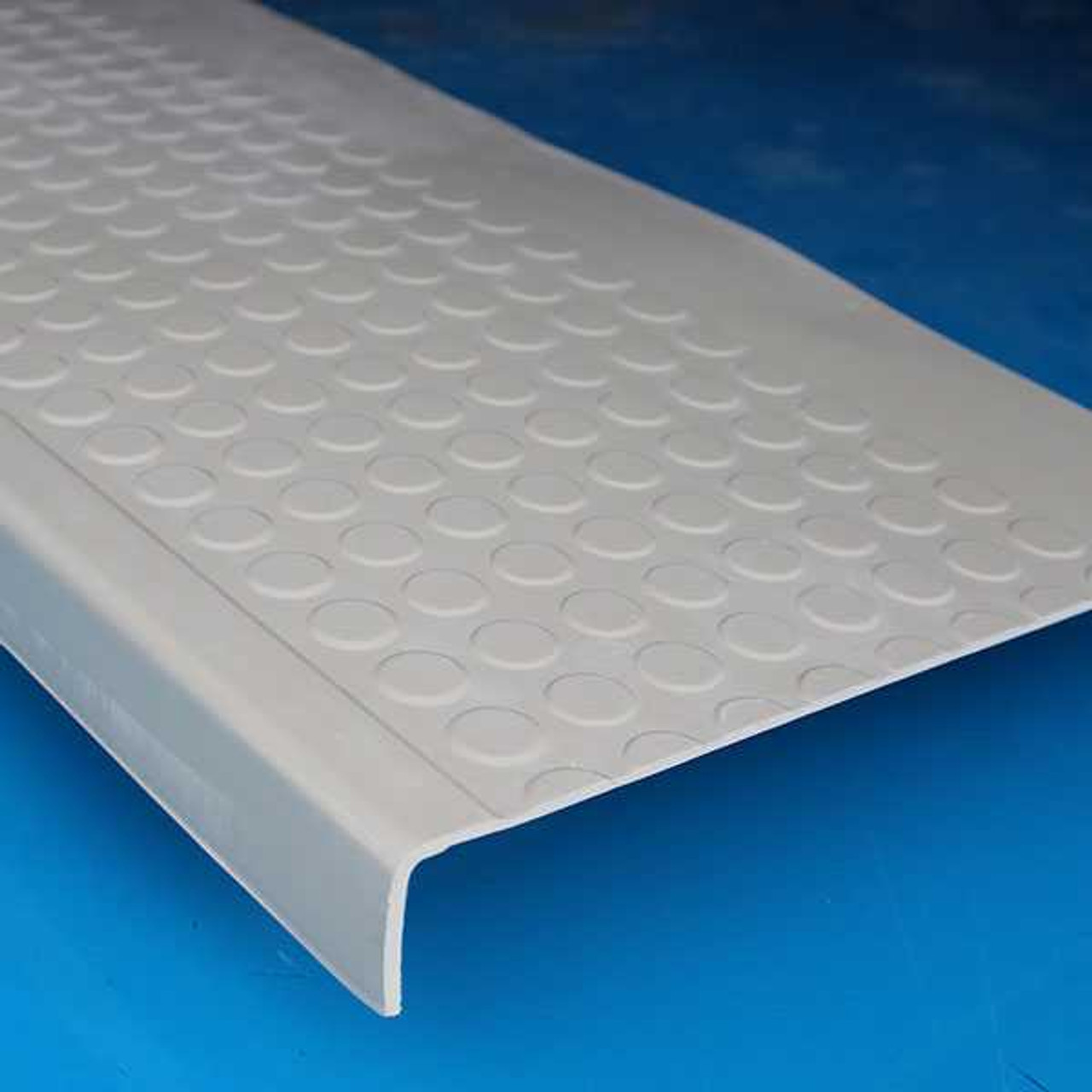
Material selection is a critical engineering decision in the design and manufacturing of anti-slip stair treads for indoor applications. At Suzhou Baoshida Trading Co., Ltd., we specialize in high-performance rubber formulations tailored to meet rigorous industrial demands. For indoor environments where chemical exposure, temperature fluctuations, and mechanical wear are key concerns, three elastomers stand out: Viton (FKM), Nitrile (NBR), and Silicone (VMQ). Each material offers distinct performance characteristics that influence durability, safety, and lifecycle cost.
Viton is a fluorocarbon-based rubber known for its exceptional resistance to high temperatures, oils, fuels, and a broad range of industrial chemicals. With a continuous service temperature range up to 250°C, Viton is ideal for indoor environments subject to extreme heat or aggressive cleaning agents. Its molecular stability ensures minimal swelling or degradation when exposed to solvents, making it a premium choice for specialized facilities such as pharmaceutical labs or semiconductor manufacturing plants. However, its higher raw material cost and lower flexibility at ambient temperatures may limit its use in general-purpose applications.
Nitrile rubber, or acrylonitrile butadiene rubber (NBR), is widely used for its excellent resistance to oils, greases, and aliphatic hydrocarbons. It offers good abrasion resistance and mechanical strength, making it well-suited for high-traffic indoor stairways in industrial or commercial buildings. Nitrile treads maintain structural integrity under repeated foot traffic and resist common floor contaminants such as lubricants or cleaning residues. Operating effectively between -30°C and 100°C, NBR provides a balanced performance profile at a competitive cost, making it a preferred option for cost-sensitive yet demanding environments.
Silicone rubber (VMQ) excels in thermal stability and flexibility across a wide temperature range, from -60°C to 200°C. It demonstrates superior resistance to oxidation and UV degradation, although its mechanical strength and abrasion resistance are lower than Viton or Nitrile. Silicone is often selected for indoor stair treads in cleanroom environments or facilities requiring non-toxic, low-outgassing materials. Its inherent electrical insulation properties also make it suitable for controlled technical spaces. While less resistant to oils and solvents, silicone offers excellent resilience and compression set resistance.
The following table compares key physical and chemical properties of these materials to guide optimal selection for anti-slip stair tread applications.
| Property | Viton (FKM) | Nitrile (NBR) | Silicone (VMQ) |
|---|---|---|---|
| Temperature Range (°C) | -20 to 250 | -30 to 100 | -60 to 200 |
| Tensile Strength (MPa) | 15–20 | 10–25 | 6–10 |
| Elongation at Break (%) | 200–300 | 250–500 | 200–600 |
| Hardness (Shore A) | 60–90 | 50–90 | 30–80 |
| Resistance to Oils & Fuels | Excellent | Good to Excellent | Poor |
| Resistance to Abrasion | Moderate | Good | Fair |
| Chemical Resistance | Excellent | Moderate | Good (limited) |
| Compression Set Resistance | Excellent | Good | Excellent |
| Electrical Insulation | Good | Fair | Excellent |
Selection of the appropriate elastomer must consider the specific operational environment, maintenance protocols, and safety requirements. Suzhou Baoshida Trading Co., Ltd. provides customized rubber solutions engineered for performance, longevity, and regulatory compliance in industrial indoor settings.
Manufacturing Capabilities
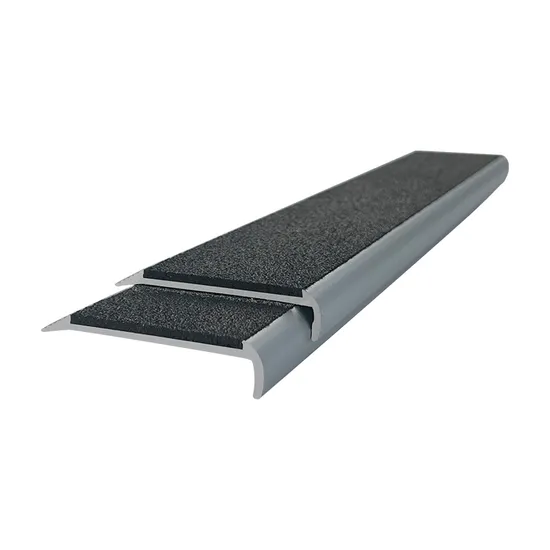
Engineering Excellence in Anti-Slip Stair Tread Manufacturing
Suzhou Baoshida Trading Co., Ltd. leverages deep industrial rubber expertise to engineer high-performance indoor anti-slip stair treads, ensuring safety, durability, and seamless integration into commercial and institutional environments. Our dedicated engineering team comprises five specialized mold engineers and two advanced formula engineers, working in concert to deliver precision-engineered solutions that exceed ASTM F1637 and ISO 14134 safety standards. This dual-discipline approach enables us to optimize both material composition and structural integrity, addressing critical indoor challenges such as consistent slip resistance under dry/wet conditions, long-term abrasion resistance, and dimensional stability across temperature fluctuations.
Our formula engineers meticulously develop proprietary rubber compounds using EPDM and SBR polymers, tailored for indoor applications where UV resistance is secondary to mechanical performance. Key innovations include micro-textured surface profiles that maintain a minimum static coefficient of friction (SCOF) of 0.6 per ASTM D2047, even when exposed to common indoor contaminants like oils or detergents. Hardness is precisely calibrated between 55–70 Shore A to balance user comfort with structural resilience, while accelerated aging tests confirm 10+ years of service life under typical foot traffic loads. Crucially, our formulations eliminate plasticizers that cause surface tackiness over time—a frequent failure point in generic alternatives—ensuring reliable slip performance throughout the product lifecycle.
The mold engineering team translates these material specifications into high-tolerance tooling, utilizing CAD/CAM-driven design to achieve ±0.1mm dimensional accuracy. This precision guarantees perfect adhesion to substrates like metal, concrete, or wood, preventing edge lifting or delamination. We prioritize rapid prototyping cycles, typically delivering functional samples within 15 days, and implement rigorous in-process validation using coordinate measuring machines (CMM) to verify critical features such as groove depth consistency and chamfer geometry.
As an OEM partner, we offer end-to-end customization without minimum order constraints. Clients specify exact dimensions, color codes (Pantone or RAL), anti-microbial additives, or compliance requirements (e.g., LEED, ADA), and our engineers implement these within 3–5 iterative adjustments. Full traceability is maintained via batch-specific material certifications and production logs, ensuring audit-ready documentation for regulated sectors like healthcare or education facilities.
The following table summarizes core technical specifications achievable through our engineering process:
| Parameter | Standard Range | Test Method | OEM Customization Flexibility |
|---|---|---|---|
| Material Composition | EPDM/SBR Blends | ASTM D3846 | Polymer ratio, additive load |
| Hardness (Shore A) | 55–70 | ASTM D2240 | ±5 points tolerance |
| Static COF (Wet) | ≥0.60 | ASTM D2047 | Up to 0.85 achievable |
| Abrasion Resistance | ≤120 mm³ loss | ASTM D5963 | Enhanced for high-traffic zones |
| Temperature Range | -20°C to +80°C | ISO 188 | Extended to -40°C on request |
| Installation Compatibility | Adhesive/Mechanical | ISO 17195 | Substrate-specific profiling |
This integrated engineering capability minimizes client risk by preempting real-world performance failures through data-driven material science and precision manufacturing. Suzhou Baoshida ensures every stair tread order is not merely produced but scientifically validated for safety-critical applications.
Customization Process
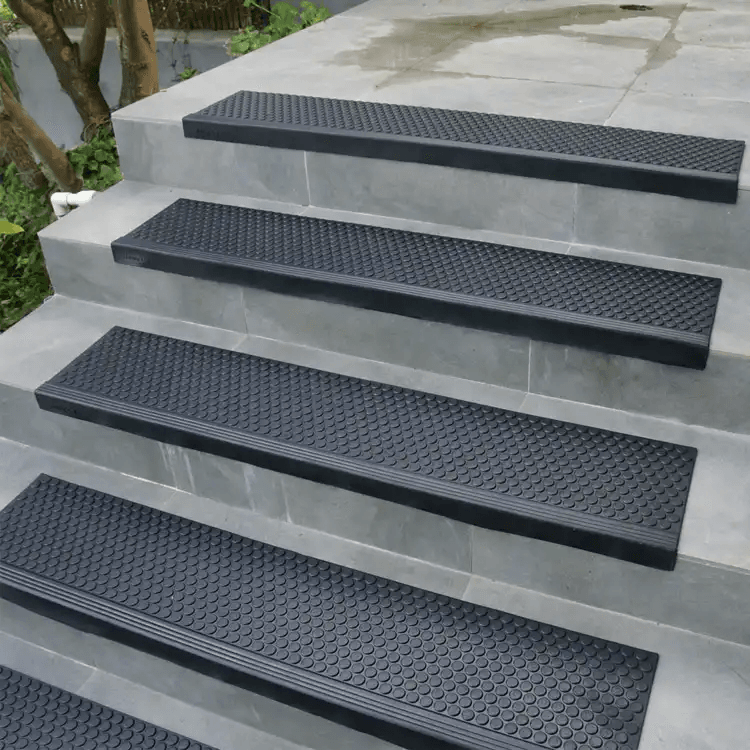
Customization Process for Anti-Slip Stair Treads – Indoor Applications
At Suzhou Baoshida Trading Co., Ltd., our industrial rubber solutions are engineered to meet precise functional and environmental demands. For anti-slip stair treads in indoor environments, we follow a rigorous four-stage customization process: Drawing Analysis, Formulation Development, Prototyping, and Mass Production. This structured approach ensures optimal performance, durability, and compliance with client specifications.
The process begins with Drawing Analysis, where our engineering team evaluates technical blueprints provided by the client. We assess critical parameters such as tread dimensions, step configuration, load-bearing zones, and installation method. Special attention is given to edge profiles, surface texture requirements, and integration with existing flooring systems. This stage ensures dimensional accuracy and compatibility with architectural constraints. Our engineers also identify stress concentration areas that require enhanced material resilience.
Following drawing validation, we proceed to Formulation Development. Based on the application environment—typically high foot traffic, controlled humidity, and potential exposure to cleaning agents—we select the appropriate rubber compound. Our proprietary formulations balance hardness (Shore A 60–75), abrasion resistance, and coefficient of friction (COF ≥ 0.6 on dry and wet surfaces). We utilize SBR (Styrene-Butadiene Rubber) or EPDM base polymers, reinforced with silica and carbon black, to achieve optimal grip and longevity. Flame retardants and anti-static additives are incorporated when required by building codes or operational needs.
Once the compound is finalized, we move to Prototyping. Using precision molds fabricated in-house, we produce sample stair treads for client evaluation. Each prototype undergoes mechanical testing, including slip resistance (ASTM F2913), compression set (ASTM D395), and durability under simulated foot traffic. Surface texture is verified against Ra (surface roughness) specifications, typically ranging from 30 to 80 μm to ensure effective slip prevention without compromising comfort. Clients receive test reports and physical samples for fit, finish, and functional assessment.
Upon approval, we initiate Mass Production. Our automated rubber molding lines ensure batch consistency, with real-time quality monitoring at every stage. Each tread is visually inspected, dimensionally verified, and subjected to random sampling for mechanical retesting. Packaging is customized to prevent surface abrasion during transit, and logistics are coordinated for just-in-time delivery.
The following table summarizes key technical specifications for our standard indoor anti-slip stair treads:
| Parameter | Specification |
|---|---|
| Material Base | SBR or EPDM Rubber |
| Hardness (Shore A) | 60–75 |
| Coefficient of Friction | ≥ 0.6 (wet & dry) |
| Operating Temperature | -20°C to +80°C |
| Surface Roughness (Ra) | 30–80 μm |
| Flame Resistance | UL94 HB or optional UL94 V-0 |
| Electrical Properties | Optional anti-static (10^6–10^9 Ω) |
| Compliance Standards | ISO 22309, ASTM F2913, GB/T 24153 |
This systematic approach enables Suzhou Baoshida to deliver high-performance, fully customized anti-slip stair treads tailored to the exact needs of commercial, industrial, and public infrastructure clients.
Contact Engineering Team
Contact Suzhou Baoshida for Precision Anti-Slip Stair Tread Solutions
Suzhou Baoshida Trading Co., Ltd. operates at the forefront of industrial rubber compounding, delivering engineered anti-slip stair treads that meet stringent safety and durability requirements for indoor commercial and industrial environments. Our formulations, developed through rigorous polymer science and validated testing protocols, address critical challenges such as dynamic coefficient of friction retention under wet conditions, long-term abrasion resistance, and structural integrity across temperature extremes. Unlike generic solutions, our treads integrate proprietary silica-reinforced EPDM and NBR compounds, ensuring consistent performance per ISO 13287 and ASTM F1677 standards. We prioritize material precision to eliminate safety liabilities while optimizing lifecycle costs for facility managers and OEM partners.
The technical superiority of our anti-slip stair treads stems from controlled vulcanization processes and filler dispersion techniques that enhance surface micro-texture without compromising elasticity. Below are key performance metrics validated through independent laboratory testing:
| Property | Test Standard | Value | Significance |
|---|---|---|---|
| Hardness (Shore A) | ASTM D2240 | 65 ± 3 | Optimal balance: grip without excessive wear |
| Tensile Strength (MPa) | ASTM D412 | ≥ 18.0 | Resists tearing under heavy foot traffic |
| Elongation at Break (%) | ASTM D412 | ≥ 450 | Accommodates substrate flex without cracking |
| Wet CoF (Dynamic) | ASTM F2913 | ≥ 0.60 | Exceeds OSHA slip-resistance thresholds |
| Abrasion Loss (mm³) | ASTM D5963 | ≤ 120 | Ensures 10+ year service life in high-traffic areas |
These specifications reflect our commitment to measurable engineering outcomes, not theoretical claims. Each compound batch undergoes spectrometric validation to guarantee batch-to-batch consistency, critical for large-scale facility deployments where safety uniformity is non-negotiable. Our OEM collaboration model allows for substrate-specific adhesion tuning, color-fastness to UV exposure, and custom profile geometries—without minimum order constraints.
For technical integration or project-specific consultation, engage directly with our lead Rubber Formula Engineer, Mr. Boyce. He possesses 14 years of specialized experience in pedestrian safety compound design and will provide data-driven recommendations aligned with your structural requirements, regulatory jurisdiction, and environmental stressors. Specify your application’s foot traffic volume, substrate material (concrete, metal, wood), and regional safety codes when contacting him. Mr. Boyce facilitates seamless transitions from prototype to production, leveraging Suzhou Baoshida’s vertically integrated supply chain to maintain lead times of 18–22 days for custom formulations.
Initiate your project with validated engineering rigor. Contact Mr. Boyce exclusively via email at [email protected] with subject line: Anti-Slip Tread Technical Inquiry – [Your Company Name]. Include project location, stair dimensions, and target compliance standards (e.g., ADA, EN 13036-4). We respond to all technical inquiries within 4 business hours with preliminary compound recommendations and test data extracts. Partner with Suzhou Baoshida to transform stair safety from a compliance obligation into a demonstrable asset for facility longevity and occupant protection.
⚖️ O-Ring Weight Calculator
Estimate rubber O-ring weight (Approx).