
Technical Contents
Engineering Guide: Anti Slippery Floor
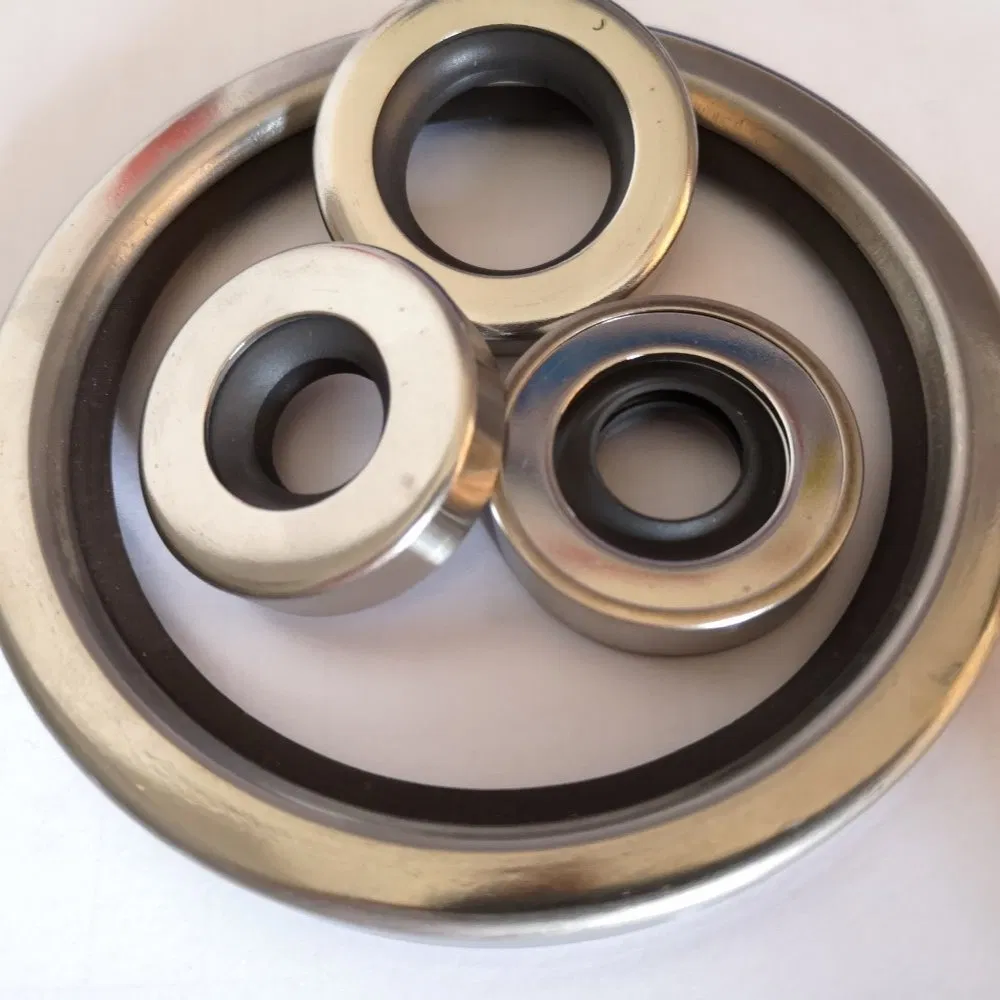
Engineering Insight: The Critical Role of Material Selection in Anti-Slippery Floor Performance
In industrial environments where safety, durability, and operational efficiency are paramount, the performance of anti-slippery flooring systems hinges directly on precise material selection. Off-the-shelf rubber flooring solutions, while often marketed as universal, frequently fail to meet the rigorous demands of dynamic industrial settings. These failures stem from oversimplified designs that disregard variables such as chemical exposure, thermal cycling, mechanical abrasion, and long-term deformation under load. At Suzhou Baoshida Trading Co., Ltd., we emphasize engineered rubber solutions tailored to the operational physics of each facility.
Standard anti-slip mats or tiles are typically formulated using generic SBR (Styrene-Butadiene Rubber) compounds with minimal filler optimization. These materials degrade rapidly when exposed to oils, solvents, or frequent washdowns with alkaline cleaners—common in food processing, automotive, and pharmaceutical facilities. Additionally, their surface profiles are often too shallow or inconsistently molded, leading to diminished traction under wet or greasy conditions. Over time, such products exhibit surface polishing, cracking, or delamination, compromising slip resistance and increasing fall risk.
True performance emerges from purpose-built elastomer formulations. For instance, nitrile rubber (NBR) offers superior resistance to hydrocarbons and non-polar solvents, making it ideal for maintenance bays and manufacturing floors with oil exposure. EPDM (Ethylene Propylene Diene Monomer) excels in outdoor or high-temperature environments due to its UV stability and thermal resistance up to 150°C. Furthermore, incorporating high-durometer compounds (Shore A 70–85) with engineered tread patterns ensures structural integrity under heavy foot traffic and rolling loads, while maintaining consistent slip coefficients across variable conditions.
Our approach integrates material science with environmental analysis. We assess substrate compatibility, dynamic load profiles, and contaminant types to formulate rubber compounds with optimized cross-link density, filler dispersion, and surface energy characteristics. This ensures that the coefficient of friction (COF) remains above 0.5 under both dry and wet conditions—a threshold established by ISO 13287 for slip resistance.
Below is a comparative analysis of common rubber materials used in anti-slip flooring:
| Material | Tensile Strength (MPa) | Hardness (Shore A) | Oil Resistance | Max Continuous Temp | Coefficient of Friction (Wet) |
|---|---|---|---|---|---|
| SBR | 15–20 | 60–70 | Low | 80°C | 0.35–0.45 |
| NBR | 20–25 | 70–80 | High | 120°C | 0.55–0.65 |
| EPDM | 18–22 | 65–75 | Moderate | 150°C | 0.50–0.60 |
| Neoprene | 17–21 | 70–75 | Moderate | 100°C | 0.48–0.58 |
Generic solutions fail because they treat anti-slip performance as a surface feature rather than a system property. At Baoshida, we engineer from the molecular level upward, ensuring that every formulation delivers sustained safety and longevity. Material selection is not a cost decision—it is a precision engineering imperative.
Material Specifications
Material Specifications for Anti-Slip Industrial Flooring Solutions
Selecting the optimal elastomer compound is critical for engineered anti-slip flooring in demanding industrial environments. At Suzhou Baoshida Trading Co., Ltd., our OEM formulations prioritize consistent coefficient of friction (COF), chemical resistance, thermal stability, and mechanical durability under dynamic loads. Surface texture design must synergize with the base polymer’s inherent tack and resilience; however, the compound’s fundamental properties dictate long-term performance in wet, oily, or temperature-variable conditions. We rigorously qualify Viton, Nitrile, and Silicone formulations against ASTM D1894 (COF), D2240 (hardness), and D412 (tensile properties) to ensure compliance with ISO 13287 safety standards for pedestrian surfaces.
Viton (FKM) excels in extreme chemical exposure scenarios, such as chemical processing plants or aerospace maintenance facilities. Our standard anti-slip Viton compound achieves Shore A 70 ±5 hardness with a static COF of 0.95+ on wet steel. It maintains integrity from -20°C to +230°C and resists concentrated acids, fuels, and hydraulic fluids without swelling beyond 5% volume change. Tensile strength is 15.0 MPa minimum, with elongation at break ≥200%. This material is ideal for high-value critical zones but requires precision molding due to higher raw material costs.
Nitrile (NBR) remains the cost-optimized solution for oil and grease resistance in automotive workshops or manufacturing floors. Our anti-slip NBR formulation targets Shore A 65 ±3, delivering a wet static COF of 0.85+ on mild steel. Operating range spans -30°C to +100°C, with exceptional resistance to petroleum derivatives (swelling <15% in ASTM #3 oil). Tensile strength is 12.0 MPa minimum, elongation ≥250%. Enhanced grades with carboxyl modification improve abrasion resistance for high-traffic zones while retaining processability in standard compression or injection molding.
Silicone (VMQ) provides unmatched thermal stability for food processing or cleanroom applications requiring non-toxic compliance. Our anti-slip silicone compound achieves Shore A 60 ±4, with a wet static COF of 0.80+ on ceramic tile. It operates continuously from -60°C to +200°C, exhibits low compression set (<20% at 150°C), and meets FDA 21 CFR 177.2600. Tensile strength is 8.0 MPa minimum, elongation ≥300%. While less resistant to concentrated solvents than Viton, its inherent slip resistance in aqueous environments and steam-cleaning compatibility are unparalleled.
The following comparative table details critical specifications for OEM selection:
| Property | Viton (FKM) | Nitrile (NBR) | Silicone (VMQ) |
|---|---|---|---|
| Hardness (Shore A) | 70 ±5 | 65 ±3 | 60 ±4 |
| Wet Static COF (Steel) | ≥0.95 | ≥0.85 | ≥0.80 |
| Temp Range (°C) | -20 to +230 | -30 to +100 | -60 to +200 |
| Tensile Strength (MPa) | ≥15.0 | ≥12.0 | ≥8.0 |
| Elongation at Break (%) | ≥200 | ≥250 | ≥300 |
| ASTM #3 Oil Swell (%) | <5 | <15 | >100 |
| Key Industrial Use Case | Chemical exposure | Oil/grease zones | Thermal extremes |
Suzhou Baoshida Trading Co., Ltd. tailors these formulations with proprietary fillers and surface texturing protocols to maximize slip resistance without compromising wear life. All compounds undergo third-party validation for DIN 51130 (R-value) and ANSI A137.1 standards, ensuring OEM partners receive certified, application-specific solutions for global safety compliance.
Manufacturing Capabilities
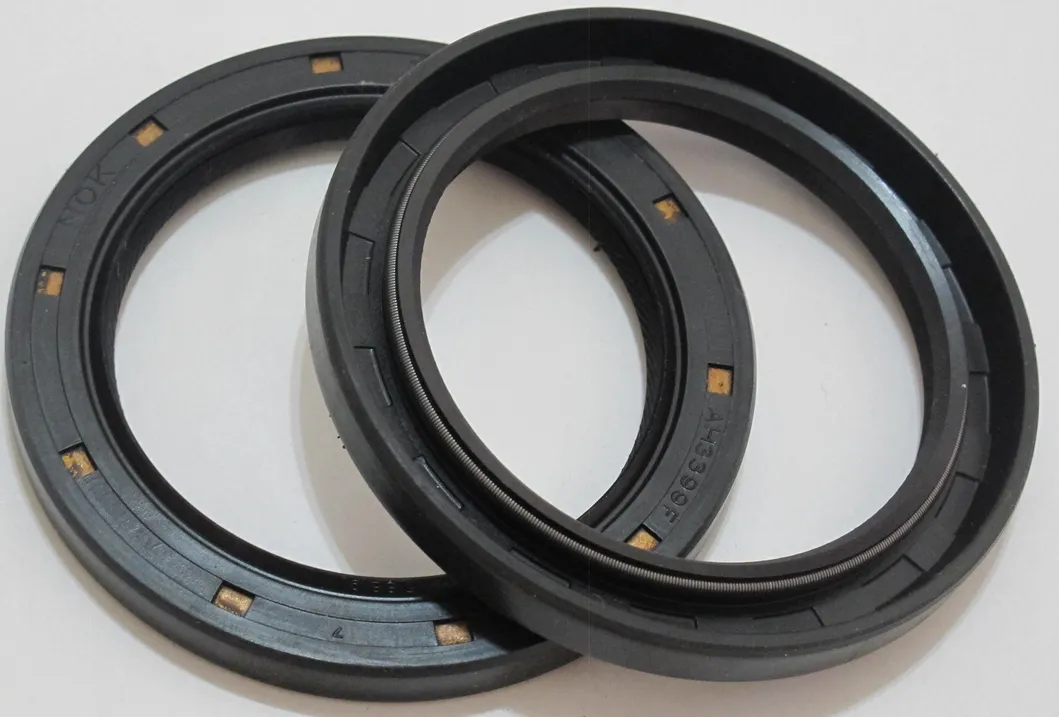
Engineering Capability: Precision-Driven Development for Anti-Slippery Floor Solutions
At Suzhou Baoshida Trading Co., Ltd., our engineering capability forms the backbone of our industrial rubber solutions, particularly in the design and production of high-performance anti-slippery floor systems. With a dedicated team of five mould engineers and two specialized rubber formula engineers, we deliver technically advanced, application-specific products that meet rigorous industrial safety and durability standards.
Our mould engineering team leverages advanced CAD/CAM software and precision CNC machining to develop custom moulds tailored to client specifications. Each mould is engineered for optimal material flow, dimensional accuracy, and long-term wear resistance—critical factors in maintaining consistent surface texture and slip resistance across high-volume production runs. The team conducts comprehensive design validation through finite element analysis (FEA), ensuring structural integrity under operational stress conditions such as thermal cycling, mechanical load, and chemical exposure.
Complementing this is our in-house rubber formulation expertise. Our two formula engineers specialize in compounding elastomers to achieve targeted physical and chemical properties. For anti-slippery floor applications, this includes optimizing coefficients of friction (COF), abrasion resistance, hardness (Shore A), and resilience under wet or oily environments. We formulate with a range of base polymers—including SBR, NBR, EPDM, and natural rubber—blended with functional additives such as silica, calcium carbonate, and specialty fillers to enhance surface traction and wear life. Each formulation undergoes accelerated aging, slip resistance testing (ASTM F2913), and dynamic mechanical analysis (DMA) to ensure compliance with international safety standards.
Our integrated approach enables seamless transition from concept to mass production. The synergy between mould design and material science ensures that texture geometry and rubber composition work in concert to maximize slip resistance without compromising comfort or longevity. This cross-functional collaboration is central to our OEM service model.
We offer full OEM support, from technical consultation and prototype development to serial production and quality assurance. Clients benefit from IP-protected designs, batch traceability, and strict adherence to ISO 9001 protocols. Whether scaling an existing design or co-developing a new anti-slip solution, our engineering team provides the technical depth and manufacturing agility required in demanding industrial environments.
The following table summarizes key performance specifications achievable through our engineered rubber floor systems:
| Property | Test Standard | Typical Value |
|---|---|---|
| Coefficient of Friction (Wet) | ASTM F2913 | ≥ 0.65 |
| Hardness (Shore A) | ASTM D2240 | 50–80 |
| Tensile Strength | ASTM D412 | 10–18 MPa |
| Elongation at Break | ASTM D412 | 250–450% |
| Abrasion Loss | ASTM D1630 | ≤ 150 mg |
| Compression Set (22 hrs, 70°C) | ASTM D395 | ≤ 25% |
This data reflects our commitment to measurable performance and engineering transparency. At Suzhou Baoshida, we do not just manufacture anti-slippery floors—we engineer safety, durability, and reliability into every square meter.
Customization Process
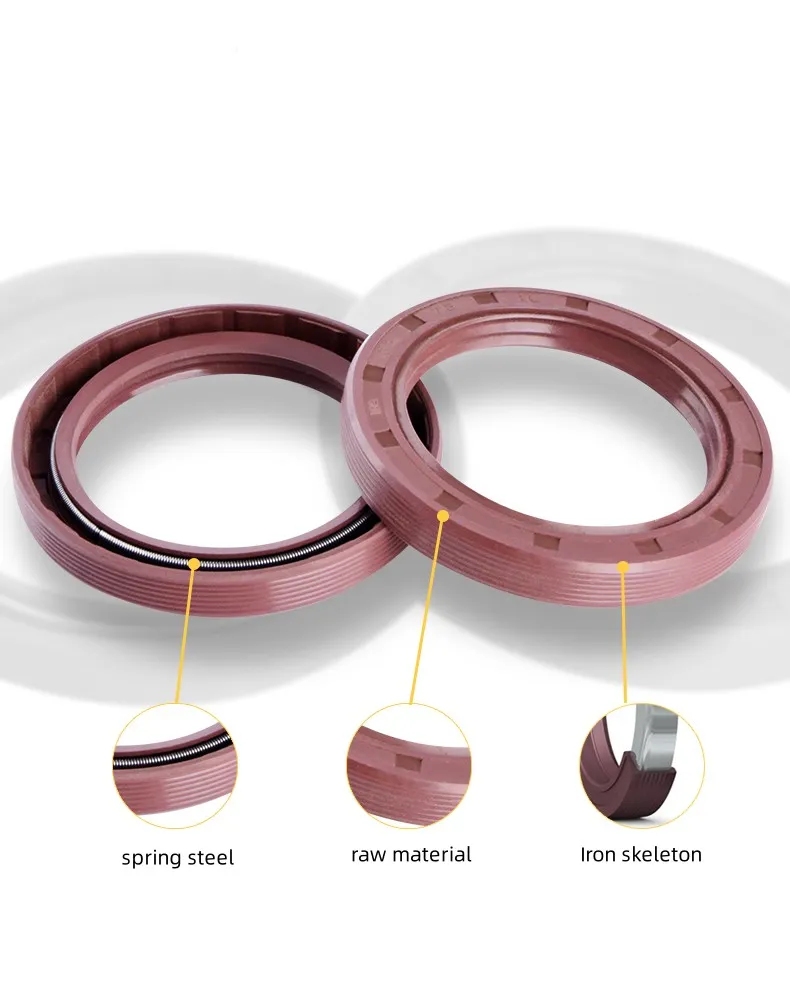
Customization Process for Anti-Slippery Floor Solutions
At Suzhou Baoshida Trading Co., Ltd., our anti-slippery floor customization follows a rigorously defined sequence to ensure optimal performance in industrial environments. This process begins with Drawing Analysis, where engineering teams dissect client-provided CAD files and technical specifications. Critical parameters such as surface geometry, load distribution, chemical exposure zones, and environmental factors (temperature, UV, moisture) are quantified. We cross-reference these against ASTM F1637 and ISO 13287 standards to identify compliance gaps and material stress points. This phase concludes with a feasibility report detailing dimensional tolerances and substrate compatibility requirements.
Formulation Development leverages our proprietary elastomer database and client-specific performance targets. Material scientists select base polymers (EPDM, NBR, or SBR) based on oil resistance, temperature range, and flexibility needs. Key additives—including silica for micro-texture enhancement, ceramic grits for macro-slip resistance, and anti-aging agents—are precisely dosed to achieve target coefficients of friction. Computational modeling predicts compound behavior under dynamic loads, ensuring Shore A hardness aligns with safety thresholds while maintaining resilience. All formulations undergo preliminary simulation for wear life and chemical degradation.
Prototyping employs CNC-machined molds to produce 300x300mm test samples under controlled vulcanization conditions (150–170°C, 10–15 MPa pressure). Samples undergo accelerated validation:
Wet/dry slip tests per DIN 51130 (R9–R13 classification)
Abrasion resistance via ASTM D5963 (rotary drum)
Oil/fuel immersion per ISO 1817
Thermal cycling (-40°C to 120°C)
Client feedback integrates within 72 hours, triggering iterative refinements until all metrics meet contractual obligations.
Mass Production initiates only after signed-off prototypes. Our Suzhou facility utilizes statistical process control (SPC) with real-time monitoring of:
Mixing homogeneity (Mooney viscosity ±2 MU)
Curing kinetics (delta torque within 0.5 dNm)
Dimensional consistency (±0.3mm tolerance)
Each batch undergoes 100% visual inspection and random sampling for traction validation. Traceable documentation—including raw material certificates, process logs, and third-party test reports—accompanies shipments to ensure audit readiness.
Critical Performance Specifications
| Property | Standard | Test Method | Target Range |
|————————-|——————-|——————-|———————-|
| Shore A Hardness | ISO 48-4 | ASTM D2240 | 55–75 |
| Static CoF (Wet) | DIN 51130 | Ramp Test | R11–R13 |
| Abrasion Loss | ISO 4649 | Taber Abraser | ≤80 mg/1000 cycles |
| Oil Resistance (IRMOG) | ISO 1817 | Volume Change | ≤15% (IRM 903) |
| Tensile Strength | ISO 37 | ASTM D412 | ≥12 MPa |
This systematic approach guarantees anti-slippery floors that withstand extreme industrial demands while adhering to global safety regulations. Suzhou Baoshida’s integration of material science and precision manufacturing delivers solutions where failure is not an option.
Contact Engineering Team
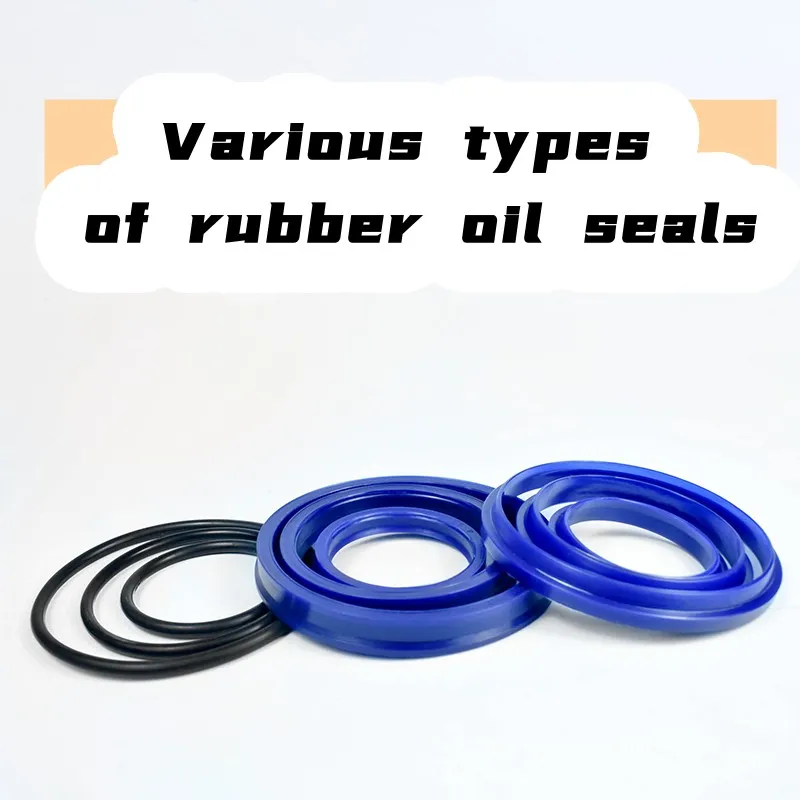
For industrial environments where safety, durability, and performance are non-negotiable, selecting the right anti-slip flooring solution is critical. At Suzhou Baoshida Trading Co., Ltd., we specialize in high-performance industrial rubber solutions engineered to meet the rigorous demands of manufacturing facilities, warehouses, transportation hubs, and chemical processing units. Our anti-slip floor systems are formulated using advanced rubber compounds that deliver superior traction, abrasion resistance, and long-term stability under dynamic load conditions.
Our engineered rubber flooring is designed to minimize workplace accidents caused by slips, trips, and falls—common hazards in wet, oily, or high-traffic industrial zones. Each product is developed with a focus on mechanical integrity, chemical resistance, and thermal stability, ensuring reliable performance in extreme operational environments. Whether you require flooring for forklift traffic zones, production lines, or maintenance platforms, our solutions are customizable in thickness, texture, color, and roll size to align with your facility’s technical and spatial requirements.
We utilize a proprietary rubber formulation process that integrates high-tensile SBR (Styrene-Butadiene Rubber) and EPDM (Ethylene Propylene Diene Monomer) compounds, enhanced with anti-static and UV-resistant additives where necessary. This precision engineering results in flooring that maintains grip under wet or greasy conditions, resists degradation from industrial oils and solvents, and withstands temperature fluctuations from -30°C to +80°C.
Below are the technical specifications of our standard anti-slip rubber flooring series:
| Property | Specification |
|---|---|
| Material Composition | SBR/EPDM blend with anti-slip granulate |
| Thickness Range | 3 mm to 15 mm |
| Standard Roll Sizes | 1 m x 10 m, 1.22 m x 15 m, 2 m x 10 m |
| Tensile Strength | ≥ 7.5 MPa |
| Elongation at Break | ≥ 250% |
| Shore A Hardness | 65° ± 5° |
| Coefficient of Friction (wet) | ≥ 0.75 (DIN 51130 Ramp Test, R11) |
| Temperature Resistance | -30°C to +80°C |
| Flame Resistance | Meets UL 94 HF-1 |
| Electrical Properties | Optional anti-static (surface resistivity 10^6 – 10^9 Ω/sq) |
| Installation Method | Adhesive-bonded or loose-lay |
All products undergo rigorous quality control in accordance with ISO 9001 standards and are tested for slip resistance using internationally recognized methodologies, including DIN 51097 (barefoot areas) and DIN 51130 (shod pedestrian traffic). Our technical team supports OEM integration, volume supply, and private labeling for global distributors and industrial contractors.
To discuss your specific anti-slip flooring requirements or request material samples, contact Mr. Boyce at Suzhou Baoshida Trading Co., Ltd. directly via email at [email protected]. We provide technical data sheets, CAD drawings, and site-specific recommendations to ensure optimal performance and compliance with local safety regulations. Partner with us to implement a rubber flooring solution that enhances workplace safety, reduces lifecycle costs, and meets the exacting standards of modern industry.
⚖️ O-Ring Weight Calculator
Estimate rubber O-ring weight (Approx).