
Technical Contents
Engineering Guide: Anti Static Uhmw
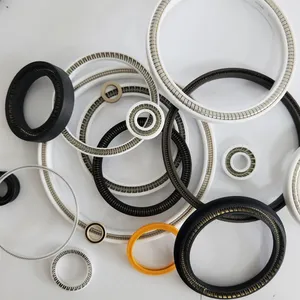
Engineering Insight: The Critical Role of Material Selection in Anti-Static UHMW Applications
In high-performance industrial environments, the selection of polymer materials is not a matter of convenience—it is a foundational engineering decision. Ultra-High Molecular Weight Polyethylene (UHMW) is widely recognized for its exceptional wear resistance, low coefficient of friction, and impact strength. However, in applications where electrostatic discharge (ESD) poses a risk—such as in semiconductor handling, explosive atmospheres, or automated packaging systems—standard UHMW is insufficient. This is where anti-static UHMW becomes essential. Unlike commodity-grade UHMW, anti-static variants are engineered with conductive or dissipative additives that enable controlled charge dissipation, mitigating the risks associated with static buildup.
Off-the-shelf UHMW solutions often fail in ESD-sensitive environments because they lack the tailored formulation required for reliable charge management. Standard UHMW is inherently insulative, with surface resistivity exceeding 10^15 ohms/square, making it prone to accumulating static charges during sliding or handling operations. In contrast, anti-static UHMW is compounded with carbon black, stainless steel fibers, or proprietary conductive fillers to achieve surface resistivity in the range of 10^4 to 10^9 ohms/square—the optimal window for electrostatic dissipation without creating a short-circuit hazard.
Material failure in such contexts is not always immediate. Degradation may manifest over time through increased particle generation, inconsistent performance in automated systems, or, in worst cases, ignition in flammable environments. These failures stem from inadequate filler dispersion, poor thermal stability of conductive agents, or mismatched mechanical properties. Generic anti-static UHMW grades often sacrifice wear resistance or dimensional stability to achieve conductivity, leading to premature component wear or fitment issues.
At Suzhou Baoshida Trading Co., Ltd., our anti-static UHMW formulations are developed through a precision compounding process that ensures uniform distribution of conductive additives while preserving the base polymer’s mechanical integrity. We prioritize material consistency, batch traceability, and application-specific testing to ensure long-term reliability. Each formulation is validated not only for electrical performance but also for wear life, chemical resistance, and compliance with international ESD standards such as ANSI/ESD S20.20 and IEC 61340.
The following table outlines key technical specifications of our engineered anti-static UHMW compared to standard UHMW:
| Property | Standard UHMW | Anti-Static UHMW (Baoshida) |
|---|---|---|
| Surface Resistivity (ohms/square) | >10^15 | 10^5 – 10^8 |
| Volume Resistivity (ohm·cm) | >10^16 | 10^4 – 10^7 |
| Tensile Strength (MPa) | 35–50 | 30–45 |
| Abrasion Resistance (Taber, mg/1000 cycles) | <20 | <25 |
| Operating Temperature Range (°C) | -200 to +80 | -180 to +80 |
| ESD Compliance | Non-compliant | ANSI/ESD S20.20, IEC 61340 |
Material selection must align with both functional and safety requirements. Choosing a generic solution may reduce initial cost but increases lifecycle risk. Precision-engineered anti-static UHMW from Suzhou Baoshida ensures performance integrity in critical industrial applications.
Material Specifications
Material Specifications for Anti-Static Rubber Compounds
Anti-static rubber compounds are critical for industrial applications where electrostatic discharge (ESD) poses risks to sensitive electronics, explosive environments, or precision manufacturing processes. At Suzhou Baoshida Trading Co., Ltd., we engineer Viton, Nitrile, and Silicone formulations with controlled volume resistivity to safely dissipate static charges while maintaining core mechanical and chemical performance. These materials incorporate conductive additives such as carbon nanotubes or specialized carbon blacks, calibrated to achieve resistivity within the 10⁴–10⁹ ohm-cm range per ANSI/ESD S20.20 standards. Each compound undergoes rigorous batch testing to ensure consistency in ESD protection, dimensional stability, and durability under operational stress.
Viton fluorocarbon compounds excel in extreme chemical and thermal environments, offering exceptional resistance to fuels, acids, and temperatures up to 230°C. Our anti-static Viton formulations retain low compression set and high tensile strength (12–18 MPa) while achieving resistivity of 10⁶–10⁸ ohm-cm. This makes them ideal for aerospace seals and semiconductor manufacturing components exposed to aggressive media. Nitrile rubber (NBR) provides optimal cost-performance balance for oil and fuel resistance, with hardness ranges of 50–90 Shore A. Our anti-static NBR variants maintain resistivity between 10⁵–10⁷ ohm-cm and operate effectively from -40°C to 125°C, suiting automotive fuel systems and hydraulic seals requiring ESD safety. Silicone rubber delivers unmatched flexibility across -60°C to 200°C and biocompatibility, with anti-static versions engineered to 10⁴–10⁶ ohm-cm resistivity. These compounds support medical device manufacturing and food processing where static-sensitive materials demand non-contaminating, static-dissipative surfaces.
All materials are compounded to minimize outgassing and particle shedding, critical for cleanroom applications. Hardness, tensile strength, and elongation at break are precisely tuned to OEM specifications without compromising ESD functionality. Below is a comparative overview of key technical parameters.
| Material | Volume Resistivity Range (ohm-cm) | Hardness Range (Shore A) | Temperature Range (°C) | Key Chemical Resistances | Primary Industrial Applications |
|---|---|---|---|---|---|
| Viton | 10⁶–10⁸ | 60–90 | -20 to 230 | Fuels, acids, oils, solvents | Aerospace seals, semiconductor tooling |
| Nitrile | 10⁵–10⁷ | 50–90 | -40 to 125 | Oils, greases, aliphatic hydrocarbons | Automotive fuel systems, hydraulic seals |
| Silicone | 10⁴–10⁶ | 30–80 | -60 to 200 | Water, ozone, mild chemicals | Medical devices, food processing, electronics |
Suzhou Baoshida ensures all anti-static rubber compounds comply with ISO 37, ASTM D2000, and IEC 60093 standards. Custom formulations are available to meet exact OEM resistivity targets, hardness tolerances, and regulatory requirements. Our QC protocols include real-time resistivity monitoring during extrusion and molding to guarantee batch-to-batch repeatability. For mission-critical ESD applications, material selection must balance resistivity stability with environmental exposure—consult our engineering team for application-specific validation data.
Manufacturing Capabilities
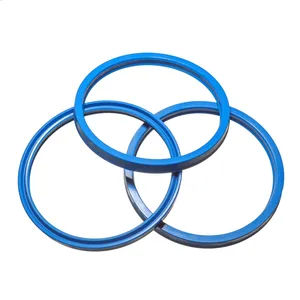
Engineering Capability
At Suzhou Baoshida Trading Co., Ltd., our engineering capability forms the backbone of our industrial rubber solutions, particularly in the development and manufacturing of anti-static UHMW (Ultra-High Molecular Weight Polyethylene). Our technical team comprises five dedicated mould engineers and two specialized rubber formula engineers, enabling us to deliver precision-engineered, application-specific components that meet the rigorous demands of modern industrial environments.
Our formula engineers possess deep expertise in polymer science and conductive additive integration, allowing us to tailor UHMW compounds with controlled surface resistivity. By incorporating carbon black, metallic fibers, or proprietary conductive fillers, we formulate anti-static UHMW materials that consistently achieve surface resistivity in the range of 10^5 to 10^9 ohms/sq—meeting international ESD (Electrostatic Discharge) protection standards. This precise formulation control ensures reliable performance in sensitive environments such as semiconductor handling, automated manufacturing lines, and explosive atmospheres.
Complementing our material science proficiency, our five mould engineers bring extensive experience in precision tooling design and process optimization. They utilize advanced CAD/CAM software and finite element analysis (FEA) to develop high-tolerance moulds that ensure dimensional stability and repeatability across production runs. Their expertise spans compression, injection, and extrusion moulding techniques, all calibrated to maintain the structural integrity and anti-static properties of the final UHMW component.
We operate as a certified OEM (Original Equipment Manufacturer) partner, providing end-to-end development services from concept to mass production. Our OEM capabilities include custom formulation, prototype development, DFM (Design for Manufacturability) analysis, and full-scale production with strict quality control. This vertical integration allows us to respond swiftly to client specifications, reduce time-to-market, and maintain consistency across batches—critical factors in high-reliability industrial applications.
Our facility is equipped with state-of-the-art mixing, moulding, and testing equipment, including surface resistivity meters, tensile testers, and environmental aging chambers. Every anti-static UHMW product undergoes rigorous in-house validation to ensure compliance with mechanical, thermal, and electrical performance requirements.
The synergy between our formula development and precision moulding teams enables us to solve complex engineering challenges, such as balancing wear resistance with static dissipation or integrating anti-static properties into complex geometries. This integrated approach positions Suzhou Baoshida as a trusted technical partner for industries requiring high-performance, safety-critical polymer components.
Typical Properties of Anti-Static UHMW (Custom Formulation)
| Property | Test Method | Typical Value |
|---|---|---|
| Surface Resistivity | ASTM D257 | 10^6 – 10^9 ohms/sq |
| Tensile Strength | ASTM D638 | ≥35 MPa |
| Flexural Modulus | ASTM D790 | ≥1.2 GPa |
| Hardness (Shore D) | ASTM D2240 | 60–65 |
| Operating Temperature Range | — | -50°C to +85°C |
| Abrasion Resistance (Taber, 1000 cycles) | ASTM D1044 | <20 mg loss |
| Specific Gravity | ASTM D792 | 0.94–0.96 |
All values are representative and subject to customization based on application requirements.
Customization Process
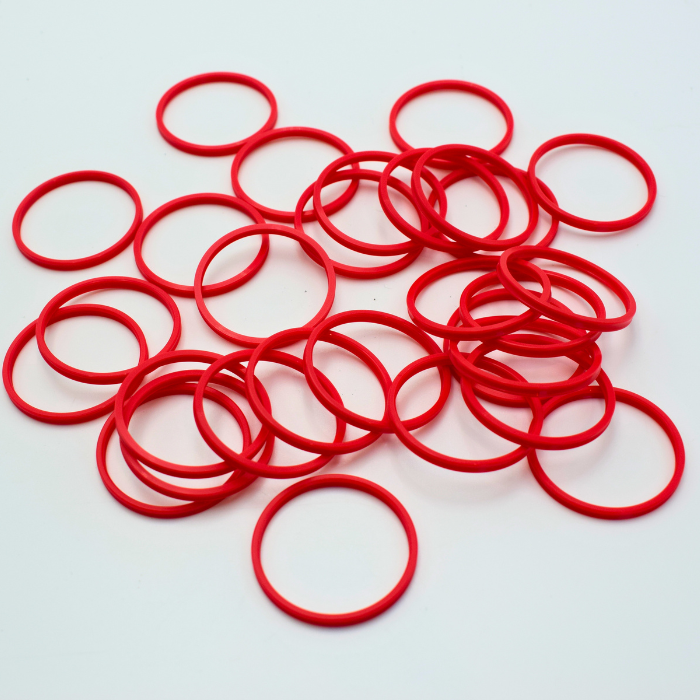
Anti-Static UHMW Customization Process: Precision Engineering for Industrial Applications
At Suzhou Baoshida Trading Co., Ltd., our anti-static UHMW (Ultra-High Molecular Weight Polyethylene) customization process eliminates static-related hazards in sensitive industrial environments through rigorous scientific methodology. This engineered solution integrates conductive additives without compromising UHMW’s core wear resistance or low-friction properties, ensuring compliance with ISO 80079-36 and ANSI/ESD S20.20 standards. We execute a four-phase workflow to deliver OEM-ready components meeting exact operational demands.
Drawing Analysis
Initial review focuses on dimensional tolerances, load-bearing requirements, and static dissipation zones specified in client CAD files. Our engineering team cross-references part geometry with thermal expansion coefficients of UHMW and conductive fillers. Critical areas—such as conveyor guides or semiconductor handling components—undergo FEA simulation to predict stress points where static accumulation risks peak. This phase identifies non-negotiable parameters for subsequent formulation design.
Formulation Development
Molecular architecture is tailored using proprietary conductive additives (carbon nanotubes, graphite, or intrinsically conductive polymers) dispersed via twin-screw extrusion. Fillers are calibrated to achieve target surface resistivity while preserving mechanical integrity. Key specifications are validated through iterative lab testing, as summarized below.
| Property | Test Standard | Target Range for Anti-Static UHMW |
|---|---|---|
| Surface Resistivity | ASTM D257 | 10⁴ – 10⁹ ohms/sq |
| Volume Resistivity | IEC 60093 | 10³ – 10⁸ ohms·cm |
| Tensile Strength | ASTM D638 | ≥ 30 MPa |
| Abrasion Resistance | ASTM D1044 | ≤ 0.05 mg/1,000 cycles |
| Operating Temperature | ISO 11357 | -200°C to +80°C |
Prototyping and Validation
Pre-production samples undergo accelerated lifecycle testing under simulated operational conditions. We measure static decay time (< 0.5 seconds per MIL-STD-3010) and validate wear performance against baseline UHMW. Client feedback on prototype functionality triggers micro-adjustments to filler concentration or processing parameters. This phase ensures zero deviation in conductivity stability across thermal cycling and mechanical stress.
Mass Production Scaling
Approved formulations transition to ISO 9001-certified production lines with real-time rheology monitoring. Each batch undergoes in-line resistivity checks via non-contact eddy current sensors, while automated vision systems verify dimensional consistency. Traceability is maintained through blockchain-enabled batch records, guaranteeing repeatability for high-volume OEM contracts. Final packaging adheres to ESD-safe protocols (ANSI/ESD S541) to prevent field contamination.
This closed-loop process transforms theoretical anti-static requirements into field-proven components. Baoshida’s integration of material science and industrial pragmatism ensures static control without sacrificing UHMW’s legendary durability—delivering operational continuity for semiconductor, pharmaceutical, and explosive-handling applications. Partner with us to convert your engineering specifications into failure-resistant reality.
Contact Engineering Team
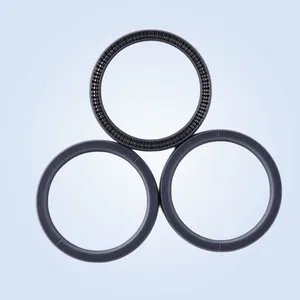
For industrial manufacturers and engineering teams seeking high-performance anti-static UHMW (Ultra-High Molecular Weight Polyethylene) solutions, Suzhou Baoshida Trading Co., Ltd. stands as a trusted partner in advanced polymer material supply. As a specialized provider in industrial rubber and engineered plastic solutions, we deliver customized anti-static UHMW materials that meet stringent operational requirements across electronics, semiconductor handling, packaging, and cleanroom environments. Our formulations are precision-engineered to provide controlled surface resistivity, exceptional wear resistance, and long-term reliability under dynamic mechanical stress.
Anti-static UHMW is critical in applications where electrostatic discharge (ESD) poses risks to sensitive components or process integrity. Unlike standard UHMW, which is inherently insulative, our anti-static variant incorporates proprietary conductive additives that ensure consistent charge dissipation without compromising the base polymer’s superior abrasion resistance, low coefficient of friction, or impact strength. This balance of ESD protection and mechanical durability makes our material ideal for guide rails, conveyor components, semiconductor carriers, and automated handling systems.
At Suzhou Baoshida, we understand that material performance must align with exacting OEM specifications. Our technical team, led by Mr. Boyce, works directly with clients to evaluate application parameters such as load, speed, environmental exposure, and required electrical properties. This collaborative approach ensures that the supplied anti-static UHMW meets both functional and compliance standards, including ISO 18517 for cleanroom compatibility and IEC 61340-5-1 for electrostatic control.
We offer anti-static UHMW in sheet, rod, and custom-machined forms, with surface resistivity tailored to specific ESD classifications. All materials undergo rigorous in-house testing to verify uniform conductivity, mechanical integrity, and dimensional stability. Our production partners utilize advanced compounding and extrusion technologies to ensure batch-to-batch consistency and full traceability.
Below are the key technical specifications of our standard anti-static UHMW formulation:
| Property | Value | Test Method |
|---|---|---|
| Surface Resistivity | 10^6 – 10^9 Ω/sq | ASTM D257 |
| Volume Resistivity | 10^5 – 10^8 Ω·cm | ASTM D257 |
| Tensile Strength | ≥35 MPa | ASTM D638 |
| Impact Strength (Notched Izod) | ≥80 J/m | ASTM D256 |
| Hardness (Shore D) | 60–70 | ASTM D2240 |
| Operating Temperature Range | -100°C to +80°C | — |
| Coefficient of Friction (vs. steel) | 0.10–0.22 | ASTM D1894 |
| Color | Black (custom colors available) | — |
To discuss your specific anti-static UHMW requirements, or to request material samples and technical data sheets, contact Mr. Boyce directly at [email protected]. With deep expertise in polymer science and industrial material applications, Mr. Boyce provides technical consultation to ensure optimal material selection and integration into your manufacturing processes. Suzhou Baoshida is committed to delivering engineered solutions that enhance performance, safety, and efficiency in demanding industrial environments. Reach out today to begin a technical dialogue tailored to your operational needs.
⚖️ O-Ring Weight Calculator
Estimate rubber O-ring weight (Approx).