
Technical Contents
Engineering Guide: Anti Vibration
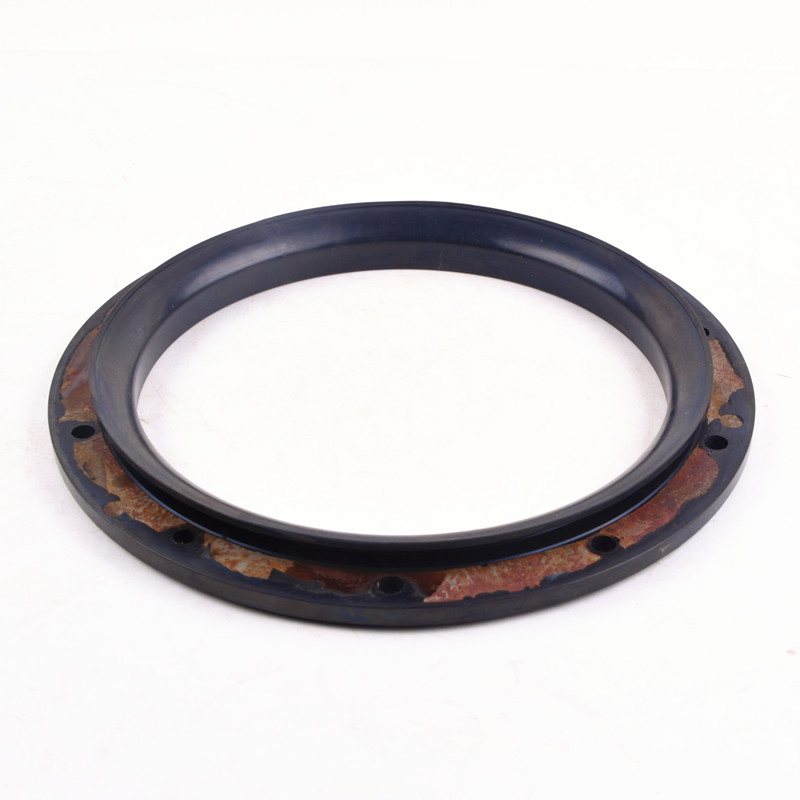
Engineering Insight: Anti-Vibration Solutions – The Critical Role of Material Selection
In industrial applications, vibration control is not merely a matter of comfort—it is a fundamental requirement for operational integrity, equipment longevity, and safety. While many manufacturers turn to off-the-shelf anti-vibration components for cost and convenience, these generic solutions frequently fail under real-world conditions. The root cause lies in inadequate material selection, which fails to account for dynamic load profiles, environmental exposure, and long-term fatigue resistance.
Rubber, as the primary damping medium in anti-vibration systems, exhibits highly non-linear behavior under stress. Its performance is governed by polymer chemistry, filler composition, cross-link density, and cure profile. Off-the-shelf mounts or pads are often formulated using standard EPDM or natural rubber compounds optimized for broad applicability, not specific industrial demands. As a result, they degrade prematurely when exposed to oils, ozone, extreme temperatures, or cyclic loading—conditions common in heavy machinery, power generation, and transportation systems.
Material selection must begin with a thorough analysis of the operating environment. For example, nitrile rubber (NBR) offers superior resistance to petroleum-based fluids but suffers in UV and ozone-rich settings. Conversely, silicone excels in extreme temperature ranges (-60°C to +200°C) but lacks the mechanical strength required for high-load damping. Hydrogenated nitrile (HNBR) and fluorocarbon (FKM) elastomers provide a balance of chemical resistance and durability, albeit at higher material costs—costs that are justified when system downtime and maintenance are factored in.
Equally important is the dynamic modulus of the material—the measure of stiffness under oscillating loads. A compound that performs well under static compression may transmit excessive vibration at resonant frequencies due to poor hysteresis characteristics. Custom-engineered rubber formulations allow precise tuning of the loss factor (tan δ), enabling optimal energy dissipation across targeted frequency bands.
At Suzhou Baoshida Trading Co., Ltd., we specialize in application-specific rubber solutions that align material properties with operational demands. Our engineering team conducts comprehensive service condition assessments, including vibration spectrum analysis, temperature cycling, and chemical exposure profiling, to formulate compounds that deliver sustained performance.
The following table outlines key elastomer properties relevant to anti-vibration applications:
| Material | Hardness Range (Shore A) | Temperature Range (°C) | Key Advantages | Common Limitations |
|---|---|---|---|---|
| Natural Rubber (NR) | 40–85 | -40 to +80 | High resilience, excellent fatigue resistance | Poor oil and ozone resistance |
| Nitrile (NBR) | 50–90 | -30 to +100 | Good oil and fuel resistance | Limited low-temperature flexibility |
| EPDM | 50–80 | -50 to +150 | Excellent ozone and weather resistance | Poor oil resistance |
| Silicone (VMQ) | 30–80 | -60 to +200 | Wide temperature range, UV stable | Low tensile strength, high cost |
| HNBR | 60–90 | -40 to +150 | High strength, oil and heat resistant | Expensive, complex processing |
| FKM | 60–90 | -20 to +200 | Exceptional chemical resistance | Poor low-temperature performance |
Relying on standardized components risks underperformance, accelerated wear, and unplanned maintenance. Precision-engineered rubber formulations, tailored to the mechanical and environmental profile of the application, are essential for reliable anti-vibration performance.
Material Specifications
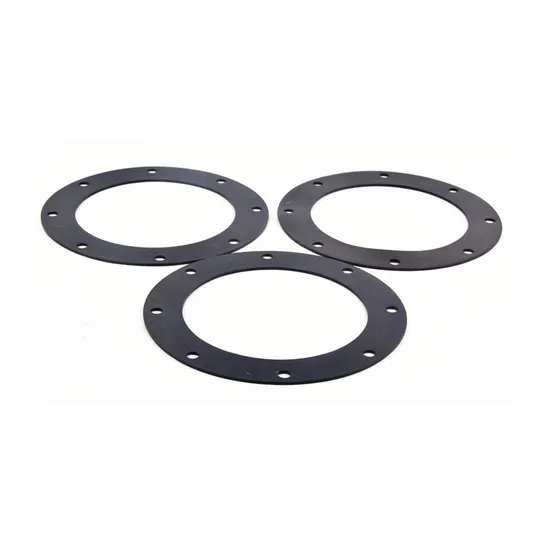
Material Specifications for Anti-Vibration Applications
Precision anti-vibration solutions require elastomer selection aligned with operational stressors including dynamic load, fluid exposure, and thermal extremes. At Suzhou Baoshida Trading Co., Ltd., we engineer rubber compounds to mitigate resonance-induced fatigue in industrial machinery, automotive systems, and precision equipment. Key material properties—compression set resistance, tensile strength, and fluid compatibility—dictate service life and performance stability. Below we detail three critical elastomers: Viton (FKM), Nitrile (NBR), and Silicone (VMQ), emphasizing their scientific suitability for vibration damping under specific environmental conditions.
Viton excels in high-temperature and aggressive chemical environments, maintaining integrity in aerospace hydraulics and engine mounts exposed to synthetic oils. Its fluoropolymer backbone resists swelling in fuels, acids, and ozone up to 250°C, though lower flexibility at sub-zero temperatures limits cryogenic use. Nitrile remains the cost-effective standard for oil and fuel resistance in automotive drivetrains and industrial pumps, with acrylonitrile content (18–50%) directly scaling hydrocarbon resistance. Standard NBR operates reliably between -40°C and 120°C but degrades in ozone-rich settings without protective additives. Silicone offers unparalleled thermal stability from -60°C to 230°C and inherent ozone resistance, making it ideal for electronics dampers and medical equipment. However, its poor hydrocarbon resistance necessitates isolation from oils, and lower tensile strength requires design compensation for high-load scenarios.
Critical performance metrics are summarized below for direct comparison:
| Material | Temperature Range (°C) | Fluid Resistance | Compression Set (70h/100°C) | Tensile Strength (MPa) | Primary Applications |
|---|---|---|---|---|---|
| Viton (FKM) | -20 to +250 | Excellent (fuels, acids, synthetic oils) | ≤25% | 10–15 | Aerospace seals, chemical pumps, high-temp engine mounts |
| Nitrile (NBR) | -40 to +120 | Excellent (mineral oils, greases) | ≤35% | 15–25 | Automotive hoses, transmission mounts, industrial rollers |
| Silicone (VMQ) | -60 to +230 | Poor (oils/fuels); Excellent (water, ozone) | ≤20% | 5–8 | Electronics dampers, medical isolators, low-stress HVAC mounts |
Compression set values reflect industry-standard ASTM D395 testing, directly correlating to long-term damping efficacy. Lower values indicate superior recovery after sustained deformation—a non-negotiable metric for vibration isolators subjected to continuous cyclic stress. Tensile strength data adheres to ASTM D412, ensuring structural resilience during peak load events. Fluid resistance ratings derive from immersion tests per ISO 1817, quantifying volume swell after 70 hours at 100°C.
Suzhou Baoshida prioritizes application-specific formulation over generic material supply. Our OEM partnerships leverage proprietary additive packages—such as peroxide-cured NBR for enhanced heat aging or reinforced Viton for shear strength—to bridge standard spec limitations. For instance, custom silicone blends incorporating silica fillers achieve tensile strengths exceeding 10 MPa while retaining low-temperature flexibility, addressing a critical gap in standard VMQ performance. Always validate material selection against dynamic testing under actual operating frequencies and amplitudes; theoretical specs alone cannot predict real-world harmonic response. Partner with our engineering team to translate vibration spectra into durable elastomer solutions.
Manufacturing Capabilities
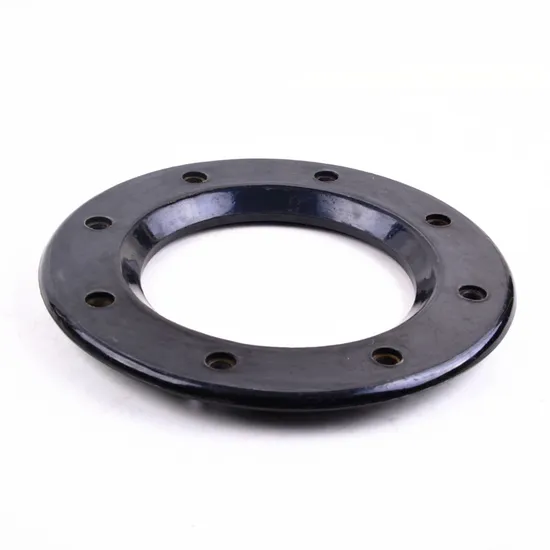
Engineering Capability: Precision-Driven Rubber Solutions for Anti-Vibration Applications
At Suzhou Baoshida Trading Co., Ltd., our engineering capability forms the backbone of our industrial rubber solutions, particularly in the design and production of high-performance anti-vibration components. With a dedicated team of five certified mould engineers and two specialized rubber formula engineers, we integrate material science with precision engineering to deliver tailored solutions that meet the exacting demands of automotive, rail, industrial machinery, and heavy equipment sectors.
Our mould engineering team brings over 60 combined years of experience in designing complex rubber-to-metal bonded components and dynamic isolation mounts. Each engineer utilizes advanced CAD/CAM systems, including SolidWorks and AutoCAD, to develop optimized mould structures that ensure consistent part geometry, minimal flash, and extended tool life. Finite Element Analysis (FEA) is routinely applied during the design phase to simulate compression set, shear deformation, and dynamic load behavior under operational conditions. This predictive modeling reduces prototyping cycles and accelerates time-to-market for OEM clients.
Complementing our design expertise is our in-house rubber formulation laboratory, led by two senior formula engineers with expertise in polymer chemistry and dynamic mechanical analysis (DMA). We develop custom elastomer compounds based on NBR, EPDM, NR, and silicone, tailored for specific hardness, temperature resistance, oil resistance, and damping characteristics. Our formulations are engineered to achieve precise dynamic stiffness and loss factor (tan δ) values critical for effective vibration isolation. All compounds undergo rigorous testing per ASTM and ISO standards, including aging, compression set, and fatigue resistance.
Our OEM capabilities are built on a foundation of technical collaboration. We work directly with client engineering teams to co-develop components that meet exact performance envelopes, including NVH (Noise, Vibration, Harshness) targets. From initial concept to mass production, we manage full project lifecycles, including DFM reviews, tooling fabrication, PPAP documentation, and batch traceability. Our facility supports low-volume prototyping and high-volume manufacturing with automated curing presses and robotic demoulding systems.
The integration of material science and precision tooling enables us to produce anti-vibration solutions with tight tolerances and repeatable performance. Our engineering team ensures every component is optimized for service life, environmental resistance, and functional reliability under continuous dynamic loading.
Key Technical Specifications and Capabilities
| Parameter | Capability Range |
|---|---|
| Hardness (Shore A) | 30–90 |
| Mould Tolerances | ±0.1 mm (critical dimensions) |
| Compound Development Lead Time | 2–4 weeks (including testing) |
| Dynamic Stiffness Range | 5–500 N/mm (adjustable via compound and geometry) |
| Operating Temperature | -40°C to +150°C (extended range on request) |
| Bonding Strength (Rubber-Metal) | ≥ 8 kN/m (per ISO 813) |
| Sample Delivery Time | 15–25 days from drawing approval |
Through this vertically integrated engineering approach, Suzhou Baoshida delivers technically superior anti-vibration solutions that meet global OEM standards.
Customization Process
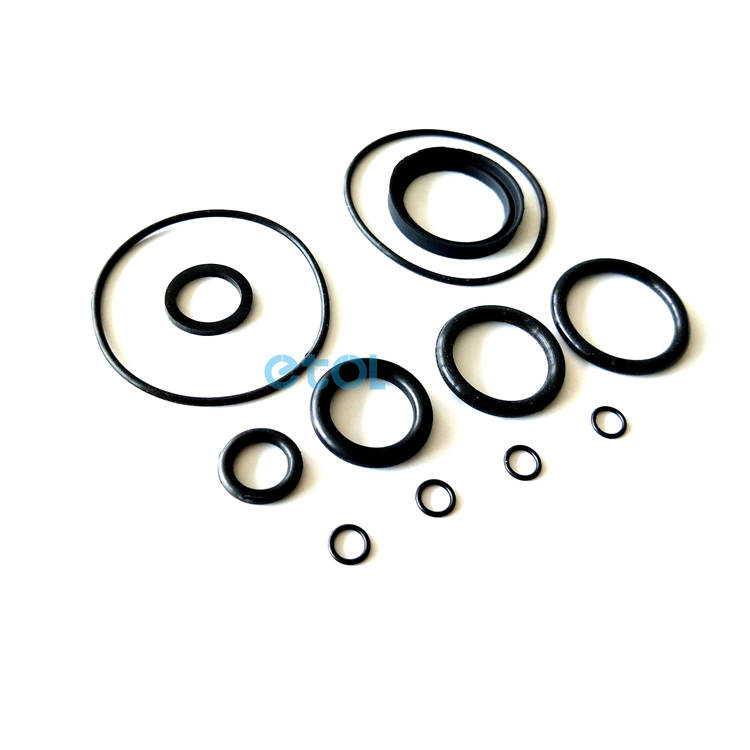
Customization Process for Precision Anti-Vibration Rubber Components
At Suzhou Baoshida Trading Co., Ltd., our anti-vibration rubber solutions begin with rigorous Drawing Analysis to ensure dimensional and functional alignment with client machinery requirements. Engineering teams dissect CAD models and GD&T specifications, verifying load paths, deflection tolerances, and interface geometries. Critical parameters such as dynamic stiffness targets, operational temperature ranges (-40°C to +150°C), and environmental exposure (oils, ozone) are cross-referenced against OEM design intent. Finite Element Analysis (FEA) simulations validate stress distribution under cyclic loads, identifying potential fatigue zones before material selection. This phase prevents costly redesigns by resolving conflicts in mounting interfaces or insufficient damping zones early in the workflow.
Formulation follows precise material science protocols, leveraging our 15+ years of OEM partnership data. We engineer elastomer compounds tailored to target vibration frequencies and amplitude thresholds. Key variables include polymer base selection (NBR, EPDM, HNBR, or silicone), filler reinforcement (silica vs. carbon black), and curative systems optimized for tan delta (loss factor) control. Shore A hardness is calibrated within ±3 points of specification, while compression set remains below 20% after 70 hours at 100°C to ensure long-term resiliency. Below is a comparative specification matrix for common anti-vibration formulations:
| Material Type | Hardness Range (Shore A) | Tensile Strength (MPa) | Elongation at Break (%) | Operating Temp. Range (°C) | Key Applications |
|---|---|---|---|---|---|
| Hydrogenated NBR | 50–90 | 15–25 | 250–450 | -40 to +150 | Automotive engine mounts, industrial pumps |
| High-Damping EPDM | 40–80 | 10–20 | 300–500 | -50 to +130 | HVAC systems, generator isolators |
| Silicone Rubber | 30–70 | 6–12 | 200–400 | -60 to +200 | Aerospace avionics, precision instrumentation |
Prototyping transitions validated designs into physical validation. We produce 5–10 sample units via precision molding under controlled vulcanization cycles (±2°C temperature tolerance). Each prototype undergoes dynamic mechanical analysis (DMA) to measure transmissibility ratios across 1–500 Hz frequencies, alongside static load-deflection curve verification. Accelerated aging tests (72h at 100°C) and fluid resistance checks per ISO 1817 confirm real-world durability. Client feedback on prototype performance triggers iterative compound adjustments—such as modifying plasticizer content to fine-tune damping hysteresis—until ISO 10144-1 compliance thresholds are exceeded.
Mass production deployment integrates stringent process controls. Raw materials undergo batch-specific rheometer testing (ML, MH, t90) to ensure compound consistency. In-line cavity pressure sensors monitor mold filling uniformity, while automated vision systems inspect critical dimensions (e.g., bore concentricity ±0.1mm). Every production lot includes certified test reports for hardness, tensile properties, and dynamic modulus per ASTM D2240/D412. Full traceability is maintained via laser-etched batch codes linked to raw material certificates and process parameters, satisfying IATF 16949 and ISO 9001 requirements for automotive and industrial OEMs. This closed-loop system guarantees that vibration isolation performance remains within ±5% of prototype validation data across 100,000+ unit runs.
Contact Engineering Team
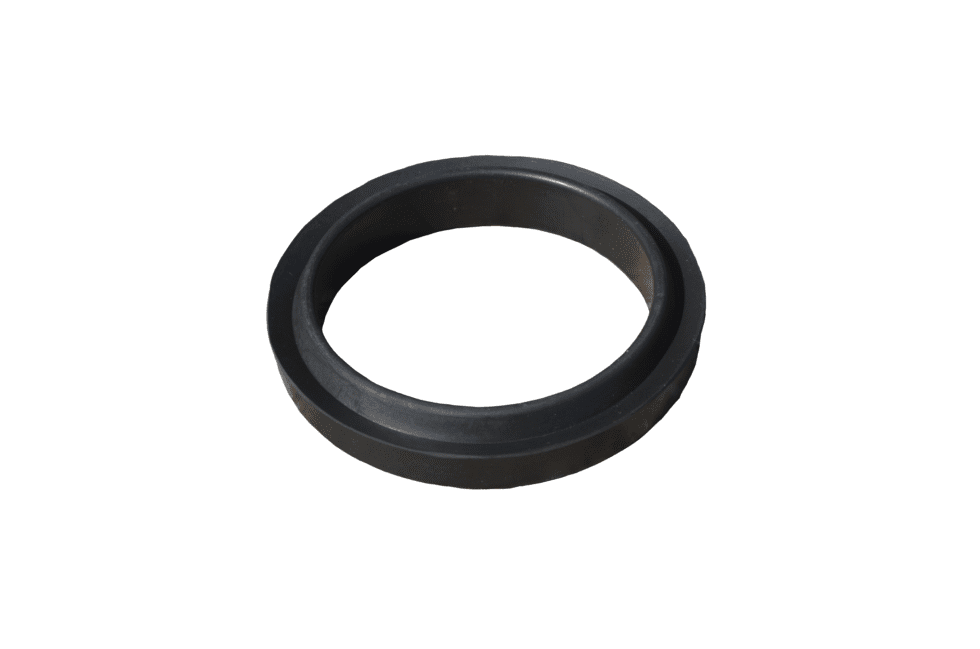
For industrial manufacturers seeking precision-engineered anti-vibration rubber solutions, Suzhou Baoshida Trading Co., Ltd. stands as a trusted partner in the development and supply of high-performance elastomeric components. With extensive experience in material formulation, dynamic mechanical analysis, and OEM collaboration, we specialize in custom rubber compounds designed to mitigate vibration, reduce noise, and enhance operational stability across demanding industrial environments. Our anti-vibration products are rigorously tested to ensure compliance with international standards and are tailored to meet the exact mechanical and environmental requirements of your application.
We invite engineering teams, procurement managers, and R&D departments to engage directly with Mr. Boyce, our dedicated OEM Manager and Rubber Formula Engineer. With a technical background in polymer science and years of field application expertise, Mr. Boyce leads client consultations with a focus on material optimization, performance validation, and scalable manufacturing solutions. Whether your project involves rail transit damping components, machinery mounts, automotive bushings, or industrial equipment isolation systems, our team delivers scientifically grounded recommendations backed by laboratory data and real-world testing.
Contacting Suzhou Baoshida initiates a collaborative engineering dialogue. We begin by analyzing your vibration frequency profile, load conditions, temperature range, and chemical exposure to formulate a rubber compound with precise durometer, resilience, and damping characteristics. Our formulations commonly utilize NR, SBR, EPDM, NBR, and silicone, compounded with reinforcing fillers, plasticizers, and aging inhibitors to achieve target performance. Once the formula is established, we support prototyping, iterative testing, and volume production with consistent quality control.
To facilitate technical evaluation, below are representative specifications of our standard anti-vibration rubber materials:
| Material Type | Hardness (Shore A) | Tensile Strength (MPa) | Elongation at Break (%) | Operating Temperature Range (°C) | Damping Coefficient (tan δ) | Compression Set (24h @ 70°C) |
|---|---|---|---|---|---|---|
| Natural Rubber (NR) | 40–70 | 18–25 | 400–600 | -40 to +80 | 0.12–0.18 | ≤20% |
| Ethylene Propylene (EPDM) | 50–80 | 12–18 | 300–500 | -50 to +150 | 0.08–0.12 | ≤25% |
| Nitrile Rubber (NBR) | 55–75 | 15–20 | 350–450 | -30 to +120 | 0.10–0.15 | ≤22% |
| Silicone Rubber (VMQ) | 40–60 | 6–9 | 200–400 | -60 to +200 | 0.05–0.09 | ≤15% |
These values serve as benchmarks; actual performance is fine-tuned per project specifications. Custom geometries, bonding to metal substrates, and dynamic fatigue resistance are integral to our design process.
To begin the technical discussion or request a material data sheet, contact Mr. Boyce directly at [email protected]. Include details such as application type, performance requirements, and expected service life to accelerate the evaluation process. Suzhou Baoshida Trading Co., Ltd. is committed to engineering excellence, responsive communication, and long-term partnership in industrial rubber innovation. Reach out today to optimize your anti-vibration systems with scientifically formulated elastomeric solutions.
⚖️ O-Ring Weight Calculator
Estimate rubber O-ring weight (Approx).