
Technical Contents
Engineering Guide: Anti Vibration Fittings
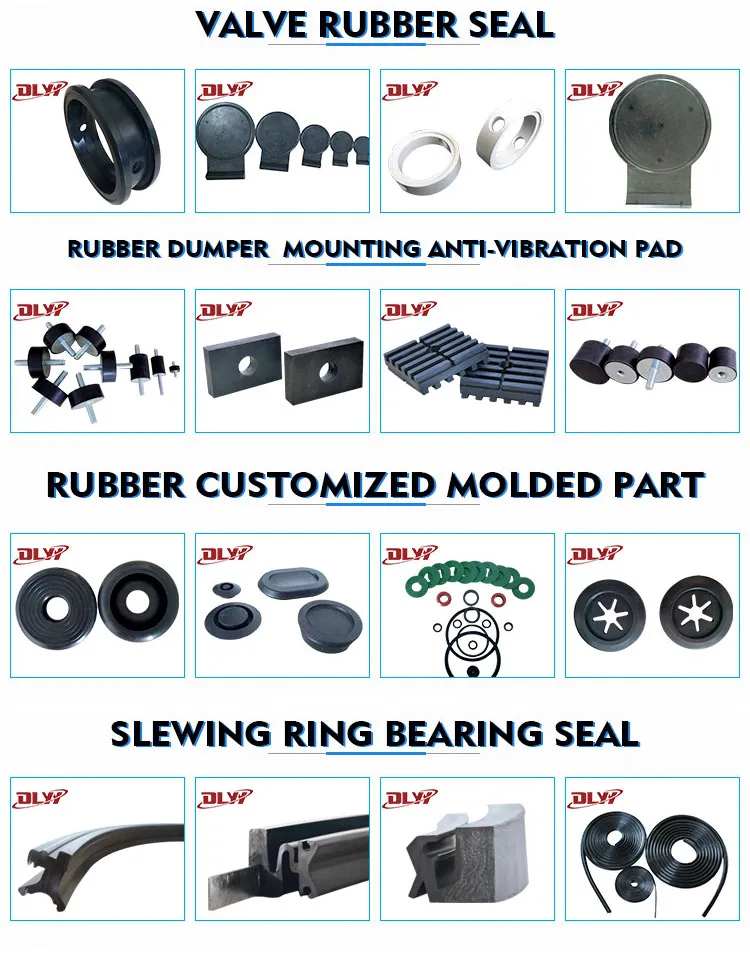
Engineering Insight: The Critical Role of Material Selection in Anti-Vibration Fittings
In industrial applications, anti-vibration fittings serve as essential components in mitigating mechanical stress, reducing noise transmission, and enhancing system longevity. While their function appears straightforward, the engineering behind their performance is highly dependent on precise material selection. Off-the-shelf solutions often fail to meet operational demands because they are designed for generalized conditions rather than the specific environmental and mechanical stresses encountered in real-world applications.
The primary failure mechanism in generic anti-vibration fittings stems from mismatched elastomeric properties. Standard rubber compounds such as natural rubber or low-grade SBR (styrene-butadiene rubber) may offer acceptable damping under mild conditions but degrade rapidly when exposed to oils, ozone, elevated temperatures, or dynamic loading. For instance, in automotive engine mounts or industrial pump supports, exposure to hydrocarbons can cause swelling and loss of structural integrity in non-resistant materials. Similarly, prolonged UV exposure or ozone-rich environments accelerate cracking in unsaturated polymer chains, leading to premature fatigue failure.
Material selection must account for multiple performance parameters: dynamic modulus, damping coefficient, compression set, temperature range, and chemical resistance. At Suzhou Baoshida Trading Co., Ltd., we prioritize engineered elastomers such as EPDM, NBR (nitrile butadiene rubber), and hydrogenated NBR (HNBR), each selected based on application-specific requirements. For high-temperature environments exceeding 120°C, silicone or fluorocarbon rubber (FKM) may be necessary to maintain elasticity and load-bearing capacity.
Another critical factor is the interaction between the rubber compound and the metal substrate in bonded fittings. Poor adhesion due to inadequate surface treatment or incompatible bonding agents results in delamination under cyclic stress. Our manufacturing process incorporates multi-stage surface activation and chemically tailored adhesives to ensure robust metal-rubber bonding, a feature rarely optimized in mass-produced alternatives.
Custom formulation allows for fine-tuning of durometer (hardness), resilience, and hysteresis characteristics. A fitting that is too soft may bottom out under load, while one that is too rigid fails to absorb vibrational energy effectively. The optimal balance is achieved through iterative testing and material modeling, ensuring performance consistency across thousands of cycles.
Below is a comparison of common elastomers used in anti-vibration fittings, highlighting key performance attributes:
| Material | Temperature Range (°C) | Oil Resistance | Ozone Resistance | Typical Applications |
|---|---|---|---|---|
| Natural Rubber (NR) | -40 to +70 | Low | Low | General-purpose mounts |
| SBR | -30 to +90 | Low | Moderate | Industrial rollers |
| NBR | -30 to +120 | High | Moderate | Engine mounts, fuel systems |
| EPDM | -50 to +150 | Low | High | HVAC, outdoor equipment |
| HNBR | -40 to +170 | High | High | High-performance automotive |
| FKM | -20 to +230 | Very High | Very High | Aerospace, chemical processing |
In conclusion, the failure of off-the-shelf anti-vibration fittings is not inherent to design but to material inadequacy. Precision engineering demands tailored elastomer selection, rigorous bonding protocols, and environmental compatibility. At Suzhou Baoshida, we deliver solutions where performance meets reliability—ensuring durability in the most demanding industrial environments.
Material Specifications
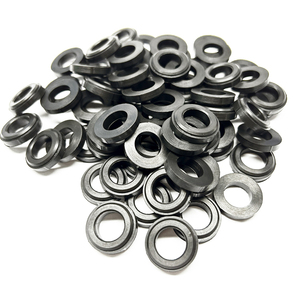
Material Specifications for Anti-Vibration Fittings: Viton, Nitrile, and Silicone
Precise material selection is paramount in anti-vibration fitting design, directly impacting performance, longevity, and operational safety across demanding industrial environments. Suzhou Baoshida Trading Co., Ltd. rigorously validates all elastomer compounds against stringent OEM specifications and international standards, including ISO 37 for tensile properties and ISO 1817 for fluid resistance. Our core formulations for anti-vibration applications leverage three primary elastomers, each offering distinct advantages tailored to specific operational parameters. Understanding their fundamental properties is critical for optimal fitment and function.
Viton (FKM) fluorocarbon rubber represents the pinnacle of chemical and thermal resistance within our portfolio. Its molecular structure, rich in fluorine, provides exceptional stability against aggressive automotive fluids (fuels, oils, transmission fluids), ozone, and high temperatures. Viton compounds consistently perform reliably within a continuous service range of -20°C to +200°C, with brief excursions possible up to +230°C. This makes Viton the unequivocal choice for critical under-hood applications in modern internal combustion and hybrid powertrains, turbocharger systems, and aerospace components where exposure to hot oils, biodiesel blends, and harsh chemicals is unavoidable. While offering superior sealing integrity under extreme conditions, Viton commands a higher material cost and exhibits lower flexibility at very low temperatures compared to alternatives.
Nitrile rubber (NBR), a copolymer of acrylonitrile and butadiene, remains the dominant material for general-purpose anti-vibration fittings due to its excellent balance of properties and cost-effectiveness. Its key strength lies in outstanding resistance to petroleum-based oils, greases, and hydraulic fluids, coupled with good abrasion resistance and mechanical strength. Standard NBR formulations operate effectively between -40°C and +120°C, with specialized high-acrylonitrile or hydrogenated (HNBR) variants extending the upper limit to approximately +150°C. NBR provides reliable damping characteristics and compression set resistance for engine mounts, transmission bushings, and suspension components exposed primarily to conventional automotive fluids. Its limitations include poor resistance to ozone, weathering, and polar solvents like ketones or brake fluid, necessitating protective measures or alternative materials in such environments.
Silicone rubber (VMQ) excels in applications requiring extreme temperature flexibility and physiological inertness. It maintains elastic properties across an unparalleled range, typically from -60°C to +200°C, with some formulations rated for +230°C continuous use. Silicone offers excellent resistance to ozone, UV radiation, and weathering, alongside very low compression set at high temperatures. These properties make it ideal for sensors, electronic housings within vibration mounts, and applications requiring biocompatibility or exposure to steam and hot air. However, standard silicone exhibits relatively poor resistance to petroleum oils and fuels, lower tensile strength, and higher gas permeability compared to NBR or Viton, limiting its use in direct contact with hydrocarbons without specialized formulations.
The following comparative table details key performance characteristics for informed material selection:
| Property | Viton (FKM) | Nitrile (NBR) | Silicone (VMQ) |
|---|---|---|---|
| Continuous Temp Range | -20°C to +200°C | -40°C to +120°C | -60°C to +200°C |
| Peak Short-Term Temp | +230°C | +150°C (HNBR) | +230°C |
| Petroleum Oil Resist | Excellent | Excellent | Poor |
| Ozone/Weather Resist | Excellent | Poor | Excellent |
| Fuel Resistance | Excellent | Good | Poor |
| Compression Set | Very Good | Good | Excellent (High Temp) |
| Tensile Strength | Good | Very Good | Moderate |
| Primary Applications | Turbo hoses, critical engine seals | Engine mounts, suspension bushings | Sensors, high-temp air systems |
Suzhou Baoshida Trading Co., Ltd. provides comprehensive material certification and application engineering support to ensure the selected elastomer precisely matches the dynamic stress, fluid exposure, and environmental conditions of your anti-vibration system. Consult our technical team for compound-specific data sheets and validation testing protocols.
Manufacturing Capabilities
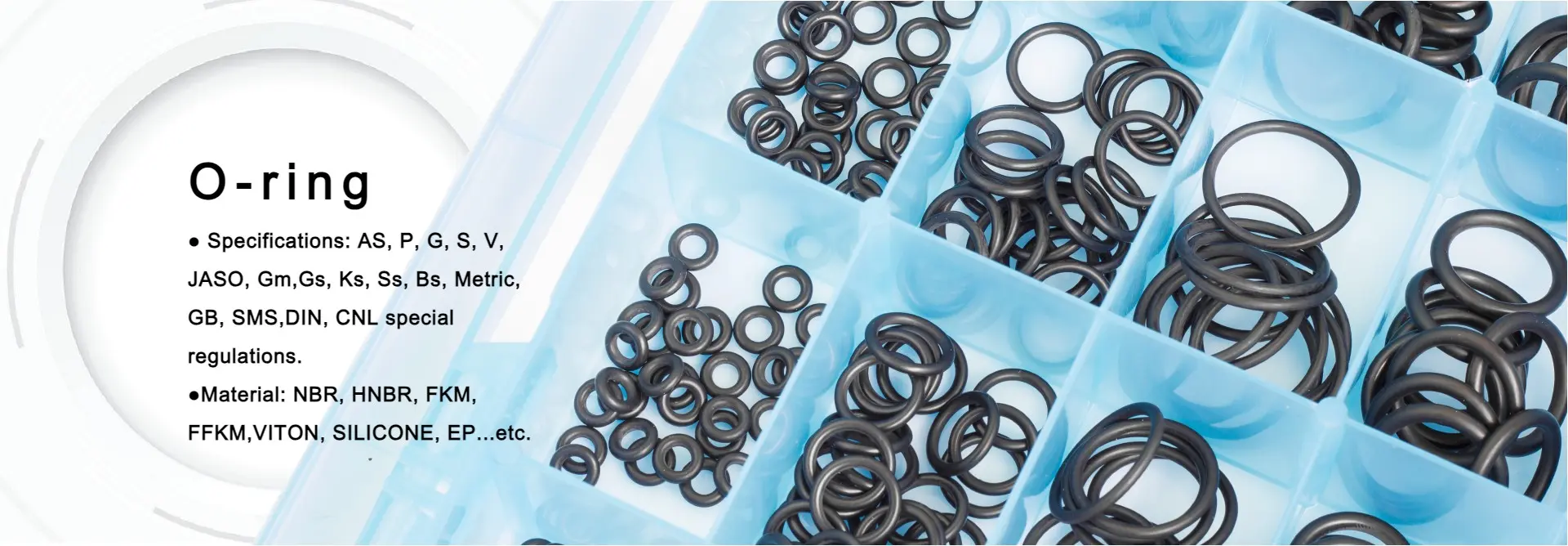
Engineering Capability
At Suzhou Baoshida Trading Co., Ltd., our engineering capability in the field of industrial rubber solutions is anchored in deep technical expertise and a disciplined approach to material science and precision manufacturing. We maintain a dedicated team of five experienced mould engineers and two specialized rubber formula engineers, enabling us to deliver high-performance anti-vibration fittings tailored to the rigorous demands of global OEMs. This integrated team structure ensures seamless collaboration between material development and tooling design, resulting in optimized product performance, durability, and production efficiency.
Our mould engineers bring extensive experience in precision rubber mould design, utilizing advanced CAD/CAM systems and finite element analysis (FEA) to simulate part behavior under operational stress. This enables the development of complex geometries with tight tolerances, critical for anti-vibration components used in automotive, rail, and industrial machinery applications. Each mould is engineered for cycle efficiency, wear resistance, and dimensional stability, ensuring consistent part quality across high-volume production runs.
Complementing our tooling expertise, our two in-house rubber formula engineers focus on material formulation tailored to specific dynamic loading, temperature exposure, and chemical resistance requirements. They develop custom elastomer compounds using NR, SBR, NBR, EPDM, and silicone, optimizing properties such as Shore hardness, compression set, and dynamic modulus. This in-house formulation capability allows us to fine-tune damping characteristics and service life, directly addressing the functional needs of vibration isolation systems.
We operate as a full-service OEM partner, supporting clients from concept to mass production. Our engineering team collaborates closely with customer R&D departments to interpret technical specifications, conduct DFM (Design for Manufacturability) reviews, and deliver functional prototypes within compressed timelines. With full control over material formulation, tooling, and production processes, we ensure traceability, repeatability, and compliance with international quality standards such as ISO 9001 and IATF 16949.
Our production infrastructure includes automated rubber molding lines, environmental aging chambers, and dynamic fatigue testing systems, allowing rigorous validation of every batch. This vertically integrated engineering model reduces dependency on external suppliers and accelerates time-to-market for custom anti-vibration solutions.
The table below outlines key technical capabilities supporting our OEM service offering:
| Parameter | Specification |
|---|---|
| Mould Design Capacity | 50+ molds per month |
| Rubber Hardness Range (Shore A) | 30–90 |
| Compound Types | NR, SBR, NBR, EPDM, Silicone, CR, HNBR |
| Tolerance Control | ±0.1 mm (critical dimensions) |
| Dynamic Testing Range | 1–50 Hz, -40°C to +150°C |
| OEM Project Lead Time (Prototype) | 4–6 weeks |
| Production Cycle Time | As low as 60 seconds per part (automated lines) |
This combination of human expertise, technical infrastructure, and OEM-focused agility positions Suzhou Baoshida as a trusted engineering partner in the anti-vibration fitting sector.
Customization Process
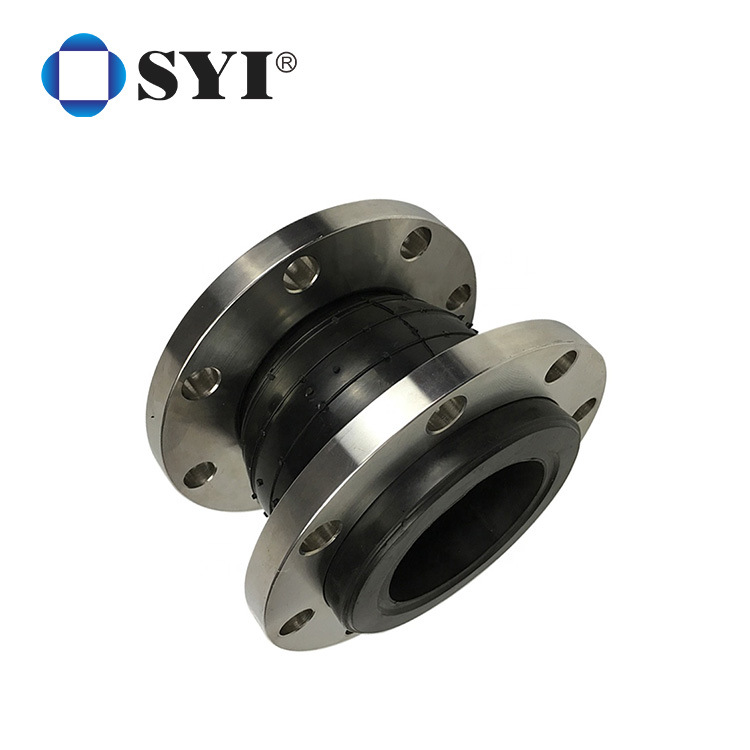
Customization Process for Anti-Vibration Fittings: Precision Engineering Pathway
At Suzhou Baoshida Trading Co., Ltd., our anti-vibration fitting customization adheres to a rigorously defined sequence, ensuring optimal performance under dynamic industrial loads. This process begins with comprehensive Drawing Analysis, where engineering teams dissect client-provided CAD models or technical schematics. We evaluate critical parameters including load distribution profiles, deflection limits, environmental exposure zones, and interface geometries. Finite Element Analysis (FEA) simulations are deployed to identify stress concentrations and predict resonance frequencies, enabling preemptive design refinements. This phase culminates in a validated technical dossier, establishing baseline specifications for material selection and dimensional tolerancing.
Material Formulation constitutes the scientific core of our customization. Leveraging proprietary compound databases and accelerated aging protocols, we select elastomer matrices aligned with operational demands. Key considerations include dynamic modulus stability across temperature extremes, hysteresis control to minimize heat build-up, and chemical resistance to fluids like oils or coolants. Below details our primary compound options for anti-vibration applications:
| Material Type | Key Properties | Application Range | OEM Advantages |
|---|---|---|---|
| Hydrogenated Nitrile (HNBR) | Shore A 60-80, -40°C to +150°C, exceptional oil/fuel resistance | Engine mounts, transmission systems | Extended service life in high-heat, chemically aggressive environments |
| Ethylene Propylene Diene (EPDM) | Shore A 50-75, -50°C to +135°C, superior ozone/weathering resistance | HVAC systems, marine applications | Long-term durability under UV exposure and aqueous conditions |
| Natural Rubber (NR) | Shore A 40-65, -20°C to +70°C, high resilience & fatigue resistance | Rail suspensions, industrial machinery | Optimal damping efficiency for low-frequency vibrations |
Prototyping follows compound finalization, utilizing precision CNC-machined molds to produce functional samples. Each prototype undergoes ASTM D2230 dynamic testing to measure transmissibility ratios and damping coefficients under simulated operational loads. Iterative adjustments to durometer, geometry, or bonding interfaces occur until vibration isolation targets (typically 85-95% reduction at specified frequencies) are consistently achieved. Client validation includes on-site field trials with real-time accelerometer data logging.
Transition to Mass Production mandates strict adherence to IATF 16949 protocols. We implement batch-traceable compounding with real-time rheometer monitoring to ensure Mooney viscosity consistency (±3 ML1+4@100°C). Automated injection molding systems maintain cavity pressure tolerances within ±0.5 bar, while post-cure ovens follow time-temperature profiles validated via DSC analysis. Final inspection employs CMM verification against GD&T callouts and dynamic fatigue testing per ISO 18853. Every shipment includes material certification with full traceability to raw material lot numbers, guaranteeing repeatability for OEM assembly lines.
This structured approach—grounded in material science and industrial validation—ensures anti-vibration fittings deliver precise isolation performance while meeting the scalability demands of global manufacturing partners.
Contact Engineering Team
For industrial manufacturers seeking high-performance anti-vibration fittings, Suzhou Baoshida Trading Co., Ltd. stands as a trusted partner in the development and supply of precision-engineered rubber solutions. With years of specialized expertise in elastomeric material formulation and industrial component manufacturing, we deliver anti-vibration fittings that meet the rigorous demands of automotive, rail, machinery, and heavy equipment sectors. Our products are designed to minimize mechanical resonance, reduce noise transmission, and extend equipment service life under dynamic loading conditions.
At Suzhou Baoshida, we understand that vibration control is not a one-size-fits-all challenge. Each application presents unique requirements in terms of load distribution, frequency damping, temperature exposure, and chemical resistance. That is why our anti-vibration fittings are developed using advanced rubber-to-metal bonding techniques and formulated from a range of elastomers including natural rubber (NR), nitrile rubber (NBR), ethylene propylene diene monomer (EPDM), and silicone (VMQ). These materials are selected based on performance criteria such as Shore hardness, compression set, tensile strength, and resistance to aging or environmental degradation.
Our engineering team works closely with OEMs and Tier-1 suppliers to customize solutions that align precisely with operational parameters. Whether you require mountings for engine subframes, suspension bushings, rail anti-roll bars, or industrial pump supports, we ensure dimensional accuracy, long-term durability, and compliance with international quality standards such as ISO 9001 and IATF 16949.
Below are representative technical specifications for our standard anti-vibration fitting series:
| Parameter | Value / Range | Test Standard |
|---|---|---|
| Hardness (Shore A) | 40–80 | ASTM D2240 |
| Tensile Strength | ≥10 MPa | ASTM D412 |
| Elongation at Break | ≥250% | ASTM D412 |
| Compression Set (70°C, 24h) | ≤20% | ASTM D395 |
| Operating Temperature | -40°C to +120°C (up to +150°C intermittent) | — |
| Bond Strength (Rubber-Metal) | ≥8 N/mm | ISO 10567 |
| Frequency Damping Range | 10–500 Hz | Custom test protocols |
| Fluid Resistance | Oil, water, ozone, UV (varies by compound) | ASTM D471 |
All components undergo rigorous in-house testing for dynamic fatigue, shear stability, and long-term creep performance. We also offer finite element analysis (FEA) support and prototype validation to ensure fit, form, and function prior to full-scale production.
For technical collaboration, sample requests, or customized quotation, contact Mr. Boyce, OEM Account Manager at Suzhou Baoshida Trading Co., Ltd. He specializes in supporting international clients with material selection, design optimization, and supply chain integration. Reach out via email at [email protected] to initiate a technical dialogue. Include your application details, performance requirements, and volume expectations to receive a targeted solution proposal within 48 hours. Partner with us to enhance system reliability through scientifically formulated rubber technology.
⚖️ O-Ring Weight Calculator
Estimate rubber O-ring weight (Approx).