
Technical Contents
Engineering Guide: Auto Gasket Material
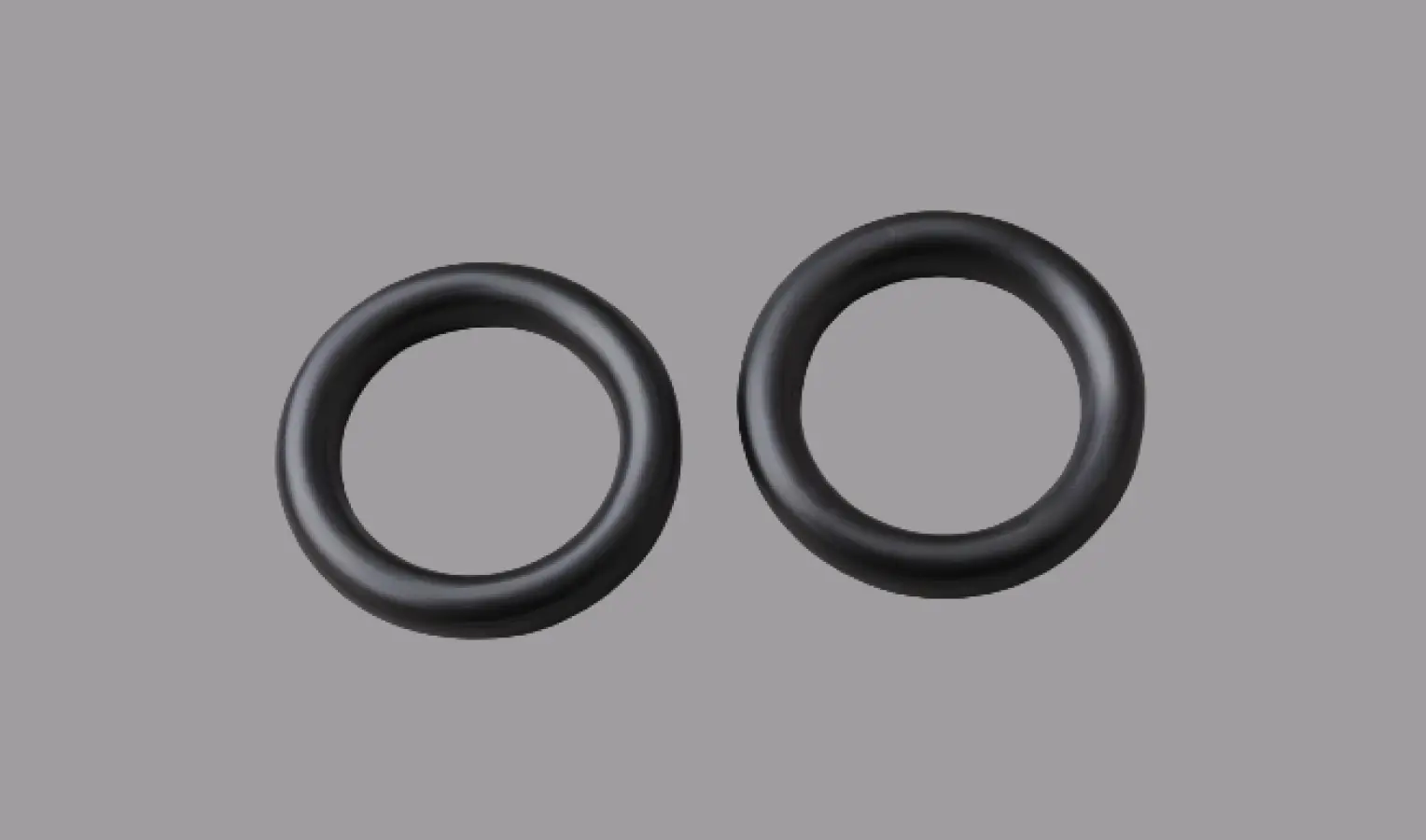
Engineering Insight: The Critical Role of Material Selection in Auto Gasket Performance
In the precision-driven domain of automotive sealing, the selection of gasket material is not a matter of convenience—it is a foundational engineering decision. Off-the-shelf gasket materials, while cost-attractive and readily available, frequently fail to meet the dynamic demands of modern powertrain and fluid system environments. These failures manifest as leaks, premature degradation, and system inefficiencies, ultimately compromising vehicle reliability and safety. The root cause lies in the mismatch between generic material properties and the specific operational conditions of temperature, pressure, chemical exposure, and mechanical stress.
Automotive gaskets operate under extreme conditions. Engine compartments routinely exceed 150°C, with transient spikes beyond 200°C during peak load. Simultaneously, gaskets are exposed to aggressive media such as engine oil, coolant, transmission fluid, and exhaust gases. A material that performs adequately in one environment may rapidly deteriorate in another due to chemical incompatibility. For example, standard nitrile rubber (NBR) exhibits excellent resistance to oils but degrades when exposed to ozone or phosphate ester-based hydraulic fluids. Similarly, silicone offers broad temperature stability but lacks the tensile strength and creep resistance required for high-compression flange sealing.
The failure of off-the-shelf solutions is further exacerbated by the increasing complexity of automotive platforms. Modern engines employ lightweight alloys, tighter tolerances, and variable thermal expansion rates, all of which demand gasket materials with precisely tuned compressibility, recovery, and stress relaxation characteristics. Generic materials are rarely optimized for these interactions, leading to loss of sealing force over time and eventual joint failure.
At Suzhou Baoshida Trading Co., Ltd., we emphasize application-specific material engineering. Our approach begins with a comprehensive analysis of the operating environment, followed by the selection or formulation of elastomers that balance thermal resilience, chemical compatibility, and mechanical performance. This includes advanced compounds such as fluorocarbon (FKM), ethylene acrylate (AEM), and specialty silicone blends, each tailored to meet exact OEM specifications.
The table below outlines key performance metrics for common auto gasket materials under typical service conditions.
| Material | Temperature Range (°C) | Oil Resistance | Coolant Resistance | Compression Set (%) @ 150°C | Typical Application |
|---|---|---|---|---|---|
| NBR | -30 to +120 | Excellent | Poor | 25–35 | Fuel system seals |
| FKM | -20 to +200 | Excellent | Excellent | 15–25 | Valve cover, turbo |
| AEM | -40 to +170 | Good | Excellent | 20–30 | Coolant hoses |
| Silicone | -60 to +200 | Fair | Good | 10–20 | Electrical gaskets |
| EPDM | -50 to +150 | Poor | Excellent | 18–28 | Radiator seals |
Material selection is not a one-size-fits-all proposition. It is a science that demands precision, foresight, and deep material knowledge. Partnering with a supplier that understands these nuances ensures long-term sealing integrity and system performance.
Material Specifications
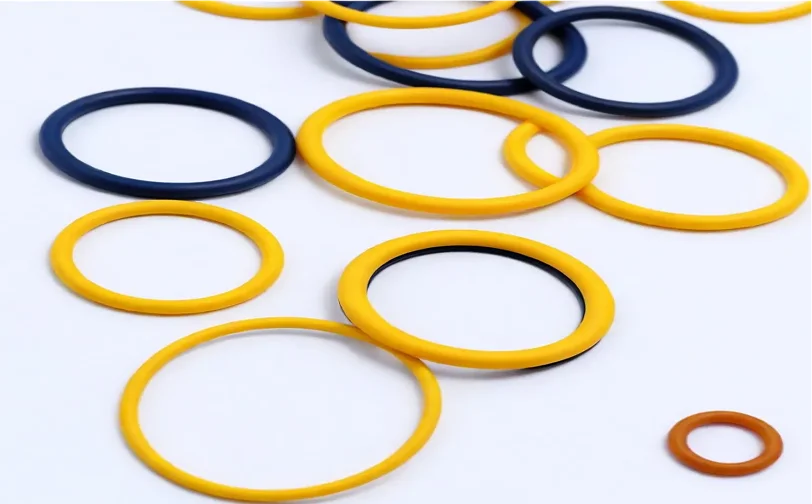
Material Specifications for Automotive Gasket Applications
Precision gasket performance in automotive systems hinges on rigorous material selection aligned with operational parameters. At Suzhou Baoshida Trading Co., Ltd., we engineer rubber compounds to meet OEM torque retention, fluid compatibility, and thermal cycling demands. Viton (FKM), Nitrile (NBR), and Silicone (VMQ) represent critical solutions for sealing challenges, each exhibiting distinct molecular properties dictating application suitability. Viton’s fluorocarbon backbone delivers exceptional resistance to aggressive fuels, lubricants, and high-temperature degradation, making it indispensable for turbocharger housings and fuel system components exposed to biodiesel or synthetic oils. Nitrile remains the industry standard for cost-sensitive applications requiring robust resistance to petroleum-based fluids, such as engine oil pans and transmission seals, though its performance diminishes above 125°C. Silicone excels in extreme-temperature environments like intake manifolds and sensor housings, maintaining elasticity from -60°C to 230°C, yet exhibits poor resistance to hydrocarbon fuels and limited tensile strength.
Compression set resistance is a non-negotiable metric for gasket longevity, directly impacting seal retention under sustained load. Viton typically achieves ≤20% compression set after 70 hours at 150°C, ensuring reliable sealing in high-stress zones. Nitrile compounds range from 25–40% under identical conditions, necessitating careful formulation for extended service life. Silicone demonstrates moderate compression set (15–30%) but requires reinforcement for dynamic applications. Fluid exposure further dictates material viability: Viton withstands ASTM No. 3 oil without significant swelling, while Nitrile tolerates ASTM No. 1 oil but degrades in phosphate ester-based brake fluids. Silicone swells catastrophically in gasoline, restricting its use to non-fuel-contact scenarios. Hardness selection (40–90 Shore A) must balance conformability against extrusion resistance, with engine block gaskets typically requiring 60–75 Shore A for optimal load distribution.
The following table summarizes critical specifications for OEM validation:
| Material | Temperature Range (°C) | Key Fluid Resistances | Hardness Range (Shore A) | Compression Set @ 70h/100°C | Critical Limitations |
|---|---|---|---|---|---|
| Viton (FKM) | -20 to +230 | Fuels (incl. biofuels), synthetic oils, acids | 50–90 | ≤15% | Poor low-temp flexibility below -20°C; high cost |
| Nitrile (NBR) | -40 to +125 | Mineral oils, water, alcohols | 40–90 | 25–40% | Limited ozone/weathering resistance; degrades in glycols |
| Silicone (VMQ) | -60 to +230 | Water, steam, brake fluids (non-petroleum) | 30–80 | 15–30% | Swells in hydrocarbons; low tensile strength |
OEMs must correlate these material properties with specific assembly requirements. For instance, valve cover gaskets in turbocharged engines demand Viton for combined fuel resistance and 180°C thermal stability, whereas coolant hose connectors utilize NBR for cost-effective water/glycol sealing. Silicone remains optimal for ECU seals requiring cryogenic flexibility. Suzhou Baoshida provides custom-formulated compounds validated per ASTM D2000 and ISO 3601 standards, ensuring dimensional stability under 5,000+ hour thermal aging tests. Material selection must prioritize compression set data over tensile strength, as permanent deformation remains the primary failure mode in automotive gasketing. Consult our engineering team for application-specific compound certification and FEA-backed gasket design support.
Manufacturing Capabilities
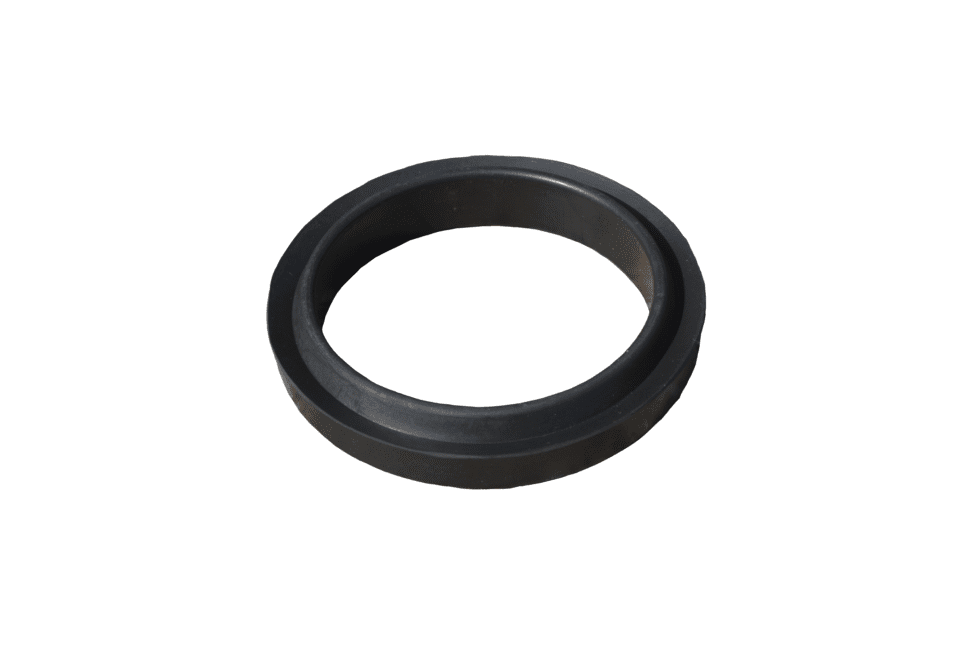
Engineering Capability: Precision-Driven Development for Auto Gasket Material
At Suzhou Baoshida Trading Co., Ltd., our engineering capability forms the backbone of our leadership in precision rubber seals for automotive applications. With a dedicated team of five certified mould engineers and two specialized rubber formula engineers, we maintain full in-house control over the design, material development, and production optimization of auto gasket materials. This integrated technical structure enables us to deliver OEM-grade performance with exceptional consistency, durability, and compliance.
Our mould engineers possess extensive experience in precision tooling design for complex gasket geometries, including multi-cavity molds, tight-tolerance sealing profiles, and multi-material overmolding configurations. Utilizing advanced CAD/CAM software and finite element analysis (FEA), they simulate material flow, compression set behavior, and stress distribution during sealing operation to preemptively resolve potential failure modes. This proactive engineering approach ensures optimal fill balance, minimal flash, and long-term dimensional stability—critical factors in high-reliability automotive environments.
Complementing this is our proprietary rubber formulation expertise. Our two formula engineers specialize in elastomer chemistry, focusing on custom compound development tailored to specific OEM requirements. We routinely formulate and validate materials based on NBR, EPDM, FKM, ACM, and silicone systems, adjusting polymer ratios, filler content, crosslinking agents, and additive packages to achieve targeted performance. Each formulation is rigorously tested for compression set, thermal aging, fluid resistance (including engine oil, coolant, and transmission fluids), and low-temperature flexibility in accordance with ASTM and ISO standards.
Our OEM capabilities are built on a foundation of technical collaboration. We work directly with automotive system suppliers and Tier-1 manufacturers to co-develop gasket materials that meet exact OEM specifications—whether it’s for cylinder head gaskets, oil pan seals, or valve cover applications. From initial concept and material selection to prototype validation and mass production, we maintain full traceability and documentation, including PPAP, IMDS, and RoHS compliance.
This synergy between mould design and material science allows us to solve complex sealing challenges under extreme conditions—high pressure, fluctuating temperatures, and aggressive chemical exposure—while maintaining cost-efficiency and scalability.
| Property | Test Standard | Typical Performance (Customizable) |
|---|---|---|
| Hardness (Shore A) | ASTM D2240 | 50–90 ±5 |
| Tensile Strength | ASTM D412 | 8–18 MPa |
| Elongation at Break | ASTM D412 | 150–400% |
| Compression Set (24h, 100°C) | ASTM D395 | ≤25% |
| Operating Temperature Range | — | -40°C to +200°C (FKM) |
| Fluid Resistance (Oil, Coolant) | ASTM D471 | Volume swell ≤15% after 70h @ 150°C |
All formulations and tooling designs are subject to customer-specific validation. Suzhou Baoshida Trading Co., Ltd. remains committed to engineering excellence, ensuring every auto gasket material we produce meets the highest standards of performance and reliability in modern automotive systems.
Customization Process
Customization Process for Precision Auto Gasket Material
At Suzhou Baoshida Trading Co., Ltd., our OEM customization process for automotive gasket materials begins with rigorous Drawing Analysis. We meticulously dissect client-provided technical schematics, focusing on critical dimensional tolerances, surface finish requirements, and functional interface points. This phase involves cross-referencing geometric dimensioning and tolerancing (GD&T) standards against material behavior models to anticipate compression set, creep, and thermal expansion effects under operational loads. Our engineering team validates seal groove compatibility and identifies potential stress concentration zones requiring material formulation adjustments, ensuring the design translates into a functionally reliable physical component.
Subsequent Formulation development leverages our proprietary rubber compound database and advanced simulation tools. Based on the operational environment defined in the drawing analysis—specifically fluid exposure (engine oil, coolant, transmission fluid), temperature extremes, and pressure cycles—we select base polymer systems and engineer custom additive packages. This stage involves precise balancing of vulcanization kinetics, filler reinforcement, and plasticizer stability to achieve target properties like compression set resistance below 25% after 70 hours at 150°C per ASTM D395. Each formulation undergoes computational fluid dynamics (CFD) simulation to predict flow behavior during molding and final sealing performance.
Prototyping executes the validated formulation through precision compression or injection molding. We produce initial lots using production-intent tooling under controlled environmental conditions, adhering strictly to ISO 9001:2015 process parameters. Every prototype undergoes comprehensive metrological verification via CMM and optical comparators against the original drawing tolerances, typically holding ±0.10mm on critical sealing surfaces. Functional validation includes SAE J2208 dynamic seal testing, fluid immersion resistance checks per ASTM D471, and accelerated aging protocols simulating 100,000 km equivalent service life. Client feedback on prototype performance directly informs final process optimization.
Mass Production implementation follows successful prototype sign-off. We deploy Statistical Process Control (SPC) with real-time monitoring of key variables: Mooney viscosity (ML 1+4 @ 100°C), cure characteristics (t90), and durometer consistency. All production batches undergo 100% visual inspection and automated dimensional sampling, with physical property testing conducted per AQL 1.0 standards. Our traceability system records raw material lot numbers, process parameters, and test results for every shipment, ensuring full compliance with IATF 16949 requirements and enabling rapid root cause analysis if required. Continuous improvement cycles refine the process based on in-field performance data from OEM partners.
Material performance specifications for common automotive gasket applications are summarized below:
| Material Grade | Hardness (Shore A) | Temp Range (°C) | Fluid Resistance | Typical Automotive Application |
|---|---|---|---|---|
| NBR 70 | 68-72 | -40 to +120 | Excellent for oils/fuels | Oil pans, valve covers |
| FKM 75 | 73-77 | -20 to +230 | Exceptional for aggressive fluids | Turbocharger housings, fuel systems |
| EPDM 60 | 58-62 | -50 to +150 | Superior for coolant/glycol | Coolant hoses, water pumps |
| ACM 80 | 78-82 | -30 to +170 | Good for transmission fluids | Transmission seals, differential covers |
Contact Engineering Team

For precision-critical applications in automotive, industrial, and OEM manufacturing, selecting the right auto gasket material is not merely a matter of fit—it is a decisive factor in system integrity, longevity, and performance under operational stress. At Suzhou Baoshida Trading Co., Ltd., we specialize in engineered rubber solutions that meet exacting standards across dynamic sealing environments. As a trusted partner in the precision rubber seals industry, we combine material science expertise with rigorous quality control to deliver gasket materials tailored to your application’s thermal, chemical, and mechanical demands.
Our portfolio of auto gasket materials includes formulations in NBR (nitrile butadiene rubber), EPDM (ethylene propylene diene monomer), silicone (VMQ), FKM (fluoroelastomer), and specialty composites designed for high-pressure, high-temperature, or chemically aggressive environments. Each material is manufactured under ISO-compliant processes and tested for consistency in compression set, tensile strength, hardness, and fluid resistance. Whether your requirement is for intake manifold gaskets, oil pan seals, or turbocharger flange gaskets, our formulations are engineered to minimize leakage, resist aging, and maintain sealing force over extended service cycles.
We understand that successful gasket performance begins with the right material selection and precise physical properties. Below is a representative comparison of our core auto gasket materials:
| Material | Temperature Range (°C) | Hardness (Shore A) | Tensile Strength (MPa) | Key Resistance Properties |
|---|---|---|---|---|
| NBR | -30 to +120 (+150 short-term) | 60–90 | 10–20 | Oil, fuel, water, abrasion |
| EPDM | -50 to +150 (+175 short-term) | 50–80 | 8–15 | Heat, ozone, steam, weathering |
| Silicone (VMQ) | -60 to +200 (+230 short-term) | 40–80 | 5–9 | Extreme temperature, UV, oxidation |
| FKM | -20 to +230 (+250 short-term) | 70–90 | 12–18 | Aggressive chemicals, fuels, high heat |
| ACM | -10 to +170 | 65–85 | 10–14 | Heat, oil, oxidation (transmission applications) |
These values are indicative of standard formulations; custom compounding is available to meet OEM specifications or exceed industry benchmarks such as SAE, ASTM, or DIN standards. We support low-volume prototyping and high-volume production with consistent lead times and full traceability.
To ensure optimal performance, we recommend direct technical consultation to evaluate your operating conditions, mating surfaces, fluid media, and regulatory requirements. Our engineering team, led by Mr. Boyce, provides application-specific guidance and material certification documentation, including FDA, ROHS, and REACH compliance where applicable.
For immediate assistance with material selection, sample requests, or custom formulation development, contact Mr. Boyce directly at [email protected]. We respond to all technical inquiries within 24 hours and offer material data sheets, test reports, and application notes upon request. Suzhou Baoshida Trading Co., Ltd. is committed to being your engineering partner in sealing innovation—precision-engineered, performance-validated. Reach out today to discuss how our auto gasket materials can enhance the reliability and efficiency of your manufacturing output.
⚖️ O-Ring Weight Calculator
Estimate rubber O-ring weight (Approx).