
Technical Contents
Engineering Guide: Auto Rubber
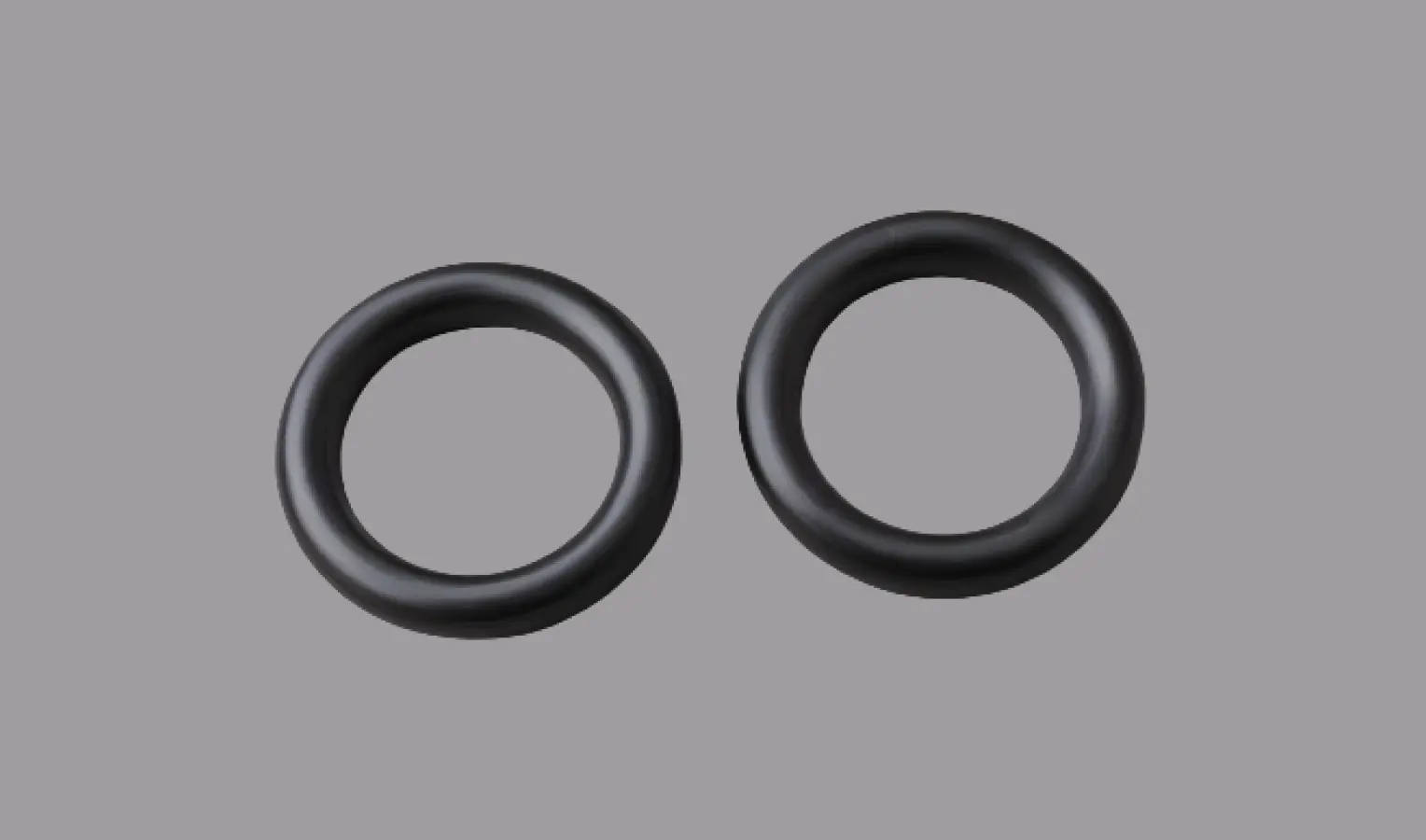
Engineering Insight: Precision Material Selection in Automotive Rubber Applications
Automotive rubber components operate under extreme and dynamic conditions that demand material science precision far beyond generic industrial standards. Off-the-shelf rubber solutions frequently fail in critical automotive systems due to inadequate customization for specific thermal, chemical, and mechanical stressors. These failures manifest as premature seal leakage, hose degradation, or suspension component fatigue—directly impacting vehicle safety, emissions compliance, and warranty costs. The automotive environment subjects rubber to simultaneous challenges: temperature excursions from -40°C to +150°C, exposure to aggressive fluids (brake fluid, biodiesel, transmission oil), ozone, and cyclic mechanical loads. Standard catalog compounds lack the tailored polymer architecture, filler reinforcement, and curing system optimization required to maintain performance integrity across this spectrum.
Material selection must address application-specific failure modes at the molecular level. For instance, a generic NBR compound may resist mineral oil but catastrophically swell when exposed to modern low-viscosity engine oils containing ester additives. Similarly, inadequate crosslink density control leads to excessive compression set in dynamic seals, while insufficient antioxidant packages accelerate thermal aging in under-hood components. Automotive OEMs require rubber formulations engineered with precise monomer ratios, specialized additives (e.g., hindered amine light stabilizers for UV resistance), and controlled vulcanization kinetics to achieve the necessary balance of elasticity, durability, and chemical inertness.
The table below contrasts critical performance parameters between generic industrial rubber and engineered automotive-grade compounds:
| Parameter | Generic Industrial NBR | Engineered Automotive HNBR/ACM | Test Standard |
|---|---|---|---|
| Temperature Range | -30°C to +120°C | -50°C to +160°C | ASTM D2000 |
| Brake Fluid Resistance | Swell >25% | Swell <8% | SAE J2044 |
| Compression Set (70h/150°C) | 45% | <20% | ASTM D395 |
| Ozone Resistance | Cracking at 50 pphm | No cracks at 200 pphm | ASTM D1149 |
These specifications reflect the non-negotiable performance thresholds mandated by OEM validation protocols. Generic materials often meet baseline physical properties but fail under real-world multiphysics stressors due to unoptimized polymer-filler interactions and insufficient aging resistance. For example, a standard EPDM radiator hose may pass initial pressure tests but delaminate after 10,000 km due to inadequate adhesion promoter systems in the compound.
At Suzhou Baoshida Trading Co., Ltd., we reject one-size-fits-all approaches. Our OEM partnerships begin with rigorous application mapping: analyzing fluid compatibility matrices, dynamic strain profiles, and lifetime acceleration models to formulate compounds with purpose-built molecular networks. This precision engineering prevents field failures by ensuring the rubber’s viscoelastic response aligns exactly with the component’s operational envelope. The cost of material customization is negligible against the financial and reputational damage of systemic part failures—proving that in automotive rubber, specification adherence is merely the entry ticket; true reliability demands scientific material innovation. Collaborative engineering from the design phase remains the only viable strategy for zero-defect automotive performance.
Material Specifications
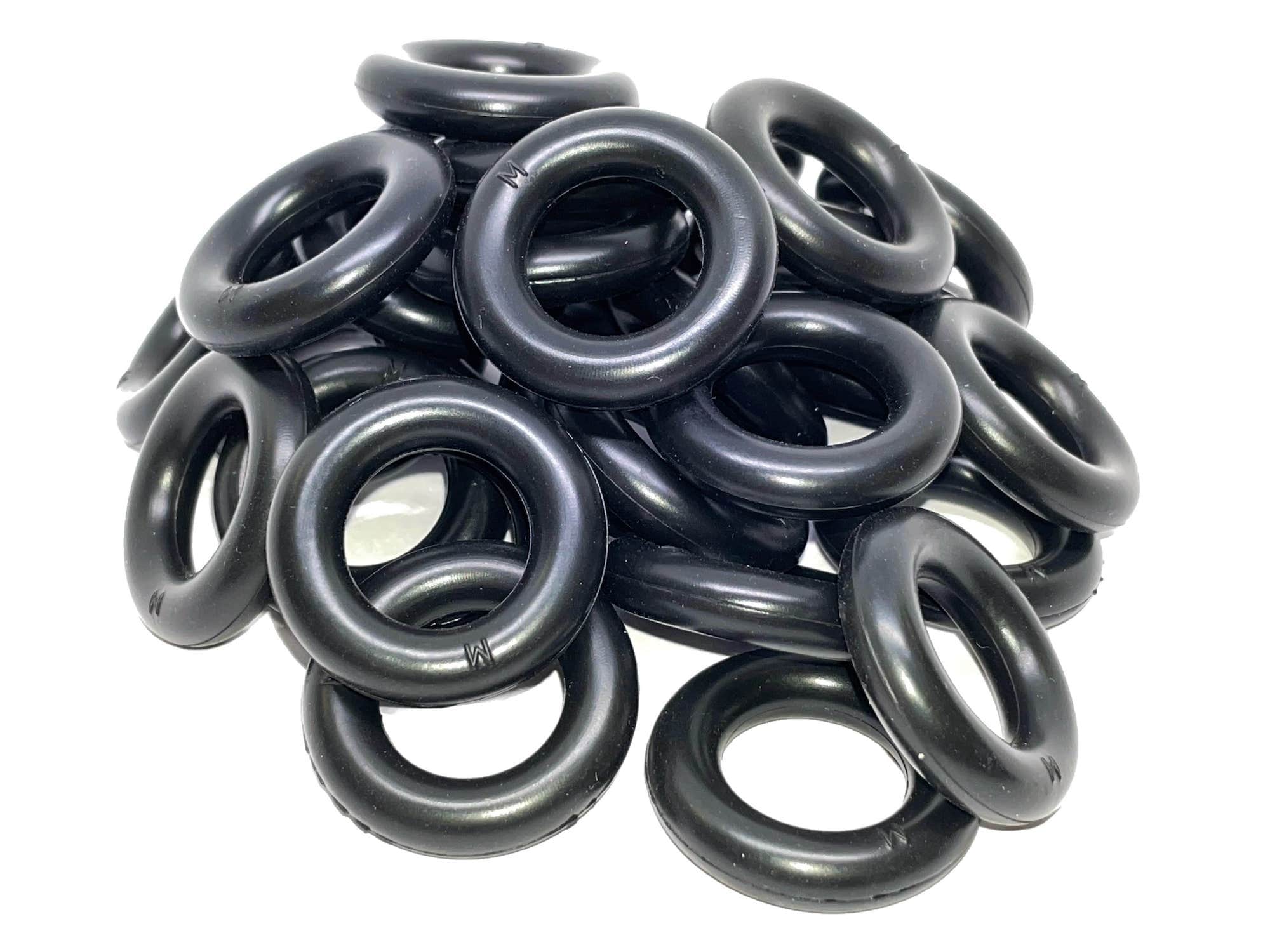
Suzhou Baoshida Trading Co., Ltd. provides high-performance industrial rubber solutions tailored for automotive and precision engineering applications. Our expertise in material science ensures optimal performance under extreme operational conditions. This section outlines the technical specifications of three core elastomers: Viton (FKM), Nitrile (NBR), and Silicone (VMQ), commonly used in automotive sealing, gasketing, and fluid handling systems.
Viton is a fluorocarbon-based rubber renowned for its exceptional resistance to high temperatures, oils, fuels, and chemical degradation. It maintains structural integrity in continuous service temperatures up to 230°C, with short-term exposure capability exceeding 300°C. Its low gas permeability and excellent aging characteristics make it ideal for demanding under-hood applications such as fuel system O-rings, valve stem seals, and turbocharger hoses. Viton also exhibits superior resistance to aromatic and chlorinated hydrocarbons, making it a preferred choice in modern fuel-injected engines.
Nitrile rubber, or acrylonitrile butadiene rubber (NBR), is one of the most widely used elastomers in the automotive industry due to its excellent balance of cost, mechanical strength, and resistance to petroleum-based fluids. With an operational temperature range of -30°C to +100°C (extendable to +120°C intermittently), NBR performs reliably in transmission seals, fuel hoses, and hydraulic systems. Its performance is directly influenced by acrylonitrile content—higher levels increase oil resistance but reduce low-temperature flexibility. While not suitable for ozone or weathering exposure without protective additives, NBR remains a cost-effective solution for dynamic and static sealing in oil-lubricated environments.
Silicone rubber (VMQ) offers outstanding thermal stability and low-temperature performance, operating effectively from -60°C to +200°C. It exhibits excellent resistance to ozone, UV radiation, and oxidation, making it ideal for exterior automotive components such as sensor seals, electrical insulation, and HVAC seals. While its mechanical strength and abrasion resistance are lower than Viton or NBR, silicone’s biocompatibility and electrical insulation properties support applications in automotive electronics and medical-grade fluid systems. It is not recommended for use with petroleum-based fuels or oils due to poor swelling resistance.
The following table compares key physical and chemical properties of these materials to assist in material selection for specific automotive applications.
| Property | Viton (FKM) | Nitrile (NBR) | Silicone (VMQ) |
|---|---|---|---|
| Temperature Range (°C) | -20 to +230 | -30 to +100 (+120 intermittent) | -60 to +200 |
| Tensile Strength (MPa) | 15–25 | 10–20 | 5–8 |
| Elongation at Break (%) | 200–300 | 200–500 | 200–700 |
| Hardness (Shore A) | 60–90 | 50–90 | 30–80 |
| Fuel Resistance | Excellent | Good to Excellent | Poor |
| Oil Resistance | Excellent | Excellent | Poor |
| Ozone/Weathering Resistance | Excellent | Fair (without additives) | Excellent |
| Compression Set Resistance | Excellent | Good | Good |
| Electrical Insulation | Good | Fair | Excellent |
| Common Automotive Uses | Fuel injectors, valve seals, turbo hoses | Transmission seals, fuel hoses, O-rings | Sensor seals, gaskets, electrical boots |
Selecting the appropriate rubber material requires a comprehensive understanding of operational environment, chemical exposure, temperature profile, and mechanical demands. Suzhou Baoshida Trading Co., Ltd. supports OEMs and Tier-1 suppliers with material testing, formulation customization, and compliance documentation to ensure long-term reliability in automotive systems.
Manufacturing Capabilities
Engineering Capability: Precision Rubber Solutions for Automotive Applications
At Suzhou Baoshida Trading Co., Ltd., our engineering framework integrates molecular science with industrial pragmatism to deliver mission-critical rubber components for the global automotive sector. With a dedicated team of five advanced mold engineers and two specialized formula engineers, we bridge material innovation and manufacturing execution. This dual-expertise structure ensures every compound formulation aligns precisely with mold dynamics, eliminating common production bottlenecks such as flash defects, incomplete curing, or dimensional instability. Our formula engineers develop custom elastomer systems—optimizing for compression set, fluid resistance, and low-temperature flexibility—while mold engineers translate these specifications into tooling designs that maximize yield and repeatability. This synergy reduces prototyping cycles by 30% and accelerates time-to-market for complex automotive seals, bushings, and vibration dampeners.
Our OEM capabilities extend beyond standard manufacturing to become a strategic extension of your R&D pipeline. We manage end-to-end development from CAD-based concept validation through PPAP documentation, adhering strictly to IATF 16949 protocols. Each project undergoes rigorous DOE-driven validation, where material formulations are stress-tested against real-world variables: fuel exposure at 150°C, dynamic fatigue cycles exceeding 500,000 strokes, and ozone resistance per ASTM D1149. Crucially, we maintain full IP confidentiality for client-specific compounds, with secure digital traceability from raw material lot to finished part. This allows seamless integration into tier-1 supply chains while meeting OEM-specific material specifications like Ford WSK-M4D128, GM 6297M, or Toyota TSH1300G.
The table below quantifies our core technical parameters for automotive rubber components:
| Parameter | Capability Range | Industry Standard Compliance |
|---|---|---|
| Material Durometer Range | 30–90 Shore A | ASTM D2240 |
| Dimensional Tolerance | ±0.1 mm (critical features) | ISO 2768-m |
| Compression Set (70h/100°C) | ≤15% | ASTM D395 Method B |
| Fluid Resistance | Compatible with ATF, brake fluid, EV coolant | SAE J200 Type AB/AC |
| Mold Complexity | Up to 32-cavity, multi-plate hot runners | ISO 13006 |
| Production Capacity | 500k–2M units/month per mold | IATF 16949 VDA 6.3 |
This precision-engineered approach ensures components withstand extreme under-hood environments while meeting stringent automotive lifecycle demands. Our formula engineers continuously refine polymer architectures—incorporating silica-reinforced EPDM for electric vehicle battery gaskets or hydrogenated nitrile for turbocharger hoses—to address emerging industry challenges. Combined with mold engineers’ expertise in flow simulation and thermal management, we achieve first-pass yield rates exceeding 98.5%. For OEMs, this translates to reduced scrap costs, accelerated validation, and components that perform reliably across 150,000+ mile service intervals. Partner with Baoshida to convert material science into measurable production advantage.
Customization Process
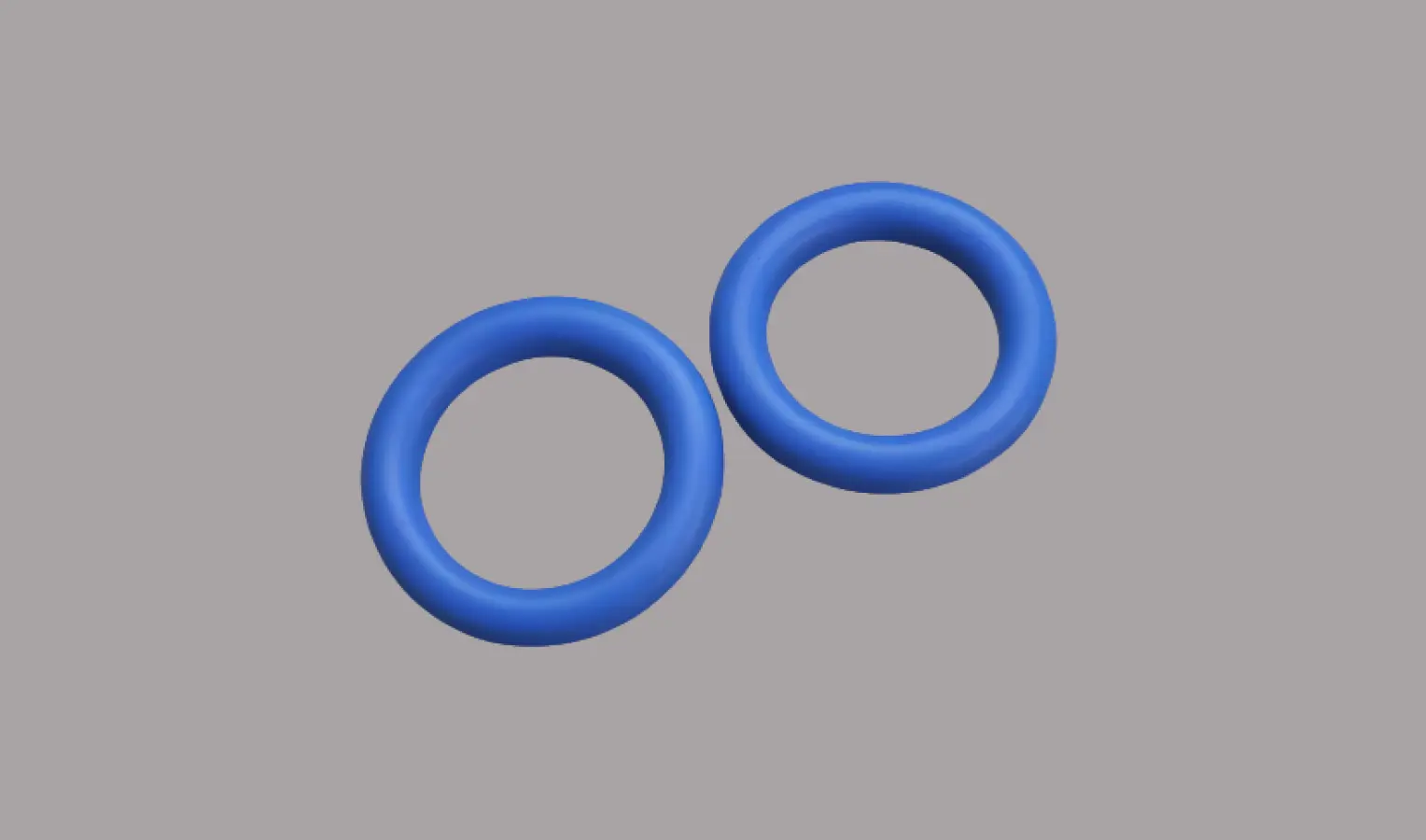
Customization Process for Auto Rubber Components at Suzhou Baoshida Trading Co., Ltd.
At Suzhou Baoshida Trading Co., Ltd., our approach to custom auto rubber manufacturing is rooted in precision engineering and material science. We follow a structured four-phase process—Drawing Analysis, Formulation, Prototyping, and Mass Production—ensuring every component meets exact OEM and performance requirements.
The process begins with Drawing Analysis, where our engineering team evaluates technical blueprints provided by the client. This includes dimensional tolerances, cross-sectional profiles, hardness specifications, and environmental operating conditions such as temperature range, fluid exposure, and mechanical stress. We verify compliance with international standards including ISO 3302 for dimensional accuracy and ISO 2768 for general tolerances. Any discrepancies or optimization opportunities are flagged and discussed with the client prior to proceeding.
Following drawing validation, we initiate the Formulation stage. Our rubber chemists select the optimal elastomer base—such as NBR, EPDM, FKM, or silicone—based on the application’s chemical resistance, thermal stability, and mechanical demands. Additives including reinforcing fillers, vulcanizing agents, anti-oxidants, and processing aids are precisely compounded to achieve target physical properties. Each formulation is recorded in our proprietary database for traceability and repeatability.
Once the compound is finalized, we move into Prototyping. Utilizing precision molds and state-of-the-art compression, transfer, or injection molding equipment, we produce small-batch samples. These prototypes undergo rigorous testing, including tensile strength, elongation at break, compression set (per ASTM D395), hardness (Shore A), and fluid resistance. Dimensional inspection is performed using coordinate measuring machines (CMM) to ensure conformity with the original drawings.
Upon client approval of the prototype, we transition to Mass Production. Our facility operates under ISO 9001-certified quality management systems, enabling consistent output at scale. Real-time process monitoring, statistical process control (SPC), and batch traceability ensure every part meets the same standard as the approved sample. We support production runs from tens of thousands to millions of units, with flexible scheduling to meet just-in-time delivery requirements.
Throughout the entire process, Suzhou Baoshida maintains direct communication with clients, providing technical documentation, material test reports (MTRs), and production updates to ensure transparency and alignment.
| Property | Test Standard | Typical Range (Example: NBR Compound) |
|---|---|---|
| Hardness (Shore A) | ASTM D2240 | 60–80 |
| Tensile Strength | ASTM D412 | ≥12 MPa |
| Elongation at Break | ASTM D412 | ≥250% |
| Compression Set (70h at 100°C) | ASTM D395 | ≤25% |
| Operating Temperature | — | -30°C to +120°C |
| Fluid Resistance | ASTM D471 | Excellent in oils and fuels |
This systematic customization workflow enables Suzhou Baoshida to deliver high-performance rubber solutions tailored to the demanding requirements of the automotive industry.
Contact Engineering Team
Contact Suzhou Baoshida for Precision Automotive Rubber Solutions
The automotive sector demands rubber components that withstand extreme thermal cycles, aggressive fluids, and relentless mechanical stress without compromise. Generic elastomer formulations fail under these conditions, leading to premature seal degradation, vibration damping inefficiencies, and costly field failures. Suzhou Baoshida Trading Co., Ltd. specializes in engineered rubber compounds where molecular architecture meets rigorous OEM specifications. Our technical team, led by Rubber Formula Engineers with 15+ years in automotive applications, develops bespoke solutions that ensure dynamic sealing integrity, longevity, and performance consistency across powertrain, chassis, and fluid handling systems. We operate at the intersection of material science and manufacturing precision, providing not just materials but validated engineering support for your most demanding applications.
Our commitment to quality is embedded in every stage of production. From raw material traceability through ISO/TS 16949-certified manufacturing processes to final component validation, we eliminate variability. This ensures your gaskets, mounts, hoses, and seals perform identically in batch 1 and batch 10,000. Below is a representative comparison of standard automotive rubber formulations we optimize for specific client requirements:
| Material Type | Temperature Range (°C) | Fluid Resistance (Typical) | Key Automotive Applications | Compression Set (ASTM D395, 70h @ 100°C) |
|---|---|---|---|---|
| Hydrogenated Nitrile (HNBR) | -40 to +150 | Excellent (Oils, Fuels, Coolants) | Timing Belts, Fuel System Seals | ≤ 25% |
| Fluorocarbon (FKM) | -20 to +230 | Exceptional (Synthetic Oils, Brake Fluids) | Turbocharger Hoses, EV Battery Seals | ≤ 15% |
| Ethylene Propylene (EPDM) | -50 to +135 | Superior (Brake Fluids, Water/Glycol) | Radiator Hoses, Weather Seals | ≤ 30% |
| Custom Silicone Blends | -60 to +200 | Good (Water, Ozone) | LED Headlamp Seals, Sensor Gaskets | ≤ 20% |
Partnering with Suzhou Baoshida means accessing deep technical expertise in polymer chemistry, accelerated life testing protocols, and rapid prototyping capabilities. We collaborate directly with your engineering teams to refine formulations for specific torque retention, compression force deflection (CFD), or low-temperature flexibility targets. Our OEM management process ensures seamless integration into your supply chain, with JIT delivery and real-time quality data sharing. Do not settle for off-the-shelf compounds that increase warranty liabilities.
Initiate Your Technical Collaboration Today
Resolve your critical sealing or damping challenges with Suzhou Baoshida’s engineered rubber solutions. Contact Mr. Boyce, our dedicated OEM Manager and Rubber Formula Engineer, for a confidential technical assessment of your application requirements. Mr. Boyce will coordinate material selection, prototype development, and validation testing tailored to your performance criteria and production timeline. Provide your component drawings, environmental specifications, and failure mode history for a targeted solution proposal within 72 hours.
Reach Mr. Boyce directly at [email protected]. Include your company name, target application, and key performance hurdles in your initial correspondence. Our engineering team stands ready to transform your material challenges into validated, production-ready rubber components. Partner with precision. Partner with Suzhou Baoshida.
⚖️ O-Ring Weight Calculator
Estimate rubber O-ring weight (Approx).