
Technical Contents
Engineering Guide: Auto Window Channel
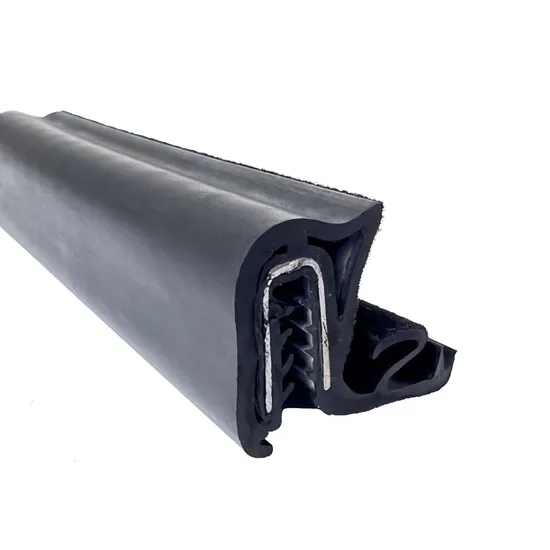
Material Selection in Auto Window Channel Engineering: A Precision Imperative
In the design and manufacturing of auto window channels, material selection is not a matter of cost optimization alone—it is a foundational engineering decision that directly impacts performance, durability, and long-term reliability. At Suzhou Baoshida Trading Co., Ltd., we emphasize that off-the-shelf rubber solutions frequently fail in automotive applications due to their generic formulations, which lack the tailored response required for dynamic sealing, environmental resistance, and mechanical stability.
Auto window channels operate under complex mechanical and environmental stressors. They must maintain consistent sealing integrity across temperature extremes from -40°C to +120°C, resist prolonged UV exposure, and endure repeated compression and shear forces during window actuation. Standard EPDM or SBR compounds, often used in generic profiles, degrade prematurely under these conditions. They exhibit reduced elasticity over time, leading to increased friction, window binding, and eventual seal failure. Moreover, poor resistance to ozone and automotive fluids accelerates cracking and hardening, compromising both function and safety.
The critical differentiator lies in compound formulation. High-performance auto window channels require specialty elastomers engineered for precise durometer, tensile strength, and elongation at break. For example, dynamically vulcanized blends such as TPV (Thermoplastic Vulcanizate) offer superior balance between flexibility and resilience, outperforming conventional rubber in fatigue resistance. Similarly, silicone-modified EPDM formulations enhance UV and thermal stability without sacrificing compression set performance.
Another overlooked factor is compatibility with adjacent materials. Many failures stem from adhesive delamination between the rubber seal and the embedded metal stiffener or fabric reinforcement. This occurs when the adhesive system is not chemically matched to the base polymer. Custom compounding ensures optimal adhesion through co-vulcanization or primed bonding layers, significantly extending service life.
Furthermore, dimensional stability under cyclic loading is paramount. Off-the-shelf profiles often exhibit creep or permanent deformation after thousands of window cycles. Precision-engineered compounds mitigate this through controlled crosslink density and filler dispersion, maintaining profile geometry and sealing pressure over time.
At Suzhou Baoshida, we integrate material science with application-specific testing to deliver window channel solutions that exceed OEM durability benchmarks. Our formulations are validated through accelerated aging, weathering, and cycle testing to simulate real-world conditions over 10+ years of service.
The following table summarizes key material performance characteristics for high-grade auto window channel applications:
| Property | Test Standard | Target Value | Significance |
|---|---|---|---|
| Hardness (Shore A) | ASTM D2240 | 60–70 | Ensures proper sealing force without excessive friction |
| Tensile Strength | ASTM D412 | ≥12 MPa | Resists tearing during installation and operation |
| Elongation at Break | ASTM D412 | ≥300% | Accommodates dynamic deformation without fracture |
| Compression Set (70h, 100°C) | ASTM D395 | ≤25% | Maintains sealing pressure over time |
| Heat Aging (70h, 100°C) | ASTM D573 | Max 20% tensile loss | Prevents embrittlement in high-temp zones |
| Ozone Resistance (50 pphm, 40°C) | ASTM D1149 | No cracking (100h) | Critical for exterior-exposed profiles |
Material selection is not a commodity decision—it is a precision engineering requirement. Generic rubber profiles fail because they are not designed for the multifaceted demands of automotive glazing systems. The solution lies in application-specific formulation, rigorous testing, and deep material expertise—hallmarks of Suzhou Baoshida’s industrial rubber solutions.
Material Specifications
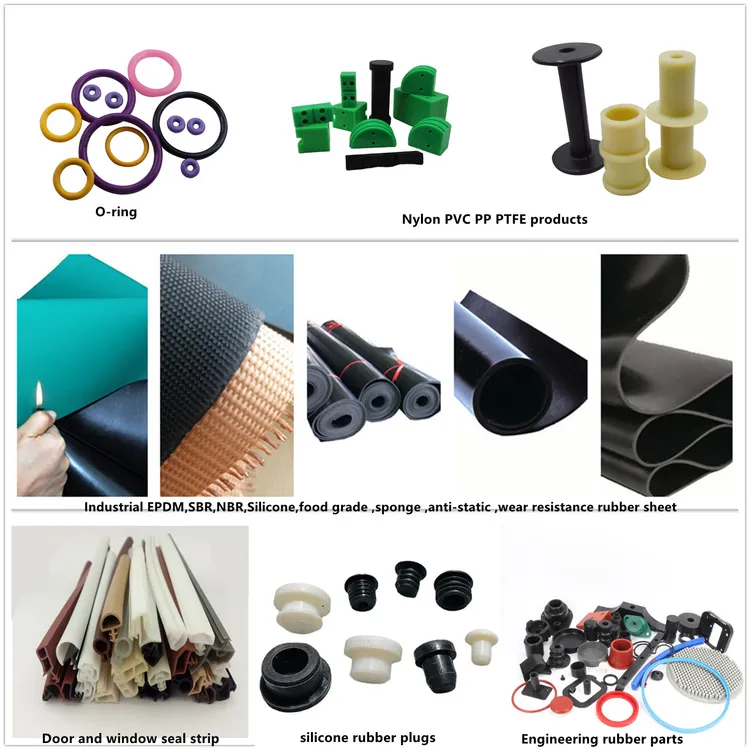
Material Specifications for Automotive Window Channel Seals
Selecting the optimal elastomer for auto window channel seals requires rigorous evaluation of thermal stability, fluid resistance, and mechanical performance under dynamic stress. At Suzhou Baoshida Trading Co., Ltd., our engineered compounds adhere strictly to ASTM D2000 and ISO 37 standards, ensuring seamless integration with OEM assembly lines and long-term operational integrity. Each material variant addresses specific environmental and functional demands inherent in modern vehicle architectures.
Viton fluorocarbon rubber (FKM) delivers unparalleled resistance to extreme temperatures ranging from -20°C to 230°C, making it indispensable for seals exposed to engine bay proximity or high-solar-load zones. Its molecular structure provides exceptional stability against ozone, UV degradation, and automotive fluids including synthetic oils, brake fluids, and fuels. Tensile strength averages 15-20 MPa with elongation at break of 150-250%, though its higher compression set (25-35% per ASTM D395) necessitates precise dimensional calibration during extrusion. Viton’s superiority in high-heat applications justifies its use in premium and performance-oriented vehicle segments despite elevated raw material costs.
Nitrile butadiene rubber (NBR) remains the industry benchmark for cost-sensitive applications requiring robust fuel and oil resistance. Operating effectively between -40°C and 125°C, NBR exhibits tensile strength of 10-18 MPa and elongation of 200-400%. Its low compression set (15-25%) ensures consistent sealing force retention over 10,000+ window cycles. Standard grades withstand petroleum-based fluids but degrade under prolonged ozone exposure; hydrogenated NBR (HNBR) variants extend service life in harsher environments. NBR’s processability at 150-170°C extrusion temperatures supports high-volume manufacturing efficiency.
Silicone rubber (VMQ) excels in ultra-low-temperature flexibility down to -60°C and thermal resilience up to 200°C. With tensile strength of 6-10 MPa and elongation exceeding 400%, it accommodates significant panel misalignment during assembly. However, its moderate tear strength (15-25 kN/m) and susceptibility to compression set (20-30%) in dynamic applications require careful profile design. Silicone’s inertness and non-staining properties are critical for visible trim components, though fluid resistance limitations restrict use to non-exposed channels.
The following comparative analysis distills critical performance parameters for informed material selection:
| Property | Viton (FKM) | Nitrile (NBR) | Silicone (VMQ) |
|---|---|---|---|
| Temperature Range (°C) | -20 to 230 | -40 to 125 | -60 to 200 |
| Tensile Strength (MPa) | 15-20 | 10-18 | 6-10 |
| Elongation at Break (%) | 150-250 | 200-400 | 400-600 |
| Compression Set (%)* | 25-35 | 15-25 | 20-30 |
| Fuel/Oil Resistance | Excellent | Very Good | Poor |
| Ozone Resistance | Excellent | Poor | Excellent |
| Key Applications | High-heat zones | Standard door seals | Cold-climate trim |
*ASTM D395, 22h @ 150°C for FKM, 70h @ 100°C for NBR/VMQ
Material choice directly impacts warranty performance and end-user satisfaction. Suzhou Baoshida Trading Co., Ltd. collaborates with OEMs to validate compound formulations against vehicle-specific durability protocols, ensuring window channels maintain sealing integrity across 150,000 km service life cycles while meeting stringent VOC and acoustic requirements. Our technical team provides extrusion optimization support to mitigate material-specific processing challenges.
Manufacturing Capabilities

Engineering Excellence in Auto Window Channel Production
At Suzhou Baoshida Trading Co., Ltd., our engineering capabilities form the backbone of our industrial rubber solutions, particularly in the precision manufacturing of auto window channels. With a dedicated team comprising five specialized mould engineers and two advanced rubber formula engineers, we integrate material science with precision tooling to deliver OEM-grade performance, durability, and dimensional accuracy.
Our mould engineering team brings extensive experience in designing complex, high-tolerance moulds tailored specifically for auto window channel profiles. Each engineer follows a structured development workflow that includes 3D CAD modeling, finite element analysis (FEA) for stress simulation, and rapid prototyping using CNC machining. This ensures optimal flow dynamics during extrusion or injection, minimizes material waste, and supports consistent cycle times in mass production. The team routinely collaborates with global automotive suppliers to reverse-engineer legacy parts and develop next-generation sealing solutions compliant with OEM blueprints and GD&T standards.
Complementing our mould expertise, our two in-house rubber formula engineers specialize in elastomer chemistry, focusing on EPDM, TPE, and silicone compounds optimized for weather resistance, compression set performance, and low-temperature flexibility. These engineers develop custom formulations that meet stringent automotive requirements, including UV stability, ozone resistance, and long-term sealing integrity under dynamic mechanical stress. By controlling the formulation process internally, we eliminate dependency on third-party compounders, ensuring full traceability, batch consistency, and faster time-to-market for new product introductions.
Our OEM capabilities are built on a foundation of vertical integration and technical ownership. From concept validation to tooling, compound development, and final product testing, we manage every stage in-house. This enables us to support Tier 1 and Tier 2 automotive suppliers with confidential, brand-aligned manufacturing under strict IP protection. We are equipped to produce auto window channels in both low-volume custom runs and high-volume automated lines, with full compliance to IATF 16949 quality standards.
The following table outlines key technical specifications achievable through our engineering platform:
| Parameter | Capability | Test Standard |
|---|---|---|
| Material Types | EPDM, TPE, Silicone, CR | ASTM D1418 |
| Hardness Range (Shore A) | 40–90 ±5 | ASTM D2240 |
| Operating Temperature | -40°C to +150°C | ISO 188 |
| Tensile Strength | ≥8 MPa | ASTM D412 |
| Elongation at Break | ≥250% | ASTM D412 |
| Compression Set (22h, 70°C) | ≤25% | ASTM D395 |
| Mould Tolerance | ±0.1 mm | ISO 2768 |
| Production Lead Time (Mould) | 25–35 days | Internal Benchmark |
Through a fusion of advanced rubber formulation and precision mould engineering, Suzhou Baoshida delivers auto window channel solutions that meet the evolving demands of modern automotive design—ensuring longevity, sealing efficiency, and seamless integration into vehicle assembly lines worldwide.
Customization Process
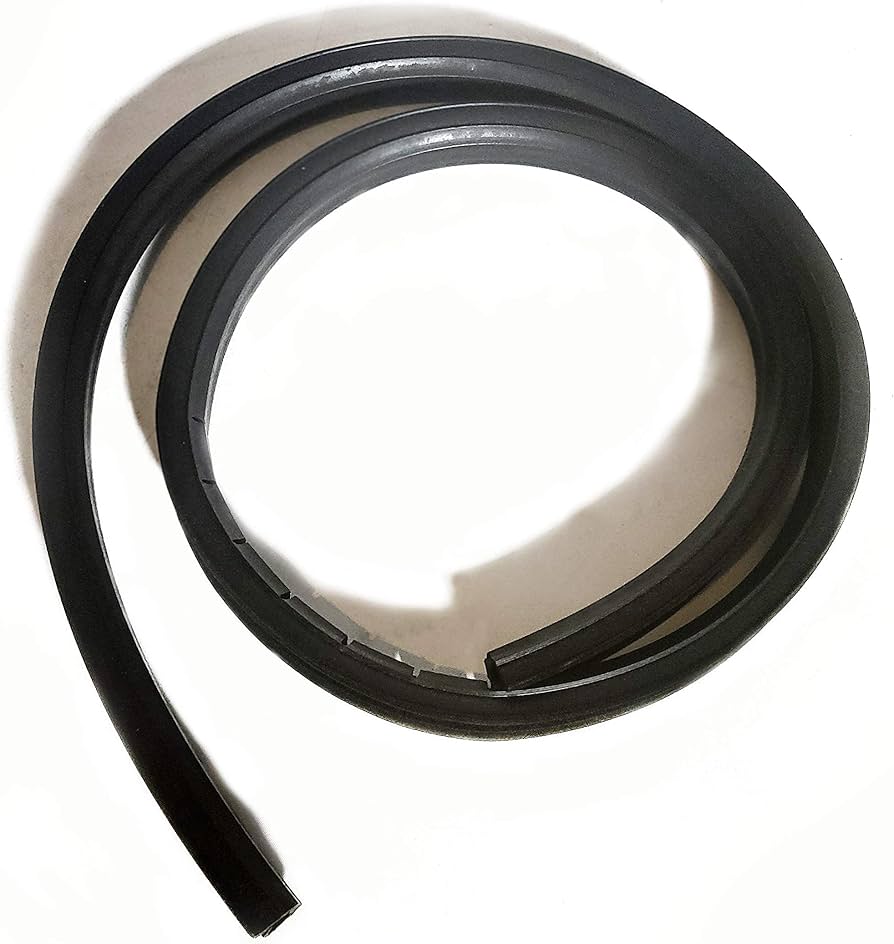
Customization Process for Automotive Window Channel Manufacturing
At Suzhou Baoshida Trading Co., Ltd., precision in rubber formulation and process control defines our OEM partnership approach for automotive window channels. Our four-phase customization protocol ensures seamless integration of material science with manufacturing scalability, directly addressing OEM performance and durability mandates.
Drawing Analysis
Initial technical validation begins with rigorous 2D/3D CAD review against OEM specifications. We dissect critical dimensions including groove tolerances (±0.15 mm), sealing lip geometry, and mounting interface angles. Finite element analysis (FEA) simulates compression behavior under dynamic window movement, identifying stress concentration zones. Material thickness distribution is cross-referenced with SAE J2236 standards to prevent premature fatigue. This phase concludes with a formal deviation report, resolving ambiguities in sealing force requirements or environmental exposure parameters before material development commences.
Formulation Development
Based on validated drawings, our rubber chemists engineer compound formulations prioritizing weathering resistance and low-temperature flexibility. EPDM remains the baseline polymer due to its ozone resistance and thermal stability, but precise co-agent ratios are adjusted for target Shore A hardness (65–80 range). Key additives include nano-silica for tear strength enhancement and proprietary UV stabilizers to meet 10,000-hour QUV-A exposure requirements. All formulations undergo accelerated aging tests per ASTM D2240 and ISO 188, with dynamic mechanical analysis (DMA) confirming glass transition temperature (Tg) below -50°C for Arctic climate performance.
Prototyping & Validation
Pre-production tooling fabricates 50–100 units for OEM validation. Channels undergo cyclic testing on window regulator rigs (50,000+ cycles) measuring insertion force decay and water ingress resistance per ISO 10675-1. Critical performance metrics are tabulated below:
| Specification | Test Standard | Target Value |
|---|---|---|
| Shore A Hardness | ASTM D2240 | 70 ± 3 |
| Tensile Strength | ASTM D412 | ≥ 12 MPa |
| Compression Set (70°C) | ASTM D395 | ≤ 25% after 22h |
| Low-Temp Flexibility | ISO 1432 | Pass at -40°C |
OEM feedback triggers iterative adjustments, with material re-formulation completed within 15 working days.
Mass Production Transition
Upon prototype approval, we implement automated extrusion lines with real-time laser micrometry for dimensional control. Each production batch undergoes 100% visual inspection via AI vision systems and random sampling for physical property verification. Statistical process control (SPC) monitors key variables like cure time and compound viscosity, maintaining CpK ≥ 1.67. Suzhou Baoshida’s traceability system logs raw material lot numbers through final packaging, ensuring full compliance with IATF 16949 requirements. This structured workflow guarantees zero-defect delivery while accommodating volume scalability from 50,000 to 2 million units annually.
Our engineered approach transforms OEM drawings into field-proven rubber components, where material science and process discipline converge to eliminate warranty risks in automotive sealing systems.
Contact Engineering Team
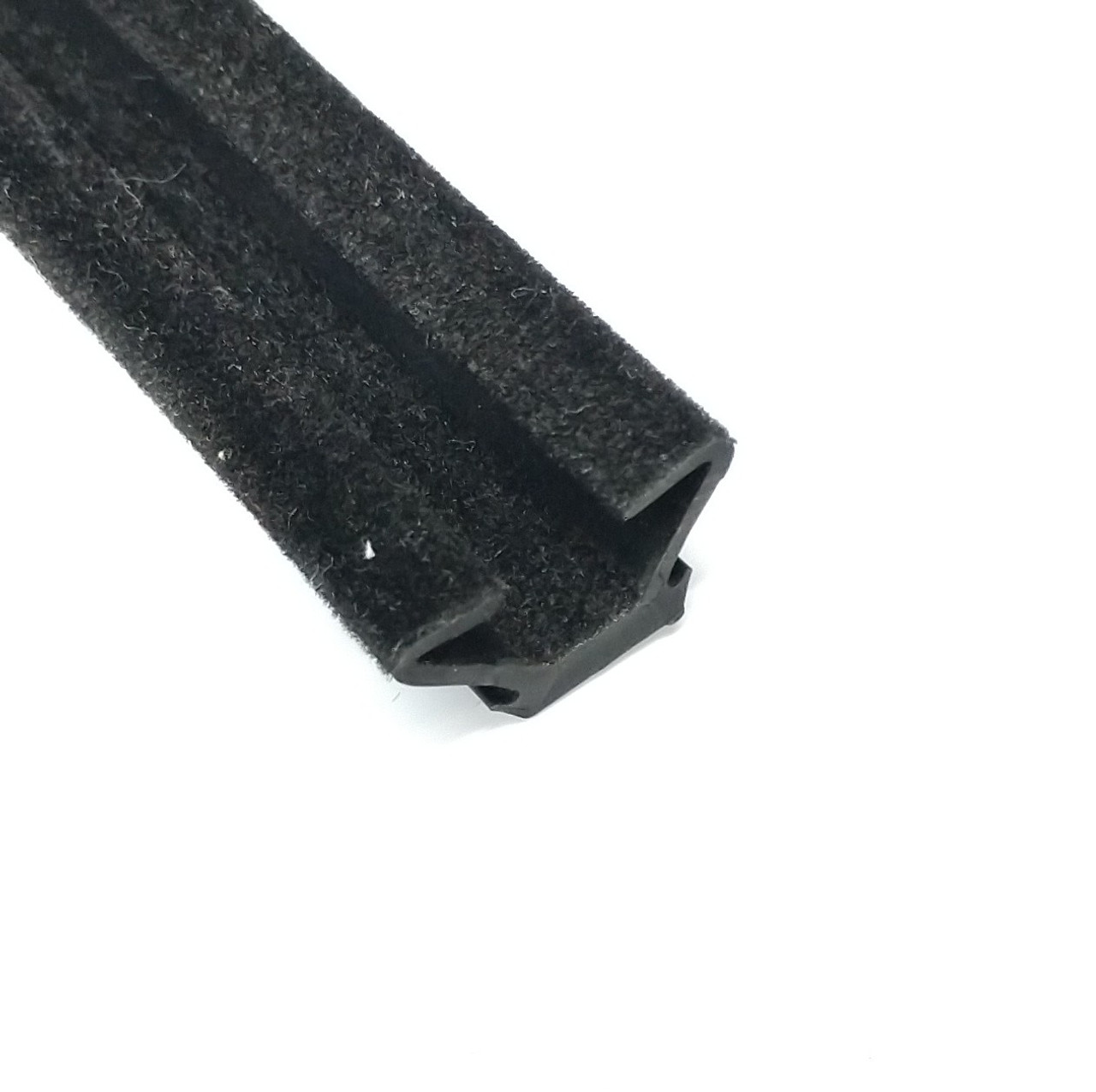
Contact Suzhou Baoshida for Precision Auto Window Channel Solutions
When sourcing high-performance rubber components for automotive applications, precision, durability, and material consistency are non-negotiable. At Suzhou Baoshida Trading Co., Ltd., we specialize in engineered industrial rubber solutions, with a focused expertise in auto window channel extrusions tailored to OEM and Tier-1 supplier requirements. Our manufacturing partners utilize advanced EPDM and TPE compounding technologies, ensuring weather resistance, dimensional stability, and long-term sealing performance under dynamic conditions. Whether you are developing new vehicle models or optimizing existing assembly lines, our team provides custom formulation, tight-tolerance extrusion, and rigorous quality control to meet global automotive standards.
Our auto window channels are designed for optimal fitment across glass run channels, door seals, sunroofs, and quarter window systems. Each profile is engineered to balance compression set resistance, UV stability, and low-temperature flexibility—critical factors in maintaining sealing integrity across diverse climatic conditions. We support clients with full DFM (Design for Manufacturing) reviews, material data submittals, and PPAP documentation, ensuring seamless integration into your production workflow.
To ensure your project receives the technical attention it demands, we recommend direct engagement with Mr. Boyce, our dedicated OEM Manager and Rubber Formula Engineer. Mr. Boyce oversees material development, application engineering, and client technical onboarding, bringing over 12 years of experience in automotive elastomer systems. He is your primary point of contact for custom compound design, performance validation, and volume production planning.
For new inquiries, technical specifications, or sample requests, please reach out directly via email at [email protected]. We respond to all technical inquiries within 4 business hours and can provide initial material recommendations, lead times, and compliance documentation upon request. Our team supports English and Mandarin communications and coordinates closely with manufacturing units in Jiangsu and Shandong provinces to ensure supply chain agility.
Below are key technical specifications representative of our standard auto window channel offerings. Custom profiles and formulations are available upon request.
| Property | Test Method | Typical Value |
|---|---|---|
| Material Type | ASTM D1418 | EPDM, Black |
| Hardness (Shore A) | ASTM D2240 | 60 ± 5 |
| Tensile Strength | ASTM D412 | ≥ 9.0 MPa |
| Elongation at Break | ASTM D412 | ≥ 350% |
| Compression Set (22h, 100°C) | ASTM D395B | ≤ 25% |
| Temperature Range | — | -40°C to +135°C |
| UV Resistance | SAE J2527 | Pass |
| Ozone Resistance | ASTM D1149 | Pass (No Cracking) |
| Density | ASTM D297 | 1.25 ± 0.05 g/cm³ |
Partner with Suzhou Baoshida to secure a reliable, technically driven supplier for your auto window channel needs. Initiate your project consultation today by contacting Mr. Boyce at [email protected].
⚖️ O-Ring Weight Calculator
Estimate rubber O-ring weight (Approx).