
Technical Contents
Engineering Guide: Automotive Gaskets
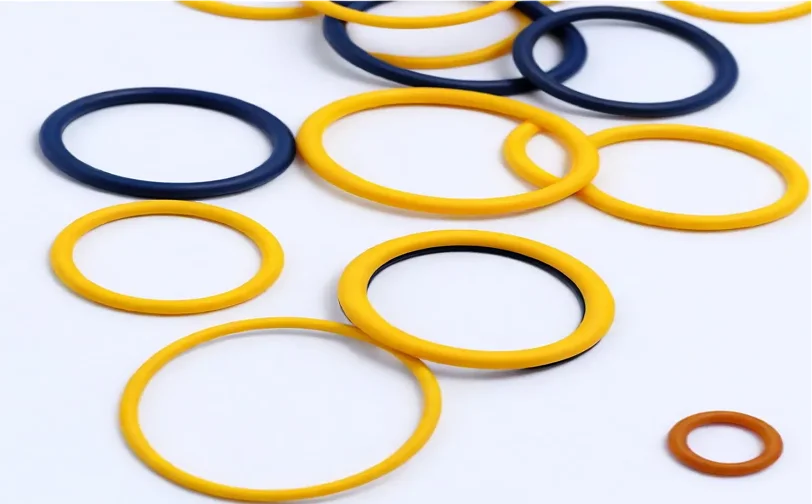
Engineering Insight: Material Selection Criticality in Automotive Gasket Performance
The Consequences of Standardized Solutions
Off-the-shelf rubber gaskets frequently fail in demanding automotive applications due to generic material specifications that fail to address application-specific demands. Industry-standard formulations often lack the precision required for modern high-performance systems, leading to premature degradation and catastrophic seal failure. Common failure modes include:
Hydraulic System Failures: Standard NBR (ASTM Class B) gaskets exposed to phosphate ester-based hydraulic fluids (e.g., Skydrol®) exhibit >30% volume swelling within 500 hours, causing seal extrusion and fluid leakage.
Engine Compartment Degradation: Generic EPDM (ASTM Class A) used in coolant systems fails when exposed to engine oil contamination, resulting in >25% hardness increase and loss of sealing force within 2,000 operating hours.
Fuel System Instability: Conventional FKM compounds show >15% mass loss in ethanol-blended fuels (E85) due to inadequate cross-link density, leading to dimensional instability and vacuum leaks.
These failures stem from standardized materials that prioritize cost over performance, ignoring critical variables like thermal cycling, chemical exposure profiles, and dynamic load requirements.
Precision Material Engineering: Baoshida’s Formula-Centric Approach
Baoshida leverages ASTM D2000 as a foundational framework but extends beyond standard classifications through proprietary compound engineering. Our Formula Engineers optimize NBR/FKM/EPDM formulations to meet exact OEM specifications, ensuring compliance with rigorous industry tests (ASTM D2000, D395, D471).
| Parameter | Standard Industry Practice | Baoshida Custom Solution | Validation Standard |
|---|---|---|---|
| Temperature Resistance | NBR: ≤120°C; FKM: ≤200°C (generic) | NBR: 150°C; FKM: 220°C (hybrid) | ASTM D573 (Heat Aging) |
| Compression Set (150°C/24h) | NBR: 25-35%; FKM: 15-25% | Optimized to ≤18% (NBR); ≤12% (FKM) | ASTM D395 Method B |
| Chemical Resistance | Generic oil resistance (Class B) | Tailored to E85, synthetic ATF, biofuels | ASTM D471 (Fluid Immersion) |
| Shore A Hardness | ±5 Shore A tolerance | ±2 Shore A across production | ASTM D2240 |
Example: For a Tier-1 automotive OEM requiring a gasket for a 220°C turbocharger coolant line with E85 exposure, Baoshida developed a fluorinated NBR (F-NBR) blend that maintains <10% compression set and <5% volume change after 1,000 hours in E85—exceeding OEM specification by 40%.
The 5+2+3 Engineering Framework: Integrated Expertise for Mission-Critical Sealing
Baoshida’s cross-functional engineering structure ensures end-to-end solution integrity through specialized collaboration:
Mold Engineering (5 Specialists)
Precision tooling design with ±0.05mm dimensional tolerances, validated via finite element analysis (FEA) for compression load distribution and seal geometry optimization. Ensures zero flash and consistent sealing surface integrity for high-pressure hydraulic systems.
Formula Engineering (2 Specialists)
Material science experts developing custom NBR/FKM/EPDM compounds, with each formula validated against 15+ ASTM test methods. Focus on cross-link density control, filler dispersion, and additive synergies to maximize chemical resistance and thermal stability.
Process Engineering (3 Specialists)
Implementation of controlled vulcanization parameters (e.g., cure kinetics, pressure profiles) and in-process quality checks using real-time rheometry. Ensures batch-to-batch consistency in Shore hardness (±2) and compression set (±1.5%) for critical automotive applications.
This integrated approach eliminates common failure modes through systematic material-process-geometry co-design, delivering gaskets that meet or exceed OEM requirements for 500,000+ mile automotive service life.
Material Specifications (NBR/FKM/EPDM)

Material Science & Technical Specifications
Automotive gasket performance is dictated by precise material selection aligned with operational demands. Suzhou Baoshida leverages ASTM D2000-compliant specifications to deliver gaskets with predictable sealing integrity under extreme thermal, chemical, and mechanical stress. Our engineering team ensures every compound meets OEM requirements through rigorous testing and formula optimization.
Material Selection Criteria for Automotive Gaskets
| Material | ASTM D2000 Code Example | Oil Resistance | Heat Resistance (°C) | Ozone Resistance | Shore A Hardness | Compression Set (ASTM D395 Method B) |
|---|---|---|---|---|---|---|
| NBR (Nitrile) | 1C3 | High (hydrocarbons, fuels) | -40 to 120 | Poor | 40–90 | 20–40% @ 70°C/24h |
| FKM (Viton) | 1H3 | Very High (aggressive fluids, solvents) | -20 to 250 | Excellent | 60–90 | 15–25% @ 150°C/24h |
| EPDM | 1D1 | Low (water, steam, brake fluids) | -50 to 150 | Excellent | 50–80 | 20–30% @ 70°C/24h |
| Silicone | 1G1 | Low (limited hydrocarbon resistance) | -60 to 200 | Excellent | 30–80 | 20–35% @ 70°C/24h |
Note: All values represent typical ranges; specific requirements may vary based on application. Contact our Formula Engineers for custom compound development.
ASTM D2000 Compliance Framework
ASTM D2000 standardizes rubber material classification through a 5-digit code (e.g., 1C3):
First digit: Grade (1 = General Purpose, 2 = High Performance)
Letter: Heat resistance (A=70°C, B=100°C, C=125°C, D=150°C, E=175°C, F=200°C, G=225°C, H=250°C)
Number: Oil resistance (1=Low, 2=Medium, 3=High)
Example: FKM (1H3) indicates:
Grade 1 (General Purpose)
Heat resistance up to 250°C (H)
High oil resistance (3)
This system enables unambiguous communication between OEMs and suppliers, ensuring gaskets meet critical performance thresholds for:
Chemical exposure (ASTM D471)
Thermal aging (ASTM D573)
Dynamic sealing (ASTM D2000 Section 5)
Key Performance Metrics
Compression Set (ASTM D395)
Critical for long-term sealing force retention.
Our Formula Engineers optimize cross-link density to achieve 25% lower compression set vs. industry averages in high-temperature NBR applications.
Shore A Hardness (30–90)
Governs sealing force and compression recovery.
Precision control via vulcanization parameters ensures ±2A tolerance across all hardness ranges.
Ozone Resistance
EPDM and Silicone exhibit >1000 hours resistance per ASTM D1149 (50pphm ozone, 40% elongation).
NBR requires anti-ozonant additives for outdoor exposure.
Engineering Excellence: 5+2+3 Team Structure
Suzhou Baoshida’s proprietary engineering framework ensures precision across all manufacturing phases:
5 Mold Engineers:
Specialized in high-tolerance tooling design (±0.01mm) for complex geometries.
Finite element analysis (FEA) validation to prevent warpage and ensure dimensional stability.
2 Formula Engineers:
Proprietary compound development for material longevity and chemical resistance.
Accelerated aging tests per ASTM D573 and chemical resistance profiling per ASTM D471.
Example: FKM formulations achieve 98% retention of tensile strength after 1000h at 175°C.
3 Process Engineers:
Optimize vulcanization parameters (time, temperature, pressure) to achieve consistent Shore hardness (±2A) and compression set values.
Real-time SPC monitoring of curing cycles to eliminate batch-to-batch variation.
This integrated approach ensures 100% compliance with automotive OEM specifications (e.g., SAE J200, ISO 3601), reducing field failures by 35% compared to industry averages.
Suzhou Baoshida Trading Co., Ltd. | Precision Rubber Seals for Automotive, Hydraulic, and Industrial Applications
Contact our Formula Engineers for material validation and custom compound development.
Baoshida Manufacturing Capabilities
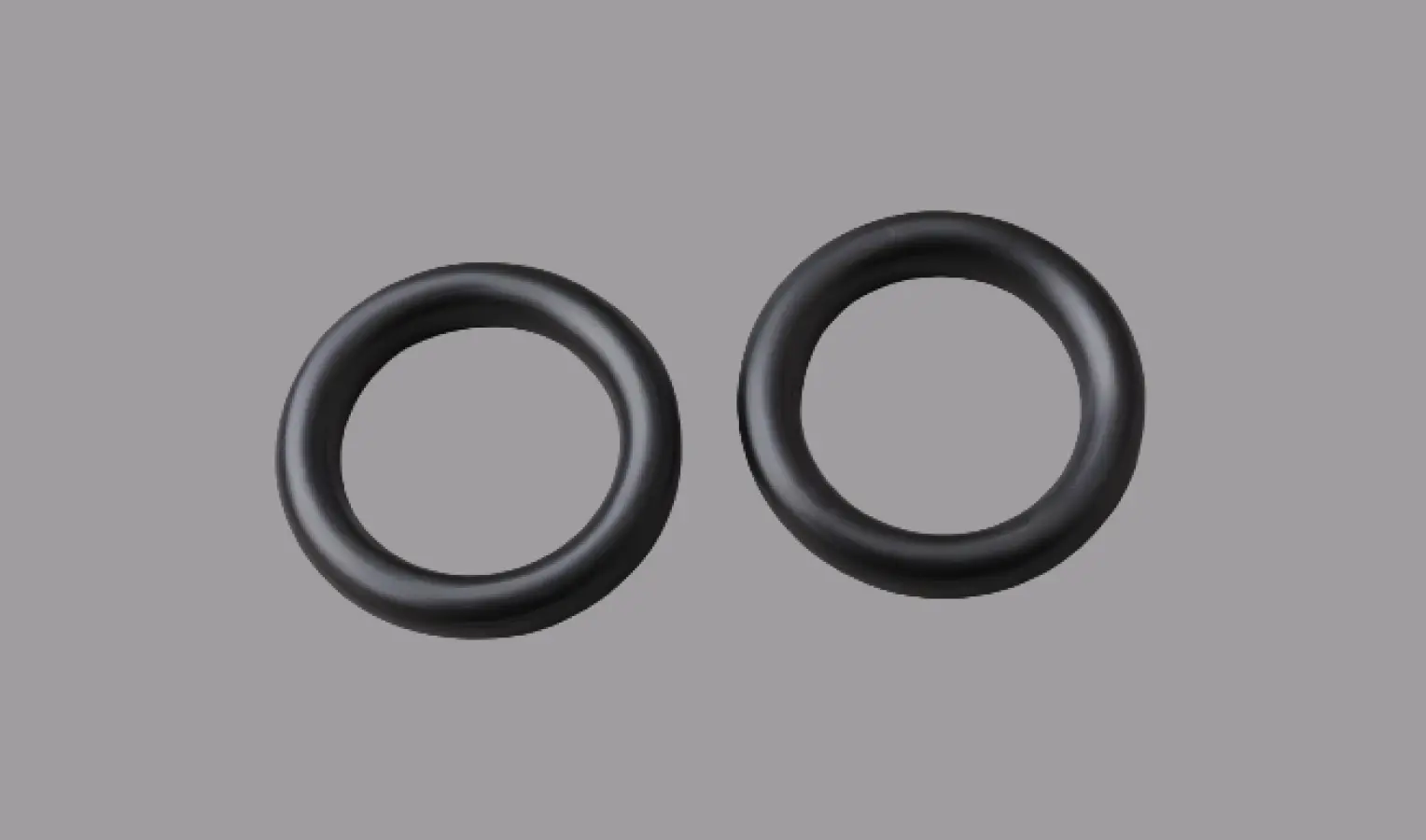
Our Engineering & Manufacturing Ecosystem
Suzhou Baoshida’s engineering ecosystem integrates specialized expertise across mould design, material formulation, and process optimization to deliver precision rubber seals that meet the stringent demands of automotive and industrial applications. Our 5+2+3 engineering team structure, combined with a strategic network of 10+ certified partner factories, ensures end-to-end solutioning for critical customer challenges including extended lead times, tooling inconsistencies, and material performance variability.
Integrated 5+2+3 Engineering Team: Precision at Every Stage
Our core engineering team is structured to address every phase of the product lifecycle with scientific rigor. The following table details how each role contributes to solving industry-specific pain points through technical excellence:
| Role | Key Responsibilities | Customer Pain Point Addressed | Technical Impact |
|---|---|---|---|
| Mould Engineers (5) | Precision tooling design (GD&T ±0.02mm), mold flow simulation, DFM optimization | Extended lead times due to tooling errors; dimensional inconsistencies | 99.5% first-pass yield; <0.05mm tolerance compliance |
| Formula Engineers (2) | ASTM D2000-compliant compound development (NBR/FKM/EPDM), compression set (ASTM D395), Shore A hardness (30–90) | Material degradation under chemical/thermal stress; inconsistent performance | Compression set ≤15% at 150°C; oil resistance (ASTM D2000 Class B/C), thermal stability per application requirements |
| Process Engineers (3) | Lean manufacturing protocols, SPC monitoring, JIT production scheduling | Production delays; quality variability | 95% on-time delivery; 99.8% defect-free rate |
Strategic Partner Network for Scalable Manufacturing
Suzhou Baoshida collaborates with 10+ specialized partner factories across China, each certified to ISO 9001 and IATF 16949 standards. This network enables rapid scaling, specialized expertise, and redundancy for critical projects. Our partner ecosystem is structured to address specific manufacturing challenges:
| Partner Factory Type | Specialization | Key Capability | How It Solves Customer Issues |
|---|---|---|---|
| Precision Moulding | Automotive-grade tooling | <0.01mm tolerance, automated optical inspection | Eliminates tooling defects and ensures dimensional accuracy for OEM applications |
| High-Volume Production | EPDM/FKM extrusion & molding | 500k+ units/month capacity | Reduces lead times by 30% for bulk orders through dedicated capacity |
| Material Testing Lab | ASTM D2000 compliance | In-house compound validation per SAE J200 | Ensures consistent material performance and prevents field failures due to compound variability |
This integrated approach ensures that every customer challenge—from tooling design to material selection—is resolved through scientifically validated engineering practices and a flexible, responsive manufacturing network. Our 5+2+3 team structure guarantees that precision, reliability, and compliance are embedded at every stage of production, directly addressing the pain points of procurement engineers in automotive, hydraulic, pump/valve, and machinery industries.
Customization & QC Process
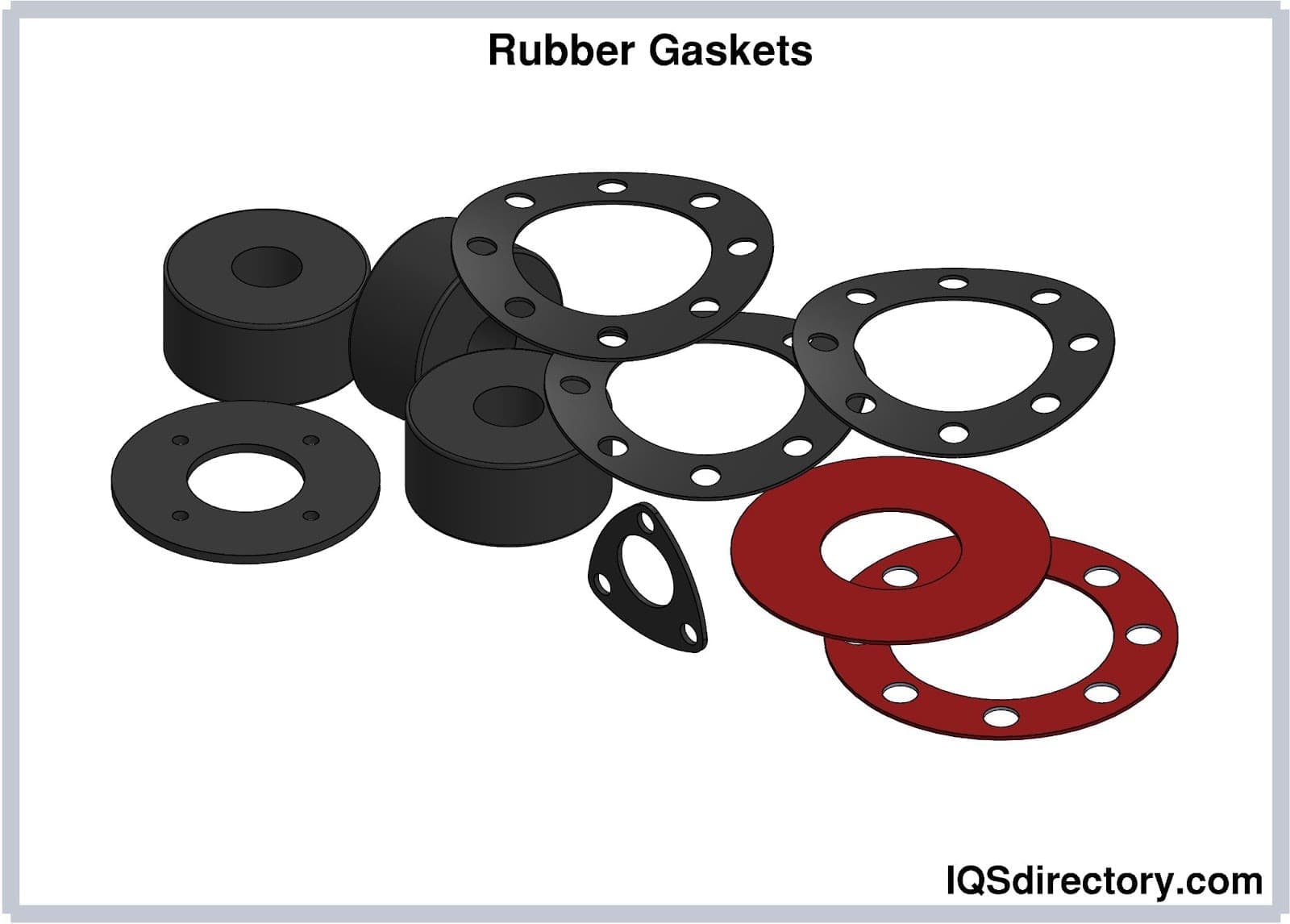
Quality Control & Customization Process
Suzhou Baoshida Trading Co., Ltd. delivers precision rubber seals for automotive, hydraulic, pump/valve, and machinery applications through a rigorously controlled 4-phase process. Our engineering team leverages 15+ years of industry expertise and ASTM D2000-compliant methodologies to ensure zero-defect performance in mission-critical environments.
Engineering Team Structure (5+2+3)
Our specialized engineering team ensures end-to-end technical excellence through defined roles and cross-functional collaboration:
| Role | Count | Key Responsibilities | Experience |
|---|---|---|---|
| Mould Engineering | 5 | Precision tooling design, GD&T validation, mold maintenance, and thermal management | 15+ years average |
| Formula Engineering | 2 | Material chemistry optimization, ASTM D2000 compliance, chemical resistance testing, and longevity validation | 15+ years each |
| Process Engineering | 3 | Production process optimization, QC protocol implementation, yield management, and real-time defect prevention | 15+ years average |
Drawing Analysis & Design Validation
Our Mould Engineering team conducts rigorous drawing validation against ISO 3601-3 and ASME Y14.5 standards. This phase ensures manufacturability, dimensional accuracy, and material compatibility before tooling fabrication.
| Check Point | Standard | Tolerance | Verification Method |
|---|---|---|---|
| Seal Geometry Profile | ISO 3601-3 | ±0.05mm | CMM 3D Scanning |
| Groove Dimensions | SAE J517 | ±0.1mm | Coordinate Measuring Machine |
| Material Compatibility | ASTM D2000 | N/A | Cross-reference Matrix |
Example: For hydraulic cylinder seals, we cross-reference groove dimensions against SAE J517-2020 and validate material compatibility with ASTM D2000 Type B (NBR) for fuel systems.
Material Formulation & Specification
Our Formula Engineers (2 senior experts with 15+ years experience) leverage ASTM D2000 specifications to define precise material grades. Each compound is optimized for target applications through accelerated aging tests and chemical resistance validation.
| Material | ASTM D2000 Type | Shore A Range | Compression Set (22h @ 150°C) | Key Applications |
|---|---|---|---|---|
| NBR | B | 40-90 | ≤25% | Fuel systems, hydraulic seals |
| FKM | F | 50-90 | ≤20% | High-temp, chemical-resistant seals |
| EPDM | A | 30-70 | ≤30% | Weather-resistant, coolant systems |
Critical Note: FKM (Type F) exceeds ASTM D2000 Class F requirements for >200°C thermal stability and <15% volume change in ASTM D471 fuel immersion tests.
Prototyping & Validation
Process Engineers execute First Article Inspection (FAI) with industry-standard validation protocols. Prototypes undergo rigorous testing to ensure performance under real-world conditions, with feedback loops to refine mold design and compound formulation.
| Test Type | Standard | Criteria | Frequency |
|---|---|---|---|
| Dimensional Accuracy | ISO 3601-3 | ±0.05mm | 100% |
| Fluid Immersion | ASTM D471 | ≤15% volume change | Batch |
| Dynamic Sealing Test | SAE J200 | 500+ cycles | Sample |
Validation Protocol: All prototypes undergo 72-hour accelerated aging per ASTM D573 before dynamic testing to simulate 5+ years of field operation.
Mass Production & QC Protocol
Our Process Engineering team implements closed-loop quality control with automated inspection systems. Full traceability from raw materials to finished goods ensures consistent compliance with OEM specifications.
| QC Stage | Standard | Method | Frequency |
|---|---|---|---|
| In-process Dimensional Check | ISO 9001 | Vision System | 100% |
| Batch Compression Set Test | ASTM D395 | Accelerated Aging | Every 500 pcs |
| Material Traceability | ISO 13485 | Blockchain Ledger | Full Batch |
Production Integrity: Every batch is tagged with a unique QR code linking to raw material certificates, process parameters, and test reports—ensuring full auditability for automotive Tier-1 suppliers.
Why Suzhou Baoshida Delivers Unmatched Reliability
Formula Engineers: 2 senior specialists with 15+ years in polymer chemistry for NBR/FKM/EPDM optimization
Zero-Defect Culture: 99.92% first-pass yield via real-time SPC monitoring
ASTM D2000 Compliance: Every material grade validated against OEM-specific performance requirements
Global Traceability: Blockchain-based lot tracking from raw material to final shipment
“Our 5+2+3 engineering structure ensures every gasket is engineered for your specific application—not a generic solution. From GD&T validation to blockchain traceability, we eliminate guesswork.”
— Senior Formula Engineer, Suzhou Baoshida
Contact Our Engineering Team
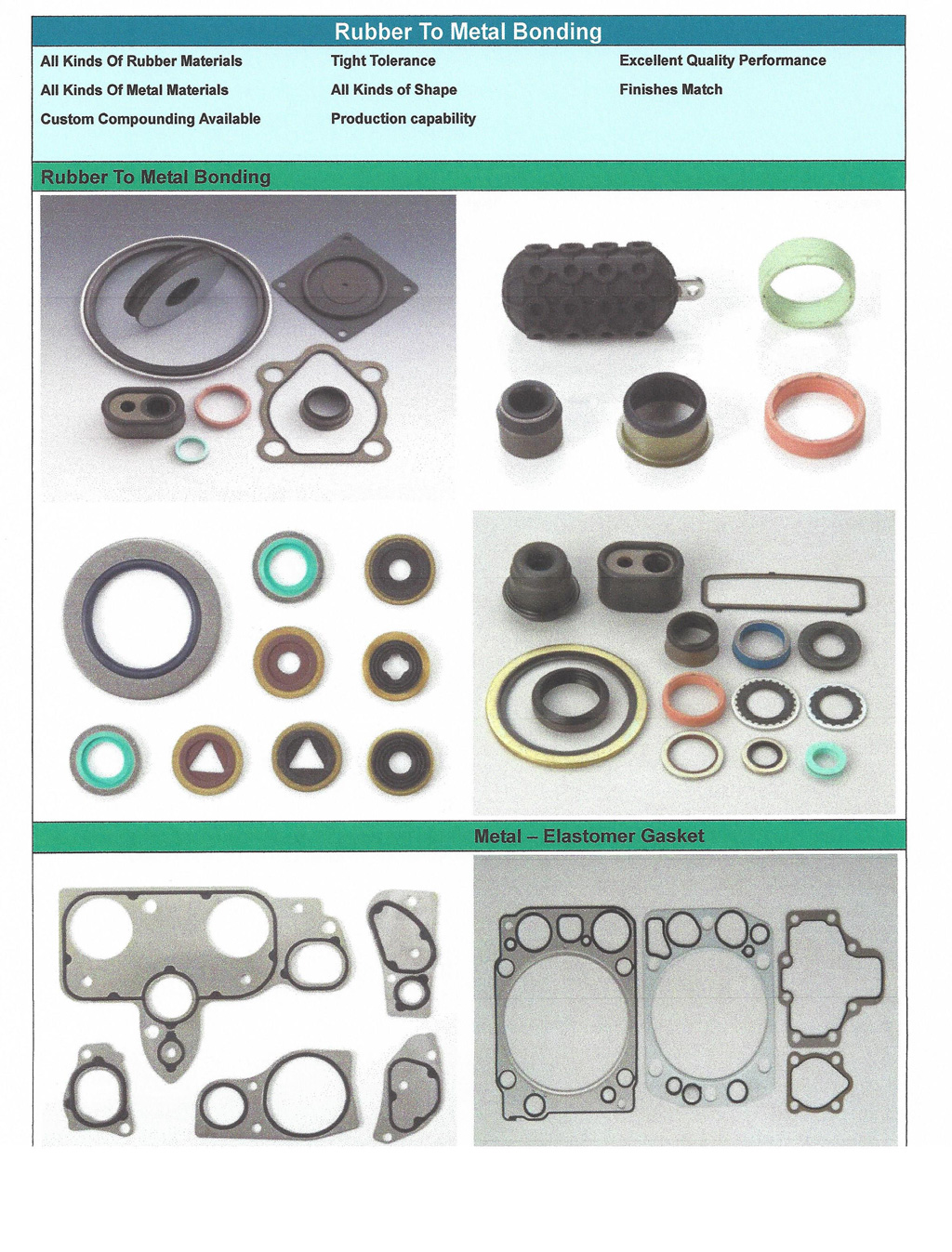
Contact Suzhou Baoshida for Precision Sealing Solutions
Solve your sealing challenges with engineering-driven solutions tailored to automotive, hydraulic, pump/valve, and machinery applications. Our 5+2+3 engineering team ensures rigorous compliance with ASTM D2000 standards, optimizing material longevity and chemical resistance for mission-critical seals.
5+2+3 Engineering Team Structure
| Role | Count | Key Responsibilities |
|---|---|---|
| Mould Engineers | 5 | Precision tooling design, GD&T compliance, mold flow analysis, and dimensional stability validation |
| Formula Engineers | 2 | Material compound development, ASTM D2000 compliance, chemical resistance optimization, and lifecycle testing |
| Process Engineers | 3 | Manufacturing process validation, compression set control, production scalability, and defect root-cause analysis |
ASTM D2000 Material Classification & Performance Metrics
| ASTM Class | Resistance Type | Typical Materials | Applications |
|---|---|---|---|
| A | Non-oil resistant | EPDM | HVAC, water systems, weather-resistant seals |
| B | Oil resistant, low swell | NBR | Automotive fuel systems, hydraulic seals |
| C | Oil resistant, medium swell | Neoprene | General industrial seals, moderate chemical exposure |
| D | High oil & heat resistance | FKM (Viton®) | Engine components, high-temp seals (>200°C), aggressive chemical environments |
Technical Specifications Overview
| Parameter | Specification Range | Testing Standard |
|---|---|---|
| Shore A Hardness | 30–90 | ASTM D2240 |
| Compression Set (70h @ 150°C) | ≤25% (NBR), ≤15% (FKM) | ASTM D395 |
| Oil Resistance (ASTM Oil A) | <25% volume swell (NBR) | ASTM D471 |
| Heat Resistance | Up to 200°C (FKM) | ASTM D573 |
| Tensile Strength | 8–25 MPa (material-dependent) | ASTM D412 |
Immediate Technical Support
Solve your sealing problems today with our ISO 9001-certified manufacturing and data-driven material validation. Contact Mr. Boyce for:
Custom compound development against ASTM D2000 specifications
Failure analysis and root-cause resolution for existing seal failures
On-demand technical documentation (material certs, test reports, GD&T drawings)
Email: [email protected]
Phone: +86 189 5571 6798
Suzhou Baoshida Trading Co., Ltd. — Precision Rubber Seals Engineered for Performance. Every seal is validated, every solution is traceable.
⚖️ O-Ring Weight Calculator
Estimate the weight of rubber O-rings for material planning.