
Technical Contents
Engineering Guide: Automotive Gaskets
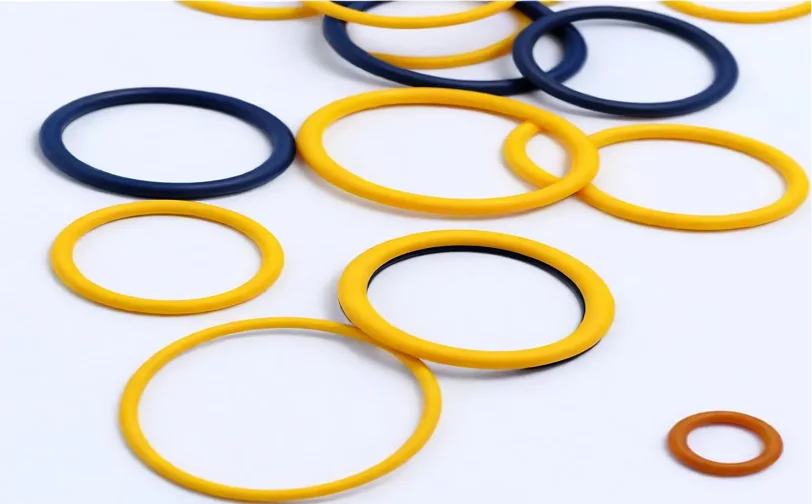
Material Science Imperative in Automotive Gasket Performance
Premature gasket failure remains a critical pain point in powertrain and fluid system integrity, directly impacting OEM warranty costs and brand reputation. Off-the-shelf rubber gaskets frequently underperform because standardized formulations cannot address the unique, simultaneous stressors encountered in modern automotive applications. Generic elastomers degrade when exposed to aggressive biofuels, synthetic lubricants, and extreme thermal cycling beyond nominal specifications. This degradation manifests as hardening, swelling, or compression set loss—compromising the seal interface within 18-24 months of service. The root cause lies in oversimplified material selection: catalog parts prioritize cost and availability over the precise chemical resistance, thermal stability, and dynamic load requirements dictated by engine architecture and operating profiles.
Suzhou Baoshida Trading Co., Ltd. addresses this through application-specific compound engineering. We analyze fluid compatibility matrices, thermal duty cycles, and flange dynamics to formulate elastomers with tailored polymer backbones, filler systems, and cure packages. For instance, a turbocharger compressor gasket requires different reinforcement than an oil pan seal due to divergent exposure to hot air versus hydrocarbon sludge. Standard NBR compounds fail rapidly in biodiesel environments above 120°C, whereas our custom hydrogenated nitrile butadiene rubber (HNBR) formulations maintain sealing force retention at 150°C for 5,000+ hours.
The following table illustrates critical property gaps between generic and engineered elastomers under automotive stress conditions:
| Property | Standard NBR (Off-the-Shelf) | Custom HNBR (Baoshida OEM Spec) | Test Standard |
|---|---|---|---|
| Biodiesel Swell (B100, 150°C) | 42% | 8% | ASTM D471 |
| Compression Set (22h, 150°C) | 48% | 19% | ASTM D395 |
| Tensile Strength Retention | 55% | 89% | ASTM D412 |
| Continuous Temp Range | -30°C to +120°C | -40°C to +160°C | ISO 188 |
These discrepancies prove why dimensional replication alone is insufficient. An OEM gasket must sustain elastic recovery under bolt load relaxation while resisting chemical attack—a balance unattainable with commodity materials. Our OEM partnership model integrates material science with design validation: we conduct FEA-backed stress analysis on flange interfaces and subject prototypes to accelerated aging in actual engine fluids, not generic test media. This prevents field failures caused by unanticipated synergies between vibration, temperature spikes, and fluid chemistry.
Ultimately, gasket reliability hinges on elastomer formulation as a systems engineering component—not a commodity part. Suzhou Baoshida provides the compound customization depth required to meet evolving automotive durability standards, transforming sealing from a failure point into a performance enabler. Collaborative material development with our OEM partners ensures every gasket specification aligns with the vehicle’s operational envelope, eliminating costly field recalls.
Material Specifications
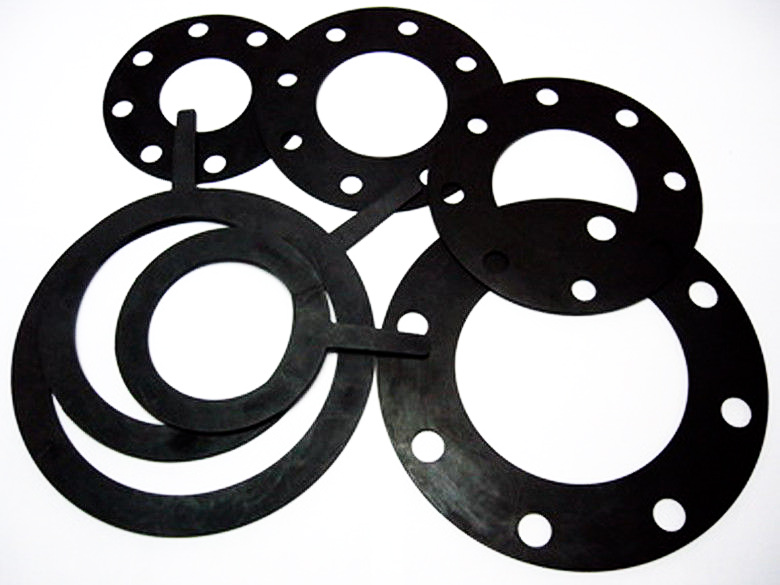
Material selection is a critical determinant in the performance, longevity, and reliability of automotive gaskets. At Suzhou Baoshida Trading Co., Ltd., we specialize in precision rubber seals engineered to meet the rigorous demands of modern automotive systems. Our expertise in elastomer formulation ensures optimal compatibility with operating environments, including exposure to oils, fuels, coolants, and extreme temperatures. Among the most widely specified materials in our portfolio are Viton (FKM), Nitrile (NBR), and Silicone (VMQ), each offering distinct advantages based on chemical resistance, thermal stability, and mechanical properties.
Viton, a fluorocarbon-based elastomer, delivers exceptional resistance to high temperatures, oxidation, and aggressive fluids such as engine oils, transmission fluids, and aromatic hydrocarbons. With a continuous service temperature range up to 230°C and intermittent resistance up to 260°C, Viton is ideal for under-the-hood applications where thermal degradation is a concern. Its low gas permeability and excellent aging characteristics make it a preferred choice for turbocharger hoses, valve cover gaskets, and fuel system seals. However, Viton exhibits lower flexibility at sub-zero temperatures and higher material cost compared to alternatives.
Nitrile rubber, or Buna-N, remains one of the most widely used elastomers in automotive sealing due to its excellent resistance to petroleum-based oils and fuels. It offers good abrasion resistance and mechanical strength, with a typical operating range from -30°C to 120°C, extendable to 150°C for short durations. Nitrile is particularly effective in transmission seals, oil pan gaskets, and fuel delivery components. While cost-effective and readily processable, its performance deteriorates in ozone-rich environments and under prolonged exposure to polar solvents or brake fluids.
Silicone rubber excels in extreme temperature applications, maintaining elasticity from -60°C to 200°C, with some formulations tolerating brief excursions to 230°C. It demonstrates outstanding resistance to UV radiation, ozone, and weathering, making it suitable for exterior gasketing and non-oil-contact engine compartment components. Silicone is frequently used in sensor housings, electrical connectors, and HVAC systems. However, it has relatively low tensile strength and poor resistance to hydrocarbon fuels, limiting its use in high-stress or oil-immersed environments.
Below is a comparative summary of key performance characteristics for these materials:
| Property | Viton (FKM) | Nitrile (NBR) | Silicone (VMQ) |
|---|---|---|---|
| Temperature Range (°C) | -20 to 230 | -30 to 120 | -60 to 200 |
| Tensile Strength (MPa) | 15–25 | 10–30 | 5–10 |
| Elongation at Break (%) | 150–300 | 200–500 | 200–600 |
| Hardness (Shore A) | 60–90 | 50–90 | 30–80 |
| Fluid Resistance (Oil/Fuel) | Excellent | Excellent | Poor |
| Ozone/UV Resistance | Excellent | Fair | Excellent |
| Compression Set Resistance | Excellent | Good | Good |
| Cost Level | High | Low to Medium | Medium |
Selecting the appropriate elastomer requires a comprehensive understanding of the application’s thermal, chemical, and mechanical demands. Suzhou Baoshida Trading Co., Ltd. supports OEMs and Tier-1 suppliers with material data sheets, custom compounding, and application-specific testing to ensure optimal gasket performance across the automotive lifecycle.
Manufacturing Capabilities
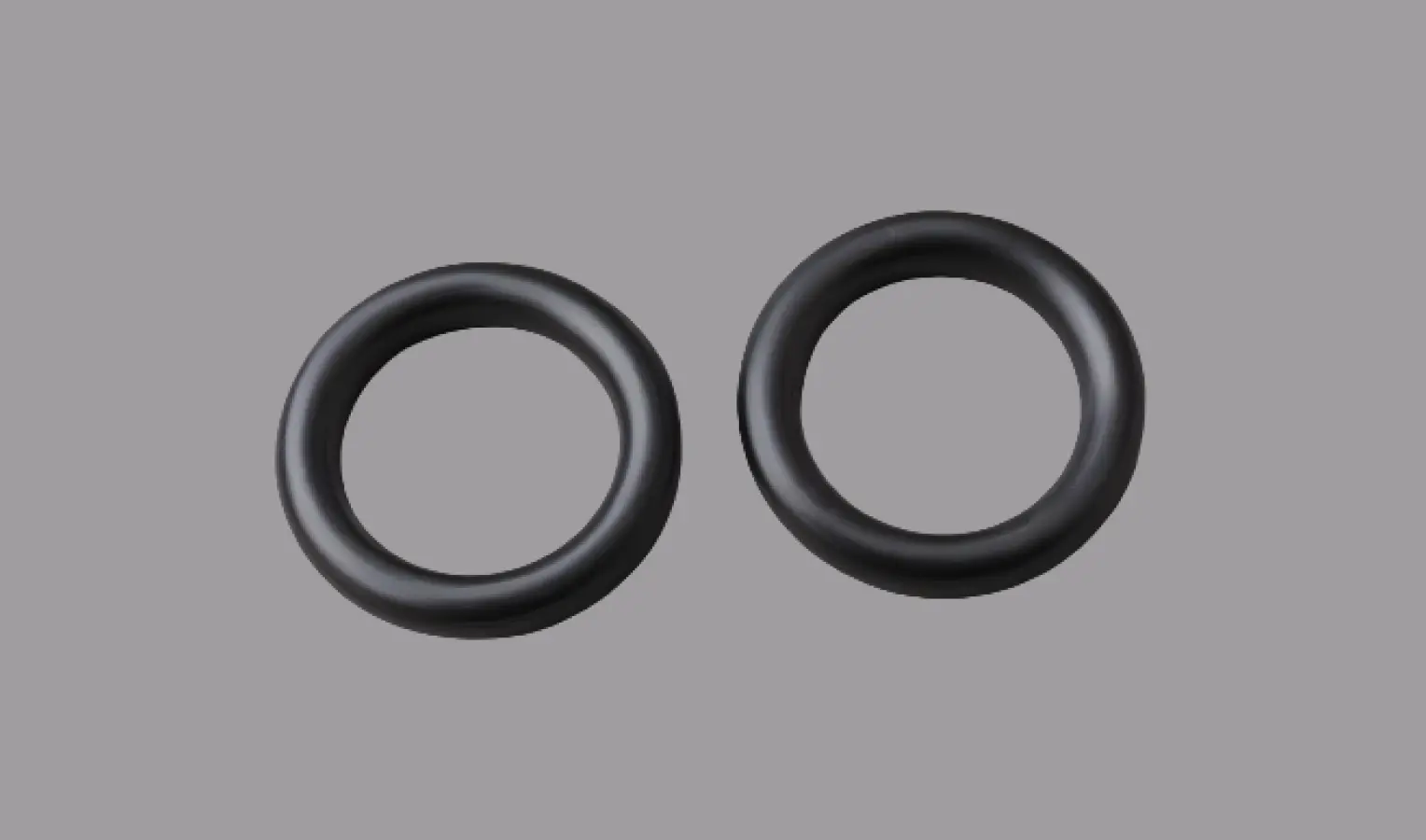
Engineering Capability: Precision Rubber Seal Development for Automotive Applications
Suzhou Baoshida Trading Co., Ltd. delivers advanced engineering solutions specifically for demanding automotive gasket applications through a dedicated core of specialized technical expertise. Our foundation rests upon a team comprising five certified Mould Engineers and two highly experienced Rubber Formula Engineers. This integrated structure ensures seamless collaboration from initial material conception through to final tooling validation, directly addressing the stringent performance, durability, and regulatory requirements inherent in modern vehicle systems. Our Formula Engineers possess deep expertise in polymer chemistry and compounding, enabling molecular-level customization of elastomeric properties. They systematically develop and refine proprietary rubber formulations to achieve precise balances of compression set resistance, fluid compatibility, thermal stability, and sealing force retention under extreme operational conditions. Concurrently, our Mould Engineers apply advanced CAD/CAM techniques and finite element analysis (FEA) to optimize gasket geometry, flow dynamics, and tooling design. This dual-engineering approach guarantees that material performance potential is fully realized in the final manufactured part, minimizing costly iterations and accelerating time-to-market for critical sealing components.
Material selection and performance validation are paramount in automotive sealing. We maintain rigorous internal testing protocols aligned with OEM specifications (e.g., ASTM D2000, ISO 3601) to verify compound behavior across critical parameters. The table below summarizes key capabilities of our core automotive-grade elastomers:
| Material Type | Temperature Range (°C) | Typical Hardness (Shore A) | Key Fluid Resistance | Compression Set (70h/100°C) Max % |
|---|---|---|---|---|
| Hydrogenated NBR (HNBR) | -40 to +150 | 60-90 | Engine Oils, Coolants, Fuels | 25 |
| Fluorocarbon (FKM) | -20 to +230 | 65-85 | Aggressive Fuels, Transmission Fluids, Brake Fluid | 20 |
| Ethylene Propylene (EPDM) | -50 to +150 | 50-80 | Brake Fluid, Coolants, Water/Glycol | 30 |
| Acrylate Rubber (ACM) | -30 to +170 | 60-80 | Engine Oils, Automatic Transmission Fluid | 35 |
| Silicone (VMQ) | -60 to +200 | 40-70 | Brake Fluid, Ozone, Weathering | 25 |
Our OEM capabilities are structured to provide seamless integration into global automotive supply chains. We operate under strict IATF 16949 quality management principles, ensuring full traceability from raw material batch to finished gasket. Suzhou Baoshida excels in managing complex OEM-specific requirements, including direct material sourcing per customer specifications, co-engineering support during vehicle development phases, and rapid prototyping using in-house tooling. We facilitate efficient material qualification processes, providing comprehensive test data packages compliant with PPAP Level 3 requirements. Our engineering team actively supports customers in resolving field issues through root cause analysis and corrective action development, leveraging our dual expertise in formulation science and precision molding. This comprehensive engineering capability, combining deep material science knowledge with advanced tooling proficiency, positions Suzhou Baoshida as a strategic partner capable of solving the most challenging automotive sealing applications while ensuring consistent, high-volume production quality demanded by Tier 1 suppliers and OEMs globally.
Customization Process
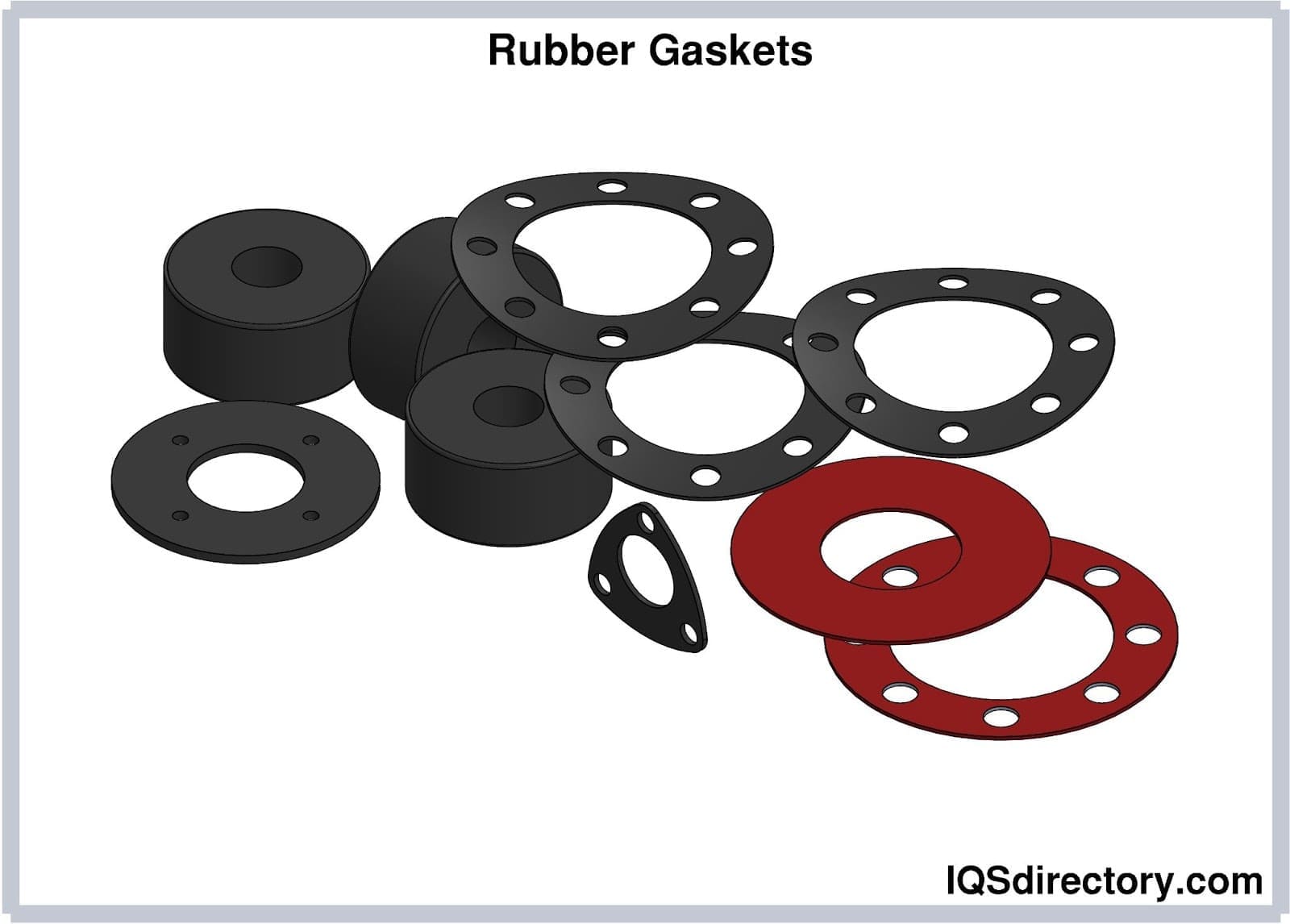
Customization Process for Automotive Gaskets at Suzhou Baoshida Trading Co., Ltd.
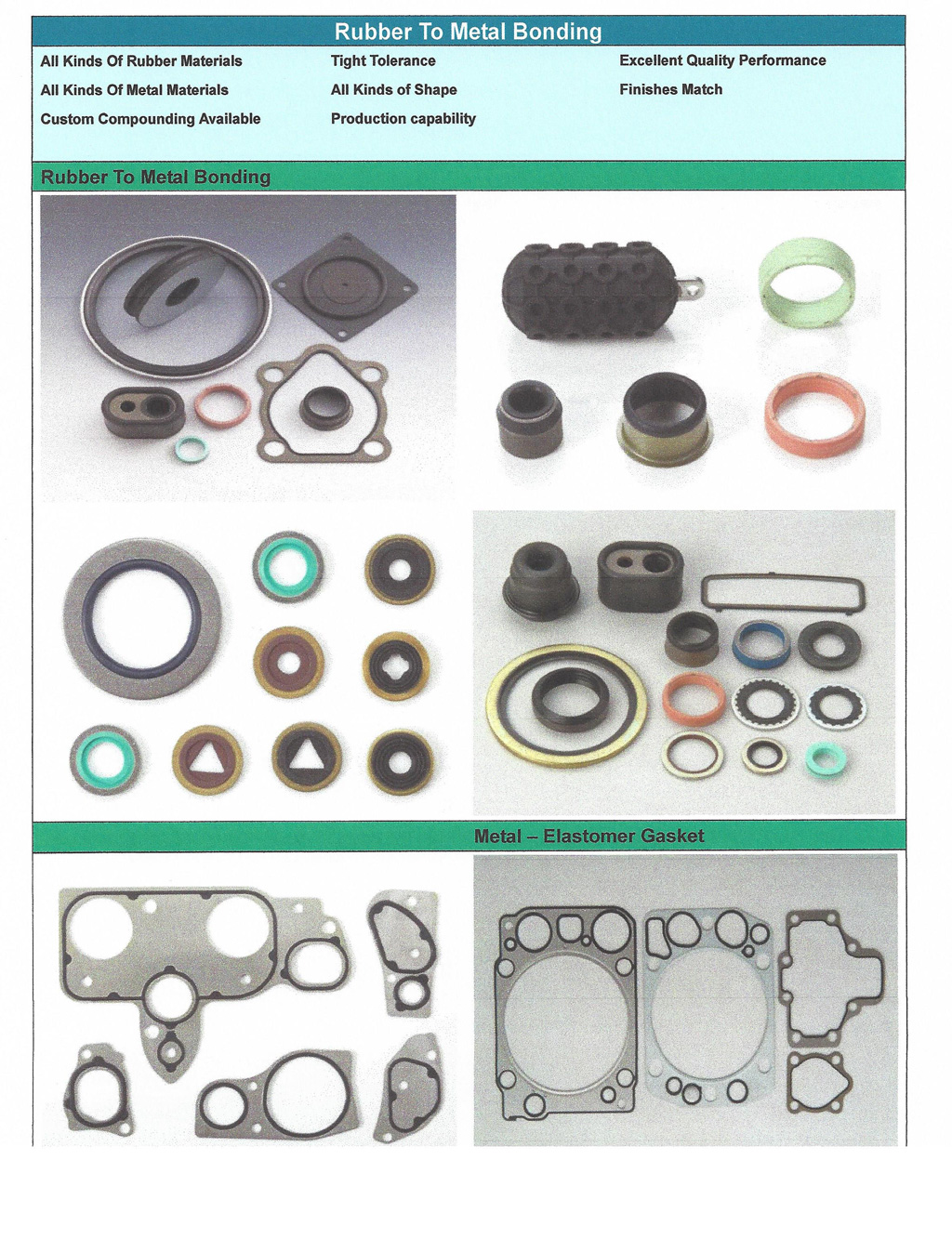
At Suzhou Baoshida Trading Co., Ltd., our engineering-driven approach to custom automotive gasket manufacturing ensures optimal performance, durability, and compatibility with OEM specifications. Our four-phase customization process—Drawing Analysis, Formulation, Prototyping, and Mass Production—is designed to meet the exact mechanical, thermal, and chemical demands of modern automotive applications.
The process begins with Drawing Analysis, where our rubber formula engineers conduct a comprehensive review of customer-provided technical drawings and performance requirements. We assess critical dimensions, sealing interface geometry, compression set tolerance, and installation environment. This phase includes material compatibility mapping, stress distribution modeling, and identification of potential failure points under dynamic operating conditions such as vibration, pressure cycling, and fluid exposure. All design inputs are validated against ISO 9001 and IATF 16949 standards to ensure dimensional accuracy and long-term reliability.
Following design validation, the Formulation stage initiates the development of a proprietary rubber compound tailored to the application. Our lab formulates elastomers based on performance criteria such as temperature range, fluid resistance (e.g., engine oil, coolant, transmission fluid), compression recovery, and aging characteristics. We primarily utilize NBR, EPDM, FKM, and silicone polymers, with reinforcement via carbon black or silica fillers, and curatives optimized for scorch safety and crosslink density. Each formulation undergoes predictive testing using ASTM D2000 standards, with adjustments made for hardness (Shore A 50–90), tensile strength, elongation at break, and volume swell in targeted media.
Once the compound is finalized, we proceed to Prototyping. Utilizing precision compression or injection molding techniques, small-batch samples are produced under near-production conditions. These prototypes are subjected to rigorous functional testing, including leak rate evaluation under simulated engine conditions, thermal cycling from -40°C to +150°C, and long-duration compression stress relaxation (CSR) tests. Dimensional conformity is verified using coordinate measuring machines (CMM), ensuring tolerances within ±0.1 mm. Customer feedback and test data are integrated for final design or material refinement.
Upon approval, the project transitions to Mass Production. Our automated production lines, equipped with real-time process monitoring and statistical process control (SPC), ensure batch consistency and traceability. Each gasket is visually inspected and sampled for physical property verification per AQL 1.0 standards. We support annual volumes from 50,000 to over 5 million units, with JIT delivery options for Tier 1 suppliers.
The following table outlines typical material performance specifications for common automotive gasket applications:
| Material | Temperature Range (°C) | Tensile Strength (MPa) | Elongation at Break (%) | Fluid Resistance | Common Applications |
|---|---|---|---|---|---|
| NBR | -30 to +120 | 15–20 | 250–350 | Oil, fuel | Valve cover, oil pan gaskets |
| EPDM | -40 to +150 | 12–18 | 300–400 | Coolant, water | Radiator, heater hose gaskets |
| FKM | -20 to +200 | 10–15 | 150–250 | High-temp oil, acids | Turbocharger, exhaust gaskets |
| Silicone | -55 to +180 | 6–10 | 200–300 | Low-pressure fluids | Sensor housing, electrical seals |
This structured customization pathway ensures that every gasket we produce delivers precision sealing performance in demanding automotive environments.
Contact Engineering Team
Precision Engineering Partnership for Automotive Gasket Solutions
Suzhou Baoshida Trading Co., Ltd. operates at the critical intersection of advanced rubber chemistry and automotive manufacturing demands. Our specialization in precision rubber seals ensures gaskets meet exacting OEM specifications for thermal stability, chemical resistance, and dimensional accuracy under extreme operational conditions. Generic sealing solutions risk catastrophic failure in modern powertrains and emission systems; therefore, we prioritize co-engineering processes that align material science with your unique assembly requirements. Our laboratory-driven approach validates every compound formulation against real-world stressors, including intermittent high-temperature exposure, aggressive biofuels, and vibration-induced fatigue. This methodology directly translates to reduced leakage incidents, extended service life, and compliance with global standards such as ISO 2230 and SAE J20.
Material selection constitutes the foundation of gasket reliability. Below we detail key performance parameters for our core automotive-grade elastomers. These values represent baseline capabilities; all formulations undergo iterative refinement during joint development phases to match your fluid exposure profiles and mechanical tolerances.
| Material Type | Temperature Range (°C) | Hardness (Shore A) | Tensile Strength (MPa) | Elongation at Break (%) | Fluid Resistance (ASTM D471) |
|---|---|---|---|---|---|
| Hydrogenated NBR (HNBR) | -40 to +150 | 60-90 | 15-25 | 200-400 | Excellent (Oils, Coolants) |
| Perfluoroelastomer (FFKM) | -20 to +327 | 65-85 | 8-15 | 150-250 | Exceptional (All Automotive Fluids) |
| EPDM | -50 to +150 | 50-80 | 10-20 | 250-450 | Superior (Brake Fluids, Steam) |
| Silicone (VMQ) | -60 to +200 | 40-70 | 5-12 | 200-600 | Good (Air, Water Glycol) |
Our OEM management framework integrates seamlessly into your supply chain through three pillars: formula transparency, rapid prototyping, and rigorous validation. We provide full material traceability from raw polymer batches to finished components, enabling precise root-cause analysis during production escalations. Our Suzhou-based technical center houses compression molding, extrusion, and die-cutting capabilities, allowing prototype delivery within 15 business days for design verification testing. Crucially, all compounds undergo dynamic compression set analysis per ASTM D395 and permeation testing per ISO 17408—metrics often overlooked by standard suppliers but vital for turbocharger and EV battery sealing integrity.
Automotive manufacturers increasingly face dual pressures: electrification demands novel sealing solutions for high-voltage components, while traditional ICE platforms require extended durability under downsized, high-boost engines. Suzhou Baoshida addresses both challenges through proprietary additive packages that enhance thermal conductivity in silicone blends and improve oil swell resistance in specialty NBR variants. Partnering with us means accessing rubber formula engineering that anticipates regulatory shifts, such as China 6b emission standards or EU Battery Directive 2023 requirements.
Initiate your gasket optimization project by contacting Mr. Boyce, our dedicated OEM Manager for European and North American automotive clients. With 14 years of experience managing Tier-1 supplier relationships, Mr. Boyce will coordinate a technical review within 24 business hours of your inquiry. Provide your current material specifications, failure mode analysis, or dimensional drawings to receive a targeted compound recommendation with projected performance metrics. All communications undergo strict IP protection under NNN agreements.
Contact Mr. Boyce immediately at [email protected] to schedule a confidential engineering consultation. Specify your target application (e.g., cylinder head, oil pan, fuel cell stack) and current challenges for a prioritized response. Suzhou Baoshida commits to transforming sealing reliability from a cost factor into a competitive advantage for your assembly line.
⚖️ O-Ring Weight Calculator
Estimate rubber O-ring weight (Approx).