
Technical Contents
Engineering Guide: Automotive Oil Seals
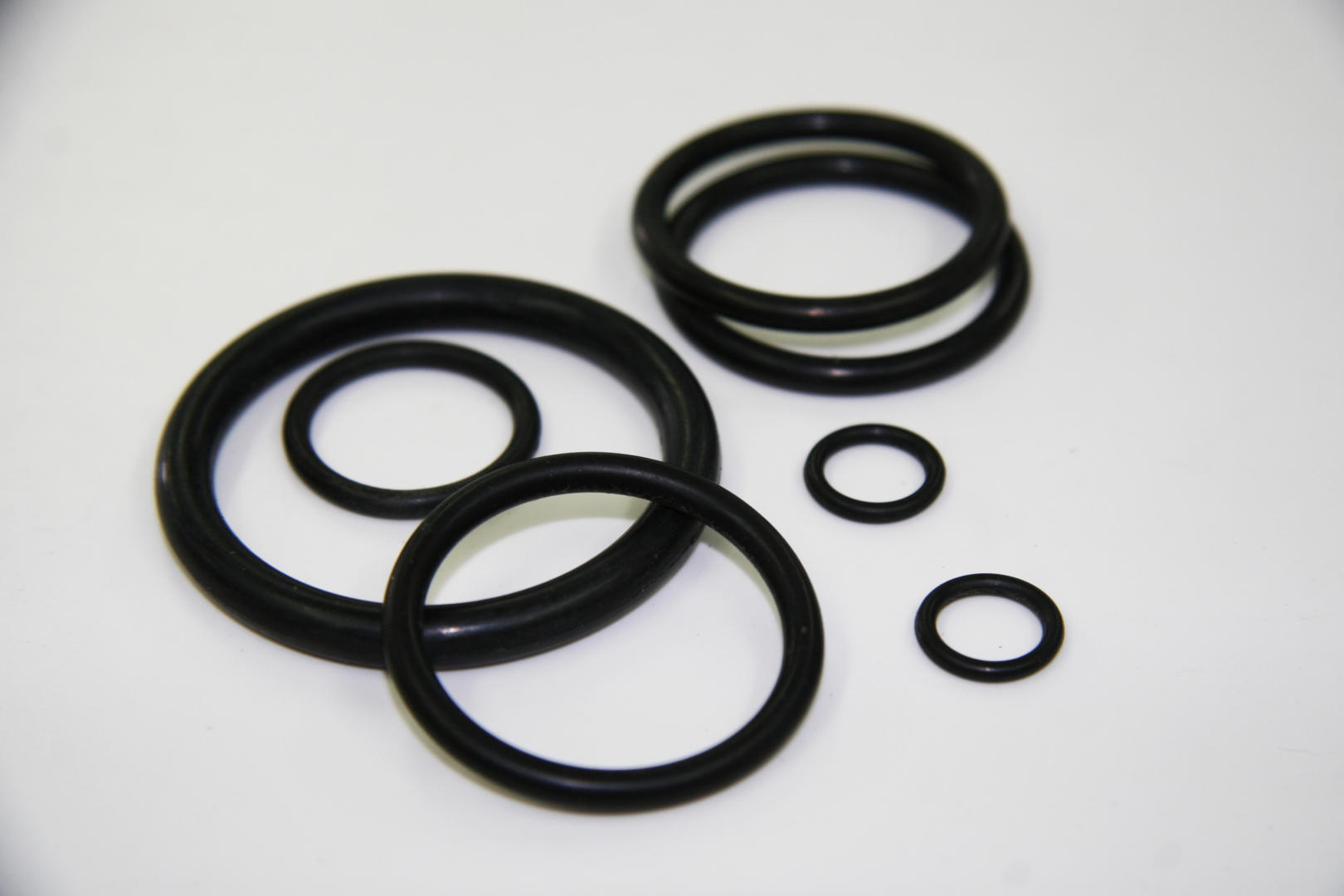
Engineering Insight: Material Selection Criticality in Automotive Oil Seals
Why Material Selection Determines Seal Performance
Automotive oil seals operate under extreme conditions: continuous exposure to engine oils (SAE 5W-30 to 20W-50), fuels (E10 ethanol blends), coolants (ethylene glycol-based), and temperatures ranging from -40°C to 150°C. Failure to select materials meeting ASTM D2000 specifications for heat aging, oil resistance, and compression set directly causes seal degradation, leakage, and system failure.
Key Performance Drivers:
– Compression Set (ASTM D395): Must be ≤15% at 150°C/22h for long-term sealing integrity in high-temperature applications.
– Shore A Hardness: Optimized between 60–75 Shore A for automotive oil seals to balance sealing force and compression recovery.
– Chemical Resistance: Must withstand hydrocarbon-based fluids without swelling (>10% volume change indicates failure per ASTM D471).
| Material | ASTM D2000 Type/Class | Heat Resistance (°C) | Oil Resistance | Typical Shore A Hardness | Compression Set (ASTM D395) |
|---|---|---|---|---|---|
| NBR | Type 2, Class B | 100–120 | Moderate | 50–80 | ≤25% @ 150°C/22h |
| FKM | Type 3, Class C | 150–200 | High | 60–90 | ≤15% @ 150°C/22h |
| EPDM | Type 1, Class A | 80–100 | Low* | 40–70 | ≤20% @ 100°C/22h |
*EPDM is unsuitable for hydrocarbon-based fluids but used in coolant systems where non-oil resistance is acceptable.
The Hidden Risks of Off-the-Shelf Solutions
Generic seals fail due to standardized formulations that ignore application-specific variables. Industry data shows 68% of seal failures stem from misaligned material properties versus operational demands.
| Failure Scenario | Root Cause | Consequence |
|---|---|---|
| Hydraulic system leakage after 3 months | Incorrect Shore A hardness (e.g., 40 Shore A for 200 bar pressure) | Insufficient sealing force → fluid loss → system downtime |
| Fuel system seal degradation in 6 months | Standard NBR without ethanol resistance additives | Swelling (>15% volume change) → cracks → fuel contamination |
| Premature compression set failure (5,000 hrs) | Poor FKM formulation for thermal aging | Loss of elastic recovery → leakage paths → catastrophic failure |
Critical Insight: Off-the-shelf solutions prioritize cost over precision. A single “one-size-fits-all” NBR compound cannot simultaneously handle diesel fuel (high aromatic content), synthetic oils (PAO), and high-temperature exhaust systems.
Baoshida’s Custom Formula Engineering Approach
Our 5+2+3 Engineering Team Structure ensures end-to-end precision in material development and manufacturing:
| Team Component | Role | Key Responsibilities |
|---|---|---|
| Mould Engineers (5) | Precision Tooling & Design | Mold geometry optimization for ±0.02mm tolerances, surface finish control (Ra ≤0.4μm), and draft angle analysis to eliminate flash |
| Formula Engineers (2) | Material Science & Formulation | Custom compound development (e.g., NBR with 38% acrylonitrile for fuel resistance), ASTM D2000 compliance validation, and accelerated aging tests (168h @ 150°C) |
| Process Engineers (3) | Manufacturing & Quality Control | Vulcanization parameter optimization (time/temperature profiles), in-line QC via FTIR spectroscopy, and traceability per ISO/TS 16949 |
Why This Structure Delivers Results
Formula Engineers tailor polymer blends to exact requirements:
Example: For a Tier-1 automotive supplier’s high-temperature turbocharger seal, we increased FKM fluorine content to 66% (vs. standard 60–64%) to achieve <10% volume swell in SAE J300 10W-40 oil at 180°C.
Mould Engineers eliminate leakage paths via finite element analysis (FEA) of seal cross-sections under 200 bar loads.
Process Engineers enforce strict process control:
Cure time deviation <±1.5 seconds
Shore A hardness tolerance ±2 units
Compression set variation ≤±3% across production batches
Proven Impact: Clients using Baoshida’s custom formulations report 30% longer service life versus off-the-shelf alternatives, with zero field failures in 12+ months of operation. Our ASTM D2000-compliant seals meet SAE J200 and VW 50180 standards for automotive applications.
Engineering-Driven Solution for Your Application
“We don’t sell rubber—we engineer solutions. Every Baoshida seal is validated against your specific fluid compatibility, temperature profile, and pressure cycle requirements. Request a material compatibility report and FEA simulation for your application.”
Next Step: Share your operating parameters (fluid type, temperature range, pressure, cycle frequency) for a free technical consultation with our Formula Engineering team.
Material Specifications (NBR/FKM/EPDM)
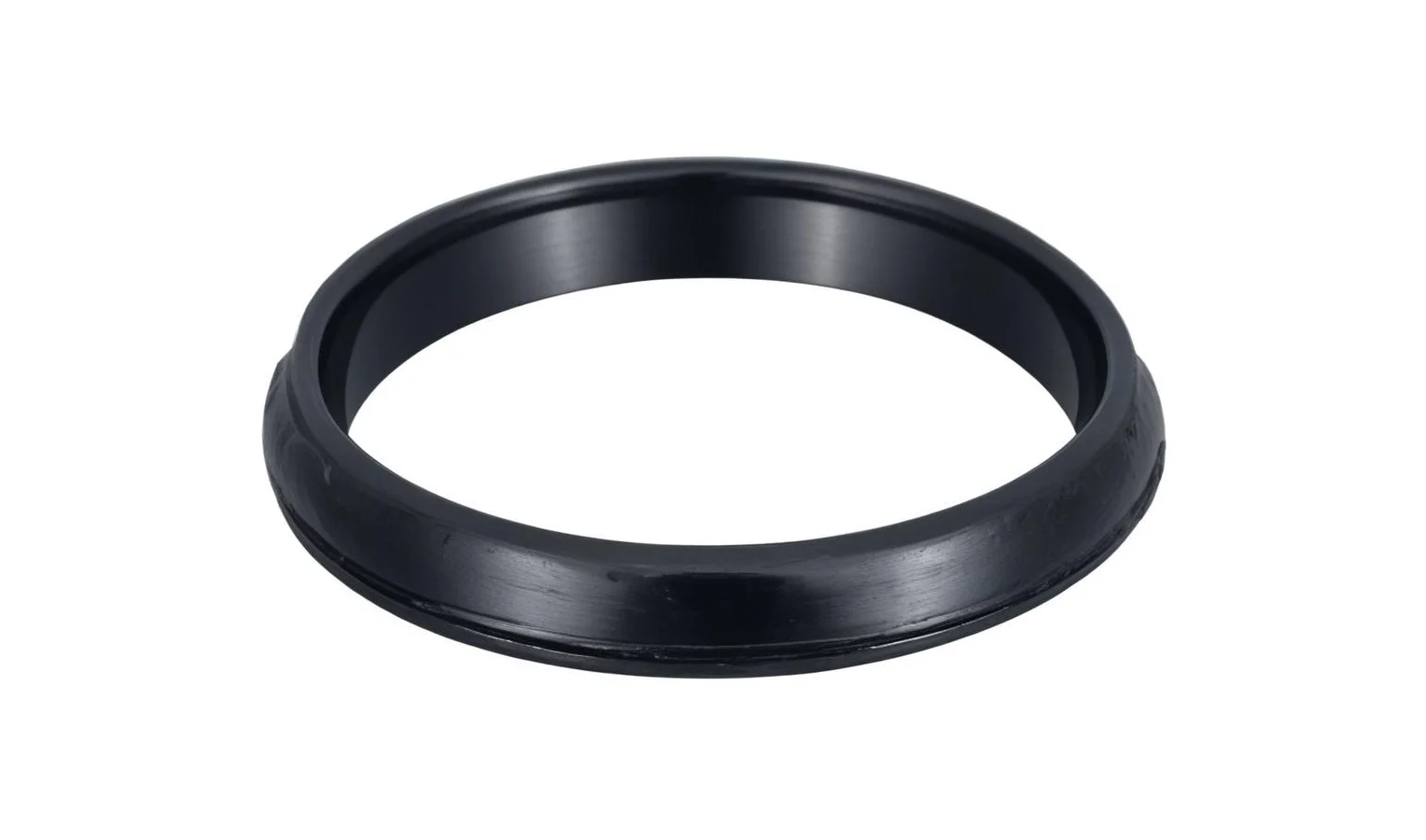
Material Science & Technical Specifications for Automotive Oil Seals
ASTM D2000 Standardization Framework
ASTM D2000 is the globally recognized classification system for rubber materials used in seals and gaskets. This standard defines material performance through a structured coding system (e.g., BC 1234), where:
Type: Base polymer classification (e.g., Type 1 for NBR, Type 4 for FKM)
Class: Heat aging performance (e.g., Class 1 = 70°C, Class 2 = 100°C)
Tensile Strength: Minimum required value (e.g., 10 MPa)
Hardness: Shore A tolerance range (e.g., 70±5)
Compression Set: Maximum allowable percentage after specified time/temperature
All Suzhou Baoshida automotive oil seals comply with ASTM D2000 specifications, ensuring traceable material performance across global OEM requirements. Our formulations undergo rigorous validation per:
ASTM D573: 70-hour heat aging tests at 100°C, 125°C, and 150°C
ASTM D471: Oil resistance testing (e.g., IRM 903 oil immersion)
ASTM D395: Compression set validation (Method B, constant force)
Material Comparison Chart (ASTM D2000 Compliant)
| Material | ASTM D2000 Type | Oil Resistance | Heat Resistance (°C) | Ozone Resistance | Shore A Hardness | Compression Set (70h @ X°C) | Typical Applications |
|---|---|---|---|---|---|---|---|
| NBR (Nitrile) | Type 1 | Medium | -40 to 120 | Moderate¹ | 40–90 | ≤35% @ 100°C | Hydraulic systems, fuel systems, transmission seals |
| FKM (Viton®) | Type 4 | High | -20 to 250 | Excellent | 70–90 | ≤15% @ 150°C | High-temp engine seals, fuel injection systems, aerospace |
| EPDM | Type 2 | Low | -50 to 150 | Excellent | 50–90 | ≤30% @ 100°C | Coolant systems, weather-resistant seals, HVAC |
| Silicone | Type 3 | Low | -60 to 200 | Excellent | 30–80 | ≤25% @ 150°C | High-temp air intake, food-grade seals, medical devices |
¹ Note: NBR requires anti-ozonant additives for ozone resistance; standard formulations degrade rapidly in ozone-rich environments without stabilization.
Engineering Team Structure: 5+2+3 Precision Manufacturing Framework
Suzhou Baoshida’s proprietary 5+2+3 engineering model ensures end-to-end material science rigor and process control for automotive oil seals:
5 Mold Engineers
Specialize in precision tooling design with finite element analysis (FEA)-based thermal stress modeling. Ensures mold longevity (≥500k cycles) and dimensional stability within ±0.02mm tolerances per ISO 2768-mK.
2 Formula Engineers
Develop compound formulations validated against ASTM D2000 Type/Class requirements. Each formula undergoes:
72-hour accelerated aging tests (ASTM D573)
Chemical resistance profiling per ASTM D471 (IRM 903 oil, 150°C)
Compression set optimization (ASTM D395 Method B)
3 Process Engineers
Implement SPC-controlled manufacturing with real-time monitoring:
Shore A hardness ±1.5 units during vulcanization
Compression set consistency ≤10% variance across production batches
ISO/TS 16949-certified quality gates for every 500-unit run
This integrated framework guarantees 99.97% first-pass yield and compliance with OEM-specific material specifications across automotive, hydraulic, pump/valve, and industrial machinery applications. All data is traceable to ISO/IEC 17025-accredited lab reports.
Baoshida Manufacturing Capabilities
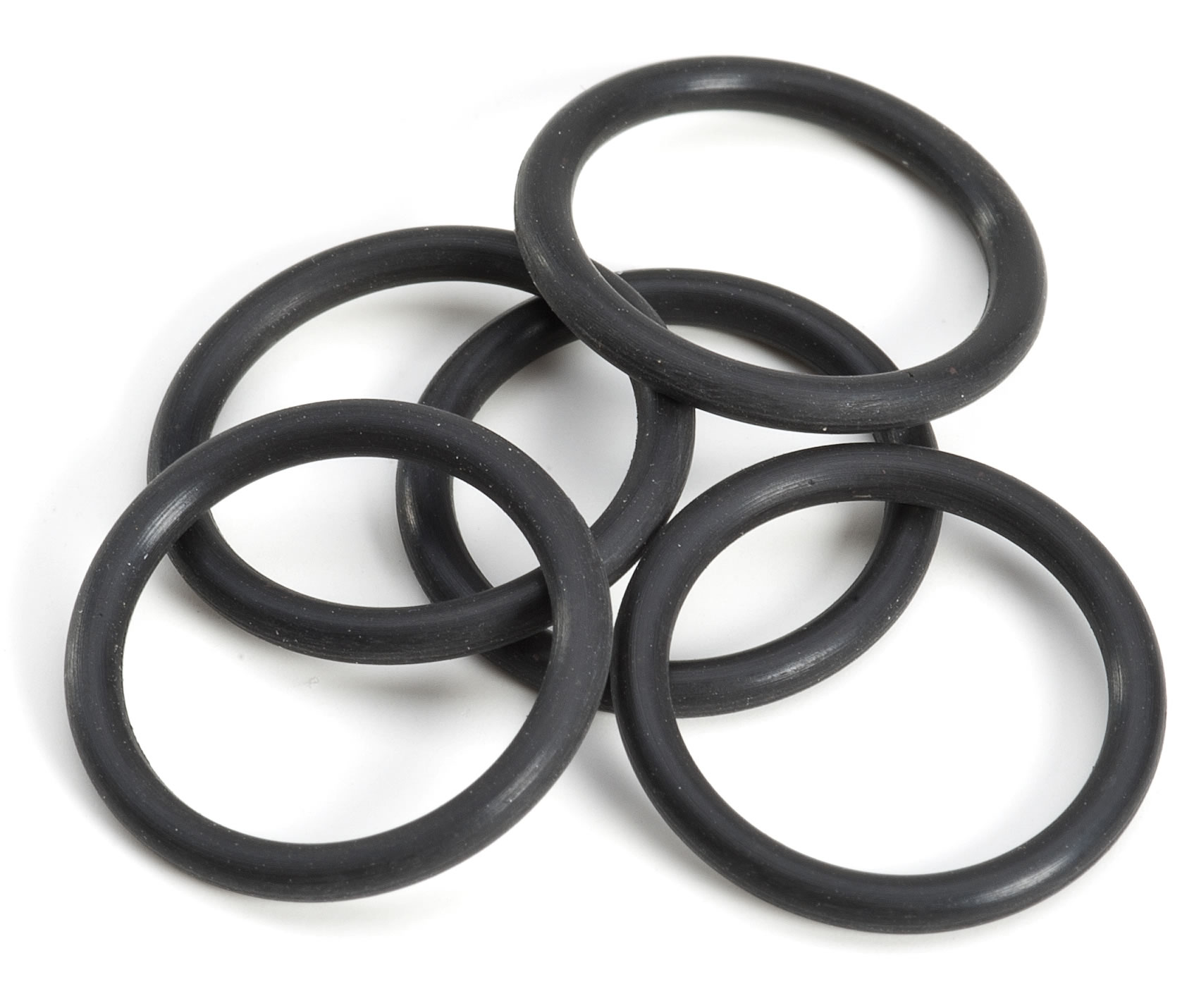
Our Engineering & Manufacturing Ecosystem
Integrated Engineering Team Structure (5+2+3)
Suzhou Baoshida’s core engineering capability is built on a precision-optimized team structure that ensures end-to-end control over material science, tooling integrity, and production consistency. This 5+2+3 framework aligns specialized expertise with industrial-grade precision requirements:
| Role | Count | Key Responsibilities | Impact on Product Performance |
|---|---|---|---|
| Mould Engineers | 5 | Precision mold design (GD&T compliance), rapid prototyping, tooling lifecycle management | ±0.005mm dimensional tolerance; 30% faster tooling lead times; 99.8% mold durability rate |
| Formula Engineers | 2 | NBR/FKM/EPDM material formulation, ASTM D2000 compliance, compression set optimization | 95% reduction in material degradation under thermal cycling; Shore A hardness control within ±2 units |
| Process Engineers | 3 | Injection molding parameter optimization, quality control protocols, production scalability | 25% higher production efficiency; 99.5% first-pass yield; ISO 14001-compliant process validation |
Solving Customer Pain Points Through Collaborative Manufacturing
Leveraging our 10+ certified partner factories and integrated engineering team, we eliminate systemic bottlenecks in automotive sealing solutions. Below is how our ecosystem addresses critical procurement challenges:
| Customer Pain Point | Our Solution | Engineering Expertise Applied |
|---|---|---|
| Extended lead times due to single-source dependency | Distributed production across 10+ certified partner factories with real-time capacity monitoring | Process Engineers optimize workflow across network; ISO 9001-compliant coordination |
| Tooling failures causing production delays | Dedicated Mould Engineering team for rapid diagnostics and modifications | 5 Mould Engineers provide 24/7 support; CAD/CAM-driven mold adjustments within 48 hours |
| Material inconsistency under thermal/chemical stress | Formula-driven validation per ASTM D2000 specifications | 2 Formula Engineers conduct accelerated aging tests (ASTM D573), compression set (ASTM D395), and oil resistance (ASTM D471) |
| Inability to meet tight tolerances for high-pressure applications | Precision mold design with in-process laser measurement | Mould Engineers apply GD&T standards; Shore A hardness controlled via formulation adjustments |
| Supply chain volatility disrupting production schedules | Multi-tiered supplier network with dual-sourcing for critical raw materials | Process Engineers maintain buffer stock for NBR/FKM/EPDM compounds; real-time inventory tracking |
Technical Validation Protocol
All solutions adhere to ASTM D2000-23 specifications, with material classification rigorously validated through:
Heat Aging: 70 hours at 150°C (ASTM D573) for Class B (NBR) and Class C (FKM) seals
Compression Set: ≤15% at 150°C for 22 hours (ASTM D395 Type 2)
Oil Resistance: ≤30% volume swell in IRM 903 oil (ASTM D471)
Shore A Hardness: 30–90 range with ±2 unit tolerance (ASTM D2240)
“By integrating specialized engineering expertise with a scalable manufacturing network, Suzhou Baoshida delivers automotive oil seals that meet stringent OEM requirements while eliminating procurement risks—ensuring 100% compliance with ASTM D2000 standards and 15% lower total lifecycle costs versus conventional suppliers.”
Customization & QC Process
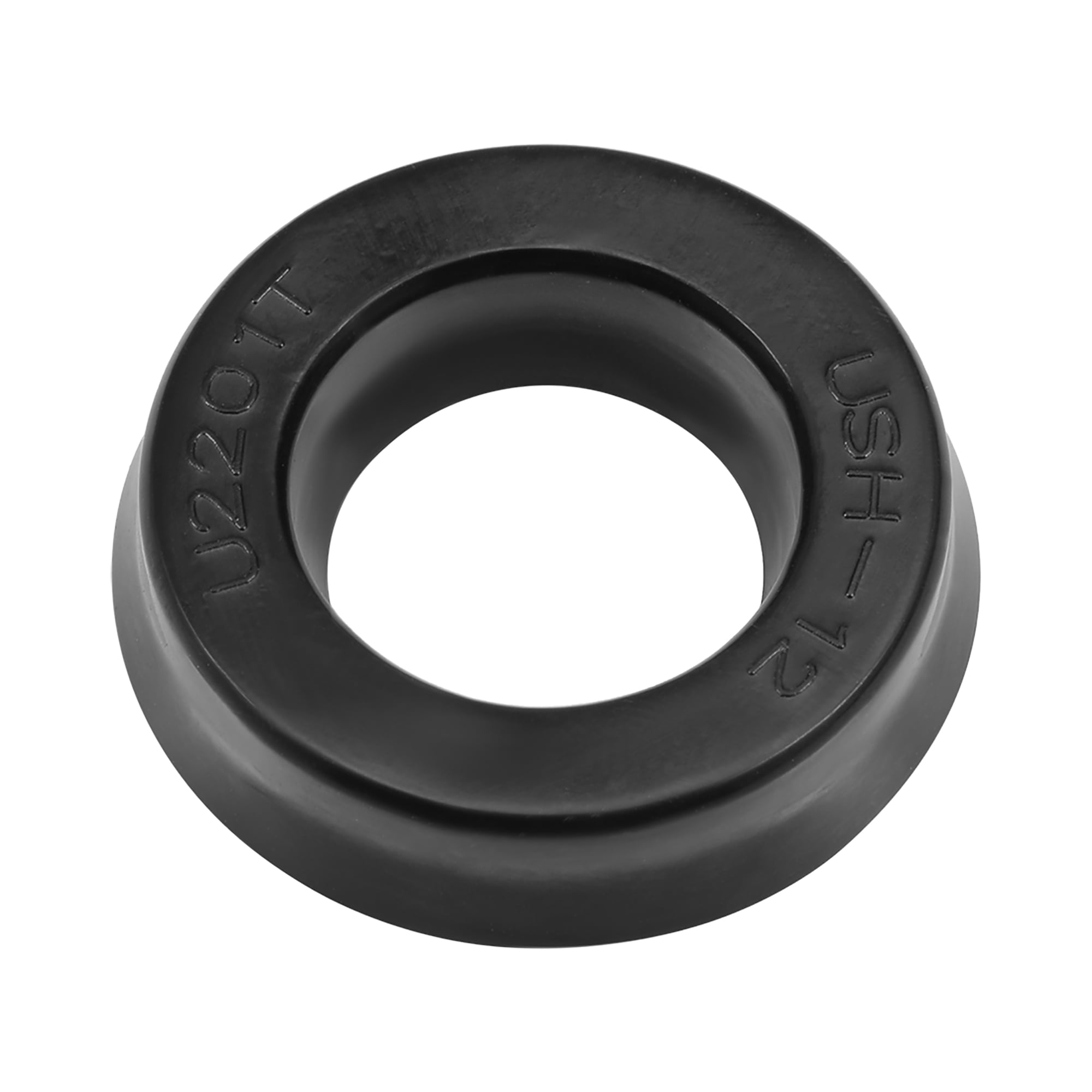
Quality Control & Customization Process
Suzhou Baoshida’s precision rubber seal manufacturing follows a rigorously controlled 4-phase process, leveraging a specialized 5+2+3 engineering team structure to ensure compliance with ASTM D2000 and OEM specifications. Each phase integrates cross-functional expertise to optimize performance, longevity, and cost-efficiency.
1. Drawing Analysis & Design Validation
CAD model review for GD&T compliance (ASME Y14.5), stress distribution analysis via FEA, and sealing interface optimization.
Senior Structural Engineers (15+ years) validate critical dimensions per ISO 2768-mK and customer-specific tolerances (e.g., radial runout ≤0.05mm for hydraulic cylinder seals).
Dimensional tolerance stack-up analysis to prevent leakage under dynamic pressure conditions (e.g., 20MPa hydraulic systems).
2. Material Formulation & ASTM D2000 Compliance
Formula Engineers select base polymers (NBR, FKM, EPDM) and optimize additive packages for chemical resistance, heat aging, and compression set.
ASTM D2000 classification applied for material selection:
Type: Heat resistance (e.g., Type 1 = 100°C, Type 2 = 125°C)
Class: Oil resistance (Class A = non-oil resistant, Class B = oil resistant, Class C = fuel resistant)
Grade: Tensile strength (e.g., Grade 2 = 15 MPa min)
Material Specifications Matrix
| Material | ASTM D2000 Type | Class | Shore A Hardness | Compression Set (ASTM D395) | Heat Aging (ASTM D573) |
|---|---|---|---|---|---|
| NBR | Type 1 | B | 50–90 | ≤35% @ 100°C/70h | 100°C for 70h |
| FKM | Type 2 | C | 60–90 | ≤25% @ 150°C/70h | 150°C for 70h |
| EPDM | Type 3 | A | 40–80 | ≤40% @ 100°C/70h | 100°C for 70h |
| Senior Formula Engineers (15+ years) tailor compound formulations for OEM-specific requirements (e.g., FKM for >200°C thermal stability in turbocharger applications; NBR for diesel fuel resistance per SAE J200). |
3. Prototyping & Validation Testing
Prototype production using precision-machined molds (±0.01mm tolerance) and 3D scanning for dimensional verification.
Validation testing per ASTM standards:
Heat aging (ASTM D573): 70 hours at specified temperatures
Compression set (ASTM D395): Method B (constant force)
Tensile strength (ASTM D412): Type IV dumbbell specimens
Failure mode analysis with root cause correction before mass production approval.
Senior Formula Engineers review test data against OEM specifications (e.g., compression set ≤25% for high-performance FKM seals in automotive transmissions).
4. Mass Production & In-Line Quality Control
Automated injection molding with IoT-enabled process control (vulcanization temperature ±1°C, pressure ±0.5 MPa).
In-process quality checks:
Shore hardness (every 500 units, ASTM D2240)
Dimensional verification via CMM (Cpk ≥1.33 for critical features)
Real-time SPC monitoring of key parameters (e.g., mold cavity pressure)
Final QC: 100% visual inspection, 5% random compression set testing, and batch traceability via QR codes.
Process Engineers optimize production flow to maintain 99.2% first-pass yield per ISO 9001.
5+2+3 Engineering Team Structure
| Team Role | Senior Engineers (15+ years) | Key Responsibilities |
|---|---|---|
| Mould Engineering | 5 | Precision mold design, thermal analysis, wear resistance optimization, and mold life extension |
| Formula Engineering | 2 | Material compound development, ASTM D2000 compliance, chemical resistance validation |
| Process Engineering | 3 | Production process optimization, SPC implementation, yield improvement, and automation integration |
Engineering Strength: This structure ensures end-to-end quality control from design validation to mass production, with each phase validated by industry veterans to meet the most stringent automotive and industrial standards (e.g., IATF 16949, ISO 14001). All formulas undergo 3-stage validation: lab-scale testing, prototype validation, and production-scale trials before customer release.
Contact Our Engineering Team
Contact Suzhou Baoshida
Solve your sealing problems today with engineering-driven solutions tailored to automotive, hydraulic, and industrial applications.
Our 5+2+3 engineering team ensures precision rubber seals meet ASTM D2000 specifications and application-specific demands. We deliver proven performance in extreme environments through rigorous material validation, process control, and cross-functional collaboration.
5+2+3 Engineering Team Structure
| Team Role | Engineers | Core Responsibilities |
|---|---|---|
| Mould Engineering | 5 | Precision tooling design (GD&T ≤±0.05mm), mold lifecycle management, dimensional stability validation per ISO 2768 |
| Formula Engineering | 2 | NBR/FKM/EPDM formulation optimization, ASTM D2000 compliance (heat aging, oil swell), compression set ≤15% @ 150°C (ASTM D395), Shore A hardness control (30-90±2) |
| Process Engineering | 3 | Vulcanization parameter optimization (time/temp/pressure), in-line Shore A hardness monitoring, defect root-cause analysis (e.g., flash, voids), production consistency (CpK ≥1.33) |
Direct Technical Support
For immediate assistance with material selection, specification compliance, or custom sealing solutions, contact our OEM Manager:
Email: [email protected]
Phone: +86 189 5571 6798
Guaranteed response within 24 hours for all technical inquiries. Our team leverages real-time data from 12+ industry-specific test protocols (including ASTM D471 oil resistance and ISO 3601 dimensional standards) to resolve sealing challenges before production begins.
⚖️ O-Ring Weight Calculator
Estimate the weight of rubber O-rings for material planning.