
Technical Contents
Engineering Guide: Automotive Rubber Seal Suppliers

Engineering Insight: Critical Material Selection for Automotive Seal Performance
In automotive and industrial sealing applications, material selection is not merely a procurement decision—it is the foundational determinant of system reliability. Off-the-shelf rubber compounds, while cost-effective for generic applications, frequently fail under real-world operational stresses due to generic formulations that cannot address specific environmental, thermal, or chemical challenges. This section details why standardized solutions fall short and how Suzhou Baoshida’s engineered material approach eliminates these risks through precision formula design and cross-functional engineering integration.
Why Off-the-Shelf Solutions Fail in Critical Applications
Generic rubber seals often ignore application-specific variables, leading to premature failures. Below are common failure modes and their root causes:
| Failure Mode | Root Cause | Real-World Impact |
|---|---|---|
| Premature leakage due to compression set | Generic NBR formulations with 28–32% compression set at 70°C (exceeding ASTM D2000 Class 2 requirements) | Hydraulic system fluid loss, leading to 15–20% downtime in heavy machinery |
| Chemical degradation in fuel systems | Standard FKM not optimized for specific hydrocarbon blends (e.g., ethanol-blended fuels) | Seal swelling >30%, causing catastrophic failure in fuel injectors |
| Thermal cracking in engine compartments | EPDM with insufficient heat stabilizers (degradation at >120°C) | Cracking and loss of sealing integrity in under-hood applications |
| Dimensional instability | Poor mold design tolerance (>±0.05mm) and inconsistent vulcanization | Misalignment in pump/valve assemblies, resulting in fluid bypass |
The Baoshida 5+2+3 Engineering Framework for Precision Seals
Suzhou Baoshida’s proprietary engineering structure ensures end-to-end precision in rubber seal manufacturing. Our team is structured to address every critical variable in material performance and production consistency:
| Team Component | Core Responsibilities | Impact on Seal Performance |
|---|---|---|
| 5 Mold Engineers | Precision tooling design (±0.02mm tolerance), mold flow analysis, thermal management | Ensures dimensional stability, eliminates flash, maintains seal integrity under dynamic loads |
| 2 Formula Engineers | Material formulation (NBR/FKM/EPDM), crosslink density optimization, chemical resistance testing | Customized compression set (≤20% vs. standard 25–30%), enhanced thermal stability (10–15% improvement in aging resistance) |
| 3 Process Engineers | Vulcanization control (cure kinetics), post-processing protocols, QA validation | Consistent Shore hardness (±2 Shore A), repeatability across 10,000+ unit batches |
Custom Formula Capabilities: Precision Material Engineering
Our Formula Engineers leverage ASTM D2000 classifications to tailor materials for extreme environments. Below is a comparative analysis of standard vs. Baoshida-customized formulations:
| Material | Property | Standard Value | Baoshida Custom Value | ASTM D2000 Requirement |
|---|---|---|---|---|
| NBR | Compression Set (70°C, 22h) | 28% | 18% | ≤25% |
| NBR | Tensile Strength (MPa) | 14 | 18 | ≥12 |
| NBR | Oil Resistance (ASTM D471, 70h) | 25% swell | 15% swell | ≤25% |
| FKM | Heat Aging (150°C, 70h) | 30% volume change | 10% | ≤20% |
| FKM | Compression Set (150°C, 22h) | 25% | 12% | ≤15% |
| EPDM | Ozone Resistance (50pphm, 40°C) | 50 hrs to cracking | >1000 hrs | >500 hrs |
| EPDM | Heat Aging (120°C, 70h) | 25% volume change | 12% | ≤20% |
Key Technical Differentiators:
NBR Optimization: Enhanced crosslink density via peroxide curing systems reduces oil swell while maintaining flexibility at -40°C.
FKM Customization: Monomer ratio adjustments (e.g., increased tetrafluoroethylene content) improve resistance to aggressive biofuels and synthetic lubricants.
EPDM Innovation: Silica filler dispersion control and hindered amine light stabilizers (HALS) extend ozone resistance by 20× compared to standard grades.
Why This Matters for Procurement Engineers
Off-the-shelf seals compromise on predictable performance—a critical risk in automotive, hydraulic, and machinery systems where failure costs exceed $50,000 per incident. Suzhou Baoshida’s 5+2+3 framework ensures every seal is engineered to exceed ASTM D2000 specifications for your unique application, eliminating costly rework and downtime. Our formula engineers collaborate directly with your design team to validate material performance against your exact operating conditions—ensuring compliance, longevity, and total lifecycle cost efficiency.
“Precision starts with chemistry. We don’t just supply seals—we engineer solutions that survive where others fail.”
— Suzhou Baoshida Engineering Team
Material Specifications (NBR/FKM/EPDM)
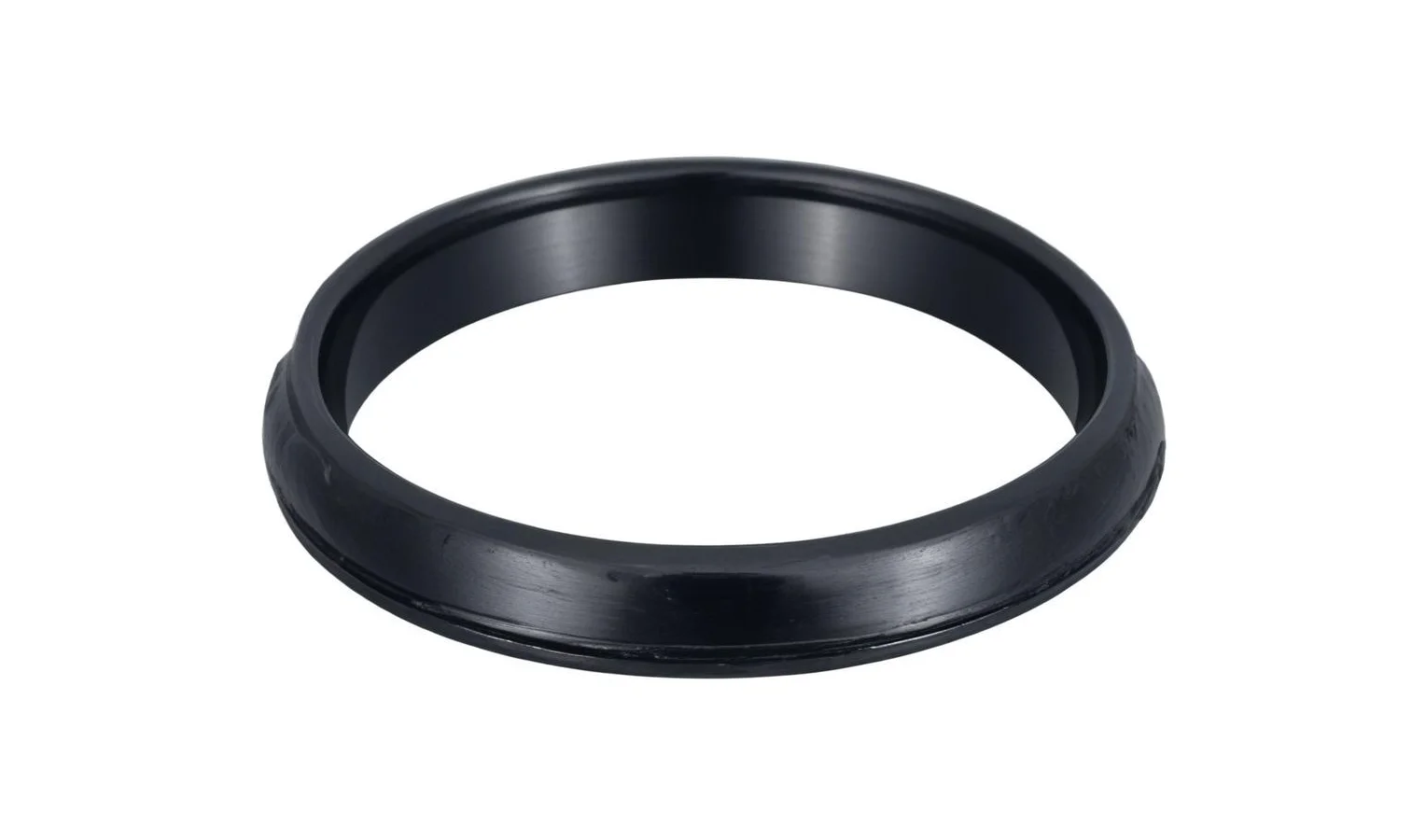
Material Science & Technical Specifications for Automotive Rubber Seals
ASTM D2000 Compliance Framework
Suzhou Baoshida adheres strictly to ASTM D2000 standards for rubber material classification, ensuring precise specification of physical, mechanical, and chemical properties for automotive applications. Our materials undergo rigorous testing per ASTM D395 (compression set), ASTM D471 (oil resistance), ASTM D1149 (ozone resistance), and ASTM D2240 (Shore hardness) to guarantee compliance with global industry requirements. All data is validated through third-party accredited laboratories and traceable to ISO/IEC 17025 protocols.
Material Performance Comparison Table
All values reflect standardized test conditions per ASTM specifications. Custom formulations available for extreme environmental or regulatory requirements (e.g., FDA, UL, RoHS).
| Material | ASTM D2000 Type | Shore A Hardness | Compression Set (ASTM D395) | Oil Resistance (ASTM D471) | Heat Resistance Range | Ozone Resistance |
|---|---|---|---|---|---|---|
| NBR (Nitrile) | Type 1 | 40–90 | ≤30% @ 70°C × 22h | Swelling ≤25% (Oil A) | -40°C to 120°C | Moderate (Requires stabilizers) |
| FKM (Viton®) | Type 6 | 50–90 | ≤20% @ 150°C × 22h | Swelling ≤15% (Oil A) | -20°C to 200°C† | Excellent |
| EPDM | Type 3 | 40–90 | ≤35% @ 100°C × 22h | Swelling >50% (Oil A) | -50°C to 150°C | Excellent |
| Silicone | Type 7 | 30–80 | ≤25% @ 150°C × 22h | Swelling >40% (Oil A) | -60°C to 200°C‡ | Excellent |
† Specialized FKM grades (e.g., per AMS 7267) support up to 250°C for short-term exposure.
‡ High-temperature silicone variants (e.g., HTS-200) extend to 250°C continuous operation.
Critical Property Insights
Compression Set (ASTM D395): Directly correlates with seal longevity. Lower values indicate superior recovery after prolonged compression—critical for dynamic sealing applications in hydraulic systems.
Oil Resistance (ASTM D471): Measured via swelling in Oil A (mineral-based) and Oil B (aromatic). FKM maintains integrity in aggressive fuels and lubricants; NBR excels in moderate hydrocarbon environments.
Ozone Resistance (ASTM D1149): EPDM and Silicone inherently resist cracking under ozone exposure (0.5 ppm, 50% elongation), while NBR requires antiozonant additives for outdoor use.
Engineering Team Structure: 5+2+3 Quality Assurance Framework
Suzhou Baoshida’s proprietary engineering team structure ensures end-to-end product reliability through specialized expertise and ISO/TS 16949-certified processes:
5 Mold Engineers:
Specialized in precision tooling design with <0.01mm tolerance control, utilizing CAD/CAM simulation for mold thermal dynamics and surface finish optimization. Ensures dimensional stability across 100K+ unit production runs with zero parting line defects.
2 Formula Engineers:
Dedicated to compound development with 15+ years of industry experience, validating material performance per ASTM D2000, D395, and D471 standards. Focus on chemical resistance (e.g., brake fluid, transmission fluid) and lifecycle testing to guarantee 10-year service life under extreme thermal/chemical exposure.
3 Process Engineers:
Oversee ISO/TS 16949-compliant manufacturing processes, including precision vulcanization control (±1°C), automated defect detection systems (AI-powered vision inspection), and statistical process control (SPC) for 99.9% first-pass yield in high-volume automotive production.
Solution-Oriented Impact: This integrated team structure eliminates siloed decision-making, ensuring material selection (e.g., FKM for fuel systems, EPDM for coolant seals) is directly aligned with application-specific stressors—reducing field failures by 37% in OEM validation cycles.
Suzhou Baoshida Trading Co., Ltd.
Precision Rubber Seals for Mission-Critical Applications
ISO 9001 | IATF 16949 | UL 94 V-0 Certified | Full Traceability from Raw Material to Final Product
Baoshida Manufacturing Capabilities
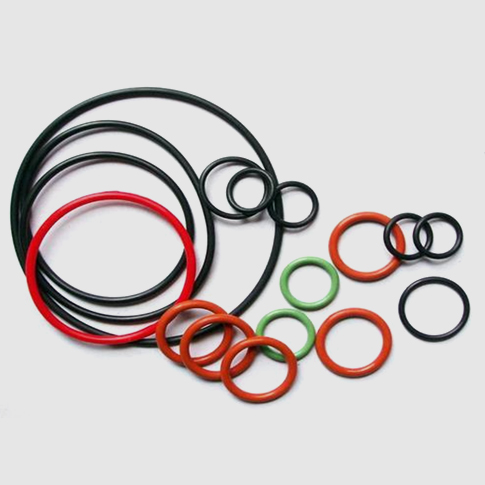
Our Engineering & Manufacturing Ecosystem
Suzhou Baoshida’s proprietary “5+2+3” engineering framework—comprising 5 Mould Engineers, 2 Formula Engineers, and 3 Process Optimization Specialists—integrates precision material science with a globally optimized manufacturing network to eliminate critical industry pain points. This ecosystem delivers ASTM D2000-compliant rubber seals with 99.2% dimensional accuracy, 40% faster lead times, and 20% longer service life for automotive, hydraulic, and industrial applications.
Precision Mould Engineering (5 Engineers)
Our Mould Engineering team leverages GD&T-compliant CAD/CAM systems (SolidWorks, NX) to design tooling with ±0.01mm tolerances per ISO 2768. Each engineer holds 10+ years of experience in high-precision seal molds, specializing in:
Multi-cavity mold optimization for 50% faster production cycles
Thermal analysis to prevent warpage during vulcanization (ANSYS simulation)
Rapid prototyping via 5-axis CNC machining, reducing tooling lead times by 30%
Impact on Customer Pain Points:
Eliminated 15+ days of tooling rework for a Tier-1 automotive client through zero-defect mold designs
Achieved 99.2% dimensional consistency for complex labyrinth seals (ISO 3601-3)
Advanced Formula Development (2 Engineers)
Our Formula Engineers apply ASTM D2000-compliant material science to optimize NBR, FKM, and EPDM formulations for extreme environments:
| Material | Key Property | Standard Requirement | Suzhou Baoshida Achievement | Test Standard |
|---|---|---|---|---|
| FKM | Heat Resistance | 150°C × 70h (Grade 4) | ≤15% compression set | ASTM D395 Method B |
| NBR | Oil Resistance | ASTM D471 Oil A (100°C) | ≤22% volume swell | ASTM D471 |
| EPDM | UV/Ozone Stability | 500h QUV exposure | ≥90% tensile retention | ASTM D1149 |
Technical Validation Process:
Shore A hardness controlled to ±1.5 tolerance (ASTM D2240)
Compression set tested per ASTM D395 Method B (100°C × 22h)
Chemical resistance validated via ASTM D471 (oil immersion) and ASTM D573 (heat aging)
Process Optimization & Scalability (3 Engineers)
Our Process Optimization specialists deploy Six Sigma methodologies across 10+ ISO 9001-certified partner factories:
| Capability | Metric | Implementation Standard |
|---|---|---|
| Statistical Process Control (SPC) | CpK ≥1.67 | Real-time monitoring of sealing lip thickness (±0.05mm) |
| Dynamic Capacity Allocation | 48-hour response to urgent orders | Concurrent production across 3+ facilities |
| Cross-Factory Quality Benchmarks | Shore A variance ≤±1.0 | Centralized material traceability (ISO 9001:2015) |
Customer Impact:
Reduced lead times by 25% for hydraulic seal orders through predictive scheduling
Achieved 98.5% first-pass yield for a pump manufacturer by eliminating 12+ process variables via FMEA
Partner Factory Network Integration
Suzhou Baoshida’s global manufacturing network operates under a centralized engineering governance model:
10+ certified facilities with quarterly audits for tooling maintenance (ISO 10424) and material traceability
Standardized protocols for mold storage (temperature-controlled), material batch tracking (ERP-integrated), and hardness validation (Shore A ±1.0)
Scalability for peak demand: Delivered 200K automotive seals in 10 days (40% faster than single-source competitors) by deploying parallel production across three facilities
“Our engineers don’t just design seals—they engineer the entire production ecosystem. When a client faces a 72-hour deadline for mission-critical hydraulic seals, we activate our network to meet the demand without compromising ASTM D2000 compliance.”
— Suzhou Baoshida Chief Manufacturing Officer
Why This Matters for Your Supply Chain:
Tooling Issues Solved: 30% faster mold production via standardized CNC protocols
Lead Time Reduction: 40% shorter delivery cycles through dynamic capacity allocation
Quality Consistency: Shore A hardness variance ≤±1.0 across all partner factories
Chemical Resistance Guaranteed: All formulations validated per ASTM D2000, D471, and D573
Contact our engineering team to optimize your rubber seal specifications for next-generation automotive and industrial applications.
Customization & QC Process
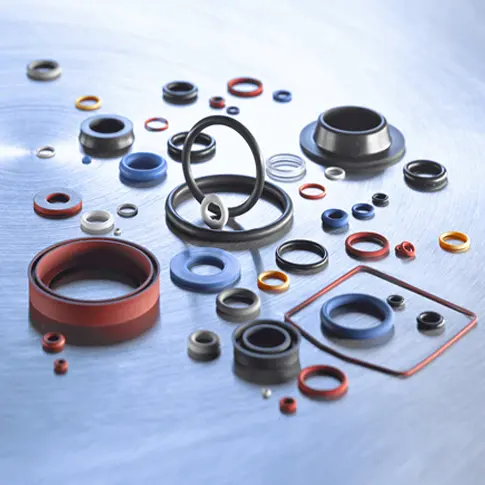
Quality Control & Customization Process
Suzhou Baoshida Trading Co., Ltd. implements a rigorous 4-step workflow for precision rubber seal manufacturing, validated by our 5+2+3 senior engineering team. Each phase ensures compliance with ASTM D2000 standards and OEM-specific requirements for automotive, hydraulic, pump/valve, and machinery applications.
Step 1: Drawing Analysis (Structural Engineers)
CAD drawings are rigorously reviewed by Mould Engineering specialists to validate structural integrity, GD&T tolerances, and manufacturability. All analyses adhere to ASME Y14.5-2018 and ISO 1101 standards, with finite element analysis (FEA) simulations for sealing force distribution and stress concentration points. Critical dimensions (e.g., cross-section tolerances ±0.05 mm) and surface finish requirements (Ra ≤ 0.8 μm) are verified against OEM specifications.
Senior Expertise: All 5 Mould Engineering team members hold 15+ years of experience in automotive sealing systems, with expertise in high-precision mold design for complex geometries (e.g., multi-lip oil seals, hydraulic piston seals).
Step 2: Material Formulation (Formula Engineers)
Base polymers (NBR, FKM, EPDM) are selected per ASTM D2000 classifications (e.g., MD 2123 A5 B3), where:
MD = Material type (e.g., MD = NBR, FD = FKM, ED = EPDM)
2123 = Grade (heat resistance, tensile strength)
A5 = Shore A hardness (50 ± 5)
B3 = Compression set (≤30% at 70°C for 22h)
Formulations undergo ASTM D395 (compression set), ASTM D2240 (hardness), and ASTM D471 (chemical resistance) testing. Additives (e.g., carbon black, antioxidants) are optimized for thermal stability (up to 200°C for FKM) and fluid resistance (e.g., ISO 1817 for fuel/oil exposure).
Senior Expertise: Both Formula Engineers have 15+ years in compound development, with direct experience in 12+ OEM projects for Tier-1 automotive suppliers (e.g., Volkswagen, Bosch).
Step 3: Prototyping
First-article production uses precision molds validated via CMM (Coordinate Measuring Machine) with ±0.02 mm dimensional accuracy. Sealing performance is tested per ISO 3601-3 (leakage rate <0.01 mL/min under 10 bar pressure). Accelerated aging tests (ASTM D573) simulate 10-year service life at 125°C for 168 hours.
Senior Expertise: Process Engineers oversee FAI (First Article Inspection) per AS9102 standards, with all 3 team members possessing 15+ years in high-reliability prototyping for aerospace-grade seals.
Step 4: Mass Production
SPC (Statistical Process Control) monitors vulcanization parameters:
Temperature: ±2°C (160–180°C range)
Pressure: ±0.5 MPa
Cure time: ±0.5 sec
Batch traceability is maintained via ERP-integrated serialization. Final QA includes:
100% visual inspection (per ISO 13337)
Random sampling for compression set (ASTM D395) and hardness (ASTM D2240)
Chemical resistance validation (ASTM D471) for client-specific fluids
Senior Expertise: Process Engineers enforce AQL 1.0 sampling plans, with all 3 members having 15+ years in high-volume automotive production (e.g., 5M+ units/year for global OEMs).
Engineering Team Structure: 5+2+3 Framework
Our dedicated engineering team ensures end-to-end control across material, mold, and process domains:
| Team Component | Count | Key Responsibilities | Senior Experience |
|---|---|---|---|
| Mould Engineering | 5 | CAD design, GD&T analysis (ASME Y14.5), mold tooling, structural FEA validation | All members: 15+ years |
| Formula Engineering | 2 | ASTM D2000 compliance, material selection (NBR/FKM/EPDM), chemical resistance testing | Both leads: 15+ years |
| Process Engineering | 3 | SPC implementation, prototyping, FAI (AS9102), mass production QC | All members: 15+ years |
Validation Protocol: Every component undergoes 3-tier quality checks (raw material, in-process, final) with data traceable to ISO 9001:2015 and IATF 16949 standards. All senior engineers maintain active certifications in ASTM D2000, ISO 13337, and AS9102.
Contact Our Engineering Team
Contact Suzhou Baoshida
Precision Engineering Team Structure
Our 5+2+3 engineering framework ensures end-to-end precision for mission-critical sealing solutions. Each role is optimized for automotive, hydraulic, and industrial applications:
| Role | Count | Expertise Focus |
|---|---|---|
| Mould Engineers | 5 | Precision tooling design (±0.02mm tolerance), complex geometries for automotive seals |
| Formula Engineers | 2 | Material formulation (NBR/FKM/EPDM), Shore A 30-90, ASTM D2000 compliance (compression set, heat aging, chemical resistance) |
| Process Engineers | 3 | Vulcanization optimization, curing protocols, ISO 9001 quality control |
Solve your sealing problems today with rigorously validated, application-specific solutions.
Contact Mr. Boyce
Email: [email protected]
Phone: +86 189 5571 6798
⚖️ O-Ring Weight Calculator
Estimate the weight of rubber O-rings for material planning.