
Technical Contents
Engineering Guide: Automotive Window Gasket
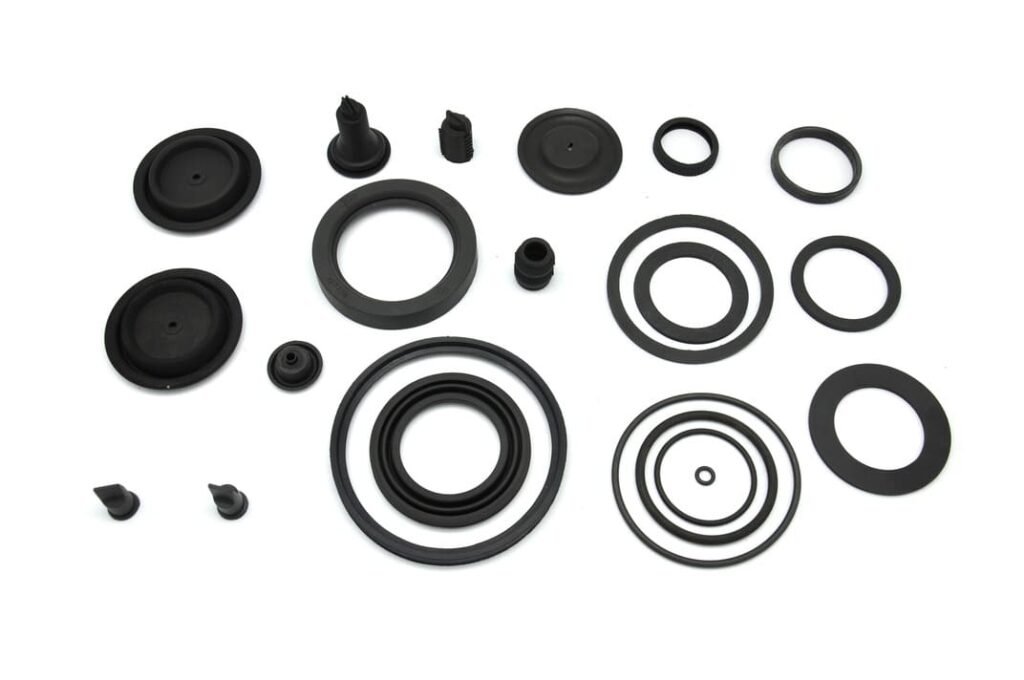
Engineering Insight: Material Selection in Automotive Window Gaskets
In the precision-driven domain of automotive sealing systems, the performance of a window gasket is fundamentally determined by its material composition. Off-the-shelf rubber solutions, while economically appealing, frequently fail to meet the rigorous demands of modern vehicle platforms. These failures stem from an inadequate alignment between generic material properties and the specific environmental, mechanical, and regulatory conditions encountered in automotive applications.
Automotive window gaskets are subjected to continuous thermal cycling, UV exposure, ozone degradation, and mechanical compression over extended service life. Standard elastomers such as natural rubber (NR) or low-grade EPDM often exhibit premature cracking, compression set, and loss of sealing force under these conditions. In contrast, high-performance formulations based on tri-layer EPDM compounds or thermoplastic vulcanizates (TPV) are engineered to maintain elasticity, dimensional stability, and adhesion integrity across temperature ranges from -40°C to +130°C.
Material selection directly influences key performance metrics including compression set resistance, tensile strength, and surface friction. For example, a gasket installed in a high-speed automated assembly line must exhibit low friction to prevent tearing during glass insertion, while maintaining sufficient grip to avoid slippage. Similarly, gaskets in sunroof or panoramic roof systems demand superior UV resistance and low volatile organic compound (VOC) emissions to prevent fogging on interior glass surfaces.
Another critical factor is compatibility with bonding agents and surface treatments used in OEM manufacturing. Many generic gaskets lack the surface energy characteristics required for reliable adhesion to polyurethane (PU) sealants, leading to delamination and water ingress. Precision-engineered compounds incorporate functional additives and co-extrusion technologies to ensure robust interfacial bonding without compromising flexibility.
Below is a comparative analysis of elastomer performance relevant to automotive window gasket applications:
| Material | Temperature Range (°C) | Compression Set (% @ 100h, 100°C) | Tensile Strength (MPa) | UV/Ozone Resistance | Typical Use Case |
|---|---|---|---|---|---|
| Standard EPDM | -30 to +110 | 35–45 | 8–10 | Moderate | Non-critical side windows |
| High-Grade EPDM | -40 to +130 | 15–20 | 12–15 | Excellent | Front/rear windshields, sunroofs |
| TPV (Thermoplastic Vulcanizate) | -40 to +125 | 20–25 | 10–12 | Excellent | Frameless doors, automated assembly |
| Silicone | -50 to +180 | 10–15 | 6–8 | Exceptional | High-end specialty glazing |
At Suzhou Baoshida Trading Co., Ltd., we emphasize application-specific material engineering over one-size-fits-all solutions. Our gasket formulations are developed in collaboration with OEMs to match exact performance envelopes, ensuring long-term reliability, compliance with ISO 1856 and GMW15752 standards, and seamless integration into automated production lines. The cost of failure—water leakage, wind noise, or warranty claims—far exceeds the incremental investment in precision-tailored elastomers.
Material Specifications
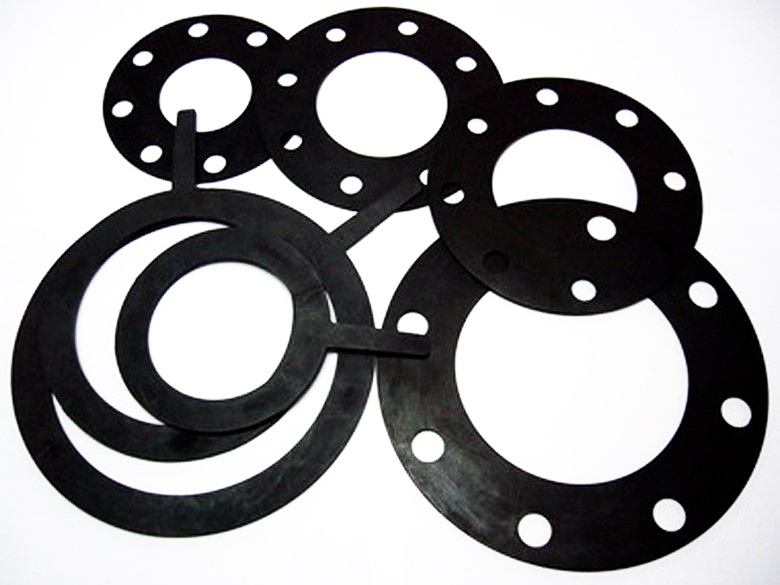
Automotive Window Gasket Material Specifications: Engineering Performance for Precision Sealing
Material selection for automotive window gaskets is a critical engineering decision directly impacting vehicle durability, noise vibration harshness (NVH) performance, and long-term weather sealing integrity. At Suzhou Baoshida Trading Co., Ltd., our precision rubber seals undergo rigorous formulation and testing to meet stringent OEM requirements across diverse climatic and operational conditions. The primary elastomers employed—Viton (FKM), Nitrile (NBR), and Silicone (VMQ)—offer distinct performance profiles tailored to specific vehicle zones and functional demands. Viton excels in high-temperature under-hood proximity applications and exceptional resistance to automotive fluids, including brake fluids and fuels. Nitrile provides optimal cost-performance balance for standard door and body glass channels, demonstrating superior resistance to oils, greases, and moderate weathering. Silicone delivers unparalleled low-temperature flexibility and UV/ozone stability, making it indispensable for sunroof and panoramic roof seals exposed to extreme environmental cycling. Each compound is engineered to ASTM D2000 line callout standards, ensuring precise control over critical properties like compression set, tensile strength, and fluid resistance essential for maintaining seal force over the vehicle’s lifespan. Consistent Shore A hardness (typically 60-75) and controlled elongation at break are vital for installation force management and resistance to permanent deformation during glass movement.
Key material properties must be evaluated against specific application requirements. Temperature extremes dictate base polymer choice: exposure to paint shop curing cycles (>180°C) necessitates Viton or specialized high-temperature Silicone, while standard exterior applications may utilize NBR. Fluid exposure profiles, particularly near door latch mechanisms or fuel systems, mandate NBR or FKM for hydrocarbon resistance. Low-temperature flexibility requirements for arctic climates or sunroof mechanisms often drive Silicone selection. Crucially, long-term compression set resistance is non-negotiable; excessive set leads to seal force loss, water ingress, and wind noise. All compounds are formulated with advanced stabilizers and reinforcing fillers to minimize set while maintaining required elasticity and extrusion characteristics for complex gasket profiles.
The following table details comparative technical specifications for standard automotive-grade compounds meeting OEM validation protocols:
| Property | Viton (FKM) | Nitrile (NBR) | Silicone (VMQ) |
|---|---|---|---|
| Temperature Range (°C) | -20 to +230 | -40 to +120 | -60 to +200 |
| Key Fluid Resistance | Excellent: Fuels, Oils, Brake Fluid, Acids | Excellent: Oils, Greases, Aliphatic Hydrocarbons | Poor: Oils/Fuels; Good: Water, Antifreeze |
| Shore A Hardness Range | 60 – 80 | 55 – 75 | 50 – 70 |
| Tensile Strength (MPa) | 10 – 18 | 15 – 25 | 5 – 10 |
| Elongation at Break (%) | 150 – 300 | 250 – 450 | 200 – 600 |
| Compression Set (ASTM D395, 22h) | ≤ 25% @ 200°C | ≤ 25% @ 100°C | ≤ 20% @ 150°C |
| Ozone/UV Resistance | Excellent | Moderate | Excellent |
| Primary Automotive Application | Hood/Trunk Seals near Engine | Door Glass Channels, Body Seals | Sunroofs, Panoramic Roofs, Extreme Cold Zones |
Material validation extends beyond baseline specs to include dynamic fatigue testing, adhesion to glass/cladding, and compatibility with automotive assembly processes like robotic handling and adhesive bonding. Suzhou Baoshida Trading Co., Ltd. collaborates directly with OEM engineering teams to tailor compound formulations, ensuring seamless integration into global vehicle platforms while meeting all regional regulatory and performance mandates. Precise material specification is foundational to eliminating field failures and achieving premium sealing performance.
Manufacturing Capabilities
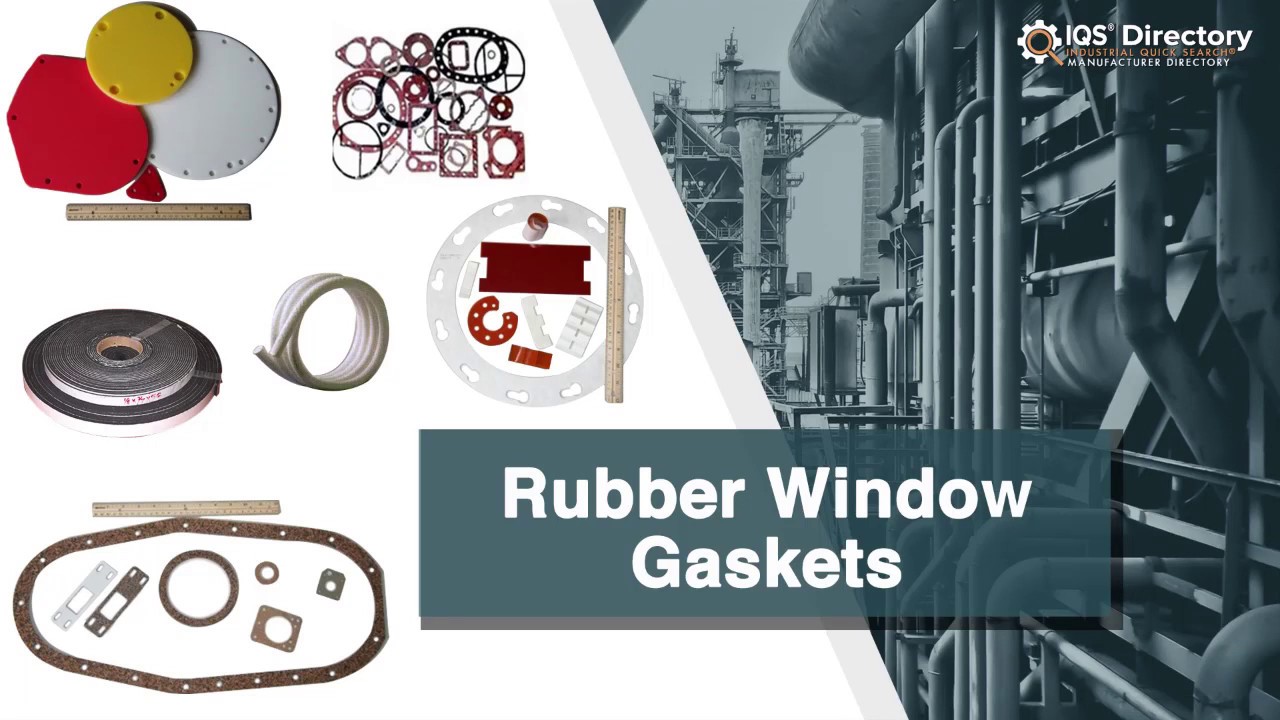
Engineering Capability
At Suzhou Baoshida Trading Co., Ltd., our engineering capability forms the backbone of our leadership in precision rubber seals for the automotive industry. With a dedicated team of five certified mould engineers and two specialized rubber formulation engineers, we deliver technically advanced, application-specific window gasket solutions tailored to OEM requirements. Our integrated engineering approach ensures seamless development from concept to mass production, maintaining tight tolerances, material integrity, and long-term performance under real-world conditions.
Our mould engineering team leverages advanced CAD/CAM/CAE tools, including SolidWorks, UG NX, and Moldflow simulation software, to design and validate complex gasket profiles with precision. This enables optimization of flow dynamics, shrinkage prediction, and parting line accuracy—critical factors in producing defect-free rubber extrusions and injection-moulded components. Each design undergoes rigorous virtual testing to identify potential stress points, compression set risks, or sealing inefficiencies before tooling fabrication begins. This proactive methodology reduces time-to-market and ensures first-time-right performance, particularly for complex multi-cavity or co-extruded gasket systems.
Complementing our tooling expertise, our two in-house rubber formulation engineers specialize in developing custom EPDM, silicone, and TPE compounds engineered for specific environmental and mechanical demands. These include resistance to UV degradation, ozone exposure, extreme temperatures (-50°C to +150°C), and long-term compression set—key performance indicators for automotive window sealing. By controlling the formulation process internally, we ensure batch-to-batch consistency, regulatory compliance (e.g., REACH, RoHS), and compatibility with automated installation processes used by OEM assembly lines.
Our OEM capabilities are built on a foundation of collaborative engineering. We work directly with automotive Tier 1 suppliers and OEM design teams to co-develop gasket solutions that meet dimensional, functional, and durability specifications. This includes DFMEA support, prototype sampling within 15–20 days, and full PPAP documentation. Our facility supports low-volume pilot runs and high-volume production with automated extrusion lines and 100% inline dimensional inspection using laser gauging systems.
The following table outlines key technical specifications achievable through our engineering and manufacturing platform:
| Parameter | Capability |
|---|---|
| Material Types | EPDM, Silicone, TPE, CR (Neoprene) |
| Hardness Range (Shore A) | 40–90 ±5 |
| Dimensional Tolerance | ±0.1 mm (critical sealing zones) |
| Temperature Resistance | -50°C to +150°C (standard); up to +200°C (specialty compounds) |
| Compression Set (22h @ 100°C) | ≤20% (EPDM); ≤15% (silicone) |
| Mould Accuracy | ±0.05 mm (steel cavities with mirror polishing) |
| Lead Time (Prototype) | 15–20 days from approved design |
| OEM Support | Full DFMEA, PPAP, IMDS, APQP compliance |
This vertically integrated engineering model—combining advanced tooling design, proprietary material science, and OEM-grade validation—positions Suzhou Baoshida as a trusted technical partner in the automotive window gasket supply chain.
Customization Process
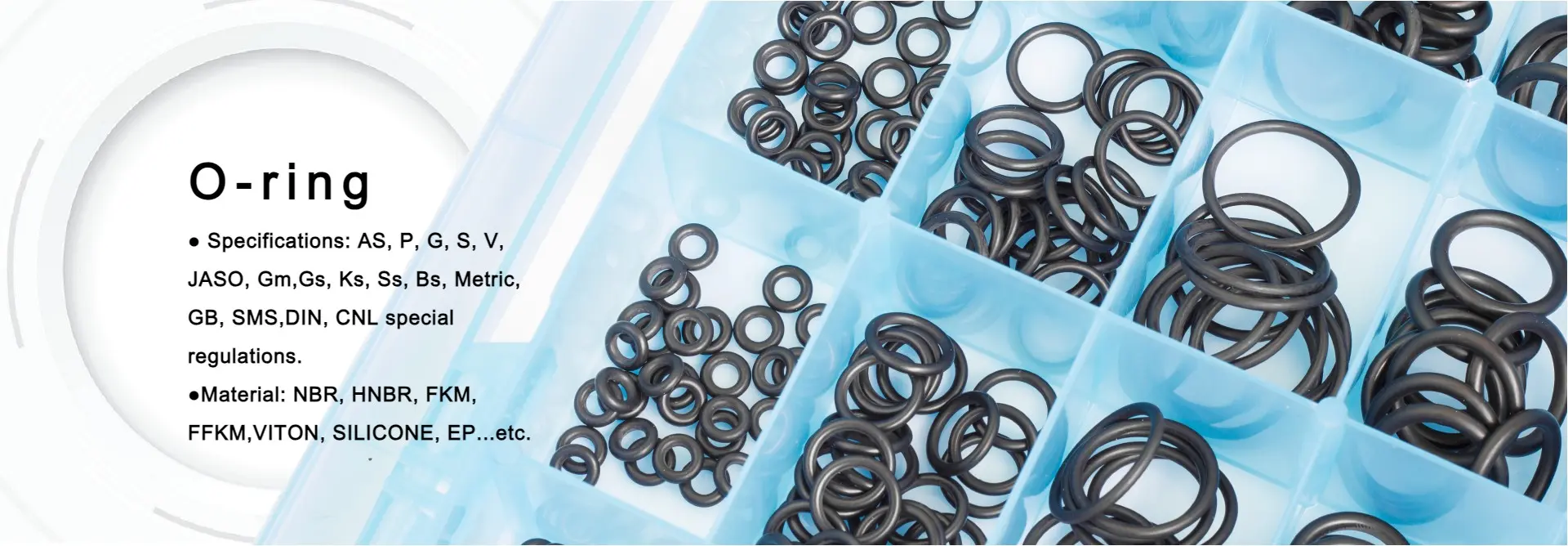
Automotive Window Gasket Customization Process
Suzhou Baoshida Trading Co., Ltd. executes a rigorous, four-phase customization protocol for automotive window gaskets, ensuring dimensional precision, environmental resilience, and seamless OEM integration. This methodology aligns with IATF 16949 standards and leverages 15+ years of precision rubber seal expertise.
Drawing Analysis
Initial engagement requires comprehensive CAD file review against OEM specifications. Our engineering team validates critical parameters including cross-sectional tolerances (±0.1mm), sealing surface geometry, and installation groove compatibility using GD&T principles. Finite element analysis (FEA) simulates compression behavior under operational loads, identifying potential stress concentrations or gap risks. Material compatibility with adjacent components (e.g., painted metal, glass coatings) is cross-referenced against chemical resistance databases. Any discrepancies trigger collaborative revision loops with the client before progression.
Formulation Development
Material science drives performance. Based on environmental exposure profiles—UV intensity, ozone levels, temperature extremes (-40°C to +150°C), and fluid contact—our rubber compounders select base polymers (primarily EPDM variants) and engineer proprietary additive packages. Peroxide curing systems replace sulfur for superior heat aging resistance, while nano-silica reinforcement optimizes compression set retention. Each formulation undergoes accelerated aging tests per ASTM D2000, targeting <25% compression set after 70 hours at 125°C. Shore A hardness is fine-tuned to 65±5 to balance sealing force and installation ease.
Prototyping & Validation
Low-volume prototypes are produced via precision extrusion and vulcanization in controlled dies. Dimensional conformity is verified through CMM scanning against the approved CAD model, with critical zones measured at 0.01mm resolution. Functional validation includes:
Dynamic weathering cycles (SAE J2527) for 2,000 hours
Compression load-deflection profiling per ASTM D1056
Adhesion testing to automotive substrates
First-article inspection reports detail all 32+ critical characteristics. Client sign-off requires zero deviations on sealing integrity and dimensional stability.
Mass Production
Approved formulations transition to dedicated production lines with real-time SPC monitoring. Each batch undergoes:
Mooney viscosity checks (ASTM D1646)
Cure kinetics validation (ASTM D5289)
100% visual inspection via automated optical systems
Traceability is maintained through laser-etched batch codes linked to raw material certificates. Production output adheres to PPAP Level 3 requirements, with annual revalidation of all performance metrics.
Key Material Performance Specifications
| Property | Standard EPDM | Baoshida Specialty EPDM | Test Standard |
|---|---|---|---|
| Shore A Hardness | 60–70 | 65 ± 3 | ASTM D2240 |
| Tensile Strength | ≥10 MPa | ≥14 MPa | ASTM D412 |
| Compression Set (22h/125°C) | ≤35% | ≤22% | ASTM D395 Method B |
| Heat Aging (70h/150°C) | Δ Hardness: +15 pts | Δ Hardness: +8 pts | ASTM D573 |
| Ozone Resistance | Cracking at 50 ppm | No cracks at 100 ppm | ASTM D1149 |
This structured workflow ensures gaskets deliver 150,000+ door cycles without leakage, meeting stringent OEM durability mandates while minimizing client validation timelines. Suzhou Baoshida’s closed-loop process guarantees zero field failures attributable to material or dimensional variance.
Contact Engineering Team
Contact Suzhou Baoshida for Precision Automotive Window Gasket Solutions
At Suzhou Baoshida Trading Co., Ltd., we specialize in the development and supply of high-performance rubber seals engineered for the rigorous demands of the automotive industry. As a trusted OEM partner, we deliver precision-engineered window gaskets that ensure long-term durability, weather resistance, and optimal sealing performance across a wide range of vehicle platforms. Our expertise in rubber compounding, tooling design, and high-volume manufacturing enables us to meet exacting OEM specifications while maintaining consistent quality and on-time delivery.
For global automotive manufacturers and tier suppliers seeking a reliable source for custom window gaskets, direct engagement with our technical team is the first step toward optimizing your sealing solutions. Mr. Boyce, our dedicated OEM Manager and Rubber Formula Engineer, leads client collaboration from initial material selection to final product validation. With over 15 years of experience in rubber formulation and automotive sealing applications, Mr. Boyce ensures that every gasket we produce meets the functional, environmental, and regulatory requirements of modern vehicles.
We invite engineering teams and procurement managers to contact Mr. Boyce directly at [email protected] to discuss your current or upcoming projects. Whether you require EPDM, silicone, or specialty fluoroelastomer gaskets, our R&D facility in Suzhou is equipped to develop compounds tailored to your thermal, compression, and UV resistance needs. Our in-house testing capabilities include aging chambers, tensile testers, and dynamic weather simulation rigs to validate performance before mass production.
To support your technical evaluation, below are standard specifications for our most commonly supplied automotive window gasket series. These values represent baseline performance; custom formulations are available upon request.
| Property | Test Method | Typical Value |
|---|---|---|
| Hardness (Shore A) | ASTM D2240 | 60 ± 5 |
| Tensile Strength | ASTM D412 | ≥12 MPa |
| Elongation at Break | ASTM D412 | ≥350% |
| Compression Set (24h @ 70°C) | ASTM D395 | ≤25% |
| Operating Temperature Range | — | -40°C to +120°C |
| Specific Gravity | ASTM D297 | 1.45 ± 0.05 |
| Color Options | — | Black, Gray, Custom (on request) |
| Material Type | — | EPDM, Silicone, FKM |
Our manufacturing facility operates under ISO 9001 and IATF 16949 standards, ensuring full traceability, process control, and compliance with automotive quality systems. We support global supply chains with containerized shipments, JIT delivery models, and bilingual technical documentation.
Partner with Suzhou Baoshida to enhance your window sealing performance with scientifically formulated rubber solutions. Initiate your project today—contact Mr. Boyce at [email protected] for technical consultation, sample requests, or quotation.
⚖️ O-Ring Weight Calculator
Estimate rubber O-ring weight (Approx).