
Technical Contents
Engineering Guide: Backsheet Silicone Coating
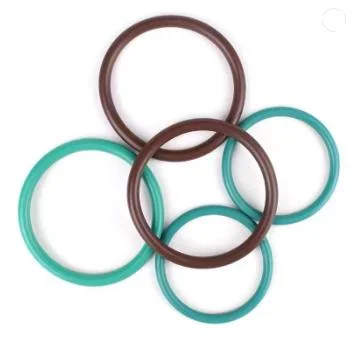
Engineering Insight: Material Selection in Backsheet Silicone Coating
In the production of photovoltaic (PV) modules, the backsheet serves as a critical protective barrier, ensuring long-term electrical insulation, mechanical durability, and resistance to environmental degradation. Among advanced manufacturing techniques, silicone coating has emerged as a high-performance solution for backsheet encapsulation. However, the success of this process is fundamentally dependent on precise material selection—a factor often underestimated when off-the-shelf silicone formulations are adopted without customization.
Silicone coatings function under extreme operational conditions, including prolonged UV exposure, thermal cycling between -40°C and 85°C, and high humidity environments. Standard commercial silicones, while cost-effective and readily available, are typically formulated for general industrial use and lack the tailored chemistry required for PV backsheet applications. These generic formulations frequently exhibit inadequate adhesion to polyester (PET) substrates, poor resistance to hydrolysis, and insufficient dielectric strength—leading to premature delamination, electrical leakage, and field failure.
The molecular architecture of silicone polymers must be engineered to balance flexibility, crosslink density, and surface energy. For instance, vinyl-functionalized polydimethylsiloxane (PDMS) with controlled branching and optimized platinum-catalyzed curing yields superior weatherability and adhesion. Furthermore, the inclusion of specialized adhesion promoters such as silane coupling agents (e.g., glycidoxypropyltrimethoxysilane) is essential to form covalent bonds with the underlying PET or fluoropolymer layers.
Another critical consideration is the coefficient of thermal expansion (CTE) compatibility between the silicone layer and the substrate. Mismatched CTE values induce interfacial stress during thermal cycling, accelerating microcrack formation. Custom formulations allow precise tuning of elastomeric properties to match the mechanical behavior of the composite backsheet structure.
Off-the-shelf silicones also often fail to meet industry-specific standards such as IEC 61730 and UL 1703, which mandate rigorous testing for tracking resistance (CTI > 600V), flame retardancy (V-0 rating), and hydrophobic recovery after weathering. Without formulation-level control, manufacturers risk non-compliance and reduced module lifespan.
The table below outlines key performance parameters comparing standard silicone coatings with engineered solutions for backsheet applications.
| Property | Off-the-Shelf Silicone | Engineered Backsheet Silicone | Test Standard |
|---|---|---|---|
| Adhesion to PET (peel strength) | 0.8 kN/m | ≥1.5 kN/m | ASTM D903 |
| Dielectric Strength | 18 kV/mm | ≥25 kV/mm | IEC 60243-1 |
| UV Resistance (1000h QUV) | Moderate chalking, 35% gloss loss | Minimal degradation, <10% gloss loss | ASTM G154 |
| Hydrolytic Stability (85°C/85% RH, 1000h) | Delamination observed | No delamination | IEC 61215 |
| CTE (ppm/°C) | 280 | 160–180 | ASTM E831 |
| Flame Retardancy | V-2 | V-0 | UL 94 |
Material selection in backsheet silicone coating is not a commodity decision—it is an engineering imperative. At Suzhou Baoshida Trading Co., Ltd., we prioritize formulation science and substrate compatibility to deliver silicone coatings that meet the exacting demands of modern photovoltaic systems. Relying on generic products may reduce initial costs but invariably compromises reliability, safety, and return on investment.
Material Specifications
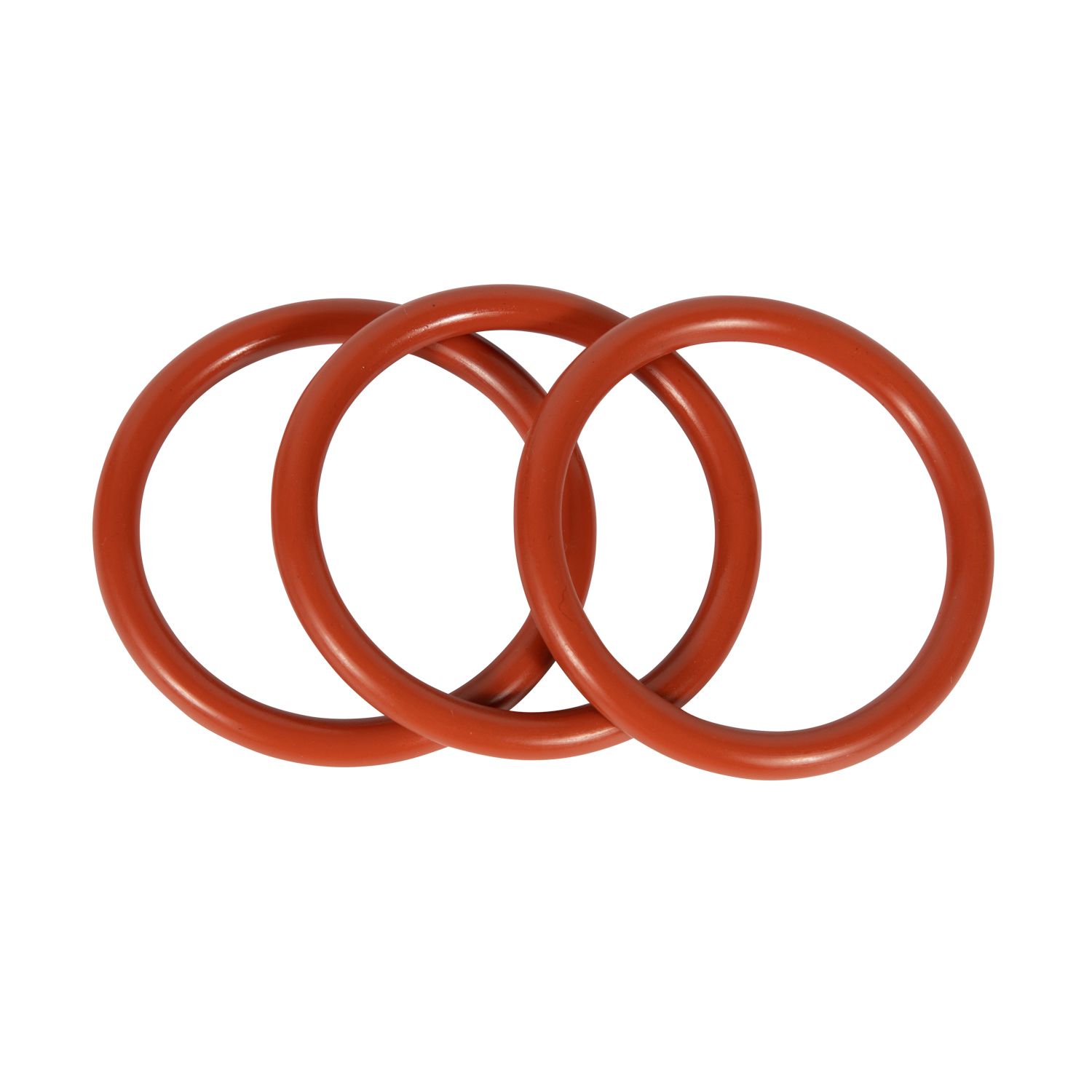
Material Specifications for Backsheet Silicone Coating Systems
Backsheet silicone coatings serve as critical protective barriers in demanding industrial applications, particularly within photovoltaic modules and electronic enclosures. These coatings must deliver exceptional environmental sealing, long-term thermal stability, and reliable electrical insulation under continuous stress. At Suzhou Baoshida Trading Co., Ltd., our engineered formulations prioritize adhesion integrity, UV resistance, and minimal outgassing to ensure component longevity and performance consistency. Material selection fundamentally dictates the coating’s operational envelope and compatibility with substrate materials like PET or fluoropolymer films. Viton (FKM), Nitrile (NBR), and Silicone (VMQ) elastomers represent the primary material families utilized, each offering distinct performance profiles suited to specific environmental challenges. Understanding their precise specifications is paramount for optimal backsheet design and manufacturing yield.
Viton fluorocarbon elastomers provide the highest level of chemical and thermal resistance among common elastomers. They maintain integrity in extreme temperatures and withstand aggressive solvents, acids, and fuels encountered in harsh industrial settings. Nitrile rubber offers excellent resistance to petroleum-based oils and fuels at a more economical cost point, making it suitable for less extreme thermal environments but limited by poor ozone and weathering resistance. Silicone rubber stands out for its unparalleled wide service temperature range, outstanding UV and ozone stability, and inherent electrical insulation properties. Its flexibility at low temperatures and resistance to compression set are critical for dynamic sealing applications, though mechanical strength and fuel resistance are comparatively lower than Viton or NBR. Precise formulation adjustments by Suzhou Baoshida’s technical team optimize tear strength, adhesion promoters, and cure kinetics for each substrate and application requirement.
The comparative specifications below detail the core performance parameters essential for backsheet coating material selection. These values represent typical high-performance grades engineered for industrial reliability, not generic material baselines.
| Material Type | Continuous Service Temperature | Chemical Resistance Profile | Electrical Properties | Adhesion to Common Substrates | Key Application Focus |
|---|---|---|---|---|---|
| Viton (FKM) | -20°C to +230°C | Exceptional: Hydrocarbons, acids, bases, solvents | Good insulation, moderate dielectric strength | Requires specialized primers; excellent on treated metals | Extreme chemical exposure, high-temp engines, aerospace |
| Nitrile (NBR) | -30°C to +120°C | Excellent: Oils, greases, aliphatic hydrocarbons; Poor: Ozone, polar solvents | Good insulation, standard dielectric strength | Good on metals, fair on plastics without primers | Cost-sensitive oil seals, gaskets, fuel systems |
| Silicone (VMQ) | -60°C to +200°C | Good: Water, ozone, UV; Poor: Concentrated acids/bases, some solvents | Excellent insulation, high dielectric strength, low loss | Excellent on glass, ceramics, many plastics; requires adhesion promoters for metals | Solar backsheets, medical devices, high/low temp seals, electrical insulation |
Suzhou Baoshida Trading Co., Ltd. leverages this material science foundation to develop bespoke silicone coating systems. Our OEM partnerships focus on tailoring viscosity, cure profiles, and additive packages—such as UV stabilizers or conductive fillers—to meet exacting backsheet performance criteria. Rigorous in-house testing against IEC 61215 and ASTM standards ensures formulations deliver the dimensional stability, hydrophobicity, and adhesion retention required for 25+ year operational lifespans in solar infrastructure. Material selection must align with the specific environmental stressors of the end application; Silicone remains the dominant choice for photovoltaic backsheets due to its balanced thermal, weathering, and electrical performance, while Viton or NBR may be specified for niche chemical resistance needs. Consult our engineering team for application-specific formulation data sheets and compatibility testing protocols.
Manufacturing Capabilities
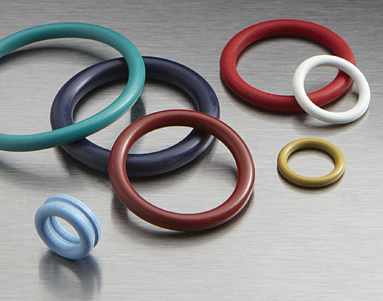
Engineering Capability
At Suzhou Baoshida Trading Co., Ltd., our engineering capability in industrial rubber solutions is anchored in deep technical expertise and a systematic approach to material science and manufacturing. Our team comprises five dedicated mould engineers and two specialized rubber formula engineers, enabling us to deliver precision-engineered backsheet silicone coating solutions tailored to exact OEM specifications. This multidisciplinary team operates at the intersection of polymer chemistry and mechanical design, ensuring seamless integration from concept to production.
Our formula engineers focus on the molecular architecture of silicone compounds, optimizing cross-linking density, thermal stability, and adhesion characteristics for backsheet applications. By fine-tuning filler dispersion, catalyst systems, and curing profiles, we achieve consistent coating performance under extreme environmental conditions—critical for photovoltaic and high-reliability industrial uses. Each formulation is developed with lifecycle durability in mind, resisting UV degradation, hydrolysis, and thermal cycling without compromising flexibility or dielectric strength.
Complementing this material expertise, our five mould engineers bring advanced capabilities in tooling design and process optimization. They utilize 3D simulation software to model flow dynamics and cure behavior during coating application, minimizing defects such as air entrapment, uneven thickness, or edge lift. Precision tooling ensures uniform silicone distribution across complex backsheet geometries, supporting both roll-to-roll and sheet-fed production methods. This synergy between formulation and mould engineering allows us to maintain tight tolerances and high repeatability, essential for large-volume OEM contracts.
We support full OEM service integration, from initial technical consultation and sample prototyping to mass production and quality validation. Our facility is equipped for custom mixing, precision coating, and in-line curing, with real-time monitoring of viscosity, coat weight, and adhesion. Clients benefit from a single-source solution where material development, tooling, and process control are unified under one quality system—ISO 9001-certified and compliant with RoHS and REACH standards.
The following table outlines key technical parameters for our standard backsheet silicone coating formulations:
| Property | Value | Test Method |
|---|---|---|
| Hardness (Shore A) | 40 – 60 | ASTM D2240 |
| Tensile Strength | ≥ 8.0 MPa | ASTM D412 |
| Elongation at Break | ≥ 300% | ASTM D412 |
| Dielectric Strength | ≥ 20 kV/mm | ASTM D149 |
| Operating Temperature Range | -50°C to +200°C | ASTM D746 / D573 |
| Adhesion to PET/ETFE | Excellent (No delamination) | Peel Test, 90° |
| UV Resistance | 3,000+ hrs (QUV-B) | ASTM G154 |
| Curing Type | Addition Cure (Platinum Catalyst) | — |
This robust engineering framework enables Suzhou Baoshida to deliver technically superior, application-specific backsheet coatings that meet the evolving demands of global OEMs in solar, electronics, and industrial sectors.
Customization Process
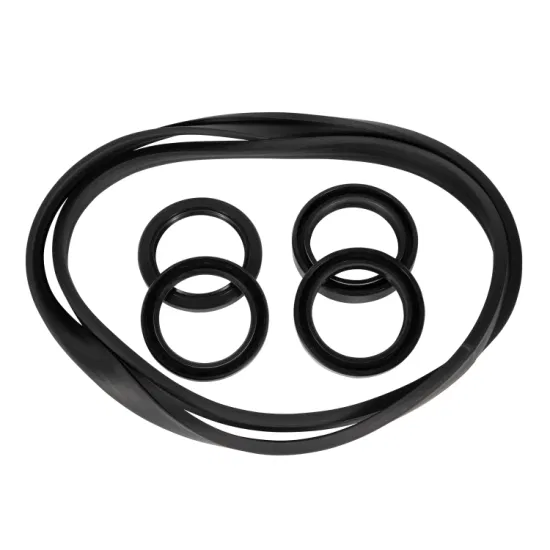
Backsheet Silicone Coating Customization Process
Suzhou Baoshida Trading Co., Ltd. implements a rigorously defined customization pathway for industrial backsheet silicone coatings, ensuring absolute alignment with client engineering specifications and end-use performance demands. This four-stage methodology eliminates ambiguity while accelerating time-to-market for high-reliability applications.
Drawing Analysis
Initial engagement commences with exhaustive technical drawing review. Our engineering team dissects substrate geometry, dimensional tolerances, surface energy requirements, and environmental exposure conditions. Critical parameters such as coefficient of thermal expansion (CTE) differentials between substrate and coating are quantified via finite element analysis (FEA). This phase validates feasibility against manufacturing constraints and identifies potential interfacial stress points, establishing the foundational technical boundary conditions for material development.
Formulation Development
Leveraging proprietary silicone polymer science, our R&D laboratory constructs bespoke formulations targeting the validated performance envelope. Base polymers (VMQ, PVMQ) are selected for thermal stability, while functional additives address specific needs: adhesion promoters for low-surface-energy substrates, ceramic fillers for dielectric reinforcement, and platinum catalysts for controlled cure kinetics. Formulations undergo iterative Design of Experiments (DOE) to optimize crosslink density, achieving statistically significant correlation between rheological properties and final coating performance. All raw materials comply with ISO 9001 traceability protocols.
Prototyping & Validation
Precision-coated prototype batches are manufactured under controlled cleanroom conditions using client-specified application methods (e.g., slot-die, gravure). Each prototype undergoes accelerated aging per IEC 61215 and IEC 61730 standards, with critical metrics measured at defined intervals. Adhesion strength, dielectric integrity, and UV resistance data are compared against baseline requirements. Failure Mode and Effects Analysis (FMEA) is conducted for any deviations, triggering rapid formulation recalibration. Client approval requires ≥3 consecutive successful validation cycles.
Mass Production Transition
Upon prototype sign-off, production scales via Suzhou Baoshida’s ISO 14001-certified facility. Process parameters (cure temperature ramp rates, line speed, coating thickness) are locked using Statistical Process Control (SPC) charts. Real-time Fourier Transform Infrared (FTIR) spectroscopy monitors batch-to-batch consistency, while in-line thickness gauges ensure ±2μm tolerance. Each production lot includes full material certification with lot-specific test reports, maintaining full traceability from raw material to finished roll.
Critical Performance Specifications
| Parameter | Target Value | Test Standard |
|---|---|---|
| Adhesion Strength | ≥6.0 N/mm | ASTM D3359 |
| Thermal Stability | -50°C to +200°C | IEC 60068-2-1/2 |
| Dielectric Strength | ≥20 kV/mm | ASTM D149 |
| Shore A Hardness | 45 ± 5 | ASTM D2240 |
| Elongation at Break | ≥300% | ASTM D412 |
This structured workflow ensures Suzhou Baoshida delivers backsheet silicone coatings with uncompromised performance consistency, directly translating client engineering intent into manufacturable reality. All stages incorporate Suzhou Baoshida’s dual commitment to scientific precision and industrial scalability.
Contact Engineering Team
Contact Suzhou Baoshida for Advanced Backsheet Silicone Coating Solutions
At Suzhou Baoshida Trading Co., Ltd., we specialize in high-performance industrial rubber solutions tailored to meet the rigorous demands of modern manufacturing. As a trusted OEM partner in the field of silicone-based material engineering, we provide precision backsheet silicone coatings designed for durability, thermal stability, and long-term reliability across diverse applications including photovoltaics, electronics, and industrial insulation systems. Our formulations are developed using advanced polymer science and undergo strict quality control to ensure consistency, adhesion, and environmental resistance.
Our backsheet silicone coatings are engineered to deliver optimal dielectric strength, UV resistance, and flexibility across extreme temperature ranges. Whether your production line requires high-volume coating compatibility or customized rheological properties, our technical team works closely with clients to formulate solutions that align precisely with processing conditions and end-use performance criteria. We understand that in industrial manufacturing, even minor inconsistencies in coating performance can lead to significant downstream inefficiencies—this is why our focus remains on precision, repeatability, and technical support.
We invite manufacturers, R&D teams, and procurement managers to contact Mr. Boyce, our dedicated OEM Manager and Rubber Formula Engineer, to discuss your specific backsheet coating requirements. Mr. Boyce brings over a decade of experience in silicone formulation and industrial application engineering, ensuring that every client receives scientifically grounded, application-specific solutions. From initial sample development to full-scale production supply, we provide end-to-end support, including technical data sheets, safety documentation, and on-site consultation when required.
To facilitate informed decision-making, below are key technical specifications representative of our standard high-performance backsheet silicone coating. Custom formulations can be developed upon request to meet unique thermal, mechanical, or regulatory requirements.
| Property | Typical Value | Test Method |
|---|---|---|
| Solid Content | 60 ± 2% | ASTM D2369 |
| Viscosity (25°C) | 8,000–12,000 cP | Brookfield RV, #3 Spindle, 20 rpm |
| Adhesion Strength (Peel Test) | ≥ 8 N/cm | ASTM D903 |
| Dielectric Strength | ≥ 20 kV/mm | ASTM D149 |
| Thermal Stability Range | -50°C to +200°C | Long-term exposure test |
| Curing Condition | 150°C for 3 minutes | Hot air oven |
| Hardness (Shore A) | 45–55 | ASTM D2240 |
| Elongation at Break | ≥ 250% | ASTM D412 |
Partnering with Suzhou Baoshida means gaining access to not only high-grade silicone coatings but also deep technical collaboration. We support global logistics with reliable lead times and batch traceability, ensuring seamless integration into your manufacturing workflow.
For technical inquiries, sample requests, or OEM collaboration opportunities, contact Mr. Boyce directly at [email protected]. Let us help you enhance product performance through scientifically optimized silicone solutions.
⚖️ O-Ring Weight Calculator
Estimate rubber O-ring weight (Approx).