
Technical Contents
Engineering Guide: Backyard Pond Liners
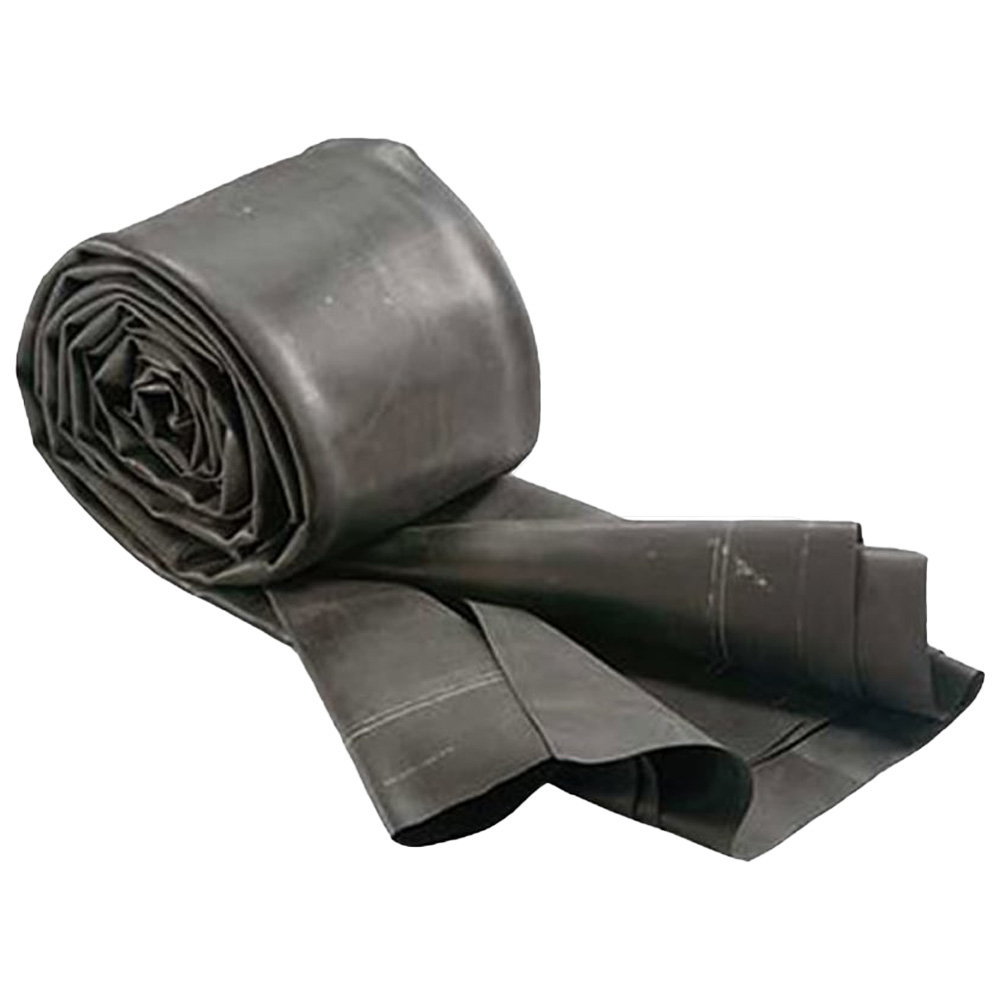
Material Selection: The Core Failure Point in Backyard Pond Liners
Field observations and failure analysis consistently identify inappropriate material selection as the primary cause of premature backyard pond liner degradation. Generic polyethylene (PE) or polyvinyl chloride (PVC) liners marketed for ponds lack the engineered resilience required for sustained aquatic environments. These off-the-shelf solutions prioritize initial cost reduction over long-term performance, leading to catastrophic failures within 1-3 years. The fundamental issue lies in insufficient polymer stabilization against critical stressors: ultraviolet (UV) radiation, fluctuating thermal cycles, biological activity, and chemical exposure from water treatments or decaying organics. Unstabilized PE undergoes rapid photo-oxidation, becoming brittle and cracking. Low-grade PVC formulations often contain excessive plasticizers that leach into the water column, causing shrinkage, hardening, and potential ecotoxicity. Crucially, these materials lack the molecular cross-linking density necessary to resist puncture from root intrusion or substrate shifts, common in buried applications.
Suzhou Baoshida Trading Co., Ltd. emphasizes that viable pond liners demand purpose-built elastomeric compounds. Ethylene Propylene Diene Monomer (EPDM) rubber, specifically formulated for aquatic use, represents the industrial standard for durability. Our engineered EPDM formulations incorporate high-purity carbon black (2-3% by weight) acting as a primary UV screen, alongside synergistic Hindered Amine Light Stabilizers (HALS) and antioxidants. This dual-defense system significantly retards chain scission and cross-linking degradation under solar exposure. Furthermore, the saturated hydrocarbon backbone of EPDM inherently resists oxidation, ozone attack, and a broad spectrum of chemicals found in pond ecosystems, unlike unsaturated polymers like standard rubber or poorly stabilized PVC. Critical to installation success is maintaining low-temperature flexibility; our compounds achieve a glass transition temperature (Tg) below -50°C, preventing brittle fracture during winter freezes where cheaper liners shatter.
The performance gap between generic and engineered solutions is quantifiable. Key specifications demonstrate why material science dictates longevity:
| Critical Parameter | Generic PE/PVC Liner | Engineered EPDM Liner (Suzhou Baoshida Standard) |
|---|---|---|
| Thickness Tolerance | ±15% | ±5% |
| UV Resistance (ASTM G154) | < 500 hrs to failure | > 5000 hrs to 50% tensile retention |
| Low Temp Flexibility | Brittle at -10°C | Flexible at -50°C |
| Elongation at Break | 200-300% | ≥ 450% |
| Plasticizer Content | High (Leachable) | None |
| Expected Service Life | 1-3 years | 20+ years |
Relying on commoditized liners ignores the complex interplay of environmental stressors in pond ecosystems. True cost efficiency emerges from upfront investment in scientifically validated materials. Suzhou Baoshida Trading Co., Ltd. provides OEM partners with rigorously tested, application-specific EPDM formulations that eliminate the root causes of liner failure, ensuring structural integrity and water containment for decades. This engineering precision translates directly to reduced lifecycle costs and enhanced end-customer satisfaction in the landscape contracting market.
Material Specifications
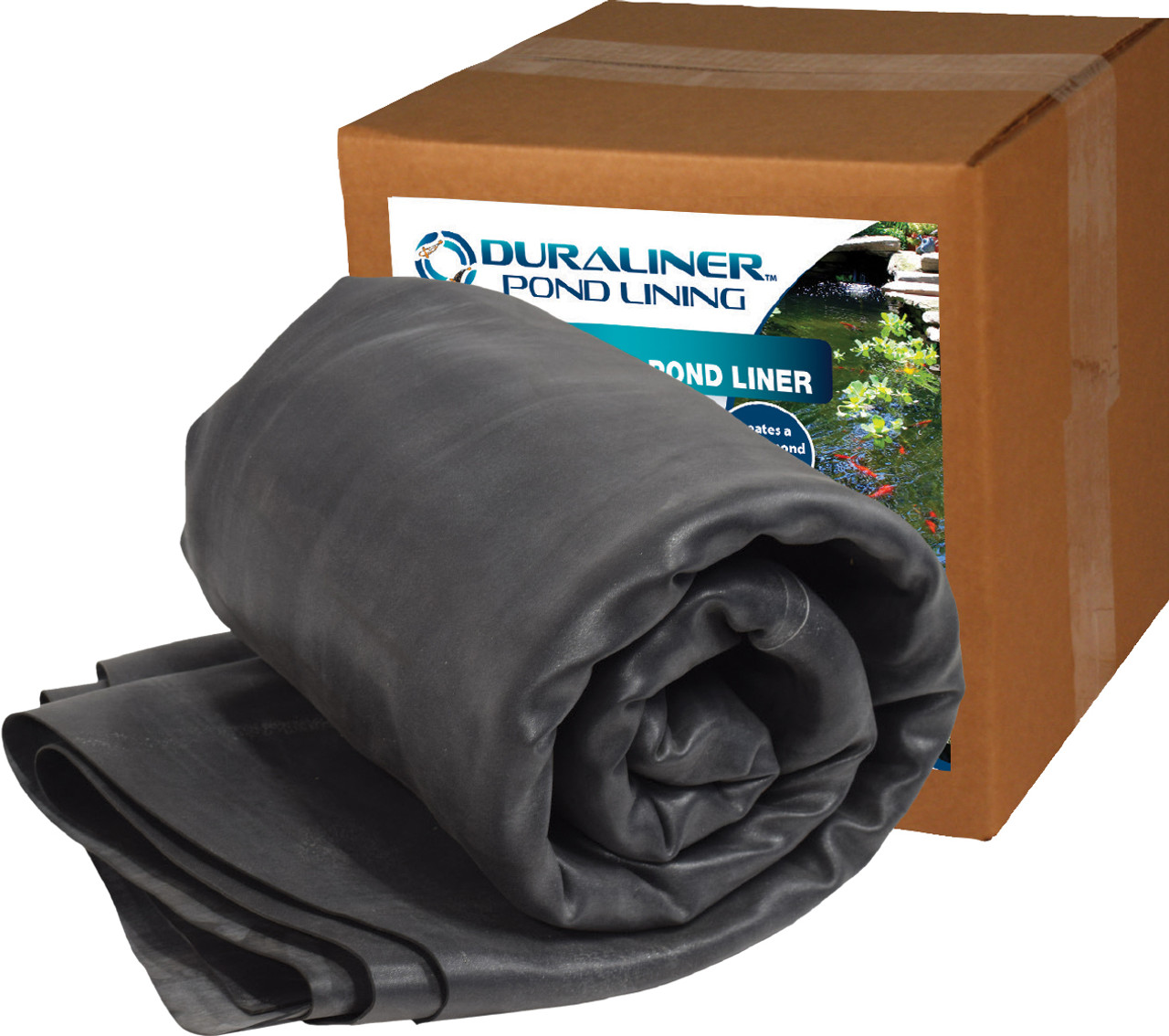
Suzhou Baoshida Trading Co., Ltd. provides advanced industrial rubber solutions tailored for demanding environmental and chemical exposure conditions, including applications in backyard pond liner systems. While traditional pond liners often utilize polyethylene or EPDM rubber, specialized installations—particularly those involving chemical runoff, elevated temperatures, or sensitive aquatic environments—require performance-grade elastomers. Viton, Nitrile (NBR), and Silicone represent three high-performance materials suitable for such niche applications, each offering distinct advantages in thermal stability, chemical resistance, and mechanical durability.
Viton, a fluorocarbon-based rubber (FKM), is engineered for extreme resilience against oils, acids, solvents, and high temperatures. Its molecular structure provides excellent resistance to oxidation and UV degradation, making it ideal for pond systems exposed to industrial effluents or located in high-temperature climates. Viton maintains integrity between -20°C and 250°C, though its stiffness may limit flexibility in cold environments. Due to its high fluorine content, it exhibits low permeability to gases and fluids, ensuring long-term containment performance.
Nitrile rubber (NBR) is a cost-effective solution for applications involving aliphatic hydrocarbons and water-based contaminants. It demonstrates strong abrasion resistance and tensile strength, making it suitable for pond liners subject to mechanical stress or frequent handling. Operating effectively between -30°C and 120°C, NBR offers better low-temperature flexibility than Viton but is less resistant to ozone, UV radiation, and aromatic solvents. For backyard ponds near garages or workshops where fuel or oil exposure is possible, NBR provides a balanced performance-to-cost ratio.
Silicone rubber (VMQ) excels in extreme temperature environments, functioning reliably from -60°C to 230°C. It is inherently resistant to UV and ozone degradation, making it ideal for outdoor pond installations with prolonged sun exposure. While silicone exhibits excellent flexibility and aging characteristics, its mechanical strength and resistance to water absorption are lower than Viton or Nitrile. It is best suited for chemically inert environments where thermal cycling and weathering are primary concerns.
The following table summarizes key technical specifications for Viton, Nitrile, and Silicone in the context of industrial pond liner applications.
| Property | Viton (FKM) | Nitrile (NBR) | Silicone (VMQ) |
|---|---|---|---|
| Temperature Range (°C) | -20 to 250 | -30 to 120 | -60 to 230 |
| Tensile Strength (MPa) | 15–20 | 10–25 | 5–10 |
| Elongation at Break (%) | 200–300 | 250–500 | 300–700 |
| Hardness (Shore A) | 60–90 | 50–90 | 30–80 |
| Resistance to Oils & Fuels | Excellent | Good to Excellent | Poor |
| Resistance to UV/Ozone | Excellent | Fair | Excellent |
| Water Absorption (24h, %) | 0.1–0.3 | 0.5–1.5 | 0.5–1.2 |
| Chemical Resistance | Broad (acids, solvents) | Moderate (aliphatics) | Limited (inorganics) |
Selection of the appropriate elastomer depends on the specific environmental stressors, chemical exposure profile, and mechanical demands of the pond system. Suzhou Baoshida Trading Co., Ltd. supports OEMs and industrial partners with material testing, custom fabrication, and technical data documentation to ensure optimal material performance in real-world applications.
Manufacturing Capabilities
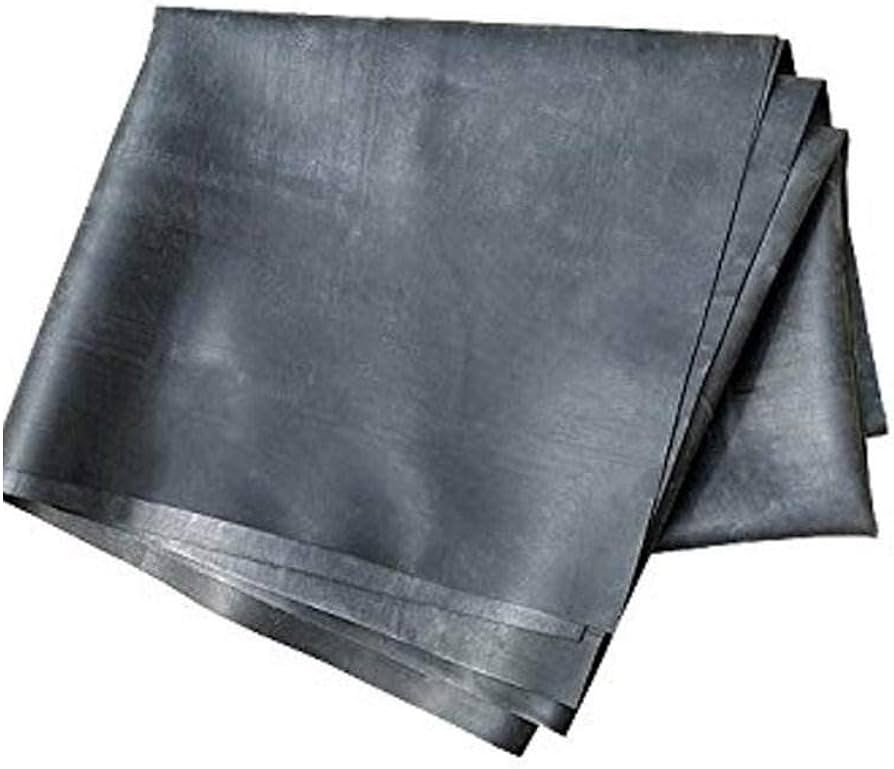
Engineering Capability: Precision Rubber Solutions for Backyard Pond Liners
Suzhou Baoshida Trading Co., Ltd. leverages deep industrial rubber expertise to deliver superior backyard pond liners, engineered for longevity and performance under demanding aquatic conditions. Our core strength resides in a dedicated team of seven specialized engineers: five focused on precision mold design and manufacturing, and two dedicated rubber formula scientists. This integrated approach ensures every liner meets exacting technical specifications while optimizing for cost-effective, large-scale OEM production.
Our two Rubber Formula Engineers possess extensive experience in elastomer chemistry, specifically tailoring compounds for prolonged submersion and environmental exposure. They meticulously develop formulations balancing critical properties: exceptional flexibility at low temperatures to prevent cracking in freeze-thaw cycles, high resistance to hydrolysis and common pond chemicals (algicides, fertilizers), and robust UV stability to combat degradation from sunlight. Each compound undergoes rigorous accelerated aging tests simulating years of pond exposure, ensuring the liner maintains its integrity, impermeability, and mechanical strength throughout its intended service life. We prioritize formulations that achieve optimal balance between tensile strength for puncture resistance and high elongation for conforming to complex pond contours without stress failure.
Complementing the material science, our five Mold Engineers specialize in creating the precision tooling essential for consistent, high-quality liner production. They utilize advanced CAD/CAM software and CNC machining to fabricate molds with exacting dimensional tolerances, critical for seamless edge welding and uniform wall thickness. Their expertise ensures complex geometries, including integrated shelves, plant pockets, and precise inlet/outlet ports, are manufactured repeatably. This team optimizes mold flow dynamics and cooling channels to minimize internal stresses within the rubber during vulcanization, directly contributing to the liner’s final durability and reducing scrap rates in high-volume OEM runs. Rapid prototyping capabilities allow for swift validation of new designs or custom client specifications.
This synergy between formula science and mold engineering is fundamental to our OEM service model. We do not merely manufacture to a drawing; we collaborate with partners to refine designs for manufacturability, material efficiency, and enhanced end-user performance. Our engineers provide comprehensive technical support throughout the product lifecycle, from initial concept feasibility and material selection to process validation and ongoing quality assurance. This integrated capability ensures Suzhou Baoshida delivers pond liners that exceed industry benchmarks for reliability, providing OEM partners with a significant competitive advantage through demonstrably superior product performance and reduced field failure rates.
Key material properties achieved through our engineered formulations are consistently verified, as demonstrated in the following representative test data:
| Property | Test Standard | Typical Value | Significance for Pond Liners |
|---|---|---|---|
| Tensile Strength | ASTM D412 | ≥ 18.0 MPa | Resists tearing during installation and use |
| Elongation at Break | ASTM D412 | ≥ 650 % | Accommodates ground movement & complex shapes |
| Hardness (Shore A) | ASTM D2240 | 65 ± 5 | Optimal balance of flexibility and puncture res. |
| UV Resistance (2000 hrs) | ASTM G154 | ΔTensile ≤15% | Maintains integrity under prolonged sunlight |
| Low Temp Flexibility | ASTM D2137 | -40°C Pass | Prevents cracking in freezing conditions |
| Hydrolysis Resistance | ISO 188 | ΔTensile ≤10% | Resists degradation from constant water exposure |
| Chemical Resistance (Algaecides) | ASTM D471 | Excellent | Withstands common pond treatment chemicals |
Customization Process
Customization Process for Industrial-Grade Backyard Pond Liners
At Suzhou Baoshida Trading Co., Ltd., we specialize in delivering high-performance rubber solutions tailored to demanding outdoor applications, including custom backyard pond liners. Our systematic approach ensures optimal material performance, dimensional accuracy, and long-term environmental resistance. The customization process follows four critical stages: Drawing Analysis, Formulation Development, Prototyping, and Mass Production.
The process begins with Drawing Analysis, where technical schematics provided by the client are evaluated for geometric complexity, seam requirements, and installation conditions. Our engineering team assesses load points, water retention depth, substrate contact, and UV exposure zones. This phase includes tolerance verification and weld-line optimization to prevent weak points in the final product. Accurate drawing interpretation ensures the liner conforms precisely to the pond’s topography while maintaining structural integrity.
Following drawing validation, we proceed to Formulation Development. Based on environmental exposure and mechanical stress profiles, our rubber chemists select the appropriate base polymer—typically EPDM, SBR, or CR—optimized for flexibility, ozone resistance, and thermal stability. Additives such as UV stabilizers, anti-aging agents, and reinforcing fillers are precisely compounded to meet lifecycle expectations exceeding 20 years under continuous aquatic exposure. All formulations comply with environmental safety standards and are tested for leaching potential to ensure ecosystem compatibility.
Once the compound is finalized, we initiate the Prototyping Phase. A small-batch liner is produced using the same calendaring and vulcanization processes intended for full-scale manufacturing. The prototype undergoes rigorous quality checks, including tensile strength, elongation at break, low-temperature flexibility, and water permeability tests. Clients receive a physical sample along with a full material test report. On approval, we proceed to tooling and production line setup.
Mass Production is executed under strict ISO-compliant quality control protocols. Each liner is manufactured using continuous roll calendaring, with thickness and width adjusted per project specifications. Every batch is subjected to inline inspection for pinholes, thickness variation, and surface defects. Final products are rolled, tagged with batch traceability codes, and packaged for secure transport.
The table below outlines typical technical specifications for our custom pond liners:
| Property | Test Method | Typical Value |
|---|---|---|
| Thickness Range | ASTM D3767 | 1.0 – 3.0 mm |
| Tensile Strength (MPa) | ASTM D412 | ≥7.5 (EPDM), ≥9.0 (CR) |
| Elongation at Break (%) | ASTM D412 | ≥450 |
| Tear Resistance (kN/m) | ASTM D624 | ≥25 |
| Low-Temperature Flexibility | ASTM D2136 | Pass at -40°C |
| Water Vapor Transmission | ASTM E96 | ≤50 g/m²/24h |
| UV Resistance (3000h QUV) | ASTM G154 | No cracking, <15% ΔTS |
This structured customization pathway ensures that every backyard pond liner we produce meets the highest industrial standards for durability, safety, and precision fit.
Contact Engineering Team
Contact Suzhou Baoshida for Engineered Pond Liner Solutions
Suzhou Baoshida Trading Co., Ltd. specializes in the development and industrial-scale production of high-performance rubber compounds for demanding aquatic containment applications. Our expertise extends beyond standard geomembranes to engineered solutions where hydrostatic pressure integrity, chemical resistance, and long-term environmental stability are non-negotiable. While the term “backyard pond liner” may imply residential simplicity, our materials are rigorously formulated for commercial aquaculture, municipal water features, and engineered wetland systems where failure carries significant operational and ecological consequences. We do not supply generic consumer-grade products; instead, we collaborate with contractors, civil engineers, and OEMs to deliver custom-formulated rubber compounds meeting exact project specifications under ASTM D5888, ISO 12236, and EN 13252 standards.
Contact Engineering Specifications
The table below outlines critical performance parameters for our standard EPDM-based pond liner compound, subject to OEM customization based on site-specific chemical exposure, temperature extremes, and load requirements. All values represent minimum guaranteed thresholds validated through third-party accelerated weathering protocols and hydrostatic pressure testing.
| Specification | Test Method | Minimum Value | Unit |
|---|---|---|---|
| Thickness Tolerance | ASTM D412 | ±0.1 | mm |
| Tensile Strength | ASTM D412 | 18.5 | MPa |
| Elongation at Break | ASTM D412 | 650 | % |
| Tear Resistance (Die C) | ASTM D624 | 95 | kN/m |
| Ozone Resistance (50 pphm) | ASTM D1149 | 300 | hrs |
| UV Resistance (1500 kJ/m²) | ISO 4892-2 | No Cracking | – |
| Temperature Range | ASTM D2136 | -45 to +120 | °C |
| Water Vapor Transmission | ASTM E96 | ≤0.1 | g/m²/day |
Initiating collaboration with Suzhou Baoshida begins with direct engagement from your technical or procurement team. Contact Mr. Boyce, our dedicated OEM Manager and Rubber Formulation Engineer, at [email protected] to submit project requirements, substrate analysis data, and performance criteria. Mr. Boyce possesses 14 years of compound development experience specifically for aquatic barrier systems and will facilitate material selection, prototype validation, and production scheduling. Provide details including pond dimensions, expected chemical exposure (e.g., algaecides, soil pH), installation methodology, and service life expectations to receive a tailored technical datasheet and quotation within 72 business hours.
We emphasize that successful implementation requires precise material specification aligned with engineering design. Generic “pond liner” products often fail under sustained hydrostatic head or chemical interaction, leading to costly remediation. Suzhou Baoshida’s value lies in our ability to modify polymer architecture—adjusting carbon black dispersion, peroxide cure systems, and antioxidant packages—to mitigate site-specific degradation mechanisms. This is not a catalog item purchase; it is an engineering partnership. All compounds undergo batch-level quality assurance per ISO 9001:2015, with full traceability from raw material certificates to final product test reports.
For urgent project timelines or complex site conditions requiring rapid formulation iteration, Mr. Boyce coordinates direct access to our Suzhou R&D facility’s pilot-scale calendaring and vulcanization lines. Do not rely on distributor intermediaries for critical infrastructure projects. Submit your inquiry to [email protected] with the subject line “OEM Inquiry: [Your Project Name]” to ensure immediate technical review. Suzhou Baoshida delivers not just material, but documented performance assurance for the lifetime of your containment system.
⚖️ O-Ring Weight Calculator
Estimate rubber O-ring weight (Approx).