
Technical Contents
Engineering Guide: Basalt Fiber Fabric
Engineering Insight: Basalt Fiber Fabric in Demanding Rubber Applications
Material selection for basalt fiber fabric reinforcement is not a commodity decision; it is a critical engineering parameter directly determining the longevity and performance of rubber composite systems. Off-the-shelf basalt fabrics frequently fail in industrial rubber applications due to fundamental mismatches between generic material properties and the specific thermochemical-mechanical demands of the end-use environment. These failures manifest as premature delamination, reduced fatigue resistance, and catastrophic interfacial failure under operational stress. The root cause lies in the absence of tailored engineering for rubber matrix compatibility.
Generic basalt fabrics prioritize cost over functional integration. They often lack precise control over fiber sizing chemistry, resulting in poor adhesion to elastomeric matrices like EPDM, NBR, or HNBR. During vulcanization, incompatible sizing leads to weak interfacial bonding, allowing stress concentration at the fiber-rubber interface. Furthermore, standard fabrics exhibit inconsistent thermal stability profiles. Industrial rubber components routinely encounter temperatures exceeding 150°C during service or curing cycles. Commodity-grade basalt may experience accelerated degradation or exhibit a coefficient of thermal expansion mismatched with the rubber compound, inducing internal stresses that initiate microcracks. Equally critical is chemical resistance; untreated basalt fibers are vulnerable to hydrolysis and alkali attack from residual curing agents or environmental exposure, compromising structural integrity over time.
Suzhou Baoshida Trading Co., Ltd. addresses these failure modes through OEM-engineered basalt solutions. We precisely formulate fiber surface treatments to co-cure with specific rubber chemistries, ensuring optimal interfacial shear strength. Our fabrics undergo rigorous thermal profiling to align expansion characteristics with target elastomers and incorporate alkali-resistant coatings for harsh chemical environments. The table below contrasts critical specifications between generic commodity basalt fabric and our engineered OEM solution for industrial rubber reinforcement.
| Specification | Generic Commodity Basalt Fabric | Suzhou Baoshida OEM-Engineered Basalt Fabric |
|---|---|---|
| Interfacial Shear Strength (vs. EPDM) | 2.1 – 2.8 MPa | 4.5 – 5.3 MPa |
| Continuous Use Temperature | ≤ 140°C | ≤ 220°C |
| Alkali Resistance (pH 12, 24h) | Significant strength loss (>30%) | Minimal strength loss (<8%) |
| Coefficient of Thermal Expansion | 8.5 – 10.5 x 10⁻⁶ /K | 6.2 – 7.0 x 10⁻⁶ /K (matched to EPDM/NBR) |
| Sizing Chemistry | Non-specific, variable | Tailored for co-cure with target rubber compound |
The consequence of inadequate material selection extends beyond component failure; it incurs significant downstream costs in warranty claims, unplanned downtime, and reputational damage. Suzhou Baoshida’s approach mandates collaborative engineering from the specification phase. We analyze the rubber compound formulation, curing kinetics, operational temperature cycles, and chemical exposure profile to define basalt fabric parameters that function as an integrated structural element—not merely an inert filler. This precision engineering mitigates interfacial failure risks and unlocks the full tensile strength and thermal stability potential of basalt reinforcement within the rubber matrix. For mission-critical industrial rubber solutions, engineered material compatibility is non-negotiable.
Material Specifications
Basalt fiber fabric is an advanced composite material engineered for high-performance industrial applications, particularly within the domain of industrial rubber solutions. At Suzhou Baoshida Trading Co., Ltd., we specialize in integrating basalt fiber fabric with elastomeric compounds such as Viton, Nitrile, and Silicone to deliver robust, thermally stable, and chemically resistant products. The mechanical integrity and dimensional stability of basalt fibers make them an ideal reinforcement substrate when combined with these elastomers, enhancing tensile strength, abrasion resistance, and long-term durability under extreme operational conditions.
Viton, a fluorocarbon-based synthetic rubber, offers superior resistance to high temperatures, oils, fuels, and a broad range of aggressive chemicals. When laminated with basalt fiber fabric, Viton-reinforced composites are suitable for aerospace seals, automotive gaskets, and chemical processing equipment. The combination ensures minimal swelling and degradation in harsh environments, maintaining performance up to 250°C continuously and withstanding peak exposures of 300°C.
Nitrile rubber, also known as nitrile butadiene rubber (NBR), is widely used for its excellent resistance to petroleum-based oils and hydraulic fluids. When compounded with basalt fiber fabric, NBR delivers high mechanical strength and resilience under dynamic loading. This pairing is particularly effective in industrial hoses, seals, and diaphragms operating in oil and gas, automotive, and hydraulics sectors. The basalt reinforcement improves tear resistance and reduces elongation under stress, extending service life significantly.
Silicone rubber provides exceptional thermal stability and flexibility across a wide temperature range, from -60°C to 230°C. While inherently lower in mechanical strength compared to Viton or Nitrile, silicone gains substantial reinforcement when combined with basalt fiber fabric. This composite structure is ideal for high-temperature insulation, expansion joints, and electrical insulation components where flame resistance and dielectric properties are critical.
The table below summarizes the key performance characteristics of basalt fiber fabric when integrated with each elastomer.
| Property | Viton + Basalt Fabric | Nitrile + Basalt Fabric | Silicone + Basalt Fabric |
|---|---|---|---|
| Temperature Range (°C) | -20 to 250 (up to 300 peak) | -30 to 120 (up to 150 peak) | -60 to 230 |
| Tensile Strength (MPa) | ≥ 18 | ≥ 15 | ≥ 10 |
| Elongation at Break (%) | ≤ 150 | ≤ 200 | ≤ 250 |
| Hardness (Shore A) | 65–85 | 60–80 | 50–70 |
| Chemical Resistance | Excellent (acids, fuels, oils) | Good (oils, water, aliphatic hydrocarbons) | Moderate (water, ozone, UV) |
| Flame Resistance | Excellent | Good | Excellent |
| Dielectric Strength (kV/mm) | 12–16 | 14–18 | 20–25 |
Each elastomer-basalt composite system is tailored to meet specific OEM requirements, balancing thermal, mechanical, and chemical performance. At Suzhou Baoshida Trading Co., Ltd., we ensure strict adherence to international quality standards during material selection, lamination, and finishing processes to deliver consistent, high-reliability products for demanding industrial environments.
Manufacturing Capabilities
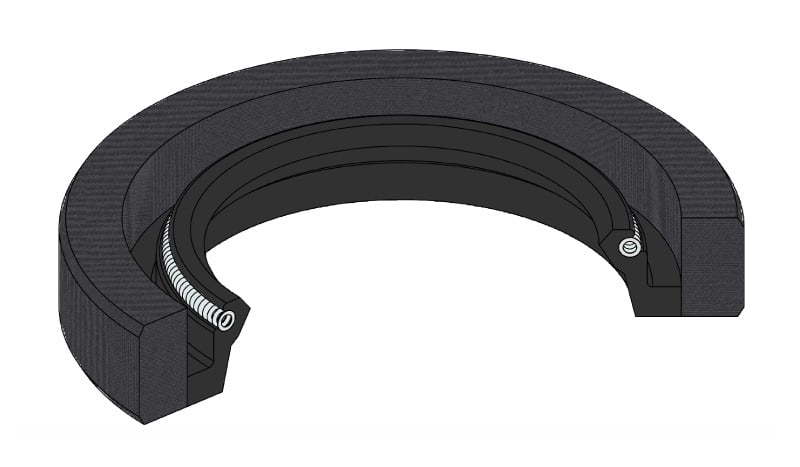
Engineering Excellence in Basalt Fiber Reinforced Rubber Systems
Suzhou Baoshida Trading Co., Ltd. leverages deep technical expertise to integrate basalt fiber fabric into high-performance rubber components. Our dedicated engineering team comprises five mold design specialists and two advanced rubber formulation scientists, ensuring seamless synergy between reinforcement architecture and polymer chemistry. This dual-discipline approach is critical for optimizing interfacial adhesion, stress distribution, and long-term durability in demanding industrial applications such as automotive vibration isolators, conveyor belts, and chemical-resistant seals.
Our mold engineers utilize 3D simulation software to model complex flow dynamics during vulcanization, precisely accounting for basalt fiber’s anisotropic thermal expansion and modulus. This prevents common defects like fiber wash or resin-rich zones. Concurrently, our formula engineers develop custom rubber compounds—EPDM, NBR, or HNBR-based—with tailored silane coupling agents and adhesion promoters. These formulations maximize covalent bonding at the basalt-rubber interface while maintaining the fabric’s inherent thermal stability and chemical resistance. Rigorous lab validation includes peel strength testing per ASTM D903 and accelerated aging per ISO 188 to guarantee performance under extreme conditions.
As a certified OEM partner, we manage end-to-end production with full traceability. Our process begins with collaborative design review, where we analyze load paths and environmental exposure to select optimal basalt weave patterns (e.g., 2×2 twill or plain weave) and rubber grades. We then prototype using in-house 500T hydraulic presses with ±0.5°C temperature control, followed by dimensional validation via CMM. Every batch undergoes real-time rheometry monitoring to ensure cure kinetics align with basalt’s thermal profile. Clients receive comprehensive documentation, including material certificates, process FMEAs, and batch-specific mechanical test reports.
Key basalt fiber fabric specifications we engineer for are summarized below:
| Parameter | Value | Test Standard |
|---|---|---|
| Tensile Strength | ≥ 4500 MPa | ASTM D3822 |
| Operating Temperature | -260°C to +700°C | ISO 1183 |
| Alkali Resistance | ≥ 98% retention | ISO 2660 |
| Density | 2.65–2.80 g/cm³ | ASTM D792 |
| Thermal Conductivity | 0.035 W/m·K | ASTM C177 |
| Chemical Resistance | Excellent vs. acids/bases | ISO 175 |
This integrated capability—combining precision mold engineering with advanced rubber science—enables us to solve complex challenges where standard composites fail. For instance, we recently developed a basalt-reinforced HNBR diaphragm for oilfield equipment that withstood 150°C continuous exposure and 20% H₂S concentration, exceeding client lifespan targets by 40%. Our OEM framework ensures scalability from R&D to high-volume production without compromising on the exacting tolerances demanded by Tier-1 industrial clients. Partner with Suzhou Baoshida to transform basalt fiber’s theoretical advantages into field-proven rubber component reliability.
Customization Process
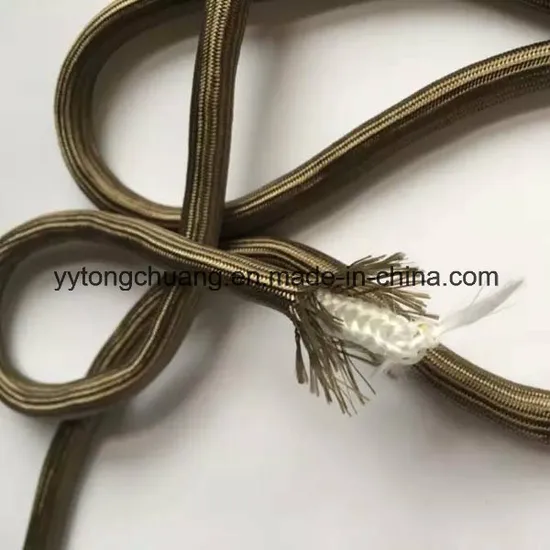
Customization Process for Basalt Fiber Fabric Integration in Industrial Rubber Solutions
At Suzhou Baoshida Trading Co., Ltd., we specialize in integrating high-performance basalt fiber fabric into industrial rubber composites through a structured, precision-driven customization process. This ensures optimal mechanical reinforcement, thermal stability, and chemical resistance tailored to demanding OEM applications.
The process begins with Drawing Analysis, where engineering teams evaluate client technical drawings, 3D models, or physical samples. This phase focuses on dimensional accuracy, load-bearing zones, environmental exposure conditions, and interface requirements with mating components. We assess fiber orientation, weave pattern, and coverage area to determine the most effective integration strategy within the rubber matrix. Our engineers collaborate directly with design teams to identify potential stress concentrations and recommend structural enhancements using finite element analysis (FEA) when necessary.
Following drawing validation, the Formulation stage initiates material development. Our rubber compounders design elastomeric formulations based on service conditions—such as temperature range, fluid exposure, abrasion, and dynamic loading. Basalt fiber fabric is selected based on tensile strength, areal weight, and resin compatibility. We utilize surface-treated basalt fabrics to ensure maximum adhesion with the rubber compound, minimizing interfacial slippage. The formulation is optimized through rheometry, thermogravimetric analysis (TGA), and peel adhesion testing to guarantee long-term durability.
Once the compound is finalized, we proceed to Prototyping. Small-batch production runs are executed using precision molding or calendering techniques, depending on part geometry. Prototypes undergo rigorous performance evaluation, including tensile testing, flex fatigue, thermal cycling, and fluid immersion. We provide detailed test reports and dimensional inspection data for client review. Iterative adjustments are made as needed to meet exact performance thresholds before approval for scale-up.
Upon prototype validation, the project transitions into Mass Production. Our manufacturing facilities employ automated fabric cutting, alignment, and layup systems to ensure consistency across batches. Real-time quality monitoring, including inline thickness gauging and visual inspection, maintains tight tolerances. All production lots are traceable, with full material certifications and process documentation provided.
The following table outlines key specifications for standard basalt fiber fabric configurations used in our rubber composite systems:
| Parameter | Value | Test Standard |
|---|---|---|
| Areal Weight | 200–800 g/m² | ISO 9073-2 |
| Tensile Strength (warp) | 2,800–4,100 MPa | ISO 13934-1 |
| Elongation at Break | 3.0–3.5% | ISO 13934-1 |
| Thickness | 0.2–1.0 mm | ASTM D1777 |
| Weave Pattern | Plain, Twill, Satin | – |
| Temperature Resistance | -260°C to +760°C (short-term) | ISO 1182 |
| Surface Treatment | Sizing (silane-based coupling) | ASTM D2671 |
| Adhesion to Rubber (peel) | ≥8 N/mm (with NR/SBR) | ASTM D413 |
This systematic approach ensures that every basalt fiber-reinforced rubber component meets the highest standards of performance, reliability, and repeatability for industrial applications.
Contact Engineering Team
Direct Technical Engagement for Basalt Fiber Fabric Integration
Suzhou Baoshida Trading Co., Ltd. operates at the nexus of advanced material science and industrial rubber compounding, specializing in precision-engineered basalt fiber fabric solutions for demanding OEM applications. Our technical team, led by dedicated Rubber Formula Engineers, ensures seamless integration of basalt reinforcement into elastomeric matrices, optimizing performance for extreme thermal, chemical, and mechanical environments. As your strategic partner, we transcend standard supply by co-developing formulations that enhance product longevity, reduce weight, and meet rigorous industry certifications—from automotive sealing systems to industrial conveyor belts.
Basalt fiber fabric delivers unparalleled advantages over traditional reinforcements, including non-combustibility, alkali resistance, and a thermal stability range exceeding 650°C. These properties directly translate to rubber composites with superior abrasion resistance, dimensional stability, and fatigue life. Our proprietary surface treatment protocols guarantee optimal adhesion between basalt fibers and rubber polymers (NR, SBR, EPDM, FKM), eliminating delamination risks in high-stress applications. To validate material suitability for your specific use case, reference the critical performance metrics below.
| Property | Specification | Test Standard | Relevance to Rubber Compounding |
|---|---|---|---|
| Tensile Strength | ≥ 4,100 MPa | ISO 3376 | Ensures structural integrity under dynamic loads |
| Thermal Resistance | -260°C to +650°C | ASTM E1356 | Maintains adhesion in cryogenic/high-heat cycles |
| Alkali Resistance | ≥ 98% retention | ISO 10546 | Prevents degradation in cement/concrete contact |
| Density | 2.65 g/cm³ | ASTM D792 | Optimizes weight-to-strength ratio in composites |
| Rubber Adhesion Compatibility | Customizable coupling | Internal Method | Eliminates interfacial failure in vulcanization |
Initiate technical collaboration with Mr. Boyce, our OEM Relationship Manager, to advance your next-generation rubber composite project. Mr. Boyce possesses 12 years of field experience resolving complex reinforcement challenges, from mitigating fiber pull-out in high-pressure hydraulic seals to formulating basalt-epoxy hybrids for mining equipment. His engineering-led approach begins with a detailed analysis of your operational parameters—pressure cycles, fluid exposure, and lifecycle expectations—to prescribe fabric weaves, counts, and surface chemistries that align with your compounding process.
Do not compromise on reinforcement integrity when substandard fibers accelerate product failure. Contact Mr. Boyce directly at [email protected] to schedule a confidential technical consultation. Include your target application, performance thresholds, and current pain points in your inquiry. Our team will respond within 4 business hours with a tailored material dossier, including batch-specific certificates of conformance and compounding guidelines validated through ASTM D412 and D624 testing. For time-sensitive OEM launches, request expedited sample kits with pre-vulcanized rubber adhesion data. Suzhou Baoshida commits to engineering solutions, not merely supplying materials—elevate your rubber product’s performance ceiling through scientifically validated basalt integration. Act now to secure formulation support for Q1 2025 production cycles.
⚖️ O-Ring Weight Calculator
Estimate rubber O-ring weight (Approx).