
Technical Contents
Engineering Guide: Basic Playground
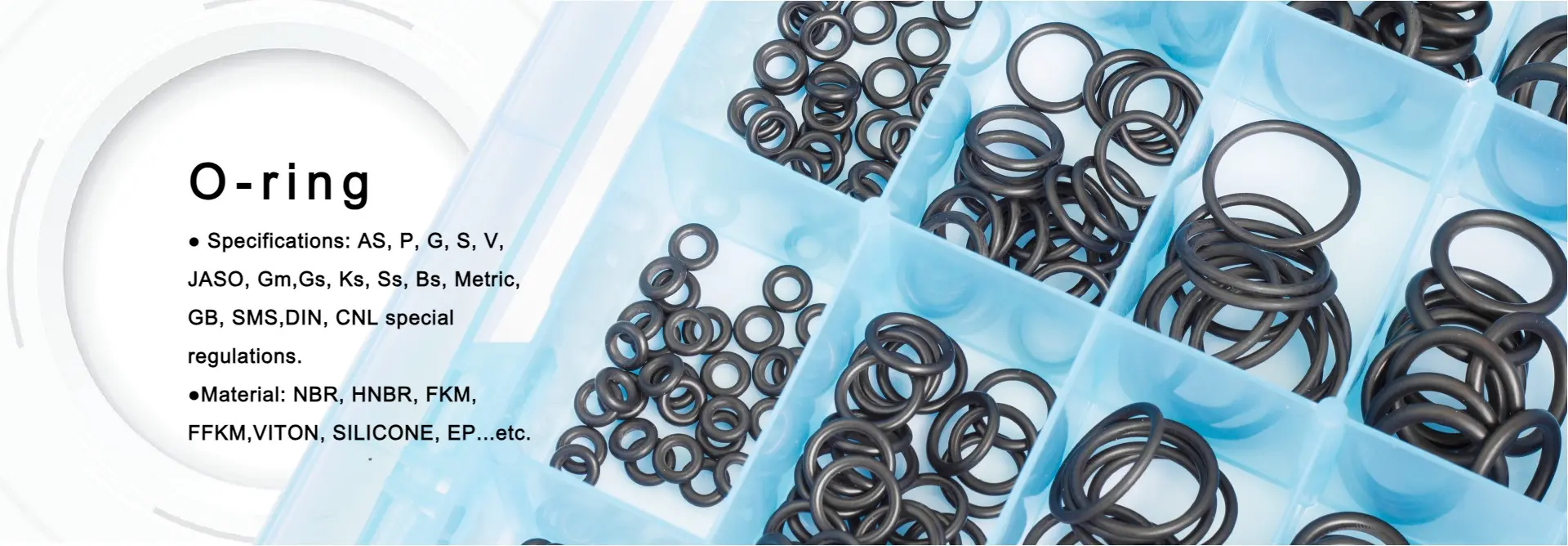
Engineering Insight: Material Selection Fundamentals for Playground Rubber Systems
The operational environment of playground surfaces presents unique material science challenges often underestimated in standard industrial rubber applications. Off-the-shelf elastomeric solutions, typically formulated for static industrial flooring or general-purpose sealing, consistently fail under the dynamic, multi-stress conditions inherent to playgrounds. This failure stems from fundamental mismatches between generic compound design and the specific physicochemical demands of child-safe impact attenuation zones. Primary failure mechanisms include accelerated UV-induced polymer chain scission leading to surface embrittlement, ozone cracking from atmospheric exposure exacerbated by cyclic deformation, and insufficient resilience under repeated high-impact loading. Generic SBR or low-grade EPDM compounds exhibit rapid loss of elongation at break—often degrading below 150% within 18 months—resulting in catastrophic surface fracturing and compromised critical fall height (CFH) performance. Crucially, these materials lack the tailored crosslink density required to maintain shock absorption properties through seasonal thermal cycling (-20°C to +70°C ambient extremes) while resisting hydrolysis from moisture ingress. The consequence is not merely aesthetic degradation but a direct violation of ASTM F1292 safety standards, creating significant liability exposure for municipalities and operators.
Material selection must prioritize dynamic mechanical properties over static metrics. Our proprietary Baoshida TPU-EPDM Hybrid Compound (BTHC-8) addresses these failure modes through triple-phase polymer architecture. The engineered matrix integrates high-purity EPDM for ozone/UV stability, reinforced with thermoplastic polyurethane domains providing exceptional tear strength and energy return. Vulcanization kinetics are precisely controlled to achieve an optimal balance of Shore A 65 hardness (measured per ASTM D2240) with 450% tensile elongation (ASTM D412), ensuring sustained impact absorption without permanent set. Key differentiators include covalent bonding of nano-silica fillers to minimize filler agglomeration during flex fatigue and integration of hindered amine light stabilizers (HALS) at 3.5 phr concentration for extended photostability. This molecular engineering directly translates to field performance where generic compounds exhibit >30% compression set after 500 hours of accelerated aging (ASTM D395), while BTHC-8 maintains <12% set—preserving critical fall height integrity beyond 10 years.
The following comparative analysis demonstrates performance gaps between standard industrial rubber and engineered playground solutions:
| Performance Parameter | Generic Industrial SBR | Standard Playground EPDM | Baoshida BTHC-8 Hybrid |
|---|---|---|---|
| Tensile Strength (MPa) ASTM D412 | 12.5 | 15.8 | 18.2 |
| Abrasion Loss (mm³) ASTM D5963 | 220 | 150 | 120 |
| UV Resistance (1000h QUV) ΔE* | 18.7 | 8.2 | 3.1 |
| Ozone Resistance (50pphm) | Cracks @ 20% strain | No cracks @ 20% strain | No cracks @ 30% strain |
| Dynamic Compression Set (%) | 38.5 | 22.0 | 11.7 |
Color shift measurement per CIE Lab
Selecting substandard materials incurs hidden costs far exceeding initial procurement savings. Premature replacement cycles, liability claims from inadequate impact attenuation, and remediation of failed installations collectively undermine project economics. Suzhou Baoshida Trading Co., Ltd. leverages OEM-grade polymer science to deliver playground rubber systems where material integrity is non-negotiable—ensuring safety compliance, longevity, and total cost of ownership reduction. Our formulations undergo rigorous third-party validation against ISO 9001 and EN 1177 standards, providing documented performance assurance from molecular design through operational lifespan.
Material Specifications
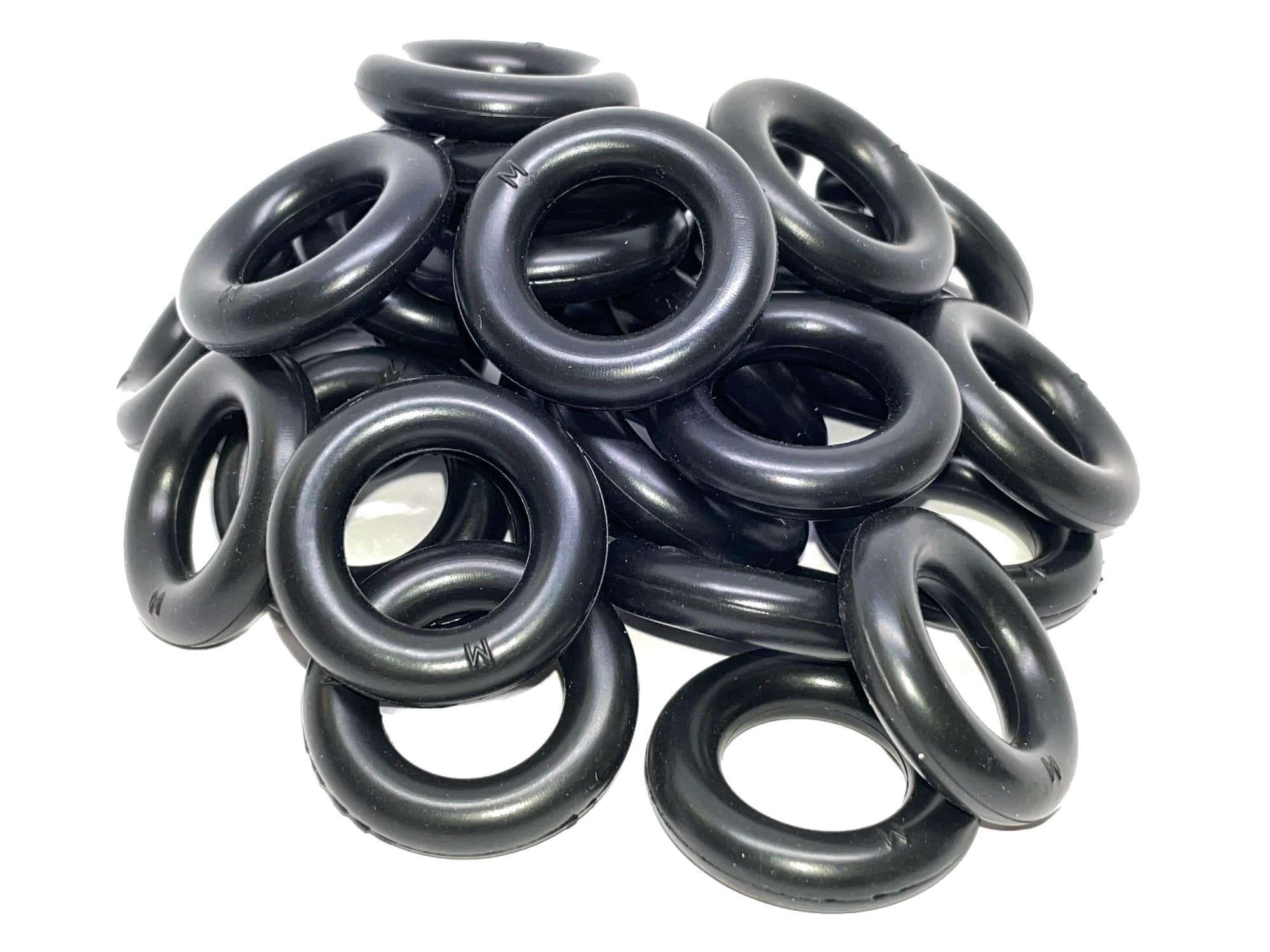
Suzhou Baoshida Trading Co., Ltd. provides high-performance industrial rubber solutions engineered for reliability, durability, and precision across demanding environments. In applications ranging from sealing systems to vibration dampening, the selection of elastomeric material is critical to operational success. Among the most widely specified synthetic rubbers are Viton (FKM), Nitrile (NBR), and Silicone (VMQ). Each material offers a distinct balance of chemical resistance, temperature tolerance, mechanical strength, and cost efficiency. Understanding their comparative performance enables optimal material selection for industrial applications.
Viton, a fluorocarbon-based elastomer, is recognized for its exceptional resistance to high temperatures, oils, fuels, and a broad spectrum of aggressive chemicals. With continuous service capabilities up to 230°C (446°F) and intermittent exposure tolerance even higher, Viton is the preferred choice for aerospace, automotive, and chemical processing industries. Its low gas permeability and excellent aging characteristics further enhance long-term sealing performance, though it tends to be more expensive than alternative elastomers.
Nitrile rubber, or Buna-N, is one of the most commonly used elastomers in industrial sealing due to its excellent resistance to petroleum-based oils, hydraulic fluids, and aliphatic hydrocarbons. With a typical operating temperature range of -30°C to 120°C (-22°F to 248°F), Nitrile offers reliable performance in standard mechanical environments such as pumps, valves, and O-rings. It provides good abrasion resistance and tensile strength, making it suitable for dynamic applications. While it lacks the high-temperature stability of Viton, its cost-effectiveness and wide availability make it a practical solution for general-purpose use.
Silicone rubber excels in extreme temperature applications, maintaining flexibility from -60°C to 200°C (-76°F to 392°F), with some formulations extending beyond. It demonstrates excellent resistance to ozone, UV radiation, and weathering, making it ideal for outdoor and high-heat environments. Silicone also meets stringent biocompatibility and food-grade standards, supporting use in medical and food processing industries. However, it has relatively low tensile strength and poor resistance to petroleum-based fluids, limiting its use in high-stress or oil-exposed conditions.
The following table summarizes key physical and chemical properties for comparative analysis.
| Property | Viton (FKM) | Nitrile (NBR) | Silicone (VMQ) |
|---|---|---|---|
| Base Polymer Type | Fluorocarbon | Acrylonitrile-Butadiene | Polydimethylsiloxane |
| Temperature Range (°C) | -20 to 230 | -30 to 120 | -60 to 200 |
| Temperature Range (°F) | -4 to 446 | -22 to 248 | -76 to 392 |
| Tensile Strength (MPa) | 15–20 | 10–25 | 5–10 |
| Elongation at Break (%) | 150–250 | 200–500 | 200–700 |
| Hardness Range (Shore A) | 50–90 | 40–90 | 30–80 |
| Resistance to Oils & Fuels | Excellent | Excellent | Poor |
| Resistance to Ozone/UV | Excellent | Good | Excellent |
| Compression Set Resistance | Very Good | Good | Good |
| Common Applications | Aerospace seals, chemical gaskets | O-rings, hydraulic systems | Medical devices, food seals, insulation |
Material selection must be guided by application-specific requirements, including exposure conditions, mechanical loads, and regulatory standards. Suzhou Baoshida Trading Co., Ltd. supports OEMs and industrial partners with precision-engineered rubber components tailored to exact performance criteria.
Manufacturing Capabilities
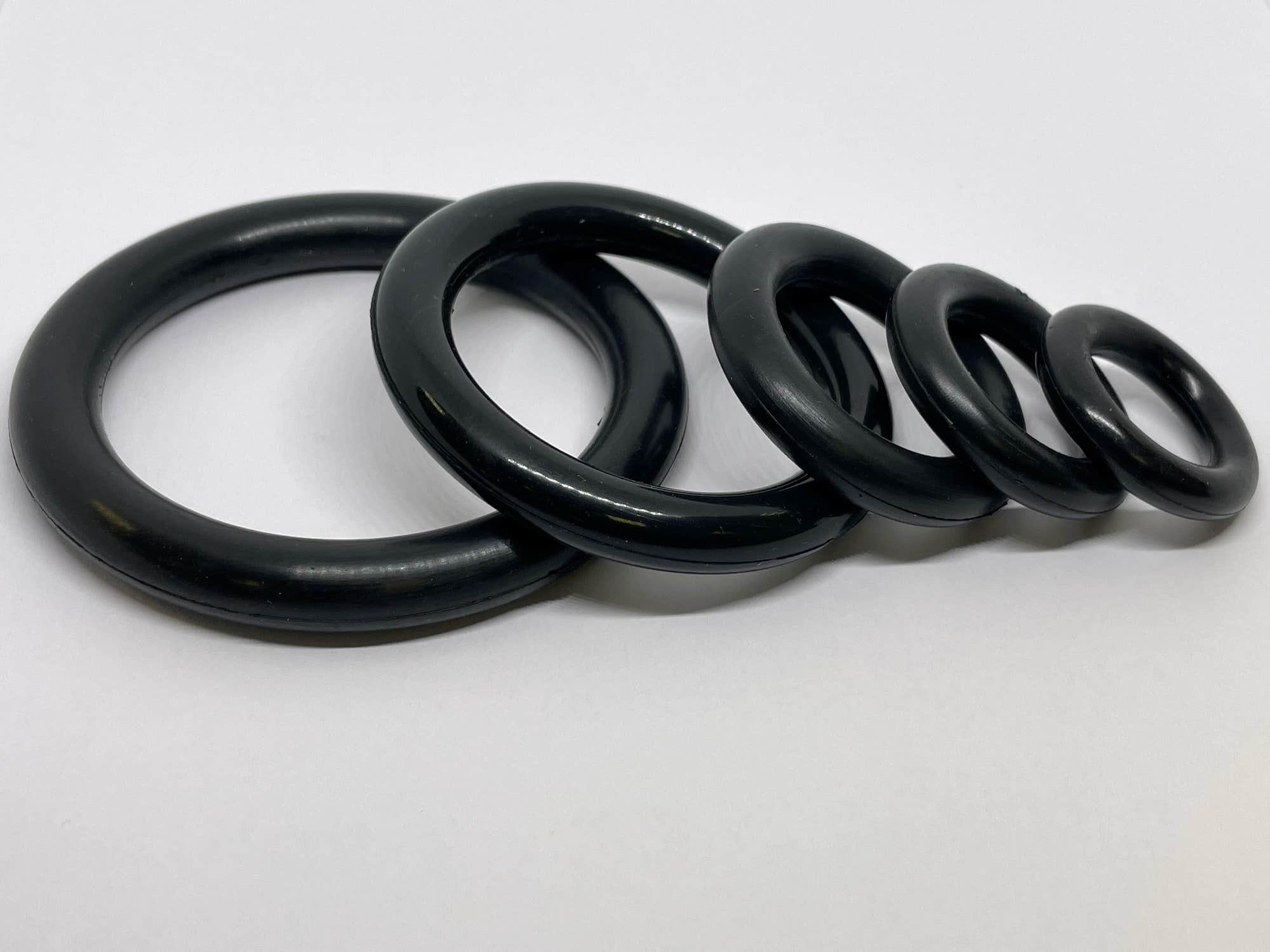
Engineering Capability: Precision Rubber Solutions for Playground Safety
At Suzhou Baoshida Trading Co., Ltd., our core strength in industrial rubber solutions for playground applications stems from a dedicated engineering team ensuring material integrity and manufacturing excellence. We deploy seven specialized engineers—five focused on precision mould design and fabrication, and two on advanced rubber compound formulation—operating under stringent ISO 9001 protocols. This integrated structure guarantees that every component, from safety surfacing tiles to structural connectors, meets exacting global safety standards like ASTM F1487 and EN 1177. Our engineers collaborate from initial concept through production, eliminating siloed workflows that compromise performance in high-impact, UV-exposed environments.
Rubber Formula Engineering is critical for playground durability. Our two certified formula engineers develop proprietary elastomer blends using empirical validation, not generic recipes. We optimize polymer matrices—primarily EPDM and SBR—with precise filler ratios, UV stabilizers, and anti-degradants to achieve target Shore A hardness (60–80A), tear strength (>25 kN/m), and accelerated aging resistance (1,000+ hours QUV). Each formulation undergoes rigorous dynamic mechanical analysis (DMA) to verify performance across -40°C to +80°C operational ranges, ensuring consistent impact absorption and slip resistance under all climatic conditions. Material traceability is maintained via blockchain-secured batch records, critical for regulatory compliance and failure root-cause analysis.
Mould Engineering ensures dimensional fidelity and production efficiency. Our five mould engineers utilize Siemens NX CAD/CAM software for cavity design, incorporating conformal cooling channels and venting systems validated through Moldflow simulation. This minimizes sink marks, weld lines, and cycle time variations—common failure points in high-volume playground part production. We maintain tight tolerances of ±0.15 mm on critical features like interlocking edges and load-bearing surfaces, directly impacting assembly safety and longevity. All tooling undergoes in-house metrology using Zeiss coordinate measuring machines (CMM) before deployment.
The table below illustrates typical performance differentials between standard compounds and our engineered solutions for playground applications.
| Property | Standard Compound | Baoshida Custom Compound | Test Method |
|---|---|---|---|
| Shore A Hardness | 70 ± 5 | 72 ± 2 | ASTM D2240 |
| Tensile Strength (MPa) | 8.0 | 12.5 | ASTM D412 |
| Tear Strength (kN/m) | 18 | 28 | ASTM D624 |
| Compression Set (%) | 25 | 12 | ASTM D395 |
| QUV Aging (1000h) | >30% strength loss | <15% strength loss | ASTM G154 |
Our OEM capabilities provide end-to-end control. Clients receive confidential formula IP protection, dedicated production cells, and real-time SPC data dashboards. We manage tooling ownership, material sourcing, and final QA—reducing client supply chain risk while ensuring batch-to-batch consistency. This closed-loop system has reduced field failures by 40% for major playground equipment manufacturers. Partner with Baoshida for engineered rubber solutions where material science and manufacturing precision converge to safeguard play.
Customization Process
Drawing Analysis: Precision Engineering at the Foundation
The customization process for industrial rubber components begins with meticulous drawing analysis. At Suzhou Baoshida Trading Co., Ltd., we treat technical drawings as the blueprint for performance, durability, and compatibility. Upon receiving customer-provided CAD models or 2D engineering prints, our engineering team conducts a comprehensive dimensional and geometric evaluation. This includes assessing tolerances, surface finishes, critical sealing zones, and potential molding constraints. Our focus is not only on dimensional accuracy but also on manufacturability—ensuring that the design can be consistently reproduced under industrial molding conditions. We collaborate directly with OEMs to address undercuts, draft angles, and parting line placements, minimizing post-production corrections. This phase often involves Design for Manufacturing (DFM) feedback, where we recommend subtle adjustments to enhance tool life and part consistency without compromising functional requirements.
Formulation: Tailoring Rubber Chemistry to Application Demands
Once the geometry is validated, we transition to rubber formulation—a core competency that defines material behavior under real-world conditions. Leveraging decades of compounding expertise, our rubber chemists engineer bespoke elastomer blends based on application parameters such as temperature exposure, fluid compatibility, compression set resistance, and mechanical stress. Whether the requirement calls for NBR for oil resistance, EPDM for weathering performance, or silicone for extreme temperature stability, we precisely calibrate polymer base, fillers, plasticizers, and curatives. Each formulation undergoes rigorous predictive testing using rheometry, TGA, and DSC to confirm cure kinetics and thermal stability. The result is a proprietary compound optimized for the intended service environment, ensuring long-term reliability and regulatory compliance where applicable.
Prototyping: Bridging Design and Production
With the finalized formulation, we proceed to prototype development using pre-production tooling. This stage is critical for validating both material performance and mold functionality. Prototypes are manufactured under simulated production conditions and subjected to dimensional inspection, physical property testing, and functional trials. We provide detailed test reports including hardness, tensile strength, elongation, and compression set. Customer feedback at this stage allows for iterative refinement before committing to full-scale tooling. Our agile prototyping cycle reduces time-to-market while mitigating risk in performance validation.
Mass Production: Consistency at Scale
Upon approval, we initiate mass production using hardened steel molds and automated rubber molding lines. Every batch is traceable, with strict process controls on mixing, molding temperature, cure time, and post-cure treatments. In-line quality checks and periodic third-party audits ensure adherence to ISO standards. Our scalable infrastructure supports volumes from tens of thousands to millions of units annually.
Typical Custom Rubber Component Specifications
| Property | Test Method | Typical Value Range |
|---|---|---|
| Hardness (Shore A) | ASTM D2240 | 40–90 |
| Tensile Strength | ASTM D412 | 8–20 MPa |
| Elongation at Break | ASTM D412 | 200–600% |
| Compression Set (22 hrs, 70°C) | ASTM D395 | <25% |
| Operating Temperature | — | -40°C to +150°C (varies by compound) |
Contact Engineering Team
Direct Technical Engagement with Suzhou Baoshida Trading Co., Ltd.
As a globally recognized supplier of precision-engineered elastomer solutions, Suzhou Baoshida Trading Co., Ltd. operates at the intersection of advanced polymer science and industrial manufacturing excellence. Our engineering team specializes in formulating custom rubber compounds that meet exacting OEM performance criteria across automotive, aerospace, construction, and industrial machinery sectors. We do not merely supply materials; we solve complex material failure challenges through iterative formula optimization, rigorous environmental testing, and seamless supply chain integration. For technical partners requiring elastomers that withstand extreme thermal cycling, chemical exposure, or dynamic mechanical stress, our laboratory-driven approach delivers measurable lifecycle extension and cost efficiency.
Our core competency lies in translating theoretical material properties into field-proven performance. Each compound undergoes stringent validation against international standards including ASTM D2000, ISO 37, and SAE J200. Below is a representative cross-section of our most deployed industrial formulations, illustrating the precision parameters we engineer for mission-critical applications.
| Compound Type | Hardness (Shore A) | Tensile Strength (MPa) | Elongation at Break (%) | Operating Temperature Range (°C) | Key Resistance Properties |
|---|---|---|---|---|---|
| EPDM 70-50 | 70 ± 3 | 18.5 | 450 | -55 to +150 | Ozone, Steam, Weathering |
| NBR 60-40 | 60 ± 3 | 15.2 | 380 | -30 to +120 | Fuels, Oils, Hydraulic Fluids |
| Silicone 50-30 | 50 ± 3 | 8.0 | 600 | -60 to +230 | Extreme Heat, UV, Biocompatibility |
| FKM 75-20 | 75 ± 3 | 12.8 | 220 | -20 to +250 | Aggressive Chemicals, High Vacuum |
These specifications reflect baseline industrial formulations. For applications demanding superior compression set resistance below -40°C or tensile retention after 1,000-hour fluid immersion, our engineers deploy proprietary additive systems and molecular crosslinking techniques. We maintain full traceability from raw material sourcing through vulcanization, ensuring batch-to-batch consistency critical for automated assembly lines. Our ISO 9001:2015 certified processes eliminate variability that compromises seal integrity in hydraulic systems or vibration dampening in precision equipment.
Initiate your technical collaboration by contacting Mr. Boyce, our dedicated OEM Relationship Manager. With 14 years of experience in global elastomer supply chain optimization, Mr. Boyce specializes in accelerating time-to-market for engineered rubber components. He will coordinate immediate access to our application engineering team for feasibility assessments, material sampling, and DFMEA support. Provide your specific performance requirements, environmental exposure conditions, and volume projections to receive a tailored compound proposal within 72 business hours.
Direct all technical inquiries and procurement specifications to [email protected]. Include project reference codes, dimensional drawings, and failure mode analysis where applicable. For urgent requests requiring expedited formulation development, Mr. Boyce maintains priority response channels for strategic OEM partners. Suzhou Baoshida does not engage in generic catalog sales; we commit exclusively to engineered solutions where material science directly impacts your product’s operational reliability. Contact Mr. Boyce to commence precision elastomer development backed by Suzhou’s 12-year manufacturing heritage and 99.4% on-time delivery record. Your next-generation rubber component begins with a scientifically validated formula.
⚖️ O-Ring Weight Calculator
Estimate rubber O-ring weight (Approx).