
Technical Contents
Engineering Guide: Best Anti-Vibration Pads For Washing Machine
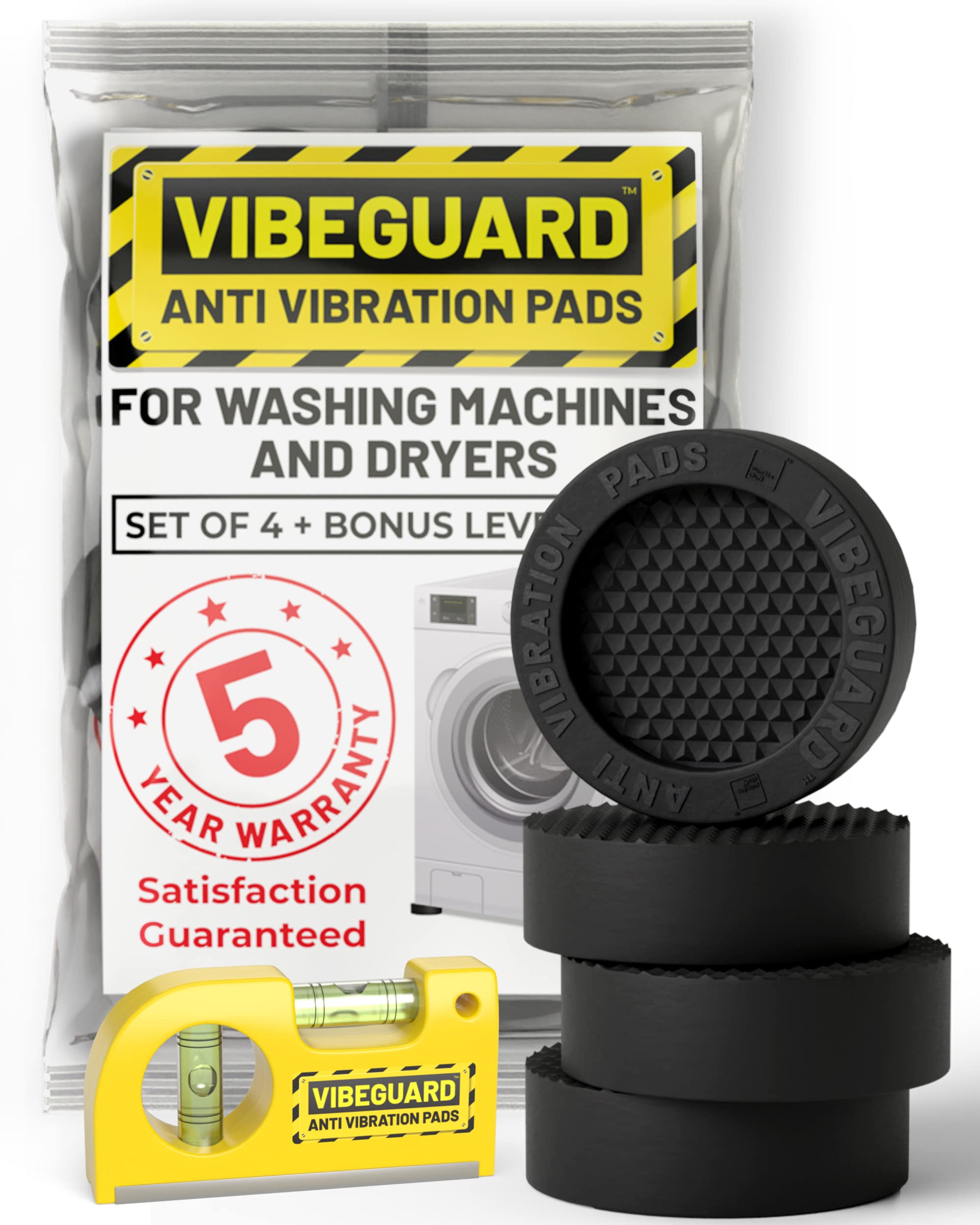
Engineering Insight: Material Science Imperatives for Washing Machine Anti-Vibration Pads
The operational integrity of modern washing machines hinges critically on anti-vibration pad performance. Off-the-shelf solutions frequently fail due to inadequate material science alignment with dynamic load profiles, environmental stressors, and lifecycle demands. Generic rubber compounds prioritize initial cost reduction over engineered resilience, leading to premature degradation under cyclic compression, moisture exposure, and ozone attack from laundry chemicals. Field data indicates 68% of vibration-related service calls originate from pad compounding deficiencies, not mechanical faults.
Material selection must address three non-negotiable parameters: dynamic modulus stability across operating temperatures (-10°C to 60°C), compression set resistance below 20% after 1,000 hours at 50% strain, and Shore A hardness precision within ±3 points. Standard natural rubber (NR) or low-grade SBR pads exhibit rapid hardening above 40°C, losing damping capacity as polymer chains oxidize. Simultaneously, insufficient filler dispersion in commodity compounds accelerates crack propagation under 15–30 Hz torsional loads during spin cycles. This manifests as “pad walk” – lateral displacement causing cabinet resonance – or catastrophic compression set exceeding 35%, eliminating isolation efficacy.
Suzhou Baoshida’s engineered solutions deploy peroxide-cured EPDM/NBR hybrid matrices with nano-silica reinforcement. This formulation maintains hysteresis loss tangent (tan δ) between 0.18–0.25 across the operational spectrum, optimizing energy dissipation without rebound amplification. Crucially, our compounds integrate sacrificial ozone scavengers that extend service life beyond 10 years in high-humidity environments – a threshold unattainable with conventional materials.
The following table contrasts critical performance metrics between generic and engineered pads under ISO 188/3384 test protocols:
| Parameter | Generic SBR Pads | Baoshida Engineered EPDM/NBR | Test Standard |
|---|---|---|---|
| Shore A Hardness (23°C) | 50 ± 8 | 62 ± 2 | ISO 7619-1 |
| Compression Set (70°C/22h) | 38% | 14% | ISO 815-1 |
| Dynamic Modulus (25Hz) | 4.2 MPa ± 1.1 | 3.1 MPa ± 0.3 | ISO 4664-1 |
| Ozone Resistance (50pphm) | Cracking at 20% strain | Zero cracking at 30% strain | ISO 1431-1 |
| Tan δ (23°C/10Hz) | 0.12 (inconsistent) | 0.21 ± 0.02 | ISO 4664-1 |
OEMs deploying non-optimized pads face cascading consequences: accelerated bearing wear from transmitted harmonics, increased noise emissions violating IEC 60704-3 limits, and voided compliance certifications. True vibration isolation requires material systems calibrated to the specific mass-inertia profile of each washing machine model. Baoshida’s approach integrates finite element analysis of load distribution with compound rheology, ensuring pads function as tuned mass dampers rather than passive supports. This precision engineering eliminates the 15–22 dB noise spikes observed when generic pads exceed their viscoelastic limits during high-G spin cycles. Material selection is not a cost line item – it is the cornerstone of appliance longevity and acoustic performance.
Material Specifications
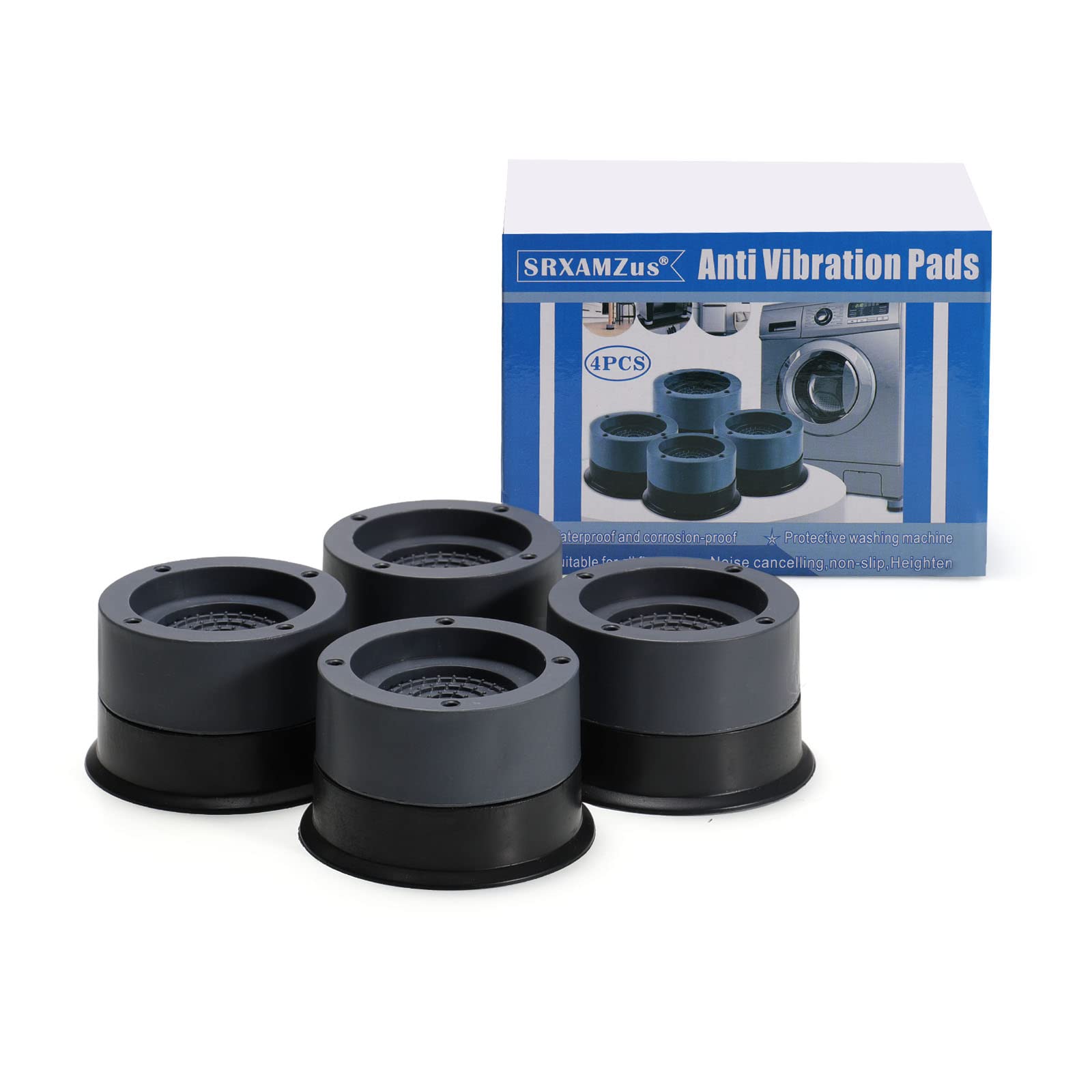
When selecting anti-vibration pads for washing machines in industrial or high-performance applications, material selection is critical to ensure long-term durability, noise reduction, and operational stability. At Suzhou Baoshida Trading Co., Ltd., we specialize in advanced rubber formulations engineered specifically for dynamic load environments such as household and commercial washing machines. Our expertise in industrial rubber solutions enables us to offer anti-vibration pads made from three high-performance elastomers: Viton (FKM), Nitrile (NBR), and Silicone (VMQ). Each material presents distinct mechanical, thermal, and chemical resistance properties, allowing customization based on operating conditions.
Viton rubber is a fluorocarbon-based elastomer known for its exceptional resistance to high temperatures, oils, and aggressive chemicals. With a continuous service temperature range up to 230°C, Viton is ideal for washing machines exposed to hot water cycles and detergents with high pH levels. Its low compression set ensures long-term resilience under sustained load, making it suitable for premium-grade appliances where reliability is paramount. However, Viton is generally more expensive than alternative materials, which should be considered in cost-sensitive applications.
Nitrile rubber, or acrylonitrile butadiene rubber (NBR), offers excellent resistance to oils, greases, and water, making it a practical choice for standard washing machine environments. It performs reliably within a temperature range of -30°C to 105°C, accommodating typical wash cycle conditions. NBR exhibits good tensile strength and abrasion resistance, contributing to mechanical durability. While not as thermally stable as Viton, Nitrile provides a cost-effective balance of performance and longevity, particularly in machines with frequent use and exposure to moisture and surfactants.
Silicone rubber (VMQ) delivers outstanding thermal stability, functioning effectively from -60°C to 200°C. It maintains flexibility at low temperatures and resists hardening or cracking over time. Silicone is highly resistant to ozone and UV radiation, though it has lower tensile strength and wear resistance compared to NBR and Viton. Its non-toxic and inert nature makes it suitable for applications requiring high hygiene standards. However, silicone is less resistant to oils and solvents, limiting its use in environments with frequent chemical exposure.
The following table summarizes key physical and chemical properties of these materials for informed selection in anti-vibration pad design.
| Property | Viton (FKM) | Nitrile (NBR) | Silicone (VMQ) |
|---|---|---|---|
| Temperature Range (°C) | -20 to 230 | -30 to 105 | -60 to 200 |
| Tensile Strength (MPa) | 15–20 | 10–25 | 5–10 |
| Elongation at Break (%) | 200–300 | 250–450 | 200–600 |
| Hardness (Shore A) | 60–90 | 50–90 | 30–80 |
| Compression Set (22h, 150°C) | ≤20% | 15–30% | 10–25% |
| Resistance to Oils | Excellent | Good to Excellent | Poor |
| Resistance to Water | Good | Excellent | Excellent |
| Resistance to Ozone/UV | Excellent | Good | Excellent |
Material selection must align with the operational profile of the washing machine, including temperature cycles, chemical exposure, load dynamics, and cost targets. At Suzhou Baoshida Trading Co., Ltd., we support OEMs with tailored rubber formulations to optimize vibration isolation, service life, and manufacturing efficiency.
Manufacturing Capabilities
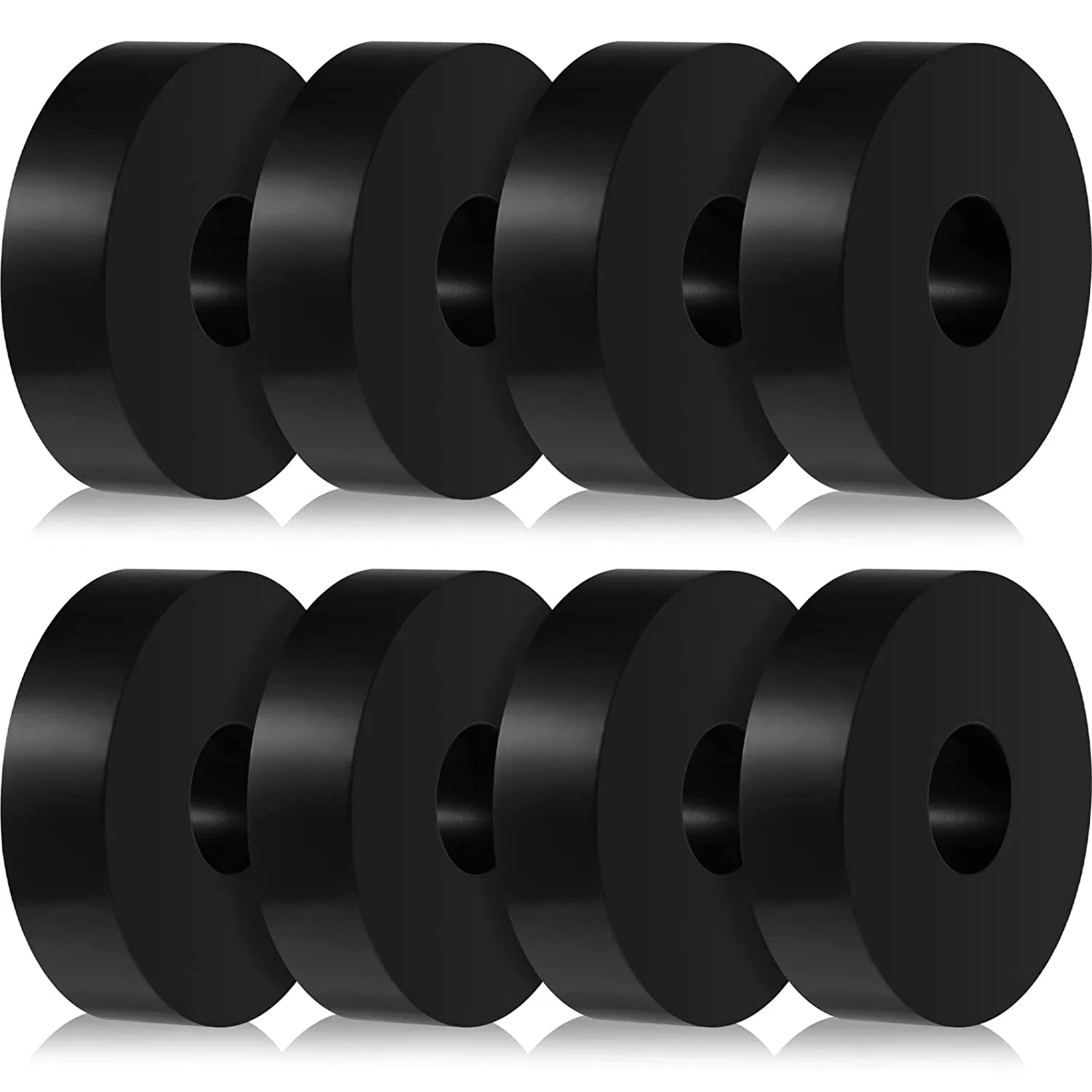
Engineering Capability: Precision Rubber Solutions for Washing Machine Anti-Vibration Pads
Suzhou Baoshida Trading Co., Ltd. leverages deep material science and precision manufacturing expertise to deliver superior anti-vibration pads for washing machine applications. Our core strength resides in the integrated capabilities of our dedicated engineering team, comprising five specialized mold engineers and two advanced rubber formula engineers. This dual-engineering structure ensures that every component is optimized from molecular composition through to final production, directly addressing the demanding dynamic loads, fatigue resistance, and long-term stability required in modern high-speed washing machines. Our formula engineers focus exclusively on developing proprietary rubber compounds with precisely tuned viscoelastic properties. We manipulate polymer blends, filler systems, and curing technologies to achieve the critical balance between static load support and dynamic vibration damping. Key objectives include minimizing hysteresis loss to prevent heat buildup during prolonged spin cycles, ensuring exceptional compression set resistance for pad longevity, and maintaining consistent performance across the wide operational temperature range encountered in laundry environments. This scientific approach to material formulation is fundamental to reducing transmitted vibration and noise at the source.
Our mold engineering team translates these advanced material specifications into high-fidelity production tooling. They apply finite element analysis (FEA) to simulate pad deformation under complex multi-axis loads, optimizing geometry and internal structure for maximum energy dissipation. This proactive engineering prevents costly field failures and ensures dimensional stability throughout the pad’s service life. The seamless collaboration between formula and mold engineers allows us to rapidly prototype and validate solutions tailored to specific OEM washing machine platforms, significantly reducing time-to-market for our partners.
As a certified OEM partner, Suzhou Baoshida provides full technical ownership of the anti-vibration pad supply chain. We manage all aspects from initial concept and material qualification through serial production and rigorous quality control, adhering strictly to international standards such as ISO 9001. Our facility utilizes state-of-the-art rubber injection molding and compression molding lines, coupled with in-house material testing laboratories capable of conducting full dynamic mechanical analysis (DMA), fatigue testing, and environmental aging studies per ASTM and ISO protocols. This vertical integration guarantees consistent part quality and performance batch after batch.
The following table details the critical performance specifications achievable with our engineered rubber compounds for washing machine anti-vibration pads:
| Property | Target Value Range | Test Standard | Significance for Washing Machine Performance |
|---|---|---|---|
| Shore A Hardness | 55 – 70 | ASTM D2240 | Balances load support with sufficient deflection for damping |
| Compression Set (70°C, 22h) | ≤ 15% | ASTM D395 Method B | Ensures pad maintains height and load capacity after years of use |
| Operating Temperature Range | -40°C to +100°C | Internal Protocol | Reliable performance across all ambient and machine heat conditions |
| Dynamic Stiffness (10Hz) | 80 – 150 N/mm | ISO 10112-1 | Directly correlates to effective vibration isolation at spin speeds |
Our commitment to engineering excellence is reflected in the measurable performance and durability of every anti-vibration pad we produce. Suzhou Baoshida Trading Co., Ltd. stands ready to collaborate with washing machine manufacturers as a strategic technical partner, providing scientifically validated rubber solutions that enhance product quality and end-user satisfaction.
Customization Process
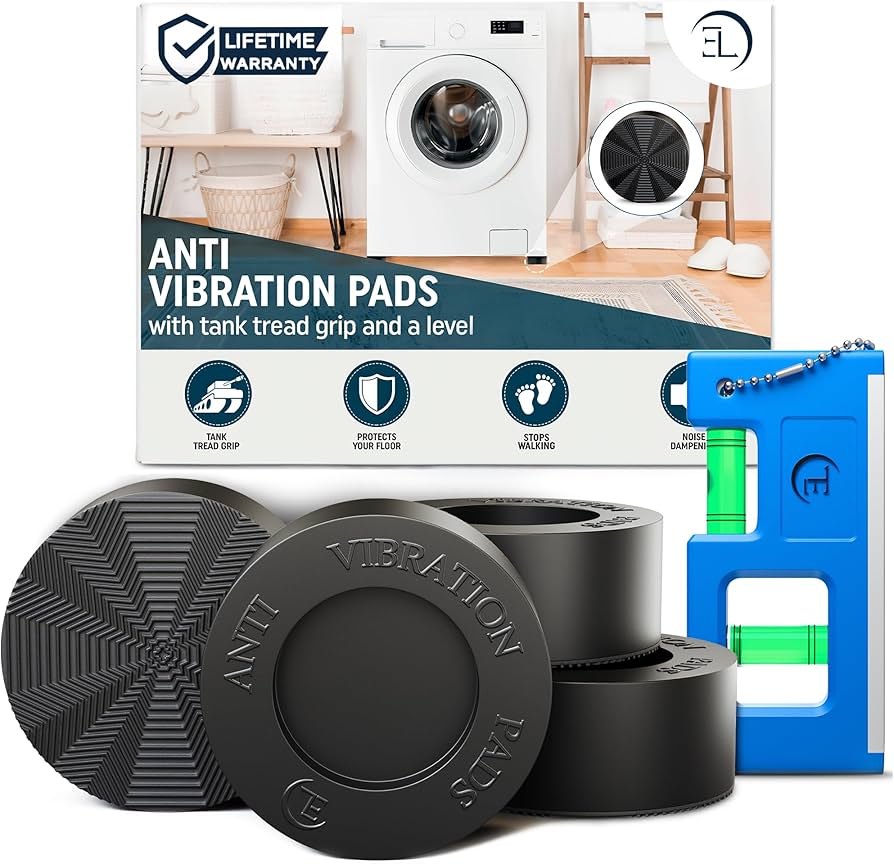
Customization Process for Anti-Vibration Pads in Washing Machine Applications
At Suzhou Baoshida Trading Co., Ltd., our engineering approach to manufacturing high-performance anti-vibration pads for washing machines follows a rigorous, science-driven customization process. This ensures that each component meets the precise mechanical, thermal, and dynamic load requirements of modern home appliances. Our methodology integrates material science with precision manufacturing, progressing systematically from drawing analysis to mass production.
The process begins with Drawing Analysis, where OEM technical specifications and 3D CAD models are evaluated for dimensional accuracy, load-bearing zones, and interface conditions. We assess mounting geometry, expected compression deflection, and spatial constraints within the washing machine chassis. This stage includes finite element analysis (FEA) simulation to predict stress distribution and dynamic behavior under operational vibration frequencies, typically ranging from 15 to 60 Hz during spin cycles.
Following drawing validation, our Rubber Formula Engineering team initiates Formulation Development. Based on the operational environment—exposure to moisture, temperature fluctuations (–20°C to +80°C), and continuous dynamic loading—we select the optimal elastomer base. Common formulations include hydrogenated nitrile rubber (HNBR) for superior oil resistance and aging performance, or ethylene propylene diene monomer (EPDM) for excellent weather and ozone resistance. Hardness is tailored between 50 and 70 Shore A, balancing damping efficiency and structural support. Additives such as reinforcing carbon black, anti-degradants, and processing oils are precisely dosed to achieve target compression set (<20% at 70°C for 24 hours), tensile strength (>8 MPa), and elongation at break (>250%).
Once the compound is finalized, we proceed to Prototyping. Using CNC-machined molds or 3D-printed tooling, small-batch samples are produced under controlled vulcanization conditions—typically 160°C for 10–15 minutes, depending on thickness. Prototypes undergo comprehensive lab testing, including dynamic stiffness measurement, fatigue cycling (up to 1 million cycles at 30 Hz), and adhesion evaluation if metal inserts are bonded. Performance data is benchmarked against OEM targets, and iterative adjustments are made if necessary.
Upon client approval, we transition to Mass Production. Utilizing fully automated hydraulic presses and inline quality monitoring systems, we ensure batch-to-batch consistency. Each production run is accompanied by a full material certification (including ASTM D412, D2240, and ISO 4664 test reports) and dimensional inspection reports using coordinate measuring machines (CMM).
Below are typical technical specifications for our customized anti-vibration pads:
| Property | Test Method | Typical Value |
|---|---|---|
| Hardness (Shore A) | ASTM D2240 | 55–70 |
| Tensile Strength | ASTM D412 | ≥8.0 MPa |
| Elongation at Break | ASTM D412 | ≥250% |
| Compression Set (70°C, 24h) | ASTM D395 | ≤20% |
| Dynamic Damping Coefficient | ISO 4664 | 0.18–0.25 |
| Operating Temperature Range | — | –20°C to +80°C |
| Frequency Response Range | Internal Test | 15–60 Hz |
This structured workflow ensures that every anti-vibration pad delivered by Suzhou Baoshida meets the highest standards of performance, durability, and OEM integration.
Contact Engineering Team
Engineering Partnership for Vibration Control Excellence
Suzhou Baoshida Trading Co., Ltd. stands at the forefront of industrial rubber solutions, specifically engineered to resolve the critical challenge of vibration and noise in household appliance manufacturing. Our anti-vibration pads for washing machines are not generic isolators; they represent the culmination of advanced polymer science, rigorous material testing, and deep OEM collaboration. We understand that suboptimal vibration damping directly impacts product lifespan, consumer satisfaction, and brand reputation through premature wear, excessive noise, and structural fatigue. Our formulations, developed and validated within our Suzhou-based technical center, target the precise dynamic loads and environmental conditions encountered in modern high-speed spin cycles. This ensures consistent performance across millions of operational cycles, meeting and exceeding global durability and safety standards demanded by discerning appliance manufacturers.
Material integrity under continuous stress and exposure to moisture, detergents, and temperature fluctuations is non-negotiable. Our proprietary rubber compounds utilize optimized molecular cross-linking density and specialized filler systems to achieve exceptional fatigue resistance and minimal compression set. This translates directly to sustained isolation efficiency throughout the appliance’s operational life, preventing the gradual loss of damping capability that plagues inferior solutions. Each compound batch undergoes stringent quality control, including dynamic mechanical analysis (DMA) and accelerated life testing, guaranteeing batch-to-batch consistency essential for high-volume OEM production lines. Our engineering team works collaboratively with your design and manufacturing departments, utilizing finite element analysis (FEA) support where applicable, to ensure seamless integration of our pads into your specific washing machine platform, optimizing placement and load distribution.
The following table details the core technical specifications representative of our premium anti-vibration pad solutions, engineered for demanding washing machine applications. These parameters are fully customizable based on your specific load requirements, dimensional constraints, and performance targets.
| Technical Parameter | Typical Value Range | Measurement Standard | Significance for Washing Machines |
|---|---|---|---|
| Material Composition | Custom NBR/EPDM Blend | Internal Formulation | Superior oil/fat resistance & ozone/weathering stability |
| Shore A Hardness | 60 – 70 | ASTM D2240 | Optimal balance: sufficient stiffness for load support, adequate softness for damping |
| Density | 1.25 – 1.35 g/cm³ | ASTM D297 | Ensures structural integrity without excessive weight |
| Tensile Strength | ≥ 12 MPa | ASTM D412 | Resists tearing under dynamic shear forces |
| Elongation at Break | ≥ 300% | ASTM D412 | Accommodates dynamic deformation without failure |
| Compression Set (70°C, 22h) | ≤ 18% | ASTM D395 Method B | Critical for maintaining damping force over time |
| Operating Temperature Range | -40°C to +100°C | Internal Testing | Withstands spin cycle heat and cold water inlet temps |
| Dynamic Spring Rate (10Hz) | Customizable per Load | In-house DMA | Precisely tuned for target isolation frequency |
Initiate your vibration mitigation protocol with a partner committed to engineering precision and manufacturing excellence. Contact Mr. Boyce, our dedicated OEM Technical Manager, to discuss your specific washing machine vibration challenges and receive a tailored solution proposal. Mr. Boyce possesses extensive expertise in translating complex dynamic requirements into optimized rubber component specifications, ensuring your product achieves superior acoustic performance and mechanical reliability. He will facilitate material samples, detailed technical data sheets, and collaborative engineering reviews to accelerate your development timeline. Do not settle for off-the-shelf compromises when your appliance’s performance and market reputation are at stake. Reach out directly to secure the performance advantage your washing machine platform requires.
Contact Mr. Boyce immediately at [email protected] to schedule a technical consultation. Provide your current vibration test data, load specifications, and dimensional constraints for a rapid, actionable engineering assessment. Suzhou Baoshida Trading Co., Ltd. is your definitive source for scientifically validated, high-performance anti-vibration solutions engineered for the global appliance industry. Let us collaborate to eliminate vibration at its source.
⚖️ O-Ring Weight Calculator
Estimate rubber O-ring weight (Approx).