
Technical Contents
Engineering Guide: Best Gasket Material
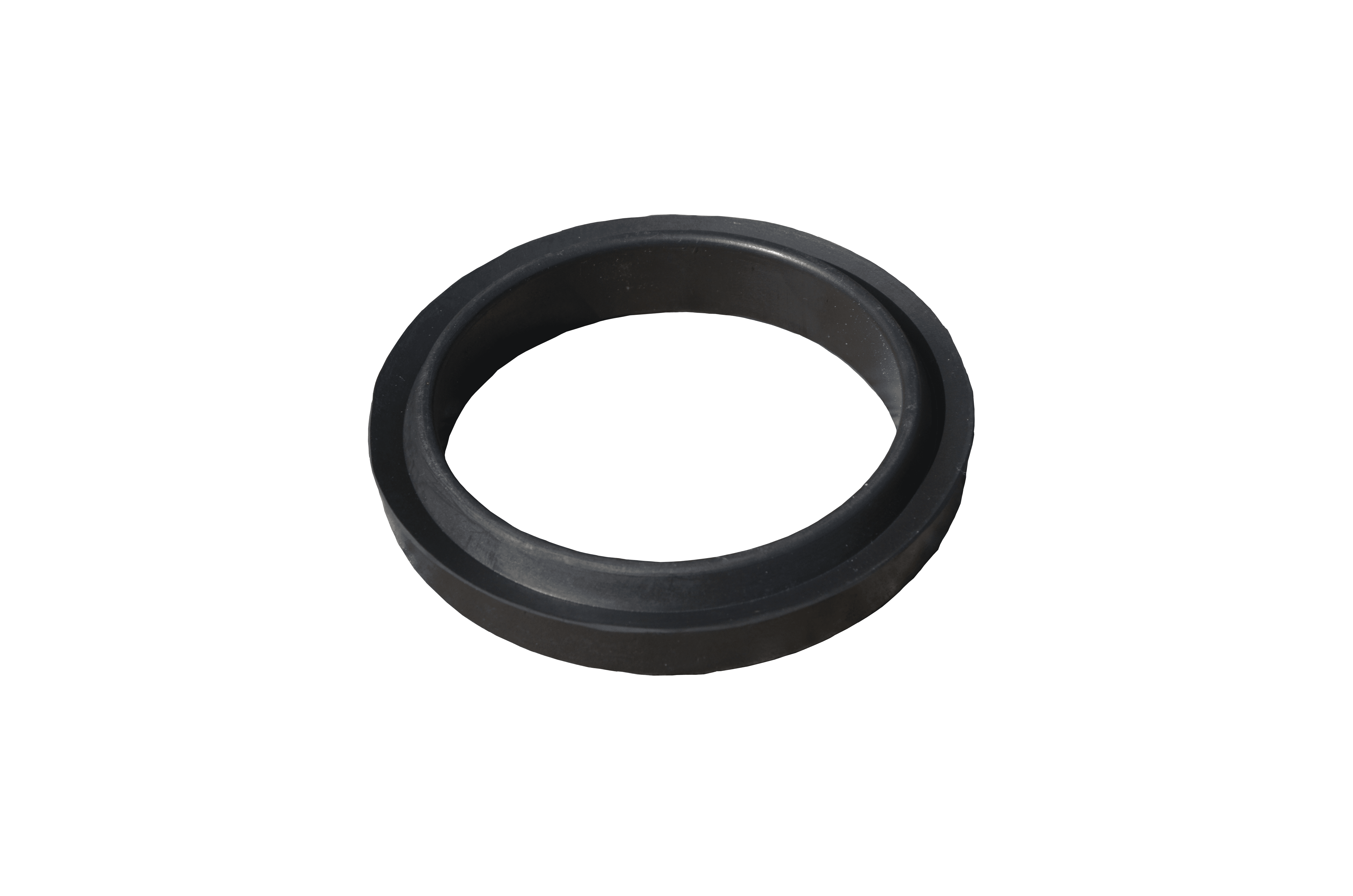
Engineering Insight: The Critical Role of Gasket Material Selection
In precision sealing applications, the performance and longevity of a gasket are fundamentally determined by material selection. While off-the-shelf gasket solutions are often marketed as universal or cost-effective, they frequently fail to meet the dynamic demands of industrial environments. These pre-fabricated options are typically formulated for broad compatibility rather than targeted performance, leading to premature degradation, leakage, and system failure under real-world operating conditions.
The root cause of such failures lies in the mismatch between material properties and application-specific stressors. Temperature extremes, chemical exposure, pressure cycling, and mechanical compression set are among the key variables that must be evaluated during gasket design. For instance, a nitrile rubber (NBR) gasket may perform adequately in low-temperature hydraulic systems but will rapidly harden and crack when exposed to ozone or elevated temperatures above 120°C. Similarly, silicone rubber, while excellent for thermal stability, exhibits poor tensile strength and abrasion resistance, making it unsuitable for high-stress mechanical joints.
At Suzhou Baoshida Trading Co., Ltd., we emphasize engineered material solutions tailored to the operational envelope of the end application. Our approach integrates chemical resistance profiling, thermal mapping, and compression set analysis to ensure long-term sealing integrity. This precision methodology prevents the common pitfalls associated with generic gaskets, including extrusion, creep relaxation, and chemical swelling.
Material selection is not a one-size-fits-all decision—it is a science-driven process that balances physical properties, environmental exposure, and lifecycle cost. A fluorocarbon rubber (FKM) gasket, for example, offers superior resistance to oils, fuels, and many acids, with operational stability up to 200°C. However, its poor performance in ketone-rich environments necessitates careful evaluation before deployment. Likewise, ethylene propylene diene monomer (EPDM) excels in steam and water applications but degrades rapidly when exposed to petroleum-based fluids.
To support informed decision-making, the following table outlines key performance characteristics of commonly used rubber compounds in precision gasket manufacturing:
| Material | Temperature Range (°C) | Tensile Strength (MPa) | Compression Set (22h @ 150°C) | Key Chemical Resistances | Key Limitations |
|---|---|---|---|---|---|
| NBR | -30 to 120 | 15–20 | 25–35% | Oils, water, alcohols | Poor ozone/UV resistance |
| FKM | -20 to 200 | 12–18 | 15–25% | Fuels, acids, oils | High cost, poor ketone resistance |
| EPDM | -50 to 150 | 10–17 | 20–30% | Steam, water, alkalis | Swells in petroleum fluids |
| Silicone | -60 to 200 | 6–9 | 20–30% | Oxygen, UV, ozone | Low mechanical strength |
| Neoprene | -40 to 100 | 13–17 | 25–35% | Refrigerants, mild acids | Moderate oil resistance |
Understanding these parameters enables engineers to move beyond commodity gaskets and adopt materials engineered for reliability. At Baoshida, we partner with OEMs to develop application-specific formulations that ensure leak-free performance, extended service life, and reduced maintenance costs—proving that the best gasket material is not the cheapest, but the most precisely matched to its environment.
Material Specifications
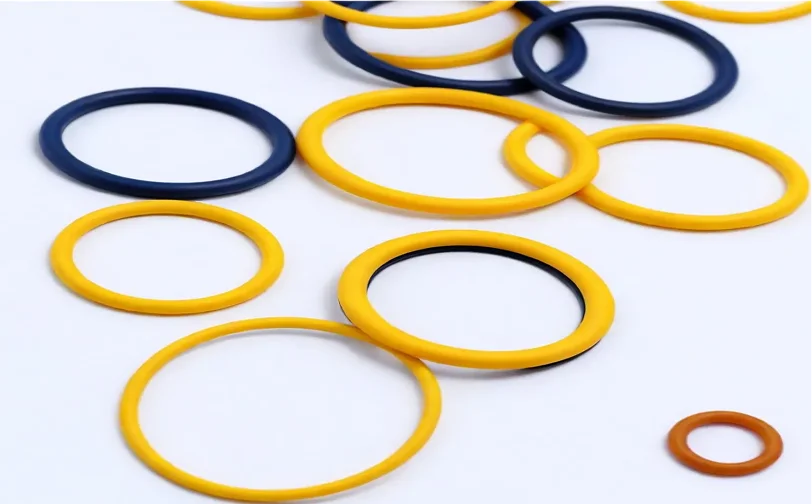
Material Specifications for Precision Rubber Gaskets
Selecting optimal gasket material requires rigorous evaluation of operational parameters including chemical exposure, temperature extremes, pressure cycles, and mechanical stress. At Suzhou Baoshida Trading Co., Ltd., we prioritize material science integrity to ensure sealing performance in critical industrial applications. Below we detail three industry-standard elastomers: Viton® (FKM), Nitrile (NBR), and Silicone (VMQ), emphasizing quantifiable properties validated per ASTM D2000 and ISO 3601 standards.
Viton® fluorocarbon rubber delivers exceptional resistance to aggressive chemicals, including aromatic hydrocarbons, acids, and jet fuels. Its continuous service temperature range spans -20°C to 230°C, with short-term peaks up to 300°C. Viton® exhibits low gas permeability and maintains sealing force under prolonged thermal aging, making it indispensable for aerospace, semiconductor, and chemical processing OEMs. Compression set values typically remain below 25% after 70 hours at 200°C (ASTM D395), ensuring long-term resilience in dynamic flange systems.
Nitrile rubber remains the cost-effective solution for petroleum-based fluid sealing, with acrylonitrile content directly correlating to oil resistance. Standard grades operate reliably from -40°C to 120°C, though hydrogenated NBR (HNBR) extends this to 150°C. While excellent for fuel lines and hydraulic systems, NBR shows vulnerability to ozone, ketones, and chlorinated solvents. Tensile strength ranges from 15 to 30 MPa, with elongation at break exceeding 300%. Its moderate compression set (30-40% at 100°C) suits static applications where chemical exposure is non-extreme.
Silicone rubber provides unmatched flexibility across extreme temperatures (-60°C to 200°C continuous), with specialty formulations functioning at 230°C. Its inert, non-toxic profile meets FDA and USP Class VI requirements for food, pharma, and medical devices. Silicone maintains elasticity under thermal cycling but exhibits lower tensile strength (5-10 MPa) and tear resistance versus hydrocarbon rubbers. Critical for cryogenic seals and high-temperature ovens, its compression set remains low (20-30% at 200°C), though organic fluid resistance is poor.
The following comparative table consolidates key specifications for rapid OEM evaluation:
| Property | Viton® (FKM) | Nitrile (NBR) | Silicone (VMQ) |
|---|---|---|---|
| Temperature Range (°C) | -20 to 230 | -40 to 120 | -60 to 200 |
| Tensile Strength (MPa) | 12-20 | 15-30 | 5-10 |
| Compression Set (%)* | ≤25 | 30-40 | 20-30 |
| Fluid Resistance | Excellent (acids, fuels) | Excellent (oils) | Poor (oils/fuels) |
| Critical Limitation | Cost, low-temp flexibility | Ozone degradation | Low tear strength |
| ASTM D2000 Classification | VMQ AA, BK, EF | NBR AE, BK, EF | VMQ AA, BK, EF |
*Tested per ASTM D395 at material-specific max continuous temperature
OEM selection must balance chemical compatibility, thermal demands, and lifecycle costs. Viton® dominates in high-temperature chemical environments despite premium pricing. NBR provides optimal value for automotive fuel systems where cost sensitivity is critical. Silicone excels where thermal stability and biocompatibility outweigh mechanical strength requirements. Suzhou Baoshida Trading Co., Ltd. validates all formulations through accelerated aging protocols and application-specific simulation testing to guarantee field performance. Consult our engineering team for compound customization addressing unique sealing challenges.
Manufacturing Capabilities
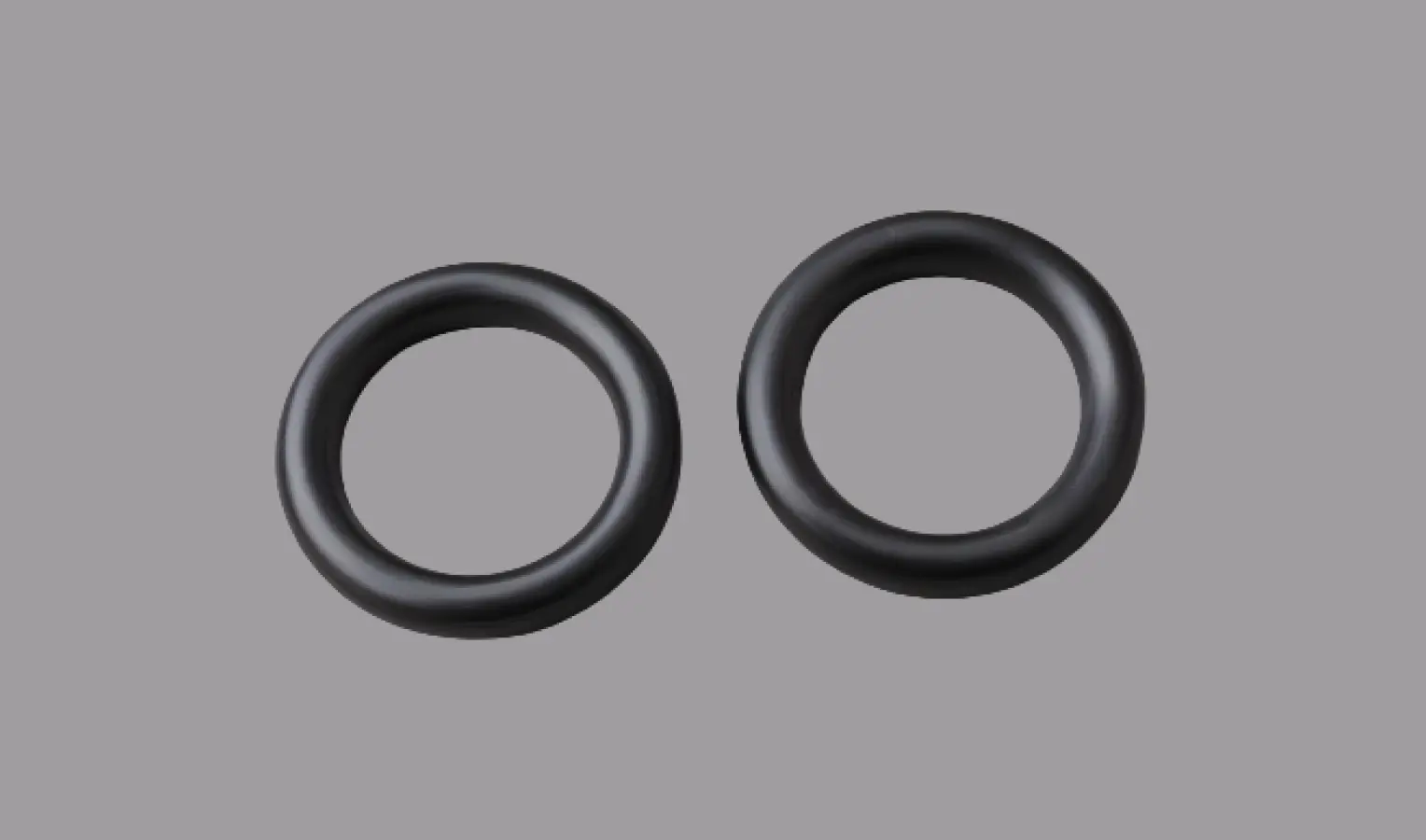
Engineering Excellence in Precision Rubber Seal Development
At Suzhou Baoshida Trading Co., Ltd., our engineering capability forms the cornerstone of our reputation in the precision rubber seals industry. With a dedicated team of five experienced mould engineers and two advanced rubber formula engineers, we deliver technically robust, application-specific gasket solutions tailored to the exacting demands of industrial OEMs. Our integrated engineering approach ensures seamless alignment between material science, tooling design, and manufacturing scalability, enabling us to solve complex sealing challenges across automotive, aerospace, energy, and industrial equipment sectors.
Our rubber formula engineers specialize in polymer chemistry and elastomer compounding, with expertise in NBR, EPDM, FKM, silicone, and specialty blends such as ACM and AEM. They develop custom formulations optimized for temperature resistance, chemical exposure, compression set, and dynamic performance. Each compound is rigorously tested in-house using ASTM and ISO standards to validate physical and chemical properties before prototyping. This scientific foundation allows us to engineer gasket materials that outperform generic alternatives in critical applications.
Complementing our material expertise, our five mould engineers bring precision to geometry and manufacturability. Utilizing advanced CAD/CAM software and 3D simulation tools, they design high-tolerance moulds that ensure consistent part dimensions, tight sealing profiles, and minimal flash. Their deep understanding of flow dynamics, cure kinetics, and shrinkage behavior enables rapid iteration from prototype to full-scale production. All tooling is manufactured to ISO 9001 standards, with full traceability and preventive maintenance protocols in place.
We operate as a full-service OEM partner, offering end-to-end development from concept to certification. Our clients benefit from co-engineering support, DFMEA analysis, and comprehensive documentation including material certifications, PPAP packages, and process capability studies. With in-house mixing, compression, transfer, and injection moulding capabilities, we maintain full control over quality and delivery timelines.
The synergy between our formula and mould engineering teams enables us to optimize both material and design in parallel—reducing development cycles and enhancing product reliability. Whether developing a high-temperature gasket for turbocharger systems or a low-outgassing seal for vacuum environments, our engineering framework ensures performance precision and long-term durability.
Typical Gasket Material Properties at Suzhou Baoshida
| Material | Temperature Range (°C) | Hardness (Shore A) | Tensile Strength (MPa) | Key Applications |
|---|---|---|---|---|
| NBR | -30 to +120 | 50–90 | 10–20 | Fuel systems, hydraulic seals |
| EPDM | -50 to +150 | 50–80 | 8–15 | Water and steam seals |
| FKM (Viton®) | -20 to +230 | 60–90 | 12–18 | Chemical, aerospace, high-temp |
| Silicone | -60 to +200 | 30–80 | 5–9 | Medical, food-grade, electrical |
| ACM | -10 to +175 | 60–85 | 10–14 | Automotive transmission seals |
Customization Process
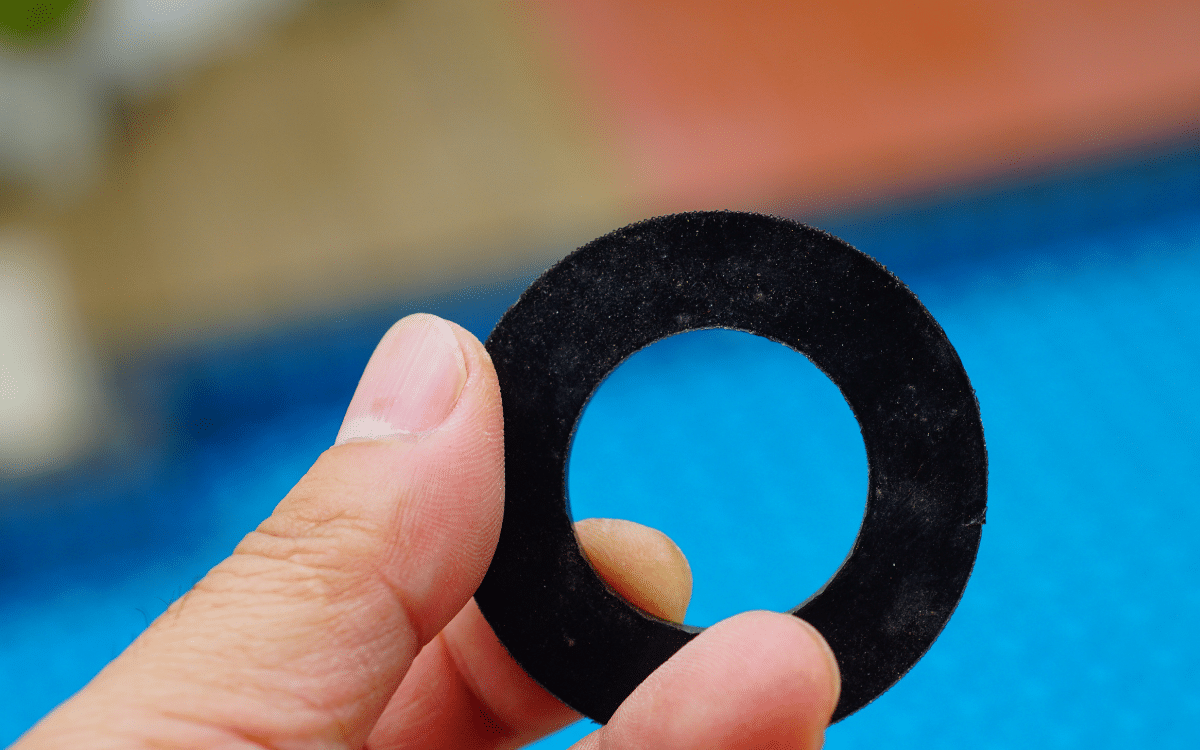
Customization Process for Precision Rubber Gasket Manufacturing
At Suzhou Baoshida Trading Co., Ltd., our gasket customization process integrates scientific rigor with industrial scalability to deliver mission-critical sealing solutions. This four-phase workflow ensures material properties align precisely with operational demands while maintaining cost efficiency for high-volume OEM production.
Drawing Analysis initiates the process with rigorous dimensional and application validation. Our engineering team scrutinizes customer CAD files against AS568 or ISO 3601 standards, verifying critical factors: groove geometry compatibility, surface finish requirements (Ra ≤ 0.8 μm), and dynamic/static load profiles. We cross-reference fluid exposure data—identifying aggressive media like biodiesel (FAME) or hydraulic fluids—to preempt chemical degradation risks. Tolerance stacks are recalculated using GD&T principles, ensuring interference fits remain within ±0.05 mm for zero-extrusion performance under 35 MPa pressure.
Formulation Development leverages Suzhou Baoshida’s proprietary compound library and accelerated aging protocols. Based on the drawing analysis, our rubber chemists select base polymers and curatives optimized for the specific service environment. For instance, high-temperature aerospace applications (200°C+) trigger FKM/GFLT formulations with peroxide curing, while cryogenic LNG seals demand specialized EPDM variants with controlled unsaturation. Each compound undergoes ASTM D2000 classification mapping, with reinforcement packages tailored to achieve target hardness (50–90 Shore A) and tensile strength (12–25 MPa). Critical additives—such as ZnO-free systems for semiconductor tooling or NSF-51 certification for food processing—are integrated at this stage.
Prototyping & Validation employs rapid compression molding to produce functional samples within 72 hours. Every prototype undergoes multi-axis testing:
Compression set per ASTM D395 (Method B) at 150°C for 70 hours
Fluid immersion resistance in specified media (e.g., ASTM D471)
Leak rate quantification via helium mass spectrometry (≤1×10⁻⁶ mbar·L/s)
Data is benchmarked against OEM failure thresholds; revisions target compression set reduction below 15% and tensile retention >75% after aging.
Mass Production commences only after formal sign-off on validation reports. Our IATF 16949-certified facility utilizes automated injection molding with real-time cavity pressure monitoring. Statistical process control (SPC) tracks critical dimensions via Cpk ≥1.67, while inline spectrometry verifies compound homogeneity. Final inspection includes 100% vision-based defect detection and batch traceability to raw material lot numbers.
Key Material Performance Specifications
| Property | FKM (Standard) | EPDM (High-Purity) | Silicone (VMQ) | Test Standard |
|---|---|---|---|---|
| Temperature Range (°C) | -20 to +230 | -50 to +150 | -60 to +200 | ASTM D2240 |
| Compression Set (%) | ≤20 | ≤25 | ≤22 | ASTM D395 B |
| Tensile Strength (MPa) | 15–20 | 10–18 | 6–10 | ASTM D412 |
| Fluid Resistance (IRMOG) | Excellent | Poor | Moderate | ASTM D471 |
This closed-loop methodology eliminates guesswork in gasket material selection, transforming engineering specifications into validated production-ready solutions. Suzhou Baoshida’s integration of formulation science and precision manufacturing guarantees sealing integrity across automotive, semiconductor, and energy infrastructure applications.
Contact Engineering Team
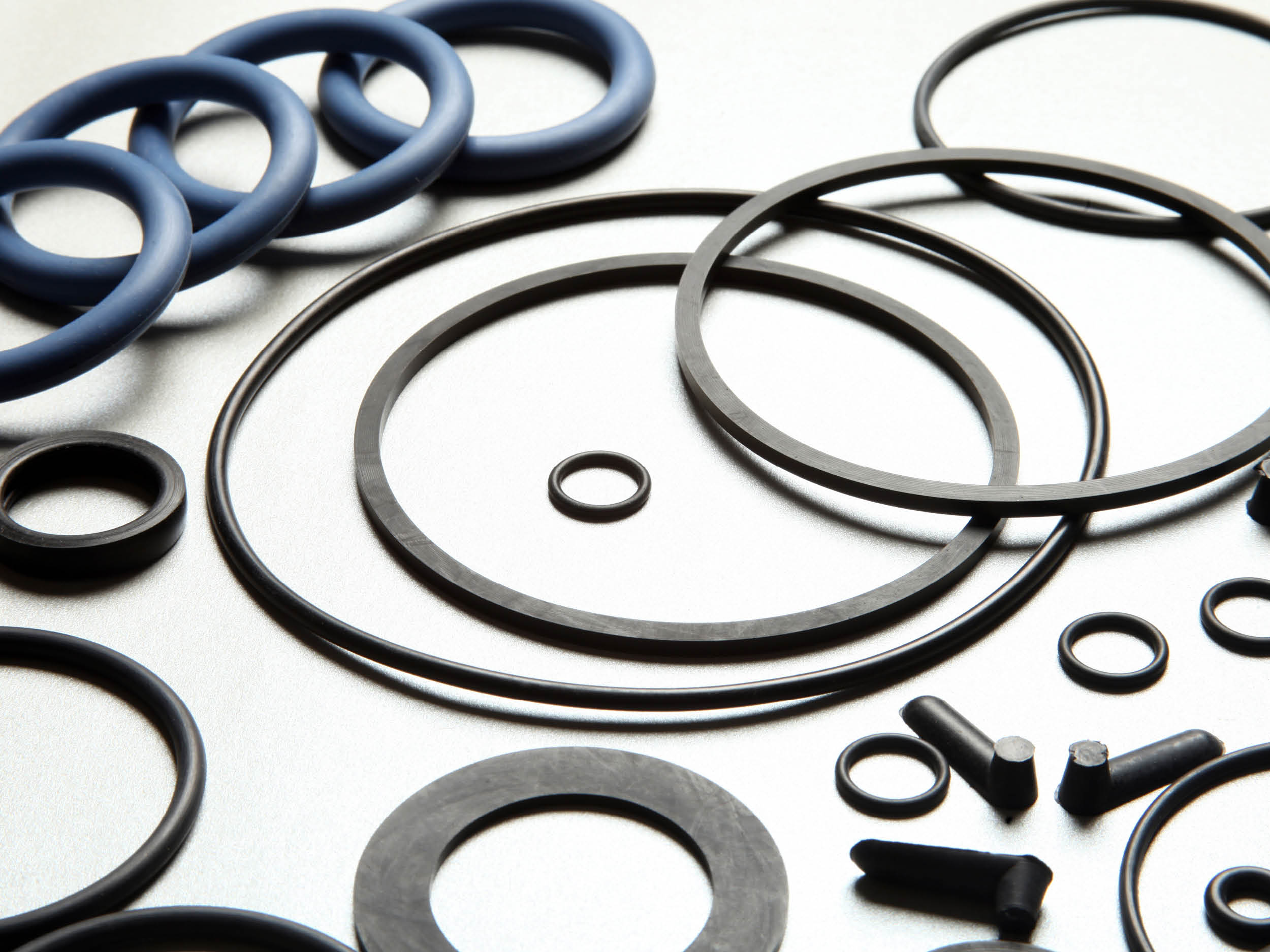
For precision-critical applications in automotive, aerospace, industrial machinery, and chemical processing, selecting the best gasket material is not a matter of preference—it is a matter of engineering integrity. At Suzhou Baoshida Trading Co., Ltd., we specialize in high-performance rubber seals engineered to withstand extreme temperatures, aggressive media, and dynamic mechanical loads. Our formulations are developed in alignment with OEM specifications and validated through rigorous physical testing to ensure dimensional stability, compression set resistance, and long-term sealing performance.
Our portfolio includes advanced elastomers such as FKM (Viton®), EPDM, Nitrile (NBR), Silicone (VMQ), and specialty compounds like FFKM and AEM, each tailored for specific environmental challenges. Whether you require resistance to jet fuel at -55°C or continuous exposure to 300°C steam, our material science team formulates compounds that meet or exceed international standards including ASTM D2000, ISO 3601, and SAE AS5855. We understand that gasket failure can lead to costly downtime, safety risks, and reputational damage—this is why every compound we produce is traceable, batch-certified, and optimized for the application, not just the specification sheet.
Below is a comparison of key performance characteristics across our most widely used gasket materials:
| Material | Temperature Range (°C) | Tensile Strength (MPa) | Hardness (Shore A) | Key Resistance Properties |
|---|---|---|---|---|
| FKM (Viton®) | -20 to +250 (up to +300 short-term) | 12–18 | 60–90 | Fuels, oils, acids, ozone |
| EPDM | -50 to +150 | 8–15 | 50–80 | Steam, water, alkalis, UV |
| Nitrile (NBR) | -30 to +120 | 10–20 | 55–95 | Aliphatic hydrocarbons, oils |
| Silicone (VMQ) | -55 to +200 | 5–9 | 40–80 | Extreme cold, heat, biocompatibility |
| FFKM | -15 to +327 | 10–14 | 70–90 | Aggressive chemicals, plasma, ultra-high purity |
Each material is available in sheet form, molded shapes, custom die-cuts, and complex 3D profiles. We support low-volume prototyping and high-volume production with full documentation, including material certifications, RoHS/REACH compliance, and FDA compliance where applicable.
To ensure your sealing solution performs under real-world conditions, we recommend direct technical collaboration. Mr. Boyce, our OEM Engagement and Rubber Formulation Engineer, leads client-specific development projects with a focus on lifecycle optimization and total cost of ownership. With over 14 years of experience in elastomer compounding and failure analysis, Mr. Boyce provides data-driven recommendations based on fluid compatibility testing, compression set modeling, and field performance feedback.
Contact Mr. Boyce directly at [email protected] to initiate a technical consultation. Include your application parameters—media type, temperature profile, pressure conditions, and expected service life—for a targeted material recommendation. We respond to all technical inquiries within 6 business hours and offer sample kits with custom durometers and geometries upon request.
At Suzhou Baoshida Trading Co., Ltd., we don’t supply gaskets—we engineer sealing solutions. Partner with us to eliminate leakage risks and enhance system reliability. Your next-generation seal begins with a single technical conversation.
⚖️ O-Ring Weight Calculator
Estimate rubber O-ring weight (Approx).