
Technical Contents
Engineering Guide: Best Nvh Car
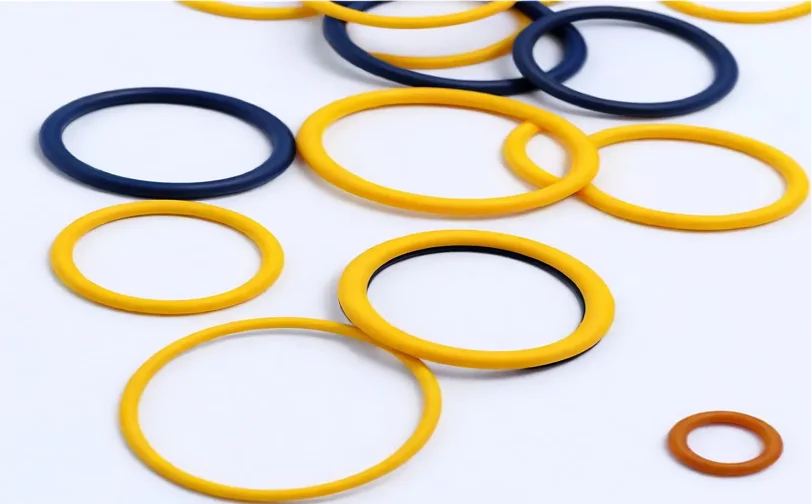
Engineering Insight: Material Selection in NVH Optimization for Automotive Applications
In the development of high-performance automotive systems, noise, vibration, and harshness (NVH) control is a cornerstone of both comfort and durability. At Suzhou Baoshida Trading Co., Ltd., we emphasize that effective NVH management begins not with design alone, but with precise material selection. Off-the-shelf rubber components—often formulated for general industrial use—frequently underperform in dynamic automotive environments due to mismatched mechanical and viscoelastic properties. These generic solutions lack the tailored damping characteristics required to absorb specific frequency ranges and energy loads encountered in modern powertrains, suspension systems, and chassis interfaces.
The failure of standard rubber compounds in NVH-critical applications stems from their inability to balance stiffness, hysteresis, and long-term resilience. For instance, a mount designed with a high-durometer natural rubber may offer structural support but transmit unwanted high-frequency noise due to low damping. Conversely, soft silicone-based elastomers may dampen vibrations effectively but degrade under oil exposure or thermal cycling typical in engine bays. The optimal material must exhibit a targeted loss factor (tan δ) across operational temperatures while maintaining resistance to environmental stressors such as ozone, UV, and automotive fluids.
At Baoshida, our engineered rubber solutions are formulated using advanced polymer blends—such as hydrogenated nitrile (HNBR), ethylene propylene diene monomer (EPDM), and specialized polyurethanes—selected for their performance envelope in specific NVH scenarios. Dynamic mechanical analysis (DMA) is employed to map storage and loss moduli across temperature and frequency spectra, ensuring that each compound delivers peak damping where it is needed most. This data-driven approach allows us to customize formulations that match OEM load profiles and acoustic targets.
Furthermore, long-term performance under compression set and fatigue loading is non-negotiable. Automotive mounts and bushings undergo millions of load cycles over their service life. Materials prone to creep or stress relaxation will lose preload, leading to increased play, noise generation, and eventual system failure. Our compounds are validated through accelerated aging and endurance testing per ISO 2231 and ASTM D395 standards to guarantee dimensional stability and functional integrity.
Below is a comparison of common elastomers used in automotive NVH applications, highlighting their critical performance parameters:
| Material | Hardness (Shore A) | Tan δ @ 1 Hz, 60°C | Tensile Strength (MPa) | Fluid Resistance | Operating Temp Range (°C) |
|---|---|---|---|---|---|
| Natural Rubber (NR) | 50–70 | 0.15–0.25 | 18–25 | Low | -40 to +80 |
| Nitrile (NBR) | 60–90 | 0.20–0.30 | 15–20 | High | -30 to +100 |
| HNBR | 70–90 | 0.25–0.35 | 20–30 | Very High | -40 to +150 |
| EPDM | 50–80 | 0.20–0.28 | 12–18 | Moderate | -50 to +130 |
| Polyurethane (PU) | 80–95 | 0.30–0.50 | 30–45 | Moderate | -30 to +90 |
Material selection is not a secondary consideration—it is the foundation of effective NVH engineering. Generic elastomers may reduce initial costs, but they compromise system reliability and acoustic performance. At Suzhou Baoshida, we deliver purpose-built rubber solutions that meet the exacting demands of automotive OEMs, ensuring silent, smooth, and durable operation across the vehicle lifecycle.
Material Specifications
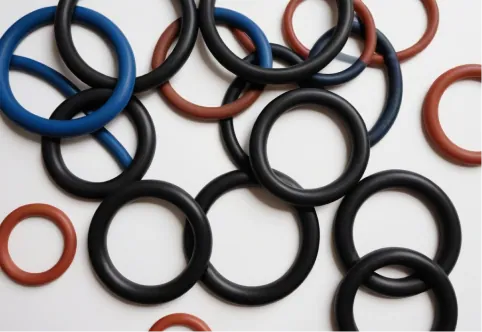
Material Specifications for Automotive NVH Critical Applications
Selecting precision elastomers for noise, vibration, and harshness (NVH) management in automotive systems demands rigorous evaluation of chemical composition, thermal stability, and mechanical behavior under dynamic stress. At Suzhou Baoshida Trading Co., Ltd., we prioritize material integrity to ensure long-term performance in engine mounts, suspension bushings, and fluid-sealing components. Viton (FKM), Nitrile (NBR), and Silicone (VMQ) represent core solutions, each engineered for distinct operational envelopes. Viton’s fluorocarbon backbone delivers exceptional resistance to turbocharged engine oils, biodiesel, and continuous temperatures up to 230°C, critical for under-hood sealing where thermal degradation compromises NVH control. Its low compression set (<20% at 200°C/70h) maintains seal force integrity over 150,000 km service life, directly mitigating high-frequency vibration transmission.
Nitrile rubber remains indispensable for cost-sensitive fuel and transmission systems due to its tunable acrylonitrile content (18–40%). Higher ACN grades (e.g., 34%) exhibit minimal swell (<15%) in ATF and gasoline-ethanol blends, preserving damping characteristics in transmission mounts. However, NBR’s operational ceiling is limited to 120°C continuous exposure, beyond which rebound resilience degrades, increasing noise propagation. Standard NBR formulations achieve Shore A 60–90 hardness, enabling precise stiffness tuning for vibration isolation at 10–500 Hz frequencies.
Silicone excels in extreme-temperature NVH applications exceeding 200°C, such as exhaust hangers and turbocharger gaskets. Its siloxane polymer structure provides unmatched flexibility from -60°C to 260°C, with compression set values below 25% after 1,000 hours at 200°C. While inherently weaker in tensile strength (5–8 MPa) versus Viton (15–20 MPa), reinforced VMQ compounds achieve Shore A 40–80 hardness, absorbing low-amplitude vibrations without permanent deformation. Silicone’s hydrophobic nature prevents moisture-induced damping loss in electric vehicle battery seals, though its poor fuel resistance necessitates careful fluid compatibility validation.
The following comparative analysis details critical parameters for NVH-critical rubber selection:
| Property | Viton (FKM) | Nitrile (NBR) | Silicone (VMQ) |
|---|---|---|---|
| Operating Temp Range | -20°C to +230°C | -40°C to +120°C | -60°C to +260°C |
| Fluid Resistance | Excellent (fuels, oils, acids) | Good (oils, water; poor in fuels) | Poor (oils/fuels); excellent in water/steam |
| Compression Set (ASTM D395) | <20% @ 200°C/70h | 25–35% @ 100°C/22h | <25% @ 200°C/1000h |
| Tensile Strength (MPa) | 15–20 | 10–30 | 5–8 |
| Hardness Range (Shore A) | 60–90 | 40–90 | 40–80 |
| NVH Suitability | High-temp seals, fuel systems | Transmission mounts, hydraulic seals | Extreme-temp gaskets, EV battery seals |
Suzhou Baoshida Trading Co., Ltd. leverages OEM collaboration to customize polymer formulations—such as hydrogenated NBR (HNBR) for enhanced heat resistance or fluorosilicone for fuel-exposed VMQ applications. Our technical team provides dynamic mechanical analysis (DMA) data correlating storage modulus (G’) and loss factor (tan δ) to real-world vibration spectra, ensuring material selection aligns with vehicle-level NVH targets. Precision in compound design directly translates to reduced cabin noise, extended component service life, and compliance with Tier-1 durability specifications. Partner with us for application-specific validation testing and seamless integration into your manufacturing workflow.
Manufacturing Capabilities
Engineering Capability: Precision-Driven Rubber Solutions for Automotive NVH Applications
At Suzhou Baoshida Trading Co., Ltd., our engineering capability is anchored in deep technical expertise and a systematic approach to rubber formulation and mold design. With a dedicated team of five certified mold engineers and two advanced formula engineers, we deliver industrial rubber solutions tailored specifically for noise, vibration, and harshness (NVH) reduction in automotive systems. Our engineering framework integrates material science, precision tooling, and OEM-aligned development processes to meet the stringent performance demands of modern vehicle platforms.
Our formula engineering team specializes in the development of custom elastomer compounds optimized for dynamic mechanical properties, temperature resistance, and long-term durability. Utilizing advanced rheometry, dynamic mechanical analysis (DMA), and accelerated aging protocols, we formulate rubber materials that maintain consistent damping characteristics under real-world operating conditions. Whether the application requires EPDM for weather resistance, NBR for oil exposure, or hydrogenated nitrile (HNBR) for high-temperature performance, our formulations are engineered to deliver targeted hysteresis, rebound resilience, and compression set resistance—key parameters in effective NVH control.
Complementing our material expertise, our mold engineering team ensures dimensional accuracy, repeatability, and manufacturability of every rubber component. Employing 3D CAD modeling (SolidWorks, AutoCAD) and mold flow simulation software, we design precision steel and aluminum tooling with optimized gating, venting, and cooling channels. This enables consistent vulcanization, minimal flash, and tight tolerance control—critical for components such as engine mounts, suspension bushings, and anti-vibration grommets. Our engineers follow APQP and PPAP protocols to align with Tier 1 and OEM validation standards, ensuring seamless integration into automotive production lines.
We operate as a trusted OEM partner, offering full design-for-manufacturability (DFM) support, rapid prototyping, and production scaling from pilot batches to high-volume runs. Our facility supports compression, transfer, and injection molding processes, with in-house tooling maintenance and process validation to ensure continuity and quality stability. By combining material innovation with precision engineering, we enable automotive manufacturers to achieve superior acoustic comfort and mechanical reliability.
The following table summarizes our core technical capabilities:
| Parameter | Specification |
|---|---|
| Compound Development | EPDM, NBR, HNBR, NR, Silicone, CR, IIR |
| Hardness Range (Shore A) | 30–90 ±5 |
| Tensile Strength | Up to 25 MPa (dependent on compound) |
| Elongation at Break | Up to 600% |
| Operating Temperature Range | -50°C to +150°C (extended with specialty grades) |
| Mold Design Software | SolidWorks, AutoCAD, Moldflow Advisor |
| Tooling Materials | P20, H13, 420 Stainless Steel, Aluminum 7075 |
| Tolerance Control | ±0.1 mm (critical dimensions) |
| Process Validation | PPAP Level 3, MSA, SPC, Capability Studies |
Our engineering team collaborates directly with client R&D departments to co-develop solutions that meet exact NVH performance targets, regulatory standards, and production efficiency goals. At Suzhou Baoshida, engineering excellence is not a service—it is our foundation.
Customization Process

Customization Process for Advanced Automotive NVH Rubber Components
At Suzhou Baoshida Trading Co., Ltd., our NVH (Noise, Vibration, Harshness) rubber component customization follows a rigorously engineered sequence to ensure optimal acoustic and damping performance for automotive applications. This process begins with Drawing Analysis, where our engineering team conducts a comprehensive review of OEM CAD models and technical specifications. We prioritize geometric tolerances per ISO 2768, material constraints, and dynamic load requirements. Finite element analysis (FEA) validates stress points under operational conditions, ensuring compatibility with vehicle assembly lines and identifying potential resonance frequencies that compromise NVH performance. Critical parameters such as durometer range, compression set limits, and thermal expansion coefficients are cross-referenced against the vehicle’s operational environment.
Subsequent Formulation leverages our 15+ years of rubber compounding expertise. We design bespoke polymer matrices using EPDM, silicone, or specialty fluoroelastomers, tailored to the target frequency damping profile. Key variables include filler dispersion ratios (e.g., silica vs. carbon black), plasticizer selection for low-temperature flexibility, and curative systems for accelerated aging resistance. Each formulation targets precise dynamic mechanical properties, validated through DMA (Dynamic Mechanical Analysis) testing across -40°C to 150°C. This phase ensures compliance with automotive standards such as ASTM D2000 and ISO 188, while optimizing cost-performance balance for high-volume feasibility.
Prototyping integrates rapid tooling with iterative validation. We produce functional prototypes using CNC-machined molds, subjecting them to multi-axis vibration testing per SAE J1400 and acoustic chamber analysis. Data from these trials refines the compound’s loss factor (tan δ) and storage modulus to suppress cabin noise at critical engine harmonics. Client feedback loops typically resolve 95% of functional deviations within two prototype iterations.
Critical NVH Performance Parameters
| Parameter | Target Range | Test Standard | Significance |
|---|---|---|---|
| Dynamic Modulus (E’) | 0.5–5.0 MPa | ASTM D4065 | Stiffness control at 10–200 Hz |
| Loss Factor (tan δ) | 0.15–0.35 | ISO 6721-4 | Energy dissipation efficiency |
| Compression Set (70°C) | ≤15% after 22h | ASTM D395 | Long-term seal integrity |
| Durometer (Shore A) | 40–80 | ISO 7619-1 | Interface damping consistency |
| Glass Transition (Tg) | -60°C to -40°C | ASTM E1640 | Low-temperature flexibility |
Mass Production transitions validated designs into IATF 16949-certified manufacturing. We implement SPC (Statistical Process Control) for real-time monitoring of mixing homogeneity, cure kinetics, and dimensional stability. Each production lot undergoes 100% visual inspection and batch-level NVH validation against the client’s acoustic signature profile. Our Suzhou facility’s automated lines ensure ±0.1 mm geometric precision, while traceability systems link raw material batches to vehicle VINs for full OEM compliance. This closed-loop process guarantees that every component—from engine mounts to suspension bushings—delivers repeatable NVH attenuation at 500,000+ unit volumes.
Suzhou Baoshida’s methodology eliminates guesswork through data-driven compound design and validation, directly translating OEM acoustic targets into production-ready rubber solutions.
Contact Engineering Team
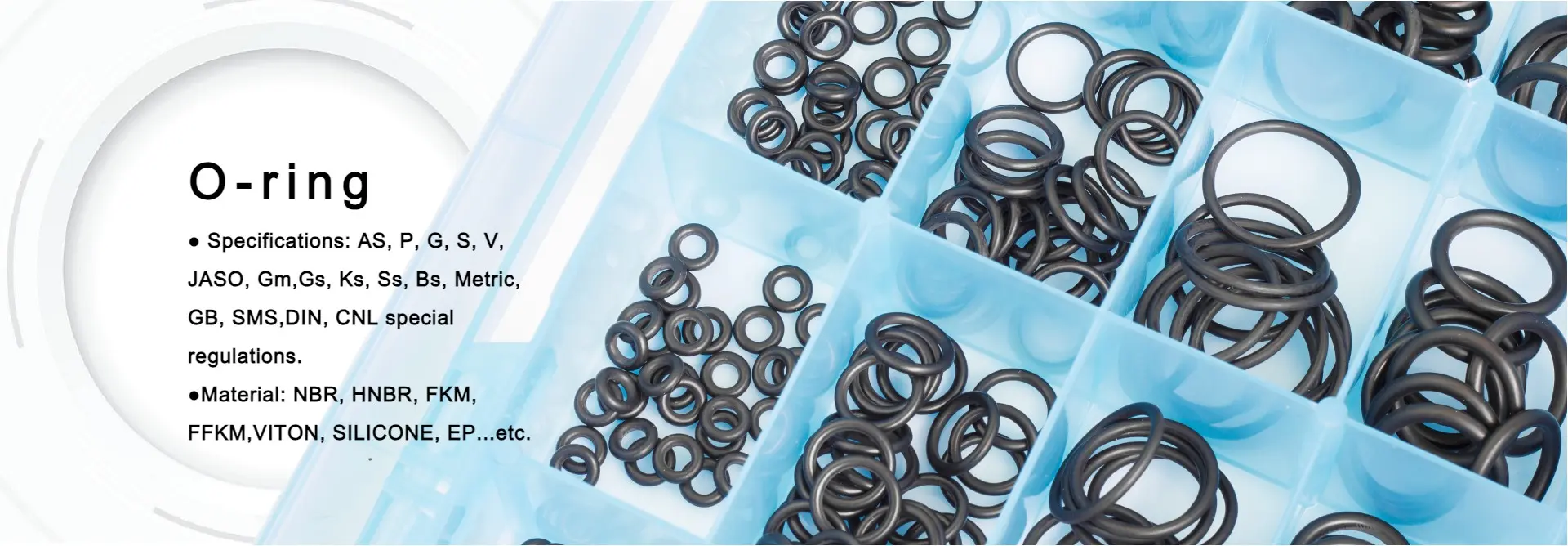
For automotive manufacturers and Tier-1 suppliers focused on achieving superior Noise, Vibration, and Harshness (NVH) performance, the selection of high-precision rubber components is not merely a material decision—it is an engineering imperative. At Suzhou Baoshida Trading Co., Ltd., we specialize in industrial rubber solutions engineered to meet the exacting demands of modern NVH-critical automotive systems. Our expertise spans dynamic elastomer formulations, precision molding, and performance validation under real-world operational conditions. Whether you are developing engine mounts, suspension bushings, or acoustic isolation gaskets, our team ensures material integrity, durability, and compliance with OEM specifications.
Our rubber compounds are formulated for optimal damping characteristics, temperature resilience, and long-term fatigue resistance. We utilize advanced testing protocols—including dynamic mechanical analysis (DMA), compression set evaluation, and accelerated aging—to validate performance across a range of thermal and mechanical loads. Each component is manufactured under ISO 9001-certified processes, ensuring repeatability and traceability from batch to batch. Our collaborative engineering approach allows for rapid prototyping and joint development, enabling seamless integration into your production workflow.
To support global OEMs and subsystem developers, we offer scalable production capacity with strict adherence to delivery timelines. Our facility in Suzhou is equipped with state-of-the-art injection and compression molding systems, enabling high-volume output without compromising dimensional accuracy or material consistency. We work with a range of elastomers, including EPDM, NBR, HNBR, silicone, and specialty fluoroelastomers, tailored to the specific environmental and mechanical requirements of your application.
Below are representative specifications for our most commonly specified NVH rubber components:
| Property | Test Method | Typical Value |
|---|---|---|
| Hardness (Shore A) | ASTM D2240 | 50–80 ±5 |
| Tensile Strength | ASTM D412 | 12–18 MPa |
| Elongation at Break | ASTM D412 | ≥250% |
| Compression Set (22h @ 70°C) | ASTM D395 | ≤20% |
| Operating Temperature Range | — | -40°C to +150°C |
| Dynamic Damping Coefficient (tan δ) | ISO 6721 | 0.15–0.35 @ 10 Hz, 23°C |
These values are indicative and can be adjusted based on application-specific requirements. Custom durometers, reinforcement layers, and hybrid material structures are available upon request.
For technical collaboration, material sampling, or to discuss your NVH component needs in detail, we invite you to contact Mr. Boyce, OEM Business Manager at Suzhou Baoshida Trading Co., Ltd. Direct communication ensures prompt technical evaluation and project scoping. Reach Mr. Boyce via email at [email protected] to initiate a technical dialogue. Our team responds to all inquiries within 24 business hours and can support discussions in English, Mandarin, and technical German. Partner with Suzhou Baoshida to transform your NVH performance targets into engineered reality.
⚖️ O-Ring Weight Calculator
Estimate rubber O-ring weight (Approx).