
Technical Contents
Engineering Guide: Best Stair Treads
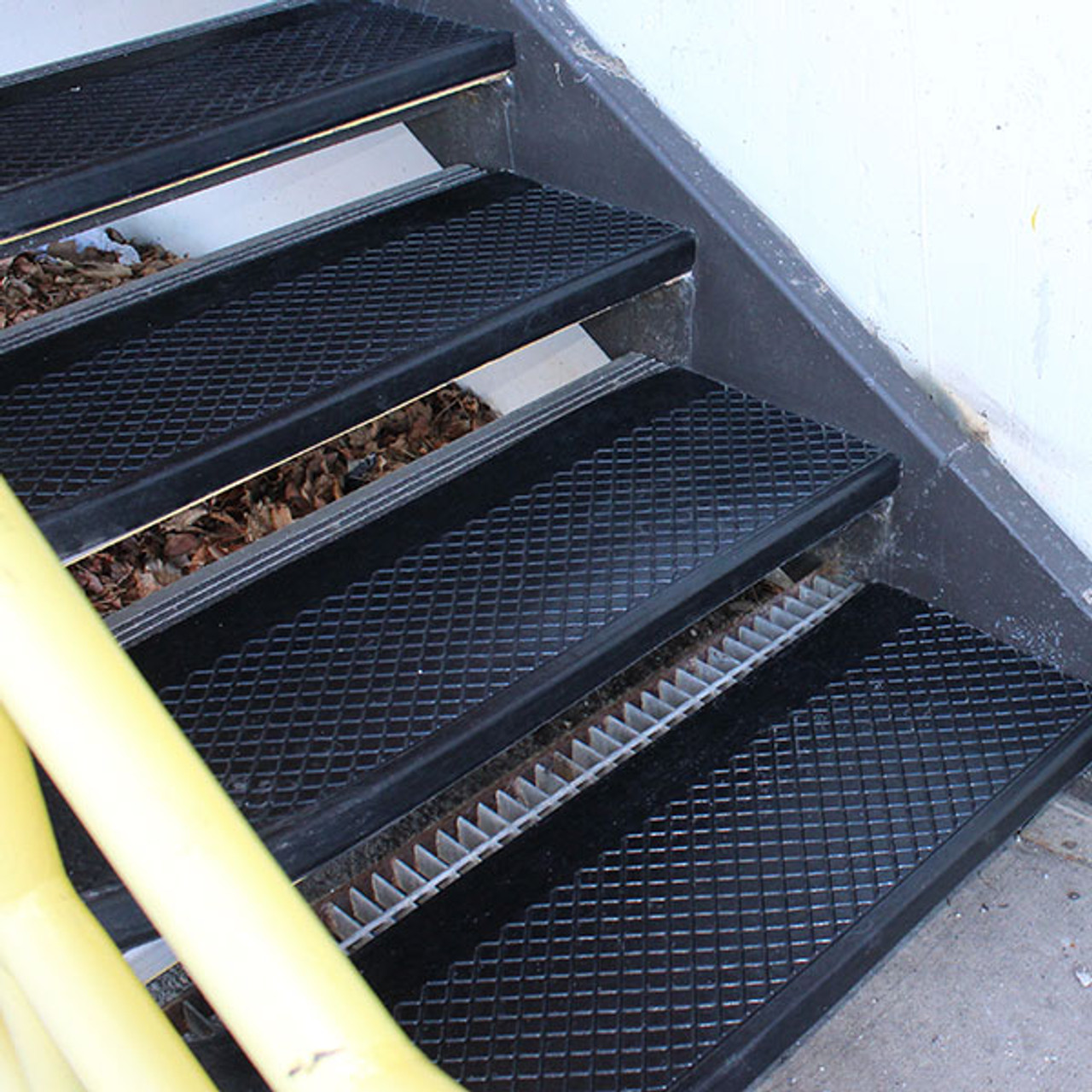
Engineering Insight: The Critical Role of Material Selection in Industrial Stair Treads
In industrial and commercial environments, stair treads are more than architectural components—they are engineered safety interfaces subjected to dynamic mechanical stress, chemical exposure, and environmental degradation. The performance of a stair tread is directly proportional to the precision of its material selection. Off-the-shelf solutions, while cost-attractive, frequently fail under real-world operational conditions due to generic formulations that do not account for site-specific variables such as load frequency, temperature cycling, or contaminant exposure.
At Suzhou Baoshida Trading Co., Ltd., we emphasize a materials-first approach in rubber stair tread design. Standard polymer compounds like unmodified EPDM or SBR may offer adequate initial traction but lack the resilience required for high-traffic zones, wet processing areas, or facilities with aggressive cleaning protocols. These materials often degrade prematurely through swelling, cracking, or abrasion, leading to increased slip risk and costly maintenance cycles.
The optimal solution lies in purpose-formulated elastomers engineered for durability and functional performance. For instance, nitrile rubber (NBR) provides superior resistance to oils and greases, making it ideal for manufacturing and maintenance platforms. Conversely, chloroprene (CR) offers enhanced UV and ozone resistance, critical for outdoor or semi-enclosed installations. For extreme abrasion resistance, hydrogenated nitrile (HNBR) or polyurethane (PU) composites deliver extended service life under repetitive impact and sliding loads.
Equally important is the integration of functional additives. Anti-slip performance is not solely a function of surface geometry—rubber hardness (Shore A), filler dispersion, and crosslink density determine long-term traction stability. Carbon black reinforcement improves wear resistance, while silica co-fills enhance wet-grip characteristics without sacrificing elasticity. Furthermore, incorporating anti-static agents or flame-retardant modifiers ensures compliance with safety standards in sensitive environments such as chemical plants or transportation hubs.
Below is a comparative analysis of key rubber compounds used in industrial stair tread applications:
| Material | Hardness (Shore A) | Tensile Strength (MPa) | Abrasion Loss (mm³) | Key Resistance Properties |
|---|---|---|---|---|
| NBR | 65–75 | 18–22 | ≤90 | Oil, fuel, moderate heat |
| CR | 60–70 | 16–20 | ≤100 | UV, ozone, weathering |
| HNBR | 70–80 | 25–30 | ≤60 | High temp, abrasion, oils |
| PU | 80–90 | 30–40 | ≤40 | Extreme abrasion, tearing |
| EPDM (modified) | 55–65 | 15–18 | ≤110 | Steam, acids, alkalis |
Off-the-shelf treads often utilize lower-grade EPDM or SBR with minimal additive optimization, resulting in performance decay within 12–18 months in demanding settings. In contrast, engineered rubber solutions from Suzhou Baoshida are formulated using application-specific data, ensuring lifecycle alignment with operational demands.
Material selection is not a commodity decision—it is a precision engineering imperative. By prioritizing compound integrity over initial cost, industrial facilities mitigate slip hazards, reduce downtime, and achieve long-term cost efficiency.
Material Specifications
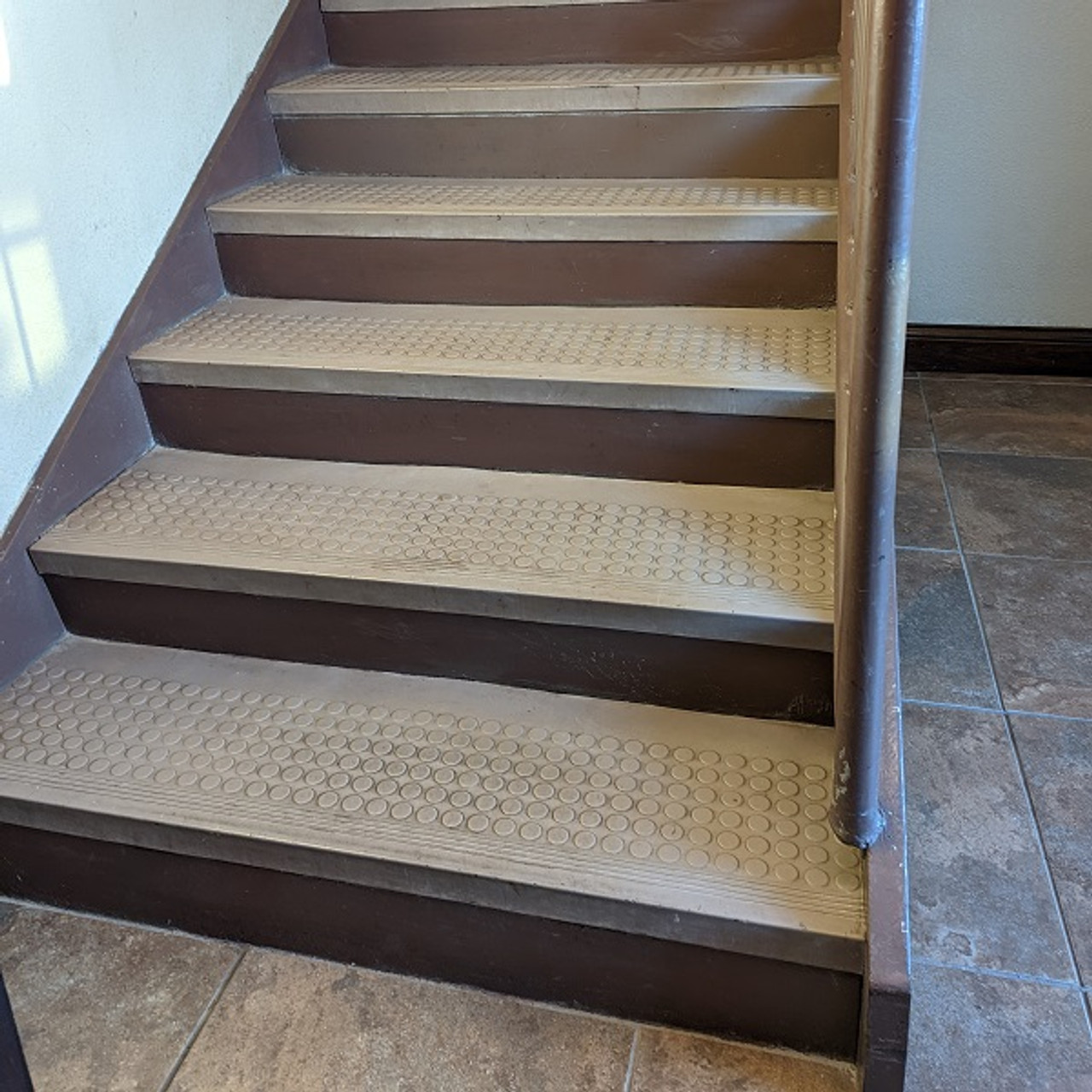
Material Specifications for Industrial Stair Treads
Selecting the optimal elastomer for stair treads requires rigorous evaluation of environmental stressors, mechanical demands, and safety compliance. At Suzhou Baoshida Trading Co., Ltd., we prioritize formulations that deliver consistent slip resistance, abrasion durability, and chemical resilience under operational extremes. Viton (FKM), Nitrile (NBR), and Silicone (VMQ) represent our core solutions, each engineered for distinct industrial scenarios. Viton excels in high-temperature hydrocarbon exposure, withstanding continuous service up to 250°C while resisting aggressive solvents, acids, and jet fuels. Its dense molecular structure minimizes swelling in oil-rich environments but commands a premium cost. Nitrile remains the industry benchmark for cost-effective oil and grease resistance, offering robust performance between -40°C and 120°C. Its tunable acrylonitrile content directly correlates with fuel resistance, though polar solvent exposure necessitates careful compound selection. Silicone provides unmatched flexibility across extreme thermal cycles (-60°C to 200°C) and exceptional ozone/UV stability, making it ideal for outdoor or cryogenic applications. However, its lower tensile strength mandates reinforcement for high-traffic zones to prevent tearing.
Critical specifications must align with ISO 48-4 abrasion testing, ASTM D2000 material classification, and DIN 51130 slip resistance standards. Hardness tolerance is non-negotiable; stair treads require 60–90 Shore A to balance footfall comfort with debris-shedding capability. Below 60A, treads risk excessive deformation under load, while values exceeding 90A compromise slip mitigation on wet surfaces. Tensile strength must exceed 10 MPa to resist cleat separation during thermal expansion cycles, and elongation at break should surpass 200% to accommodate substrate movement without fracture. Abrasion loss per DIN 53516 must remain below 120 mm³ to ensure multi-year service life in pedestrian corridors. Crucially, all compounds undergo 72-hour immersion testing in representative industrial fluids (e.g., hydraulic oil, brake fluid, dilute acids) to validate dimensional stability per ASTM D471.
The following table details comparative performance metrics for standard formulations:
| Property | Viton (FKM) | Nitrile (NBR) | Silicone (VMQ) |
|---|---|---|---|
| Hardness Range (Shore A) | 70–90 | 60–85 | 65–80 |
| Temp Range (°C) | -20 to +250 | -40 to +120 | -60 to +200 |
| Tensile Strength (MPa) | 12–18 | 10–20 | 6–10 |
| Elongation at Break (%) | 150–250 | 200–500 | 200–400 |
| Abrasion Loss (mm³) | 80–110 | 90–130 | 100–150 |
| Oil Resistance (ASTM 3) | Excellent | Excellent | Poor |
| Acid/Alkali Resistance | Excellent | Moderate | Good |
| Ozone Resistance | Excellent | Poor | Excellent |
| Typical Application Context | Petrochemical platforms, engine test cells | Warehouses, automotive workshops | Cleanrooms, food processing, exterior stairways |
Material selection directly impacts lifecycle safety and maintenance costs. Viton’s superiority in chemical plants justifies its investment, while NBR delivers optimal value for general industrial use. Silicone’s thermal versatility suits regulated environments but requires abrasion-resistant additives for high-wear zones. All compounds are manufactured under IATF 16949 protocols with traceable batch certification. Consult our technical team to validate compound suitability against your specific fluid exposure, load profiles, and regulatory frameworks. Performance deviations outside stated parameters invalidate warranty coverage.
Manufacturing Capabilities
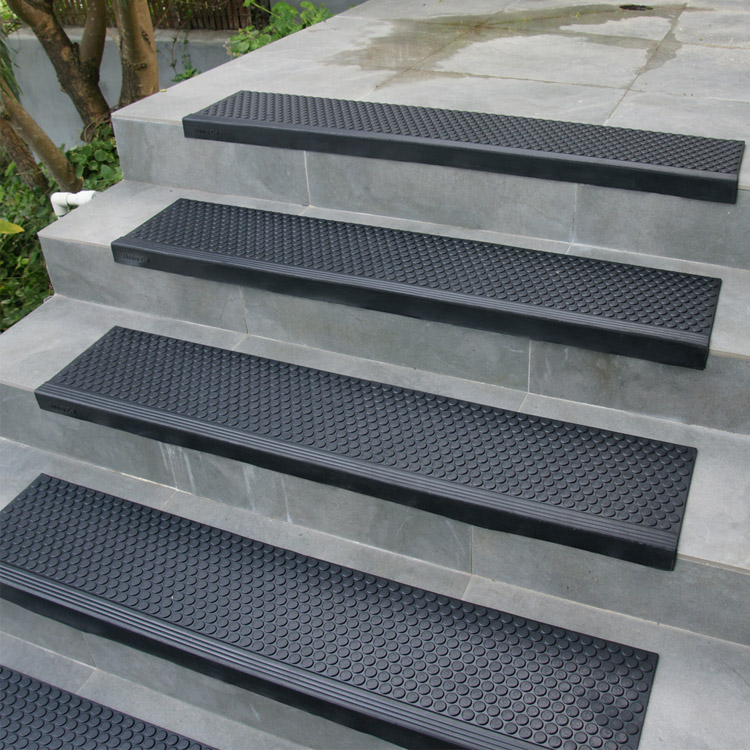
Suzhou Baoshida Trading Co., Ltd. operates at the forefront of industrial rubber solutions, delivering engineered performance to global manufacturers. Our Engineering Capability division is the backbone of our OEM service model, integrating deep material science expertise with precision tooling design to produce high-performance stair treads that meet exacting industrial standards. With a dedicated team of five mould engineers and two specialized rubber formula engineers, we maintain full in-house control over product development, ensuring optimal functionality, durability, and compliance.
Our mould engineers bring over a decade of experience in precision rubber mould design, utilizing advanced CAD/CAM systems and finite element analysis (FEA) to simulate stress distribution, wear resistance, and installation dynamics. This enables us to develop moulds that consistently produce stair treads with tight dimensional tolerances, superior surface definition, and structural integrity under repeated load cycles. Each design undergoes rigorous virtual testing before prototyping, significantly reducing time-to-market and ensuring first-time-right production outcomes.
Complementing this is our dual-rubber formula engineering capability. Our formula engineers specialize in custom elastomer development, formulating rubber compounds tailored to specific environmental and mechanical demands. Whether the application requires enhanced slip resistance in wet environments, resistance to oil and chemicals, or operation in extreme temperatures ranging from -40°C to +120°C, we develop proprietary blends using SBR, EPDM, NBR, and high-abrasion natural rubber composites. These formulations are optimized for Shore hardness, tear strength, and dynamic friction coefficients—critical parameters for stair tread safety and longevity.
As an OEM partner, Suzhou Baoshida provides end-to-end development support. We collaborate directly with clients to interpret technical requirements, conduct on-site performance assessments, and deliver application-specific solutions. Our facility supports low-volume prototyping and high-volume production, with full traceability and batch consistency maintained through ISO-compliant processes. Tooling ownership remains with the client, and we offer lifetime mould maintenance and revision management.
The following table outlines the standard technical specifications achievable for our engineered rubber stair treads:
| Property | Standard Performance Range | Test Method |
|---|---|---|
| Hardness (Shore A) | 55–75 | ASTM D2240 |
| Tensile Strength | ≥12 MPa | ASTM D412 |
| Elongation at Break | ≥250% | ASTM D412 |
| Tear Resistance | ≥40 kN/m | ASTM D624 |
| Coefficient of Friction (wet) | ≥0.7 (DIN 51130) | ISO 13287 |
| Temperature Range | -40°C to +120°C | Internal |
| Abrasion Loss (DIN) | ≤120 mm³ | DIN 53516 |
Our engineering synergy—where material formulation meets precision mould design—ensures that every stair tread is not only a safety component but a long-term industrial asset. At Suzhou Baoshida, we don’t just manufacture rubber parts; we engineer performance into every compound and contour.
Customization Process

Customization Process for Industrial Rubber Stair Treads
At Suzhou Baoshida Trading Co., Ltd., our customization process for industrial rubber stair treads integrates rigorous engineering protocols to ensure optimal performance, safety, and longevity. This four-phase methodology aligns with OEM quality standards and industrial application demands, minimizing risk while maximizing functional reliability.
Drawing Analysis initiates the process. We conduct a comprehensive dimensional and geometric review of client-provided CAD drawings or specifications. Critical parameters include tread depth, nose radius, anti-slip pattern geometry, and mounting interface tolerances. Our engineering team verifies compliance with ISO 14971 risk management standards and ASTM F1637 slip-resistance guidelines. Any deviations from manufacturable tolerances (e.g., ±0.5 mm for critical dimensions) are flagged for collaborative refinement, ensuring the design accommodates rubber’s thermal expansion properties and molding constraints.
Formulation Development follows, where our rubber chemists engineer a bespoke compound. Base polymers (SBR, EPDM, or NBR) are selected based on environmental exposure—oil resistance for industrial kitchens, ozone stability for outdoor use, or flame retardancy for transit hubs. Reinforcing fillers (e.g., silica or carbon black) adjust Shore A hardness to 65–85, while proprietary anti-slip aggregates achieve a dynamic coefficient of friction ≥0.6 per DIN 51130. Accelerated aging tests predict 10+ years of service life under UV, moisture, and thermal cycling (−40°C to +100°C).
Prototyping validates the formulation. We produce 3–5 sample treads via precision compression molding, replicating mass-production tooling. Each prototype undergoes:
Abrasion resistance testing (ASTM D5963, target: ≤120 mm³ loss)
Impact resilience assessment (ASTM D2632, target: ≥50% rebound)
Full-scale slip testing on wet/dry surfaces (EN 16165)
Client feedback and lab data drive iterative adjustments before final sign-off.
Mass Production leverages statistical process control (SPC) across Suzhou Baoshida’s ISO 9001-certified facility. Raw materials undergo batch certification, while in-process checks monitor cure time, hardness, and dimensional stability at 30-minute intervals. Final inspection includes 100% visual validation for surface defects and random sampling for mechanical property verification. All treads ship with traceable material certifications and OEM-specific packaging.
Key Performance Specifications
| Parameter | Target Value | Test Standard | Purpose |
|---|---|---|---|
| Shore A Hardness | 70 ± 5 | ASTM D2240 | Balance comfort and wear resistance |
| Abrasion Loss | ≤ 100 mm³ (60 min) | ASTM D5963 | Ensure 5+ years service life |
| CoF (Wet Ceramic) | ≥ 0.65 | DIN 51130 | Prevent slips in hazardous conditions |
| Tensile Strength | ≥ 15 MPa | ASTM D412 | Resist mechanical deformation |
| Compression Set | ≤ 20% (22h, 70°C) | ASTM D395 | Maintain sealing integrity over time |
This structured approach guarantees stair treads that exceed industry safety benchmarks while meeting OEM cost and scalability requirements. Suzhou Baoshida’s engineering oversight from concept to shipment ensures zero compromise on industrial durability.
Contact Engineering Team
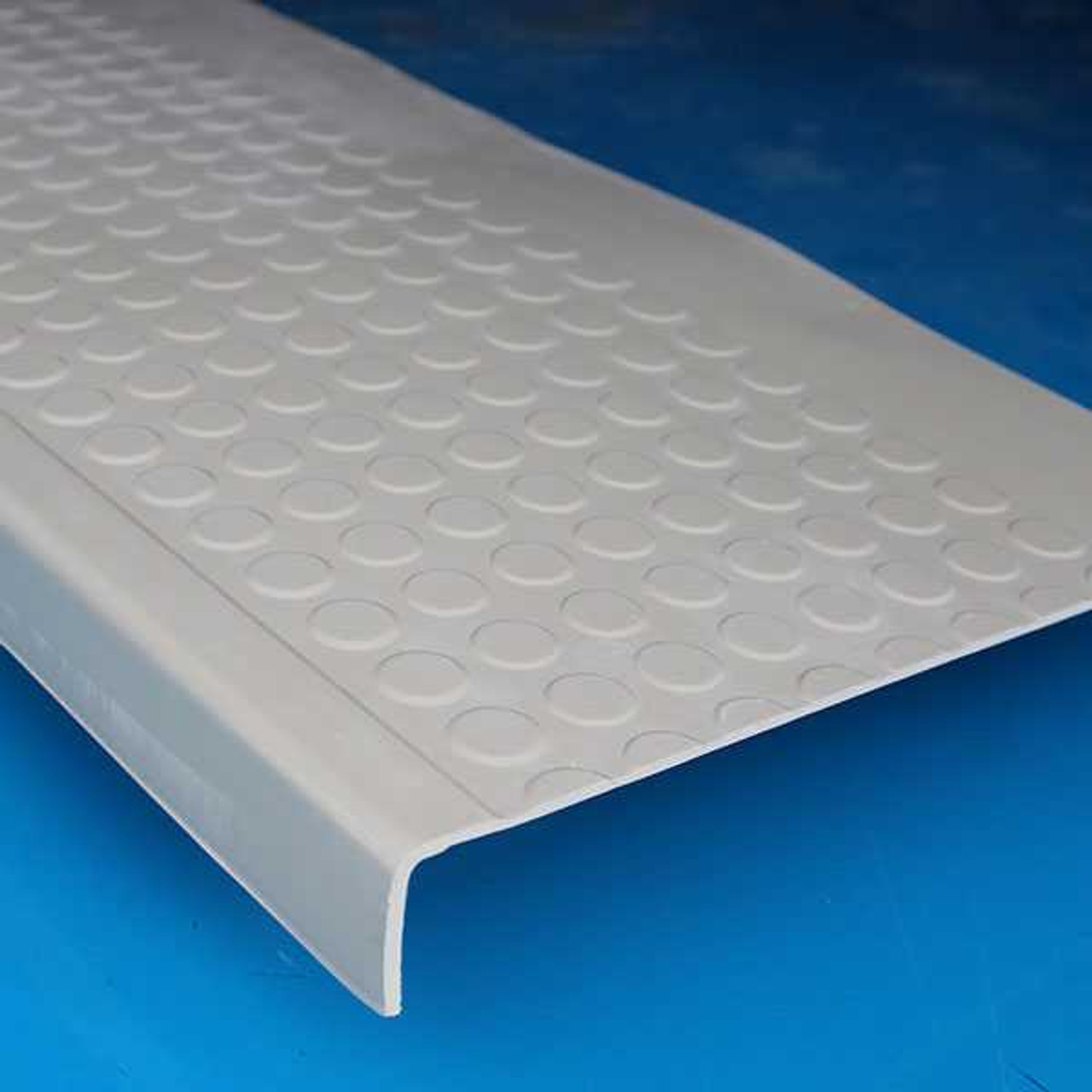
For industrial manufacturers seeking high-performance stair treads that meet rigorous safety, durability, and compliance standards, Suzhou Baoshida Trading Co., Ltd. delivers engineered rubber solutions tailored to demanding environments. As a trusted OEM partner in industrial rubber applications, we specialize in designing and producing stair treads that offer superior slip resistance, long-term structural integrity, and resistance to oil, chemicals, and extreme temperatures. Our technical expertise ensures that every product is optimized for performance, longevity, and regulatory compliance across sectors including manufacturing, transportation, marine, and commercial infrastructure.
Our stair treads are formulated using advanced rubber compounding techniques, integrating high-abrasion-resistant polymers and anti-slip surface profiles to meet or exceed international safety standards such as OSHA, ISO 14122-3, and DIN 51130. Whether you require molded rubber treads for industrial platforms, anti-slip inserts for metal staircases, or custom extruded profiles for integration into larger systems, our engineering team collaborates closely with clients to deliver application-specific solutions. We support low-volume prototyping and high-volume production runs with consistent quality control, dimensional accuracy, and material traceability.
To ensure seamless integration into your manufacturing or supply chain operations, we offer comprehensive technical documentation, including material certifications (e.g., UL, RoHS, REACH), mechanical property data sheets, and aging resistance test reports. Our production facilities are equipped with precision molding, vulcanization, and extrusion systems, enabling tight tolerance control and rapid turnaround times. With an established track record in export logistics and OEM co-branding, Suzhou Baoshida serves clients across North America, Europe, and Southeast Asia with reliable delivery and responsive technical support.
For immediate technical consultation or to request a custom quote, contact Mr. Boyce, Rubber Formula Engineer and OEM Manager, directly at [email protected]. Mr. Boyce leads our formulation and application engineering division, bringing over 15 years of experience in industrial elastomer development and client-specific product optimization. He will work with your team to assess load requirements, environmental exposure conditions, installation methods, and regulatory needs to propose a stair tread solution that aligns precisely with your operational demands.
Below are key technical specifications for our standard industrial rubber stair tread formulation:
| Property | Test Method | Typical Value |
|---|---|---|
| Hardness (Shore A) | ASTM D2240 | 65 ± 5 |
| Tensile Strength | ASTM D412 | ≥12 MPa |
| Elongation at Break | ASTM D412 | ≥250% |
| Abrasion Resistance (Taber, CS-17) | ASTM D1044 | ≤120 mg loss/1000 cycles |
| Coefficient of Friction (dry) | ASTM C1028 | ≥0.75 |
| Operating Temperature Range | — | -40°C to +100°C |
| Flame Resistance | UL94 | HB rated |
| Oil & Chemical Resistance | ASTM D471 | Excellent (no cracking, <15% swell in IRM 903) |
Reach out today to initiate a technical collaboration. Mr. Boyce is available to review drawings, provide material samples, and support your next project with precision-engineered rubber stair treads designed for industrial excellence.
⚖️ O-Ring Weight Calculator
Estimate rubber O-ring weight (Approx).